ShanghaiDoctor - Where China's Healing Wisdom Shapes Modern Medicine

Update time:2026-01-22Visits:5739
SHANGHAI — In a story that reads like a medical fairy tale yet carries the weight of rigorous science, a renowned neurosurgeon in Shanghai has accidentally stumbled upon a potential new treatment for Alzheimer’s disease—a discovery that began when he tried to save his own mother.
Dr. Sun Bomin, director of Functional Neurosurgery at Ruijin Hospital, has spent decades decoding the human brain through deep brain stimulation and brain-computer interfaces. But despite his expertise, he found himself as helpless as any other son when his mother, then in her 90s, was diagnosed with Alzheimer’s nearly eight years ago.
“She lost her autonomy,” Dr. Sun recalled. “She didn’t recognize her family. Even simple arithmetic became impossible for her.”
The breakthrough came not through a dedicated Alzheimer’s drug, but via a serendipitous side effect of a different procedure.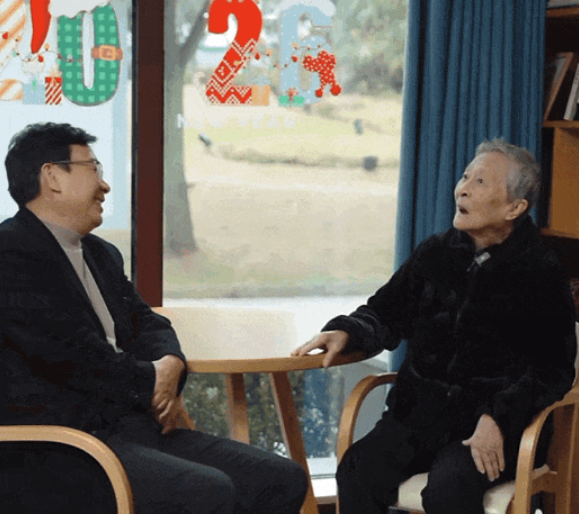
A Serendipitous “Reboot”
In 2024, Dr. Sun treated his mother with focused ultrasound to alleviate symptoms of dystonia, a movement disorder common in elderly patients. The procedure is non-invasive, using sound waves to target specific areas of the brain. The team hoped to calm her tremors; they did not expect to restore her mind.
However, a month after the treatment, the family’s caregiver noticed an inexplicable change. The fog seemed to lift.
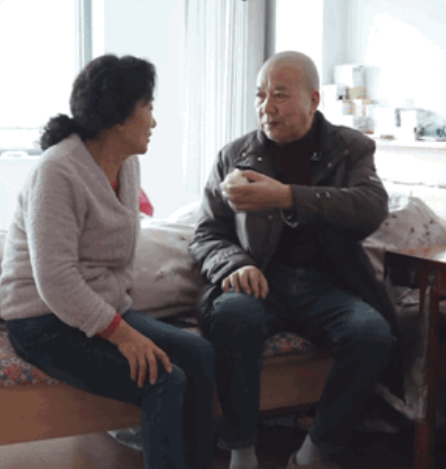
“She started to recognize her son and daughter-in-law by name,” Dr. Sun said. “She could communicate fluently, and her motor skills improved significantly.”
In a video now circulating in Chinese medical circles, Dr. Sun tests his mother’s cognitive recall—the standard “serial sevens” test often used by neurologists.
“What is 100 minus 7?” he asks.
“93,” she replies instantly.
“And 93 minus 7?”
“86.”
It is a simple exchange, but for a family that watched a loved one vanish into the haze of dementia, it feels like a miracle.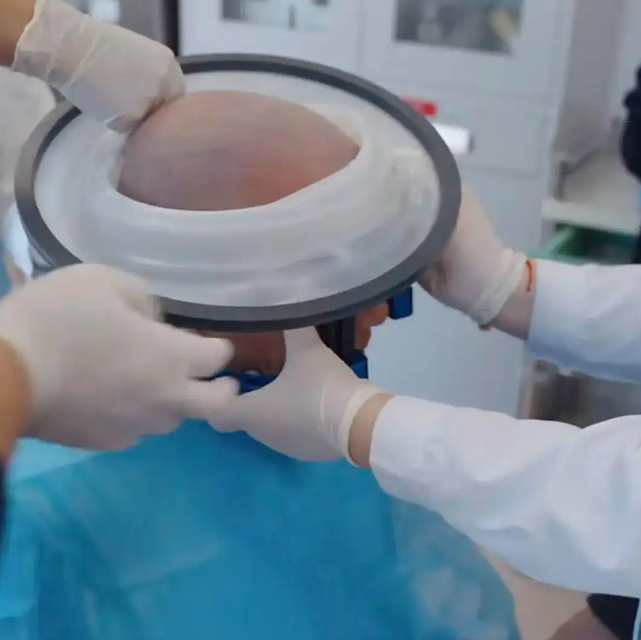
Shaking the “Corn”
So, how does it work? The technology relies on a specialized helmet housing 1,024 tiny transducers. These emit high-energy ultrasound beams that pass effortlessly through the scalp and skull, converging precisely on a deep point within the brain.
Crucially, the procedure does not kill cells. Instead, it creates high-frequency mechanical oscillations.
Dr. Sun uses a vivid agricultural analogy to explain the complex neuromodulation to his patients. “It’s like using a winnowing basket to shake corn or rice,” he explained. “When you shake it, the grains that were mixed together and messy start to layer and organize themselves.”
In the context of Alzheimer’s, Dr. Sun believes the physical vibration “shakes loose” neural circuits that were “stuck” or disconnected due to the disease. The stimulation effectively “reboots” the brain’s signaling pathways, restoring cognitive function.
From Lab to Living Room
Encouraged by his mother’s recovery, Dr. Sun launched a clinical trial last year. The results, while still in the early stages, offer a glimmer of hope to the millions of families worldwide grappling with dementia.
So far, seven patients have undergone the treatment. The outcomes have varied—two showed rapid improvement, while others relapsed after a brief period of clarity.
Yet, one success story stands out. A patient who previously struggled with daily tasks has regained enough independence to do housework, including laundry and cleaning. Perhaps the most touching detail? One day, the patient expressed a desire that would have been unthinkable just months prior: they wanted to go out for karaoke.
“A lot of medical progress comes from accidents,” Dr. Sun reflected. “The most important thing for a clinician is to observe. When a turning point happens, you have to see it.”
While the medical community cautions that this is not a universal cure and the path to fully conquering Alzheimer’s remains long, the mood at Ruijin Hospital is one of cautious optimism. For the first time in a long time, there is a signal that the darkness of dementia might not be permanent.
Groundbreaking Diagnosis: Shanghai Medical Team Identifies Ultra-Rare Bone Disorder
Foreign travelers can get service from Shanghai’s community hospital from now on
Shanghai Team Performs First ABO-Incompatible Heart Transplant on Infant
Shanghai Medical Pilot Realizes “Walking Dream” for Bulgarian Girl with Cerebral Palsy
A Shanghai Doctor Uses Ultrasound to “Wake Up” Mother's Alzheimer's
Shanghai Medical Trio Stages High-Altitude Rescue on Flight from Xinjiang
Shanghai Children’s Hospital Uses Remote MDT to Diagnose Rare CIPA

Dr. Gu Leyi | Shanghai Renji Hospital’s Blood Purification Center Earns Landmark International Certification
Groundbreaking Diagnosis: Shanghai Medical Team Identifies Ultra-Rare Bone Disorder
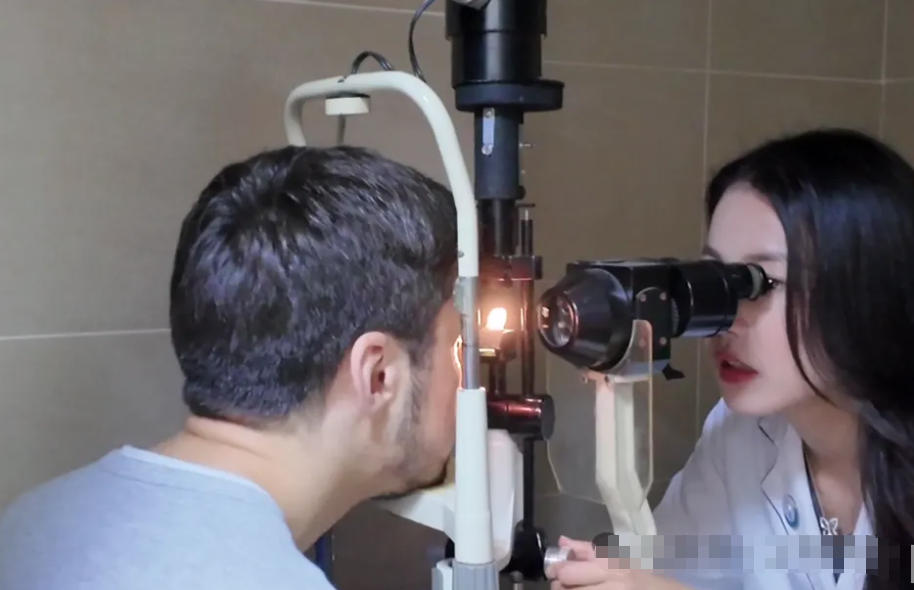
Foreign travelers can get service from Shanghai’s community hospital from now on
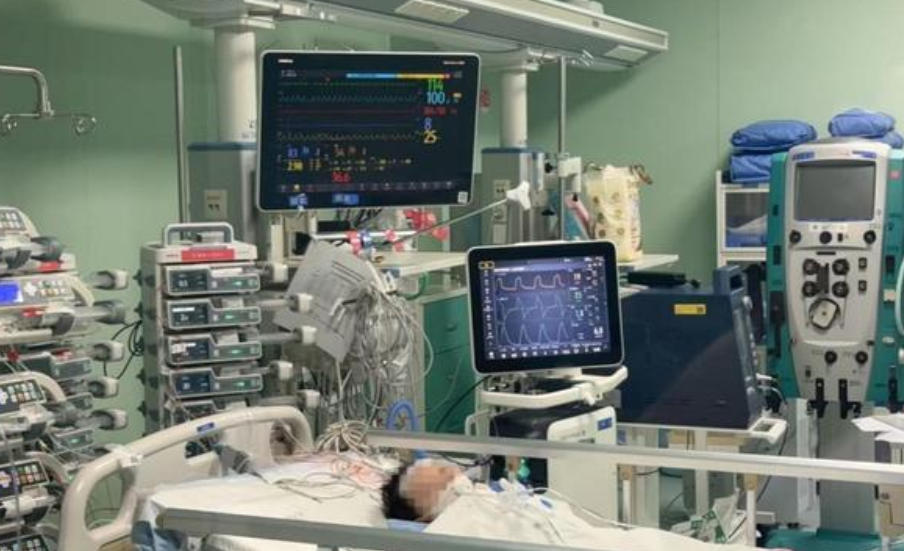
Shanghai Team Performs First ABO-Incompatible Heart Transplant on Infant
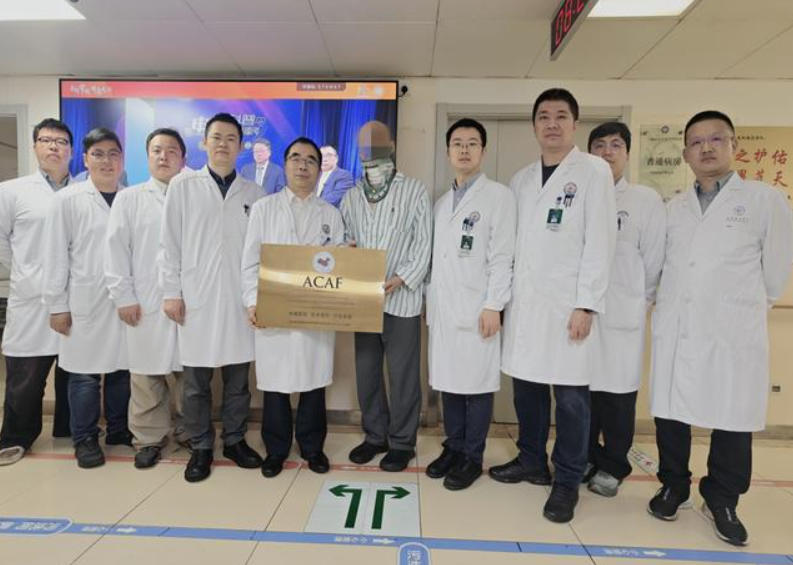
For 54-year-old Malaysian Chinese businessman Mr. Chan, the last three months had been profoundly unsettling. His own hands no longer felt like his own. Simple, everyday acts—fastening a shirt button, holding chopsticks, gripping a pen—had become monumental challenges.
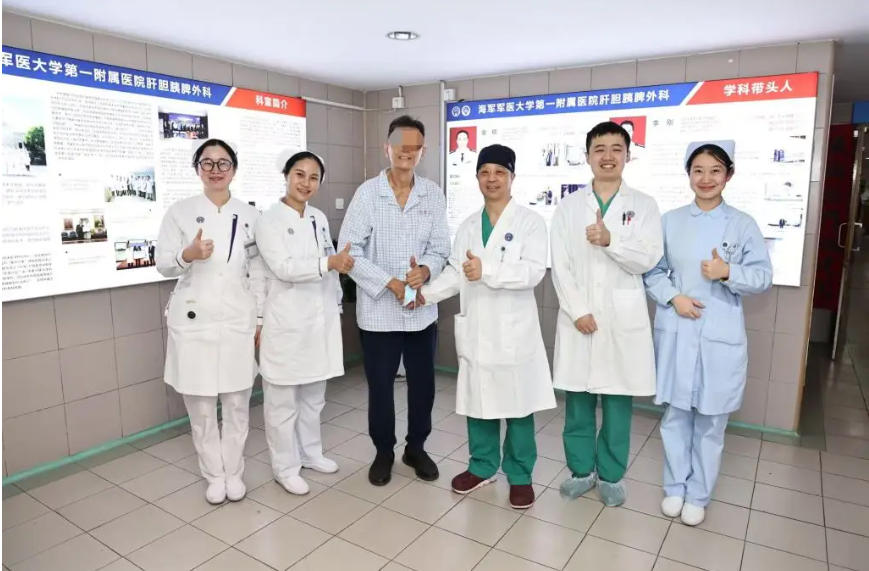
An overseas Chinese was treated from Shanghai Changhai Hospital with successful removal of a pancreatic tumor.
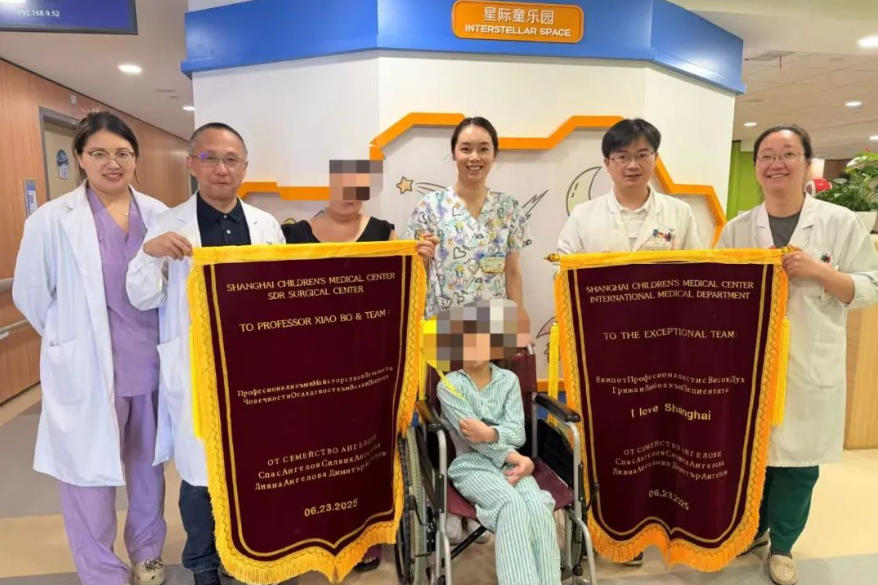
Shanghai Medical Pilot Realizes “Walking Dream” for Bulgarian Girl with Cerebral Palsy
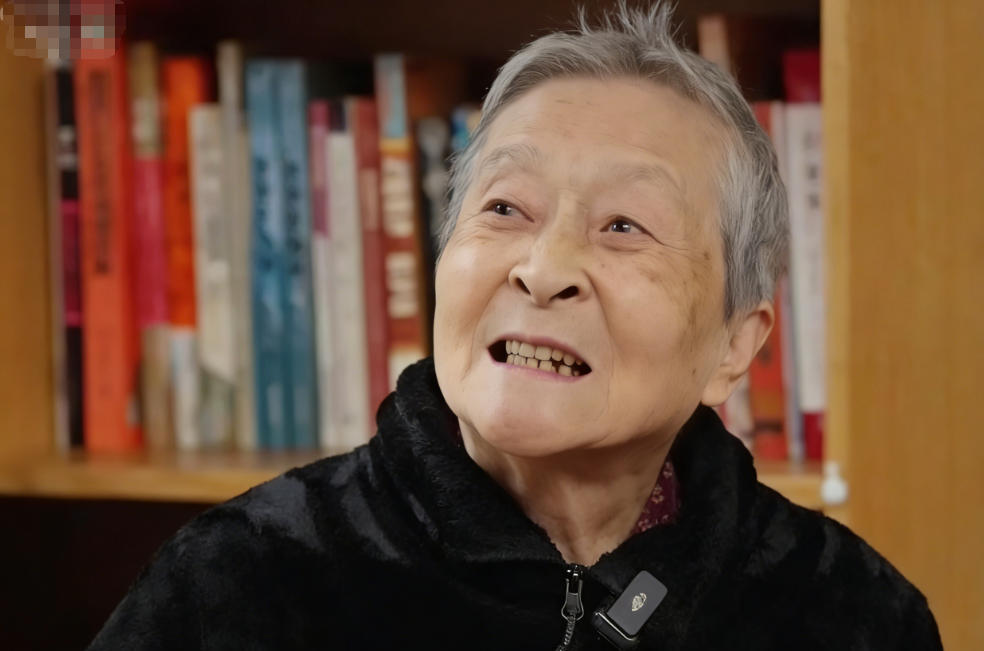
A Shanghai Doctor Uses Ultrasound to “Wake Up” Mother's Alzheimer's

Shanghai Medical Trio Stages High-Altitude Rescue on Flight from Xinjiang
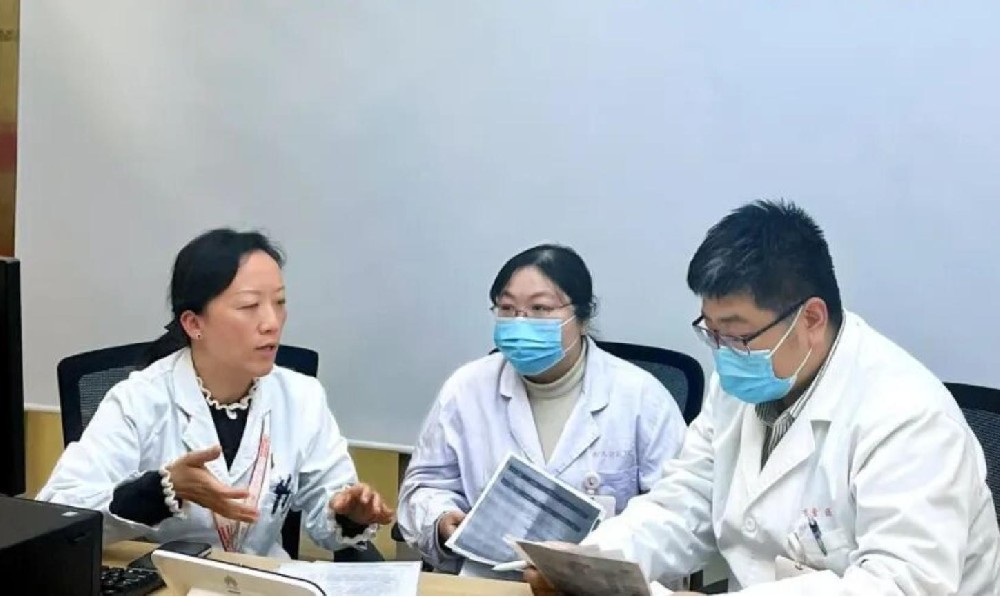
Shanghai Children’s Hospital Uses Remote MDT to Diagnose Rare CIPA
Copyright © 2023 Yewen Renyi & ShanghaiDoctor.cn (This website is a non - profit medical humanities platform. The information contained herein is solely for biographical and historical purposes and does not constitute any medical advice.) 沪ICP备2023005392号-2 XML 沪公网安备31010902100835号
 中文
中文 English
 Español
 沪公网安备31010902100835号