ShanghaiDoctor - Where China's Healing Wisdom Shapes Modern Medicine

Update time:2026-10-05Visits:136
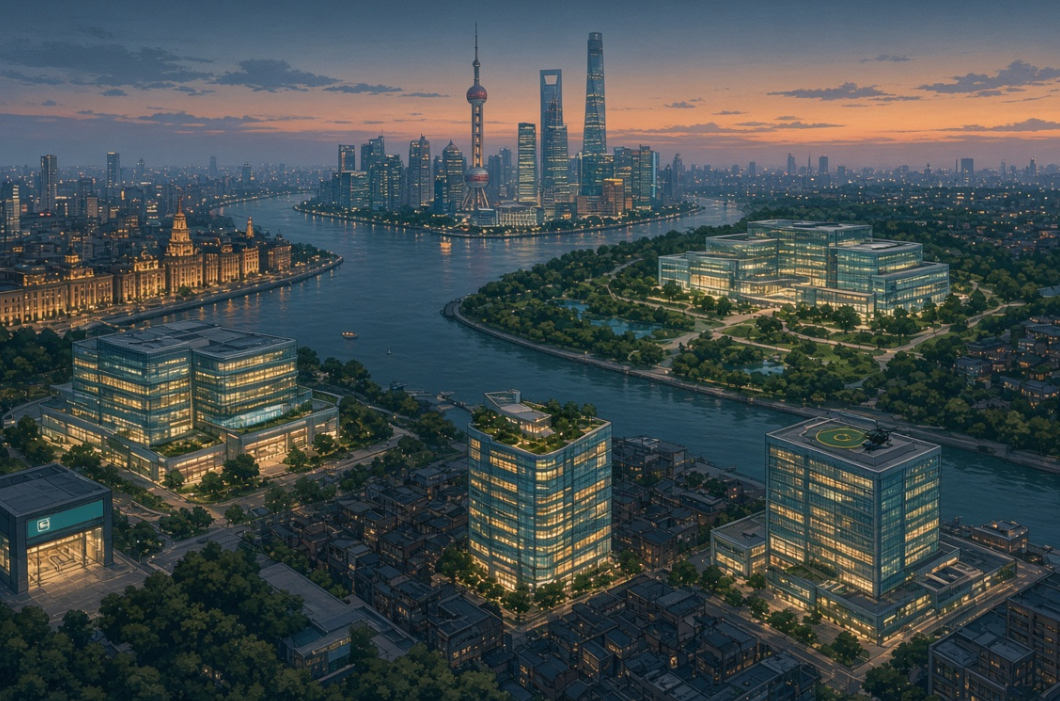
Shanghai is pushing its best-known hospitals outward. In the space of two months, a new tertiary campus has opened in Jinshan, a century-old rehabilitation hospital has moved into the largest medical-and-elderly-care complex in the city center, and two more flagship sites — Shanghai Chest Hospital in Pudong and Zhongshan Hospital’s national medical center in Qingpu — are due to open before the end of October. The pattern is the same: same brand, same specialists, closer to where patients actually live.
Shanghai’s top hospitals keep moving outward
For years, a serious heart, lung, liver or cancer problem in Shanghai meant a trip into the inner districts — Xuhui for chest disease, the old concession belt for Zhongshan and Ruijin. That geography is shifting. Between late August and late October 2026, the city is opening or commissioning four large hospital projects that extend tertiary and specialized care into Pudong’s Tangzhen, Qingpu New City, Jinshan and central Jing’an.
None of these is a lightly branded satellite clinic. Each is tied to an established institution, staffed under a “one hospital, two campuses” or vertical-management model, and built to take cases that until now crossed the river or the city.
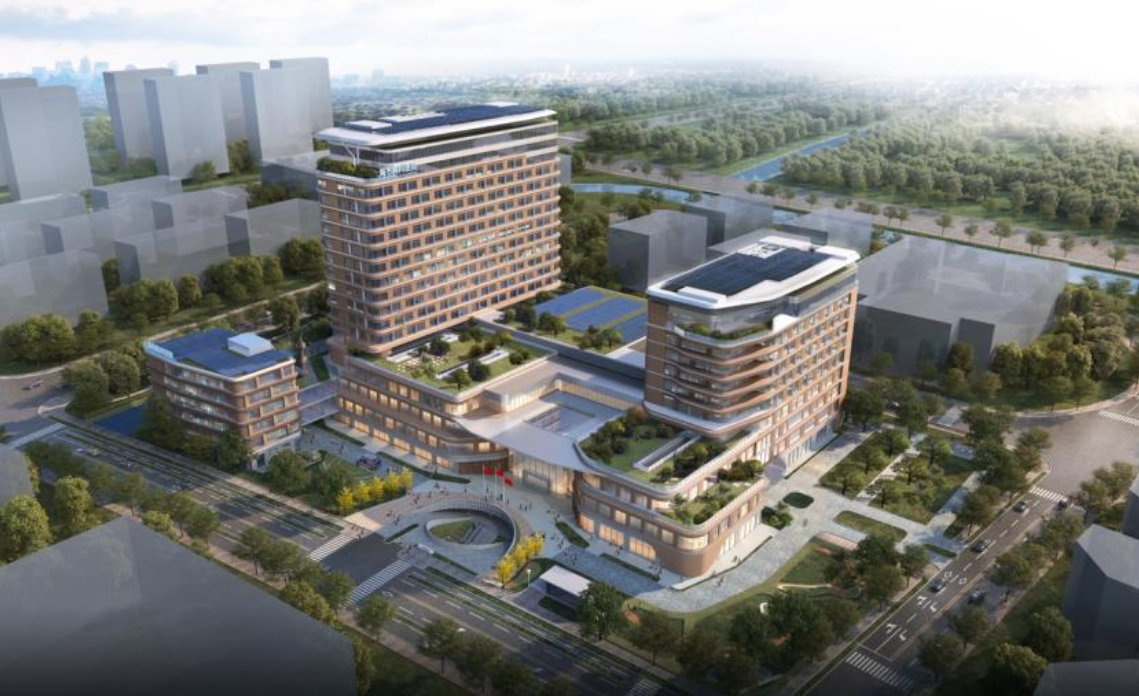
Chest Hospital arrives in Tangzhen on October 20
Shanghai Chest Hospital’s Pudong campus, at 57 Yupan South Road in Tangzhen, is scheduled to open on October 20. The building covers nearly 120,000 square meters and has 600 beds. It is the first Grade 3A hospital in Tangzhen.
The site sits on top of the metro. Passengers on Line 2 leave Innovation Middle Road Station by Exit 1 and walk straight into the outpatient hall. After opening, the new campus and the Xuhui headquarters will run as one hospital: named specialists will consult on both sites, and laboratory and imaging results will be shared.
The first wards to open are organized by disease rather than by traditional department: a thoracic surgery center, a lung cancer center, a respiratory center and a cardiac center. Imaging at launch includes a new-generation DSA angiography system, spectral CT and high-end MRI. A single-room proton system, TOMO radiotherapy and radionuclide therapy are planned for later phases.
For Zhangjiang Science City, the practical change is simple. Cardiothoracic disease will no longer require a cross-river referral to Xuhui.
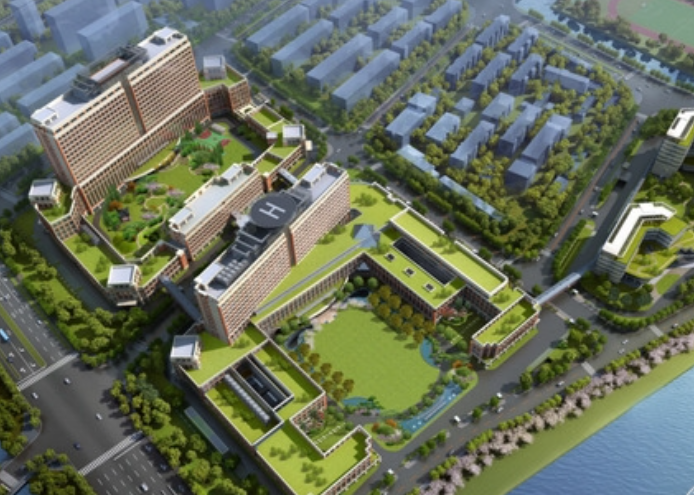
Zhongshan’s national medical center aims for a late-October trial
Fudan University Zhongshan Hospital’s Qingpu New City campus, built as a national medical center, is planning trial operations at the end of October. It is the first comprehensive national medical center project in China to have been formally approved and started.
Phase one is planned for 600 beds, within an eventual capacity of 1,200, and about 172,000 square meters of floor space. Completion acceptance began on August 18. In the trial period the hospital expects to open about 324 beds and 33 general ICU beds.
Care is grouped into six centers: hepatobiliary tumors; coronary heart disease and arrhythmia; gastrointestinal tumors; lung tumors; thyroid tumors; and macrovascular and cerebrovascular disease. More than 20 national key clinical specialties are due to be introduced. The Qingpu district government has signed a joint-development agreement with Zhongshan and a separate agreement to co-build Qingpu District Central Hospital, so the new campus is also meant to lift the district hospital, not only to stand beside it.
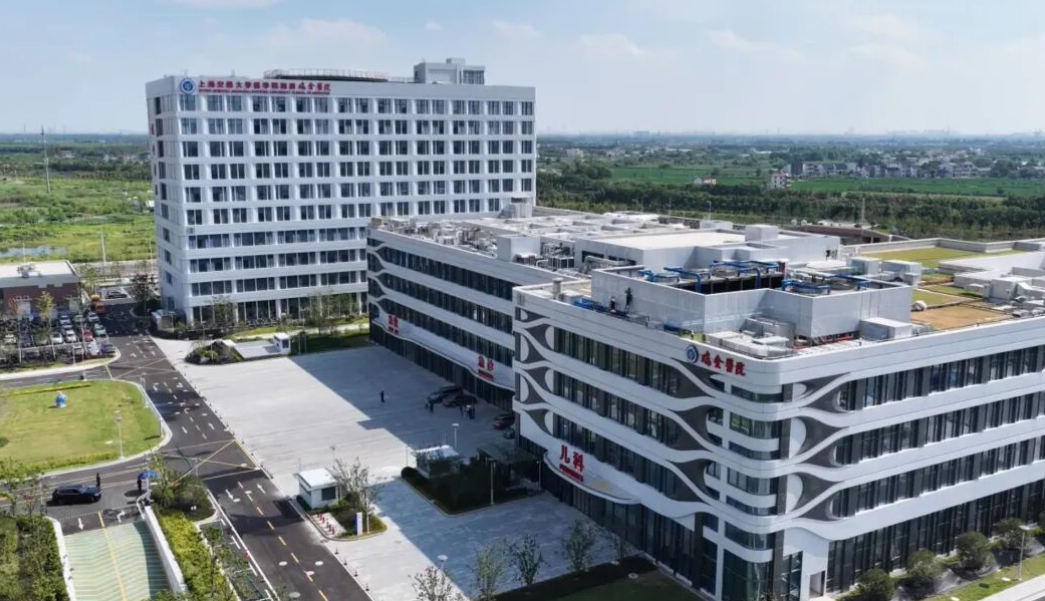
Ruijin’s Jinshan campus is already full
Ruijin Hospital’s Jinshan campus opened on August 28 and remains the most discussed of the new sites, because the demand showed up immediately. It is Jinshan’s first Grade 3A general hospital. Staff are deployed by Ruijin under vertical management, with the same clinical standards as the main campus.
Public reports put current capacity at 195 open beds, with occupancy above 90 percent, and peak daily outpatient volume around 4,600 visits. In urology and some other surgical services, operating beds were fully booked within a month. Phase one is planned for 400 beds and phase two for a total of 1,200. The campus also has a helipad, intended as part of the national emergency medical rescue network.
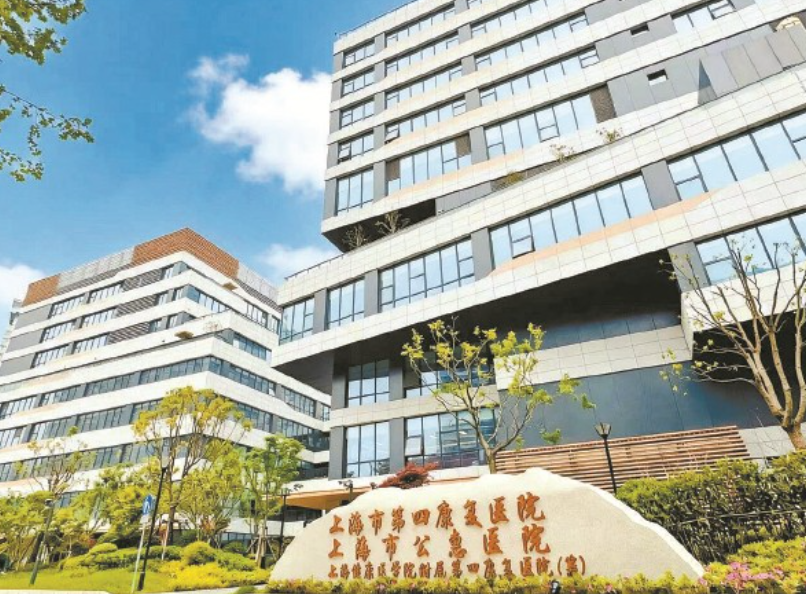
A 101-year-old rehabilitation hospital moves into Jing’an
On September 28, Shanghai Fourth Rehabilitation Hospital — also Shanghai Gonghui Hospital — opened its new campus at 51 Anyuan Road on its 101st anniversary. The building has 14 floors above ground and three below, more than 60,000 square meters, and 507 open beds. Of 11 wards, eight are rehabilitation wards. It is the largest single medical, rehabilitation and elderly-care complex in central Shanghai, and the core of the Jing’an Elderly Health Center.
The lineage is older than the new tower. The hospital traces itself to Qu Zhifu Hospital, founded in 1925, and in 1986 became the first geriatric hospital in China. The stated aim now is to become a tertiary rehabilitation specialty hospital and a teaching affiliate. It will operate with the district nursing home, the municipal TCM hospital’s outpatient service and a medical emergency substation under a “five-bed linkage” model, connecting hospital, rehabilitation, nursing, home and emergency care for older residents.
What the four openings add up to
Taken together, the four projects are less about new logos than about shortening the distance between a known Shanghai hospital and the districts that have been sending patients inward. Pudong gets a chest hospital on a metro exit. Qingpu gets the first comprehensive national medical center campus, with an explicit link to the district central hospital. Jinshan already has a Ruijin-run tertiary site running above 90 percent occupancy. Jing’an has filled a different gap: not another acute tower, but rehab and elderly care at a scale the city center has not had before.
The test, over the next few months, is whether “same quality” survives contact with full clinics. Jinshan suggests the patients will come. The October openings in Tangzhen and Qingpu will show whether the specialist rotas, shared diagnostics and disease-center wards keep up.
The World’s First Invasive Brain-Computer Interface Just Got Approved in Shanghai
A Shanghai Hospital Launches Vertical Large Model for Women’s Health
Shanghai Research Team Develops AI Diagnostic System for Rare Diseases with “Explainable” Reasoning
“Yi Jian Kang” Foundation Established by Professor Wen Yumei Celebrates 13 Years of Impact
Shanghai Hosts Landmark Global Transplant Congress, a First for Mainland China
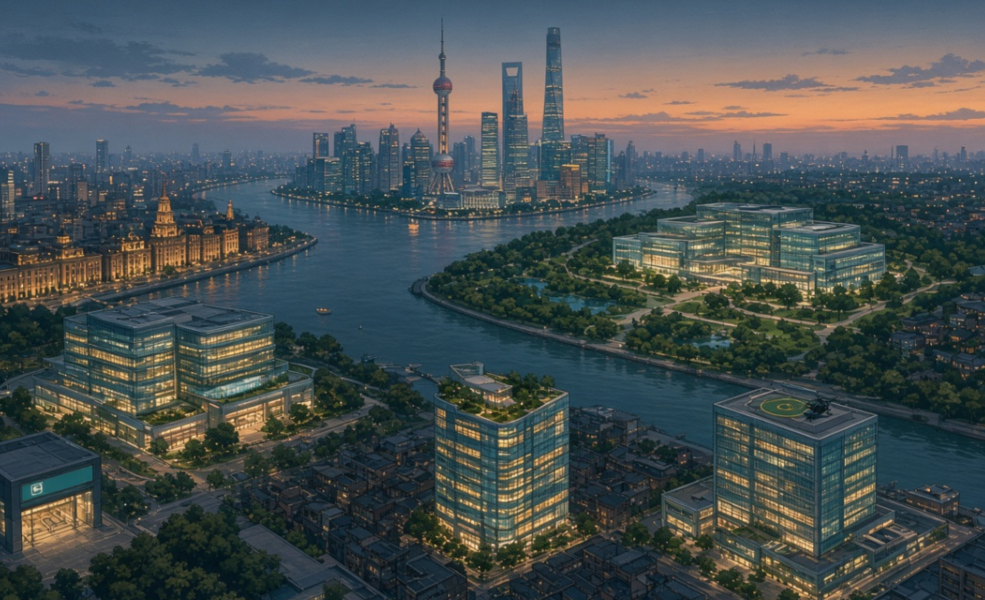
Shanghai Moves Its Best Hospitals Outward
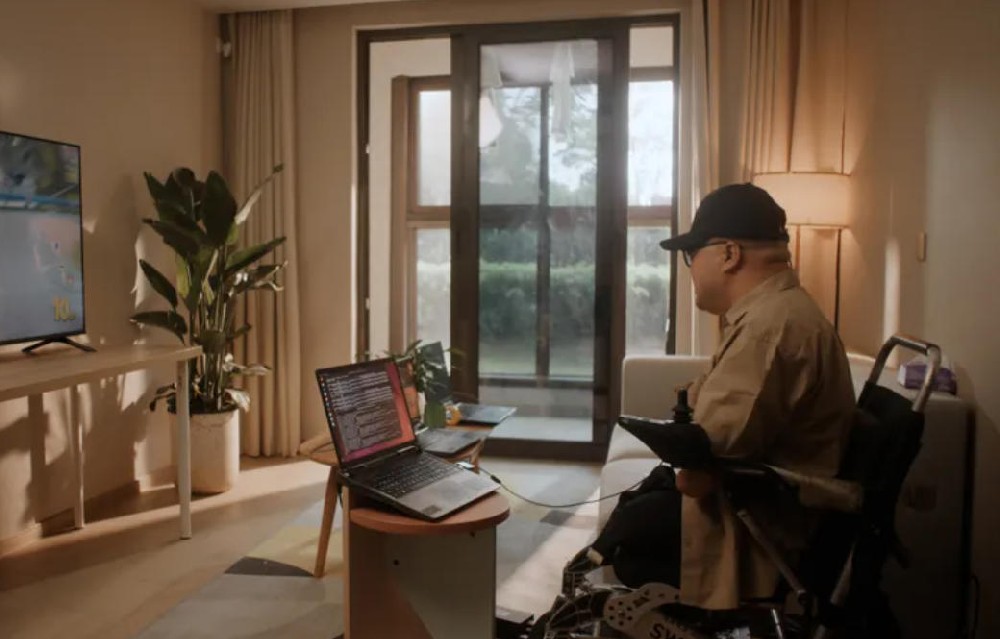
The World’s First Invasive Brain-Computer Interface Just Got Approved in Shanghai

A Shanghai Hospital Launches Vertical Large Model for Women’s Health
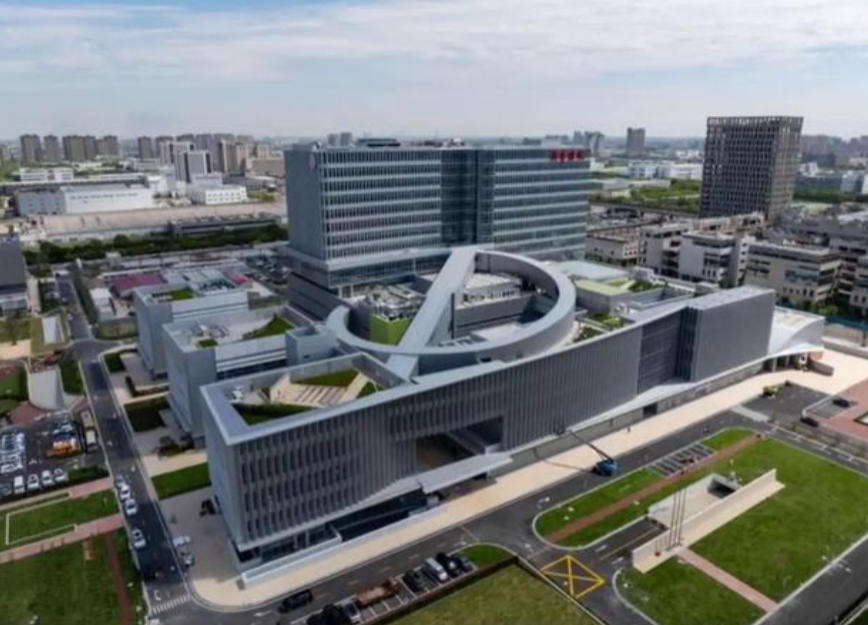
Shanghai Research Team Develops AI Diagnostic System for Rare Diseases with “Explainable” Reasoning
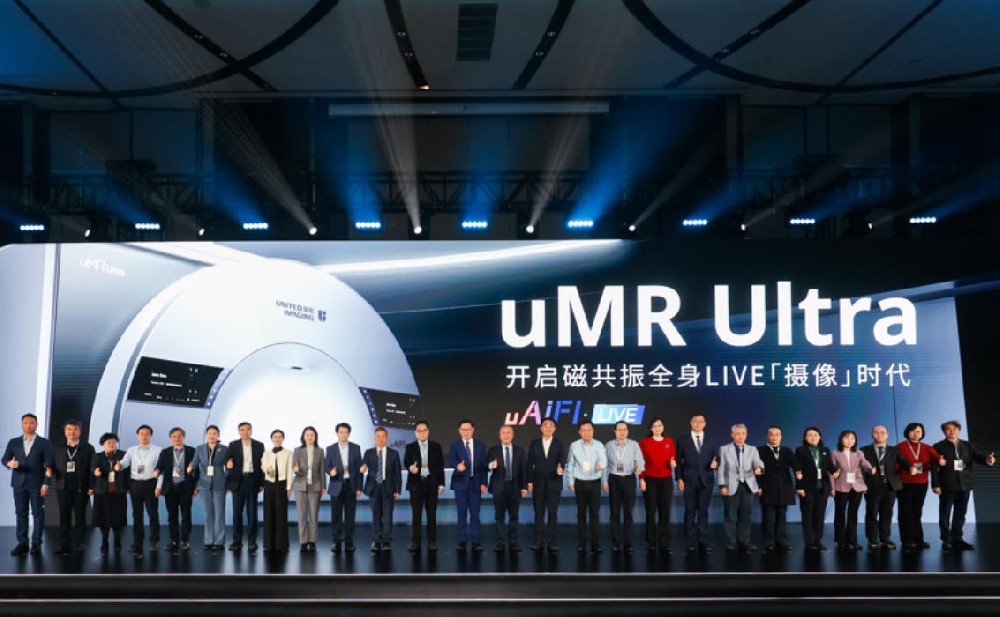
World’s First “Video Camera” MRI is set in Shanghai, Ushering in the Era of Dynamic Physiological Imaging
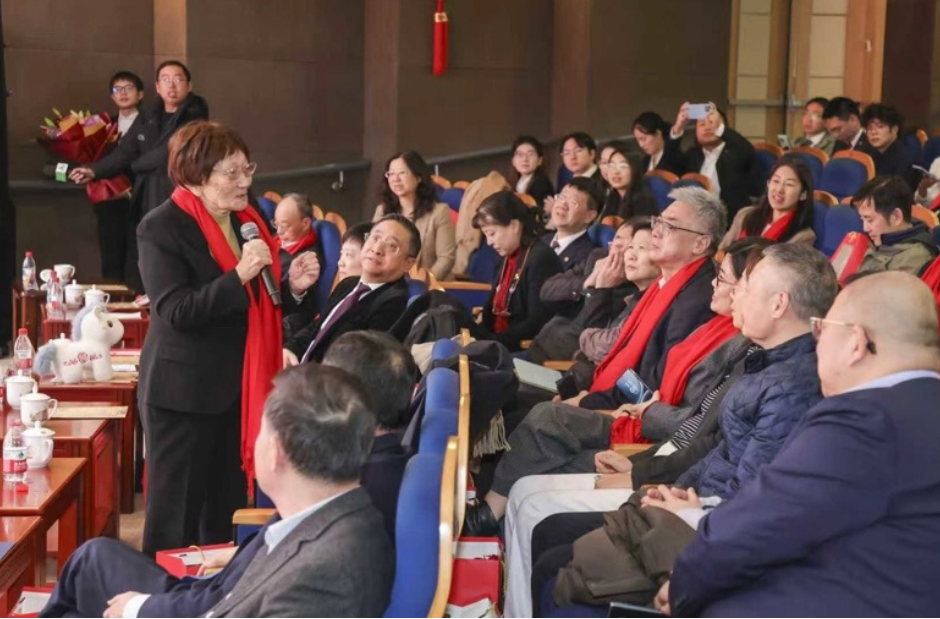
“Yi Jian Kang” Foundation Established by Professor Wen Yumei Celebrates 13 Years of Impact

Renji International Medical Marks 20th Anniversary

Shanghai Overseas Patients See 25% Growth

Shanghai Hosts Landmark Global Transplant Congress, a First for Mainland China

Shanghai Health Report, Issue 7: Expert Guidance
Copyright © 2023 Yewen Renyi & ShanghaiDoctor.cn (This website is a non - profit medical humanities platform. The information contained herein is solely for biographical and historical purposes and does not constitute any medical advice.) 沪ICP备2023005392号-2 XML 沪公网安备31010902100835号
 中文
中文 English
 Español
 沪公网安备31010902100835号