ShanghaiDoctor - Where China's Healing Wisdom Shapes Modern Medicine

Update time:2026-09-14Visits:443
“Get through the first hard years and the sky clears. The bright moon rises over the sea.”
— Hua Xiaolin
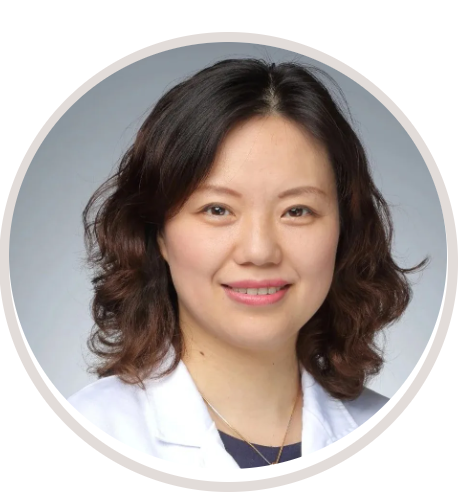
Hua Xiaolin is Chief Physician, Professor, and Doctoral Supervisor. She directs the pregnancy-hypertension subspecialty in obstetrics at Shanghai First Maternity and Infant Hospital (affiliated with Tongji University), a high-volume maternity center and a national key clinical specialty. Her work sits at the crossing of placenta-origin disease—especially preeclampsia—high-risk labor, prenatal diagnosis, and the repair of pelvic injury after birth.
She is a committee member and secretary of the Shanghai Medical Association’s obstetrics and gynecology branch and has led the city’s obstetrics study group. She has directed three projects of the National Natural Science Foundation of China and published several dozen papers as first or corresponding author. Short visiting periods at the University of Ottawa (2014–2015) and at the Assistance Publique–Hôpitaux de Paris (2017) are the only extended overseas chapters in her training.
She also writes for the public. A WeChat account that began as one original explainer a week, later one every two weeks, and a Weibo following in the hundreds of thousands, are her attempt to close the gap between what obstetricians assume a family already knows and what a family is actually afraid of at two in the morning.
School had been smooth. She entered Shanghai Second Medical University near the top of her class and went straight into a master’s program at the International Peace Maternity and Child Health Hospital as the first graduate student of the then president. Expectation arrived with the title. Residents of her year were cleared after thirty deliveries; her mentor wanted sixty. The delivery room does not keep office hours. Night shifts ended with the sun, and she often wanted to cry when they did. Outpatient and inpatient rotations ran twice. Sleep was a rumor.
After the doctorate she joined obstetrics and gynecology at Xinhua Hospital, one of Shanghai’s four critical-maternal referral centers. Volume was lower than in a stand-alone maternity hospital; the cases were not. She already had twin daughters. What she did not yet have was enough of the responsibility that only comes when your name is on the board. Days were for procedures; nights were for the day’s hardest chart and the papers that explained why the chart looked that way. She learned to run high-risk obstetric lists. She did not stop feeling thin ice. Two lives, she says, argue for caution that outlasts confidence.
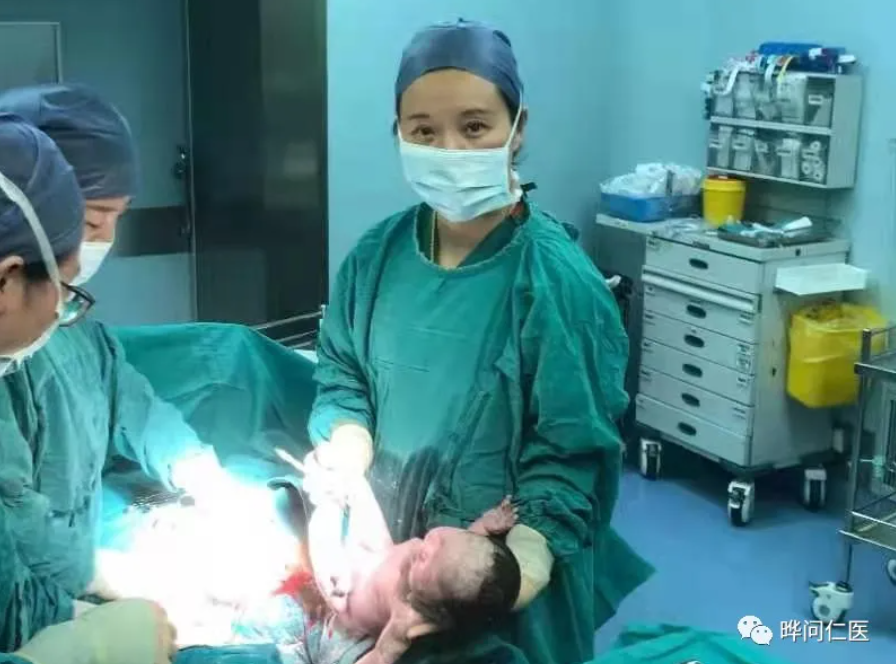
Xinhua’s strength in pediatrics changed what obstetrics could offer. Conditions once missed until birth could be named in pregnancy. Of twenty beds she once ran, ten were antenatal and full of hypertensive disorders; more than half the infants on the postpartum side had a serious problem—intestinal atresia, congenital heart disease. A couple from Wuxi had two boys by cesarean and wanted a girl. The fetus had intestinal atresia. The local hospital advised ending the pregnancy. Hua, already in the prenatal-diagnosis group, thought a simple atresia was a child worth keeping. Radiology and pediatric surgery agreed. Two prior cesareans, a ruptured appendix, endometriosis, and a uterus already opening at the lower segment made the delivery hard. The infant weighed two kilograms. The bowel was repaired the same day. Three years later the mother still sends videos.
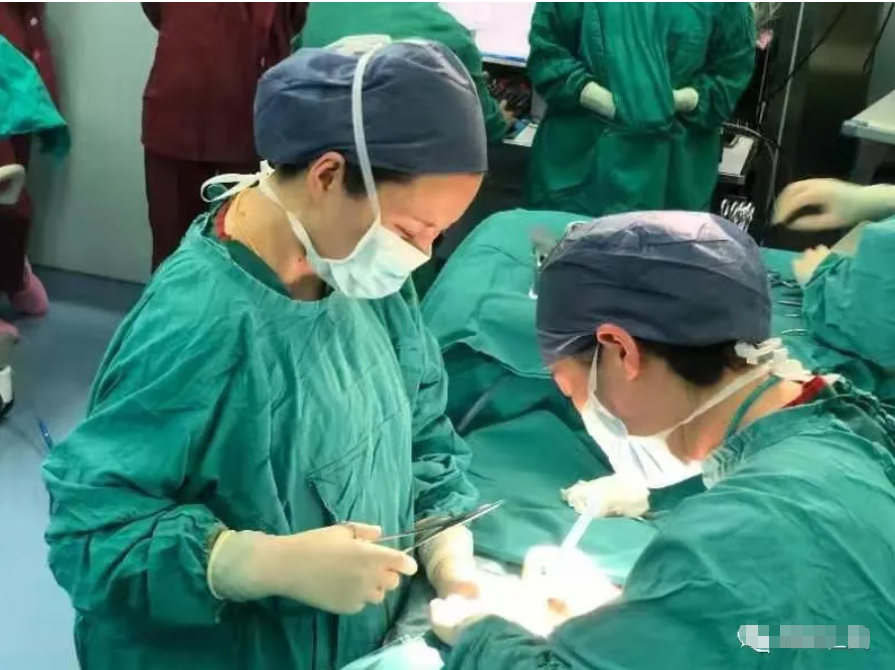
In 2019 Shanghai First Maternity and Infant Hospital asked her to come. Obstetrics there is split by problem: preterm birth, pregnancy hypertension, endocrine disease, and morbidly adherent placenta. She took hypertension. Preeclampsia complicates some six to eight percent of pregnancies and can kill mother or child. It is a disease of this pregnancy; deliver the placenta and it usually recedes. That is also the cruelty. Early-onset disease at twenty-seven or twenty-eight weeks leaves a choice between a mother in danger and an extremely preterm infant. The work is to hold both risks in the same hand long enough for both to leave the hospital.
She now spends more time turning ward problems into protocols other hospitals can use. Popular-science writing is the same impulse at a different scale. A lifetime of clinic visits reaches tens of thousands of people; a clear paragraph can reach millions. On the account’s first anniversary, readers sent photographs of children she had delivered. That, she says, is the return on the years that once felt too hard to remember.
ShanghaiDoctor.cn: Why obstetrics and gynecology?
Hua Xiaolin: I am fairly cheerful, and impatient. I like work with a result you can see. General surgery felt too heavy for me, so I thought this field would fit. After all these years I think it is the most tiring specialty of the lot. The old line is true: the hardest, most exhausting work in medicine is obstetrics and gynecology.
ShanghaiDoctor.cn: How did the delivery room feel?
Hua Xiaolin: As a student I had already seen fluids and stool. By the time I was on the floor I was used to blood and noise. I am not especially sensitive. Some things I understood only after I gave birth myself. Before that, on morning rounds I would tell a woman with a fresh incision to bear it and not cry out. After my own cesarean I knew that “bear it” is not a useful sentence.
ShanghaiDoctor.cn: After the first sixty deliveries, had you crossed a mountain?
Hua Xiaolin: Yes. After sixty births the senior doctors let me use forceps. For an obstetrician, forceps can be harder than a cesarean. You have to judge size, position, and the pelvis without seeing the canal—hand and experience only. After four or five forceps deliveries I thought I was good. An attending is supposed to stand by, hands off, eyes on. That day she was busy on rounds. I told her not to worry. My assessment was wrong. I was soaked and close to tears. She had not actually left. She stepped in and we got out of it. I thought for a long time afterward about respect for a life you cannot see.
ShanghaiDoctor.cn: What did Xinhua give you?
Hua Xiaolin: A general hospital with strong pediatrics is a different climate from a specialty maternity hospital. I began in gynecology, moved to obstetrics in 2012, took an associate-senior title there, and led a team until 2019. The case that still frightens me in memory happened when I was chief resident. A woman four months after birth needed an abortion for bleeding. I had done many and did not take it seriously. After the probe and the suction I knew something was wrong. For a second I was sure I had perforated the uterus. I called a senior and we checked. It was more fright than injury. The lactating uterus is soft; oxytocin would have been wiser. I did not think that far. A fall into a pit, a gain in wit.
ShanghaiDoctor.cn: A happier case?
Hua Xiaolin: When the two-child policy loosened, scarred uteruses and morbidly adherent placenta became more common. One rural woman was in her eighth pregnancy after two births and several losses. She had placenta previa of the dangerous kind and was clear that she wanted this child. It was my first such operation. We planned with urology and radiology: ureteral stents, balloons in the uterine arteries. Mother and child lived, and she kept the uterus. She had thought survival would be luck enough. She thanked me and gave me a great many eggs.
ShanghaiDoctor.cn: What marks your surgery?
Hua Xiaolin: Obstetric operations are usually less intricate than gynecologic ones. Mine are steady. You keep the steps; you do not skip anatomy for speed. More than ten years ago a very fast cesarean from Israel had a vogue—about twenty minutes, only muscle, peritoneum, and fat closed. Most of us in Shanghai thought the anatomy was not restored. For my patients I still close two layers of muscle and the serosa. It is slower. It leaves fewer hidden problems.
ShanghaiDoctor.cn: How does one become a good obstetrician?
Hua Xiaolin: First be a good doctor. Take the work seriously, answer to the patient, respect the life in front of you. Think—especially if you operate. The question is not only whether you can do the procedure, but why the disease behaves as it does, and what the complications are. In a teaching hospital you also need a research mind, not only a knife. In obstetrics you must be both bold and careful, and feel the other person’s clock. People say we only deliver babies. Childbirth is also a high-risk physiological event. The best obstetrician, to me, is the one who looks calm because she has already walked through the dangers before they arrive—like those reserved masters in the old novels who leave no footprints in the snow.
ShanghaiDoctor.cn: An example?
Hua Xiaolin: A woman with a submucosal fibroid delivered vaginally. We watch those two hours in the delivery room because that is when trouble comes. She kept bleeding, on and off. Uterotonics did nothing, so it was not simple atony. I remembered a paper on occult uterine rupture that presents as vaginal bleeding. We examined her; the uterus had torn. We operated at once. If I had given more drug instead of looking, she might have lost the uterus, or more than that.
ShanghaiDoctor.cn: If you could choose again, would you still be a doctor?
Hua Xiaolin: I think I would. I hope my daughters might become doctors too. Any field that is worth doing asks for work. The first ten years are still vivid—hard enough that I do not enjoy remembering them. Once you are through, the sky is clear, and the bright moon rises over the sea.
ShanghaiDoctor.cn: What has kept you going?
Hua Xiaolin: The gratitude in a patient’s eyes. Two strangers meet, and within hours a life is handed over. That is rare, especially when the relationship between doctors and families is not always easy. When you earn that trust you feel you are working for someone who sees you. And the work itself keeps teaching. You grow a little every day. The science moves fast. You can work until you are old and still be learning, and not be bored.
The classical line in her title is about a moon that rises over water after darkness. Hua Xiaolin’s version is a delivery room at dawn, a two-kilogram infant with a bowel that can be fixed, a rural woman who keeps her uterus and sends eggs, a bleeding that is not atony if you remember the paper. Obstetrics looks like the most ordinary work in medicine until the two hours after birth, or the twenty-eighth week of a blood pressure that will not come down. Then it is only as good as the person who stayed in the room and thought one step further.
Editor: Chen Qing
If you need any help from Dr. Hua, please let us know at Chenqing@ShanghaiDoctor.cn.
Dr. Chen Tongyu | Chest Surgery Without a Tube, and No Claim to Greatness
Dr. Hua Xiaolin | High-Risk Obstetrics, and a Child Worth Keeping
Dr. Shen Chun | Neonatal Surgery, and a Vow That Makes No Speech
Dr. Yang Ji | A Dermatologist Who Measures the Years by Who Gets Better
Dr. Chen Gong | Children's Bile Ducts, and a Future He Chose Himself
Dr. Luo Zhiguo | An Oncologist Still Hoping for One More Reunion
Dr. Shi Hongcheng | Growing Nuclear Medicine from One Old Scanner
Dr. Huang Anhua | Still Glad to Stand Under the Gallbladder Lamp
Dr. Chen Tongyu | Chest Surgery Without a Tube, and No Claim to Greatness
Cui Jie | An Infectious-Disease Nurse Who Kept Walking In
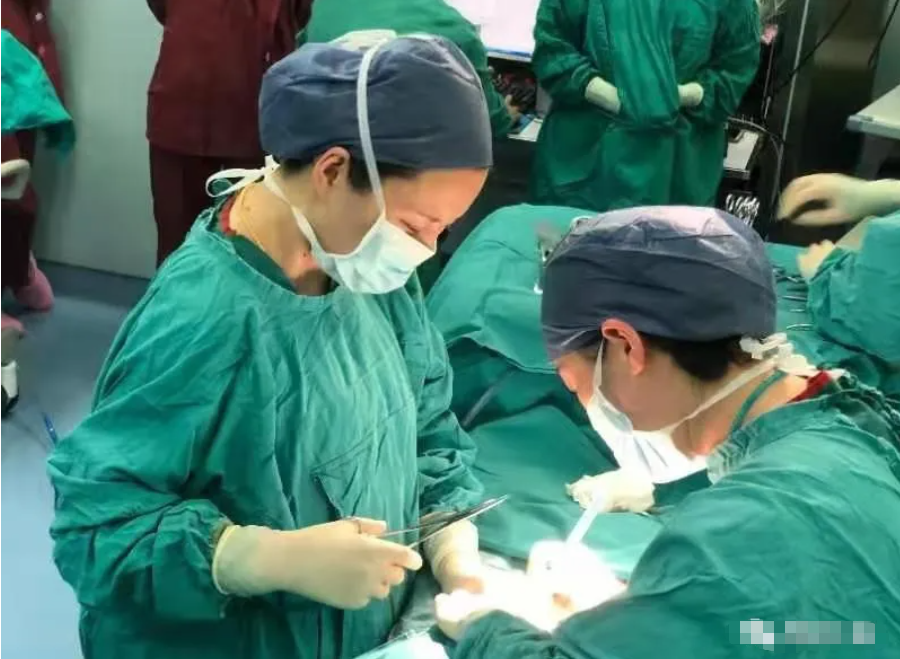
Dr. Hua Xiaolin | High-Risk Obstetrics, and a Child Worth Keeping
Dr. Shen Chun | Neonatal Surgery, and a Vow That Makes No Speech
Dr. Yang Ji | A Dermatologist Who Measures the Years by Who Gets Better
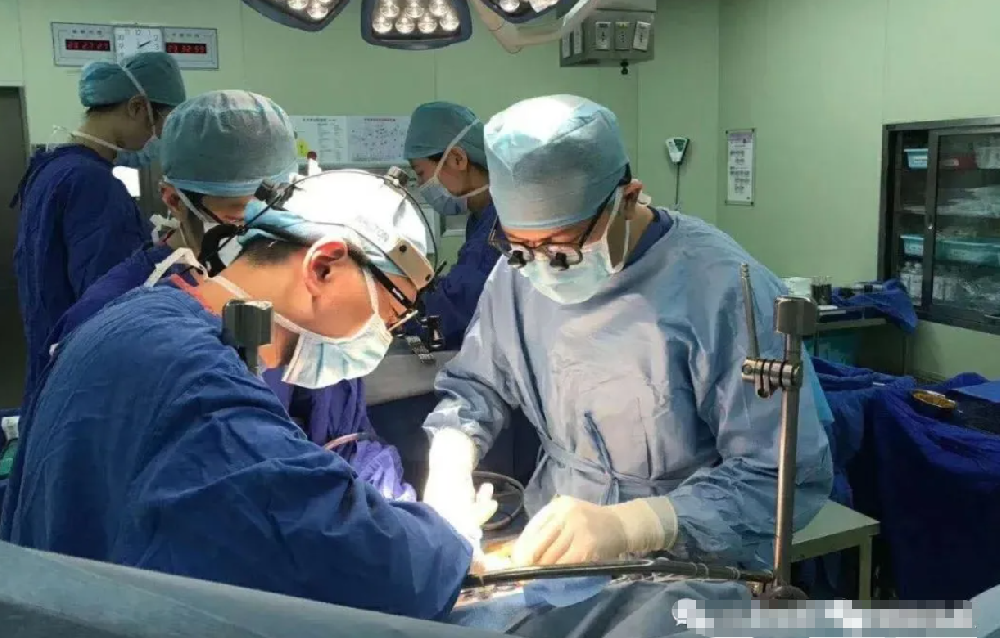
Dr. Chen Gong | Children's Bile Ducts, and a Future He Chose Himself
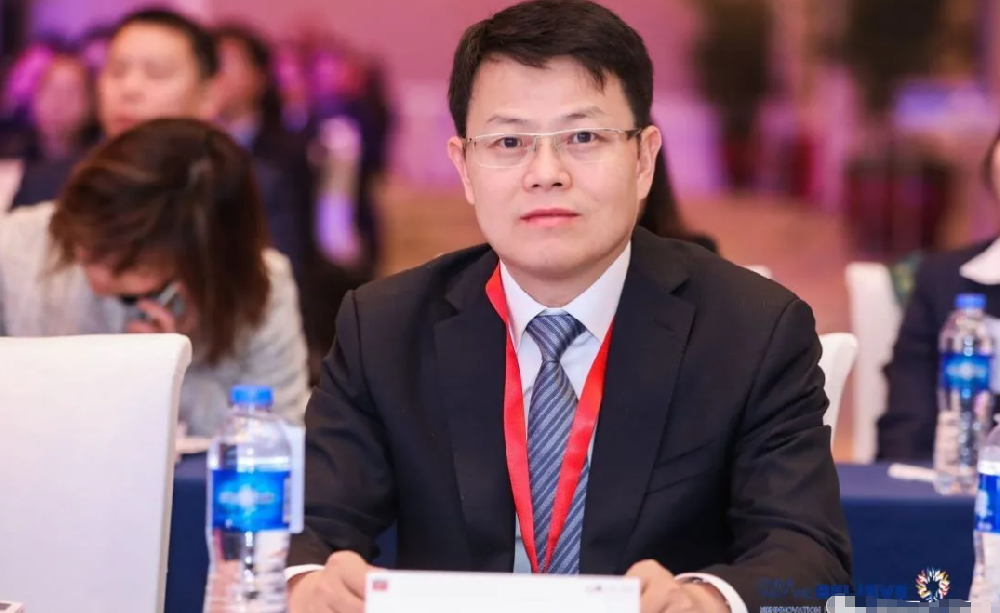
Dr. Luo Zhiguo | An Oncologist Still Hoping for One More Reunion
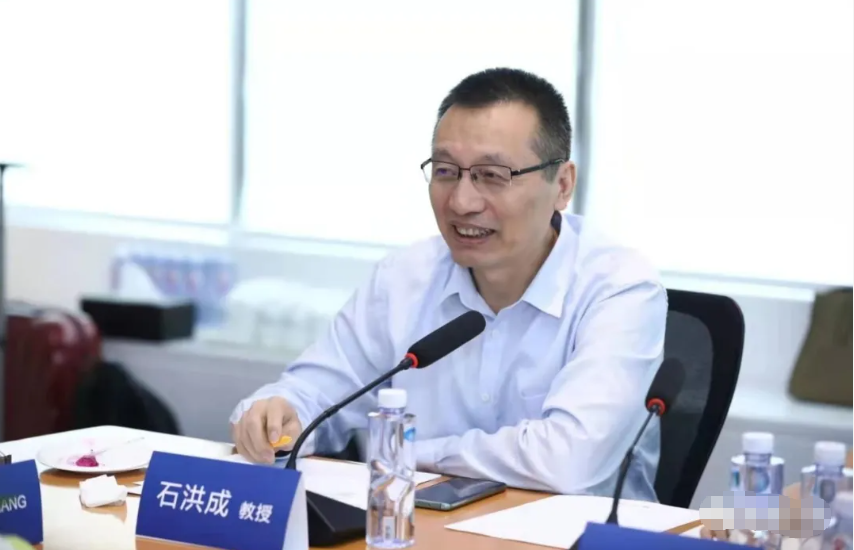
Dr. Shi Hongcheng | Growing Nuclear Medicine from One Old Scanner
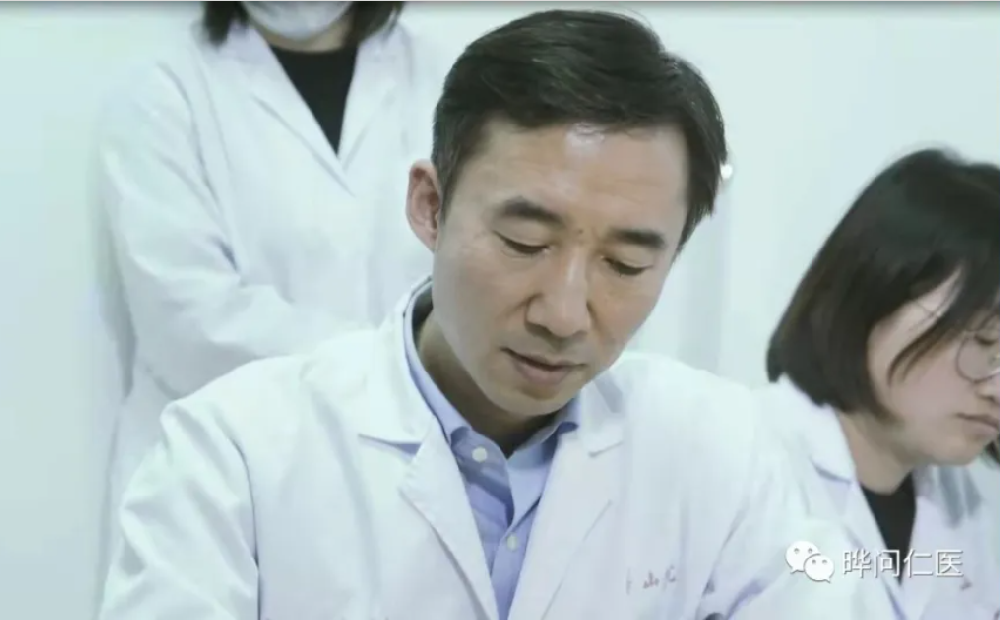
Dr. Li Wei | Loneliness in the Lab, Hope for Itchy Skin
Dr. Huang Anhua | Still Glad to Stand Under the Gallbladder Lamp
Copyright © 2023 Yewen Renyi & ShanghaiDoctor.cn (This website is a non - profit medical humanities platform. The information contained herein is solely for biographical and historical purposes and does not constitute any medical advice.) 沪ICP备2023005392号-2 XML 沪公网安备31010902100835号
 中文
中文 English
 Español
 沪公网安备31010902100835号