ShanghaiDoctor - Where China's Healing Wisdom Shapes Modern Medicine

Update time:2026-09-02Visits:1939
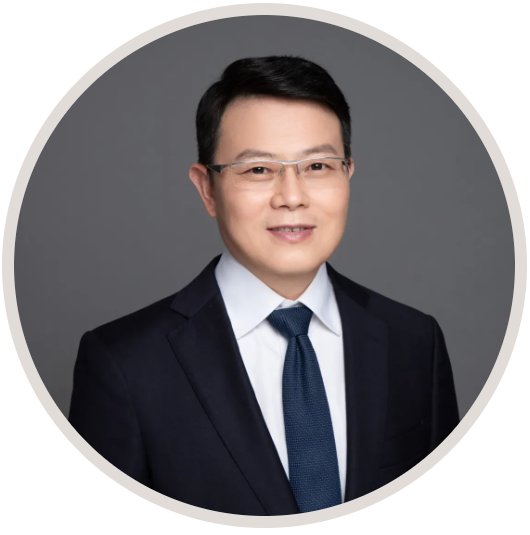
“Sometimes to cure, often to help, always to comfort. In medical oncology the third of those is not a consolation prize. It is part of the work.”
— Luo Zhiguo
Luo Zhiguo is Chief Physician, Master’s Supervisor, and Deputy Director of Medical Oncology at Fudan University Shanghai Cancer Center, where he also helps lead the center’s malignant-melanoma program. Born in Tianbao, Yifeng County, Jiangxi, in 1969, he treats cancers that sit outside the most familiar pathways: carcinoma of unknown primary, multiple primary tumors, soft-tissue sarcoma, malignant melanoma (especially mucosal melanoma, the predominant subtype in China), mesothelioma, and other skin tumors.
He holds committee roles in sarcoma and melanoma groups of the Chinese Anti-Cancer Association and the Chinese Society of Clinical Oncology, and directs Shanghai’s professional committee on multiple-primary and unknown-primary tumors. He was named one of the cancer center’s “Top Ten Physicians” in 2015. From mid-2015 to early 2017 he spent eighteen months at Kashgar Second Hospital in far-western China, helping to build an oncology service and train local physicians. There is no extended overseas fellowship in his own training; his doctoral work was completed at Peking Union Medical College / the Cancer Hospital of the Chinese Academy of Medical Sciences under Professor Feng Fengyi.
As a boy he was happier with a ball than with a book. Table tennis on a cement table with a brick net; then basketball; then football as a midfielder whose free kicks drew noise from the stands. The elders chose medicine for him—stable work, they said. He had wanted the army. He accepted the family’s decision and entered Jiangxi Medical College in 1988.
After graduation he stayed in the oncology department of the First Affiliated Hospital, learning both drug therapy and radiotherapy from the ground up: rounds, records, stacks of textbooks. A master’s degree followed at the same school. A classmate then pulled him toward a doctoral examination at Peking Union Medical College. The night before the test, five candidates shared a damp semi-basement room near Beijing’s New World Yanjing Building. Four of them were admitted. Luo became a student of Feng Fengyi, a medical oncologist known for lymphoma, lung cancer, breast cancer, and testicular tumors, and for a teaching style that was plain, forceful, and impatient with a narrow view of a case.
She told him that understanding a disease meant the rest of the body as well as the tumor, and that knowing which patient could take a risk—and which must be treated conservatively—was a matter of timing that only experience supplies. After the doctorate in 2005 he moved to Shanghai and joined Fudan University Shanghai Cancer Center.
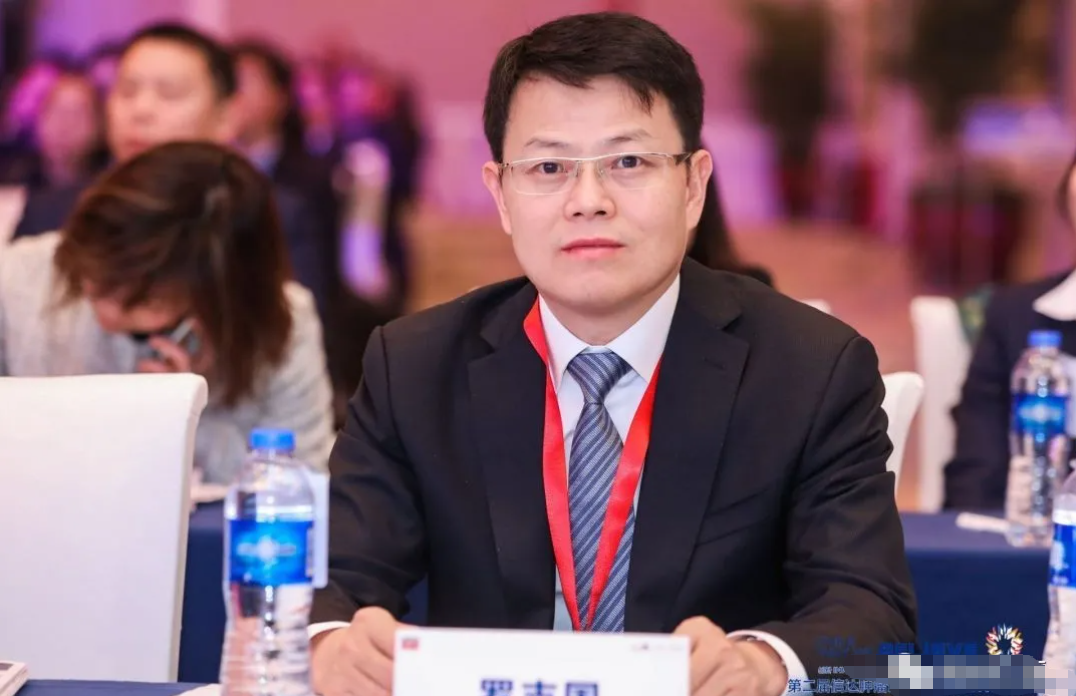
He is frank that in the long contest with cancer there is still no certain victory, and that medical oncologists feel this more than most. Skill and effort do not always outrun regret.
A university student from Qingdao had Ewing sarcoma in the abdomen. After local surgery it returned within two months, with lesions throughout the cavity. Chemotherapy shrank the disease; some lesions vanished on imaging. In the ward she talked about becoming a journalist and seeing the mountains and lake at Dali. A year later the tumor was in the breast and neck; leukemia followed. She held on for several years and died in her hometown. The text from her mother left him silent. Comfort was all that remained.
Another woman with soft-tissue sarcoma arrived weighing thirty kilograms, febrile, barely alive. Genetic testing pointed to a targeted drug her family could afford. She has lived with the tumor for seven years. The contrast is the part he cannot stop turning over. In a system where insurance still leaves gaps, the “right” drug may be a sentence some households cannot survive even if the patient does. He tries to match treatment to the person in the room. He also says, when a drug is uncovered and ruinously expensive, that the living still have duties to the living, and that a family should think before selling everything for a thin chance.
His own view of tumors is less martial than the language around them. Everyone carries oncogenes and suppressor genes; a tumor can coexist with a body. Accept that fact first, he says, then treat with proportion. The “heat” of treatment—how hard, how soon—matters as much as the protocol on the page.
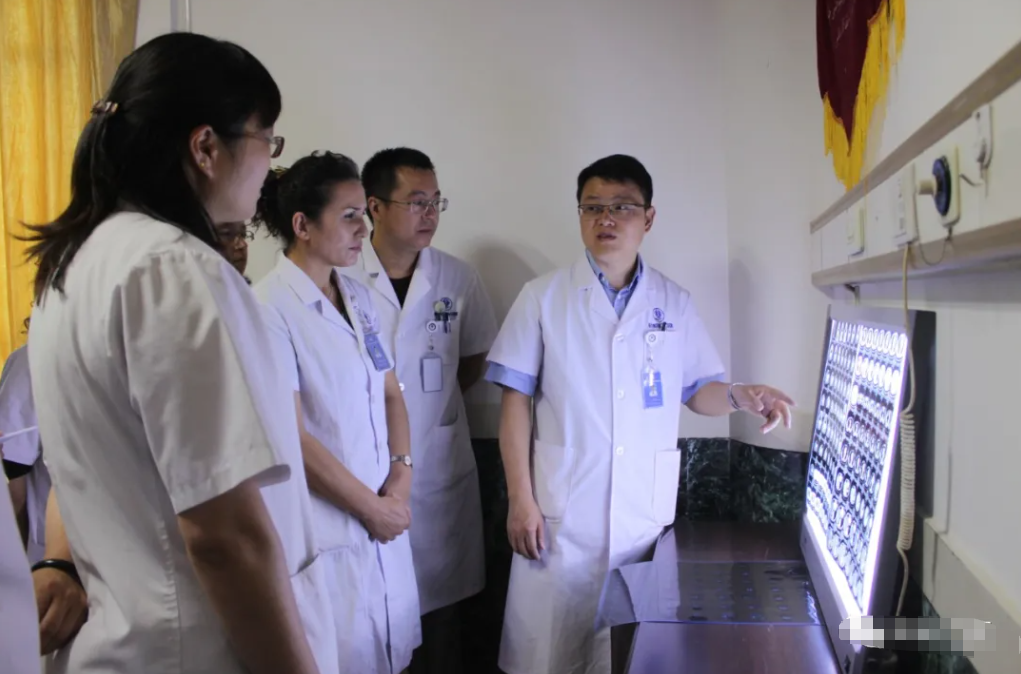
From July 2015 to January 2017 he joined a Shanghai medical team at Kashgar Second Hospital, serving as deputy director of oncology and of teaching. The problems were practical: weak pathology, little molecular testing, limited drugs even after a plan was written. He treated patients—including a twenty-year-old facing amputation for a recurrent giant-cell tumor of bone, whose pain eased after a planned course of chemotherapy—but he spent as much effort on local colleagues: multidisciplinary meetings, how to write a paper, how to build a slide deck, how to stand at a meeting and speak.
A large oncology forum in Kashgar, supported by Fudan University Shanghai Cancer Center and visitors from China, Japan, and the United States, marked a point of arrival for the young center. In the same stretch of months his father in Jiangxi had a sudden cerebral hemorrhage. The work in Kashgar was at a peak; Luo did not fly home at once. When a short holiday came he sat seven days by the bed. His father never woke. He died more than a month after Luo had gone back west. On the phone before the posting, the older man had said they would raise a glass when the son returned. That glass was never poured. Luo still calls it the regret of a lifetime.
He remembers a volunteer teacher from Hotan, turned away by hospital after hospital, whom he admitted and treated, and for whom the staff raised money when the bills outran the family. He remembers grape trellises, sweet melon, pilaf with cumin, two white poplars in a dusty courtyard. Before leaving he had twenty-four commemorative cups made in Jingdezhen for the team. The southern Xinjiang sky at night, he says, is still in his dreams.
ShanghaiDoctor.cn: How did the Kashgar posting shape you?
Luo Zhiguo: Mainly my ability in department administration improved. I took part in management there, focused on medical care—raising diagnostic skill and clinical thinking, giving rational treatment under limited conditions. There were so many details. Fortunately people cooperated, and the department grew quickly.
ShanghaiDoctor.cn: What do you focus on most now?
Luo Zhiguo: Still my own specialty. First, cancer of unknown primary—about five percent of tumors present as metastases with no clear origin. We work with colleagues in the life sciences to infer origin at a molecular and genetic level. Second, soft-tissue sarcoma tends to return; how to prevent or delay recurrence is a central question. Third, malignant melanoma, especially mucosal melanoma, the main subtype in China, has a very poor prognosis. I watch that group closely.
ShanghaiDoctor.cn: You have said that the “heat” of treatment is critical, that guidelines cannot be followed mechanically. Could you share a case?
Luo Zhiguo: A young woman from my hometown in Jiangxi arrived with an abdominal small-round-cell tumor, a distended abdomen, and hemoglobin of 7.4 grams per deciliter. By the book, chemotherapy could not be given; without it she had almost no chance. I told her mother that treatment was urgent—if it worked she might improve in days; if it did not, we might not be able to save her. The mother said she would trust me. I split what would normally be one course into two smaller doses. Three days later her counts were rising. She came through. Many solutions sit outside the page. They need a mentor, a large number of cases, and a measure of judgment. Professor Feng taught me things that go beyond the guideline.
ShanghaiDoctor.cn: What are the characteristics of your approach?
Luo Zhiguo: I am quite rigorous. For every patient we admit we must first locate the tumor, then name the subtype, then map the sites of involvement. Positioning comes before treatment. I do not follow guidelines one hundred percent. That is not because guidelines are unimportant. Guidelines create standardization; standardization creates professionalism; professionalism is how we stay ahead. The point is to know when the person in front of you is not the average case on the page.
ShanghaiDoctor.cn: What qualities does a medical oncologist need?
Luo Zhiguo: First, understand the disease. Young doctors sometimes finish a record in minutes. I ask what they actually gained. Did they understand the imaging and the immunohistochemistry? Did they look at the films themselves, or only the report? Second, understand the whole course of a tumor—how it starts, behaves, and changes—and know enough of what other departments do to build a real plan. Third, keep the patient’s mind in the room. If a scan shows growth and the person collapses, explain the numbers: growth over twenty percent usually means a change of treatment; growth within twenty percent can still be called benefit. An increase that stays controllable is not the same as failure.
Luo Zhiguo: I had a patient with synovial sarcoma on a trial. Immunotherapy plus chemotherapy cut the tumor by more than half. He was from Anhui. In the maintenance phase he said the distance was too far and he would stop coming. I told him that with a result like that he must continue—if he did not come, I would go to his home and find him. He stayed. I was buying him a window, so that if a better drug arrived he would still be here to use it.
ShanghaiDoctor.cn: What does an oncologist’s confidence rest on?
Luo Zhiguo: On understanding the disease. Soft-tissue tumors have more than fifty subtypes, and subtypes have further divisions. If you cannot tell them apart, treatment is guesswork. Some people say sarcomas are insensitive and need no systemic treatment. That is taking things for granted. Some are insensitive; the work is to know which.
ShanghaiDoctor.cn: How should one approach death? Do you discuss life and death with patients?
Luo Zhiguo: Life and death are equal; where there is one there will be the other. I generally do not talk about death with patients. Most people with soft-tissue sarcoma are young. It is very hard to have that conversation with someone still so young.
ShanghaiDoctor.cn: You are busy. Do you still have time for yourself?
Luo Zhiguo: I can still play a football match almost every week. I am still the midfielder. In university our class team won the grade championship; I was top scorer. I like team sports and sports with contact. I like to compete. I do not have to win.
ShanghaiDoctor.cn: What do you hope for in the year ahead?
Luo Zhiguo: I spent too little time with my mother and my wife. We were classmates in medical school, but since 2002 we have lived apart for our work. She is a rehabilitation-medicine specialist in Jiangxi. Neither of us will give up the career. Our child finished a joint program of the University of Michigan and Shanghai Jiao Tong University and works in Seattle. Everyone in the family is independent. That is not entirely the life I hoped for. I hope we can have more reunions. There is a song about the heart flying home, each station happier than the last. I would like to offer that song to my patients, and also to myself and the people I love.
From a cement ping-pong table in Jiangxi to a basement room in Beijing, from a mentor who taught timing to a ward where a girl from Qingdao talked about Dali, Luo Zhiguo has learned the limits of his specialty without giving up its tools. Cancer of unknown primary, sarcoma, mucosal melanoma—these are diseases that do not offer easy speeches. The wish that closes his interview is not a slogan about victory. It is smaller and harder: that the living still get home, and that there might be one more reunion left in the world.
Dr. Wang Xudong | Craniomaxillofacial Surgery, and Years Written into Chapters
Wang Xiaoning | Operating Room Nursing, and a Grace Like the Orchid
Dr. Li Guichao | Radiation Oncology, and a Peach Blossom Spring in the Heart
Dr. Lu Yanan | Pediatric Heart Surgery, and Feeling Another’s Pain as One’s Own
Dr. Chen Sun | Newborn Heart Intervention, and Staying Young Enough to Be Moved
Dr. Wu Yurong | Fetal Echocardiography, and Kindness as Part of the Job
Dr. Li Dawei | Sphincter-Saving Surgery, and the Operation That Fits the Patient
Dr. Zhang Jian | Laparoscopy, and the Hearth Fires of Ordinary Life
Dr.Sun Jing | Fertility-Sparing Surgery, and a Future Already Here
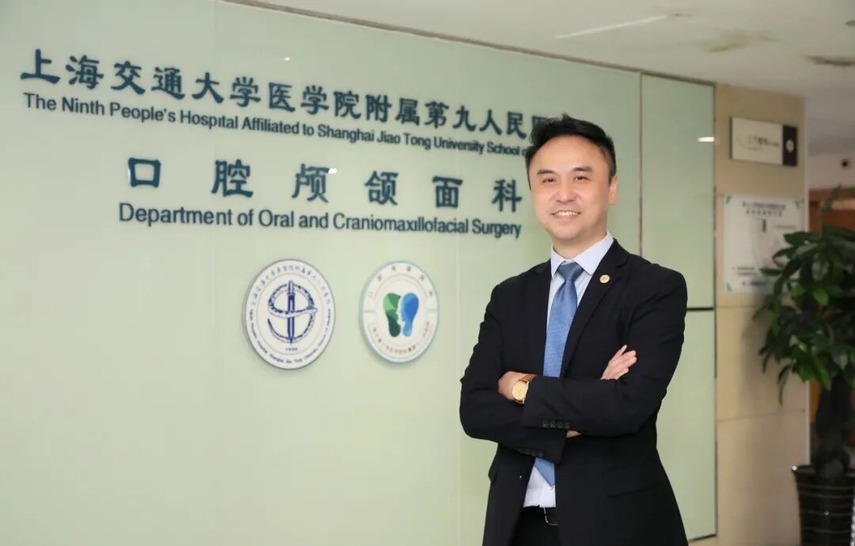
Dr. Wang Xudong | Craniomaxillofacial Surgery, and Years Written into Chapters
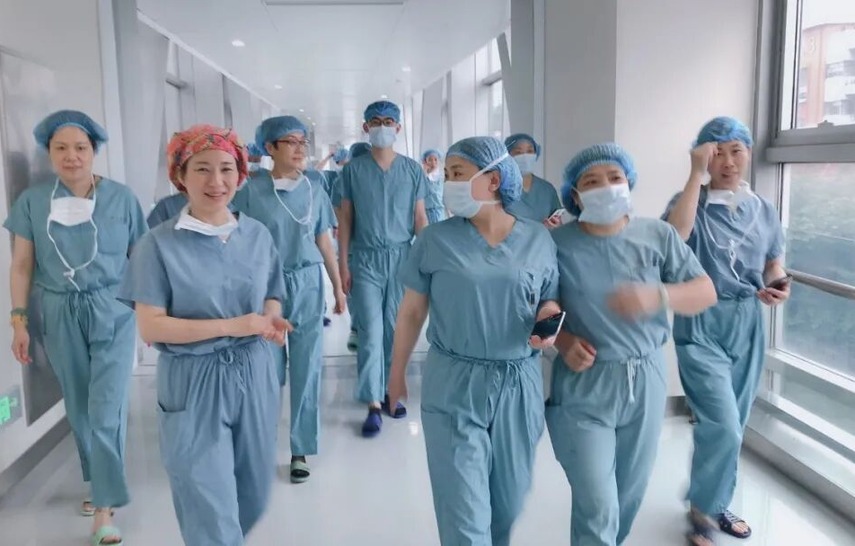
Wang Xiaoning | Operating Room Nursing, and a Grace Like the Orchid
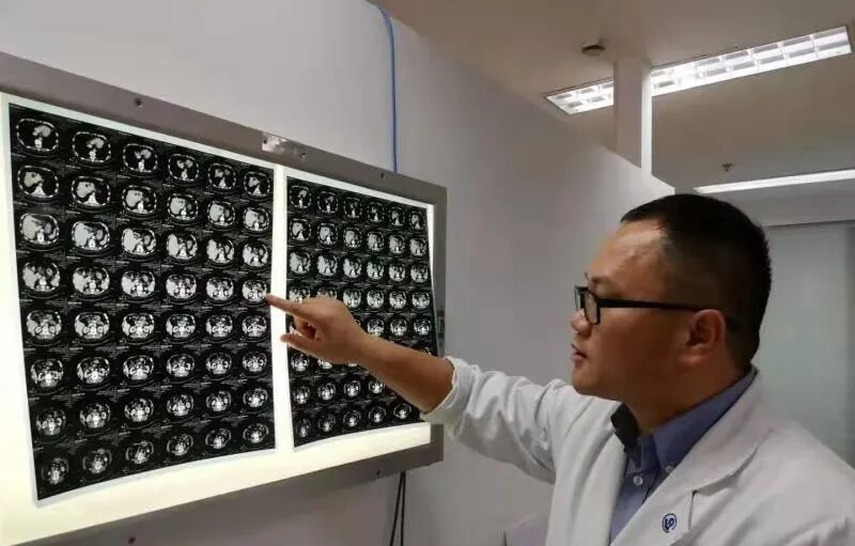
Dr. Li Guichao | Radiation Oncology, and a Peach Blossom Spring in the Heart
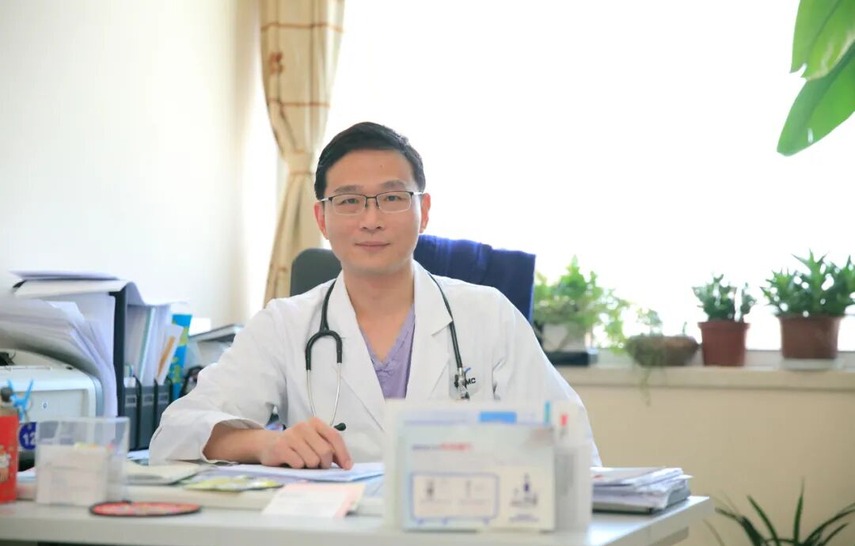
Dr. Lu Yanan | Pediatric Heart Surgery, and Feeling Another’s Pain as One’s Own
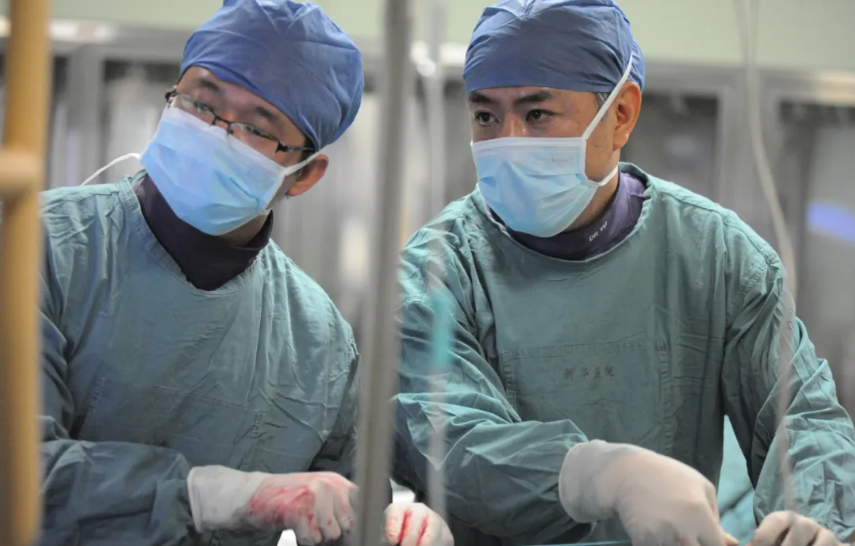
Dr. Chen Sun | Newborn Heart Intervention, and Staying Young Enough to Be Moved
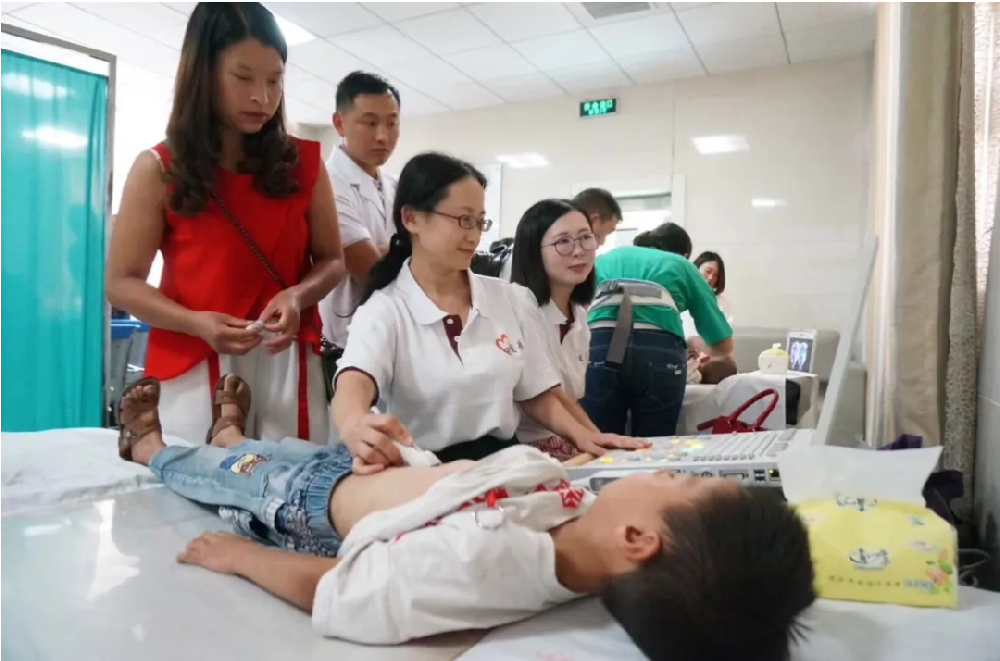
Dr. Wu Yurong | Fetal Echocardiography, and Kindness as Part of the Job
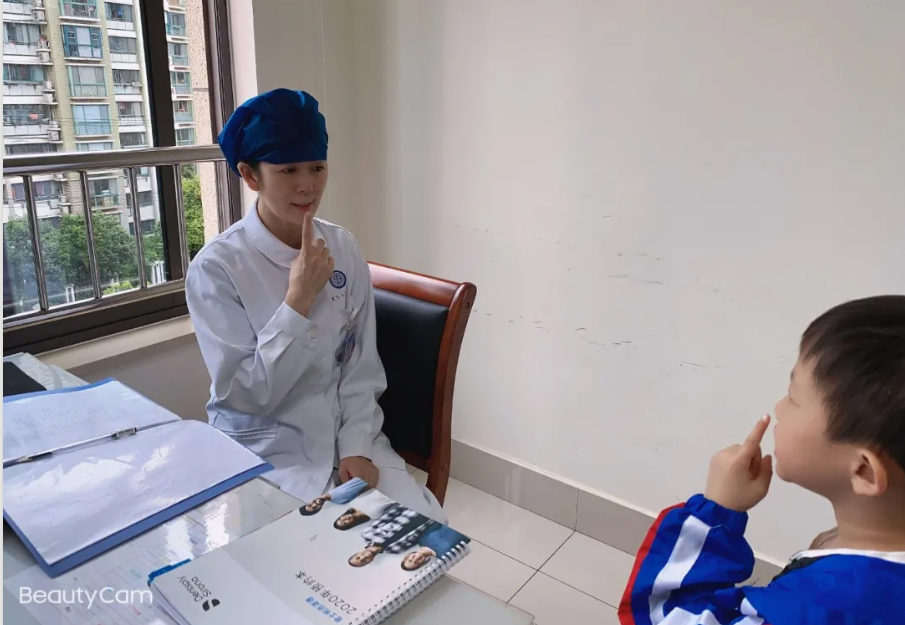
Jiang Liping | Speech Therapy, and the Lamp She Carries
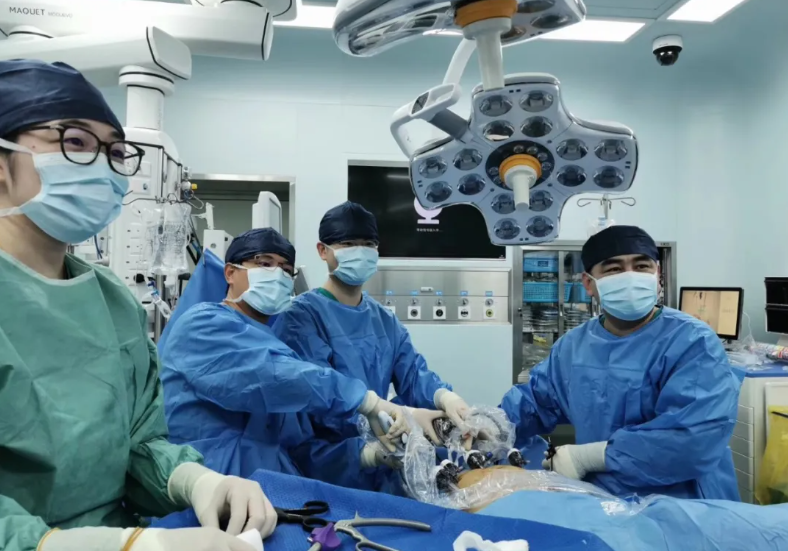
Dr. Li Dawei | Sphincter-Saving Surgery, and the Operation That Fits the Patient
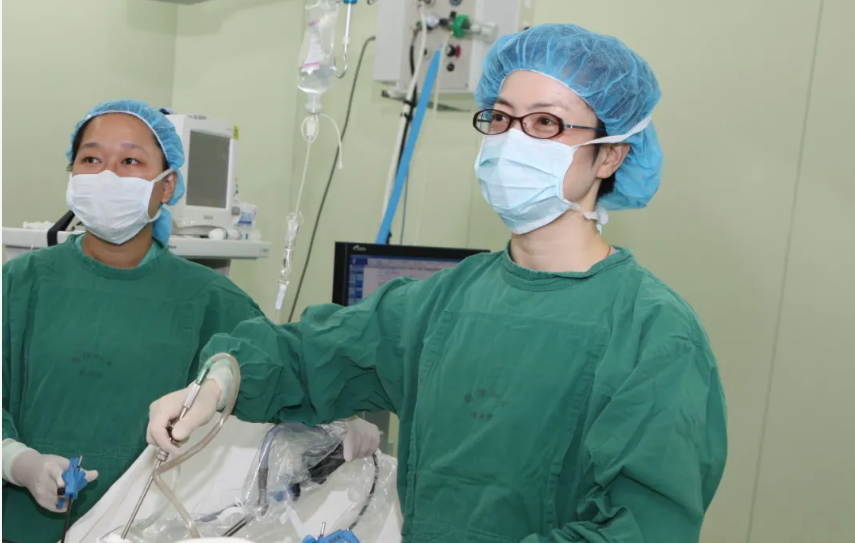
Dr. Zhang Jian | Laparoscopy, and the Hearth Fires of Ordinary Life
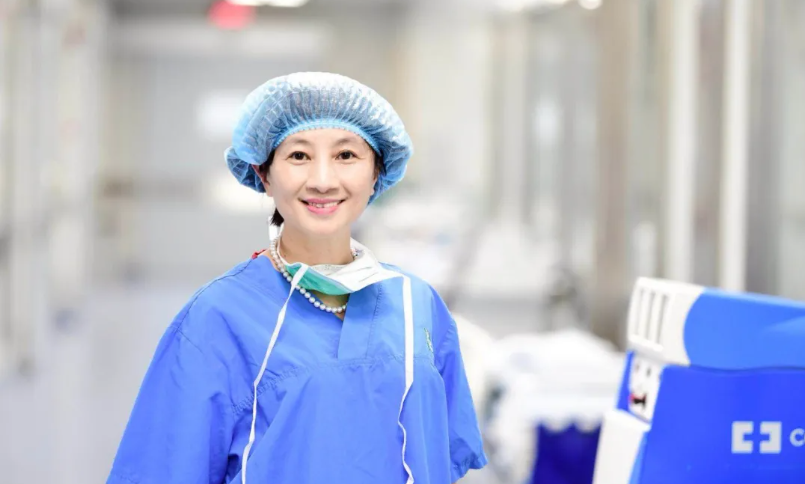
Dr.Sun Jing | Fertility-Sparing Surgery, and a Future Already Here
Copyright © 2023 Yewen Renyi & ShanghaiDoctor.cn (This website is a non - profit medical humanities platform. The information contained herein is solely for biographical and historical purposes and does not constitute any medical advice.) 沪ICP备2023005392号-2 XML 沪公网安备31010902100835号
 中文
中文 English
 Español
 沪公网安备31010902100835号