ShanghaiDoctor - Where China's Healing Wisdom Shapes Modern Medicine

Update time:2026-10-17Visits:623
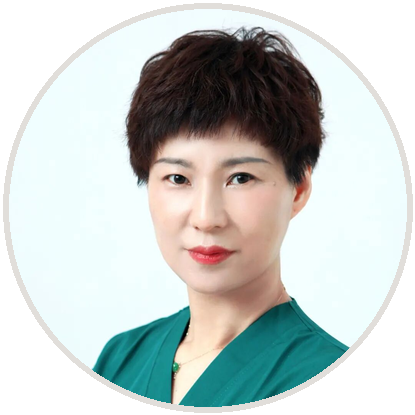
“This beauty is not the ‘angel’ praised on paper. It comes from inside—kindness, intelligence, understanding, and resolve mixed together.”
— Wang Xiaoning
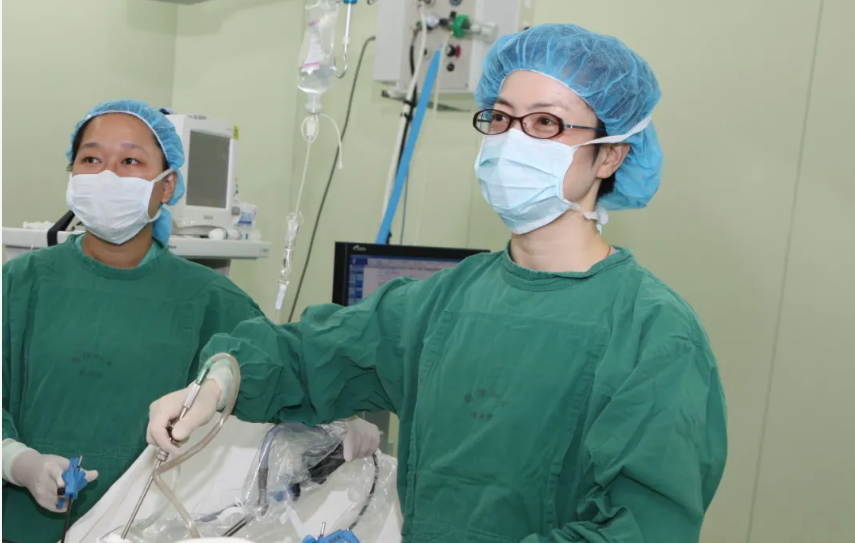
Wang Xiaoning is Chief Nurse at Ruijin Hospital, Shanghai Jiao Tong University School of Medicine. Chief Nurse is the highest professional rank in Chinese nursing; at Ruijin, she says, only two or three nurses hold it. She has spent her whole career at the hospital, first in orthopedics and for most of it as a head nurse, and now shares the leadership of its central operating suite, which runs close to 220 operations a day across all specialties.
Her work has centered on orthopedic and operating-room nursing: holistic, patient-centered care on the wards, specialist surgical nursing teams, standards for instruments and implants, and the daily logistics of a very large surgical service. In early 2020 she led the nursing contingent of Ruijin Hospital’s fourth medical team to Wuhan.
Long afterward, she can still picture her first visit to Ruijin. She was a little girl, there with her mother, who had been scalded. The hospital seemed enormous, and she got lost. Suddenly in front of her stood a two-story French-style building, red brick with white window frames and arched doors and windows. She cried out at how beautiful it was. Her mother asked whether she would like to work there when she grew up. Yes, she said, yes.
The feeling stayed with her. In 1988 she entered the Ruijin nursing school, and because her results were excellent she stayed on at the hospital after graduation. In a blink, it has been a lifetime. It felt, she says, as if a hand were guiding her, wave after wave.
She was assigned to orthopedics. A few years in, the hospital told working nurses they could sit exams for an advanced nursing program at the medical school. She hesitated, until her head nurse asked her sharply why someone so young would not study. She began self-study for the exams. Learning, she says, was like climbing: each step brought a new view, and passive study turned into active study. She was no longer content to be only a hard-working nurse.
After her associate degree she became head nurse of the orthopedic operating room. She was not afraid; she trusted her ability, and her predecessor stayed on to guide her. For a long time she was on the ward before seven every morning, and staying in the operating room through an emergency instead of going home was routine. A good head nurse, in her view, leads by doing her own job properly and by the hospital’s procedures, handles emergencies, carries responsibility, and above all is upright and fair and dares to speak up for her nurses.
Years later, colleagues still tell one story with feeling. Because of a misunderstanding, a patient’s relative swore at a young nurse until she cried. Wang, red in the face, stepped forward and held up her badge: if you have a problem, take it up with me; go and complain; I am the head nurse here. Afterward the family learned it had been a misunderstanding and came after her to apologize, and to thank her, because through all of it the patient had been cared for perfectly.
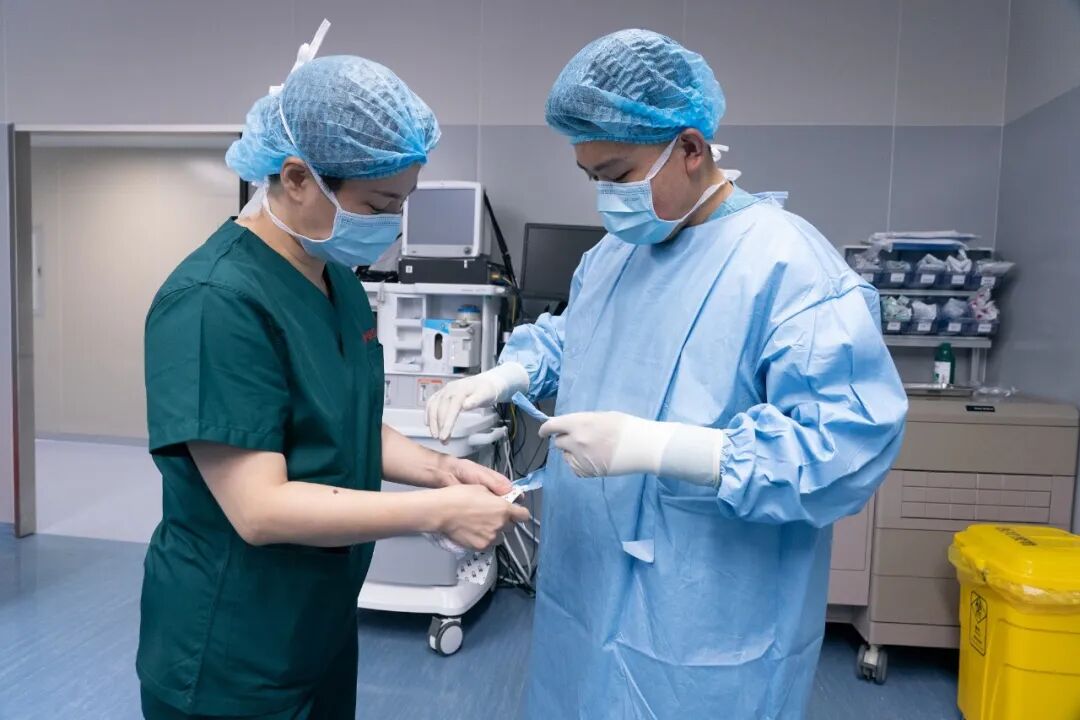
After a half-year study placement at a specialist orthopedic hospital in Japan in 1999, she moved from the operating room to the orthopedic ward as head nurse, and the real test began. Now she dealt not only with doctors and patients but with families, support staff, and maintenance workers, and no one was there to steer for her. She learned, as the old head nurses had, to think of everything, down to making the duty roster fit each nurse’s strengths.
Shanghai was then introducing holistic nursing. The older functional model was, simply put, nursing of the disease: it saw the illness and not the person who had it. Holistic nursing puts the patient at the center, organizes care around the nursing process, and makes clinical work and management systematic. Surgery was expanding fast, with new methods, technologies, and equipment, more difficult and delicate operations, more patients, and higher expectations of the experience around surgery. Wang thought hard about a complete approach to care pathways and whole-person recovery, and printed education booklets for patients. Holistic nursing, she says, changed the profession. A nurse might once have given injections and changed dressings. Now she also had to care about the patient’s mental health and the need to return to society. Each inspection brought new problems to solve and raised the quality of the work, and in the end her orthopedic ward became Shanghai’s model ward for holistic nursing that year.
Seven years on the ward gave her gray hair, she says, and taught her communication, a hard art. In the operating room you talk mostly with colleagues; quarrel today, laugh it off tomorrow. A ward is not so simple. With patients she communicates with love—a compassionate, understanding love—and adjusts to each person. Unreasonable patients frustrated her, but over time she understood them: they know how hard nurses work; they are in pain and need somewhere to let it out. With doctors she communicates as comrades. Nurses and doctors may spend more time together than with their families, so knowing each other’s strengths and working by instinct matters. Before rounds, a nurse should already know which patient’s results are abnormal and tell the doctor, change small dressings in advance, then report what has come up. If the doctor manages the course of the disease, she says, the nurse manages the details of treatment, and is often the bridge between doctor and patient. With care workers she communicates as a friend, never treating them as lesser. When doctors and nurses are out of the room and a patient is upset, she says, the care aides who hear it help talk the patient round too.
She was not anxious in those years. She was lucky, she says; even in a new setting, senior colleagues helped her, trusted her, and worked beside her, and she is grateful. When she met difficulty or felt wronged, she talked to good friends, and a few words often cleared her head.
After seven years on the ward she was needed back in the operating room, again as head nurse. By then it had become the hospital’s central surgical platform. She and another head nurse take turns in charge, scheduling close to 220 operations a day across the hospital and handling every emergency. Her specialist responsibility grew from orthopedics to neurosurgery, ear-nose-and-throat, obstetrics and gynecology, and more, and as executive head nurse she runs the whole system: when each operation happens and who staffs it.
Alongside brief study visits to a trauma center in Germany in 2005 and a joint-replacement hospital in New York in 2006, she set about improving how Ruijin’s operating rooms work. She began building specialist surgical nursing teams and promoting enhanced recovery after surgery. Orthopedic surgery is complex, and as new operations multiply, so do the instrument sets; every kind of implant and fixation now has its own. Orthopedic theater nurses must know both the steps of the operation and the name, purpose, and use of every instrument. Infection control is stricter in orthopedics, and so is sterilization of instruments and implants: besides physical and chemical monitoring, implants must pass microbiological testing before they go into a patient. Some special instruments belong to suppliers, who bring them in, take them away after use, and bring them back next time—circulating among hospitals, which carries real risk of cross-infection. After discussion with hospital leaders, Wang decided those instruments would stay at Ruijin, cleaned, sterilized, and stored with the hospital’s own. The suppliers were persuaded, and surgeons found the work much faster. Her team’s project on standardized management of external orthopedic instruments and implants won a 2014 Shanghai award for improvement in nursing.
Surgical drapes are usually laid flat, but many orthopedic positions—supine or lateral traction, for example—make draping complicated. Working with engineers, she designed a frame that turns flat drapes into a three-dimensional barrier and better separates sterile from non-sterile areas. In her report to the hospital she listed three gains: far fewer drapes, far less time spent draping, and happier surgeons. The design is now patented and in use at Ruijin.
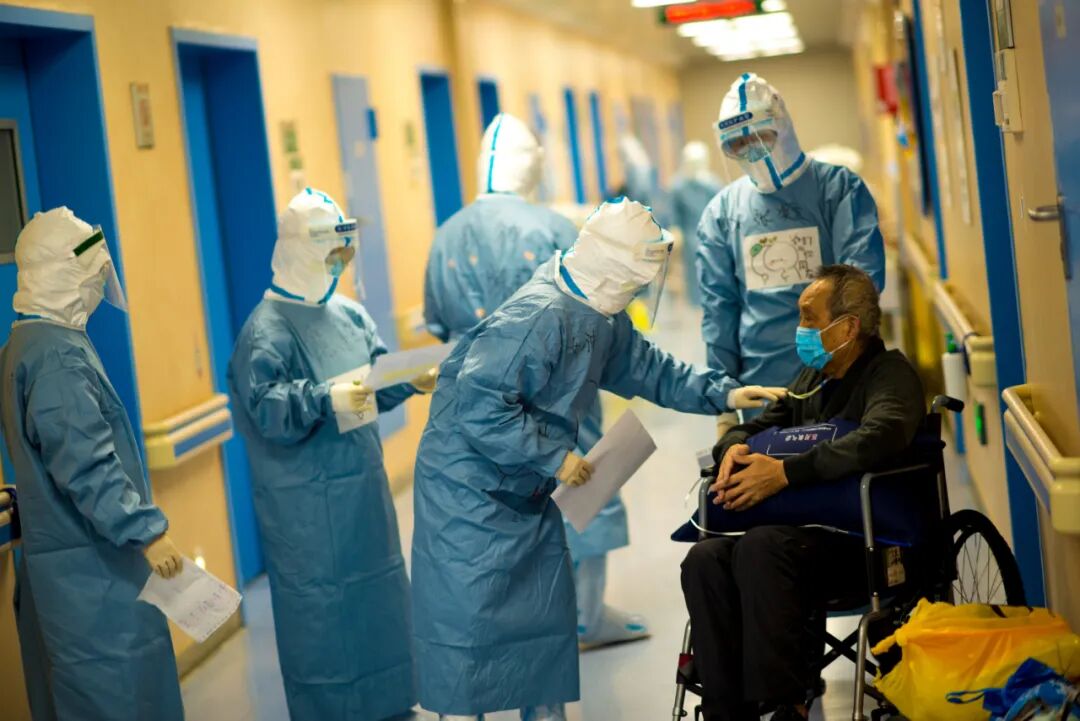
On February 8, 2020, Wang went to Wuhan as nursing leader of Ruijin Hospital’s fourth medical team, to the Optics Valley campus of Tongji Hospital. The morning after they arrived, the team took over the E3-4 critical-care ward as a unit. With several head nurses she drew up nursing groups and rosters as fast as possible and set up the ward, and that night it admitted 28 critically ill COVID-19 patients. Every evening at seven she met the head nurses and team leaders to go over the day’s nursing and management problems, gather everyone’s views, and fix what needed fixing at once.
The ward had 52 beds and was full almost every day, about fifteen patients to each nurse. With no care aides, no support staff, and no families allowed in, the nurses also did all the personal care—feeding patients, filling hot-water flasks, changing diapers—and patients with Parkinson’s disease or dementia needed special attention. Supplies were scarce, there were many meetings, there was friction between teams, and everyone was exhausted. They could rely only on themselves, she says, with Ruijin behind them as a strong support. Asked if she had been afraid before leaving, she says it happened in an instant; there was no time. In truth she had wrestled with it. The nurses came from every department and specialty, and she went through seven or eight plans for organizing them, and for completing the work and bringing every one of them home safely. She could not let them see any hesitation, so she hid her own doubts and showed them confidence. Some moments were like a powder keg. Once, protective supplies were down to half a day, which meant fewer nurses could go into the ward and each would carry far more work. Each crisis passed. She brought the team home.
ShanghaiDoctor.cn: What has Ruijin learned about standardized operating-room procedures and doctor–nurse teamwork?
Wang Xiaoning: Modern surgery needs surgeons, nurses, anesthetists, rehabilitation staff, and other departments working together through the whole course—before, during, and after the operation. A high-quality operation depends on the team’s understanding of the surgery, its decisions, its skill, its communication, and how well it works together. So standardized procedures, good cooperation between doctors and nurses, and teamwork are the key to efficiency. For orthopedic surgery we write a complete standard operating procedure that spells out the coordination in every detail, and train everyone involved. The hospital also emphasizes specialization in surgery, for precision and efficiency and fewer complications. Ruijin has ten surgical specialties, each with its own specialist nurses, and training specialist nurses matters as much as training specialist doctors. When a new operation, instrument, device, or system is introduced, doctors and nurses train together. A surgeon starting a new operation is asked to teach the nurses who will work with him, with workshops and hands-on practice until the procedure is familiar. Young nurses in the operating room follow a one-to-three-year rotation plan through laparoscopic, general, obstetric and gynecologic, orthopedic, and other surgery. After three years they are trained in a direction, and usually after five they join a fixed specialist team. That kind of specialization lets the team understand the instruments and the surgeons’ habits more fully, and makes doctors and nurses work together more smoothly.
ShanghaiDoctor.cn: How do you lead your team?
Wang Xiaoning: First, I focus on the big direction and do not fuss over small details—that is my personality (laughs). Second, I am sincere and keep public and private separate. Whoever it is, if they do well, I praise them; if they fall short, I say so. Some doctors are a little in awe of me, because if there is a problem I tell them straight. But the hospital once ran a satisfaction survey of the nursing department, and years later I happened to learn that my score was the highest. I was very glad. Our young women, junior or senior, are willing to tell me what is on their minds. When something happens in the operating room, the first person many people look for is the head nurse, and I come running to put it right. I want to be someone people can rely on. Being needed is a fine thing (laughs).
ShanghaiDoctor.cn: Do you bring that energy home?
Wang Xiaoning: I try not to. I may still walk in brisk and decisive, but I work at turning my mood into something gentler, and not bringing negative feelings to my family.
ShanghaiDoctor.cn: What has been your greatest grievance?
Wang Xiaoning: When my ability was not recognized, or when I was misunderstood and could not explain. Luckily I am good at letting it go—shopping, good food, good wine, films, seeing more of the world.
ShanghaiDoctor.cn: Do you feel happy and fulfilled?
Wang Xiaoning: Quite happy. Coming back from Wuhan and seeing my family after so long, my heart burst open. There are many happy moments—being promoted, for example; I am a chief nurse, and our hospital has only two or three (laughs). Work is going fairly smoothly, and I take care with my life and want things from it. Looking back, from the impatience of youth to the steadiness of now, I am grateful to every teacher I have had, and even every wall I hit. Each was new growth. Each time you climb a slope, you see a better view.
ShanghaiDoctor.cn: What do you say most often to the young nurses in your department?
Wang Xiaoning: Be grateful for this work. It gives you a decent income and a decent life, a good platform, and a chance to witness greatness. You may sit down to lunch in the hospital canteen next to a great figure in medicine and hear how they think about life; that is priceless. Hospitals will pay more and more attention to the growth of young nurses. Ruijin tries to help new nurses become specialist nurses quickly, then senior nurses and even nursing experts. So, young women, love this profession. Your starting point is high: good degrees, excellent skills, more ways to learn. With the hospital’s support, your own passion, and a long view of your careers, you will go further than we did.
ShanghaiDoctor.cn: At your age, what kind of woman do you think is most beautiful?
Wang Xiaoning: I have talked about this with friends. I love the person I am now: some knowledge and depth, a wider view, the ability to tell right from wrong, steady, not chasing quick gain, taking care of my body and appearance, and responsible. Most of all, I see my own faults clearly. Even if I cannot change them, I can accept myself.
ShanghaiDoctor.cn: What have you been doing in your spare time lately?
Wang Xiaoning: Exercising. At this age your strength starts to fall. When we reached Wuhan I did not close my eyes for seventy-two hours, and when I could finally lie down I could not sleep. When I started work thirty years ago, nights without sleep were normal and I bounced back quickly. Now it takes days. So I have taken up training again, with a coach to help me be a better version of myself.
ShanghaiDoctor.cn: If you taught nursing students a class outside your specialty, what would it be?
Wang Xiaoning: The beauty of bearing. After all these years, you notice that some nurses, when they work, have a quiet, steady, focused manner that is truly beautiful and makes people trust them at once. This beauty is not the “angel” praised on paper. It comes from inside—kindness, intelligence, understanding, and resolve mixed together. It is a fragrance, an orchid, a zither. Professional knowledge alone is not enough.
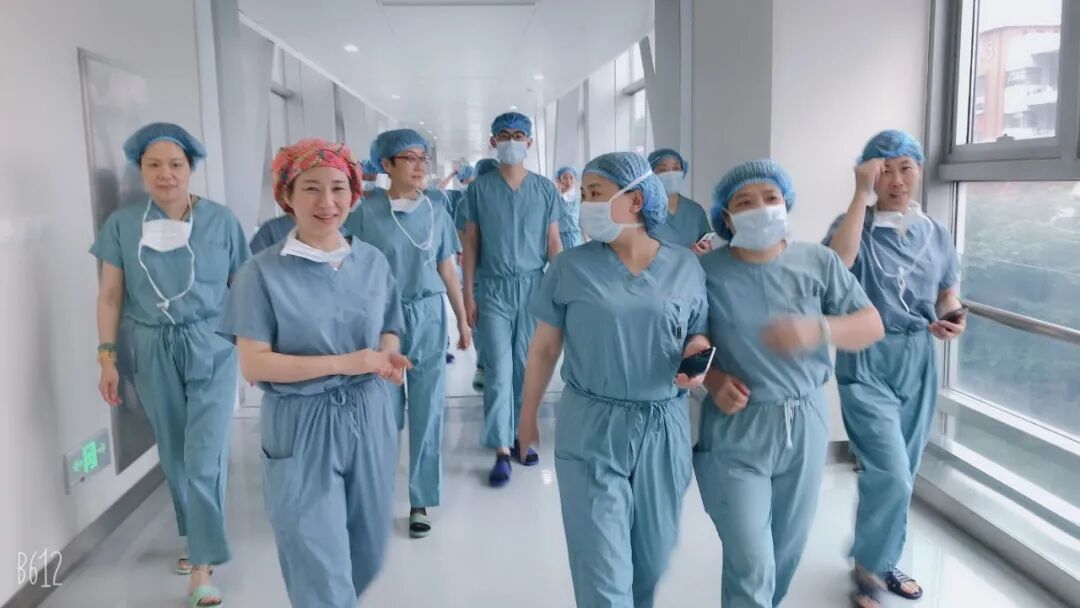
In Chinese writing the orchid stands for quiet virtue that does not need to announce itself, and Wang Xiaoning uses it for the nurses she admires. Her own career has been less quiet: a badge held up to defend a young nurse, a ward turned into a model of patient-centered care, instruments brought under one roof so that nothing from outside goes into a patient unchecked, a critical-care ward opened in Wuhan in a single day. What ties it together is the steadiness she describes—the quality that makes a frightened patient trust the person in scrubs, and a team trust the person in charge.
Editor: Chen Qing
If you need any help from Ms. Wang, be free to let us know at Chenqing@ShanghaiDoctor.cn.
Adapted from the Yewen Renyi (晔问仁医) interview “王晓宁 | 护理之美,宛若芝兰.”
Dr. Wang Xudong | Craniomaxillofacial Surgery, and Years Written into Chapters
Wang Xiaoning | Operating Room Nursing, and a Grace Like the Orchid
Dr. Li Guichao | Radiation Oncology, and a Peach Blossom Spring in the Heart
Dr. Lu Yanan | Pediatric Heart Surgery, and Feeling Another’s Pain as One’s Own
Dr. Chen Sun | Newborn Heart Intervention, and Staying Young Enough to Be Moved
Dr. Wu Yurong | Fetal Echocardiography, and Kindness as Part of the Job
Dr. Li Dawei | Sphincter-Saving Surgery, and the Operation That Fits the Patient
Dr. Zhang Jian | Laparoscopy, and the Hearth Fires of Ordinary Life
Dr.Sun Jing | Fertility-Sparing Surgery, and a Future Already Here
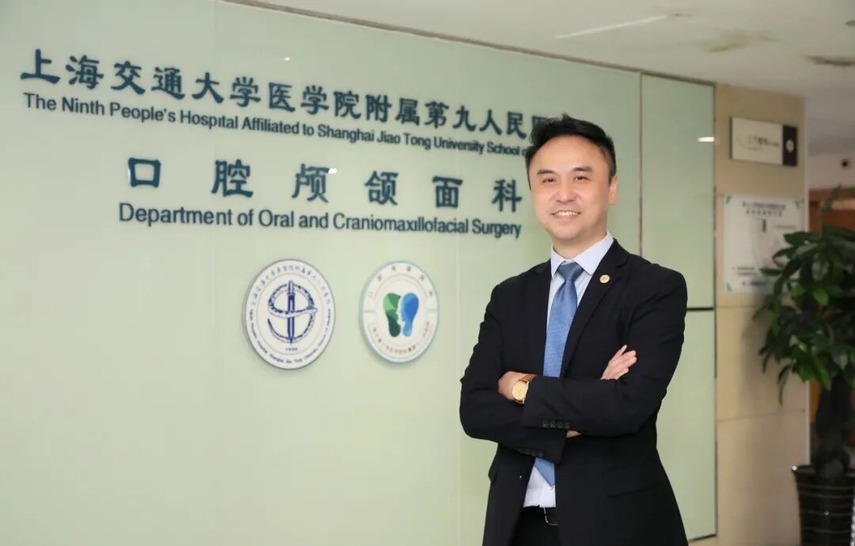
Dr. Wang Xudong | Craniomaxillofacial Surgery, and Years Written into Chapters
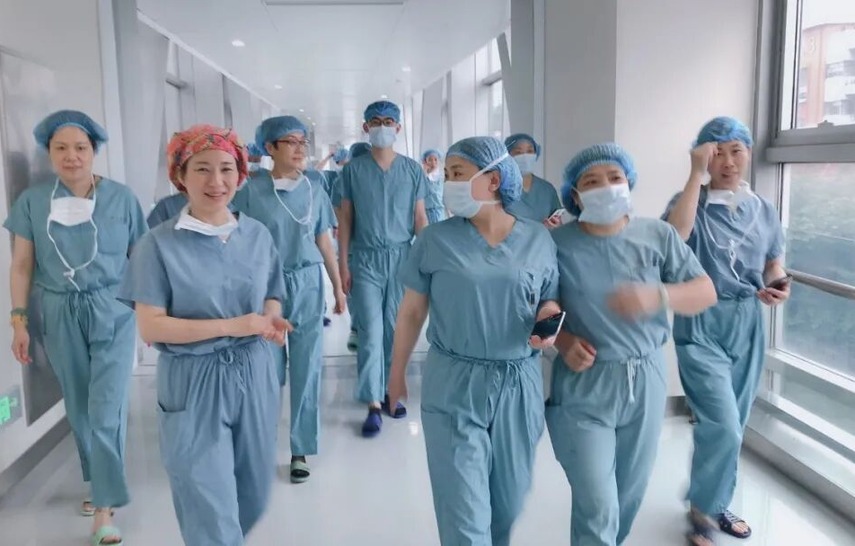
Wang Xiaoning | Operating Room Nursing, and a Grace Like the Orchid
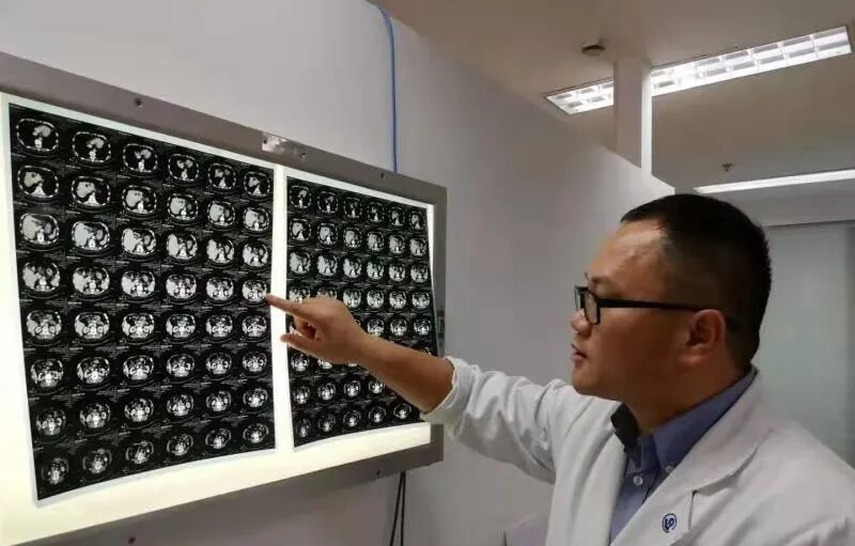
Dr. Li Guichao | Radiation Oncology, and a Peach Blossom Spring in the Heart
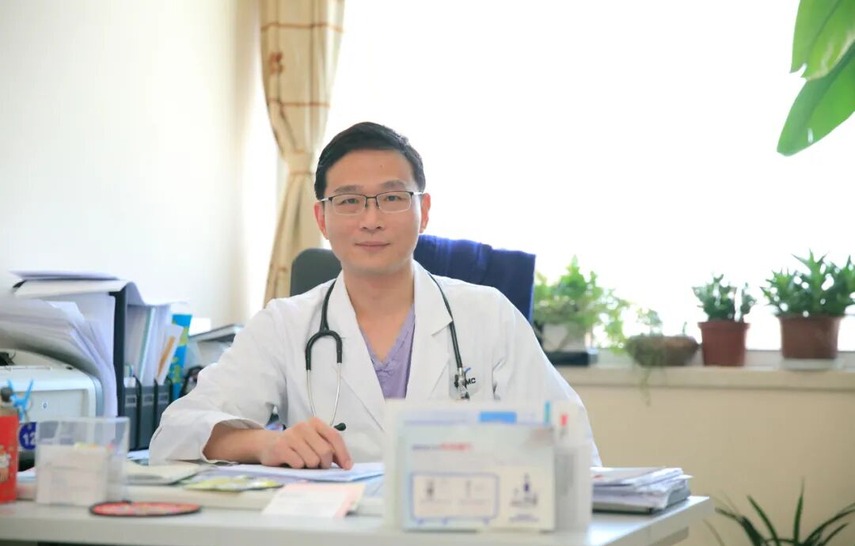
Dr. Lu Yanan | Pediatric Heart Surgery, and Feeling Another’s Pain as One’s Own
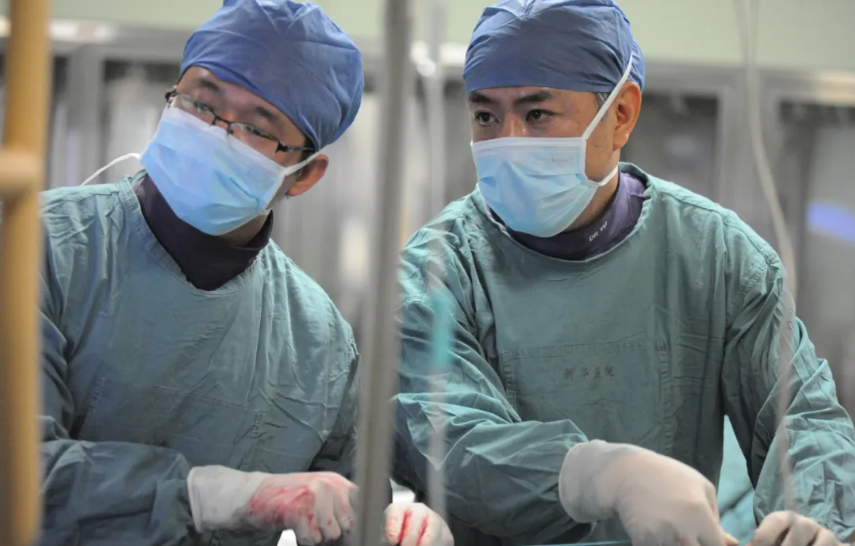
Dr. Chen Sun | Newborn Heart Intervention, and Staying Young Enough to Be Moved
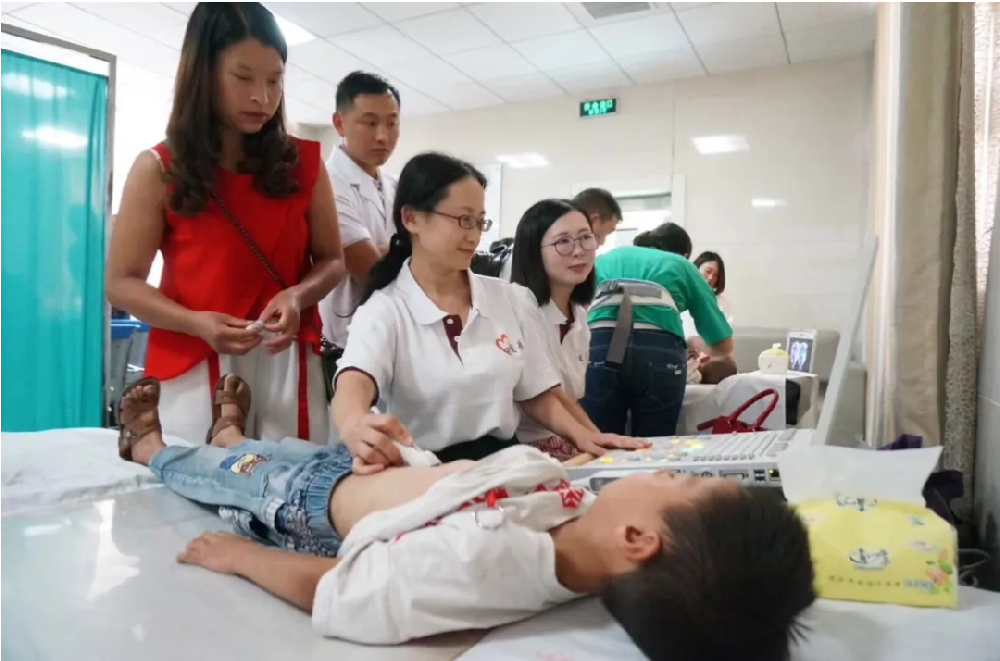
Dr. Wu Yurong | Fetal Echocardiography, and Kindness as Part of the Job
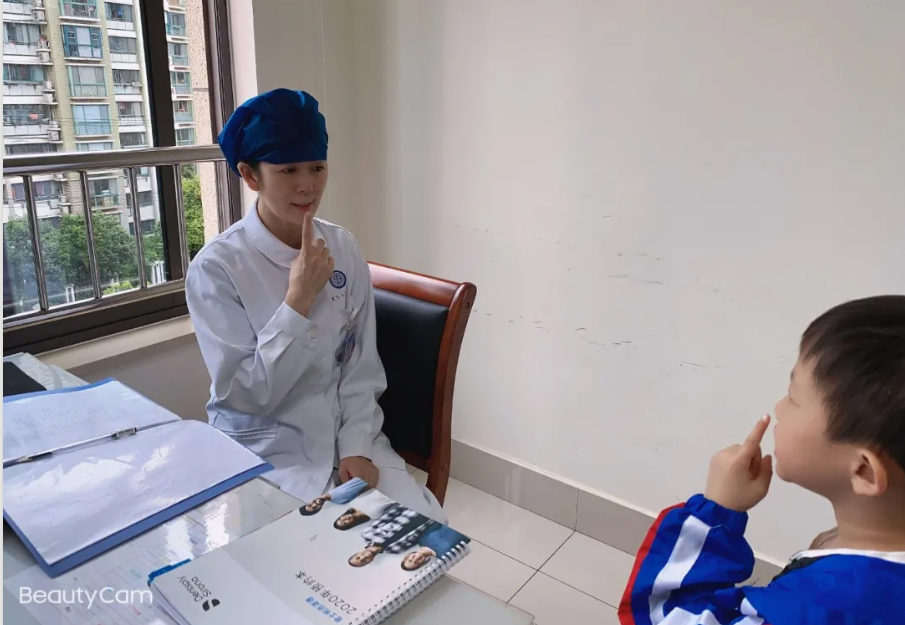
Jiang Liping | Speech Therapy, and the Lamp She Carries
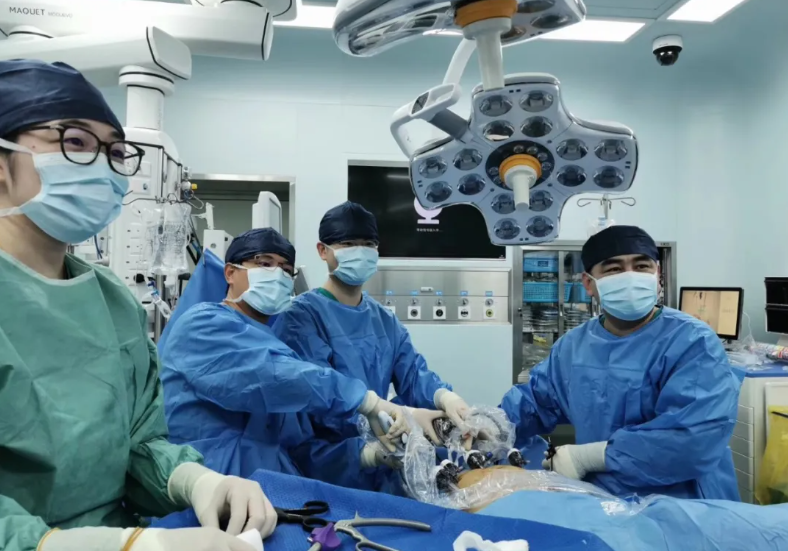
Dr. Li Dawei | Sphincter-Saving Surgery, and the Operation That Fits the Patient
Dr. Zhang Jian | Laparoscopy, and the Hearth Fires of Ordinary Life
Dr.Sun Jing | Fertility-Sparing Surgery, and a Future Already Here
Copyright © 2023 Yewen Renyi & ShanghaiDoctor.cn (This website is a non - profit medical humanities platform. The information contained herein is solely for biographical and historical purposes and does not constitute any medical advice.) 沪ICP备2023005392号-2 XML 沪公网安备31010902100835号
 中文
中文 English
 Español
 沪公网安备31010902100835号