ShanghaiDoctor - Where China's Healing Wisdom Shapes Modern Medicine

Update time:2026-04-06Visits:2421
As Shanghai’s international profile continues to rise, so does the number of foreigners arriving in the city to work, live, and study. To further improve the business environment and quality of life, Shanghai is accelerating the upgrade of its community health services, with a focus on international accessibility and convenience. Currently, foreign visitors can use valid passports to access their local community health centres, where they receive convenient, high-quality primary care—enjoying a seamless, one-stop medical experience on par with local residents.
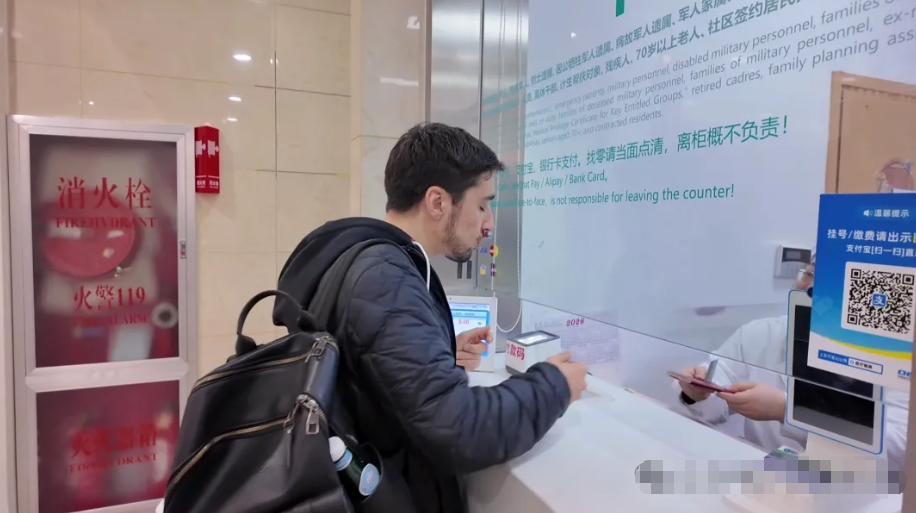
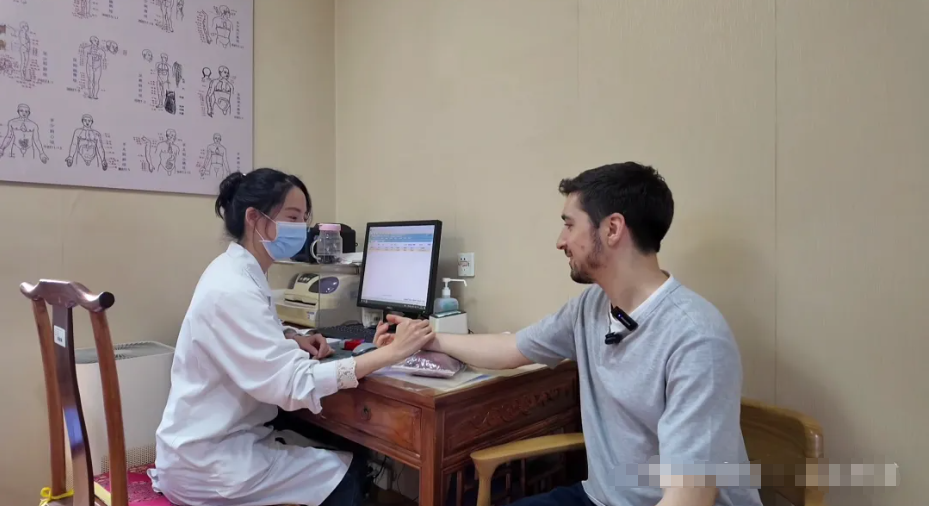
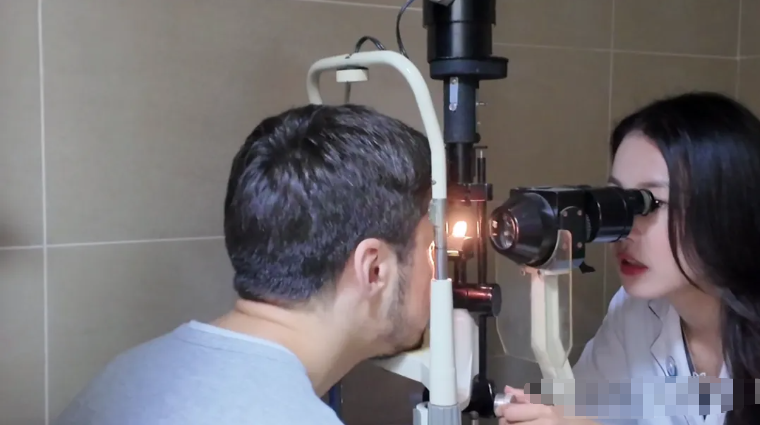
Recently, Li Long, a Russian student in Shanghai, visited the Dapuqiao Subdistrict Community Health Service Center in Huangpu District in his spare time. There, he experienced a distinctive form of care that blends modern technology with traditional Chinese medicine. The outpatient hall featured clear, standardized bilingual signage in Chinese and English. Using just his passport, he completed registration quickly. Following the bilingual directory, he accessed a range of services: general practice consultation, ENT examination, TCM consultation, and rehabilitation therapy. For lower back discomfort from long hours of study, a rehabilitation specialist gave him tailored exercise guidance. For recurring facial acne, a TCM practitioner—using observation, listening, questioning, and pulse diagnosis—administered specialized treatments such as facial acupuncture. The entire process was thorough and professional.
Li Long noted that for foreigners, finding authentic traditional Chinese medicine can often be difficult. Having these services available within the community allows international visitors to experience genuine TCM diagnosis and treatment.
Today, Shanghai’s community health centres not only house comprehensive departments, but are also equipped with modern diagnostic tools such as ultrasound and CT scanners, greatly enhancing their capabilities. What impressed Li Long even more was the integration of new technologies like 5G and smart healthcare into daily services. He mentioned the centre’s “cloud consultation rooms,” which allow remote communication with doctors. Another standout was the drone delivery service: once a prescription is issued, medicines can be delivered by drone in about ten minutes, sparing patients the need to queue at the pharmacy.
At present, foreigners with valid passports can complete the entire medical process—registration, consultation, examination, and treatment—at community health centres, receiving basic medical and public health services identical in quality and scope to those for Chinese residents. Many centres also offer tailored support for international visitors, such as multilingual health consultations, guidance on overseas vaccinations, and international medical care coordination. These measures help overcome common barriers like language difficulties, cultural differences, and unfamiliarity with local healthcare systems.
Zhang Ningjie, Director of the Outpatient Department at the Dapuqiao Subdistrict Community Health Service Center, explained that the centre continually refines its processes and maintains a bilingual medical environment. An English-language WeChat public account helps foreign visitors access medical information in advance and understand key health management points. For questions after leaving the centre—particularly about traditional Chinese medicine—English medication instructions and professional advice are also available.
Shanghai’s community health services are expanding their international partnerships, with 16 community health centres across 11 districts now cooperating with 17 primary care institutions in eight countries: the United States, the Netherlands, Israel, Canada, Australia, Ireland, Denmark, and Sweden.
Through staff exchanges, professional training, and joint research, these collaborations are deepening. The initiatives have not only improved the quality and global outlook of local primary care, but also offer expatriates in Shanghai healthcare options that align more closely with their expectations, providing greater reassurance and strengthening their sense of belonging and satisfaction while living in the city.
Groundbreaking Diagnosis: Shanghai Medical Team Identifies Ultra-Rare Bone Disorder
Foreign travelers can get service from Shanghai’s community hospital from now on
Shanghai Team Performs First ABO-Incompatible Heart Transplant on Infant
Shanghai Medical Pilot Realizes “Walking Dream” for Bulgarian Girl with Cerebral Palsy
A Shanghai Doctor Uses Ultrasound to “Wake Up” Mother's Alzheimer's
Shanghai Medical Trio Stages High-Altitude Rescue on Flight from Xinjiang
Shanghai Children’s Hospital Uses Remote MDT to Diagnose Rare CIPA
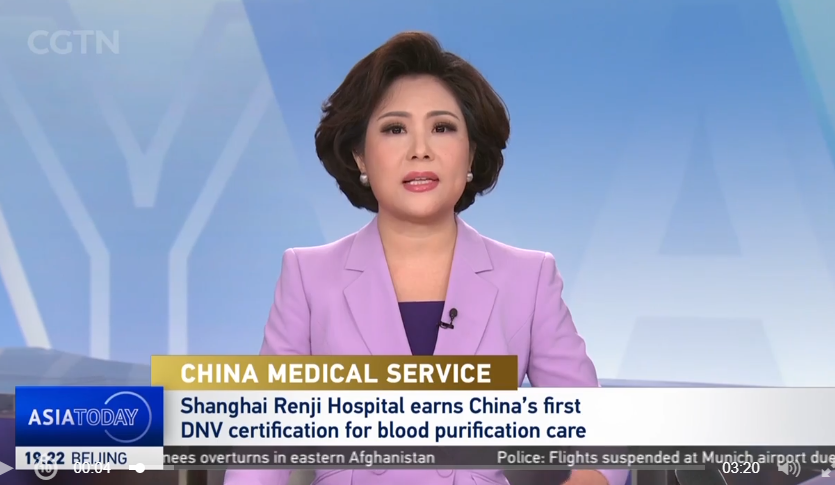
Dr. Gu Leyi | Shanghai Renji Hospital’s Blood Purification Center Earns Landmark International Certification
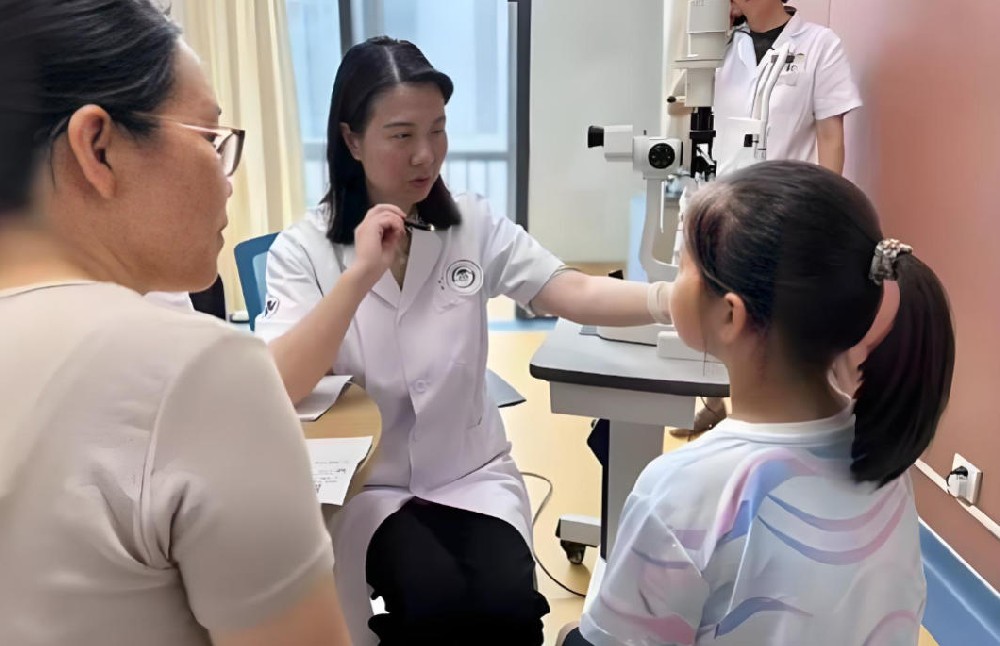
Groundbreaking Diagnosis: Shanghai Medical Team Identifies Ultra-Rare Bone Disorder
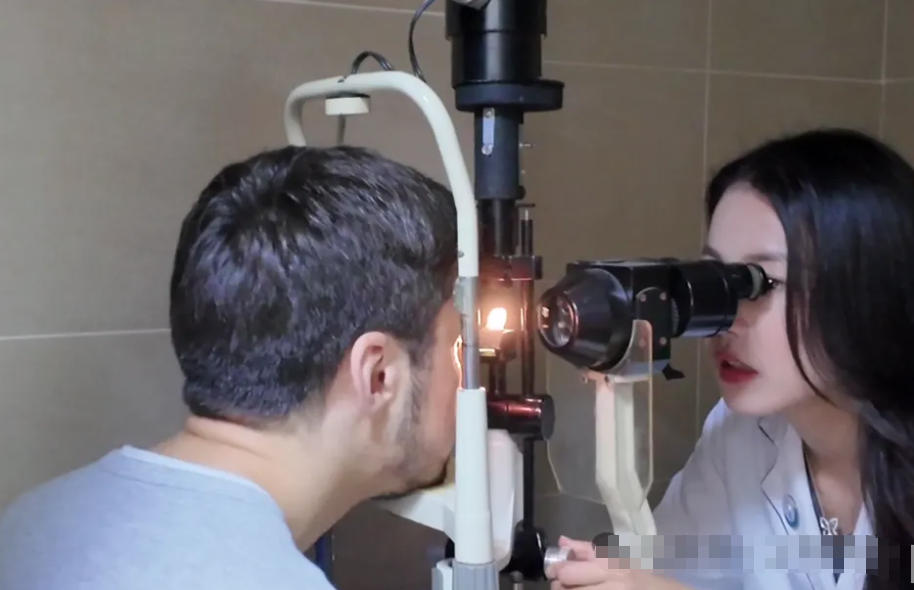
Foreign travelers can get service from Shanghai’s community hospital from now on
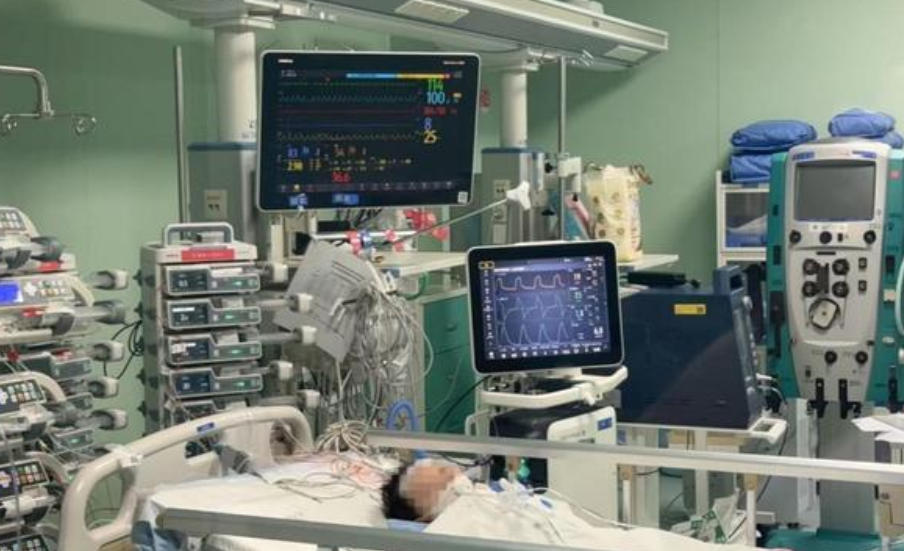
Shanghai Team Performs First ABO-Incompatible Heart Transplant on Infant
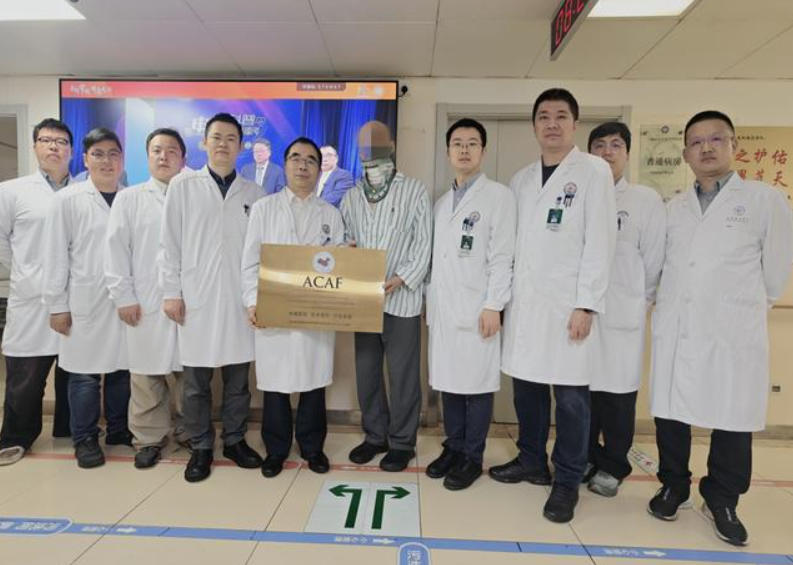
For 54-year-old Malaysian Chinese businessman Mr. Chan, the last three months had been profoundly unsettling. His own hands no longer felt like his own. Simple, everyday acts—fastening a shirt button, holding chopsticks, gripping a pen—had become monumental challenges.
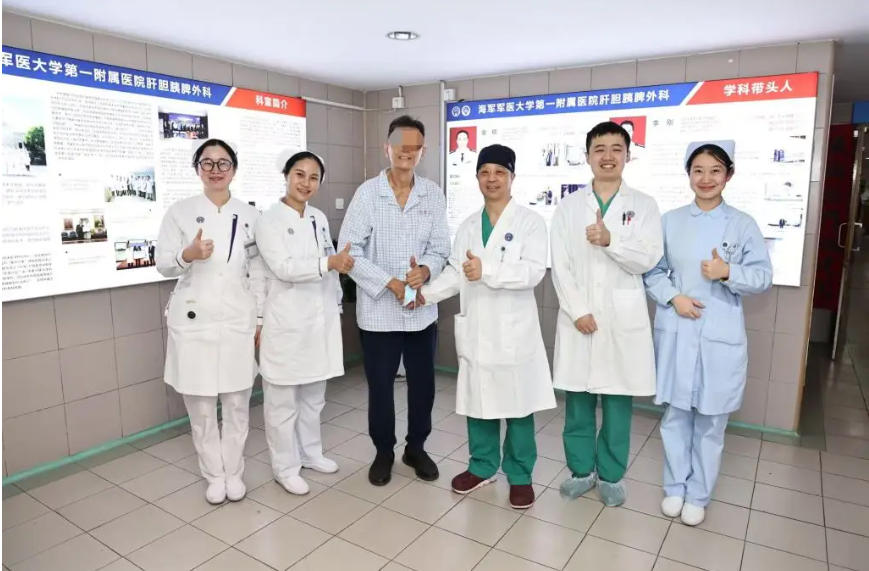
An overseas Chinese was treated from Shanghai Changhai Hospital with successful removal of a pancreatic tumor.
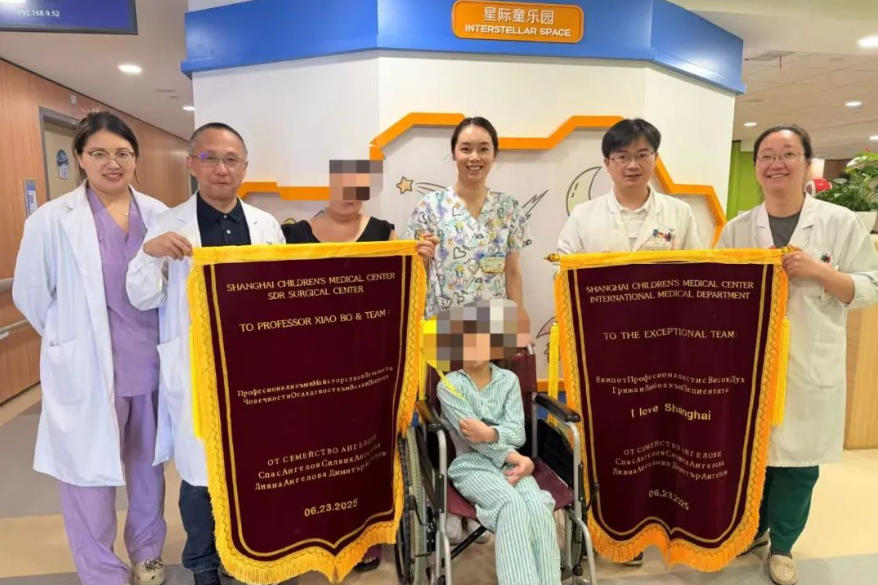
Shanghai Medical Pilot Realizes “Walking Dream” for Bulgarian Girl with Cerebral Palsy
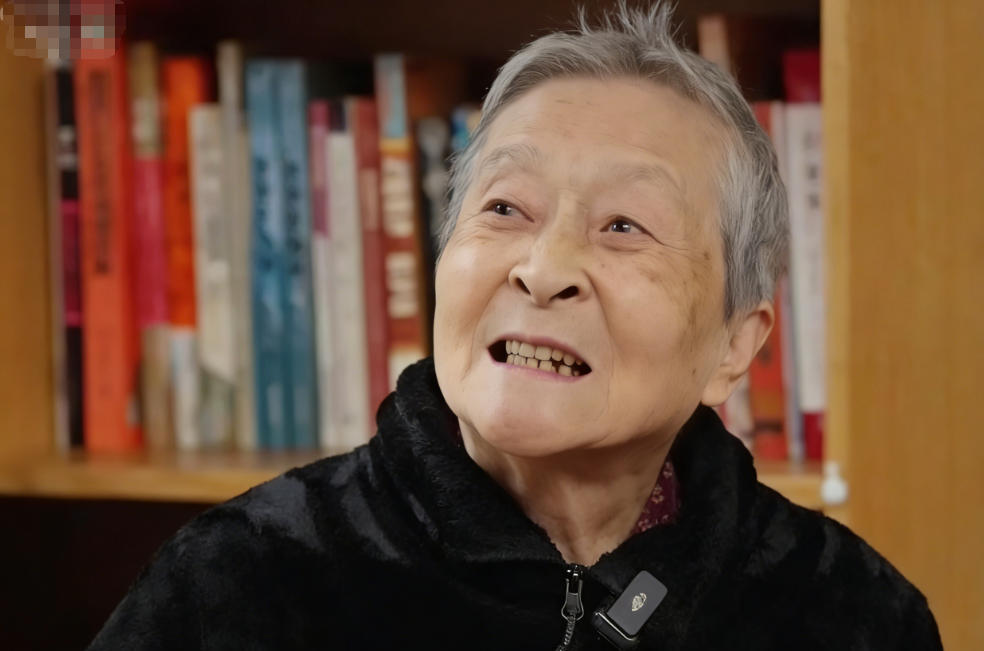
A Shanghai Doctor Uses Ultrasound to “Wake Up” Mother's Alzheimer's

Shanghai Medical Trio Stages High-Altitude Rescue on Flight from Xinjiang
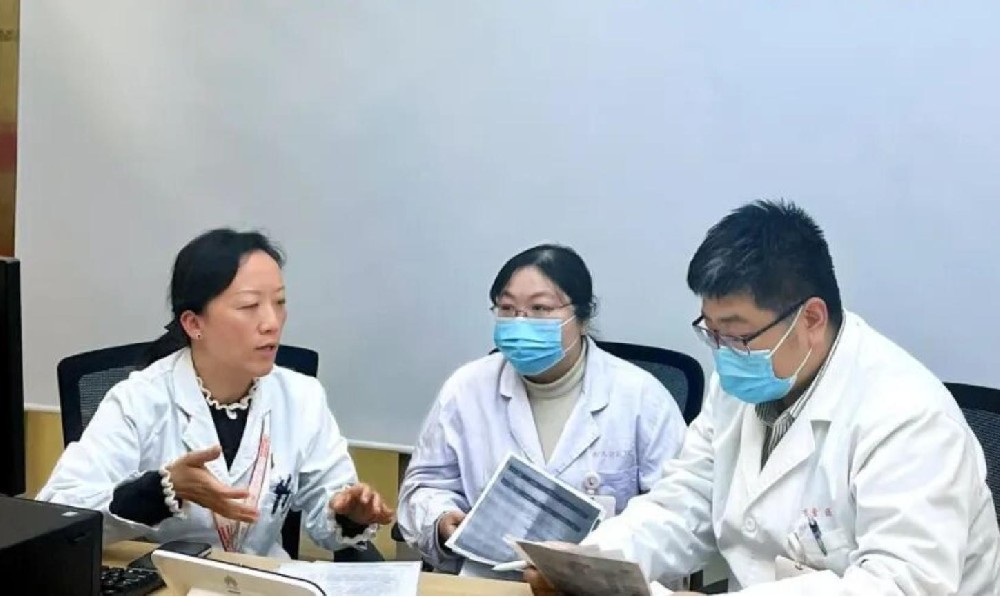
Shanghai Children’s Hospital Uses Remote MDT to Diagnose Rare CIPA
Copyright © 2023 Yewen Renyi & ShanghaiDoctor.cn (This website is a non - profit medical humanities platform. The information contained herein is solely for biographical and historical purposes and does not constitute any medical advice.) 沪ICP备2023005392号-2 XML 沪公网安备31010902100835号
 中文
中文 English
 Español
 沪公网安备31010902100835号