ShanghaiDoctor - Where China's Healing Wisdom Shapes Modern Medicine

Update time:2026-03-08Visits:4762
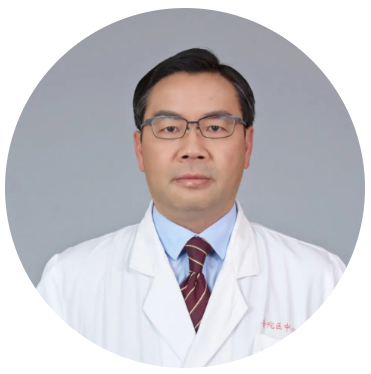
Profile
Director, Department of Endocrinology, Putuo Hospital, Shanghai University of Traditional Chinese Medicine.
Head, Shanghai Key Clinical Discipline in Endocrinology and Putuo District Distinctive Discipline.
Chairman, Diabetes and Its Complications Committee, Shanghai Association of Integrated Traditional Chinese and Western Medicine.
Preface
A soft Hunan accent hints at his origins; a passage of Xiang opera, elegant and melodic. To speak of Chenzhou—a city with over two millennia of history—is to speak of a place long famed as a "Land of Immortals," a city of good fortune. It gazes north to Mount Heng, rests against the Five Ridges to the south, connects to the Luoxiao Mountains in the east, and looks toward the Jiuyi Mountains in the west. Historically a vital gateway linking the Central Plains to the southern coast, it is now Hunan's "southern gateway" to the Greater Bay Area.
This is also a land steeped in healing lore, home to the legendary physician Su Dan. Folklore tells how he used well water and tangerine leaves to cure a plague, later ascending to immortality on a crane’s back. The tale of the "Fragrant Waters of the Orange Well" endures as a poignant symbol in China's medical history. It is from this culturally rich soil that Dr. Lei Tao himself emerged—a testament to how landscape shapes character.
There is an innate thoughtfulness and refinement about him, a quiet magnetism that seems born from the fusion of clinical science and philosophical depth. Like most dedicated physicians, the majority of his time is given to his patients: consulting, studying, seeking better pathways, and striving to extend and improve lives. His work represents the human element that transcends pure medicine—a steadfast source of support for patients and their families.
He is Dr. Lei Tao, Director of Endocrinology at Putuo Hospital, Shanghai University of Traditional Chinese Medicine.
For decades, he has devoted his energy to the field of endocrine and metabolic diseases, yet he feels time is perpetually short. "The greatest regret in medical practice," he says, "is having too little time for too many patients. The rising prevalence of diabetes is particularly difficult for a specialist in this field to witness."
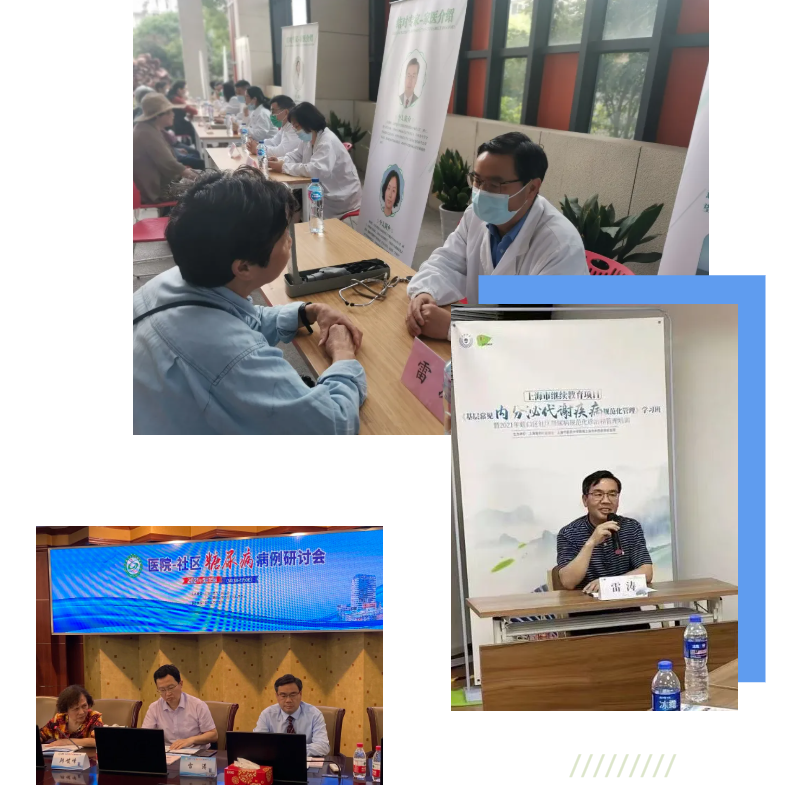
Driven by this, his daily routine extends beyond the hospital’s clinics, teaching, and research labs. He frequently visits local communities to lead preventive education on diabetes and metabolic health. It is a demanding schedule, but for him, a profoundly fulfilling one.
Look at the tide’s traces, dried year after year by the seasonal winds until only faint water stains remain. Time, like water, flows slowly over each person, and everyone’s appearance changes—often under the wear of illness. Lei Tao uses his own strength to shield and support those around him, striving to help each life trace out its most beautiful path. Whenever he sees a patient gradually recover, he smiles, then sets off running once more—chasing time to safeguard life. He cannot, and will not, allow a single moment of regret.
1. The Path to Medicine
“Dogs bark in the deep lanes, roosters crow atop mulberry trees. The courtyard is free of dust and clutter; the quiet room holds ample peace. Long confined in a cage, I return at last to nature.” This was the idyllic scenery of Lei Tao’s childhood. As a boy, he held a simple wish: to find a career that promised stability and endless learning. Later, as his mother’s health declined, he made up his mind: “I want to become a doctor.”
“My mother’s illness gave me that determination. At the time, I believed studying medicine would help—whether for my family, myself, or for supporting relatives and friends.”
With that goal, Lei Tao studied diligently. After high school, his excellent grades earned him a place at Xiangya School of Medicine. Founded in 1914, Xiangya Hospital is one of China’s most revered medical institutions. Renowned at home and abroad for its rigorous scholarship and exceptional academic environment, it is often called “Southern Xiangya.” Xiangya’s story began in an extraordinary way: in 1905, the 29-year-old American physician Dr. Edward H. Hume—sent by the Yale-China Association, founded by Yale alumni—crossed the oceans with his family to Changsha to establish medical and educational institutions. In 1906, Hume opened one of China’s earliest Western-style hospitals, Yali Hospital, and across the street founded Yali School. This was Xiangya’s precursor. Over a century, Xiangya has nurtured generations of committed medical professionals. Lei Tao was among them.
At university, Lei Tao studied hard but never neglected physical exercise. Each day was full and rewarding. Time passed swiftly, and five years were soon behind him. After graduating in 1987, he smoothly began his clinical career—finally realizing his dream of applying what he had learned to treat patients and save lives. The prospect thrilled him. Two years later, he pursued further study, passed the entrance exam for a master’s degree, and then, with outstanding results, was admitted to Huashan Hospital of Shanghai Medical University (now Huashan Hospital affiliated with Fudan University School of Medicine), where he earned his doctorate. From then on, Lei Tao specialized in endocrinology and began working at Shanghai Tongji Hospital. The year was 1995.
At Tongji Hospital, Lei Tao spent over a decade. He pursued excellence, constant progress, and never passed up a chance to learn and improve. As his skills grew ever more solid, more and more patients sought out Dr. Lei Tao. Gradually, he matured into his role and began to shoulder significant responsibilities.
Now, Lei Tao works at Shanghai’s Putuo District Central Hospital—also known as Putuo Hospital, affiliated with Shanghai University of Traditional Chinese Medicine—where he leads an endocrinology and metabolism department that integrates traditional Chinese and Western medicine. Speaking of this role, Lei Tao feels both a deep sense of responsibility and genuine enthusiasm.
“Since coming to Putuo District Central Hospital, I’ve been working on two fronts: Western medicine and traditional Chinese medicine. I believe both fields hold great potential in diabetes care, and the scope of our department’s research can expand accordingly. This is a completely new chapter—one that I think will open more avenues for the prevention and treatment of diabetes.”
Currently, diabetes affects 12.8% of China’s population, meaning about 13 out of every 100 people live with the condition. In Lei Tao’s view, traditional Chinese and Western medicine are complementary disciplines. This is especially true in metabolic disease management, where both have significant roles to play. Shanghai Putuo Central Hospital, he notes, already has a strong foundation in integrated medicine.
2. A Balanced Approach: Blending Eastern and Western Medicine
“Traditional Chinese medicine emphasizes holistic care and syndrome differentiation, while Western medicine often focuses on detailed disease analysis—they may seem different at first glance. But modern Western medicine also stresses comprehensive treatment, so the underlying principles are increasingly aligned. Chinese and Western medicine are not opposing forces. Take Professor Tu Youyou, who won the Nobel Prize in Medicine: her discovery of artemisinin began with studying ancient Chinese texts, then advanced through new scientific perspectives and methods. In diabetes care, I believe integrated medicine holds even greater promise.”
To bring more colleagues into this practice, Lei Tao helped establish the Diabetes and Complications Professional Committee under the Shanghai Association of Integrative Medicine, encouraging wider participation in the fight against diabetes.
“Putuo Central Hospital already focuses on diabetes and its complications as a key clinical and research priority—so we have both a responsibility and a commitment in this area. As a municipal-, district-, and hospital-level key specialty, we are running multiple projects dedicated to prevention and treatment. And as an affiliate of Shanghai University of Traditional Chinese Medicine, the hospital has deep roots in TCM theory and practice. These strengths have made us a member of the National Standardized Endocrinology and Metabolism Disease Management Center Alliance. We’ve also formed a district-level metabolic disease alliance to further deepen our work.”
To strengthen integration with traditional Chinese medicine, Director Lei Tao maintains close collaboration with Director Shen Hongquan, a well-known TCM expert in Shanghai. Lei Tao’s team actively studies TCM principles, thinks creatively about their application, and has accumulated considerable clinical experience.
As is widely recognized, diabetes is a multisystem disease that can lead to numerous complications. Broadly speaking, these fall into two categories: vascular and neuropathic. Complications can affect nearly any part of the body—from stroke and retinopathy to heart failure, kidney dysfunction, and diabetic foot. Many of the common conditions associated with diabetes are, in fact, its complications. For patients, the impact is often multifaceted and profound.
Precisely because diabetes affects multiple organs, its treatment often requires a combination of medications. This complexity creates a strong foundation for integrating Western and Traditional Chinese Medicine (TCM). Endocrinology is inherently interdisciplinary. Relying solely on Western pharmaceuticals can often lead to unavoidable side effects. Incorporating TCM—with its multi-targeted, syndrome-differentiation approach and gentler methodologies—can reduce patient discomfort and improve overall outcomes. For example, in TCM internal therapy, Mudan Granules are used alongside zinc sulfate to treat Diabetic Peripheral Neuropathy (DPN). TCM also offers numerous supportive options for nutrition and enhancing therapeutic efficiency.
Dr. Lei Tao believes the cornerstone of diabetes management is “prevention, early diagnosis, and early treatment,” with the ideal goal of reducing or delaying the onset of the disease. Many patients already suffer from multi-organ damage. Impaired sensory nerves, for instance, can dull pain perception—some may not even feel a burn or similar injury. Consequently, they often only seek help at a very advanced stage.
Effective prevention, he argues, must begin at the community level. To this end, Dr. Lei has partnered with numerous communities to conduct diverse diabetes outreach and prevention programs, achieving significant positive results. This commitment, however, has made his schedule more demanding than ever.
3. Community Partnership for Joint Prevention & Control
Putuo is an established district of Shanghai with a permanent population exceeding 800,000; including floating residents, the total surpasses 1.2 million. The district faces a pronounced aging population, with some areas having a particularly high density of elderly residents. Dr. Lei feels the weight of his responsibility acutely and is driven to find more effective methods and pathways for diabetes prevention.
“Our hospital has now established long-term partnerships with 11 community health service centers, and just last week we finalized a cooperation agreement with the twelfth,” says Dr. Lei. “For chronic disease management, our goal is to build an integrated diabetes prevention, control, and management system. Technically, our hospital is fully equipped to provide robust support to primary-care institutions. We also aim to develop new models to help this system prevent and control diabetes more effectively, and to better assist community patients and high-risk groups. This, in itself, is a form of systemic innovation.”
The system Dr. Lei describes is a hub-and-spoke model, centered on the district hospital and extending into the community to enable coordinated prevention and control. The objective is more precise and effective prevention of diabetes onset, coupled with improved management for existing patients, thereby establishing a sustainable care model. Beyond this, Dr. Lei is an active participant in public science education regarding metabolic diseases.
“From a public health perspective, our focus must be on diabetes monitoring, dietary habits, and early detection. This year, on World Diabetes Day—November 14th—we held events centred on the theme ‘Education to Protect Tomorrow’. This highlights how diabetes education is key to prevention. I believe this approach is both efficient and effective. Whether for the general public or those already living with diabetes, raising awareness about prevention and management is essential. People cannot afford to be uninformed or indifferent about their own health; otherwise, prevention and treatment measures will fall short.”
The hospital where Dr. Lei Tao works also organises free medical outreach programmes in various residential communities, runs public health lectures and training sessions, and partners with neighbourhoods on pilot projects to build healthier communities. In the area of early diabetes detection, his team is fully committed. They are not only exploring new methods through research but also ensuring residents have practical tools and knowledge for early identification and prevention.
“By collaborating with communities on various initiatives, we help the public understand our work and learn more about metabolic diseases. We also produce accessible health materials for residents to keep and refer to. This year, I served as the lead deputy editor in compiling a practical guide titled ‘Theory and Practice of Type 2 Diabetes Management in Communities.’ I believe resources like this can make a real difference.”
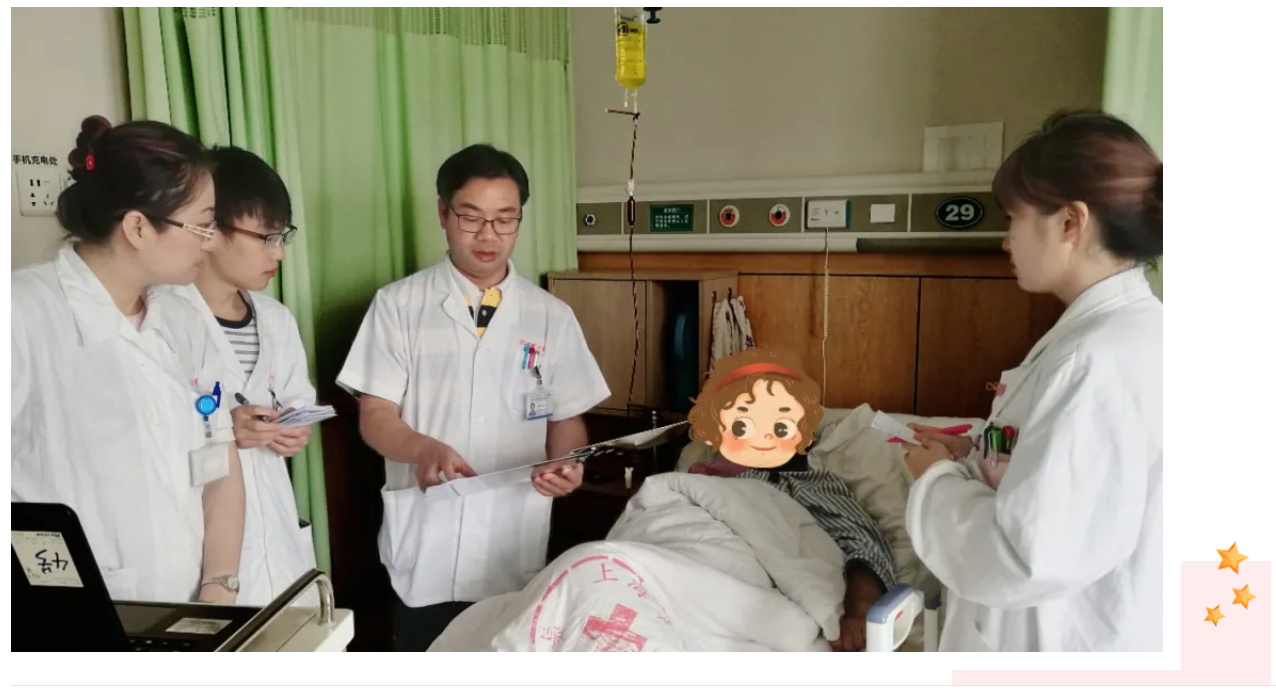
In Dr. Lei Tao’s view, his hospital serves a dual role: as a technical service provider for the community and as a safety net for complex cases. He recalls one patient, nearly 90 years old, who was referred from a community clinic with abdominal discomfort. As a precaution, Dr. Lei Tao ordered an electrocardiogram. The results showed not only an abdominal issue but also a significant myocardial infarction.
“Typically, a myocardial infarction causes severe, angina-like pain, but this patient only reported mild abdominal discomfort. This is because he had underlying diabetes. Diabetic complications can impair the nervous system, reducing pain sensitivity. As a result, his symptoms were subtle. Without experience, a clinician might misdiagnose it as a digestive problem. In such cases, the patient’s condition can deteriorate rapidly, even becoming fatal. Fortunately, with appropriate treatment, he made a full recovery.”
Whenever a patient tells him, “I’m feeling much better,” Dr. Lei Tao feels profound gratification. As a doctor, it brings him a deep sense of accomplishment. He says this is his original motivation for practicing medicine—that heartfelt pride that comes from seeing a patient recover.

ShanghaiDoctor.cn:Today, we are seeing a rise in precocious development and childhood obesity. The situation appears serious and sets the stage for these children to develop diabetes later in life. What do you believe is driving this trend?
Dr. Lei Tao
In my view, a primary cause is a lack of parental awareness. Many children now regularly consume carbonated drinks, fried foods, and fast food—all of which are highly unhealthy. I believe that alongside academic achievement, children today must pay greater attention to their physical well-being. Furthermore, significant social pressures and a lack of proper psychological support can lead children to seek comfort in simple coping mechanisms, such as overeating. Guidance on healthy nutrition is essential, and psychological counselling is also needed in this area.
ShanghaiDoctor.cn:Many people think diabetes and osteoporosis are closely linked. What is your perspective on the connection between the two?
Dr. Lei Tao
There is indeed a relationship. Often, diabetes can be a contributing factor to osteoporosis. As circulation weakens in diabetic patients, the supply of essential elements like fibrin and calcium can become insufficient. Additionally, diabetes can trigger various immune and endocrine disorders, which further disrupt bone metabolism. Due to systemic imbalances—such as nerve damage—diabetic patients are also more prone to falls. If a fall occurs in someone with osteoporosis, the result can be a pathological fracture, which is a severe complication. The bones of many diabetic patients are fragile; once a fracture occurs, recovery is exceptionally difficult.
ShanghaiDoctor.cn:Have there been any recent advances in diabetes prevention and treatment that allow for earlier detection?
Dr. Lei Tao
We can now analyse endothelial cell lesions at a cellular level. This technology enables us to identify markers of diabetes much earlier. Many new pharmaceuticals have also emerged, with major drug companies working closely with clinicians like us in the diabetes field. There have been significant advancements, both in neurology and cardiovascular medicine, as well as breakthroughs in basic science. I believe these developments are crucial for the early diagnosis and management of diabetes. Our hospital is actively involved in related clinical trials and has been able to implement new applications relatively early, which is promising news for our patients.
ShanghaiDoctor.cn:What insights do you have on managing doctor-patient relationships?
Dr. Lei Tao
The moment we become doctors, we take an oath—much like a solemn pledge of commitment. From that point on, we truly step into the role of medical practitioners. I believe that to foster a healthy doctor‑patient relationship, a doctor must first possess a broad perspective, and second, genuinely care for patients from the heart. These are the foundations of being a good doctor and of communicating effectively with patients. Building on that, I’d add that honing one’s medical skills and mastering the art of human interaction are equally vital. Every day we meet patients in different states of mind and with varied symptoms, but doctors and patients are always allies sharing the same goal. So there should be no insurmountable barriers between us. Of course, from a professional standpoint, continuous study and refining one’s expertise are also crucial. After all, having a warm heart and a willing attitude means little if you don’t know how to treat your patients—that, I think, would be irresponsible.
ShanghaiDoctor.cn:If you had another chance, would you still choose to become a doctor? Do you have any regrets?
Dr. Lei Tao
If I could choose again, I would still become a doctor. It’s a lifelong learning profession. Medicine is vast and profound—it embraces not only scientific knowledge but also philosophy and deep reflection on life itself. That’s why I love this field so much. As for regrets, I suppose I could have studied harder and learned more when I was younger. That might be the only slight regret on my medical journey.
ShanghaiDoctor.cn:What are your usual hobbies?
Dr. Lei Tao
My personal interests are quite varied. When I was younger, I especially enjoyed basketball and running. I still maintain regular exercise now—my weight has stayed largely the same over the past decade, and I briskly walk around 10,000 steps a day, which helps keep my metabolism active. Even with frequent overtime and occasional late nights, I’m in very good physical shape.
Editor: Chen Qing @ ShanghaiDoctor.cn
If you'd like to contact to Dr. Lei, pleae be free to email us at chenqing@ShanghaiDoctor.cn.
Dr. Chen Gong | Children's Bile Ducts, and a Future He Chose Himself
Dr. Luo Zhiguo | An Oncologist Still Hoping for One More Reunion
Dr. Shi Hongcheng | Growing Nuclear Medicine from One Old Scanner
Dr. Huang Anhua | Still Glad to Stand Under the Gallbladder Lamp
Dr. Ding Ding | Kindness in the Room Where Endometriosis Is Cut Away
Dr. Wang Xuefei | Gastrointestinal Surgeon Advancing Care for Early-Onset Gastric Cancer
Dr. Gu Jun | A Dermatologist Whose Medical Values Were Forged Over Decades
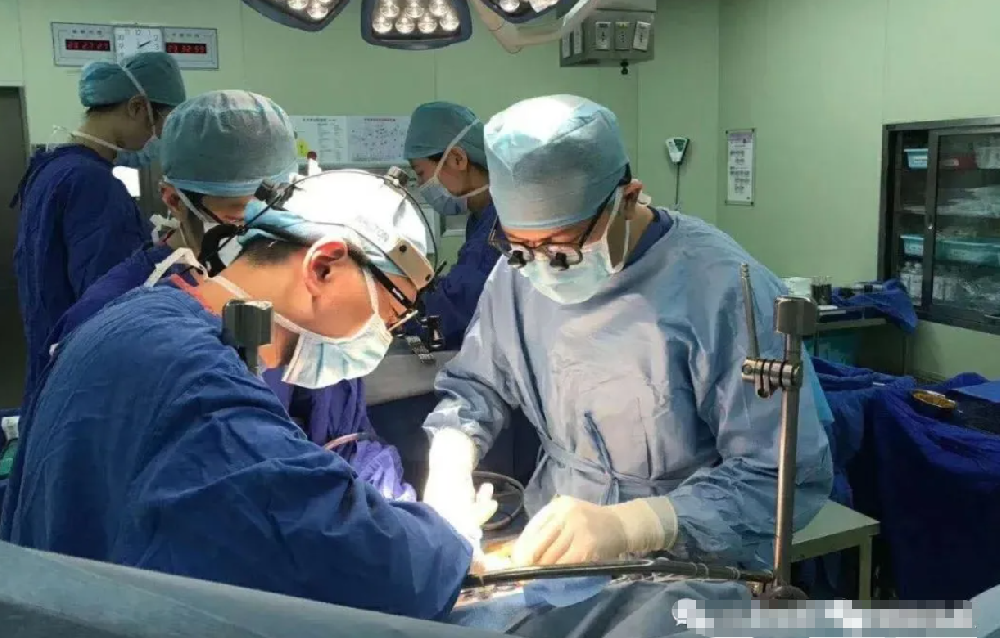
Dr. Chen Gong | Children's Bile Ducts, and a Future He Chose Himself
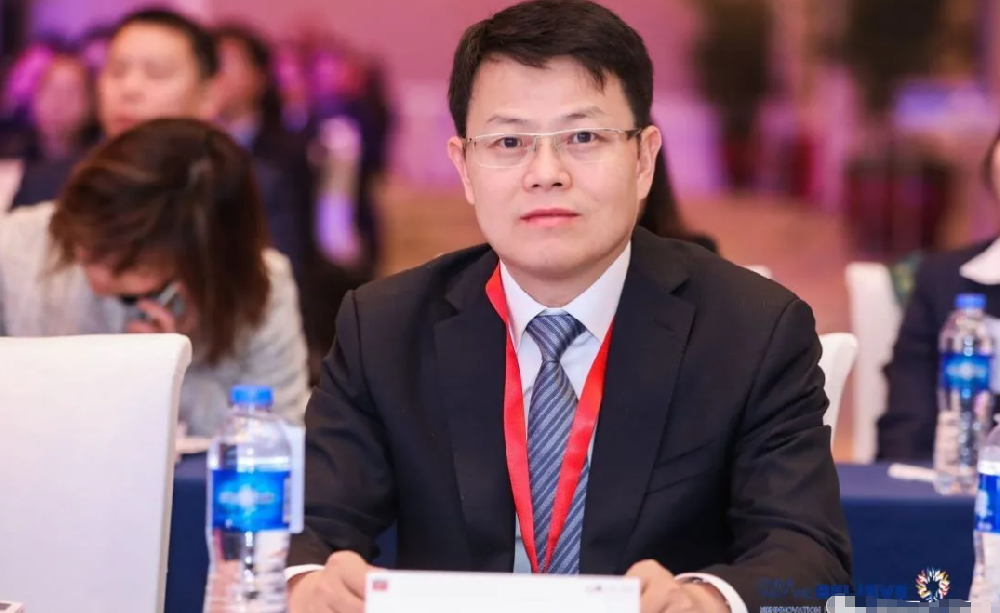
Dr. Luo Zhiguo | An Oncologist Still Hoping for One More Reunion
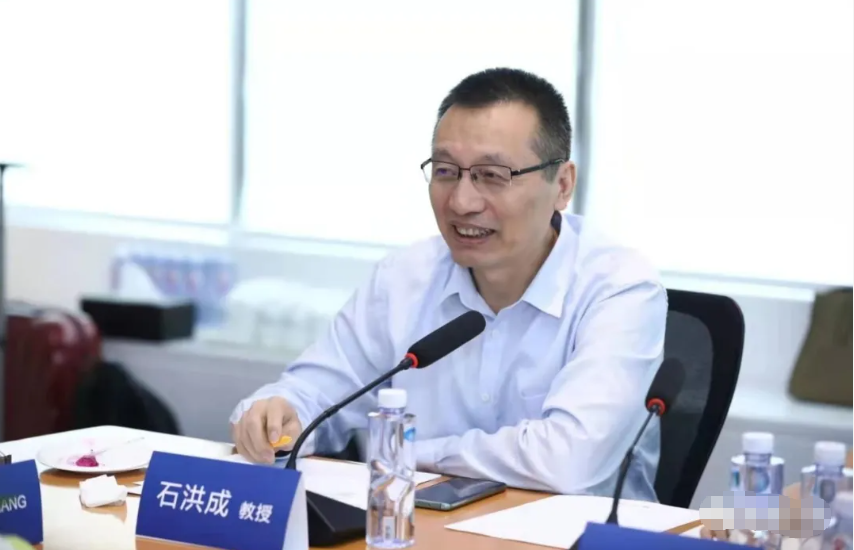
Dr. Shi Hongcheng | Growing Nuclear Medicine from One Old Scanner
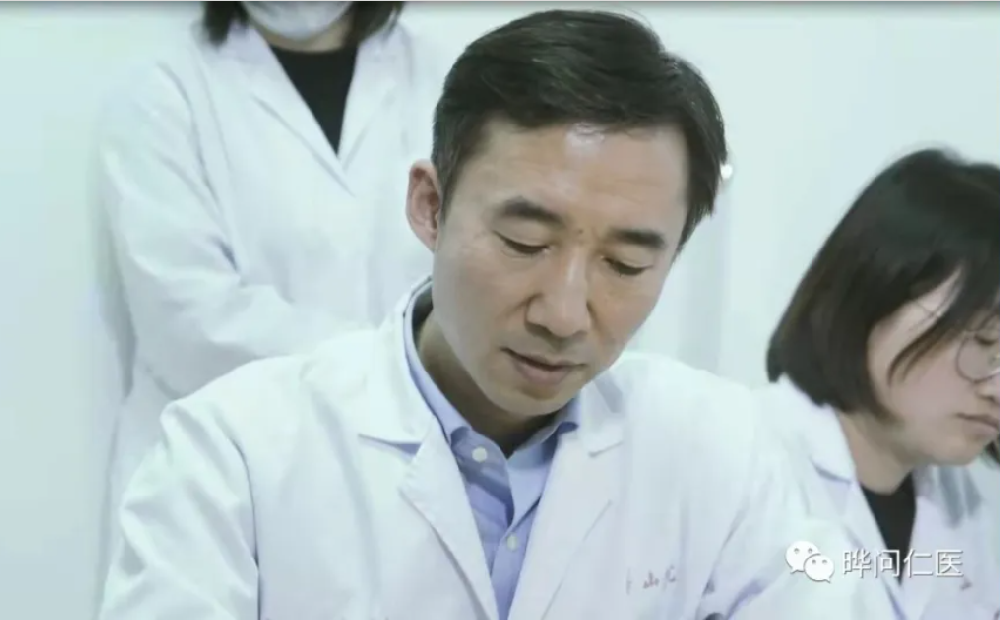
Dr. Li Wei | Loneliness in the Lab, Hope for Itchy Skin
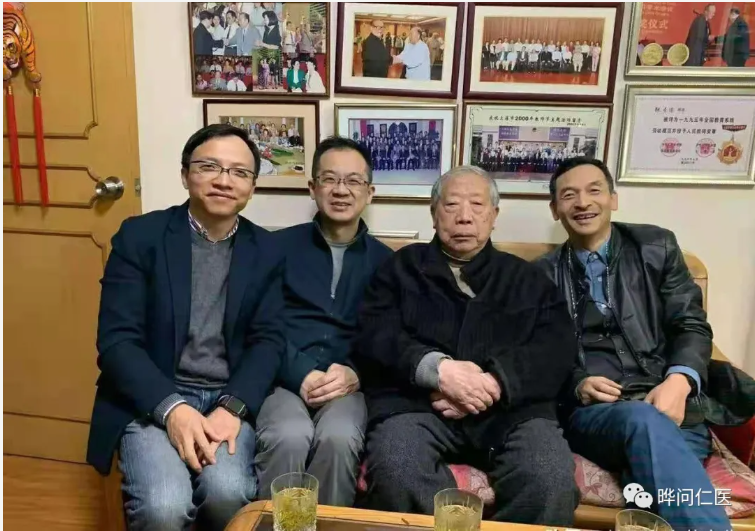
Dr. Huang Anhua | Still Glad to Stand Under the Gallbladder Lamp
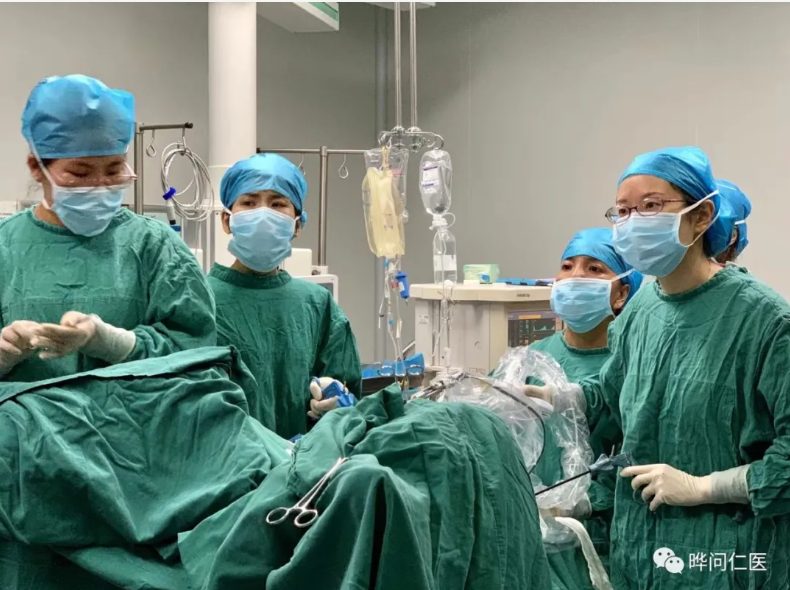
Dr. Ding Ding | Kindness in the Room Where Endometriosis Is Cut Away
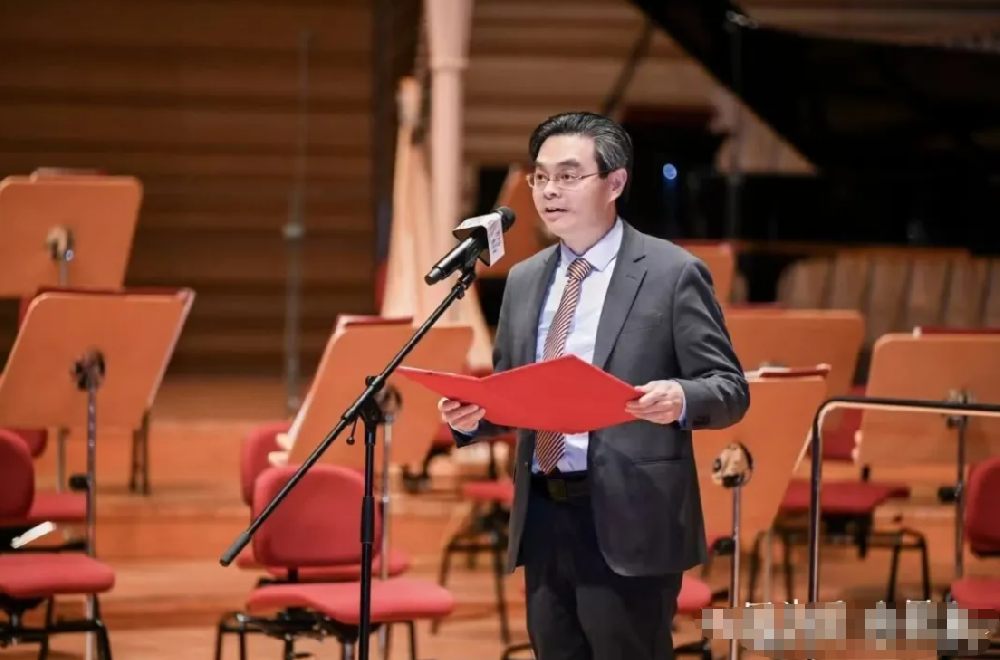
Dr. Wang Xuefei | Gastrointestinal Surgeon Advancing Care for Early-Onset Gastric Cancer
Dr. Yi Xiaofang | Director of General Gynecology — Expertise in Endometriosis and Minimally Invasive Surgery
Dr. Gu Jun | A Dermatologist Whose Medical Values Were Forged Over Decades
Dr. Shao Jingbo | Pediatric Hematologist Specializing in Leukemia, Rare Diseases, and Stem Cell Transplantation
Copyright © 2023 Yewen Renyi & ShanghaiDoctor.cn (This website is a non - profit medical humanities platform. The information contained herein is solely for biographical and historical purposes and does not constitute any medical advice.) 沪ICP备2023005392号-2 XML 沪公网安备31010902100835号
 中文
中文 English
 Español
 沪公网安备31010902100835号