更新时间:2026-04-06点击:3538
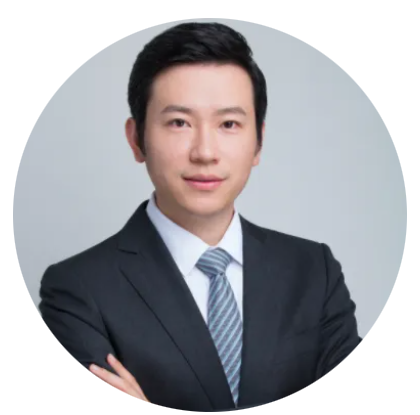
Profile
Dr. Han Changpeng, born in March 1981, is an Associate Chief Physician, Associate Professor, and Master’s Supervisor. He holds a Doctor of Medicine degree and is a certified Patent Management Engineer. Currently, he serves as the Deputy Director of the Scientific Research Department at Yueyang Hospital of Integrated Traditional Chinese and Western Medicine, affiliated with Shanghai University of Traditional Chinese Medicine.
His distinguished career includes a tenure as a visiting scholar at Boston University, USA, and he serves as a review expert for the National Natural Science Foundation of China. Dr. Han holds numerous leadership positions within prestigious medical associations, including standing committee roles in the Proctology Branch of the Clinical Education Research Association (TCM), the Youth Committee of the Stem Cell Research and Application Branch (Chinese Association of Plastic and Aesthetics), and the World Federation of Pelvic Floor Medicine. He is also an active council or committee member for several societies focused on integrative medicine, colorectal diseases, preventive medicine, translational medicine, and medical research management in Shanghai.
With 18 years of dedicated clinical practice, teaching, and research in proctology, Dr. Han has led seven major provincial and national research projects, including three grants from the National Natural Science Foundation of China. He has authored dozens of academic papers, 16 of which are published in SCI-indexed journals. His groundbreaking work has been featured in top-tier international publications such as Nature and Nature Communications. He has presented his research on global platforms, including the 2020 annual meeting of the American Association for Cancer Research (AACR).
His contributions have been recognized with eight significant awards, including the Shanghai Science and Technology Progress Award (Second Class) and the Chinese Medical Science and Technology Award (Third Class). As a prolific innovator, he holds five authorized patents.
A third-generation practitioner of Traditional Chinese Medicine, Dr. Han specializes in both surgical and non-surgical treatments for conditions like hemorrhoids, anal fissures, and perianal abscesses. He expertly applies TCM principles to manage constipation, inflammatory bowel diseases, gastrointestinal disorders, and to support the early prevention of intestinal tumors and post-operative recovery.
A Personal Perspective
Innovation for the young is like lighting a lamp in a boundless night—a single beacon that pierces the darkness. Millions of such lights, gathered together, can illuminate the world. It is also like rivers surging across a vast plain; their convergence creates a mighty ocean.
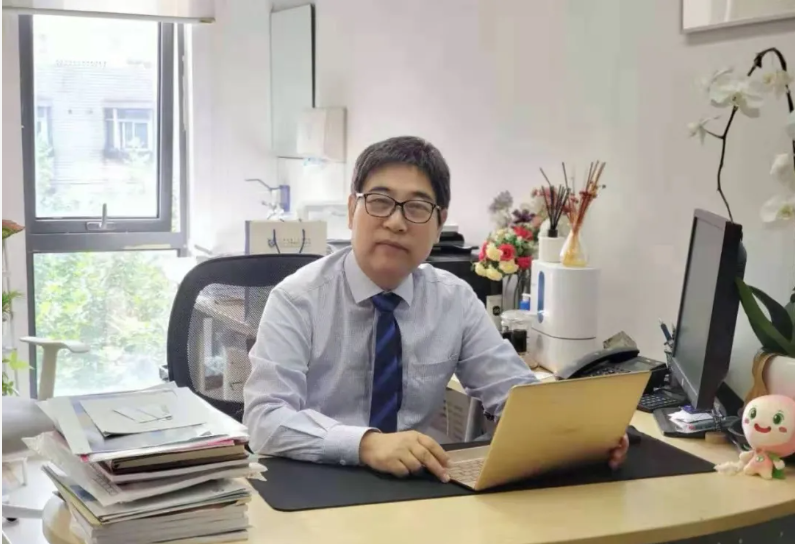
Raised in a family of doctors, I was immersed in a medical world from my earliest days. My desk holds not only foundational TCM texts like the Treatise on Cold Damage and Systematic Differentiation of Warm Diseases but also volumes on Western medicine and the latest medical technologies. In my view, Traditional Chinese Medicine must not only be preserved but also evolved. Its true potential is unlocked through rigorous clinical practice, masterful application of its principles, and the thoughtful integration of modern medical science. This fusion transforms TCM into an even greater treasure for humanity.
Today we meet Dr. Han Changpeng, Deputy Director of the Scientific Research Department and Associate Chief Physician of the Anorectal Surgery Department at Yueyang Hospital of Integrated Traditional Chinese and Western Medicine, Shanghai University of Traditional Chinese Medicine.
For Dr. Han, the essence of the doctor-patient relationship lies in warmth, mutual understanding, sincerity, and genuine care. When patients face hardship, he believes doctors must encourage them to hold onto hope and to appreciate life’s profound beauty.
He emphasises a holistic approach, beginning with the specific medical specialty. Treatment must be tailored to the individual, integrating modern medicine with traditional Chinese medicine frameworks—such as the Eight Principles Syndrome Differentiation and the theories of Qi, Blood, Yin, and Yang. Only through this synthesis can truly personalised therapy be achieved.
Regarding the future of traditional Chinese medicine (TCM), he is deeply optimistic. He views the integration of clinical practice, education, and research as essential. An accomplished TCM practitioner, he argues, should not only treat disease but also prioritise the summarisation of clinical experience, the transmission of knowledge through writing and teaching, and the thoughtful adoption of new technologies.
Dr. Han believes the transformation and modernisation of TCM research are already underway. Like a tender sapling—fragile yet tenacious—it will, in time, grow into a towering tree. Or like a mountain stream: it may begin as a mere trickle, but with persistence, it will ultimately reach the sea.
1. “Do not take medicine from a doctor whose family has not practiced medicine for three generations.”
Mount Bagong in Huainan lies between the Huai and Fei rivers. The Taiping Huanyu Ji records: “Long ago, the King of Huainan and eight scholars climbed this mountain, buried gold here, and ascended to heaven in daylight. The leftover elixir was pecked by chickens and dogs, and they too achieved immortality. Later, traces of men and horses were found at the site, which remain to this day—hence the name ‘Bagong’ (Eight Gentlemen).” Steeped in history and legend, Huainan has long been a place of cultural significance. This is Dr. Han Changpeng’s hometown.
Born into a family with three generations of TCM practitioners, Han Changpeng was immersed from an early age in the world of healing. “My choice to study medicine is undoubtedly tied to my family,” he reflects. “As a child, I watched my elders treat patients with a sense of joy and admiration. The medical experience of my grandparents and parents left a deep impression on me—their conduct, their interactions with people, their grounding in TCM, and my mother’s patient-centred approach to running her clinic have all been profound influences.”
Northern Anhui is renowned for its deep roots in traditional Chinese medicine and herbal lore. Bozhou, one of China’s largest herb distribution centres, is also the birthplace of Hua Tuo, the foundational figure of TCM surgery. Anorectal medicine is a branch of that tradition. The region is home to many established TCM schools, such as the Xin’an School. Dr. Han’s mother trained for years under a Xin’an master, eventually becoming a respected local physician.
“TCM education in the past was very different from today’s university system,” he notes. “It was more traditional, based on apprenticeship—learning at the master’s side and copying prescriptions. That kind of training cultivates a profound way of thinking. In earlier times, when modern medicine was less developed, diagnostics were limited, and medical resources were scarce across China, many health needs were met through TCM theory and techniques like acupuncture and massage. These approaches solved real problems at the community level, and much of that wisdom is worth preserving.”
Traditional Chinese medicine practitioners of that era were akin to today’s general practitioners. Han Changpeng still recalls scenes of elders using various TCM treatments to cure ailments. “I remember family members treating conjunctivitis with herbal remedies, using traditional methods for mumps, applying alum for otitis media, and even using dried pig bile powder as a broad-spectrum anti-inflammatory. For acute sore throats, for instance, these traditional medicines were quite effective in my memory and genuinely helped local people with many practical health problems.”
In those days, Han Changpeng’s family home often received plaques from grateful patients, thanking the elder family members who practiced medicine. “That was the custom back then. Many patients who recovered insisted on presenting a plaque—especially to TCM doctors—much like the commendatory banners you see in hospitals today. I remember so many plaques that we simply didn’t have enough wall space to hang them all.”
Growing up in this environment, Han Changpeng came to appreciate the value of traditional medicine and resolved to become a doctor himself. His aim was not only to inherit his family’s medical legacy but also to carry forward and promote traditional healing practices.
In 1999, he was admitted to the Traditional Chinese Medicine Department of Shanghai University of Traditional Chinese Medicine, fulfilling his wish to become a medical student. He later specialized in TCM Surgery for both his master’s and doctoral degrees. At medical school, Han Changpeng devoted himself to diligent study while continually reflecting on how to systematize Chinese medicine and promote its value—a focus that would later define his clinical career. At the heart of this pursuit lay the innovation and modernization of TCM.
After graduation, he joined Shanghai Yueyang Hospital of Integrated Traditional Chinese and Western Medicine as a clinical doctor. His master’s supervisor was Dr. Sun Jianhua, Director of the Anorectal Department at Yueyang Hospital, and his doctoral advisor was Professor Li Bin, now President of the Dermatology Hospital. Under their thoughtful guidance, he embarked on a new chapter in his life. Everyone has a blue ocean to sail in their heart; for Han Changpeng, this was the beginning of a new voyage.
### 2. Patients First
Han Changpeng’s mother was his first mentor in medicine. She taught him simple yet profound principles—how to care for patients and that healing the sick is a doctor’s fundamental duty.
“The doctor-patient relationship requires mutual trust and cooperation, and we should strive to build a warm, supportive atmosphere. Only then can we establish a virtuous cycle that leads to real therapeutic outcomes,” Han Changpeng reflects.
One patient remains etched in his memory. The individual had undergone a PPH procedure (a common surgery for hemorrhoids and prolapse) at another hospital. Because the perianal region is rich in sensitive nerves, some nerve involvement during surgery is not uncommon. In this case, however, the patient was left with severe postoperative discomfort—persistent bearing-down and distension sensations—so debilitating that they could neither work nor live normally and felt they had become “useless.”
In an effort to resume a normal life, this patient sought treatment at major hospitals in Shanghai, Beijing, and Guangzhou, yet no effective solution was found. According to the examination results from these institutions, the surgery he underwent was technically sound; the issue lay in the variability of individual recovery. For the patient, however, this outcome was unacceptable, as it severely disrupted his daily life. When several hospitals subsequently suggested a psychiatric referral, he was prescribed medication. While this alleviated his anxiety, it failed to resolve the core issue—a persistent sensation of heaviness and distension. He remained deeply distressed.
By chance, he later visited Yueyang Hospital and consulted Dr. Han Changpeng at the Qinghai Road Famous Doctors Outpatient Clinic, Department of Proctology. Their first consultation lasted nearly an hour.
“He met me and recounted his entire story from beginning to end. My role at that stage was simply to listen. Gradually, he began to trust me—he said few doctors before had taken the time to hear him out. Once that trust was established, I tailored a treatment plan for him. This involved multi-faceted care, from supportive conversations to Traditional Chinese Medicine (TCM) conditioning. After several months, his condition was essentially resolved. He still comes for follow-ups now. Although I am primarily a proctological surgeon, for this patient I integrated internal medicine approaches, used TCM conditioning over several months, and provided psychological support. The results were excellent.”
In Dr. Han’s view, surgical procedures are just one method of treating a condition, but the patient is a whole person requiring a holistic perspective. The same applies to proctology: the entire treatment process must embrace an integrated approach, or ideal outcomes are hard to achieve. Doctors and patients are allies in this process. Only with mutual trust can treatment truly succeed.
Reflecting on this, Dr. Han recalled scenes from his childhood. “Successfully treating a patient is a genuine point of pride. Some patients, with heartfelt sincerity, bring local specialties from their hometowns to express thanks. It reminds me of when I was young—patients who weren’t well-off would bring eggs or farm produce to show their gratitude. These are deeply rewarding moments. To me, this embodies the relationship between comrades-in-arms.”
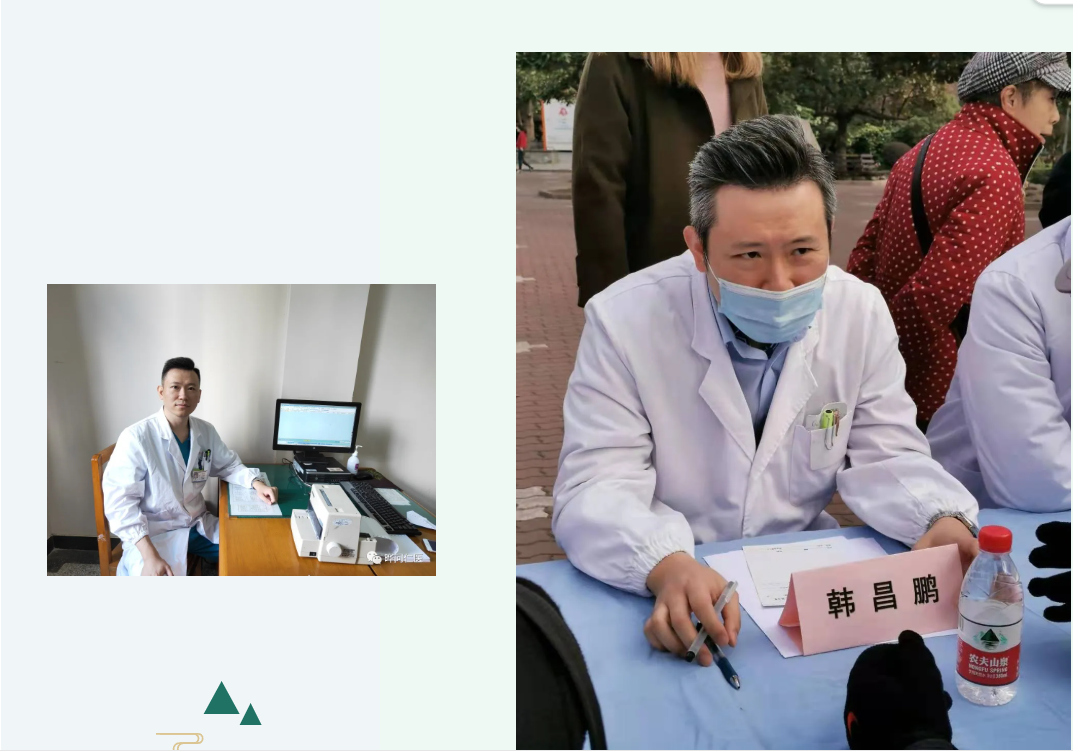
3. Integrating Chinese and Western Medicine: Translating Research into Practice
Dr. Han Changpeng believes that the future of TCM lies in modernization and systematization. Only through this path can TCM realize its full potential.
To that end, he not only emphasises translating research into clinical practice within the hospital but has also undertaken advanced training in Boston, USA, striving to align TCM with international standards and modern technology.
Today, alongside his clinical work, Dr. Han contributes to the hospital’s scientific research department, helping to pioneer new pathways in translational medicine and the modernization of TCM.
As a clinician long dedicated to proctology, Dr. Han Changpeng has focused intently on the advancement and interpretation of microbiome science within his field. Over the past decade, microbiomics has become one of the most dynamic areas of basic research. The microbiome refers to the study of the symbiotic—or pathogenic—ecological communities of microbes living on and within plants and animals. The human gut alone hosts over 1,000 species of symbiotic microorganisms, including bacteria, protozoa, fungi, and viruses. Research shows they play a crucial role in the host’s immunity, metabolism, and hormonal regulation. Clinically, numerous microbiome-based therapies have already emerged, with promising prospective results in treating conditions such as Clostridium difficile infection and inflammatory bowel disease (IBD).
In fact, microbiome science is a natural meeting point for integrated medicine. Ancient Chinese medical practice recorded numerous instances of microbiome-based treatments, the most famous being the use of "Renzhonghuang"—a fermented preparation derived from the human microbiome—to treat various ailments.
This has only strengthened Dr. Han’s resolve to explore the treasures within traditional Chinese medicine (TCM).
"I see the microbiome as a gateway to modernising Chinese medicine because it embodies a holistic philosophy," he explains. "A person is not just an individual, but a superorganism. The life that inhabits you far exceeds your own cells—countless microbes live on your skin, in your mouth, and throughout your intestines. You exist in symbiosis with them, in a state of interdependence that requires balance. When that balance is disrupted, illness can follow. It’s a dynamic equilibrium. This concept is central to TCM. Therefore, practising Chinese medicine must also involve scientific inquiry. TCM speaks of ‘supporting the righteous qi’ and ‘expelling the pathogenic qi.’ How does one balance the two? Achieve balance, and the person remains healthy. If righteous qi is weak and pathogenic qi is strong, problems begin. From this perspective, many theories in microbiome research—particularly concerning gut flora—align remarkably well. A dysbiosis in the human microbiome, with an overabundance of harmful bacteria and a depletion of beneficial ones, is essentially an imbalance between the righteous and the pathogenic."
Traditional Chinese medicine is a jewel among the world’s historic medical systems, inherently rich with possibility and untapped potential. Yet, for various historical and practical reasons, it remains underexplored. I believe medicine should cherish two kinds of treasure: one old and one new. The old lies within the long river of history; the new awaits in the exploration of unknown technologies. A true voyage of discovery in the medical sciences must balance both to refine new and vital insights.
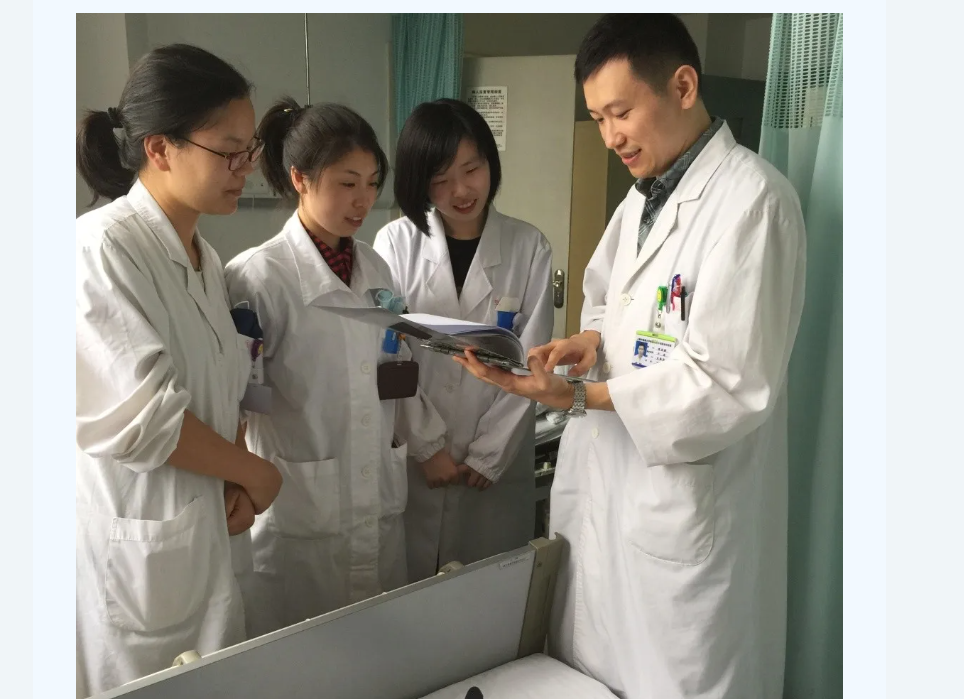
/ Interview Transcript /

Q: The integration of Chinese and Western medicine is a cornerstone of contemporary treatment strategies in China. In the context of anorectal diseases, what are the specific differences between Chinese and Western medical approaches, and how do you combine their strengths in practice?
A: Han Changpeng
Traditional Chinese Medicine (TCM) and Western medicine are two distinct medical systems born of different cultural and historical contexts. Each has its own strengths in treating disease, and the optimal approach lies in combining their advantages. TCM offers a unique theoretical framework for managing common, recurrent, and complex conditions. Its core principles—such as the holistic view, the balance of yin and yang, treatment tailored to the individual’s pattern of symptoms, and fortifying the body’s own defenses—are distinctive and effective.
In recent years, the incidence of anorectal diseases has risen significantly, making them a common clinical concern. According to the World Health Organization’s International Agency for Research on Cancer (IARC), colorectal cancer is now the second most commonly diagnosed cancer in China. While most anorectal conditions are benign, they can cause considerable suffering and severely impact quality of life. More worryingly, early symptoms of intestinal tumors are often mistaken for common anorectal issues like hemorrhoids, enteritis, constipation, or diarrhea. As a result, many patients delay seeking care, sometimes until the disease is advanced.
Guided by the principle of patient-centered care, our hospital’s Anorectal Department continually refines and expands its treatment methods for common perianal conditions. TCM is applied in diverse forms here—not only as oral remedies but also through fumigation, sitz baths, and specially prepared ointments, suppositories, and hot compresses. In treating oncology patients, TCM also offers unique supportive strategies. Integrating Chinese and Western medicine does not mean making TCM more Western; rather, it involves thoughtfully incorporating certain Western medical techniques to enhance TCM’s own practice. Traditional medicine is a precious heritage, and it is our duty to develop and advance it.
Yewen Renyi
You have also achieved considerable success in research, with multiple high-impact publications, five patents granted in your name as lead inventor, and certification as a patent management engineer. What are some of the practical applications emerging from this work?
Han Changpeng
To give an example related to what I mentioned earlier: because early intestinal tumors are often misattributed to minor anorectal issues, many patients only receive a diagnosis at an advanced stage—a deeply regrettable outcome. Anorectal examinations can enable early detection of intestinal lesions, even early-stage cancer. To improve early detection, we have been investigating a more convenient screening method using urine samples. Our in-depth research has identified distinct changes in the urine profiles of affected patients. This is a good example of how we direct our research from a clinical perspective. Today, I focus on two parallel tracks: clinical research and basic scientific research.
Yewen Renyi
How has the field of TCM anorectal medicine evolved when you compare the past to the present?
Han Changpeng
The main development has been the broad adoption of surgical treatments for conditions such as mixed hemorrhoids, anal fissures, fistulas, abscesses, rectal submucosal abscesses, anal papillomas, anal stenosis, perianal warts, rectal prolapse, pilonidal sinus, anorectal trauma, and stoma reversal. For chronic constipation, chronic intestinal diseases, and gastrointestinal bleeding, we leverage the specialized, personalized approach of TCM. For mixed hemorrhoids, we use minimally invasive techniques like RPH and TST. We also collaborate actively with the gastroenterology endoscopy unit to remove colorectal polyps endoscopically. Furthermore, we continue to benefit from the multidisciplinary environment of a TCM hospital, working closely with the Departments of General Surgery and Oncology to perform laparoscopic and open surgeries for colorectal tumors, with very satisfactory outcomes.
Yewen Renyi
What, in your view, should the doctor-patient relationship look like? How do you approach your interactions with patients?
Han Changpeng
What is the true nature of the doctor-patient relationship? Perspectives vary widely. Shaped by my mother’s influence, I was raised in a medical environment and never perceived any inherent conflict between doctors and patients. The ritual of observation, listening, inquiry, and pulse-taking was imbued with a genuine, unassuming warmth. Since I began my own practice, I have viewed patients as comrades-in-arms—standing together against illness, and often becoming friends in the process. When patients come to see me, I truly experience the joy captured in the old adage, “There is no greater pleasure than welcoming friends from afar.”
Editor / Chen Qing
If you need any help from Dr. Han, please be free to let us know at chenqing@ShanghaiDoctor.com.
Dr. Chen Gong | Children's Bile Ducts, and a Future He Chose Himself
Dr. Luo Zhiguo | An Oncologist Still Hoping for One More Reunion
Dr. Shi Hongcheng | Growing Nuclear Medicine from One Old Scanner
Dr. Huang Anhua | Still Glad to Stand Under the Gallbladder Lamp
Dr. Ding Ding | Kindness in the Room Where Endometriosis Is Cut Away
Dr. Wang Xuefei | Gastrointestinal Surgeon Advancing Care for Early-Onset Gastric Cancer
Dr. Gu Jun | A Dermatologist Whose Medical Values Were Forged Over Decades
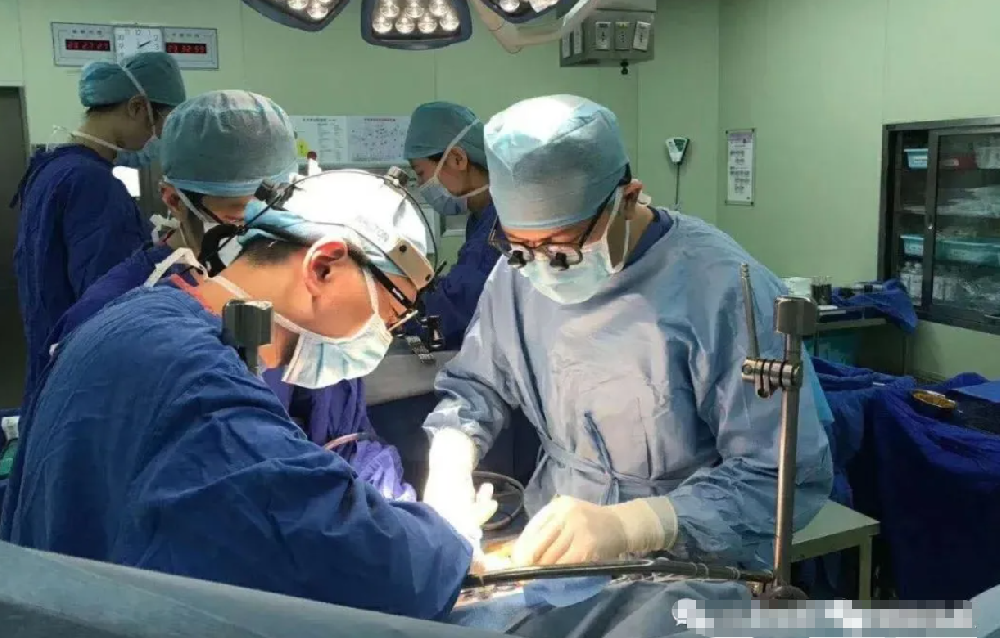
Dr. Chen Gong | Children's Bile Ducts, and a Future He Chose Himself
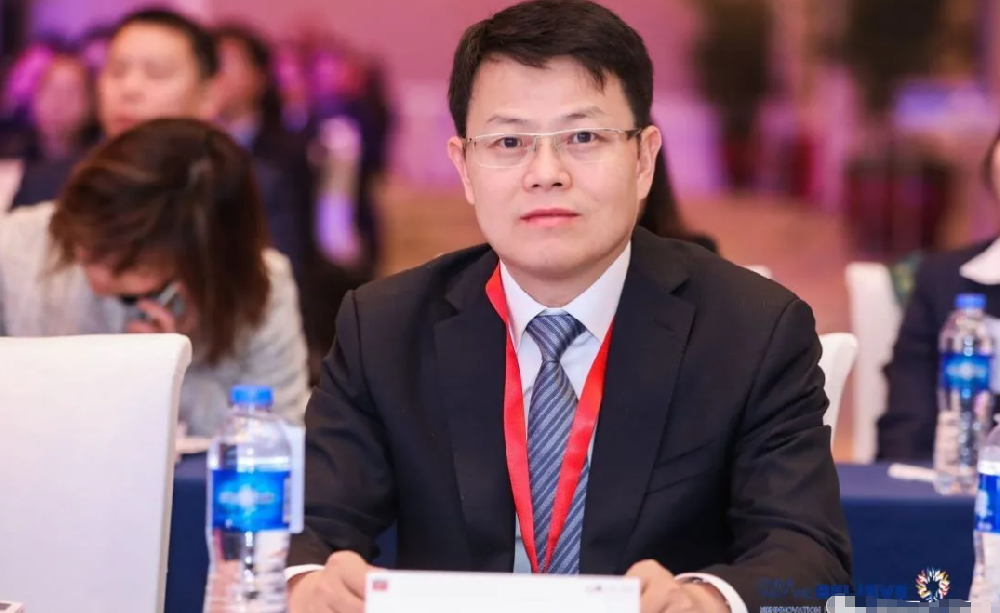
Dr. Luo Zhiguo | An Oncologist Still Hoping for One More Reunion
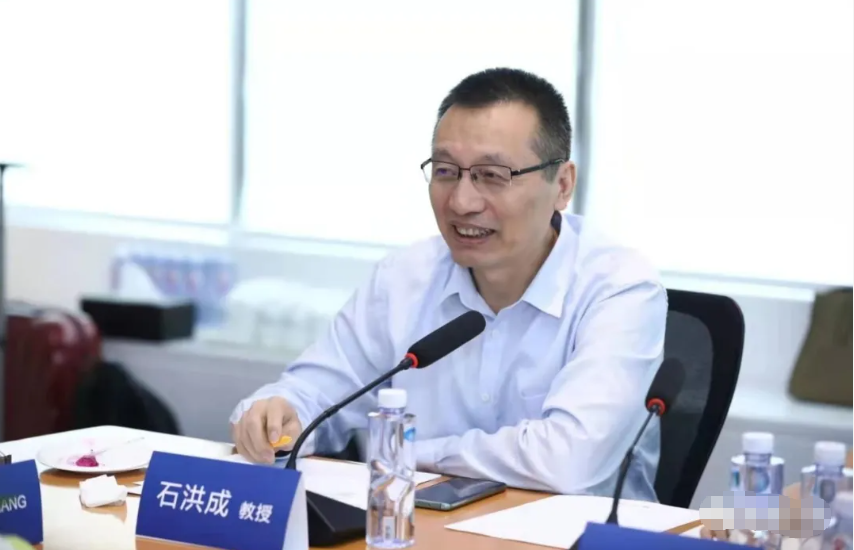
Dr. Shi Hongcheng | Growing Nuclear Medicine from One Old Scanner
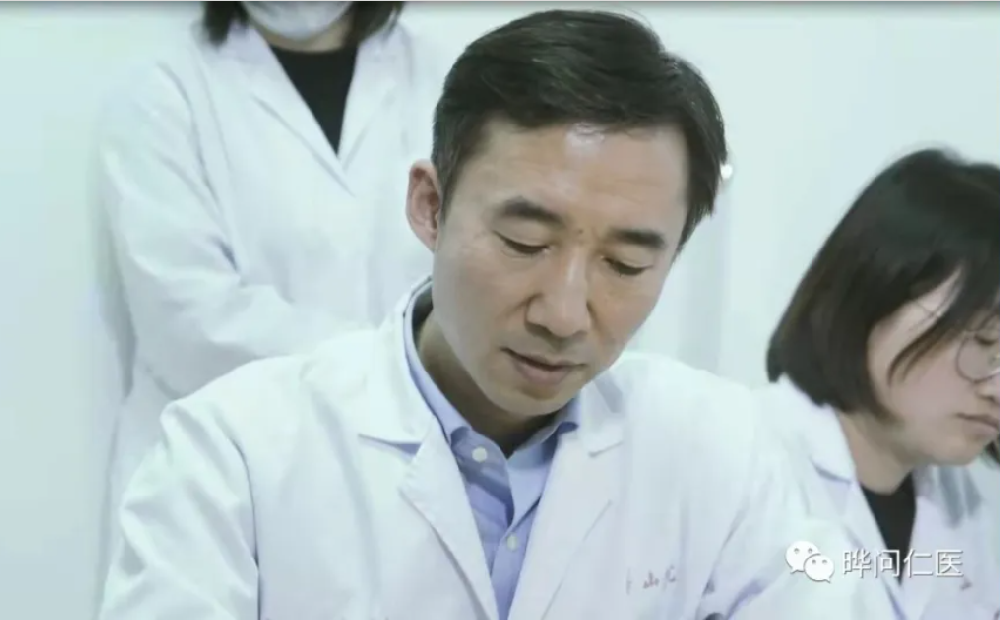
Dr. Li Wei | Loneliness in the Lab, Hope for Itchy Skin
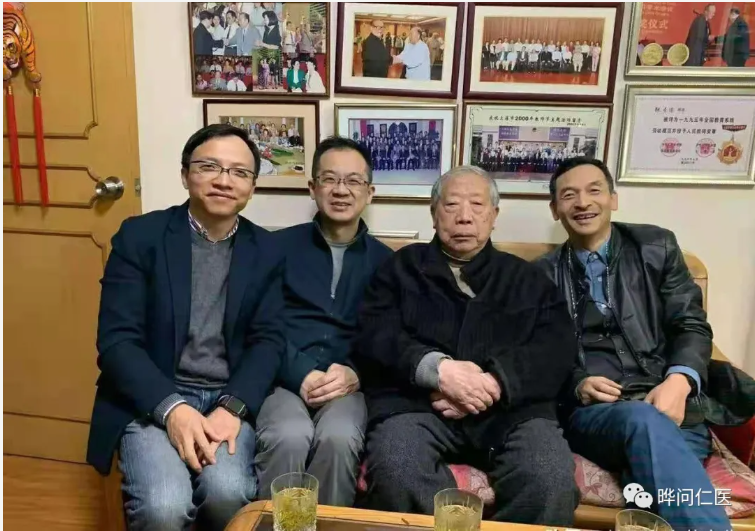
Dr. Huang Anhua | Still Glad to Stand Under the Gallbladder Lamp
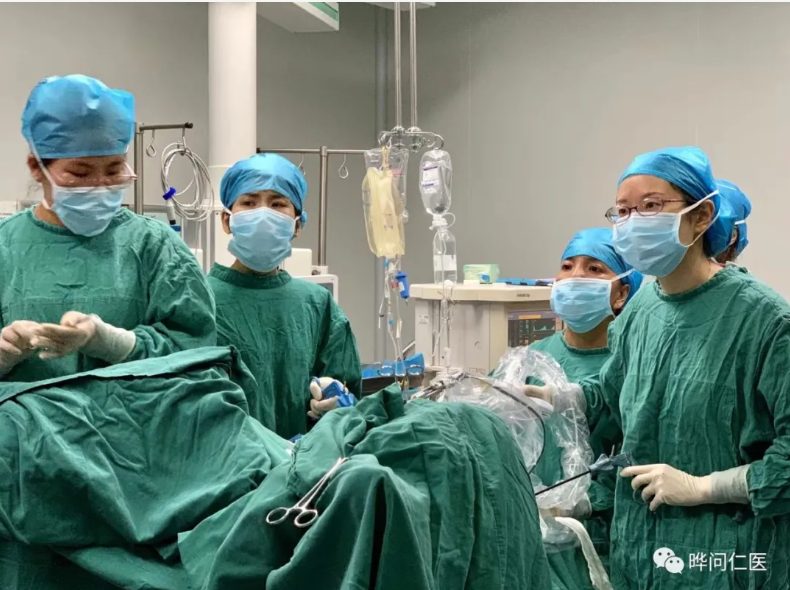
Dr. Ding Ding | Kindness in the Room Where Endometriosis Is Cut Away
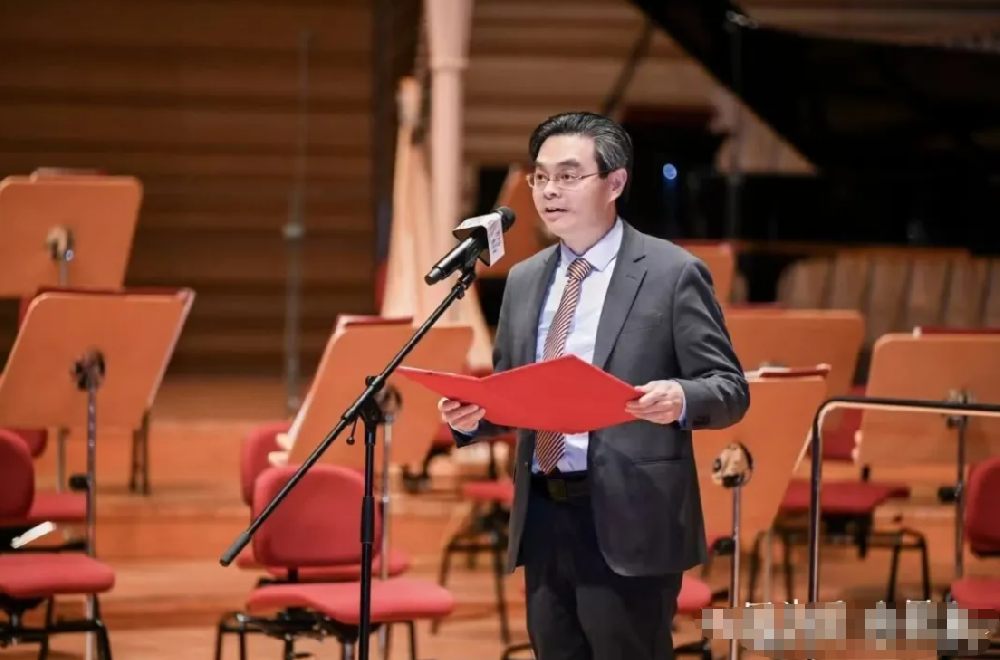
Dr. Wang Xuefei | Gastrointestinal Surgeon Advancing Care for Early-Onset Gastric Cancer
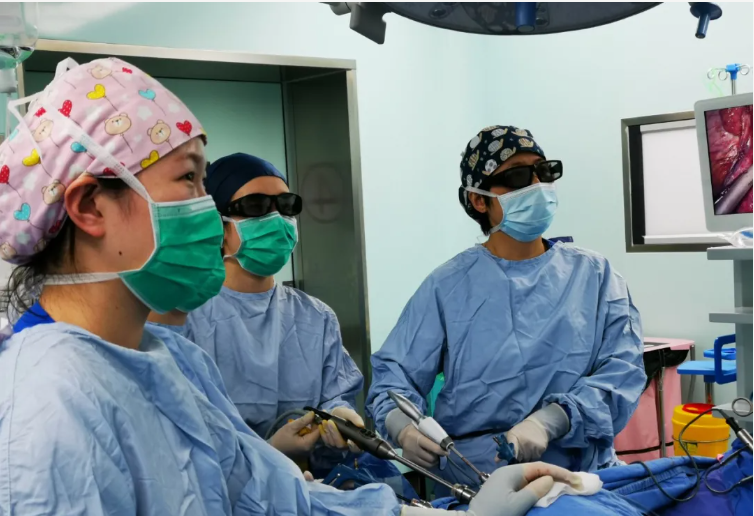
Dr. Yi Xiaofang | Director of General Gynecology — Expertise in Endometriosis and Minimally Invasive Surgery
Dr. Gu Jun | A Dermatologist Whose Medical Values Were Forged Over Decades
Dr. Shao Jingbo | Pediatric Hematologist Specializing in Leukemia, Rare Diseases, and Stem Cell Transplantation
Copyright © 2023 Yewen Renyi & ShanghaiDoctor.cn (This website is a non - profit medical humanities platform. The information contained herein is solely for biographical and historical purposes and does not constitute any medical advice.) 沪ICP备2023005392号-2 XML地图 网站模板 沪公网安备31010902100835号

 中文
中文 English
 沪公网安备31010902100835号