ShanghaiDoctor - Where China's Healing Wisdom Shapes Modern Medicine

Update time:2026-03-28Visits:5764
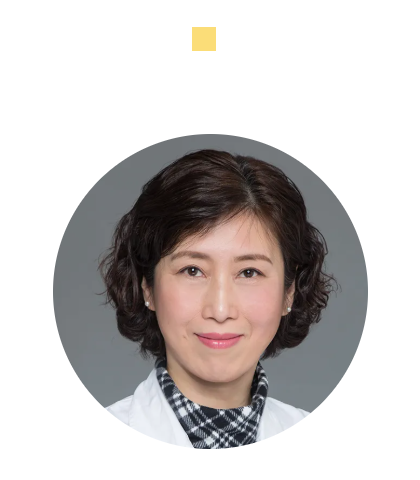
Profile
Dr. Gu Yun is a renowned practitioner of Traditional Chinese Medicine (TCM) in Shanghai, holding the titles of Chief Physician, Professor, and Doctoral Supervisor. She earned her Doctor of Medicine degree and completed postdoctoral research as a visiting scholar at the University of Virginia in the United States.
She serves as Director of the General Internal Medicine and Geriatrics Department at Longhua Hospital, affiliated with Shanghai University of Traditional Chinese Medicine, and is the Executive Deputy Director of the Shanghai Institute of Geriatric Traditional Chinese Medicine.
Her distinctions include being named a National Outstanding Clinical Talent in TCM, a Shanghai Youth Model Worker, Shanghai’s inaugural “Most Beautiful Female Doctor,” a Shanghai Women’s Achiever, a Shanghai Model Worker, a Shanghai “Good Doctor,” a Shanghai Model of Medical Ethics, and a recipient of the Shanghai Benevolent Physician Award.
She holds numerous prestigious academic positions, including Honorary Chairperson of the TCM Professional Committee of the Alzheimer’s Disease Prevention and Treatment Association; Honorary Vice Chairperson of the Geriatrics Branch of the Chinese Association of Traditional Chinese Medicine; Vice President of the Geriatrics Branch of the World Federation of Chinese Medicine Societies; and Vice Chairperson of the Shanghai Diet Therapy Research Association, among others.
She is a National Science and Technology Award Review Expert, has received eight scientific and technological awards, and led her discipline to rank third nationwide in academic influence (Geriatrics) among TCM hospital specialties.
First Perspective
In a quiet corner of bustling Shanghai lies a serene space that records life’s beginnings and ends—and holds the gentle, profound compassion of a healer.
She grew up in a family of scholars and artists, her heritage carrying the integrity of a Republican-era poet, the expressive eye of a landscape painter, and the meticulous resilience of a master translator. This rich cultural background allows her to approach the complexities of the human body with a philosophical, holistic perspective, filling her consultation room with an air of refined clarity.
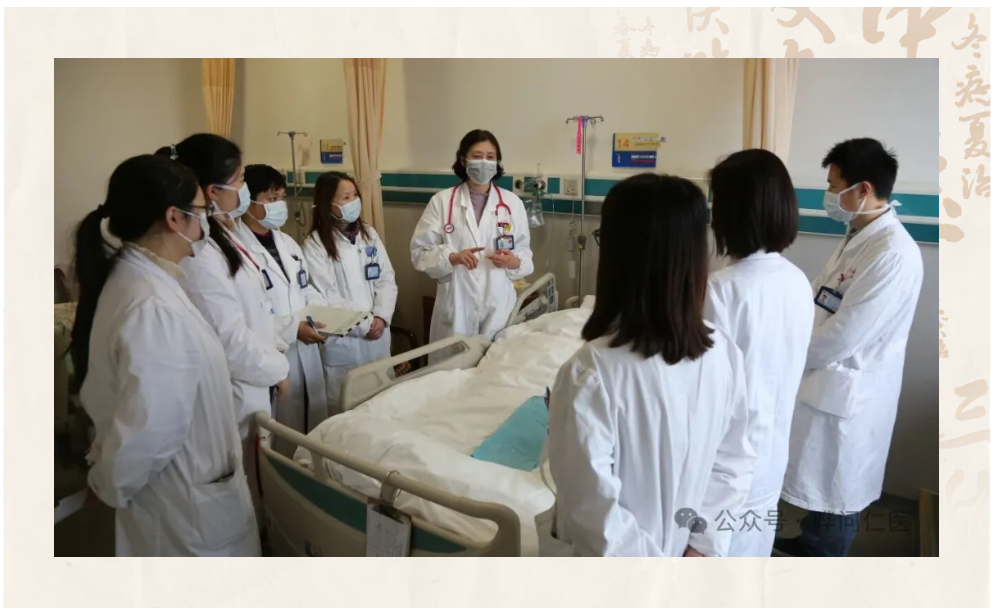
With over thirty years of medical practice, she was once a frontline warrior in the emergency room, confronting death head-on and forging courage in the heat of crisis. Today, she is a guardian on the passage of time in the geriatric ward, listening to the echoes of lives well-lived at the bedsides of elders whose average age is ninety-four.
She champions the TCM approach to healthy aging through “nourishing the kidney and essence,” seeking to build a barrier of hope for aging cardiovascular systems amid cellular decline. She also embodies the compassion of healing both body and mind—once soothing a restless elder’s nighttime anxiety with nothing more than a simple pill and a gentle suggestion.
In her hands, medicine transcends cold metrics and terminology, becoming a harmonious blend of a healer’s heart and a clinician’s discerning eye. When she removes her white coat, she remains the strong swimmer cutting through waves and the playful spirit sketching whimsical designs on porcelain cups.
1. Tracing the Roots: Family Heritage in the Scent of Ink and Tempering in the Emergency Room
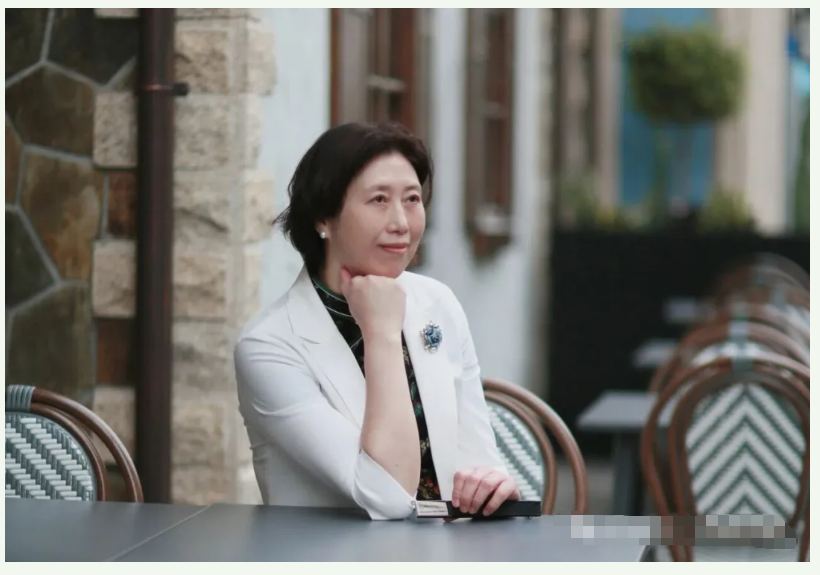
In Director Gu Yun’s office, a careful observer will notice a scholarly grace that extends beyond the practice of medicine itself. This refined sensibility is no accident—it is a family legacy, deeply embedded in her heritage. The history of the Gu family unfolds like an ink-wash scroll from the Republican era, its elegance timeless and compelling.
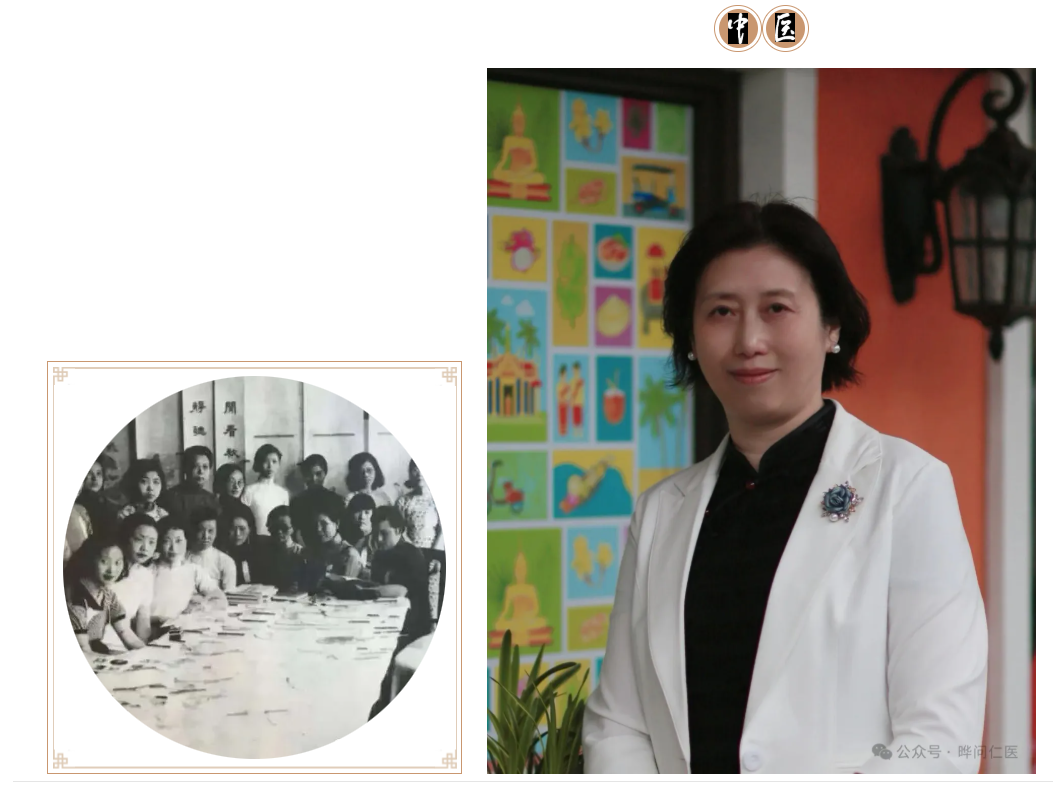
Director Gu lifted her teacup, gently blowing away the tendrils of steam, her eyes softening with recollection. “To be honest,” she said with a slight smile, “when I was young, I didn’t have a clear idea of what I wanted to study. In those days, it was usually our parents who filled out our university applications.” Her family background is remarkable: her grandfather was a Republican-era poet; her grandaunt studied under the modern landscape master Huang Binhong and became an accomplished painter in her own right; and among her relatives is the esteemed Mr. Fu Lei, celebrated for his *Letters to His Sons* and his moral fortitude.
Growing up in such an erudite environment, Gu Yun displayed keen perception and subtle sensitivity from an early age. Her father once affectionately called her a “jack-of-all-trades”—curious about everything from painting and swimming to literature, she enjoyed exploring widely. This breadth of interest, paired with innate discernment, laid the deepest foundation for her later grasp of Traditional Chinese Medicine’s philosophical core, which draws wisdom from observing the natural world. In TCM, an exceptional physician must master not only medical arts but also understand the patterns of heaven, earth, and the human heart.
Interestingly, Gu Yun’s path into TCM began with a well-intentioned maternal misconception.
Her mother, a practitioner of Western medicine, knew the profession’s hardships all too well. She believed medicine was too demanding for a young woman—especially the relentless cycles of rounds, surgeries, and emergency calls that define Western practice. “My mother thought TCM might be easier,” Director Gu recalled. “No night shifts, fewer critically ill patients—or so she imagined.” Holding this simple hope, her mother enrolled her in a TCM program.
Yet upon entering Shanghai University of Traditional Chinese Medicine, Gu Yun discovered that TCM was far from the “easier” path she had envisioned. It remained a rigorous discipline, requiring modern medical knowledge, emergency training, and deep cultural literacy. It asked its practitioners to look beyond microscopic ailments to the macrocosm of the body, society, and nature itself. “Only after I began studying did I realize how well TCM suited me,” she reflected. “It emphasizes a holistic view—you study medicine, but also psychology, geography, even the laws of the natural world.”
In 1989, Gu Yun graduated at the top of her class. Fate, however, seemed to test this accomplished graduate: she was assigned to the Emergency Department, known for its high pressure and relentless pace. At first, she “wept and wailed,” exhausted by the rotating shifts. But those two years would become the most formative of her career.
The emergency room is a magnifier of human nature, a condensed arena of social strain. Director Gu’s smile faded as she gestured, recalling one scene: “I once treated a patient with late-stage intestinal cancer who was hemorrhaging severely. The family, overcome with emotion, tore every button from our young doctor’s white coat. The tension was overwhelming.”
Faced with a tense and confrontational medical dispute, the young Dr. Gu Yun displayed a composure beyond her years. Rather than escalating the standoff, she invited the other party to sit down. First, she listened quietly as he poured out grievances and frustrations unrelated to the illness. Only after offering her full empathy did she gradually explain the medical condition, detailing the limitations of treatment and the challenges ahead. In the end, the angry husband calmly signed the documents. Before leaving, he even bowed deeply to Gu Yun and said, "Doctor, thank you for taking the time to talk with me."
Those two years in the emergency department taught Gu Yun three invaluable, lifelong skills: the solid expertise to independently handle critical cases, a mindset that is both meticulous and bold, and most importantly—the ability to communicate deeply with patients. She came to understand that a doctor must treat not only the illness, but also comfort the broken spirit.
2. Transformation: From Emergency Pioneer to Guardian of the Elderly
After two years in emergency medicine, Gu Yun encountered the first major turning point in her career. In 1991, she was granted the opportunity to pursue a postgraduate degree directly. In an era when mentors were scarce, she unexpectedly entered the field of geriatric medicine under the guidance of Professor Lin Shuimiao (who later served as Vice President of Shanghai University of Traditional Chinese Medicine), a leading figure in the discipline.
On the surface, this shift represented a move from "acute" to "chronic" care, but Gu Yun discovered a profound connection between the two. During her master's and doctoral studies, she not only immersed herself in laboratory research but also demonstrated exceptional talent in clinical practice. For eight consecutive years, she won awards in hospital-wide and city-wide medical skills competitions. "Maybe because I'm relatively tall," Director Gu jokes, "performing CPR is more straightforward for me, so my supervisors always sent me to compete."
In 1998, at just 33 years old, Gu Yun was promoted to Deputy Director of the General Internal Medicine Department at Longhua Hospital, becoming the youngest head of a clinical department in the entire University of Traditional Chinese Medicine system at the time. Yet, she always remained committed to the wards. She once made a proactive request to her superiors: "I cannot only see outpatients. If I don't handle complex cases, my clinical skills will deteriorate."
Many believe geriatrics is merely "elderly care," with a slow and predictable pace. But Director Gu offers a completely different perspective. At the Geriatrics Department of Longhua Hospital, the average patient age is over 94, and centenarians are not uncommon.
"Geriatric patients are like a weathered tree," Director Gu explains with a grave expression. "They may seem stable, but they cannot withstand the slightest disturbance. A common cold or a simple fall could be fatal." Here, patients either remain stable, or once an illness strikes, it arrives like a "perfect storm" of multi-organ failure. During the COVID-19 pandemic, Gu Yun led her team in managing over a dozen ventilators in the geriatric ward. The intensity and pressure of their efforts were no less than those in any ICU.
She emphasises that geriatric medicine is not merely "adult medicine scaled down," but a highly specialised discipline in its own right. Older adults have slower metabolisms and often multiple, coexisting conditions, so medication must be administered with the precision of a calculus equation—otherwise, "lowering blood pressure too rapidly can cause a cerebral infarction, and even slightly aggressive fluid replacement can trigger heart failure." It is this commitment to a holistic perspective that allows her to consistently find that delicate balance when managing complex cases.
In the geriatric ward, Director Gu Yun has repeatedly witnessed traditional Chinese medicine achieve what seemed impossible, transforming the critical into the recoverable.
She once treated an elderly gentleman with one side of his face swollen like a bun. Western medicine had even suspected a malignant tumour. After a month of intravenous antibiotics at various major hospitals, the swelling had only worsened. Upon taking over his care, Director Gu halted all antibiotics and prescribed traditional Chinese medicine to expel toxins, regenerate tissue, clear heat, and stimulate circulation. A miracle followed: the swelling gradually receded, and he made a full recovery. The gentleman became Director Gu's devoted advocate, and even after recovering, he visits her specialist clinic every fortnight—not for treatment, but simply to see her.
There was another patient with a persistent high fever lasting a month. After every advanced antibiotic proved ineffective, Gu Yun advised the family, as a last resort, to discontinue Western medicine and rely solely on traditional Chinese treatment. Within a week, the patient’s temperature returned to normal.
A patient suffering from more than 20,000 premature ventricular contractions daily developed pulmonary fibrosis from the drug amiodarone and turned to Chinese medicine. After two months of treatment, the episodes reduced to just over 200. Another patient, who still experienced daily angina after a coronary stent procedure, found the pain vanished completely under Chinese medicinal therapy.
Some cancer patients, after undergoing surgery, chemotherapy, and targeted therapy, experienced metastasis yet maintained stable health by persisting with traditional Chinese treatment. One patient developed a brain metastasis six years post-surgery, followed by a total of 19 metastases in the brain, lungs, and prostate, recurring every year or two. Yet, through integrated Chinese and Western intervention, he has maintained a good quality of life. While others diagnosed with tumours around the same time have passed away, this patient has survived for 25 years.
These real cases demonstrate the efficacy and advantages of traditional Chinese medicine’s holistic framework, as well as its therapeutic wisdom—using medicine like deploying strategy, and sometimes learning to coexist with an illness.
3. Craftsmanship: Decoding the Philosophy of "Reinforcing the Kidney and Nourishing Vitality" in Aging
In the treatment of atherosclerosis, traditional Chinese medicine often focuses on "resolving phlegm" and "promoting blood circulation." However, Director Gu Yun, Executive Deputy Director of the Shanghai Institute of Geriatric Medicine in Traditional Chinese Medicine, has proposed a more forward-looking theory: the method of reinforcing the kidney and nourishing vitality.
"Atherosclerosis is, at its core, the aging of blood vessels," Director Gu explained. "Western statin drugs focus on lowering lipids, but lipids are just one factor in plaque formation, not the whole picture. Traditional Chinese medicine holds that 'the kidney governs bones, generates marrow, and directs growth, development, and aging.' Our research has found that reinforcing the kidney is the most direct and effective approach to counteracting aging."
After more than two decades of clinical and experimental research, Gu Yun’s team has confirmed that their kidney‑fortifying and essence‑replenishing approach can not only stabilise arterial plaques but also shrink “soft plaques”—sometimes even making them disappear. This significantly reduces the risk of myocardial and cerebral infarction. For patients unable to tolerate the side‑effects of statin drugs, it offers a new ray of hope.
Alzheimer’s disease is often called the “memory eraser.” As a leading expert in the field, Gu Yun understands its impact deeply.
“Worldwide, there are still no targeted drugs for cognitive impairment. Whether in Chinese or Western medicine, the goal is to slow its progression,” she explains. Following Professor Lin Shuimiao’s methodology of strengthening the kidneys and nourishing essence—along with the distinctive theories of “the heart governing the mind” and “treating by regulating the heart”—Director Gu’s team conducted comparative studies. They found that a traditional Chinese medicinal formula for heart regulation performed comparably to the internationally recognised Western drug donepezil in improving cognition, while producing fewer side‑effects and placing a lighter financial burden on patients. She often reminds patients’ families: “Treatment must begin early, shifting the focus forward. Intervening at the stage of mild cognitive impairment leads to completely different outcomes.” At the same time, she strongly advocates non‑pharmacological interventions such as cognitive training, social engagement, and even simple games.
“Geriatric frailty” is currently one of the most pressing concerns in elderly care. Lowered immunity, declining muscle strength, and increased susceptibility to falls—these seemingly minor symptoms reflect a systemic decline in vitality and blood health.
While Western medicine typically addresses sarcopenia with increased protein intake and exercise, Director Gu Yun applies traditional Chinese medicine theories of the spleen and kidneys to create personalised regimens. She recalls one elderly patient who was carried into the clinic by three family members, sallow and unable to walk. Through pattern differentiation, Director Gu designed a treatment to fortify his spleen and kidneys. Months later, the same man walked into the clinic unaided. This leap in quality of life vividly embodies the traditional Chinese medical principle of “preventive treatment.”
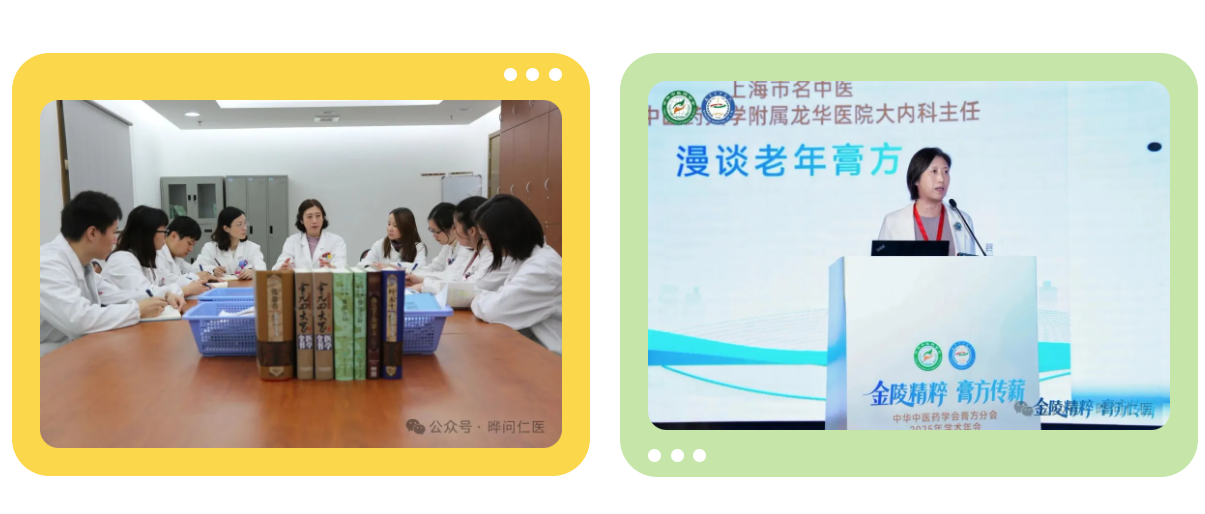
In prescribing herbal paste formulations, Gu Yun also emphasises “dynamic regulation.” She cautions against over‑supplementation, advocating instead for a balance that promotes the flow of qi and blood while addressing deficiencies. “Prescribing a herbal paste is like renovating a house: you must first clear out the debris—the pathogenic factors—before you repaint, or tonify. Only then is the supplementation truly effective.” As Chair of the Herbal Paste Specialised Committee of the Shanghai Diet Therapy Research Association, she remains dedicated to promoting a science‑based and sensible culture of wellness.
4. The Compassionate Practitioner: Healing with Heart and a Vision for the Future
In the clinic, Director Gu Yun is often described by patients as the “warmest” of doctors. Her many honours include “Most Outstanding Female Physician” and “Model of Medical Ethics.” When meeting elderly patients with hearing difficulties or those who speak at length, she is unfailingly patient.
Director Gu recounted an amusing story from her time on the wards, laughing as she remembered it. There was once a patient, she explained, who was terribly anxious and would come to complain every half hour that he couldn’t sleep. Despite having taken two sleeping pills, he remained restless. The young Dr. Gu had a sudden flash of inspiration—she took an ordinary oryzanol tablet, handed it to the patient with a solemn expression, and declared, "This is the world’s newest and most effective sleeping pill. It will definitely work." Sure enough, the patient slept soundly through the night. The next morning during rounds, he cheerfully told her, "Dr. Gu, that imported medicine really does the trick!"
Behind this well-intentioned deception lies Gu Yun’s deep understanding of holistic care. She recognises that for patients, psychological reassurance and empathy can sometimes be more powerful than drugs themselves. She often advises younger colleagues: "Treating an illness isn’t just about the disease—it’s about the person. You must help them through their psychological struggles, and avoid hastily labelling them as 'depressed' or 'anxious.'"
Under Gu Yun’s leadership, the Geriatrics Department at Longhua Hospital now ranks third nationwide in disciplinary influence among Traditional Chinese Medicine hospitals. While she remains modest about such honours, she places great emphasis on nurturing the next generation.
She looks for two qualities in young professionals: first, creativity—the courage to question and not blindly follow textbooks or authority; and second, teamwork. "The essence of inheriting and developing Traditional Chinese Medicine lies in innovation," she says. "If we rigidly adhere to ancient formulas without addressing the health challenges of modern life, then Chinese medicine will lose its vitality."
She encourages her team to articulate the value of Chinese medicine in the language of modern science. Having been a visiting scholar and postdoctoral researcher at the University of Virginia in the United States, her international experience convinced her that solid clinical data is essential for Chinese medicine to gain global respect. Today, institutions like Russia’s Kazan Children’s Hospital seek collaborations with Longhua Hospital across continents, drawn by Chinese medicine’s distinctive approach to complex and stubborn conditions.
Outside the clinic, Gu Yun leads a remarkably full life. A former competitive swimmer, she still swims weekly, maintaining an upright posture and vibrant energy.
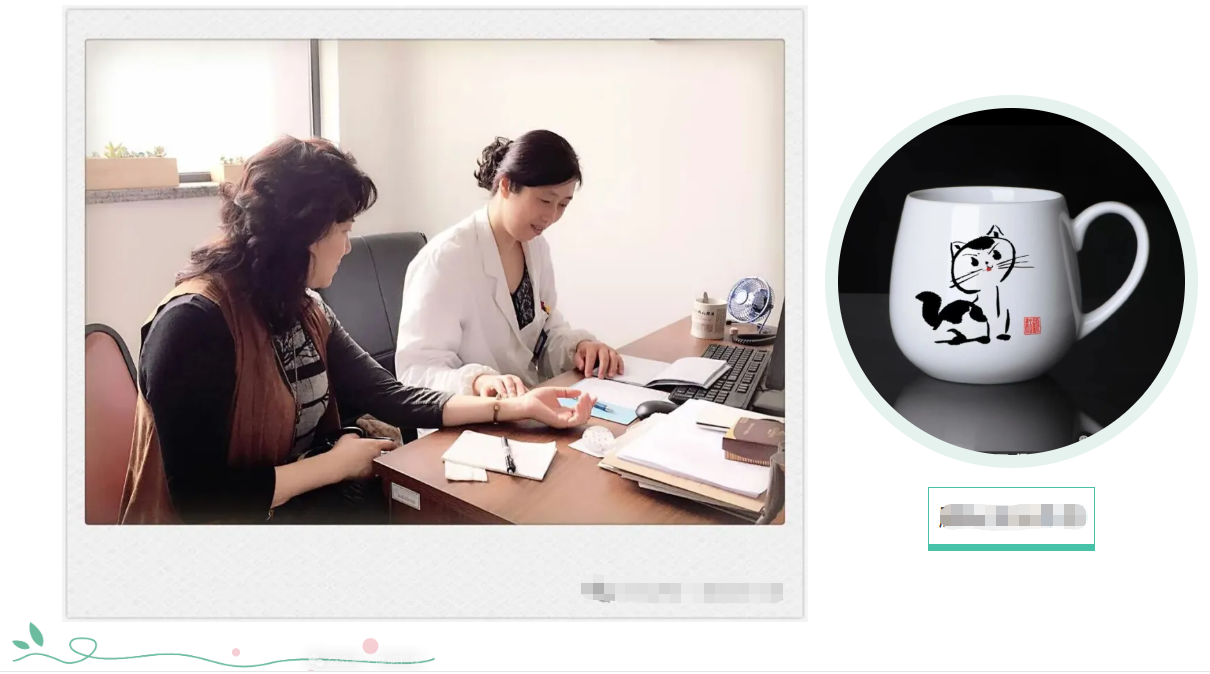
She is also a gifted painter. With a playful smile, Director Gu pulled up two photos on her phone of porcelain cups she had decorated herself, her eyes sparkling with a childlike delight. "Look, these are just casual doodles," she said. "I like things with a touch of whimsy. Life is demanding enough—you have to have a passion, or it would all be so dull." Her brushwork is delicate, carrying echoes of early 20th-century art societies while reflecting the spirit of a modern woman.
On the subject of wellness, she offers three heartfelt principles for older adults: live in harmony with nature, cultivate an optimistic outlook, and build a strong foundation to prevent minor ailments from taking hold. She believes humans are part of the natural world and inherently subject to its rhythms. Aligning with these rhythms promotes health, while resisting them invites harm. As the ancients observed, “Benevolence fosters longevity.” A noble character and a disposition to help others are, in themselves, secrets to a long life. It is essential to heed the body’s signals, and regular health checks are indispensable—this is how we catch issues early. At the same time, one must nurture and protect the body’s vital energy (Zheng Qi). Traditional Chinese Medicine teaches that “where vital energy is strong, pathogenic factors cannot prevail.” In other words, with robust immunity and self‑healing capacity, one can avoid illness altogether, experience it less frequently, or recover more swiftly when it does occur. She notes that modern medicine, too, confirms that anti‑aging practices should begin around age 40, when the body’s natural decline sets in, rather than waiting until disease is established—by then, it is often too late. Moreover, regulating the body requires a systematic approach, not merely treating symptoms in isolation. The human body is an integrated whole. TCM theory emphasises this holistic perspective, and modern medicine has likewise recognised that many conditions involve multiple factors and shared pathological mechanisms. Here, TCM—and comprehensive disciplines like geriatrics in particular—holds distinct advantages.
Director Gu Yun’s story is a symphony of cultural heritage and medical innovation. With a physician’s profound compassion, she has cultivated an oasis in the often‑neglected field of geriatric care. Her approach reflects the ethos of the esteemed TCM master she admires, Zhu Liangchun, who said: “To be a doctor, one must possess the compassionate heart of a Bodhisattva, the gentle affection of a child, the courageous resolve of a warrior, and the discerning insight of a sage.”
Away from the clinic, she still swims laps in the pool and paints by lamplight. And in the consultation room, she remains the same “Dr. Gu” who will lean close to an elderly patient’s ear, listening patiently as they recount memories of days gone by. In her, we see the most beautiful aspect of Traditional Chinese Medicine—a warmth of humanistic care that transcends time and space.
Editor: Chen Qing @ShanghaiDoctor.cn
If you'd like to contact to Dr. Gu, be free to contact with the email of Chenqing@ShanghaiDoctor.cn.
Dr. Chen Gong | Children's Bile Ducts, and a Future He Chose Himself
Dr. Luo Zhiguo | An Oncologist Still Hoping for One More Reunion
Dr. Shi Hongcheng | Growing Nuclear Medicine from One Old Scanner
Dr. Huang Anhua | Still Glad to Stand Under the Gallbladder Lamp
Dr. Ding Ding | Kindness in the Room Where Endometriosis Is Cut Away
Dr. Wang Xuefei | Gastrointestinal Surgeon Advancing Care for Early-Onset Gastric Cancer
Dr. Gu Jun | A Dermatologist Whose Medical Values Were Forged Over Decades
Dr. Chen Gong | Children's Bile Ducts, and a Future He Chose Himself
Dr. Luo Zhiguo | An Oncologist Still Hoping for One More Reunion
Dr. Shi Hongcheng | Growing Nuclear Medicine from One Old Scanner
Dr. Li Wei | Loneliness in the Lab, Hope for Itchy Skin
Dr. Huang Anhua | Still Glad to Stand Under the Gallbladder Lamp
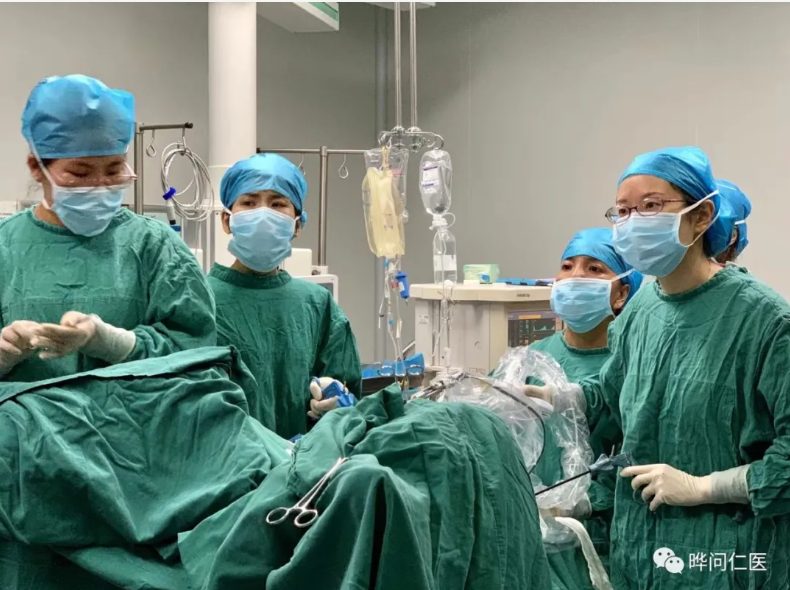
Dr. Ding Ding | Kindness in the Room Where Endometriosis Is Cut Away
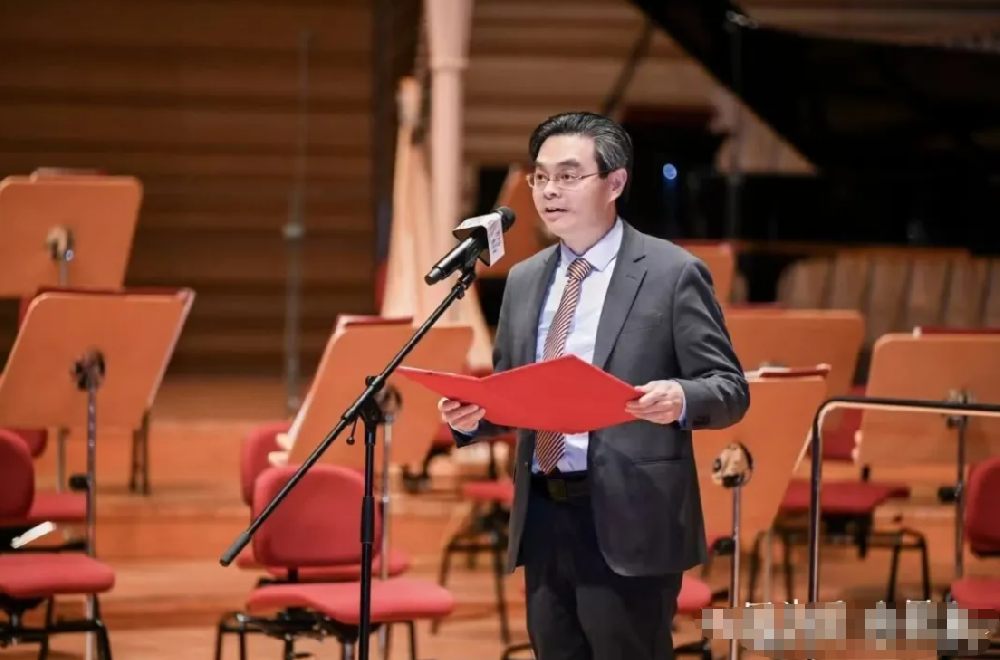
Dr. Wang Xuefei | Gastrointestinal Surgeon Advancing Care for Early-Onset Gastric Cancer
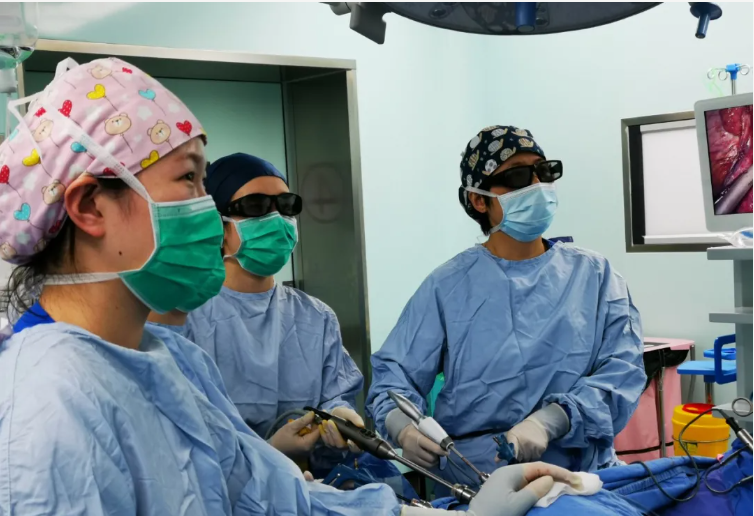
Dr. Yi Xiaofang | Director of General Gynecology — Expertise in Endometriosis and Minimally Invasive Surgery
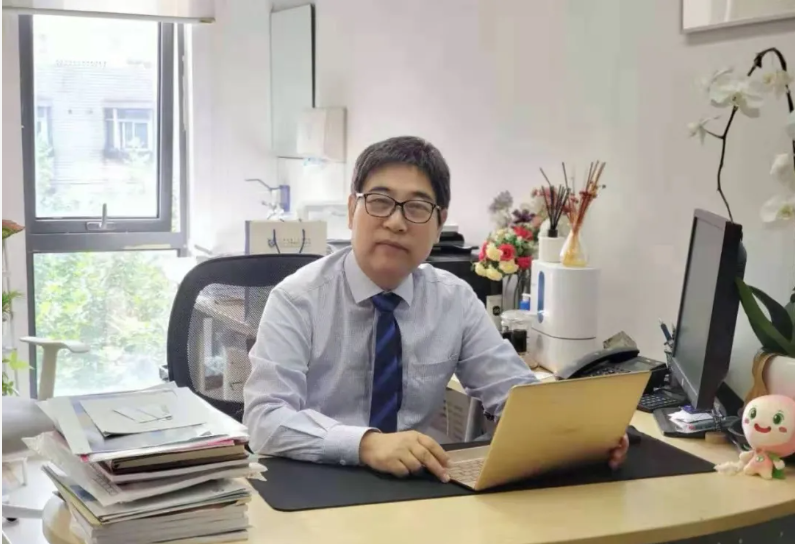
Dr. Gu Jun | A Dermatologist Whose Medical Values Were Forged Over Decades
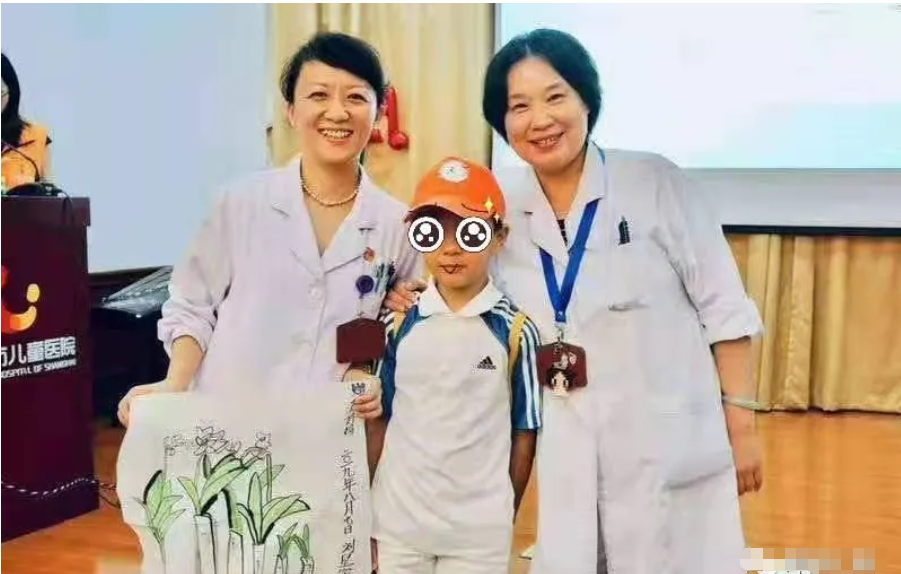
Dr. Shao Jingbo | Pediatric Hematologist Specializing in Leukemia, Rare Diseases, and Stem Cell Transplantation
Copyright © 2023 Yewen Renyi & ShanghaiDoctor.cn (This website is a non - profit medical humanities platform. The information contained herein is solely for biographical and historical purposes and does not constitute any medical advice.) 沪ICP备2023005392号-2 XML 沪公网安备31010902100835号
 中文
中文 English
 Español
 沪公网安备31010902100835号