ShanghaiDoctor - Where China's Healing Wisdom Shapes Modern Medicine

Update time:2026-04-12Visits:4446
Introduction
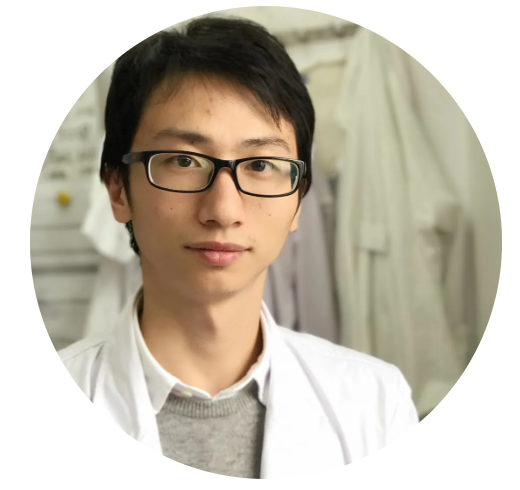
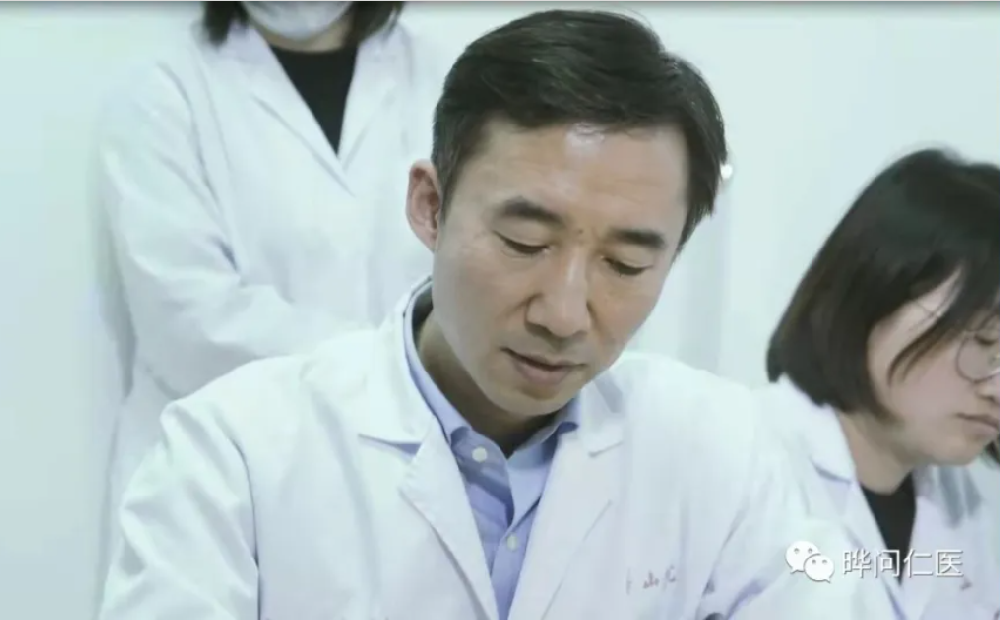
Dr. Yang Haojie is a practitioner of Traditional Chinese Medicine (TCM) at Yueyang Hospital of Integrated Chinese and Western Medicine, affiliated with Shanghai University of Traditional Chinese Medicine.
He is a key inheritor of the clinical legacy of the renowned senior TCM physician, Dr. Zhang Qingquan, at Yueyang Hospital. Dr. Yang specialises in an integrated Chinese and Western medicine approach to treating inflammatory bowel diseases, including Crohn's disease and ulcerative colitis. His expertise also extends to supportive care during chemotherapy and post-operative recovery for colorectal cancer, as well as the diagnosis, treatment, and early intervention of intestinal cancers. As a leading contributor, he has twice been awarded the Second Prize of the Shanghai Science and Technology Award for Integrated Chinese and Western Medicine and the Third Prize of the China Science and Technology Award for Integrated Chinese and Western Medicine. A selected member of the Shanghai Young Science and Technology Talent Sailing Program, he has published over 10 papers in SCI-indexed journals.
First-Person Perspective
A calm, composed smile suggests a man of unadorned simplicity. His demeanour is one of serene naturalness—unassuming, without pretence, devoid of arrogance, yet underpinned by a quiet integrity. This down-to-earth quality feels substantial, not superficial; reasoned, not blindly conventional. Choosing the path of medicine, he has cultivated a certain detachment, a conscious turning away from extravagance towards a more essential simplicity.
A good doctor need not always wear a stern face to instruct patients. Instead, one must possess a heart of genuine care and compassion, feeling gratitude for every patient and a commitment to help each one. From his mentor’s teachings and his own clinical experience, he understands deeply the critical importance of communication. A physician must use empathy to encourage patients, a positive attitude to motivate them, and professional skill to aid them. Only then can one offer true understanding, bring comfort, and convey the healing power of kindness.
He is Dr. Yang Haojie of the Anorectal Department at Shanghai’s Yueyang Hospital of Integrated Chinese and Western Medicine.
Throughout our conversation, his boundless gratitude towards his teachers and mentors was evident. A teacher’s guidance carries the weight of a mountain—precisely because mountains are towering and enduring. A teacher’s kindness holds the depth of the sea—precisely because the sea is vast and immeasurable. He is profoundly moved by, thankful for, and indebted to his teachers. In his eyes, his mentors are like candles, consuming themselves to light the way towards his own professional dreams.
A physician’s dreams are entwined with patients, rooted in clinical practice, and advanced through research. Should a healer’s compassionate heart lose its dreams, it would lose its home, its vitality, its vigour, and its youth. In Dr. Yang Haojie’s vision, there remains much to strive for, many dreams to pursue with full dedication. As long as his efforts are earnest and he remains worthy of his patients’ trust, I believe his dreams will always find their destined flight.

1. Carrying the Torch
In Shanghai’s early summer, the residential lanes are lush, dappled with shade, and the air is sweet with the scent of blossoms. In this most beautiful season, a simple walk outside can bring a profound, yet utterly straightforward, sense of satisfaction.
As a child, Yang Haojie watched his father and grandfather—both doctors—move through their busy days and listened to their stories. The figures in white coats became a familiar, ordinary part of his world. Back then, he never set becoming a doctor as a life goal. His mind was filled with curiosity about anything new. “Actually, I had quite a few ideas when I was young and didn’t see medicine as particularly special,” he recalls. “I was drawn to novel things and loved working with my hands. At the time, I was more interested in fields like journalism and the humanities—I thought they’d let me interact with more people and stay connected to the world. As for medicine, I was mainly curious about the basic sciences, because that’s where you could explore new frontiers.”
In high school, Yang excelled in every subject, leaving his future wide open. After the national college entrance exam, he listed Journalism at Hong Kong Baptist University as his first early-admission choice, with medicine as his second. His scores were high enough to secure a place at Baptist University. Yet by a twist of fate—or perhaps by serendipity—he was ultimately admitted to the Clinical Medicine program at Shanghai University of Traditional Chinese Medicine, setting him on the path to becoming a doctor.
The apricot blossom is the emblem of Shanghai University of Traditional Chinese Medicine. Each spring, the trees lining the campus pathways come into bloom. Beneath them, groups of medical students hurry past, flowing into lecture halls and libraries, carrying with them youth and ambition as they work diligently toward their ideals. They study tirelessly, hoping one day to wear the white coat and become healers. Yang Haojie was among them. After five years of rigorous study, clinical rotations, and outstanding grades, he graduated at the top of his class. Now the young graduate needed an excellent platform and mentors for advanced training. He achieved this by entering Shanghai’s renowned Yueyang Hospital, a leading institution in integrated Chinese and Western medicine. There, he would meet several pivotal mentors in his career: Directors Liu Hua, Zhang Qingquan, and Wang Zhenyi.
“My master’s supervisor was Director Liu Hua, formerly Vice President of Scientific Research at Yueyang Hospital. He had a tremendous influence on me,” Yang says. “Even as a senior hospital leader, he never gave up his dedication to research. What’s more, he is one of the most compassionate doctors I have ever seen. Even for patients from out of town with very limited means, he would do everything possible to help. For complex cases, he would spend forty minutes or more in consultation, carefully tracing the origin and triggers of an illness. Sometimes he would personally coordinate referrals and transfers so patients could continue treatment elsewhere. It moved me deeply—it showed me that a doctor must never lack compassion. Especially in today’s world, this is a value we must uphold, even when it isn’t easy.”
The Director Liu Hua that Yang describes spent twenty years as vice president. After each workday, he would review materials and focus on research, often working until two or three in the morning. As a proctologist, he also performed colonoscopies for patients every week. In the eyes of those he treated, he was a doctor of both extraordinary skill and profound dedication.
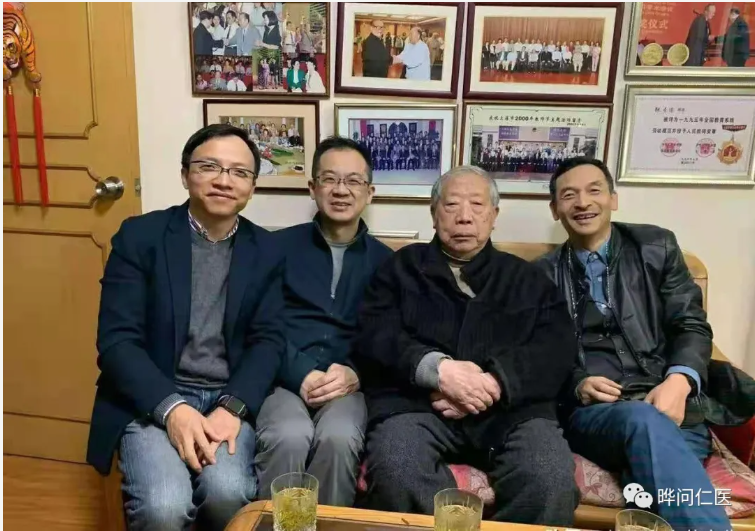
Speaking of Dr. Zhang Qingquan, a master renowned for his expertise in diagnosing and treating tumours with Traditional Chinese Medicine (TCM), Yang Haojie learned composure from him. Dr. Zhang likely sees three to four thousand patients each month, sometimes over two hundred in a single morning. Yet, he is intimately familiar with every case. Once, Yang Haojie asked how he managed to remember so many patients' details. Dr. Zhang explained that after each consultation, he would reflect and make extensive notes daily. Such meticulous, attentive, and heartfelt dedication, he said, was the only way to achieve this.
"Beyond acquiring existing knowledge, a doctor's capacity for self-reflection is paramount." Guided by such esteemed mentors, Yang Haojie later found himself quite adept in clinical practice. From them, he learned a healer's compassion—that treating an illness must consider not just the physiological symptoms, but also the patient's psychological state, to understand the person and the disease as a whole.
At Yueyang Hospital, Yang Haojie not only honed the TCM clinical skill of "differentiating syndromes rather than diseases," but also, under the leadership of two successive department heads, Sun Jianhua and Wang Zhenyi, helped introduce many Western medical therapies into the department, navigating the evolving landscape of integrated Chinese and Western medicine.
2. Integration of Chinese and Western Medicine
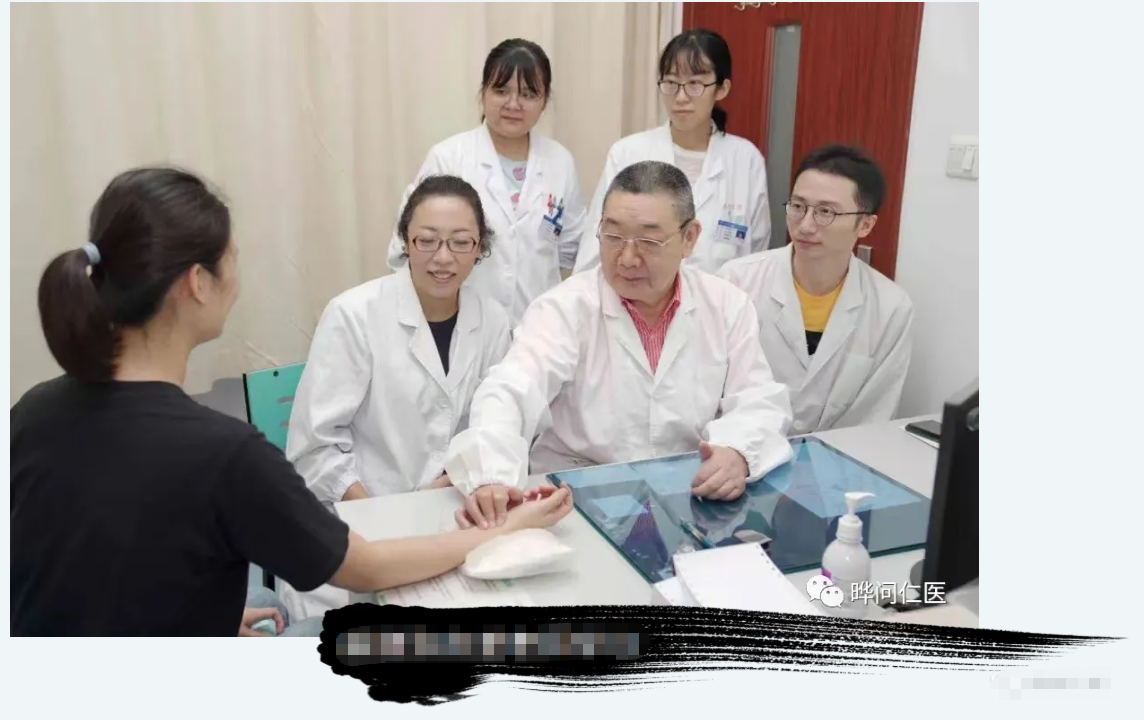
Today, Yang Haojie is the primary inheritor of the Zhang Qingquan Studio. "During my postgraduate studies, I spent a long time shadowing Dr. Zhang and transcribing his prescriptions, gaining significant insight into TCM internal medicine. On that foundation, I joined his studio. Dr. Zhang hopes I can help expand the new applications and scope of treatments for our department and deepen my professional knowledge." This expansion focuses on several areas: first, therapies for malignant tumours, characterised by post-operative chemotherapy or integrated Chinese-Western protocols; second, clinical research into the mechanisms and early prevention of colorectal cancer. Alongside advancing gastrointestinal endoscopy skills, the department is conducting clinical practices combining TCM in preventing and treating precancerous lesions. Furthermore, research continues on complex diseases like ulcerative colitis and its correlation with colorectal cancer.
Ulcerative colitis is an autoimmune disease primarily affecting the large intestine, with an unclear etiology. Many patients first present with symptoms like abdominal pain and diarrhoea, often including bloody stools. Its onset can be insidious, and it significantly impacts patients' physical and mental well-being.
Yang Haojie recalls one particularly memorable patient. A man in his twenties came to Yueyang Hospital after unsuccessful treatments elsewhere. To this day, Yang Haojie remembers the young man's first, anxious question, asked in his mother's presence: "Doctor, what should I do? Everyone says it's incurable. Will I die?" In that moment, Yang Haojie knew he had to instil confidence and a sense of realistic optimism. "Treating illness must adhere to the principle of honesty. I explain both the worst and best possible outcomes to a patient. As doctors, we should not offer false optimism merely to boost morale, because if the condition later worsens, the patient may lose trust in the doctor and in themselves. That is detrimental to treatment."
Yang Haojie patiently counselled the young man, explaining that a complete cure is not always the goal for every condition. Many chronic illnesses, such as diabetes and hypertension, can be managed long-term. With proper care, they need not significantly impact one’s quality of life—many with these conditions live well into their 80s and 90s. This disease, he assured him, was similar. Hearing this, the young man felt a weight lift. "Once trust is established, we explain what could worsen the condition and outline the treatment plan. This clears away the doubts and fear of the unknown—that’s the foundation of trust." Under Yang’s continued care, the young man’s condition stabilised, and he resumed his normal life.
In Yang Haojie’s view, traditional Chinese and Western medicine are not at odds. "Why do so many patients come to our integrated medicine hospital? Some have already visited Western clinics, but in fact, many hold misconceptions not only about Chinese medicine but Western medicine as well. They may believe long-term use of hormones or antibiotics carries too great a risk. Some even stop taking prescribed Western medications on a relative’s advice, which is obviously unwise." Yang stresses that some patients do require long-term Western pharmaceutical treatment. It is essential to explain the treatment course, how the medications work, and their safety profile so patients can cooperate with confidence. It is precisely through Yueyang Hospital’s pioneering work in integrated medicine that their department has carved out a distinctive approach to treating ulcerative colitis—one validated through repeated clinical and basic research and widely trusted by patients.
3. Embracing Innovation
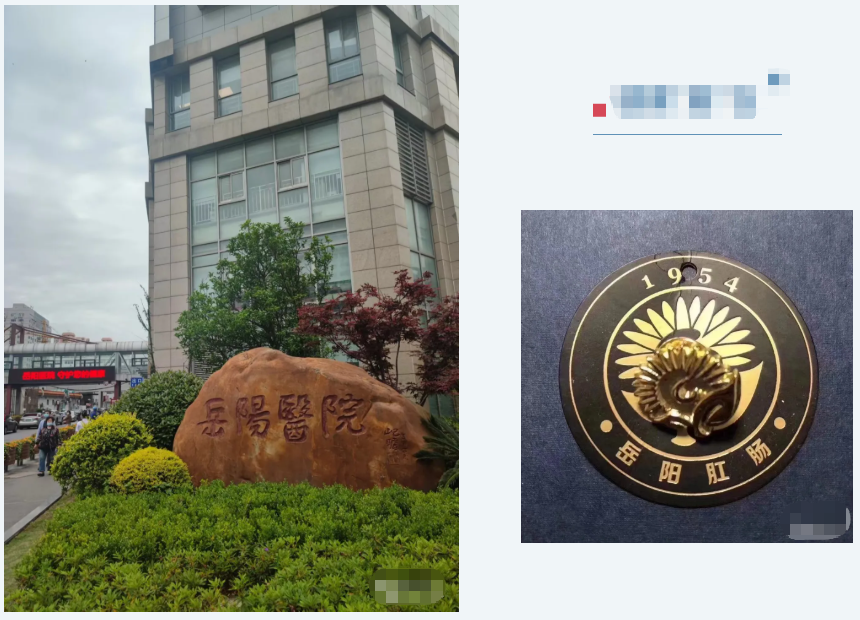
The hospital’s Anorectal Department is a leading example of integrated Chinese-Western medicine in practice. Its scope is also continually expanding. While most associate proctology with hemorrhoids and anal fistulas—painful but generally benign conditions—today’s department also focuses on colorectal adenomas, intestinal cancer prevention, early diagnosis, and advances in medical technology.
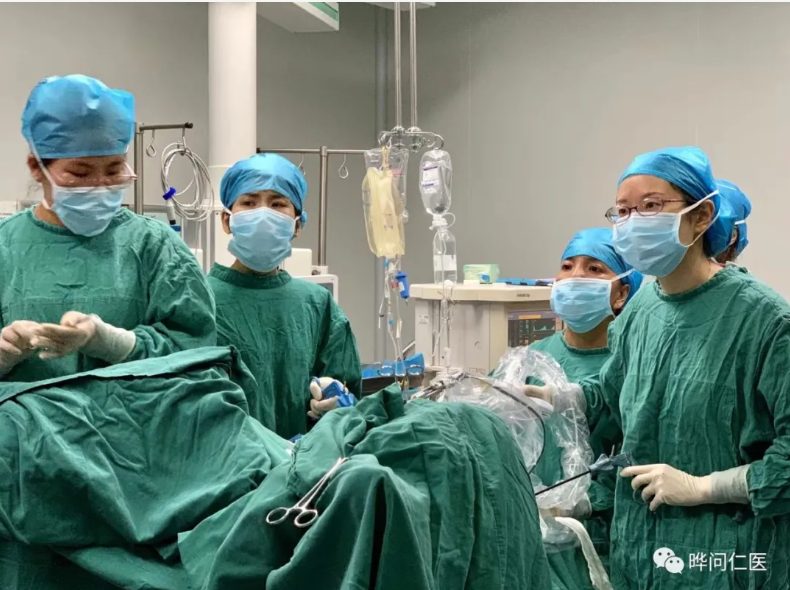
At Yueyang Hospital, colonoscopy practice within the Anorectal Department has its own distinctive character. Many of its doctors regularly exchange knowledge and techniques with Western medical endoscopists to refine their skills—a crucial factor in the early detection of intestinal cancer.
"Our anorectal physicians train in colonoscopy under the department head, learning clinical methods from both traditions. At the same time, for certain intestinal conditions, we also employ traditional Chinese medicine treatments. Our hospital has strong expertise in these combined approaches. We are also developing new technologies to improve the efficiency of screening for intestinal diseases."
Due to the often asymptomatic nature of colorectal cancer in its early stages, many patients exhibit no obvious signs, making it challenging to persuade individuals to undergo a colonoscopy. To address this, Yueyang Hospital’s research and clinical departments launched a joint initiative, collaborating with institutions such as Fudan University, Shanghai Jiao Tong University, and Shanghai University of Technology. Their work has yielded significant results. "We employ diverse research methods to solve tangible clinical problems," explains Yang Haojie. "As our Director Wang aptly puts it: research is not an end in itself. Sometimes, a research outcome is simply the byproduct of solving a clinical issue. If a doctor can meticulously document and analyse every aspect of their clinical process, a research breakthrough may naturally emerge."
In scientific research, Yueyang Hospital has pursued several promising avenues. Recognising that colonoscopy is both costly and poorly accepted by many in China, the hospital partnered with multiple universities on interdisciplinary studies aimed at developing novel screening methods through pharmaceutical analysis. One example involves using spectral analysis of urine to model and predict the presence of adenomas. This study has already collected hundreds of case samples, produced notable findings, and opened new possibilities for colorectal cancer diagnosis.
Technological progress is invariably born from practice. Clinicians and innovators, driven by a steadfast commitment to advancement, are the engines of change. Their work fuels shifts in technology and the continuous renewal of medical science—a kind of metabolism of our age. At Yueyang Hospital, pioneers like Yang Haojie are working tirelessly to sense and shape the pulse of this era.

ShanghaiDoctor.cn:
You have conducted extensive research on ulcerative colitis. Could you share some insights?
Dr.Yang Haojie
Ulcerative colitis is an autoimmune disease that primarily targets the large intestine. Preventing its onset is extremely difficult, as the root cause remains unknown. At a microscopic level, it represents an immune system imbalance: the body perceives an abnormality in its internal environment, secretes inflammatory factors, and triggers a cascade of immune responses within intestinal cells. While prevention is challenging, we can focus on managing its progression. Comprehensive measures, such as dietary regulation, are often more crucial than merely treating the inflammation itself. Traditional Chinese medicine frequently approaches such clinical problems from a holistic perspective, which can be particularly distinctive here. Beyond managing the disease directly, it intervenes in the patient’s overall physical condition, mental state, and the dynamic between the illness and the individual.
ShanghaiDoctor.cn:
Pain management is a major concern in perianal surgery. Have there been any recent breakthroughs in this area?
Dr.Yang Haojie
At Yueyang Hospital, we are currently developing a biological product to enhance postoperative wound healing. In perianal surgery, the most significant challenge is undoubtedly pain. Pain itself is not always the primary concern—for instance, discomfort in the hands or feet can often be managed. However, pain in the perianal region is exceptionally intense, a subject that has historically received little attention within proctology.
So why did our department choose to focus on this? We observed that while many researchers concentrate on conditions like trigeminal neuralgia or shingles pain, very few investigate perianal pain, despite it affecting a considerable number of patients. Our preliminary studies have revealed something intriguing: perianal pain does not appear to fully resolve as the wound heals. In animal models, for example, we made a small incision near the anus of rats. Although rats heal rapidly and the wound closes quickly, even after full healing, they still exhibit a pain response when the area is touched. This finding opens the door to exploring entirely new therapeutic approaches.
Moving forward, this research may provide the key to addressing postoperative perianal pain in clinical practice. For instance, in collaboration with Jiaotong University, we are working with a biomedical adhesive that not only promotes wound healing but has also demonstrated significant analgesic properties.
ShanghaiDoctor.cn:
What insights have you gained from your experience in industry-academia collaboration?
Dr. Yang Haojie:
I believe meaningful breakthroughs in application aren’t always grand in scale—sometimes, smaller, more targeted innovations are both more practical and more interesting. This perspective likely comes from my background as a clinician. While biologists or pharmacologists might approach problems from a microscopic or systemic viewpoint, clinicians operate differently. Our innovation must be grounded in clinical practice and driven by patient needs.
Initially, I tended to think in very broad, systemic terms. However, through ongoing discussions with Mr. Han Changpeng, Director of our Scientific Research Department, my perspective has shifted. He has greatly influenced my approach, consistently emphasising that research must ultimately translate to clinical application—only then does it retain its vitality.
Take our work on early cancer detection, for example. We discovered that analysing urine offers a simpler screening method—that’s the clinical application. But then we ask: what underlying causes and mechanisms produce these changes in a patient’s urine? That question becomes the starting point for fundamental research. In industry-academia collaboration, we shouldn’t limit ourselves. The process should be continuous: identify a clinical problem, develop a solution, then reflect and investigate why that solution works. In my view, clinical research should follow this path—from the bedside to the bench and back again.
Today, many researchers work in the opposite direction, which may suit the working style of basic scientists. But for us clinicians, the patient’s need must always come first.
Editor / Chen Qing
If you need any help from Dr. Yang, please contact be free to contact us at Chenqing@ShanghaiDoctor.cn.
Dr. Chen Gong | Children's Bile Ducts, and a Future He Chose Himself
Dr. Luo Zhiguo | An Oncologist Still Hoping for One More Reunion
Dr. Shi Hongcheng | Growing Nuclear Medicine from One Old Scanner
Dr. Huang Anhua | Still Glad to Stand Under the Gallbladder Lamp
Dr. Ding Ding | Kindness in the Room Where Endometriosis Is Cut Away
Dr. Wang Xuefei | Gastrointestinal Surgeon Advancing Care for Early-Onset Gastric Cancer
Dr. Gu Jun | A Dermatologist Whose Medical Values Were Forged Over Decades
Dr. Chen Gong | Children's Bile Ducts, and a Future He Chose Himself
Dr. Luo Zhiguo | An Oncologist Still Hoping for One More Reunion
Dr. Shi Hongcheng | Growing Nuclear Medicine from One Old Scanner
Dr. Li Wei | Loneliness in the Lab, Hope for Itchy Skin
Dr. Huang Anhua | Still Glad to Stand Under the Gallbladder Lamp
Dr. Ding Ding | Kindness in the Room Where Endometriosis Is Cut Away
Dr. Wang Xuefei | Gastrointestinal Surgeon Advancing Care for Early-Onset Gastric Cancer
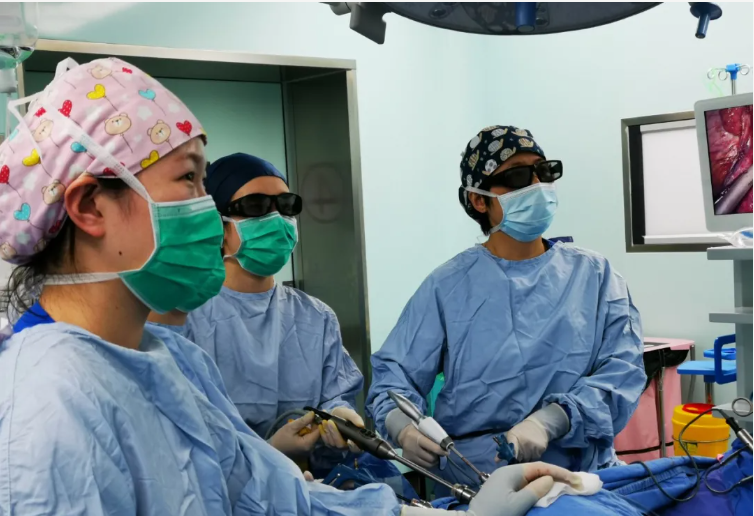
Dr. Yi Xiaofang | Director of General Gynecology — Expertise in Endometriosis and Minimally Invasive Surgery
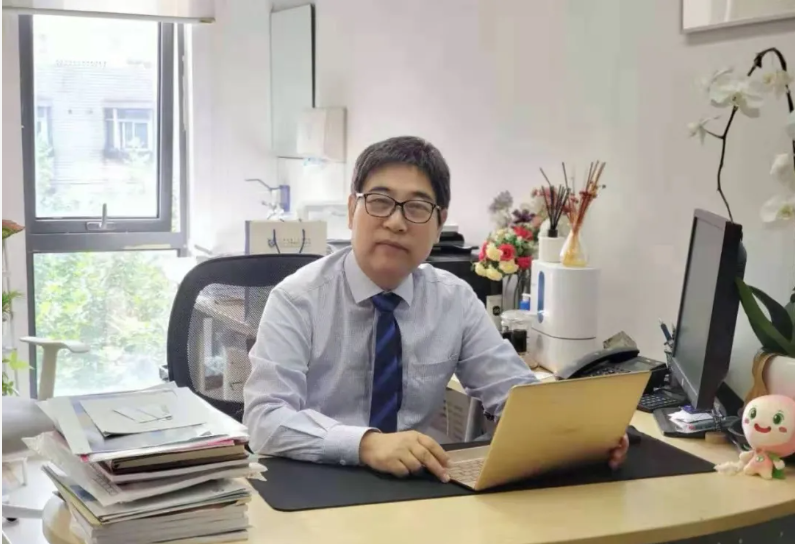
Dr. Gu Jun | A Dermatologist Whose Medical Values Were Forged Over Decades
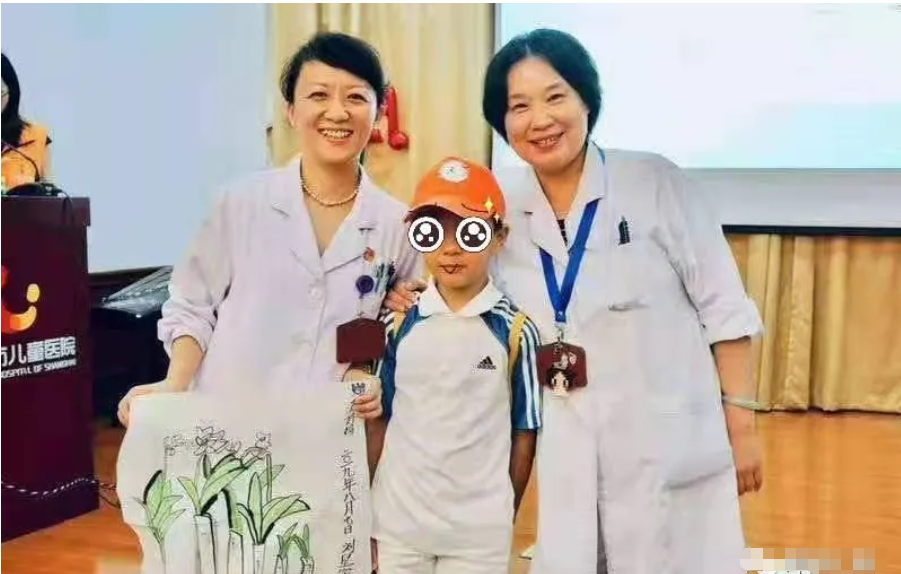
Dr. Shao Jingbo | Pediatric Hematologist Specializing in Leukemia, Rare Diseases, and Stem Cell Transplantation
Copyright © 2023 Yewen Renyi & ShanghaiDoctor.cn (This website is a non - profit medical humanities platform. The information contained herein is solely for biographical and historical purposes and does not constitute any medical advice.) 沪ICP备2023005392号-2 XML 沪公网安备31010902100835号
 中文
中文 English
 Español
 沪公网安备31010902100835号