更新时间:2026-05-18点击:2715
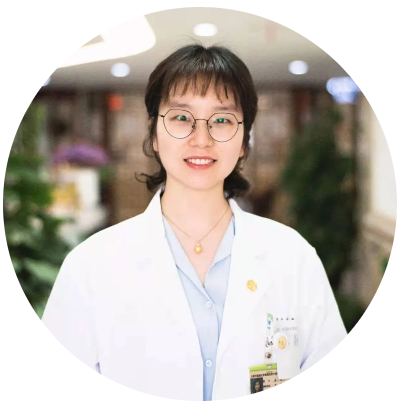
Profile
Jin Lei is an associate chief physician with a master’s degree in anorectal medicine. She works at Yueyang Hospital of Integrated Traditional Chinese and Western Medicine, affiliated with Shanghai University of Traditional Chinese Medicine. A student of Professor Sun Jianhua, a renowned expert in anorectal diseases, she has long been engaged in the clinical diagnosis, treatment, and research of anorectal conditions using integrated traditional Chinese and Western medicine.
She specialises in the surgical treatment of benign anorectal diseases, with a particular focus on women’s anorectal health. She is especially skilled in minimally invasive procedures for haemorrhoids and anal fistulas, and also applies integrated traditional Chinese and Western medicine biofeedback therapy to treat functional constipation and inflammatory bowel disease.
First-Person Perspective
The interview took place on an afternoon just before the holiday, in the “Chat Room” of the Anorectal Department at Yueyang Hospital, where we had a delightful conversation. Yet the article itself came to life thousands of miles away, at Tagang Temple. Sitting in my master’s tea room, I enjoyed a panoramic view of Xiapu—distant mountains like dark brows, nearby waters veiled in mist. Clouds embraced the trees around the jungle, and the sparse sound of bells mingled with Buddhist chants.
Recalling the interview, although Dr. Jin Lei is quite young, her words carried a hint of Zen.
“Life is a smile through tears,” she said. Behind every patient lies a little-known story. “Many patients often feel powerless under the whims of fate. You may, out of sympathy, find some strength within yourself, hoping to relieve their suffering.”
In clinical practice, doctors often jokingly refer to haemorrhoids, anal fissures, anal fistulas, and perianal abscesses as the “Four Heavenly Kings” of anorectal diseases. Jin Lei believes that besides these four, there are two other “oddities” in anorectal conditions: constipation and colorectal cancer. Prevention, she insists, should come first.
“Diet is closely related to anorectal diseases. As the saying goes, ‘Illness enters through the mouth,’ and ‘If a patient doesn’t watch their diet, the doctor runs their legs off.’” Jin Lei often educates her patients, explaining that diet is connected to many factors—including a person’s age, constitution, season, climate, and region—so dietary choices should vary accordingly. Just like medicine, food has properties such as cold, hot, warm, cool, sour, bitter, sweet, pungent, and salty, as well as effects of ascending, descending, floating, and sinking. The selection and combination of foods should support the normal functions of the intestines—receiving, holding, transmitting, and excreting—to maintain a healthy lower digestive tract emptying system.
Jin Lei feels that everything she does stems from the guidance of her mentor, and her efforts are ordinary daily routines, insignificant as they may seem. Yet in her heart, there is always a glimmer of light, illuminating the path ahead.
“There are always many ‘turns’ in life. We need a belief—when in darkness, to still firmly trust in the existence of light. And we need a capability—to find clues in ‘desperate situations’ and turn difficulties into opportunities.” A bright smile spread across Jin Lei’s face. “Accompanying hardship, there are always kindness, love, mutual support, and a willingness to give in human nature, as well as those ‘twists and turns’ in life—they have always existed. Behind impermanence, there is not always ‘loss,’ but also new ‘encounters.’”
1. The Path to Medicine
Jin Lei still remembers this scene: the day before the college entrance exam, feeling unwell, she went to the emergency department of Renji Hospital. The attending doctor asked with concern about her preferred school, and she firmly replied that she wanted to apply to the University of Traditional Chinese Medicine. The doctor smiled and pointed to another female doctor in the consultation room, saying, “Then you’ll be just like her in the future.”
Jin Lei followed his gaze and saw the female doctor flipping through a thick medical textbook. The book was weighty, as if foreshadowing the difficulty and hardship of the medical path.
“At the time, I didn’t think much of it, but later I realised that being a doctor is really no simple matter.”
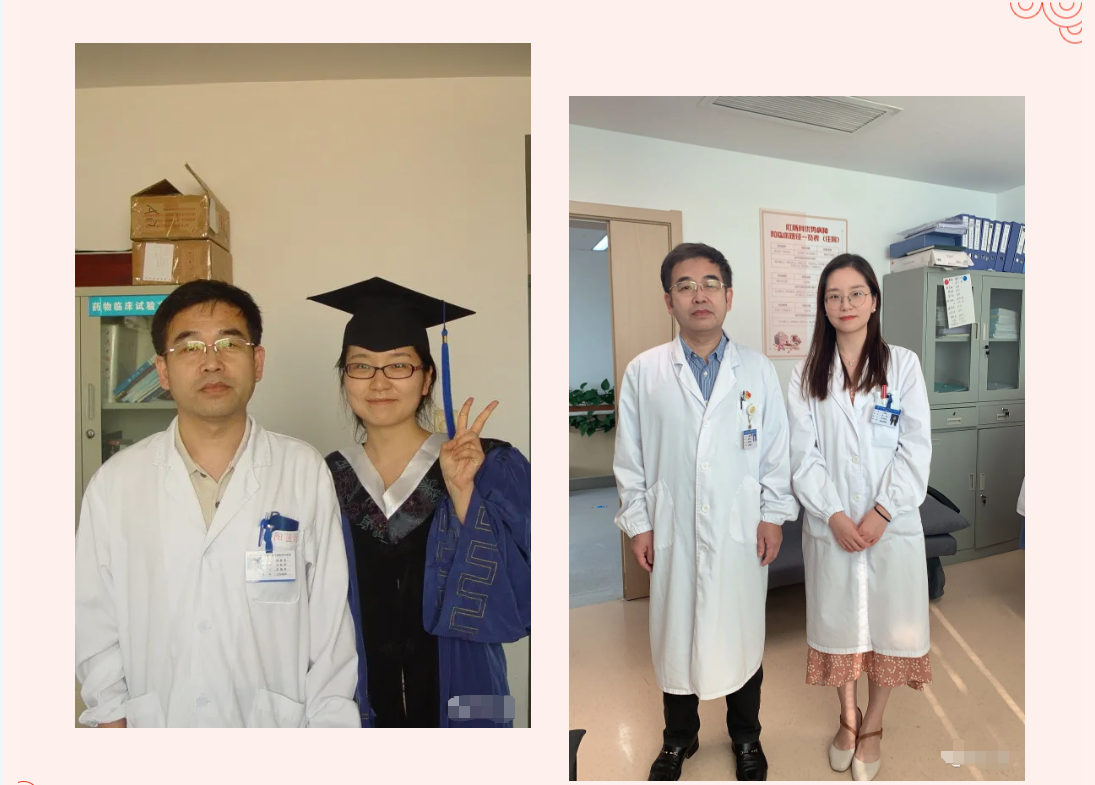
In 2004, Jin Lei was admitted to the seven-year programme at Shanghai University of Traditional Chinese Medicine with outstanding grades. After several years of study, she chose the integrated Chinese and Western medicine track, aligning herself with the affiliated Yueyang Hospital. From her internship in 2009 onward, Jin Lei has worked at Yueyang Hospital for over a decade.
Her decision to join Yueyang’s anorectal department also has an interesting backstory.
During her pre-clinical internship, Jin Lei developed a strong interest in anorectal medicine. The department felt like a blend of surgery and internal medicine—requiring both hands-on operation and meticulous precision—which perfectly matched her expectations. “It also fulfilled my dream of doing surgery,” she said. During her clinical internship, Jin Lei rotated through the surgery department, where her supervising teacher happened to be a neighbour of Sun Jianhua, the director of the anorectal department, and spoke highly of him. After several recommendations, Jin Lei became more determined to choose Yueyang’s anorectal department. She wrote a letter to Director Sun, introducing herself; she also decided to meet him in person to present herself, as a gesture of sincerity.
Unexpectedly, because her name sounded somewhat masculine, Director Sun read the letter without realising that Jin Lei was a woman. When she found him and stated her intention, Director Sun apologised, saying, “I’m sorry, I can’t accept you, because I already have a candidate in mind.”
“That candidate was actually me, but Director Sun only knew my name at the time and thought I was a boy,” Jin Lei said with a laugh.
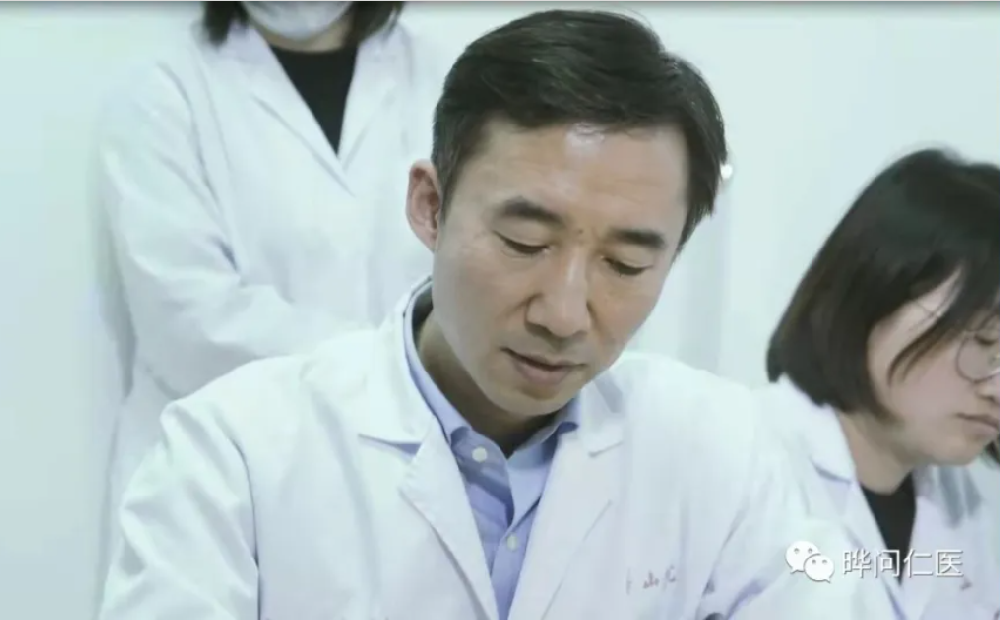
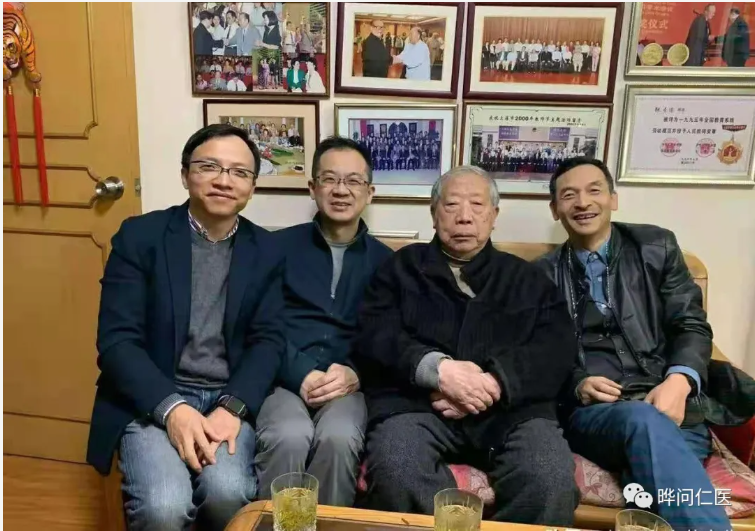
And so, through a twist of fate, Jin Lei officially joined the anorectal department of Yueyang Hospital, becoming a master’s student under Director Sun Jianhua. Director Sun had studied under the renowned traditional Chinese medicine expert Wen Maokang, specialising in treating various anorectal diseases with integrated Chinese and Western medicine. He was diligent in his work and kind to patients. Under his hands-on guidance, Jin Lei’s clinical skills improved rapidly. Observing surgeries daily, conducting ward rounds, and changing dressings—the puzzles she had only half-understood during her internship were all gradually unravelled.
In addition, Director Chen Xinjing of the department also earned Jin Lei’s deep admiration.
“Teacher Chen is decisive and efficient in her work, yet very tolerant and gentle with patients and colleagues. Having such a role model ahead of me makes me feel very grounded,” Jin Lei said. She had studied surgeries under Director Chen, and the teacher’s style deeply influenced her. For a time, she even felt she couldn’t do without Teacher Chen: “When she’s there, I have the confidence to perform surgery.”
In fact, when she first joined the department, Jin Lei was the youngest among all the doctors. Despite her youth, she held herself to high standards. Whenever a patient had poor outcomes or postoperative complications, Jin Lei would blame herself greatly, urging herself not to slack off, to work harder and be more meticulous, never to stop learning, and never to stop improving. Self-reflection honed her sharp edge day and night.
Sometimes, the comfort from her mentors was also invaluable.
While studying under Director Chen Xinjing, Jin Lei would sometimes apologise to her teacher, feeling that she hadn’t performed well enough that day and had caused extra trouble. Director Chen never blamed her, simply saying, “It’s okay—we’re all colleagues.” Jin Lei was deeply moved. The Anorectal Department felt like a warm family, with kind and patient mentors, united colleagues, mutual respect, and a strong sense of cohesion and belonging.
At that moment, she silently resolved: “I want to become someone like Teacher Chen in the future.”
Just as a sail catches the wind and waves glimpse the moonlight, the young healer packs her bags and sets off into the distance.
2. Inheritance and Innovation
“Minimally invasive surgery is the trend,” Jin Lei said.
In the era of precision medicine, the Anorectal Department of Yueyang Hospital keeps pace with the times, aiming for smaller incisions and faster patient recovery. “Traditional Chinese medicine already has unique advantages in treating haemorrhoidal diseases. Postoperatively, we use a range of methods—self-made medicated powders, oils, and ointments for dressing changes, oral medication, pain relief, sitz baths, and more—to comprehensively improve patient outcomes.”
Take laser ablation closure as an example.
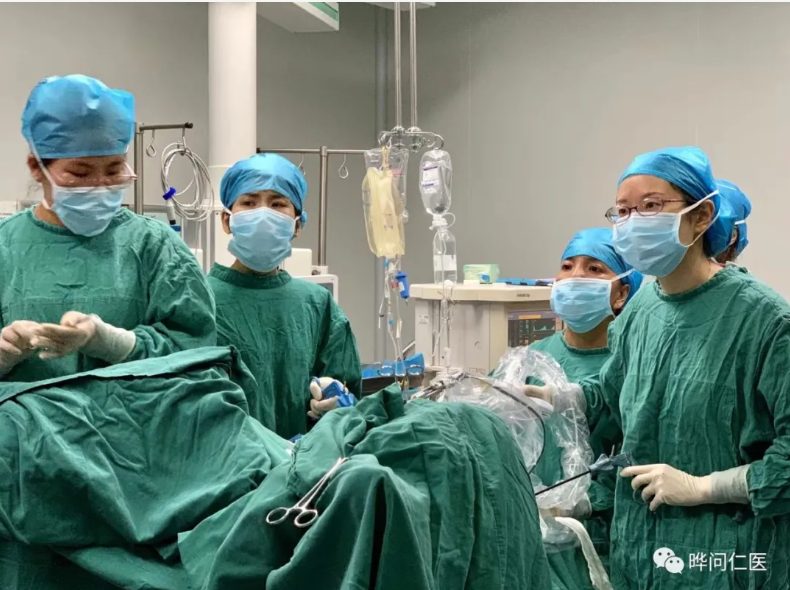
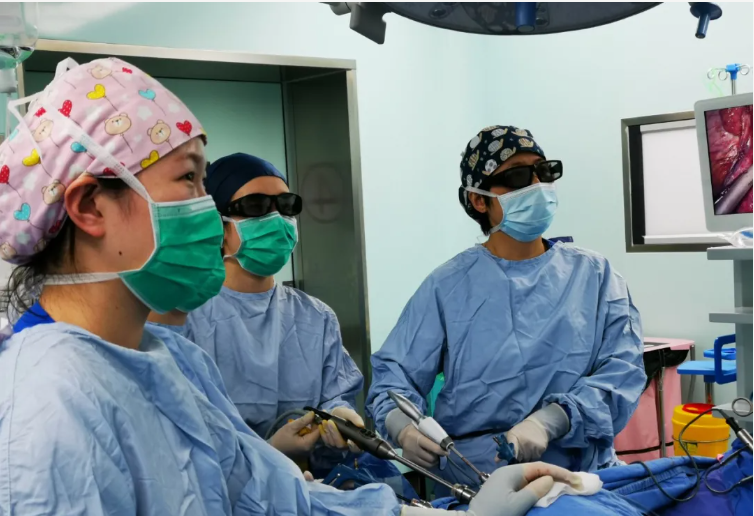
During her internship, Jin Lei once heard a visiting American doctor at the hospital mention using lasers to treat haemorrhoids, but at the time, she only had a partial understanding of the technique. It wasn’t until a few years later that the department introduced laser technology. Then, under the guidance of her mentors, Jin Lei began a series of studies on this approach. Initially, they used lasers to treat anal fistulas. As the technology matured, the scope of treatment expanded, and the laser’s efficacy for conditions such as haemorrhoids and pilonidal sinus proved encouraging. Moreover, laser treatment can be combined with other surgical methods, resulting in mild postoperative pain, quick recovery, and no disruption to patients’ normal study or work.
As a woman, Jin Lei is particularly attentive to female anorectal diseases.
“Women bear the role of childbirth. Pregnancy and delivery place significant pressure on the anus and rectum. In later years, issues like pelvic floor prolapse and faecal incontinence may also arise.”
When she first started working, one evening Jin Lei received a patient who had given birth three days earlier. Due to constipation, the patient suffered from severe rectal prolapse—the prolapsed portion was the size of a bowl, completely stuck outside and unable to be reduced. The patient was in so much pain she could not walk, and her family had to bring her to the hospital on a flatbed cart.
“That was the first time I saw such a severe case of rectal prolapse. It was shocking.” During the acute phase of rectal prolapse, there is no specific treatment; only symptomatic management and medication to allow gradual recovery—a very lengthy process. Having witnessed the patient’s suffering firsthand, Jin Lei has since paid close attention to anorectal issues in pregnant and postpartum women, often reminding patients during consultations to be careful with bowel movements and seek timely treatment.
“The anorectal department involves private areas. Many women are reluctant to seek medical attention out of shyness, which may delay their condition,” Jin Lei admitted. She is also a woman, has been pregnant, and has experienced postpartum pain. “Women can empathise better with each other, so patients may be more willing to seek care, preventing their condition from worsening. For female patients, if they have anorectal issues, it is best to resolve them before pregnancy to ensure a smooth postpartum period.”
3. Be a Ray of Light
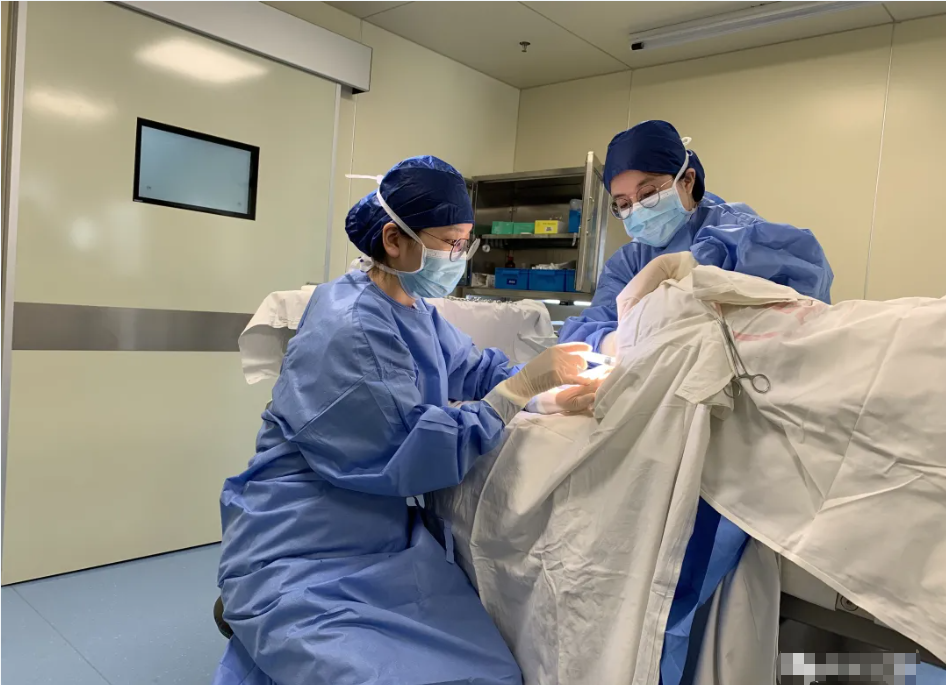
Jin Lei no longer recalls the finer details of her first surgery as the lead surgeon. But the feeling—that, she says, she will never forget.
“I was extremely nervous. My hands were shaking, but I had to keep going,” she recalls. “Once that patient’s surgery was entrusted to me, I had to give 120 percent of my effort to do it well and not let them down.”
That same sense of mission and responsibility carried over when she began working on medical science popularization.
“Our department is quite niche. People who have never experienced anorectal diseases may never have encountered this field at all. Once they fall ill, they can feel lost, unsure of what to do.” Today, the quality of medical science popularization is often inconsistent, which can easily mislead patients. That is why Jin Lei places great emphasis on accuracy. Every time she prepares content, she carefully reviews and revises it to ensure it is precise, helping patients avoid unnecessary detours.
She states plainly: there are no sudden diseases, only suddenly discovered ones. Illness is a cumulative process. For anorectal conditions, prevention is actually more important than treatment.
“Being a doctor is just one of our roles. Besides being doctors, we are also family members of patients. When my own child is sick and faces a difficult or complicated condition, I too feel deeply worried and anxious. I struggle with whether to choose surgery. At that moment, I desperately wish someone could tell me what the right decision is—I don’t want to remain in that state of confusion.”
“So, I hope my patients can also step out of that confusion. I want to be that glimmer of light, doing as much as I can.”
Even a few scattered stars can illuminate a corner of the night sky.
At the end of the interview, when asked about her New Year’s wish, Jin Lei paused for a moment before answering. She still hopes for good health—for her patients, her family, and herself. Everyone must stay healthy.
/ Oral Account /

ShanghaiDoctor: Do you still remember your first experience as the lead surgeon?
Dr. Jin Lei: I won’t forget that feeling. Very nervous, but I had to steady my hands. Teacher Chen was watching me the whole time, giving me strength. Before the surgery, I spoke with the patient, and they were very reassured to entrust the operation to me. So I had to give 120 percent of my effort to do it well and not let down the trust of the patient and their family. Now, my mindset is calmer, and every step is already clear in my mind.
ShanghaiDoctor: You now use short video platforms for medical science popularization. What are your insights on its importance and future development path?
Dr. Jin Lei: I started making videos in the second half of last year. Our department is quite niche; people who have never experienced anorectal diseases may never fully understand these issues, but once the condition strikes, they often feel helpless and unsure of what to do. The current landscape of medical science popularization is uneven in quality, and misinformation can easily mislead patients. When preparing educational content, I carefully review and meticulously revise every piece to ensure a high degree of accuracy, helping patients avoid unnecessary detours. I am not the best at medical science communication, nor do I have a large following; I simply hope to offer patients a guiding direction and some basic knowledge, so they know there is no need to panic when diagnosed with such diseases. In fact, prevention of anorectal diseases outweighs treatment, and the roles of doctor and patient are often interchangeable. As a doctor, I am also a family member of patients. When my child falls ill or faces a difficult and complex condition, I too feel anxious and worried, and I struggle with decisions. At such times, I also hope someone can tell me what the right course of action is, rather than remaining in that state of confusion. Therefore, I hope my patients can step out of that confusion as well. I want to be that faint glimmer of light, doing as much as I can.
ShanghaiDoctor: You have considerable expertise in using minimally invasive techniques and integrated traditional Chinese and Western medicine to treat benign anorectal diseases. How did you develop this treatment approach, and what unexpected gains have you encountered in practice?
Dr. Jin Lei: Minimally invasive surgery is the trend. Patients hope for smaller wounds and faster recovery, and doctors naturally want better treatment outcomes for their patients. Take hemorrhoids as an example: early-stage hemorrhoids are mild, and even with surgery, the reaction is minimal; but in later stages, as the condition worsens, no matter how minimally invasive the surgery, the wound surface remains large, and the patient still experiences pain. Therefore, early education for patients is crucial, with a focus on prevention and early treatment. Traditional Chinese medicine has inherent advantages in treating anorectal diseases, with postoperative methods such as self-made medicated powders, oils, and ointments for dressing changes, oral medications, pain relief, and sitz baths, providing a more comprehensive approach to improving patient outcomes.
Integrating traditional Chinese and Western medicine means combining the strengths of both, using the simplest methods to solve the most fundamental problems, breaking down technical barriers, and alleviating patients' suffering. Efficacy is the ultimate benchmark. While preserving the diagnostic and therapeutic characteristics of Chinese medicine, we absorb the essence of Western medicine, not clinging to the old ways—inheritance is innovation. Through long-term communication with patients, Chinese medicine fosters closer emotional bonds, much like friendship, making patients more inclined to choose us.
ShanghaiDoctor: You pay particular attention to female anorectal health. What are the characteristics of anorectal diseases in women, and are there any special considerations during treatment?
Dr. Jin Lei: Women bear the responsibility of childbirth, and the pressure placed on the anus and rectum during pregnancy and delivery is considerable. In later years, issues such as pelvic floor prolapse and fecal incontinence may also arise. Early in my career, I once received a postpartum patient three days after delivery who had developed rectal prolapse due to constipation. The prolapse was as large as a bowl, completely stuck outside, and could not be reduced at all. Her family brought her to the hospital on a flatbed cart. During the acute episode, only symptomatic treatment could be offered—medication to help her recover slowly, and the recovery process was extremely lengthy. That was the first time I had seen such a severe case of rectal prolapse, and it was deeply shocking. Since then, I have been very mindful of this issue. I am a female doctor, and I have been pregnant myself and experienced postpartum pain. The anorectal department deals with private areas, and many women are reluctant to seek medical attention out of embarrassment, which can delay treatment. Women can better empathize with one another, and patients may be more willing to see a doctor, preventing the condition from worsening. Therefore, for female patients, if they have anorectal issues, they should try to resolve them before pregnancy to ensure a smoother postpartum period.
ShanghaiDoctor: What roles do you think medication therapy, traditional treatment, and minimally invasive surgical treatment play in clinical practice today, and how do they divide the work? How should doctors achieve a comprehensive understanding of different techniques to achieve better therapeutic outcomes?
Dr. Jin Lei: Medication therapy and surgical treatment are not in conflict; they are treatment methods for two different stages of the disease. Traditional treatment also includes both surgery and medication. Nowadays, traditional Chinese medicine offers more dosage forms, more options, and better efficacy. For doctors, it is essential to master a broader range of treatment concepts. In the past, people thought that simply cutting off hemorrhoids was sufficient, but trauma still exists. Minimally invasive treatment can resolve the disease without directly addressing the disease itself. Minimally invasive is a concept. The chief has always told me to make incisions as small as possible and to protect as much tissue as possible. Surgery should not be performed for the sake of surgery; the patient's needs must be considered.
ShanghaiDoctor: What advantages does electronic colonoscopy offer in the diagnosis and treatment of diseases, and what aspects of this technology do you think need improvement?
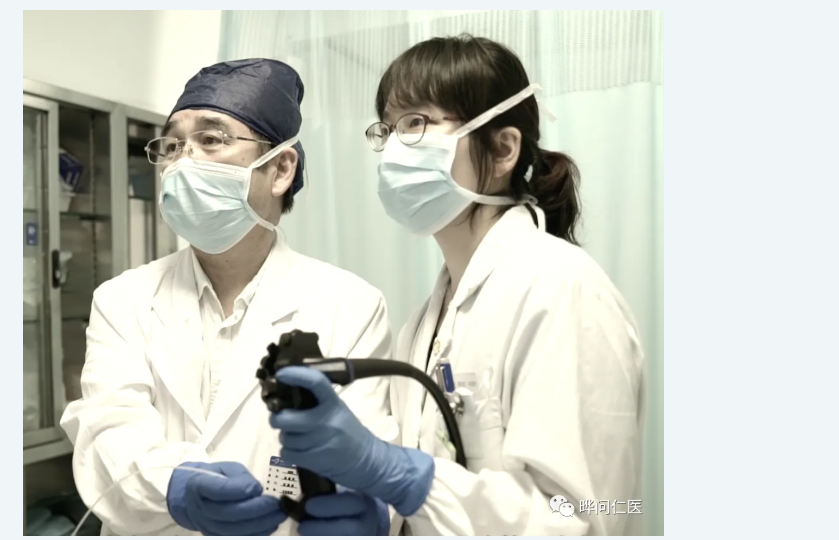
Dr. Jin Lei: When people think of the anorectal department, they may only focus on the area around the anus, but in reality, our disease spectrum is not that narrow. The department is evolving, and the disease spectrum is expanding, including intestinal polyps, early-stage cancer, constipation, diarrhea, and enteritis. If doctors can perform colonoscopies themselves, they can promptly follow up on the patient's diagnosis and treatment from start to finish. Director Sun was the first doctor in the traditional Chinese medicine anorectal department to perform anorectal endoscopy. Since he went to Huadong Hospital to learn the technique decades ago, he has been urging us to keep up with the development of endoscopy. The director has a very far-sighted vision; even then, he had already thought about the future decades ahead. Making truly visionary choices is the mark of great wisdom.
ShanghaiDoctor: You have conducted some research on the use of laser ablation closure for treating anal fistulas. Have these attempts brought new insights to your treatment approach, and will you continue to delve deeper into this field in the future?
Dr. Jin Lei: Our department was the first to apply laser ablation closure to the treatment of anal fistulas. As technology grows increasingly sophisticated and the scope of treatment continues to expand, the efficacy of laser therapy for conditions such as hemorrhoids and pilonidal sinus has proven equally encouraging. Take pilonidal sinus, for example. We have now been treating it with this approach for about three years. While the condition is not particularly common among Eastern populations, the outcomes have been very good at all stages except the suppurative phase. Under the guidance of our mentor, we jointly initiated a series of studies on this technology. Currently, laser treatment can also be combined with other surgical methods, resulting in mild postoperative pain, quick recovery, and minimal disruption to the patient’s daily life, studies, or work.
ShanghaiDoctor: What important qualities do you think a young doctor must possess to go further and higher on the path of medicine?
Dr. Jin Lei: First, one must not be too restless. There is too much information and too many distractions nowadays. Success requires the accumulation of time; you cannot be impatient for quick results or rush toward success. You need to calm down, take things seriously, and do the work at hand step by step. All your efforts will eventually pay off one day.
ShanghaiDoctor: What hobbies do you have outside of work?
Dr. Jin Lei: I used to enjoy binge-watching shows, doing handicrafts—things like clay and wool felting—and practicing yoga. Now I rarely have time for these and can only manage to work out once a week. In my spare time, I also read professional books and parenting books. Parenting is a challenge in itself—parents and children grow together. Seeing my child, many worries fade away.
Editor: ChenQing@ShanghaiDoctor.cn
Dr. Chen Gong | Children's Bile Ducts, and a Future He Chose Himself
Dr. Luo Zhiguo | An Oncologist Still Hoping for One More Reunion
Dr. Shi Hongcheng | Growing Nuclear Medicine from One Old Scanner
Dr. Huang Anhua | Still Glad to Stand Under the Gallbladder Lamp
Dr. Ding Ding | Kindness in the Room Where Endometriosis Is Cut Away
Dr. Wang Xuefei | Gastrointestinal Surgeon Advancing Care for Early-Onset Gastric Cancer
Dr. Gu Jun | A Dermatologist Whose Medical Values Were Forged Over Decades
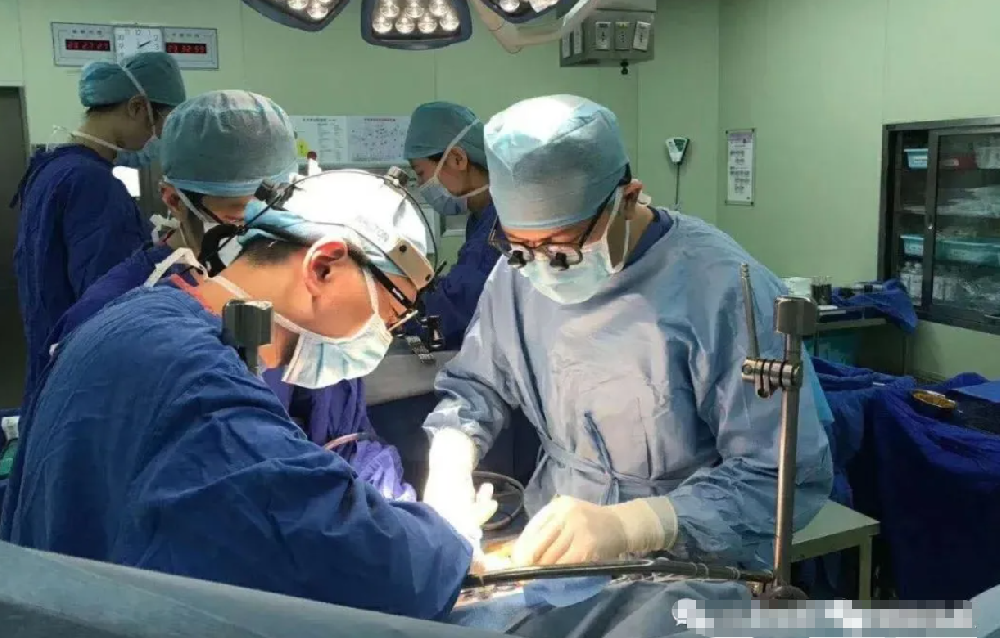
Dr. Chen Gong | Children's Bile Ducts, and a Future He Chose Himself
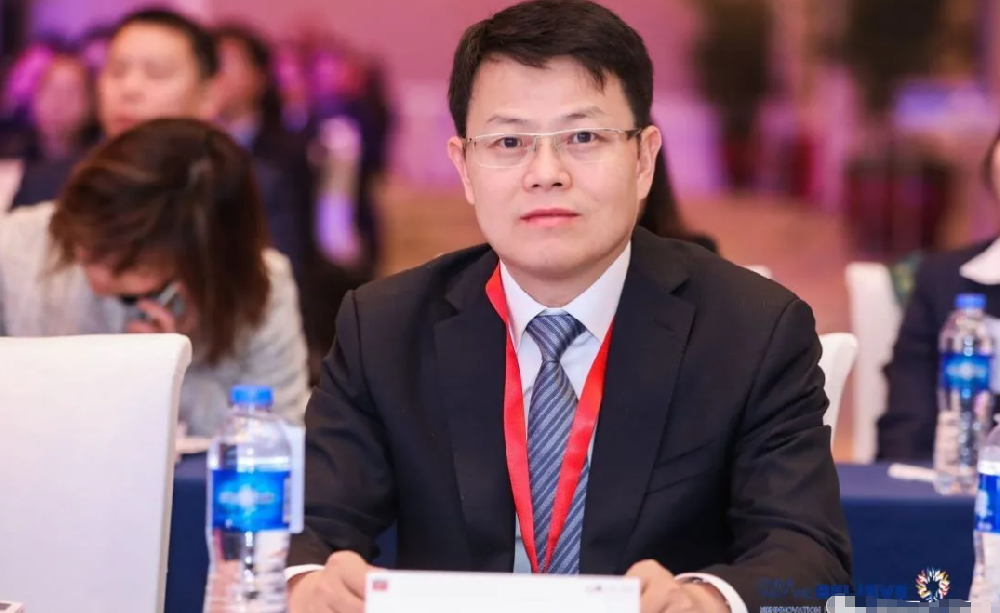
Dr. Luo Zhiguo | An Oncologist Still Hoping for One More Reunion
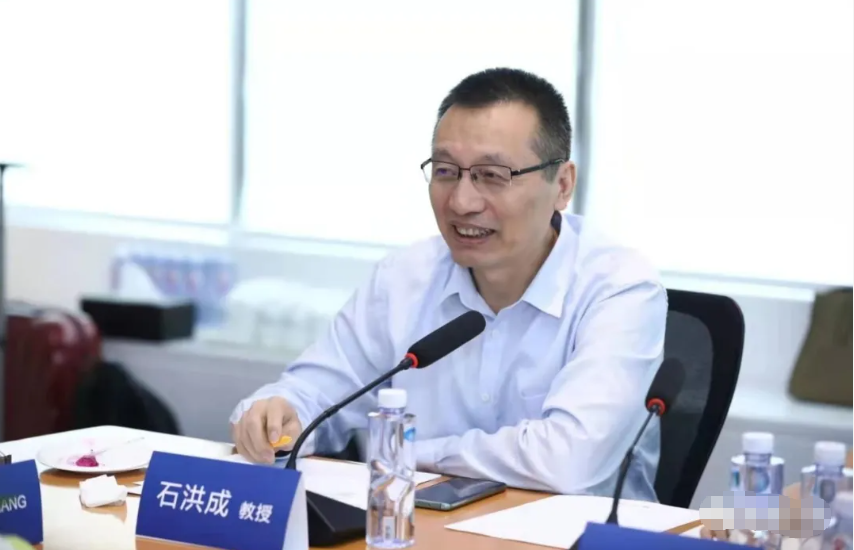
Dr. Shi Hongcheng | Growing Nuclear Medicine from One Old Scanner
Dr. Li Wei | Loneliness in the Lab, Hope for Itchy Skin
Dr. Huang Anhua | Still Glad to Stand Under the Gallbladder Lamp
Dr. Ding Ding | Kindness in the Room Where Endometriosis Is Cut Away
Dr. Wang Xuefei | Gastrointestinal Surgeon Advancing Care for Early-Onset Gastric Cancer
Dr. Yi Xiaofang | Director of General Gynecology — Expertise in Endometriosis and Minimally Invasive Surgery
Dr. Gu Jun | A Dermatologist Whose Medical Values Were Forged Over Decades
Dr. Shao Jingbo | Pediatric Hematologist Specializing in Leukemia, Rare Diseases, and Stem Cell Transplantation
Copyright © 2023 Yewen Renyi & ShanghaiDoctor.cn (This website is a non - profit medical humanities platform. The information contained herein is solely for biographical and historical purposes and does not constitute any medical advice.) 沪ICP备2023005392号-2 XML地图 网站模板 沪公网安备31010902100835号

 中文
中文 English
 沪公网安备31010902100835号