更新时间:2026-05-28点击:3504
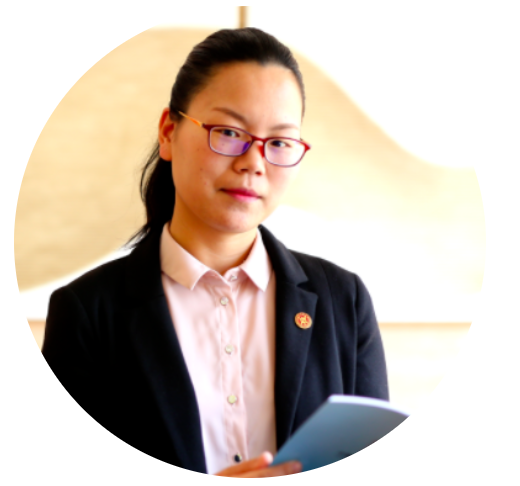
Introduction
Deputy Chief Physician, Department of Proctology, Yueyang Hospital of Integrated Traditional Chinese and Western Medicine.
She studied under Director Sun Jianhua, Professor Yang Wei, and Professor Robin Phillips. Her expertise encompasses the integrated traditional Chinese and Western medicine treatment of hemorrhoids, complex anal fistulas, anal fissures, perianal abscesses, anal sinusitis, pilonidal sinus, perianal eczema, and other benign perianal and anorectal diseases, as well as functional constipation, inflammatory bowel disease, and the endoscopic diagnosis and treatment of benign colorectal polyps. She serves as a member of the Proctology Branch of the Clinical Education Research Committee of the Higher Education Society of Traditional Chinese Medicine, the Pelvic Floor Medicine Professional Committee of the World Federation of Chinese Medicine Societies, and as a standing committee member of the Proctology Professional Committee of the Shanghai Women Physicians Association. She has led two national and municipal-level research projects and participated in over ten projects at various levels. She has published three SCI papers, more than twenty papers in core journals, and holds five authorized patents.
First Person Perspective
Li Ying
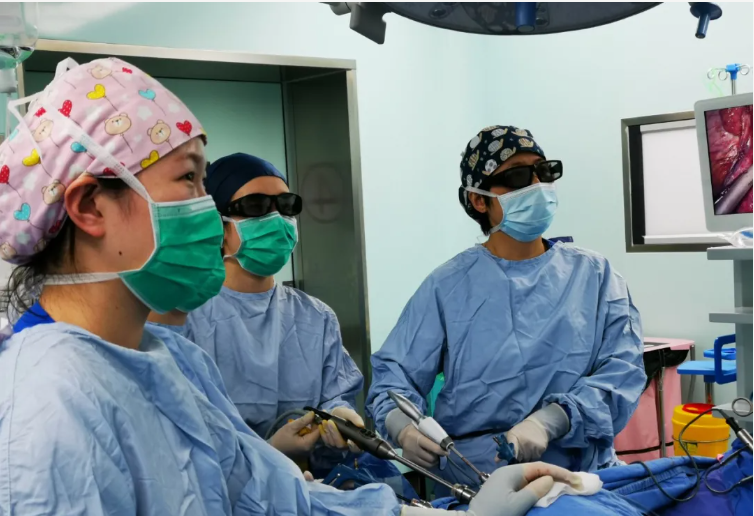
If a movie featured a character like this—bold, capable, fiercely opinionated, with fluid movements and an imposing presence—audiences would surely fall in love with her. If a doctor were equally bold yet meticulous, exuding competence, and her surgical techniques flowed with the same seamless grace, then patients would entrust their ailments to her without hesitation.
She is precisely that kind of doctor: well-traveled, experienced, deeply knowledgeable, and self-assured. On the operating table, she handles everything with ease; off the table, she observes her patients calmly, always thoughtfully considering how to address their conditions. This allows her to make precise judgments and deliver the most appropriate treatments. Patients look into her eyes with complete trust, and those she has treated often send her banners and letters of gratitude.
She is Director Li Ying of Shanghai Yueyang Hospital of Integrated Traditional Chinese and Western Medicine. She has devoted the best years of her life to the field of proctology, enabling countless restless hemorrhoid patients to turn over a new leaf in life.
She rarely has free time—sometimes no weekends at all—and when she occasionally gets a holiday, she feels a sense of loss. Deep down, who doesn’t yearn to paint landscapes, flowers, and birds, or feel the urge to travel across mountains and rivers? Yet, whenever she puts on her white coat, she sets aside all hobbies. The small space beneath her scalpel is her greatest domain.
Day and night, tirelessly, she works endlessly to treat illnesses. Self-doubt, continuous reflection, and the honing of skills—these are the hurdles every excellent proctologist must overcome. As long as some transformation is achieved in the ordinary process of refinement, more challenges will follow. But when a surgery is completed in one smooth, uninterrupted flow, and she feels growth and resonance, the surrounding fear is ultimately replaced by genuine joy.
For this, she is willing to persist for a lifetime.
1. The Dream of Becoming a Doctor
Li Ying was born in Jinshan District, Shanghai, known as the “Root of Shanghai” and the “Source of Shanghai.” Jinshan has a rich history and culture. In ancient times, it produced renowned scholars such as Gu Yewang, Chen Shunyu, and Yang Weizhen; in modern times, it has given the world luminaries like Nobel laureate Charles K. Kao and Wang Xiaomo. The childhood of Shanghai’s famous young writer Han Han was also nurtured here.
Li Ying first developed a strong interest in medicine during high school, and her outstanding academic performance earned her a place in the seven-year clinical medicine programme at Shanghai University of Traditional Chinese Medicine. The path to becoming a doctor is long, and accumulating clinical experience demands perseverance; one must endure solitude to truly grasp the essence of the field. During medical school, Li Ying, like her peers, faced textbooks of over a thousand pages—Internal Medicine and Surgery among them. All-night study sessions were routine, and she sometimes brought a quilt and a thermos to the classroom to power through until dawn. The stars do not disappoint those who journey through the night: Li Ying graduated with excellent marks and smoothly entered her hospital internship.
It must be said that choosing a specialty in medical graduate studies is often a matter of fate, as well as the natural outcome of hard work. At the time, cardiology was undergoing vigorous development, and many medical students gravitated toward cardiovascular specialties. Li Ying initially thought cardiology would be a good fit, but a twist of fate led her elsewhere. Later, by chance, she chose anorectal medicine, hoping to return to her hometown of Jinshan after graduate school and work at Fengjing Hospital, renowned for its haemorrhoid treatments. However, during her internship in the anorectal department of Shanghai Yueyang Hospital—while following her mentor in clinical consultations and research projects—the department’s outstanding academic and clinical atmosphere made her want to stay. Just then, the department was recruiting, so she remained.
Anorectal medicine is a traditional Chinese medicine specialty with strong Chinese characteristics, often regarded as a national treasure of Chinese medicine. The anorectal department of Yueyang Hospital is considered the leader in Shanghai-style anorectal medicine. The field originally centred on haemorrhoids. Regarding this condition, the classic text Complete Experience in Treating Sores and Ulcers notes: “Improper diet, irregular indulgence in drinking and eating, excessive consumption of fatty and greasy foods, pepper and spicy seasonings… give rise to the five types of haemorrhoids.” In other words, overconsumption of spicy, sweet, and fatty foods, as well as excessive alcohol intake, are important causes of the disease. In Chinese medicine, haemorrhoids are differentiated into four main syndrome types—wind-heat injuring the intestinal collaterals, qi stagnation and blood stasis, spleen deficiency and qi sinking, and damp-heat pouring downward—each with targeted treatments. Surgery remains the definitive solution for various classifications of the condition.
Li Ying’s mentor and guide is the anorectal master, Director Sun Jianhua. “Professionally, Director Sun taught me a great deal. But I think the most important thing is that he taught us how to conduct ourselves. He has a broad vision and takes fame and profit very lightly. In teaching me how to be a person, he has influenced me for over a decade. Now, Director Wang Zhenyi has taken over and continues the tradition of Yueyang anorectal medicine. Both directors are very willing to create opportunities for young people and never care about personal gain or loss.” Speaking of her teachers, Li Ying expressed nothing but gratitude.
In the supportive departmental atmosphere and clinical environment of Yueyang Hospital, Li Ying gradually became captivated by the remarkable appeal of traditional Chinese medicine (TCM) in practice. “When I first became a doctor, because anorectal surgery is hands-on and places great emphasis on surgical techniques and TCM external treatments, I sometimes slightly underestimated TCM theory—mainly internal treatments. Later, during my doctoral studies, I realized my understanding was still quite limited. At that time, Professor Yang Wei had several prescriptions tailored to different stages of abscesses and anal fistulas. I found it particularly astonishing. Generally, perianal abscesses are recommended for early incision and drainage. But back then, due to a shortage of beds, Professor Yang Wei first administered oral Chinese herbal medicine to the patient, and after a week, the abscess disappeared. For early-stage abscesses, Western medicine typically uses antibiotics, which can easily lead to induration. However, TCM can replace antibiotics for anti-inflammatory effects in treating this condition without leaving hard lumps.” Gradually, Li Ying came to see TCM as profound, broad, distinctive, and effective, and realized that her learning should encompass both surgical techniques and the therapeutic power of Chinese medicine. She believes that TCM often holds great potential in preventing diseases, treating difficult and complex cases, and managing sub-health conditions. For patients with anal bleeding, when topical medications or suppositories are ineffective, oral Chinese herbal medicine can also achieve good hemostatic results. For certain chronic conditions—such as anal distension, mild prolapse of the rectal mucosa or hemorrhoids—some self-made TCM preparations also offer strong therapeutic effects. For post-surgical wounds that repeatedly fail to heal or heal poorly, in addition to identifying the underlying cause, TCM intervention can yield unexpected outcomes.
Today, in addition to performing surgeries, Li Ying frequently consults TCM masters, diligently reads the literature, and actively practices. Her understanding of treating diseases with TCM is deepening, and her grasp of medication usage is becoming more precise. This is her tireless exploration and discovery.
2. Rescuing a Sick Child at Flying Airplane
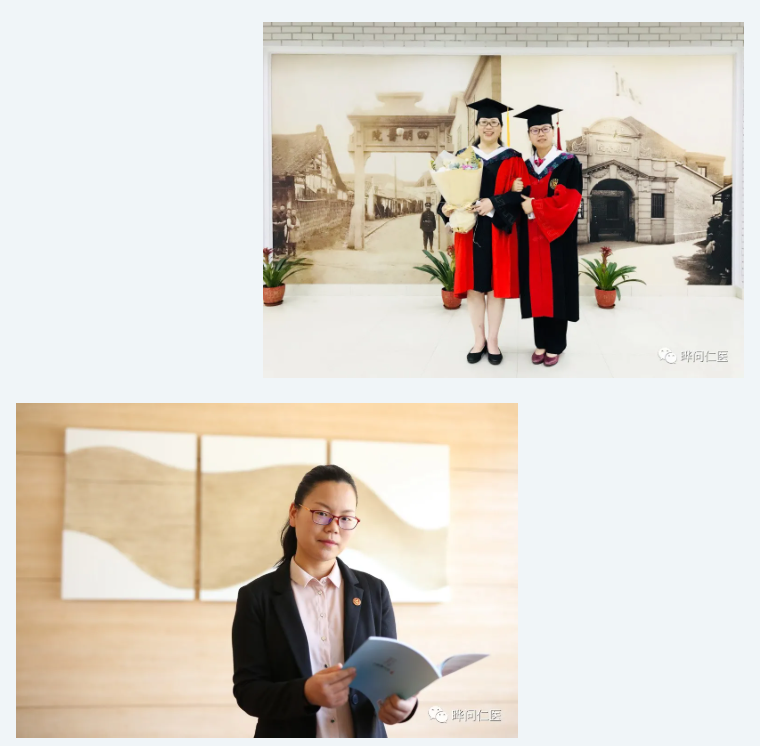
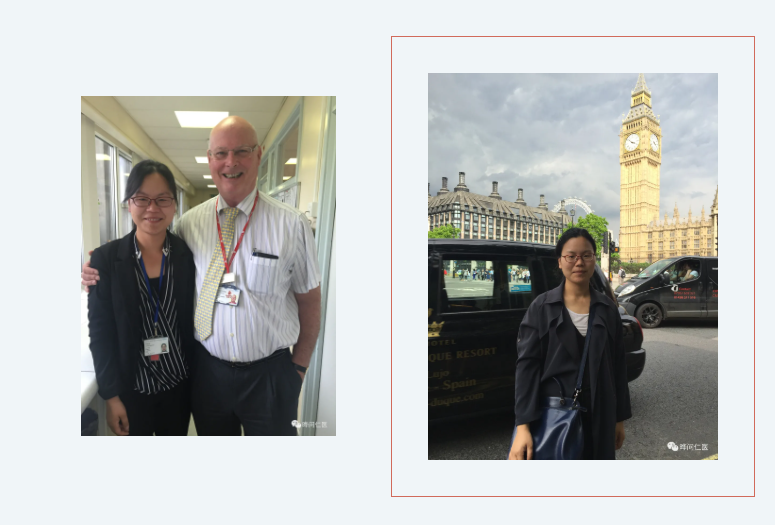
Shanghai Yueyang Hospital has a long-standing tradition of integrating Chinese and Western medicine, and its anorectal department resonates with world-class hospitals, sending many outstanding young and middle-aged doctors to Europe and America to acquire true expertise. With the support of her mentor, Li Ying flew to St. Mark’s Hospital in the UK in June 2016 for a one-year advanced study. After returning home for a visit the following year, on the return flight on March 12, Li Ying never expected that a timely TCM technique would save a young life.
March 12 was an ordinary day, and the flight to London held nothing out of the ordinary. When the plane reached an altitude of 30,000 feet, the cabin broadcast suddenly rang out with the flight attendant’s urgent voice: “Is there a doctor on board? A passenger needs help. Thank you.” Hearing this, Li Ying stood up, walked to the flight attendant, and said, “I am Dr. Li Ying from Shanghai Yueyang Hospital. What’s the situation?” It turned out that a two-year-old British child had suddenly developed a febrile seizure, with full-body convulsions. The child’s family was extremely anxious nearby. Many surrounding passengers wanted to help but were at a loss. Li Ying immediately entered a state of readiness and prepared to administer treatment.
“To be honest, I didn’t think too much about it at the time. My daughter had similar symptoms when she was young—febrile convulsions. As a mother, I completely understand the anxiety parents feel. Besides, I’m also a doctor, and I felt I could help him. It’s my duty as a physician to treat and save patients.”
Confronted with this young patient, Li Ying used traditional Chinese pediatric massage techniques to stabilise the child’s condition. The flight eventually made an emergency landing in Russia, where the child received further treatment.
“Before, when my daughter had a similar situation—a persistent high fever that didn’t respond well to medication—I used massage to help bring down her fever. At that time, this child’s convulsions were likely transient, but his high fever persisted. This incident really struck me. I feel that traditional Chinese medicine still has room for exploration in many fields, but current education standards are quite Westernised. If we could integrate some practical clinical techniques from Chinese medicine, it would benefit more patients.” As she said this, Li Ying let out a sigh of relief, as if she had just finished saving the child on the flight and was finally able to relax.
In fact, massage is not Li Ying’s specialty. “I learned some massage techniques back in school, but what I truly remember and can apply mainly comes from consulting with Chinese medicine practitioners in my daily life and practising on my own.” Thinking quickly at an altitude of 10,000 metres and choosing the most appropriate method required daily accumulation and immense courage.
Studying in the UK allowed Li Ying to truly appreciate the charm of integrating Chinese and Western medicine. During that year of study, she gained knowledge, mastered skills, and grew increasingly confident. In her view, with the increase in exchanges between China and other countries in recent years, the surgical methods and philosophies of colorectal doctors at home and abroad are becoming more and more similar. Of course, there are still differences that can be mutually referenced.
At that time, Li Ying studied under Professor Philip, a British colorectal specialist. Li Ying recalled: “He was actually a very wise person. Not only was he highly skilled technically, but his approach to humanistic care was also worth learning from. He placed great emphasis on interaction with patients. Before diagnosis, he would inform patients about what tests were needed, how these tests would help them, and what discomfort they might experience, but assured them not to worry.”
As is well known, the digital rectal examination is a simple and convenient clinical method, often called the “one-finger Zen.” Many patients fear and feel discomfort during this exam, but the significance of that one finger should not be underestimated. The diagnostic role of the digital rectal examination is considerable. The early symptoms of rectal cancer are very similar to those of haemorrhoids. Many rectal cancer patients mistakenly believe they have haemorrhoids and do not take it seriously, allowing the rectal cancer to “thrive” under the guise of “haemorrhoids” until the disease reaches an advanced stage. Therefore, patients should not shy away from the doctor’s “one-finger Zen” during the exam—it is a life-saving skill. Thus, as a doctor, it is necessary to help patients build some psychological preparation. Li Ying learned from Professor Philip the importance of doctor-patient communication, a process that also greatly contributes to improving treatment outcomes.
Time flies, and the one-year study at St. Mark’s Hospital passed in the blink of an eye. In 2017, Li Ying returned to Shanghai, back to Yueyang Hospital, and back to the side of her patients.
3. Old Trees, New Shoots, Dazzling and Brilliant
After returning from the UK, Li Ying’s clinical skills have clearly reached a new level. Patients visiting the Anorectal Department of Yueyang Hospital increasingly enjoy interacting and communicating with her. Naturally, these patients have become her comrades in the fight against disease.
Since her return, Li Ying has been reflecting on what advantages traditional Chinese medicine (TCM) anorectal care holds over Western medicine—and how these can be further developed in the future. In her view, many of the strengths of Chinese herbal medicine are difficult for Western doctors to replicate. For example, in areas such as disease prevention before onset and TCM health preservation, TCM offers significant advantages. As a result, the path of integrating Chinese and Western medicine will continue to broaden. “It’s essentially a combination of concepts like nipping problems in the bud and preventing disease before it occurs, along with TCM methodology.” This, she believes, is also the charm of integrated Chinese and Western medicine.
With this in mind, Li Ying expanded the scope of her research. Beyond surgery, she chose “Clinical and Experimental Research on Ulcerative Colitis,” a project that later successfully secured a national-level grant. “Through this research, we mainly discovered that Chinese herbal medicine can regulate the intestinal environment, improve intestinal inflammation, enhance the body’s immune function, and alleviate limb fatigue, mental exhaustion, and so on.”
Li Ying found that for mild to moderate ulcerative colitis, treatment with Chinese herbal medicine offers clear advantages. When discussing TCM, she speaks with full confidence—and this confidence is the driving force behind her wholehearted dedication.
Because of this, Li Ying has never regretted becoming a doctor, especially a TCM practitioner. She believes that TCM should have its roots, its leaves, and at times bloom and bear fruit. TCM is a path forged through the continuous practice and exploration of countless ancestors over thousands of years. This path may be difficult to traverse, but its end is surely adorned with blooming flowers. And she believes that to see these flowers in full bloom, one must taste all the bittersweet and hardships.
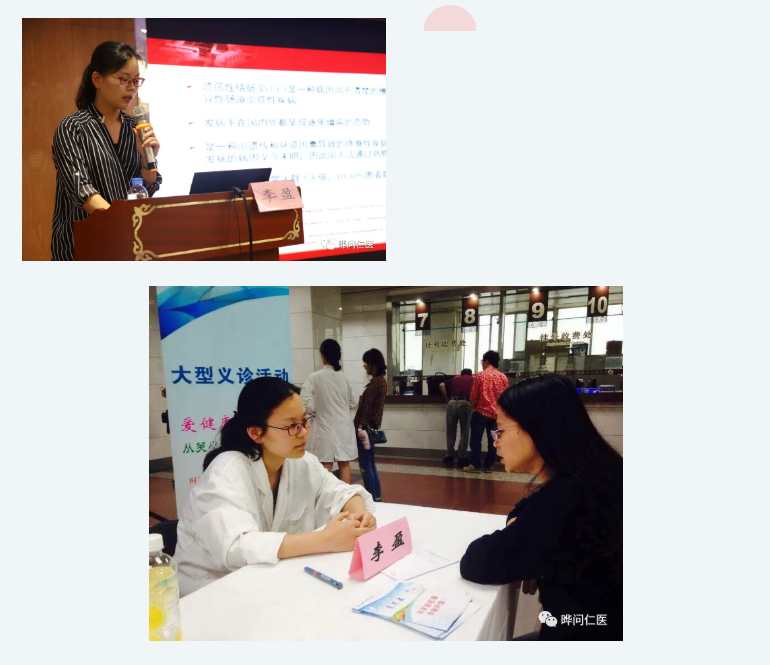

ShanghaiDoctor.cn:In the anorectal department, there are also many unspoken difficulties, which are closely related to the lifestyle of modern people, and women are also a high-risk group. From this perspective, do female doctors in our anorectal department have an advantage?
Li Ying: Indeed, many of the patients who come to see me are also female doctors, perhaps because they feel that since I am a female doctor, they come to me. As a woman, I may also better understand female patients. At my age, I have experienced marriage and childbirth, especially the pregnancy and postpartum period (which is also a high-incidence period for anorectal diseases). I can understand what women go through during this time. I also deeply empathize with the hardships of caring for children after childbirth, as well as balancing work and family. Therefore, in addition to diagnosing and treating diseases during this special period, I feel I also provide them with some psychological guidance and advice. There are also menopausal aunties; although I have not yet reached that age, I can still empathize and think from their perspective. So, as a female doctor, I do have certain advantages when facing these female patients.
ShanghaiDoctor.cn:What advice do you have for many women with constipation?
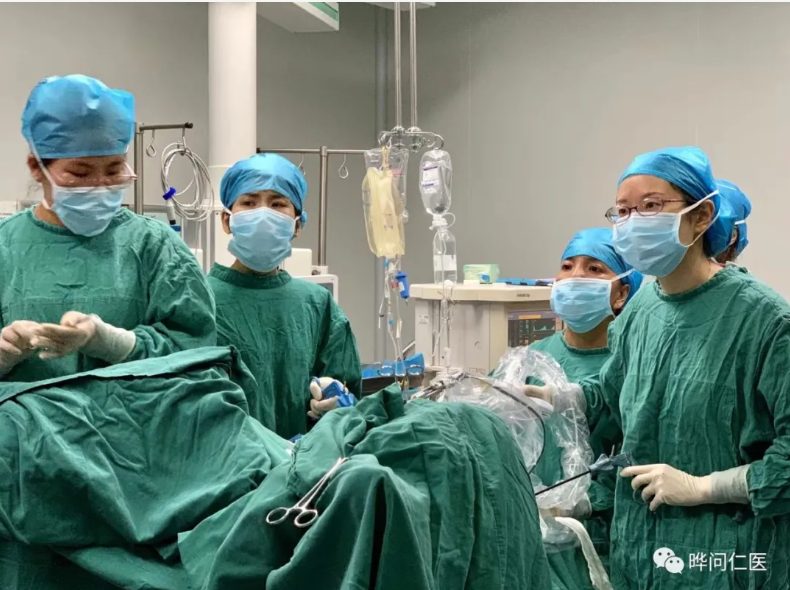
Li Ying: As a young woman, I believe attention must be paid to diet, and daily routines should be kept regular. Beyond that, work-related stress is driving anorectal conditions like hemorrhoids to become more common among younger people. In the past, many assumed that only elderly women developed hemorrhoids, but now the condition is increasingly seen in younger individuals. This afternoon during surgery, I treated a patient just 25 years old who had very large hemorrhoids. I joked, “Hemorrhoids don’t discriminate by age.” So today, people of all ages can develop anorectal diseases such as hemorrhoids, and the key lies in prevention. If constipation occurs, laxatives should not be abused, as this can lead to drug dependence and disrupt the normal physiological functions of the intestines. Among constipation patients, some become highly anxious due to difficulty passing stool, and in severe cases, they may develop psychological disorders requiring psychiatric medication. Beyond medication, communication and guidance are essential—we need to talk with them more. I once encountered an elderly woman in the outpatient clinic. I spoke with her at length, but she remained convinced something was wrong. She underwent a series of tests, which showed nothing significant, yet she stayed very anxious and had even sought treatment at a mental health center. After repeated reassurance, communication, and interaction, she began to feel somewhat better. I also advised her to go out and enjoy herself with friends and do things she loves. This approach can also help patients with constipation and anal heaviness or pain.
ShanghaiDoctor.cn:vI heard you have a lovely daughter. In your daughter’s eyes, what kind of person is her mother?
Li Ying: My daughter always says that Mom is always on duty, always has to go to work, and is always looking at butts. Because I often review surgeries, sometimes when I watch surgical videos, she comes over to watch too. I’m sometimes quite surprised—when she sees images, she even asks, “Is this a polyp?” I said, how do you know? She said she had seen it before when I was watching. So she’s picked up some knowledge of diseases. Children’s memory is truly remarkable.
ShanghaiDoctor.cn:So for a proctologist, surgery is just one part of the job. Communication with patients is also very important, and there are many nuances in medication management. This must be quite demanding, right?
Li Ying: Yes, I think you’ve summed it up perfectly. So if I’m at the hospital and in the ward, and I have free time in the afternoon, I always do rounds. Because morning rounds can be rushed, or some patients may not have had enough time to communicate. By the time I do afternoon rounds, patients might have new feedback for me. Generally, there’s more time in the afternoon, so I can answer their questions in detail. This leads to higher satisfaction with our hospital and is also better for their recovery.
Editor: ChenQing@ShanghaiDoctor.cn
If you need any help from Dr. Li Ying, please contact us at ChenQing@ShanghaiDOctor.cn.
Dr. Chen Gong | Children's Bile Ducts, and a Future He Chose Himself
Dr. Luo Zhiguo | An Oncologist Still Hoping for One More Reunion
Dr. Shi Hongcheng | Growing Nuclear Medicine from One Old Scanner
Dr. Huang Anhua | Still Glad to Stand Under the Gallbladder Lamp
Dr. Ding Ding | Kindness in the Room Where Endometriosis Is Cut Away
Dr. Wang Xuefei | Gastrointestinal Surgeon Advancing Care for Early-Onset Gastric Cancer
Dr. Gu Jun | A Dermatologist Whose Medical Values Were Forged Over Decades
Dr. Chen Gong | Children's Bile Ducts, and a Future He Chose Himself
Dr. Luo Zhiguo | An Oncologist Still Hoping for One More Reunion
Dr. Shi Hongcheng | Growing Nuclear Medicine from One Old Scanner
Dr. Li Wei | Loneliness in the Lab, Hope for Itchy Skin
Dr. Huang Anhua | Still Glad to Stand Under the Gallbladder Lamp
Dr. Ding Ding | Kindness in the Room Where Endometriosis Is Cut Away
Dr. Wang Xuefei | Gastrointestinal Surgeon Advancing Care for Early-Onset Gastric Cancer
Dr. Yi Xiaofang | Director of General Gynecology — Expertise in Endometriosis and Minimally Invasive Surgery
Dr. Gu Jun | A Dermatologist Whose Medical Values Were Forged Over Decades
Dr. Shao Jingbo | Pediatric Hematologist Specializing in Leukemia, Rare Diseases, and Stem Cell Transplantation
Copyright © 2023 Yewen Renyi & ShanghaiDoctor.cn (This website is a non - profit medical humanities platform. The information contained herein is solely for biographical and historical purposes and does not constitute any medical advice.) 沪ICP备2023005392号-2 XML地图 网站模板 沪公网安备31010902100835号

 中文
中文 English
 沪公网安备31010902100835号