更新时间:2026-06-02点击:3547
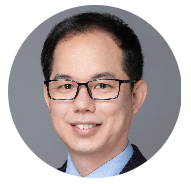
Expertise / Specialty: Interventional diagnosis and treatment of complex and critical coronary artery disease.
Affiliated Hospital: Zhongshan Hospital, Fudan University, and a Master’s Supervisor
Languages Spoken: Chinese, English
International Appointments: Chenqing@ShanghaiDoctor.cn
Introduction
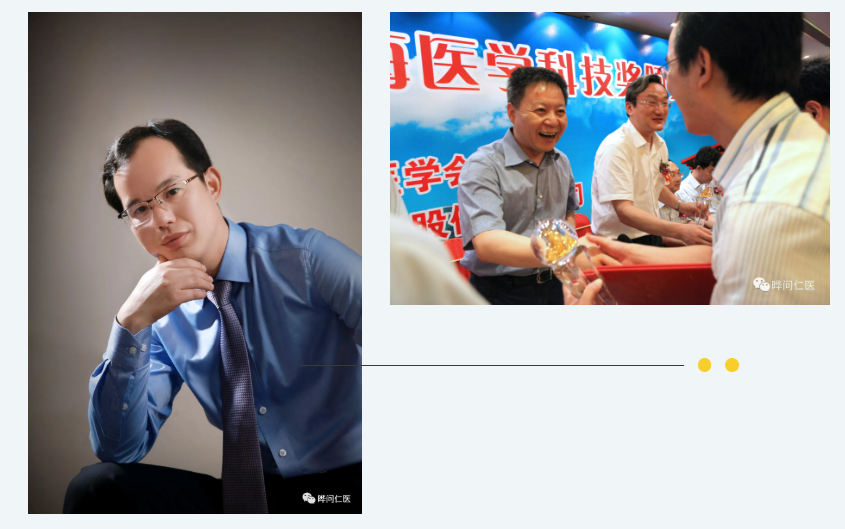
Huang Zheyong is Chief Physician and Associate Professor in the Department of Cardiology at Zhongshan Hospital, Fudan University, and a Master’s Supervisor.
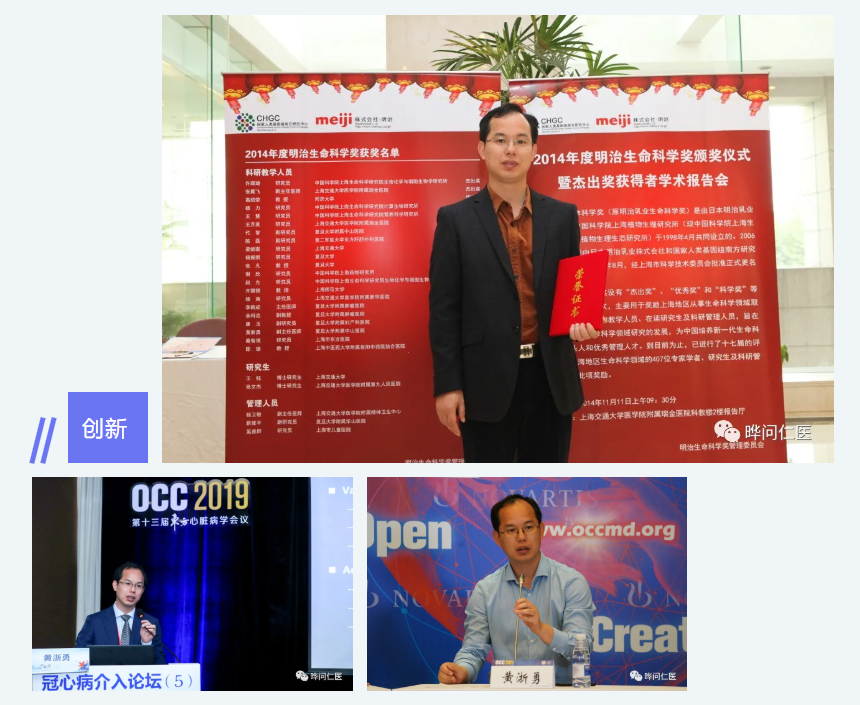
He won the national championship in the “Cardiovascular Physician Advancement Plan” competition organized by the Chinese Medical Doctor Association. As a principal contributor, he has received the Science and Technology Progress Award from the Ministry of Education, the Promotion Award for Science and Technology Progress in Higher Education Institutions, the Shanghai Science and Technology Progress Award, the Shanghai Medical Science and Technology Award, the Science and Technology Award from the Chinese Association for Laboratory Animal Sciences, as well as the “Science Award” of the Meiji Life Science Award, the First Prize for Outstanding Papers at the National Cardiovascular Annual Conference, the Nomination Award for the Oriental Rising Star Award, the Outstanding Backbone Talent of Zhongshan Hospital, Fudan University, and the Second CSC “Cardiovascular Elite” Award.
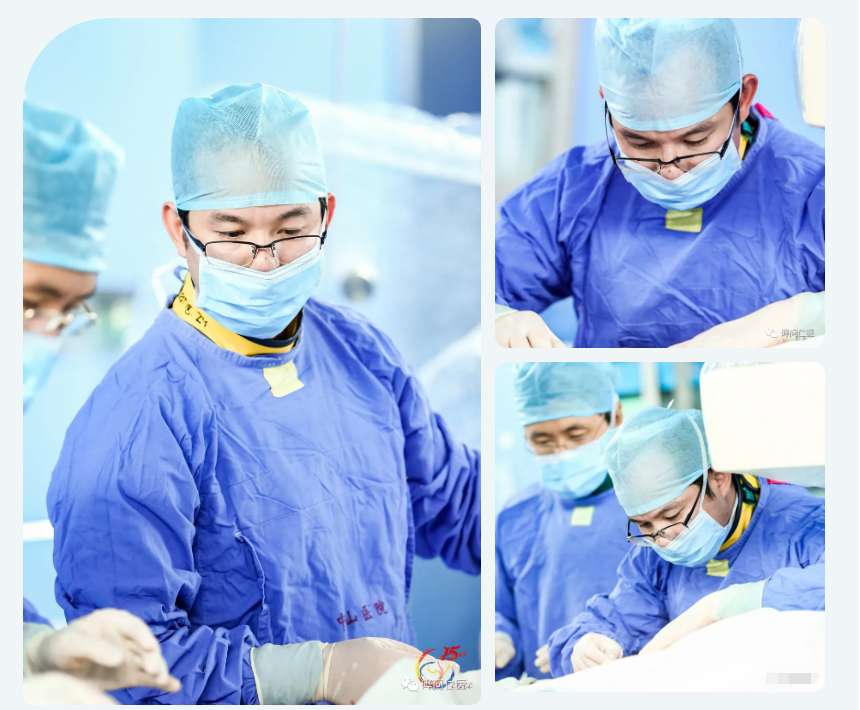
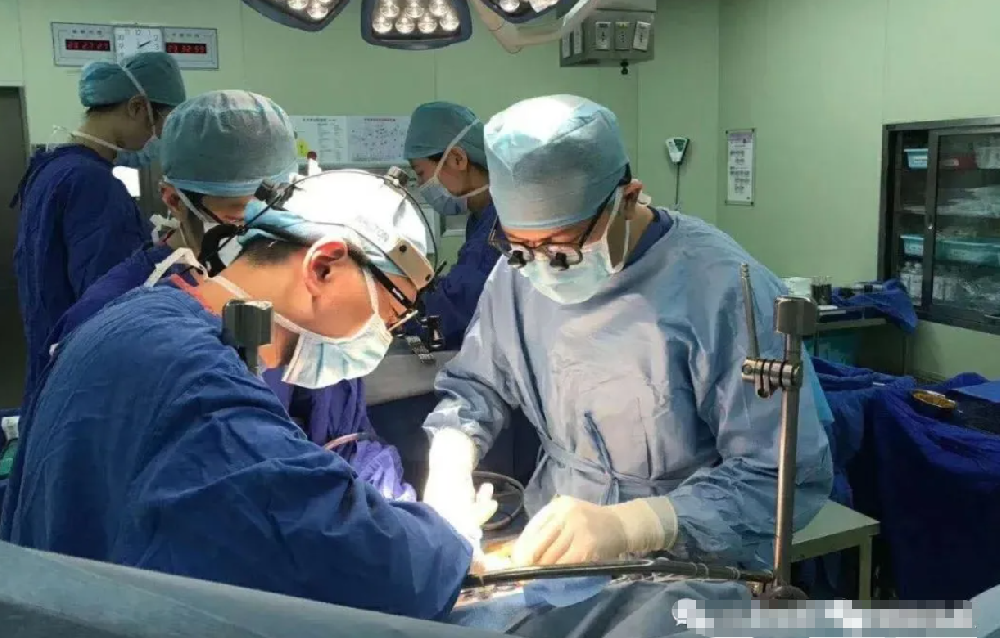
He specializes in the interventional diagnosis and treatment of complex and critical coronary artery disease. He is proficient in high-difficulty procedures such as calcified lesion rotational atherectomy, left main coronary artery disease, complex bifurcation lesions, and chronic total occlusions. In particular, he has conducted in-depth research on coronary bifurcation lesions, proposing two modified surgical techniques and establishing the “Zhongshan Protocol” for their management.
First-Person Perspective
“Looking back on the moments when we aided Hubei, scenes replay in my mind: calm and composed, busy but not chaotic; following every step closely, fully focused… Letting my stomach rumble, letting sweat soak my protective suit, letting my swollen feet ache after surgery—we were immersed in the joy of winning one battle after another in this war without smoke.” Huang Zheyong says this experience was invaluable, giving him a deeper understanding of life and death. All that has passed remains vivid; the people and events that are gone are still clear before his eyes. Seeing the world through these experiences, life becomes enriched by what we have gone through; existence gains depth from what we have endured.
Indeed, no matter how many days and nights have passed, what remains unchanged are the pale white walls of the operating room, the ventilator standing by the bedside, and the beeping sounds of the monitor—the dance of life.
Of course, we must also embrace change. The times are evolving rapidly, and medicine is advancing with them, constantly transforming.
“I have always believed that as we develop and keep pace with new technologies, we must also popularize them—spreading the concepts behind these innovations and bringing appropriate diagnosis and treatment to more critically ill and complex patients, as well as to those in grassroots medical settings.” Huang Zheyong believes that inheritance and innovation are the eternal themes every medical professional should pursue, and this is also the proud tradition of the Department of Cardiology at Zhongshan Hospital. Thanks to the tireless efforts of generations of Zhongshan people, the department’s level of diagnosis and treatment has consistently remained at the forefront in China.
Clinical work and scientific research are intertwined; innovation and practice go hand in hand. The path of medicine is fraught with peril, reflection, and glory.
1. Exploring the Unknown Is a Responsibility
Faced with a life-and-death battle, how would you choose?
Huang Zheyong’s answer is to forge ahead without hesitation.
In December 2019, the COVID-19 pandemic broke out. As a pillar of the Department of Cardiology at Zhongshan Hospital, affiliated with Fudan University, Huang Zheyong immediately volunteered for the medical team heading to Hubei. During the 55 days of fighting the epidemic in Wuhan, “every day is vivid in my mind, and everything is deeply memorable.”
He went there with a sense of mission.
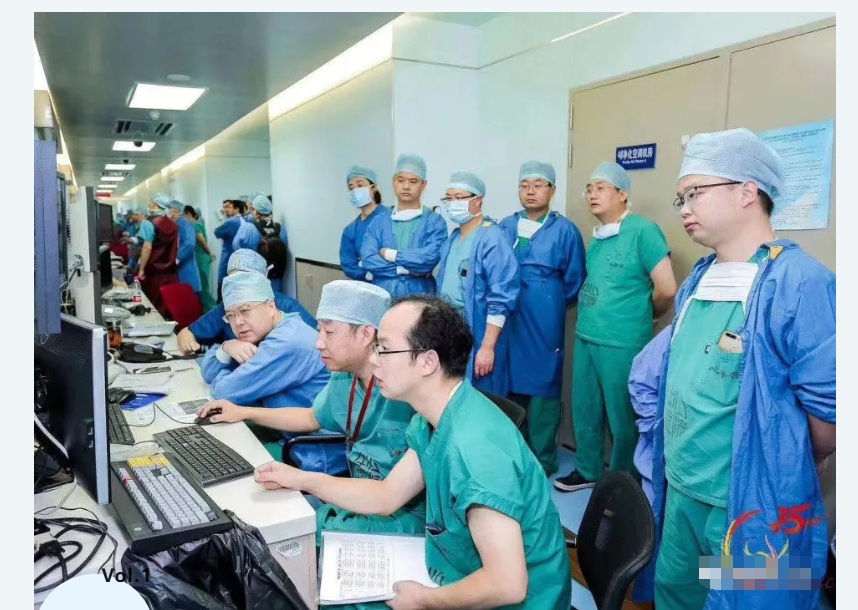
Many critically ill COVID-19 patients shared a common characteristic: difficulty breathing—a symptom strikingly similar to that caused by heart failure. Was it fulminant myocarditis? How could it be diagnosed and differentiated? Could oral ACEI antihypertensive drugs be used for treatment? Everything was unknown. Carrying seven carefully designed research topics and the earnest entrustment of his mentor, Academician Ge, Huang Zheyong, along with Cao Jiatian from the Department of Cardiology, boarded the plane to Wuhan with the purpose of exploration. At that moment, his feelings were a mix of tension, excitement, and curiosity—but above all, an eagerness to act and a firm resolve to solve the problems.
Yet the reality was more severe than imagined.
On the evening of February 7, Huang Zheyong arrived in Wuhan with the medical aid team from Zhongshan Hospital, affiliated with Fudan University. “As soon as the plane landed, our team leader, Vice President Zhu Chouweng, told us to put on N95 masks. Once on the bus, we sat stiffly, not daring to touch the window glass or the armrests. Fish Leong has a song called ‘The Pain of Breathing’—and that’s exactly how it felt,” he recalled.
“Breathing was pain.” Countless virus particles seemed to permeate the air, and a silent panic made everyone hold their breath. The entire city of Wuhan was pitch black, deathly still, with empty streets and no pedestrians. Only the tallest building had a large screen lit up with a line of text: “Stay strong, Wuhan! China will win!” Sitting on the bus, Huang Zheyong could only hear the deep and shallow breaths of his companions. Throughout the journey, everyone remained silent—no one moved, no one spoke.
He felt as if the entire city of Wuhan was dying, with only that faint light on the tall building, like a heart beating weakly. That was the last hope.
The work in the hospital became even more gruelling. In cardiology, diagnosis traditionally relies on inspection, palpation, percussion, and auscultation, but on the wards, the heavy protective gear made palpation and auscultation especially challenging. Huang Zheyong recalled that during one night shift, the wooden door between the ward and the duty room was suddenly blown open by a biting cold wind, letting in air laden with the virus—"a truly chilling moment." Even while sleeping, he dared not remove his mask. Sometimes, waking in the middle of the night, he would find that his mask had somehow slipped off without his noticing. "Just imagine what state of mind that was."
Panic and fear—every day felt like walking on thin ice. Yet the smoke of battle still hung in the air, and death could strike at any moment.
After three to five days of adjustment, Huang Zheyong quickly adapted and threw himself into high-intensity work. Cardiologists played a crucial role on the front lines of the pandemic. Thanks to the bedside ultrasound equipment brought from Shanghai, patients' cardiac conditions could be rapidly assessed without the need for auscultation. When his shift ended, Huang Zheyong did not return to the hotel to rest but stayed in the ward for an extra three hours, urgently and intensively organising and studying case data. In just over 50 days, he and his team completed three research projects and wrote them up, tackling a series of contentious and challenging issues in the academic community one by one.
Recalling his experience in Wuhan once again, Huang Zheyong was still deeply moved. In those virus-laden wards, he experienced the purest and most profound bond between doctors and patients.
"On the front lines of the pandemic, our efforts were tied to the nation's fate, and our rush to the scene carried a sense of historical responsibility. At such a special moment, medicine determines the length of life, the survival of a city, and even the destiny of the country."
2. Inheritance and Innovation
In fact, Huang Zheyong had long been fully prepared to go to the front line.
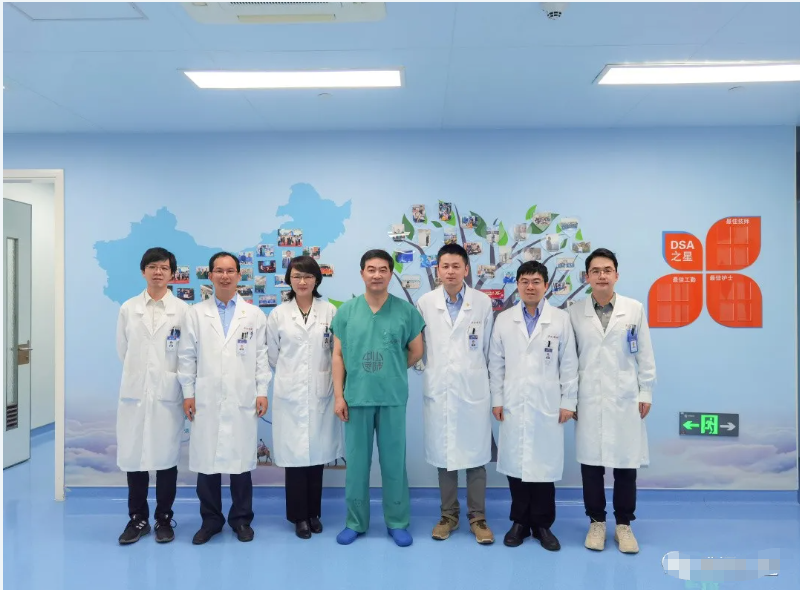
Having completed his undergraduate studies at Zhejiang University, his master's at Nanjing University, and his doctorate at Fudan University, Huang Zheyong had studied at all three of these prestigious universities in the Yangtze River Delta. After joining Zhongshan Hospital, affiliated with Fudan University, he studied under Academician Ge Junbo, a renowned authority on cardiovascular diseases in China, and continued to delve deeply into the field of cardiology.
Having studied under Academician Ge for many years, Huang Zheyong was deeply impressed by his mentor's sense of responsibility.
"With an extremely high sense of responsibility, my mentor demands the best therapeutic outcomes for patients, strives to lead his team to make the discipline the best in the country, internalises the improvement of China's cardiovascular technology as his own responsibility and mission, and drives his own progress, the team's development, and even the advancement of the entire field of cardiovascular medicine in China with immense internal motivation. Responsibility and innovation—these four words are fully embodied in my mentor."
Huang Zheyong's area of expertise is coronary intervention in cardiology.
Coronary heart disease, or atherosclerotic coronary artery disease, is a very common disease in China with a high mortality rate. Its pathological process involves three core stages: plaque, thrombosis, and ischaemia. "Over the past fifty years, the innovations in treating these three stages of coronary heart disease are unmatched by any other medical field. Treatments targeting plaque, such as statins and PCSK9 inhibitors; antiplatelet therapies targeting thrombosis, such as aspirin, clopidogrel, and ticagrelor; and interventional treatments targeting mechanical blockages have all achieved groundbreaking and breakthrough progress, saving the lives of countless patients."
From balloon dilation to stent expansion, from drug-eluting coatings to the emergence of biodegradable materials, the evolution of coronary interventional therapy is advancing at a remarkable pace. When asked about the core driving force behind progress in this field, Huang Zheyong believes the answer lies in "inheritance and innovation."
In the realm of targeted therapy for coronary heart disease, he was the first to propose the concept of magnetic field spatial focusing, breaking through the limitations of traditional magnetic guidance and making non-invasive magnetic targeted therapy for deep organs a viable possibility. "When I was a child, we often played with convex lenses to focus sunlight. When the sun shone, the light would converge into a single point under the lens. I wondered: could a magnetic field achieve spatial focusing like light? After months of discussions with physics professors, we proposed several solutions. Ultimately, we designed a hollow magnetic pole to achieve two-dimensional planar focusing of drug targeting. Through a series of in vitro experiments, we first proposed the concept of magnetic field spatial focusing, which received widespread acclaim from international experts."
In the interventional treatment of coronary bifurcation lesions, Huang Zheyong also introduced refreshingly innovative ideas to address the challenges of stent placement. He proposed two modified surgical techniques: for single stents, protecting side branches from occlusion; for double stents, finding ways to reduce overlapping areas and restenosis. These advances have propelled the treatment process for coronary bifurcation lesions forward by a significant margin.
"Interdisciplinary collaboration is a major trend in medical development. Often, scientific research cannot be planned; we can only continuously identify problems and then keep exploring—including through multidisciplinary collaborative innovation—to find ways to solve them. Stay true to your original intention, maintain your curiosity, persist in doing the work, and the results will naturally follow."
3. More Enduring Than Life
The sharpness of a sword is not forged in a single day.
Huang Zheyong recalls that when he first learned interventional procedures more than a decade ago, he was also inexperienced and anxious. After every surgery, he would repeatedly review each step of the operation, and before going to bed, he would "self-torturingly" question himself: Did I do my best for those patients today? Is there a better solution? He would be restless until dawn, dreading a call from the ward about complications.
"No one is born calm in a crisis; all composure comes from accumulated experience. Only when you are fully prepared internally can you handle situations with ease."
In cardiology, life and death often hang in the balance in an instant.
A few years ago, during an emergency, Huang Zheyong treated a patient with a massive myocardial infarction. The patient had already undergone emergency surgery at a tertiary hospital for an hour and a half but failed to have the blood vessels reopened. By the time he arrived at Zhongshan Hospital, he had gone into shock and severe congestive heart failure. Two of the three coronary arteries were completely blocked. As soon as the patient was placed on the operating table, he suddenly went into cardiac arrest.
That day happened to coincide with an interview by Dragon TV. Huang Zheyong and his assistants performed chest compressions while racing against time to save the patient. Within just 20 minutes, they successfully reopened both blocked arteries, and the patient was out of danger.
There have also been patients suffering from a "mysterious illness" who sought medical advice in multiple locations: when chest pain struck, they would break out in a cold sweat or even faint, yet electrocardiograms and multiple coronary angiograms taken during symptom-free periods consistently showed no abnormalities. Huang Zheyong took a detailed medical history and discovered that the patient's episodes occurred with striking regularity—every day around five or six in the morning. "This symptom is actually a manifestation of coronary artery spasm. During an attack, the blood vessels contract violently, triggering a myocardial infarction that can be life-threatening. When the spasm subsides during coronary angiography, nothing abnormal can be detected at all. Once I made the diagnosis, I immediately adjusted the patient's medication regimen. The angina that had plagued them for years finally eased, and the prognosis has been very good."
"Life above all" is the principle Huang Zheyong has always upheld. In his view, the core quality of a doctor is reverence for life.
This philosophy also aligns with his attitude toward life. In his spare time, Huang Zheyong enjoys traveling. Passing through the vegetation, trees, and stones of different regions, he often experiences a curious sense of time and space interweaving—as if there are enduring, ever-fresh things that transcend time and penetrate the years.
"Life is as fleeting as a mayfly. Where, then, does the value of life lie? Perhaps life itself has no inherent meaning; it is a blank sheet of paper. After living this life, can we leave behind something more lasting and profound for this world? From ancient times to the present, countless people have pressed forward, tirelessly seeking—perhaps, in the end, those things that are more enduring than life itself."

ShanghaiDoctor.cn:: During the anti-epidemic period, you not only took on an overload of clinical work but also conducted a great deal of scientific research. This process must have involved various difficulties. How did you overcome them?
Huang Zheyong: Exploring the unknown is fascinating. So it's not really a matter of difficulties, and therefore there is no problem of overcoming them. We normally finish work at five o'clock, but we usually don't leave; instead, we stay an extra three hours to organize case data and look for patterns. At that time, we studied a series of hotly debated issues in the academic community: Does COVID-19 cause myocarditis? Can COVID-19 patients take ACEI antihypertensive drugs orally? And so on. In total, we designed seven related research topics. We went with the purpose of exploration, and we were very curious and persistent about finding answers. After arriving in Wuhan and adapting for three to five days, we quickly adjusted, completed three research topics, and wrote articles. In just over 50 days, it was busy and fulfilling; we didn't feel tired, though we had less rest time.
ShanghaiDoctor.cn:: For the diagnosis of infectious diseases, avoiding misdiagnosis and missed diagnosis is particularly important. The symptoms of COVID-19 are similar to those of heart failure, but the treatments for the two are completely different. As a cardiovascular physician, how did you accurately diagnose the condition?
Huang Zheyong:
In cardiology, inspection, palpation, percussion, and auscultation are fundamental to diagnosis. But in Wuhan, we were all wearing thick protective suits, making auscultation completely impossible, and palpation and percussion were also difficult to perform. As a result, disease diagnosis and differential diagnosis became extremely challenging. Under these circumstances, the bedside ultrasound machines we brought with us proved invaluable. Most doctors in the Cardiology Department of Zhongshan Hospital are trained to perform and interpret bedside ultrasound; with a single look, they can determine whether a patient has pericardial effusion and assess the heart’s contractility, providing reliable evidence for differential diagnosis. Normally, specialized ultrasound technicians handle this work, and your echocardiography skills may not stand out. But when faced with such a test, the foundation of related disciplines truly comes into play.
ShanghaiDoctor.cn:
You studied under the renowned cardiovascular disease expert, Academician Ge Junbo. On your path of growth, what did you learn from him, and what have you inherited and carried forward?
Huang Zheyong
Academician Ge Junbo is a leading authority in the cardiovascular field in China and was my doctoral supervisor. My master’s supervisor was Professor Jiang Shisen from Nanjing University. Professor Jiang guided me in building a solid foundation in cardiology. After completing my doctorate, I had the privilege of working under Academician Ge for nearly 20 years. His strong sense of social responsibility and mission has deeply influenced me. He internalizes many things as his own duty: treating patients to achieve the best outcomes, leading a team to reach its highest potential. Our teacher often says to us: “Every diagnosis you make, every surgery you perform, represents the level of Zhongshan Cardiology.” Similarly, in the cardiovascular field, he internalizes the improvement of China’s cardiovascular technology as his own responsibility and mission, driving his own progress, the development of the team, and the advancement of the entire Chinese cardiovascular community with an extremely high internal drive. Responsibility and innovation—I believe these four words are fully embodied in our teacher. As his students, we have gradually strengthened our sense of responsibility and innovation under his influence, continuing his excellent qualities.
ShanghaiDoctor.cn:
You are currently also undertaking many teaching tasks. Do you think the training approaches for graduate students, resident physicians, and visiting physicians should differ, and if so, how?
Huang Zheyong
There are similarities and differences. The training of resident physicians is the training of doctors, emphasizing the “three basics”: basic theory, basic knowledge, and basic skills. For example, when faced with a myocardial infarction patient, a resident physician needs to know the risk factors for heart attack, how to diagnose and treat it, and how to perform cardiopulmonary resuscitation. Visiting physicians have different subspecialty directions and generally have completed the three-basics training of residency, requiring a deeper level of learning—such as how to quickly insert a cardiac catheter or how to better place a stent. Graduate students aim to master methods for exploring the unknown; the core issue is not mastering a specific experimental or clinical skill, but learning to identify and solve problems. The three have different emphases, but they also share common ground: inheritance and innovation.
ShanghaiDoctor.cn:
Coronary heart disease is a disease with relatively high morbidity and mortality in modern society, and its treatment is a long and arduous task. The treatment of complex and critical coronary heart disease is even more challenging. You specialize in interventional diagnosis and treatment of complex and critical coronary heart disease. Could you please talk about the current treatment status of this disease in China and the bottlenecks in the development of diagnostic and therapeutic technologies?
Huang Zheyong
Coronary heart disease is defined by three core components: plaque, thrombosis, and ischemia. Over the past fifty years, therapeutic innovations targeting these components have been unmatched by any other field—statins and PCSK9 inhibitors for plaque, antiplatelet therapies such as aspirin, clopidogrel, and ticagrelor for thrombosis, and interventional treatments for mechanical blockages. All have achieved groundbreaking progress, saving countless lives. Yet a paradox persists: the incidence and mortality rates of coronary heart disease in China have not declined. Despite breakthroughs in nearly every aspect of treatment, the inflection point in the data has not appeared. The fundamental issue is that patients continue to emerge in rapid succession, with rising incidence rates and an increasingly younger demographic affected—trends closely tied to lifestyle habits and disease prevention. Therefore, moving the treatment threshold for coronary heart disease earlier is of great significance. Of course, many gaps remain in the field of cardiovascular treatment that require continued exploration and ongoing improvement.
ShanghaiDoctor.cn:
Interventional diagnosis and treatment for coronary heart disease has developed for over 40 years, during which considerable progress and breakthroughs have been made. Yet new technologies also bring new problems. Could you please discuss how interventional techniques can serve the treatment of difficult and critical illnesses, and what are their advantages and limitations?
Huang Zheyong
How do you solve a vascular blockage? Just clear it out, right? This question seems simple, but in practice it is quite difficult. After decades of exploration, medical scientists invented the method of placing a deflated balloon into the blood vessel and then expanding it to open the blockage. However, once the balloon is removed, the vessel becomes blocked again—leading to the invention of the stent. But a stent is a foreign object, and the body reacts by clearing and encapsulating it. Once an organized, hardened mass forms inside the vessel, the vessel narrows again. Later, we coated stents with drugs, which effectively prevented short-term re-blockage but still could not solve the long-term problem. Subsequently, biodegradable stents were invented, but the degradation rates of different parts of these stents are not synchronized, making them prone to collapse and subsequent myocardial infarction. Therefore, stent materials are still being continuously updated and improved. One point must be emphasized: interventional treatment is downstream therapy for coronary heart disease, while risk factor control and drug intervention are upstream therapies—and these should receive greater attention.
ShanghaiDoctor.cn:
You have proposed two modified surgical techniques that have advanced the treatment of coronary bifurcation lesions by a significant step. Could you please talk about how this innovation was conceived, shaped, and put into practice?
Huang Zheyong
The difficulty in coronary bifurcation lesions lies in stent placement. One stent or two stents? How to achieve perfect apposition of the stent to the complex vascular structure at the bifurcation? How to ensure that plaque shift does not block the side branch ostium? These are all highly controversial issues. We proposed two modified surgical techniques: first, the prolonged side branch balloon protection technique, for single stents, to protect the side branch from being blocked; second, the Szabo two-stent technique, for two stents, where the more overlap between the two stents, the worse the treatment outcome—so we found a way to minimize the overlap between the two stents.
You have also achieved remarkable results in scientific research, particularly in integrating clinical needs with interdisciplinary cutting-edge fields. You were the first to propose the concept of magnetic field spatial focusing, breaking through the limitations of traditional magnetic guidance and making non-invasive magnetic targeted therapy for deep organs possible—a breakthrough that has earned widespread recognition from international experts. Could you explain what challenges this design overcomes and what its development prospects are?
Huang Zheyong
When we were children, we often used convex lenses to focus sunlight, and the light would converge into a single point beneath the lens. In targeted therapy, magnetic targeted therapy was proposed early on, but when applied to the cardiac field, it required opening the chest and placing a magnetic pole tightly against the heart's surface to achieve precise targeting of magnetic drugs—a completely impractical approach. I wondered whether a magnetic field could achieve spatial focusing like light. With this idea, I repeatedly discussed it with physics professors, proposed many solutions, and ultimately constructed a hollow magnetic pole that enabled drug targeting to achieve two-dimensional planar focusing. Through a series of in vitro experiments, we confirmed our concept of magnetic field spatial focusing, broke through the limitations of traditional magnetic guidance, made non-invasive magnetic targeted therapy for deep organs possible, and received widespread praise from international experts. Now, we are also exploring the possibility of three-dimensional focusing, and biological targeting is a direction we hope to pursue.
ShanghaiDoctor.cn:
You have many research directions, all of which are highly valuable. In the future, where will you focus your efforts, and what goals do you hope to achieve?
Huang Zheyong
Much of the time, scientific research cannot be planned; it must be problem-oriented. We can only identify problems and then continuously explore. Maintain your original intention, stay curious, and persist in your efforts, without expecting inevitable results. Interdisciplinary integration is a major trend in medical development. The CCI Cardiovascular Doctor Innovation Club, founded by Academician Ge, has the slogan "From the doctor, by the doctor, for the doctor," or it could also be said as "From the doctor, by the engineer, for the patient"—this is a process of cross-disciplinary integration.
ShanghaiDoctor.cn:
When facing critical situations, you always appear calm and composed. How do you achieve this?
Huang Zheyong
The key lies in mental preparation. There is no innate calm in the face of danger; all composure comes from accumulated experience. More than ten years ago, when I first started learning interventional procedures, after every surgery, I would repeatedly review and reflect on it. With so many patients seen during the day, before falling asleep at night, I would think: Could there be a better treatment plan for those patients today? After years of high-intensity training and deep reflection, theory truly transforms into experience, and experience transforms into composure.
ShanghaiDoctor.cn:
As a doctor, do you have regrets or anxieties?
Anxiety is a constant companion for doctors. The diagnosis and treatment of disease are inherently uncertain. Faced with the unknown, anxiety is a natural human response. A diagnosis may be made with confidence, yet there remains a one percent chance of error. After performing fifteen surgeries in a single day, I still feel restless and uneasy—did I truly give my absolute best in every operation? Will complications arise before the next dawn? As doctors, we strive to do everything in our power, but we also hope that patients and their families can understand this: the unknown is elusive, and all we can rely on is our experience and sense of responsibility.
ShanghaiDoctor.cn:
If you had the chance to choose again, would you still pursue a career in medicine?
Huang Zheyong
I think being a doctor is quite rewarding. First, everything a doctor faces is unknown, which is challenging. Every patient is new, constantly pushing the boundaries of your knowledge. Second, from ancient times to the present, people have tirelessly sought longevity. The medical profession aligns with this innate human need, which is why it holds such strong appeal for so many. Third, the experience of fighting the epidemic in Wuhan taught us that, at certain critical moments, medicine is not just a profession—it can sometimes determine the fate of a city or even the destiny of a nation. Therefore, it is a discipline with a profound sense of historical responsibility.
ShanghaiDoctor.cn:
What hobbies do you have outside of work?
Huang Zheyong
I enjoy playing badminton and especially love traveling. Even when passing by a rock during a journey, I can’t help but wonder: over the course of five thousand years of history, how many people have stopped to rest on this very rock? What different thoughts and feelings did they have? The interweaving of time and space brings a peculiar sensation. Life is as fleeting as a mayfly—where, then, lies the value of life? Perhaps life itself has no meaning; it is a blank sheet of paper. After living this life, can we leave behind something more enduring and profound? From ancient times to the present, countless people have tirelessly sought perhaps those things that outlast life itself.
Editor: Chen Qing
If you need any help from Dr. Huang, please be free to contact us at Chenqing@ShanghaiDoctor.cn.
Dr. Chen Gong | Children's Bile Ducts, and a Future He Chose Himself
Dr. Luo Zhiguo | An Oncologist Still Hoping for One More Reunion
Dr. Shi Hongcheng | Growing Nuclear Medicine from One Old Scanner
Dr. Huang Anhua | Still Glad to Stand Under the Gallbladder Lamp
Dr. Ding Ding | Kindness in the Room Where Endometriosis Is Cut Away
Dr. Wang Xuefei | Gastrointestinal Surgeon Advancing Care for Early-Onset Gastric Cancer
Dr. Gu Jun | A Dermatologist Whose Medical Values Were Forged Over Decades
Dr. Chen Gong | Children's Bile Ducts, and a Future He Chose Himself
Dr. Luo Zhiguo | An Oncologist Still Hoping for One More Reunion
Dr. Shi Hongcheng | Growing Nuclear Medicine from One Old Scanner
Dr. Li Wei | Loneliness in the Lab, Hope for Itchy Skin
Dr. Huang Anhua | Still Glad to Stand Under the Gallbladder Lamp
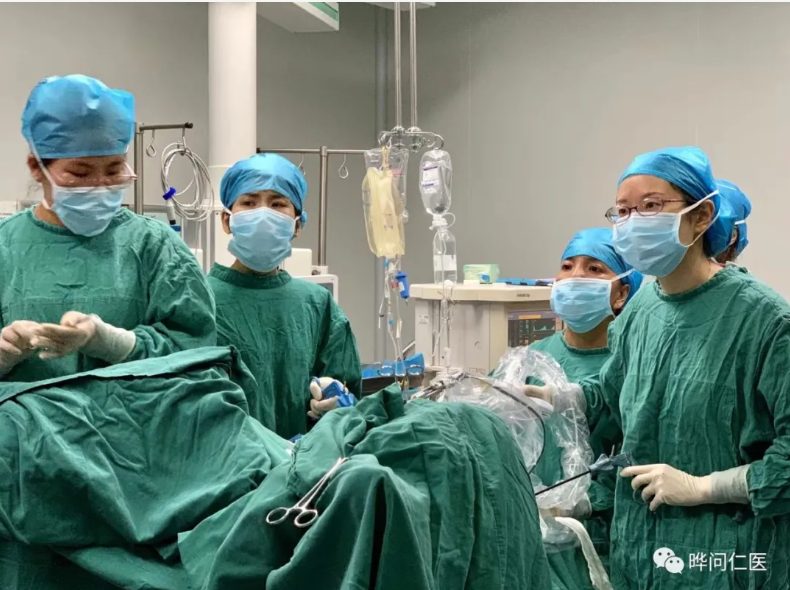
Dr. Ding Ding | Kindness in the Room Where Endometriosis Is Cut Away
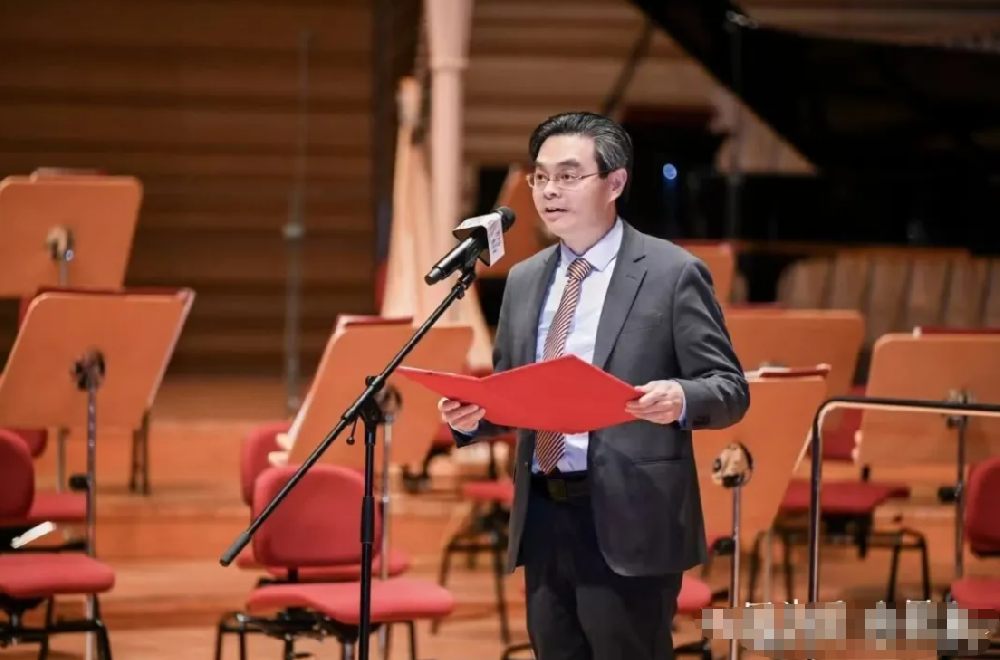
Dr. Wang Xuefei | Gastrointestinal Surgeon Advancing Care for Early-Onset Gastric Cancer
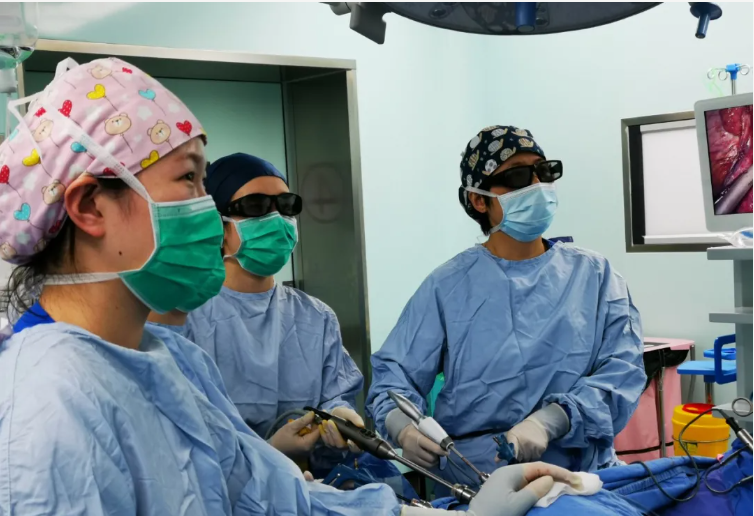
Dr. Yi Xiaofang | Director of General Gynecology — Expertise in Endometriosis and Minimally Invasive Surgery
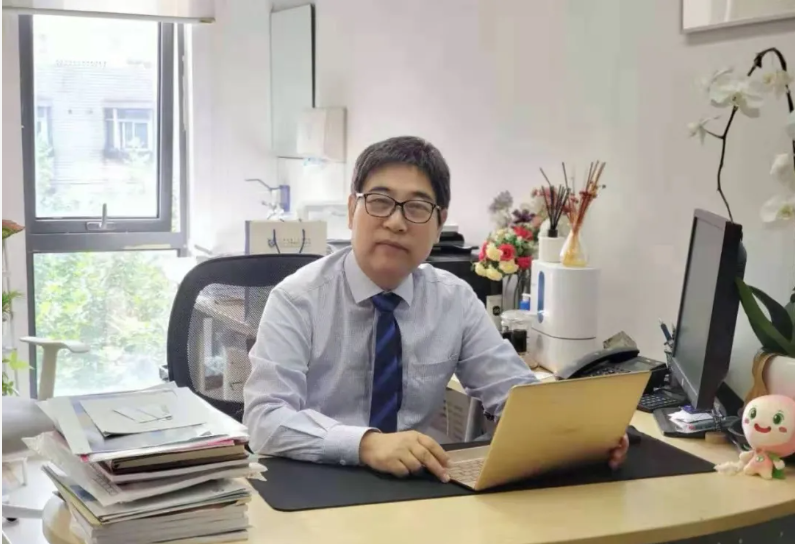
Dr. Gu Jun | A Dermatologist Whose Medical Values Were Forged Over Decades
Dr. Shao Jingbo | Pediatric Hematologist Specializing in Leukemia, Rare Diseases, and Stem Cell Transplantation
Copyright © 2023 Yewen Renyi & ShanghaiDoctor.cn (This website is a non - profit medical humanities platform. The information contained herein is solely for biographical and historical purposes and does not constitute any medical advice.) 沪ICP备2023005392号-2 XML地图 网站模板 沪公网安备31010902100835号

 中文
中文 English
 沪公网安备31010902100835号