ShanghaiDoctor - Where China's Healing Wisdom Shapes Modern Medicine

Update time:2026-07-04Visits:4126
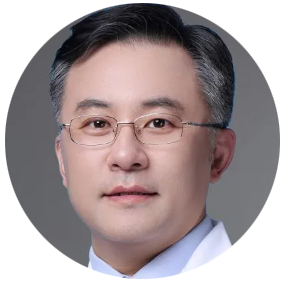
Profile
Gu Leyi, Chief Physician and Director of the Department of Nephrology at Renji Hospital, School of Medicine, Shanghai Jiao Tong University. He holds a Doctor of Medicine degree.
【Professional Field】
For more than three decades, Dr. Gu Leyi has dedicated himself to the clinical prevention and treatment of chronic kidney disease, with a particular focus on the repair mechanisms of glomerular filtration barrier injury.
He brings deep expertise to the diagnosis and management of acute and chronic glomerular diseases and renal insufficiency. He also has extensive experience in tumor-related kidney injury and in preventing and treating complications of end-stage renal disease (ESRD).
【Academics and Honors】
He has received the First Prize of the 2006 Shanghai Science and Technology Progress Award, the First Prize of the Ministry of Education Science and Technology Award, and the First Prize of the 2013 Shanghai Medical Association Young Scholar Award.
【Clinical and Research Contributions】
The Department of Nephrology at Renji Hospital, Shanghai Jiao Tong University School of Medicine, is a National Key Clinical Specialty. It is renowned both in China and internationally for excellence in renal replacement therapy — particularly hemodialysis and peritoneal dialysis — for patients with end-stage renal disease.
Dr. Gu has led and participated in multiple national research projects and has authored or co-authored more than 200 academic papers.

First Perspective
The starting point of a medical career is rarely a grand, resounding oath. More often, it begins with a pure heart filled with reverence and curiosity for life. Medicine is a science, yes — but even more profoundly, it is an art of humanity.
In the century-old halls of Shanghai Renji Hospital, Dr. Gu Leyi has spent three decades composing a quiet yet powerful symphony of life, perseverance, and innovation.
From a wide-eyed medical student stepping into the unknown to a leader steering the nephrology department onto the international stage; from a tireless “gatekeeper of life” keeping vigil at the bedsides of critically ill patients to a researcher who challenges conventions to expand the boundaries of treatment — he has lived a physician’s dream through multidimensional growth. In the process, he has completed a profound transformation: from a skilled craftsman who “treats disease and saves lives” to a true healer who also “heals the human heart.”
1. Tracing the Origin and Making Choices The Quiet Accumulation of a Physician’s Benevolence
Time returns to the 1990s — an era of profound change and possibility. Gu Leyi stood at a crossroads, filling out his university application. Unlike many who enter medicine through family tradition, his family had no medical background. He chose this path driven by something simpler and purer: curiosity.
“There was no dramatic moment that decided me,” Gu Leyi recalls with a gentle smile, leaning back in his chair. A trace of youthful nostalgia lingers in his eyes. “It wasn’t because someone in my family fell ill. I simply felt that being a doctor was mysterious and extraordinary. A silver needle, a scalpel — they could heal the wounded and rescue the dying. That kind of power felt deeply challenging and meaningful. It was pure curiosity about the unknown that led me through the gates of medicine.”
In that era, majors like aerospace and engineering were equally sought after, yet he listed them alongside medicine on his application form. Ultimately, it was a profound curiosity about the mysteries of the human body that led him through the gates of the medical profession. From that point on, this drive to explore the unknown became the inexhaustible force propelling his subsequent thirty-year career.
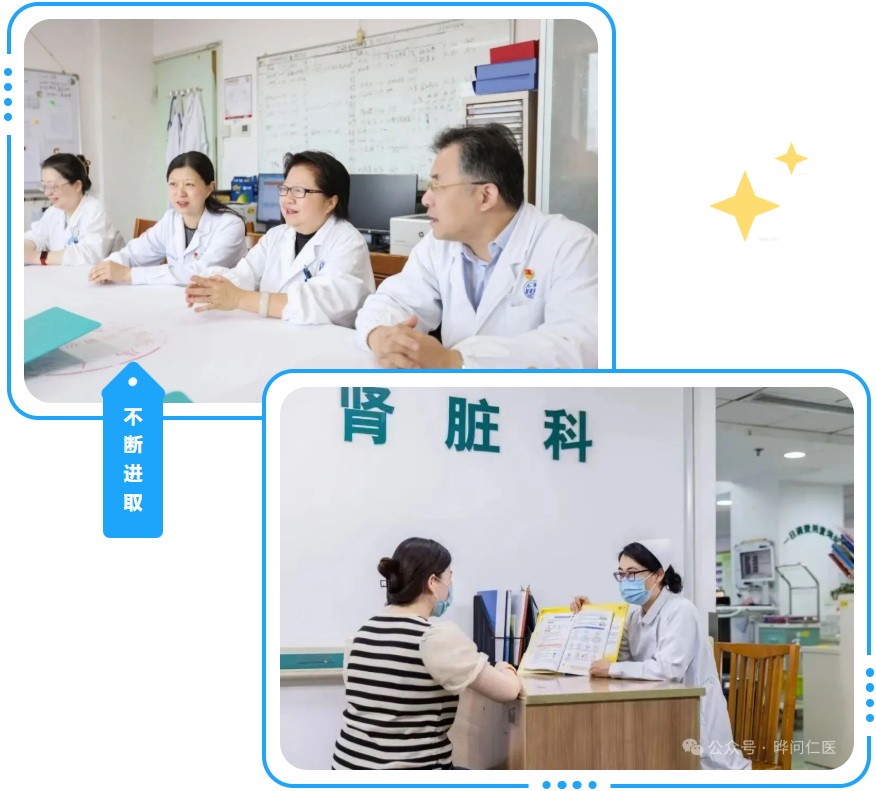
During his internship at Renji Hospital, Gu Leyi absorbed knowledge from various disciplines like a sponge soaking up water. Internal medicine, surgery—each field revealed a different facet of medicine to him. Yet what ultimately made him stop and put down roots for a lifetime was the Department of Nephrology.
"At that time, under the leadership of the department director, the entire nephrology department had an exceptionally strong academic atmosphere. The department not only emphasized the cultivation of professional skills but also stressed the importance of continuous learning." Recalling his first impressions upon joining the department, Gu Leyi's tone carried an involuntary hint of pride. "When treating patients, no one calculated personal gains or losses. Daily discussions often revolved around purely academic issues. Even when arguments grew heated and faces flushed, you could still feel that this was a vibrant, progressive discipline."
More crucially, nephrology showed him something rare in medicine: life reborn even when organs fail. While many fields face helplessness when multiple organs shut down, kidney disease offers a remarkable path forward through dialysis.
“When other organs fail, medicine often reaches its limit,” Gu Leyi says, his voice steady. “But in nephrology, dialysis can genuinely save lives. Even when kidney function is completely lost, patients can still maintain a good quality of life — not merely survival, but a life with dignity. Even in those early years, the field already placed strong emphasis on quality of life, not just extending it.”
Watching patients who had lost both kidneys continue to live meaningfully on dialysis while awaiting transplant moved the young doctor profoundly. This dual power — to prolong life and protect its dignity — became the foundation of his lifelong commitment to nephrology.
This disciplinary characteristic—the ability to both prolong life and ensure the dignity of life—gave him immense confidence and a sense of professional achievement, and solidified his determination to dedicate his life to nephrology.
As his clinical experience continued to accumulate, Gu Leyi's understanding of the word "doctor" underwent a profound transformation. At first, seeing a critically ill kidney failure patient successfully rescued and surviving long-term in the outpatient clinic, that simple sense of technical achievement was enough to satisfy him. But over time, he began to realize that medical treatment is by no means a cold, technical output.
During a lecture, Gu Leyi heard an academician offer a clear-eyed framework for the doctor-patient relationship. It struck him like a revelation.
“There are four progressive levels of the doctor-patient bond,” the academician explained. “The highest ideal is that the disease is cured and doctor and patient become genuine friends. The second is that, even when medicine cannot cure the disease, a deep and trusting friendship still forms. The third is that the disease remains uncured and no friendship develops. The most painful outcome, however, is when the disease is cured, yet the patient never develops trust — and the two parties part without any real human connection.”
Gu Leyi fell silent for a moment, visibly moved.
He realized then that if medicine is reduced to a purely technical transaction — if patients are treated merely as broken machines to be repaired — then even a cured body can leave the patient’s heart still knotted with doubt and loneliness. “Curing the disease is only the beginning,” he reflects. “If we do not also address the fear, confusion, and emotional weight the patient carries, we have not truly solved the problem. A doctor’s highest responsibility is to build trust, to become a companion on the journey, and to offer genuine comfort. This is the transformation from merely treating disease to healing the human heart.”Shifting from a flat, one-dimensional medical machine to a social being with a rich personality capable of empathizing with patients—this is the warmest evolution in Gu Leyi's medical career.
On the rich soil of Renji Hospital, Gu Leyi’s growth was shaped by the quiet example of many predecessors.
His mentor, Professor Ni Zhaohui — now Director of Internal Medicine and former head of Nephrology — led the team in pioneering China’s first home hemodialysis program with bold, forward-thinking vision. Professor Qian Jiaqi, a nationally respected nephrology leader and the department’s third director, reviewed every manuscript with extraordinary care, correcting even the smallest punctuation. Professor Zhang Qingyi, the second director, continued attending weekly ward rounds long after retirement age, always bringing the latest international literature. Even senior professors in their eighties and nineties in Shanghai’s nephrology community were still studying artificial intelligence with undiminished curiosity.
These examples left a lasting mark. They taught Gu Leyi that the medical profession demands lifelong learning and an almost sacred rigor — not for personal glory, but to meet the ever-growing needs of patients and society. “What makes medicine unique,” Gu Leyi reflects, “is that it constantly demands we push ourselves to master new knowledge. Only by doing so can we meet the rising expectations that patients and society place on us.”
Beyond technical skills, his senior teachers passed on something even more precious: the distinctive culture of Renji’s Nephrology Department — academic excellence paired with quiet humility and wholehearted dedication to patients. Today, Dr. Gu carries this same spirit forward, instilling it in his own students and ensuring the century-old medical torch of Renji Hospital continues to burn brightly in both clinical care and teaching.
2. Breaking New Ground A Medical Vision Across Borders
The development of modern medicine demands pioneers who can both delve deeply into clinical practice and look up to the frontiers of technology. Having studied abroad, Gu Leyi honed a unique dual-track mindset through the cross-cultural integration of medicine.
At the turn of the century, Gu Leyi traveled to Juntendo University in Japan for his medical doctorate, later serving as a visiting scholar in the United States. This East-West educational journey gave him a truly international perspective and shaped a distinctive medical approach that values both rigorous clinical practice and bold scientific inquiry.
He sees clinical thinking and scientific research thinking as two complementary but different systems. “Clinical work naturally focuses on high-probability events — following the most common and reliable pathways. This is correct and necessary in the great majority of cases,” he explains. “Scientific research, however, requires attention to low-probability events. It asks us to explore the subtle, the unusual, the not-yet-understood — because that is where genuine innovation often hides.”
One system verifies what we already know works. The other seeks breakthroughs by deliberately reversing assumptions. When standard clinical thinking reaches a dead end with a complex case, research thinking can open an unexpected path forward.
He recalls walking past the London School of Economics and noticing an inverted globe on campus. “It was upside down — the opposite of how we usually see the world,” he says, making a flipping gesture with his hand. “It reminds us to deliberately adopt perspectives that challenge common assumptions. This kind of reverse thinking helps counteract the mental habits and blind spots that can form in everyday clinical work. True maturity as a physician comes from integrating both systems deeply — clinical experience and scientific research thinking working together.”
As Chinese medicine advances rapidly, the team’s findings now regularly appear in leading international journals. Dr. Gu is keenly aware of China’s distinctive strength: an enormous volume of clinical experience.
“When I was studying in Japan, a colleague asked whether I had seen a kidney biopsy,” he recalls with a smile. “I felt a quiet pride, because in one week we were doing roughly as many procedures as their entire department did in a year.” This wealth of cases is a powerful asset — yet for a long time Chinese doctors largely followed Western guidelines due to the lack of systematic local data and standards.
Renji’s predecessors changed that. Professor Qian Jiaqi’s team tackled a long-standing question in peritoneal dialysis: What constitutes adequate dialysis, measured by the Kt/V index? At the time, the international standard required 2.2. In China’s resource setting, however, routinely exceeding this often meant unnecessary burden on patients and wasted resources. Through rigorous study, the team demonstrated that a Kt/V of 1.7 delivered equivalent outcomes to 2.2.
Their findings, first published in a modest journal, were formally adopted by the International Society for Peritoneal Dialysis in 2005 — changing global guidelines that had stood for more than two decades. “It showed that Chinese clinical research could genuinely advance worldwide understanding,” Gu Leyi notes. “Dialysis is not simply a matter of ‘the more, the better.’ In certain specialized fields, Chinese medicine has earned the ability to help set international standards.” This also strengthened his belief in making more "Chinese solutions" become internationally recognized diagnostic and treatment norms.
In the uncharted territory of medicine, true scientific research is not about publishing papers—it is about saving specific lives.
One persistent clinical challenge particularly troubled Gu Leyi and his team: dialysis patients with severe heart failure were being denied access to highly effective medications.
SGLT2 inhibitors had become globally recommended first-line therapy for heart failure. Yet they remained contraindicated for dialysis patients — not because of proven harm in this population, but simply because the necessary pharmacokinetic and safety data did not exist. Without that baseline information, companies could not take the risk, and countless patients lost a potentially life-changing treatment option.
“If the data is missing, we should be the ones to generate it,” Gu Leyi decided. His team systematically studied how these drugs are metabolized in both hemodialysis and peritoneal dialysis patients. The work filled a genuine global data gap and earned an invitation to present at the American Society of Nephrology Annual Meeting. The findings gave clinicians the evidence they needed to use these powerful heart failure medications safely and appropriately in dialysis patients — directly expanding treatment options for a vulnerable group.
“Our clinical studies are always driven by real problems we see at the bedside,” Gu Leyi emphasizes. “They are not abstract academic exercises; they exist to solve the concrete difficulties our patients face.”
Even with world-class technology, Renji Hospital refuses to stand still. As some local patient volumes shifted, Dr. Gu looked outward to the international community. The Puxi Dialysis Center, located in the heart of the Bund, holds a unique geographic advantage. The question became how to build a high-quality pathway that would attract overseas patients seeking excellent dialysis care.
“If we cannot offer a reliable international standard of care, many expatriates and visitors may simply avoid Shanghai when they need dialysis,” Gu Leyi reasoned. “That would be more than a missed clinical opportunity — it would also mean missing a chance for them to see China’s medical capabilities up close.”
He chose to pursue international certification as the clearest way to raise standards. The process was demanding. The team moved from paper records to a fully electronic system, spent a full year preparing, and underwent an extremely rigorous on-site audit that examined every operational detail. In the end, the Puxi Dialysis Center achieved DNV international certification — a meaningful recognition of quality.
When caring for overseas patients, the team paid close attention to both clinical excellence and cultural sensitivity. Private treatment areas were created for foreign patients. Communication practices were adapted to international expectations. One small but telling example: while Chinese protocols often use a blood flow rate of 250 ml/min to minimize discomfort, many international patients prefer a higher rate for more efficient toxin removal. The team adjusted accordingly.
“We are not only exporting Chinese medical expertise,” Gu Leyi observes. “We are also learning from international approaches. This two-way exchange has raised our own standards across the board.” Today, Renji’s Nephrology Department stands confidently on the global stage.
3.Pioneering and Miracles:A Vigil of Life at the Foot of the Kunlun Mountains
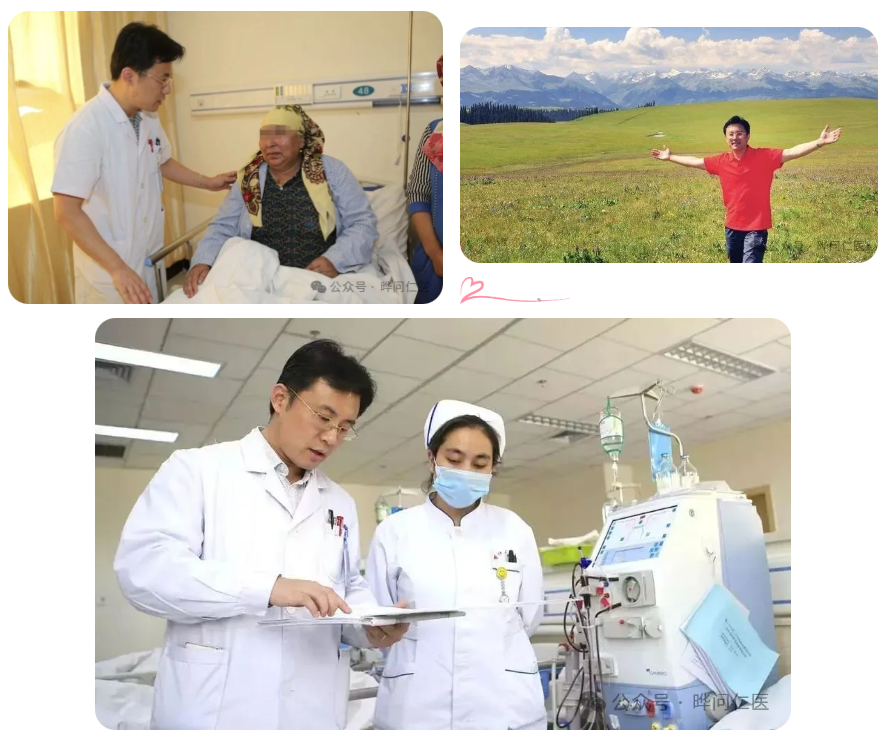
A true healer dares to venture into desolation and sow the hope of life on the most barren land. During his years of medical aid in Xinjiang, Gu Leyi brought advanced medical technology to southern Xinjiang, engaging time and again in extreme battles on the brink of life and death. Beneath the Pamir Plateau, he left behind a team that would not leave—and the enduring legacy of a physician's profound sincerity.
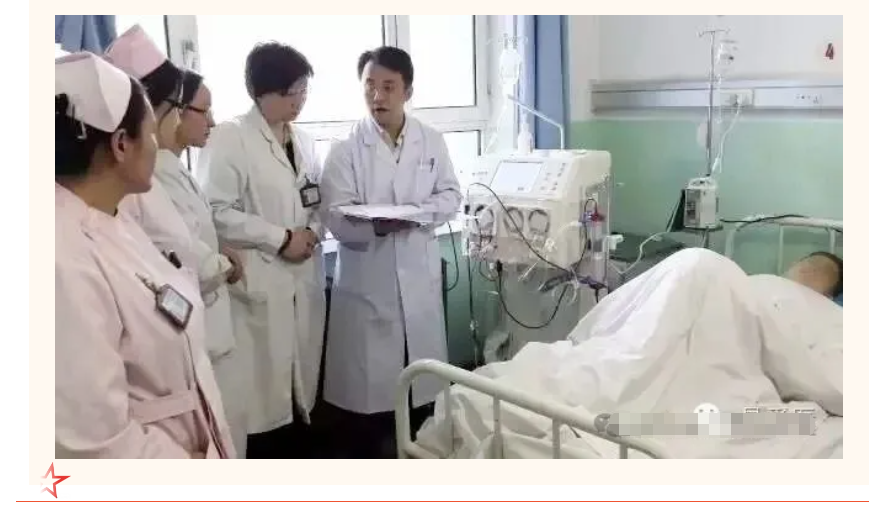
When Gu Leyi arrived in Kashgar as a medical aid specialist, the local conditions were extremely limited. The hospital in southern Xinjiang had no nephrology department and no hemodialysis center meeting modern standards. He refused to compromise. Instead of lowering expectations, he chose to bring Shanghai-level concepts and systems directly to this remote region.
Working from nothing, he personally oversaw every detail — from the layout of the dialysis unit to the routing of water treatment pipes. “I sometimes had to act as an engineer,” he recalls with a smile. “We once discovered an old donated hemodialysis machine sitting broken in a warehouse. We repaired it ourselves and put it back into service. When equipment was scarce, we had to build our own tools.”
Through determination and hands-on leadership, a high-standard hemodialysis center rose in Kashgar, meeting rigorous international benchmarks.
Though the conditions were harsh, those years left him with a profound sense of purpose.
But the true test came just one month after the center opened.
A critically ill Uyghur patient with uremia was transferred in. His condition was extraordinarily complex: uremia combined with subacute bacterial endocarditis (vegetations growing on the heart valves), severe heart failure, and hypertension. Then, suddenly, he suffered a cerebral hemorrhage and fell into a coma.
This created an almost impossible dilemma. Standard hemodialysis requires anticoagulation to prevent clotting in the machine. Yet in a patient with recent brain bleeding, any anticoagulant could trigger catastrophic intracranial hemorrhage. Without dialysis, however, the uncontrolled heart failure and dangerously high blood pressure would quickly become life-threatening.
“Using anticoagulants risked fatal worsening of the brain bleed,” Gu Leyi remembers. “But withholding dialysis meant the heart failure and hypertension could kill him at any moment. It was a true impasse.”
At this moment of extreme danger, Gu Leyi made a decisive move: he stopped hemodialysis and switched to peritoneal dialysis (PD). PD does not require systemic anticoagulation, so it could remove toxins while protecting the brain from further bleeding.
The new center had no PD supplies or experienced staff. He urgently obtained equipment from another hospital and personally guided the surgical team through the catheter implantation step by step.
The patient’s cerebral hemorrhage gradually improved and consciousness returned. However, the damaged heart valve now required open-heart surgery. After the operation, precise fluid management became critical, and PD alone was no longer sufficient. The team had to return to hemodialysis — but the fresh surgical wounds made anticoagulation extremely risky; any bleeding in the chest could be catastrophic.
Gu Leyi had already discussed meticulous hemostasis with the cardiac surgeon. The moment surgery ended, he took personal charge and initiated Continuous Renal Replacement Therapy (CRRT). To maintain the delicate balance between preventing clotting and causing bleeding, the senior Shanghai expert pulled up a chair and sat at the patient’s bedside through the entire night.
“I stayed from that afternoon until the next morning,” he recalls. “Around seven o’clock, nearly 200 milliliters of fresh blood suddenly poured from the pericardial drainage tube in just ten minutes. The vessels, weakened by prolonged anticoagulation, had reached their limit.”
In that instant, he stopped dialysis, administered a heparin-neutralizing agent, controlled the bleeding, and carefully returned the patient to peritoneal dialysis — successfully guiding him through the most dangerous window. It was a night that tested not only medical judgment but also endurance and resolve.
The successful outcome astonished colleagues across southern Xinjiang. One cardiac surgeon later remarked that it was rare to see a senior Shanghai professor with a doctoral title keeping vigil alone at a patient’s bedside through the night.
“In the border region, you don’t have the immediate backup of a large team,” Gu Leyi reflects. “The pressure is much greater than in Shanghai. But being able to bring a patient back from such an extreme situation using careful judgment — that is something I will always carry with pride.”
The Uyghur patient never forgot what had been done for him. Long after the aid mission ended, whenever Dr. Gu returned for follow-up visits, the elderly man would come to the airport to greet him. One year, despite a long flight delay, he waited the entire afternoon just to present a small, beautifully embroidered Uyghur hat with his own hands.
Even more remarkable, over the next eight years — despite multiple health challenges — the patient continued peritoneal dialysis while remaining able to work.
The case created a powerful ripple effect. Patients began being referred to Kashgar from the regional capital of Urumqi — a true “reverse referral.” But what mattered most to Gu Leyi was the sustainable transfer of knowledge.
“I was the only specialized aid expert there at the time,” he says. “I believed the real goal was to ‘teach a man to fish.’ If I couldn’t pass on the skills and thinking to the local team, the mission would have limited meaning.”
In just eighteen months, the department he helped build achieved some of the highest patient volumes in southern Xinjiang. More importantly, he nurtured a local team with a strong research mindset. At the 2015 Xinjiang Annual Nephrology Academic Conference, this prefecture-level hospital tied for first place in oral and poster presentations across the entire region — matching even Xinjiang Medical University. The “team that cannot be taken away” had taken root and was flourishing at the foot of the Pamir Plateau.The emotional and cultural elements (airport meetings, embroidered hat) are made warmer and more vivid. The “reverse referral” phenomenon is highlighted. The knowledge-transfer legacy is given proper emphasis and pride. The section now ends on a strong, inspiring note of sustainable.
4. Care and Outreach Weaving a Protective Net for Life
In Dr. Gu’s view, the ultimate purpose of medicine is not only to repair damaged organs but also to help patients reclaim their dignity, social roles, and sense of purpose.
For too long, a diagnosis of uremia and the start of dialysis have been seen as the end of a meaningful life. At Renji Hospital, the team has worked hard to change that perception through action.
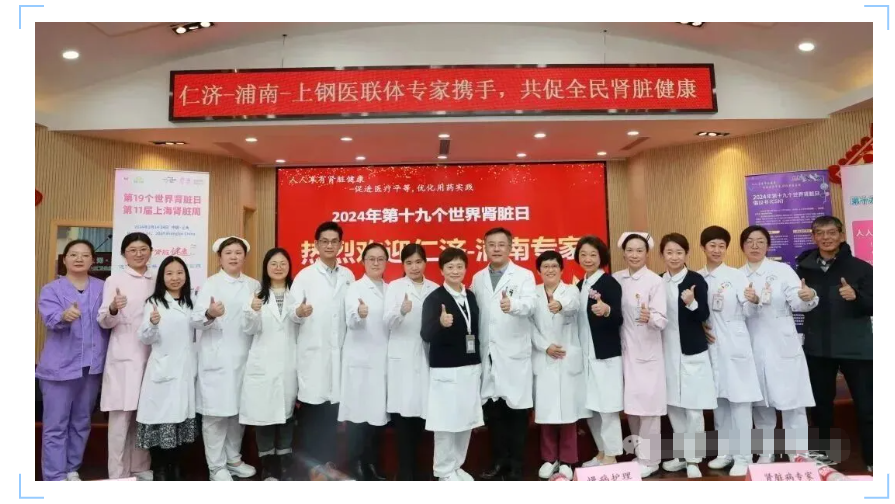
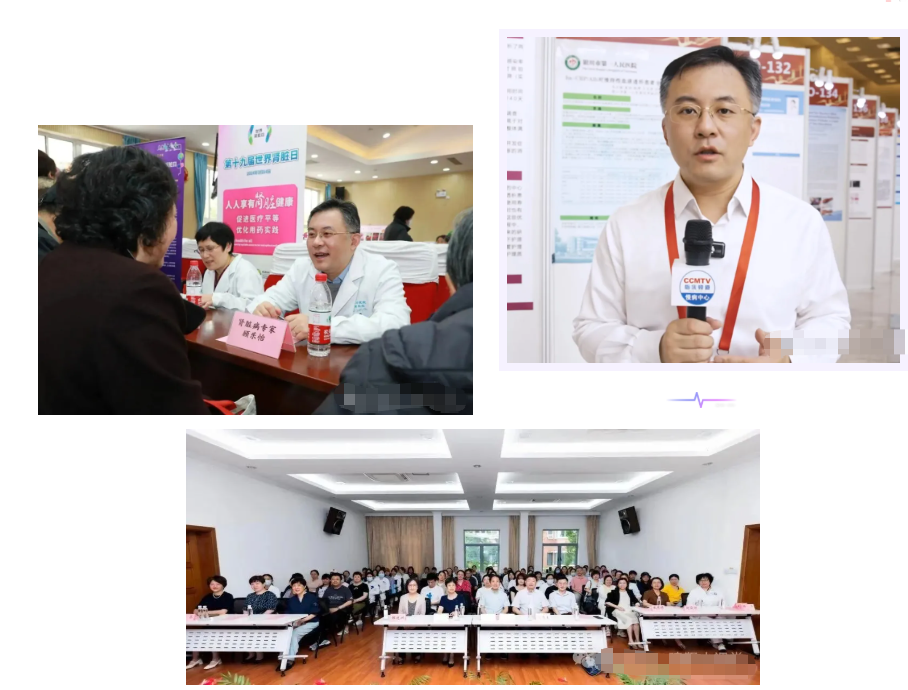
Building on the Kidney Friends Association originally founded by Professor Ni Zhaohui, Dr. Gu has expanded its humanistic activities. Every World Kidney Day, patients gather for health knowledge contests, film screenings, spring outings, and shared celebrations. “Through these activities, patients begin to see that they are not as fragile or limited as they once feared,” Gu Leyi says with quiet satisfaction. “They realize they can still enjoy nature, friendship, and many of the ordinary pleasures of life.”
The department actively supports patients who wish to keep working. When patients express despair — “I have no job, no income, life has lost its meaning” — the team responds with patience and practical solutions. To accommodate daytime employment, the hemodialysis unit introduced nighttime dialysis sessions. Many young patients now maintain a normal rhythm: they work during the day, receive dialysis in the evening, and return to their families and responsibilities the next morning.
For those who cannot return to their previous jobs, the department offers opportunities to volunteer in light clerical tasks, providing lunch and a sense of belonging. “When they work alongside the medical staff, doing what they can, they regain a quiet sense of peace and self-worth,” Gu Leyi observes. Among the peritoneal dialysis patients are engineers, prosecutors, and a factory director who has remained on the job for twenty-five years while on dialysis.
“True rescue is not only about saving the body,” he reflects. “It is also about helping patients rebuild their independence and social value. Often, restoring a patient’s ability to contribute is equivalent to saving an entire family.”
As the department’s reputation spread, increasing numbers of critically ill and rare-disease patients began arriving, often viewing Renji as their last hope.
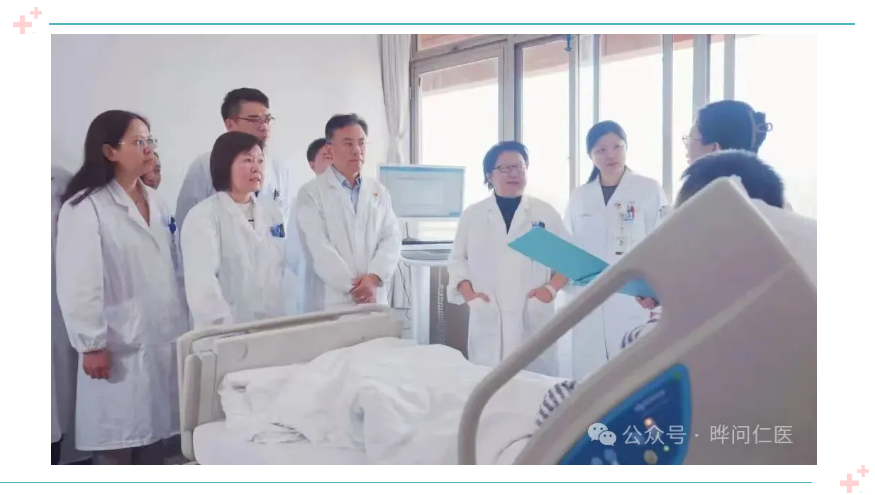
One morning, a 36-year-old peritoneal dialysis patient from Wuxi was rushed in with both gastric perforation and an aortic dissection — a life-threatening combination. Many departments might have hesitated, but the Nephrology team coordinated rapidly with other specialties, admitted him to the ICU, and successfully guided him through emergency surgery.
Another young doctoral student at Shanghai Jiao Tong University suddenly developed acute kidney failure with anuria. Using sharp clinical insight and experience with rare conditions, the team diagnosed atypical hemolytic uremic syndrome (aHUS), identified the underlying genetic mutation, and initiated targeted treatment. The student was pulled back from the brink and has since returned to his laboratory work.
“When patients have kidney disease complicated by pregnancy, tumors, or other serious conditions,” Gu Leyi explains, “our strength as a large comprehensive tertiary hospital lies in our ability to mobilize true multidisciplinary collaboration. As long as patients entrust their lives to us, we will do everything possible to meet the challenge.”
It is this refusal to give up that has made Renji’s Nephrology Department a place of last resort — and often, of renewed hope.
As a discipline leader, Gu Leyi understands that even the best tertiary hospital cannot win the fight against chronic kidney disease alone. The real battle must be fought earlier — through prevention and early intervention at the community level.
He therefore championed the creation of the 321 Kidney Disease Prevention and Treatment Alliance, linking Renji Hospital with secondary hospitals (such as Punan Hospital) and grassroots community clinics in a coordinated three-tier network.
Within this system, Renji specialists established WeChat consultation groups — each staffed by two senior doctors and one nurse — so that grassroots physicians can receive timely expert guidance on difficult cases. The model quickly evolved from one-to-one mentoring to a more sustainable multi-to-multi expert network.
Regular case competitions and joint discussions have significantly raised the diagnostic capabilities of community doctors. At the same time, clear referral pathways were established: complex patients are rapidly transferred upward to Renji, while stable patients receive ongoing care closer to home. This integrated network functions like capillaries reaching into every community — raising awareness, enabling earlier intervention, and creating a stronger first line of defense against kidney disease.
Behind these achievements lies years of intense, unrelenting dedication. “True relaxation is something of a luxury in this position,” Gu Leyi admits with a wry smile. Even after finishing clinical work, evenings are often filled with literature review, research discussions, paper editing, and administrative responsibilities — frequently ending only when exhaustion takes over.
Yet he still carries the quiet passions of an ordinary person. He loves photography and drawing, but these personal joys have had to be set aside for now. “With limited energy, many personal interests must wait,” he says with gentle acceptance. “I look forward to the day when I can return to them more fully.”
What sustains him through the long hours is the curiosity that has never dimmed in thirty years, together with a deep sense of responsibility as a Chinese physician. “Life sciences are among the fastest-moving fields today,” he reflects. “Faced with so many unknowns in medicine, a doctor must maintain both reverence and curiosity, and keep pushing to learn and explore.”
Looking back, Chinese medicine experienced a period of lagging behind. But it is precisely because generations of doctors refused to “lie flat” and chose instead to stay alert and striving that Chinese medicine has been able to catch up and stand on the world stage with growing confidence.
“If I could turn back time,” Gu Leyi concludes with a calm, steady smile, “with all conditions unchanged, I would still choose the path of medicine without hesitation. I have never regretted it.”
“After so many days and nights of perseverance, what sustains us is simple: the effort is worthwhile. When we save a life or overcome a difficult challenge, the joy and sense of achievement that arise from within are a kind of spiritual fulfillment that no material reward can replace.”
Outside the window, the Huangpu River flows on, just as the century-old medical legacy of Renji Hospital continues. Dr. Gu Leyi keeps his quiet watch over the spring of life — in the wards, in the laboratory, and wherever patients need him — adding his own steady verse to the long hymn of healing: a song of curiosity, responsibility, and enduring compassion.
Editor / Chen Qing
If you need any help from Dr. Gu Leyi or need HemoDialysis in Shanghai, please be free to contact us at Chenqing@ShanghaiDoctor.cn.
Dr. Wang Xuefei | Gastrointestinal Surgeon Advancing Care for Early-Onset Gastric Cancer
Dr. Gu Jun | A Dermatologist Whose Medical Values Were Forged Over Decades
Dr. Huang Wenyan | Specialist in Children’s Kidney and Autoimmune Diseases
Dr. Long Qiqi | Expert in Endometriosis and Minimally Invasive Gynecologic Surgery
Dr. Zou Qifei | A Hepatobiliary Surgeon Tempered by Experience
Dr. Wang Xuefei | Gastrointestinal Surgeon Advancing Care for Early-Onset Gastric Cancer
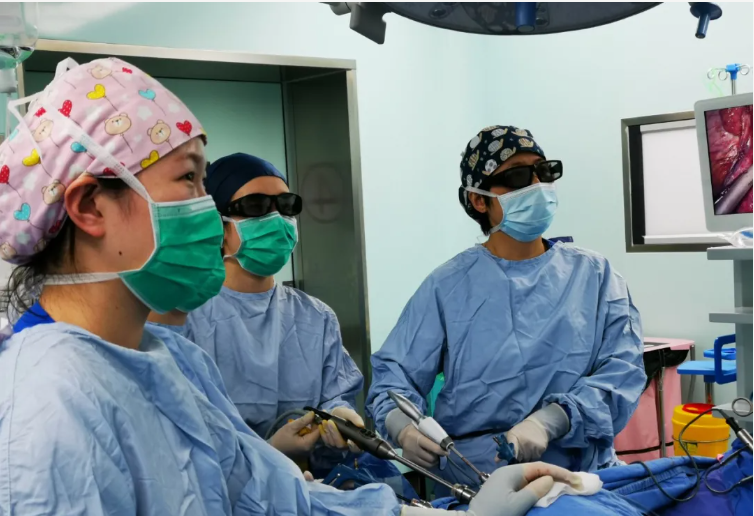
Dr. Yi Xiaofang | Director of General Gynecology — Expertise in Endometriosis and Minimally Invasive Surgery
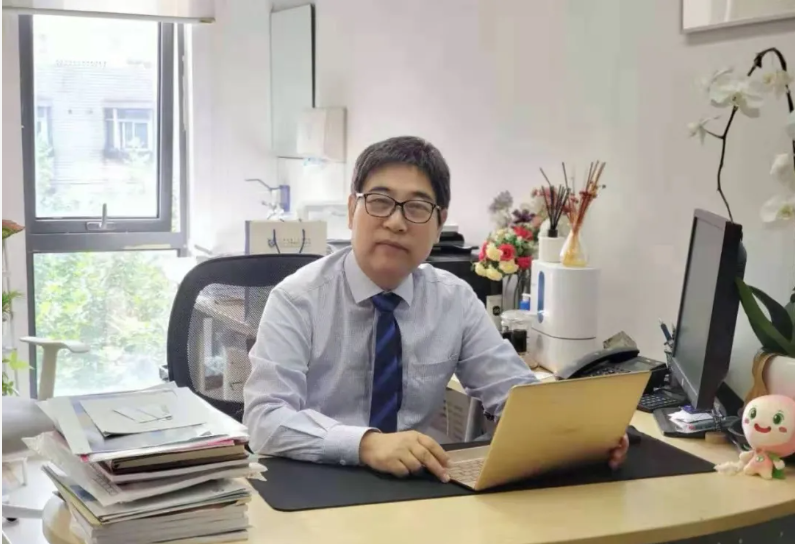
Dr. Gu Jun | A Dermatologist Whose Medical Values Were Forged Over Decades
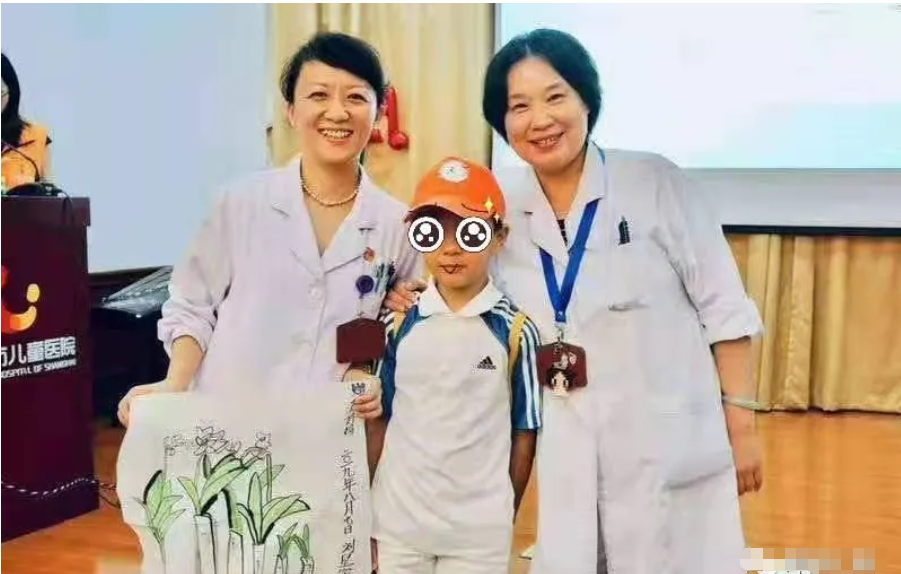
Dr. Shao Jingbo | Pediatric Hematologist Specializing in Leukemia, Rare Diseases, and Stem Cell Transplantation
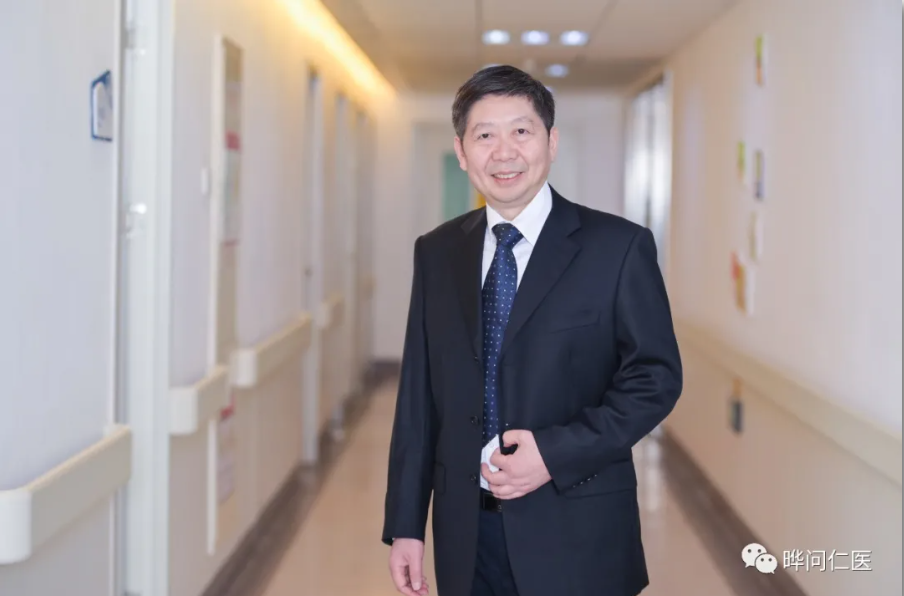
Dr. Huang Wenyan | Specialist in Children’s Kidney and Autoimmune Diseases
Dr. Lian Jingcai | The Magic Hands of Ophthalmology
Dr. Long Qiqi | Expert in Endometriosis and Minimally Invasive Gynecologic Surgery
Dr. Zou Qifei | A Hepatobiliary Surgeon Tempered by Experience
Dr. Wu Liang | Precision in Craft, Integrity in Practice
Dr. Zhang Guofu | Helping Patients See the Sunny Place
Copyright © 2023 Yewen Renyi & ShanghaiDoctor.cn (This website is a non - profit medical humanities platform. The information contained herein is solely for biographical and historical purposes and does not constitute any medical advice.) 沪ICP备2023005392号-2 XML 沪公网安备31010902100835号
 中文
中文 English
 Español
 沪公网安备31010902100835号