ShanghaiDoctor - Where China's Healing Wisdom Shapes Modern Medicine

Update time:2026-06-28Visits:3878
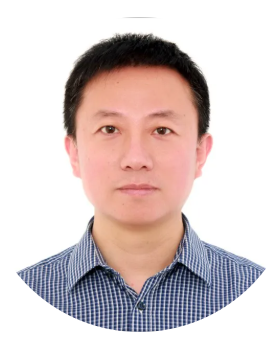
Profile
Chen Xu, Doctor of Medicine
Executive Director and Associate Chief Physician, Department of Obstetrics and Gynecology, North Branch of Huashan Hospital, Fudan University
With over 20 years of clinical and scientific research experience in obstetrics and gynecology, Dr. Chen specializes in the clinical diagnosis and minimally invasive treatment of gynecologic tumors, endometriosis, female infertility, standardized management of gynecologic malignancies, and the diagnosis and treatment of chronic pelvic pain and pelvic floor dysfunction.
Dr. Chen has participated in one project funded by the National Natural Science Foundation of China, one project under the Guangdong Provincial Department of Science and Technology, and served as the principal investigator for two biomedical projects commissioned by the Shanghai Municipal Science and Technology Commission. He has published more than 30 medical papers in both domestic and international journals.

First Perspective
Shakespeare once said: Humour and wit are the flashes of wisdom.
In a tranquil life, humour is the ripple on a lake; in bold endeavour, it is the spray of a torrent; in the darkest adversity, it is the starlight in the night.
“They, too, were in the prime of youth—passionate men in their early twenties—who chose to ‘go where the motherland needs them most,’ stationed on an island, their hearts inevitably stirred. The interests of the motherland come above all. Under harsh living conditions, some of the officers and soldiers guarding the reef suffered from arthritis, shoulder periarthritis, stomach ailments, and skin diseases. Others, unable to adapt to the lonely and isolated environment, developed psychological disorders. A soldier’s value lies in dedication and sacrifice. Instant sacrifice reveals the soldier’s heroic image on the battlefield; prolonged sacrifice portrays the soldier’s iron will in defending the dignity of the motherland’s vast maritime territory,” Chen Xu recalled.
Chen Xu was once young too, and had accompanied the soldiers guarding the island. The face reddened by the sea breeze and the sharp, determined eyes were the truest portrait.
“Life is a trial, and it will not always be calm. Especially as a doctor, one may face life-and-death separations every day. Besides needing a strong heart, one must also learn to be humorous—to be open-minded towards oneself and bring joy to others,” Chen Xu said, the corners of his mouth lifting. “When I teach students, communicate with patients, or popularise science, I often turn medical knowledge into simple, witty anecdotes, allowing them to grasp it easily and also relieve their psychological burden. If I hadn’t become a doctor, I’m afraid there would be no Xiao Shenyang—just kidding.”
Indeed, humour is not a mood, but a way of viewing the world.
In life, eight or nine out of ten things may not go as one wishes, but a humorous person can laugh at them.
1. The Path of Medicine
After graduating from the Second Military Medical University of Shanghai in 1996, Dr. Chen served as a military physician for one year in a remote and demanding naval medical outpost. This formative experience in an isolated environment honed his ability to deliver calm, decisive care under pressure and deepened his commitment to patient well-being. These qualities — resilience, quick thinking, and empathy — later became central to his approach in obstetrics and gynecology, where he emphasizes maintaining composure and a positive outlook even in the most challenging clinical situations.
After completing his training, Chen Xu was assigned to rotate through the First Hospital of the South China Sea Fleet in Zhanjiang, Guangdong. He began in internal medicine, then moved to surgery. Though internal medicine was his forte, its broad scope made it difficult to master deeply, while surgery had a higher entry barrier and fierce competition. Weighing the two, Chen Xu turned his thoughts to obstetrics and gynecology.
“Obstetrics and gynecology combines both internal and surgical elements, making it suitable for both advancement and retreat. Coincidentally, military regulations require that obstetrics and gynecology departments in tertiary hospitals have male doctors, so I decided to take on this challenge.” As soon as the three-month rotation ended, Chen Xu stayed in obstetrics and gynecology. At that time, he was the only male doctor in the department.
The path to growth was far from easy.
Graduating from a prestigious university with a solid academic foundation, the head of the obstetrics and gynecology department groomed Chen Xu as a potential successor. He was required to follow every surgery, learn from each case, and memorize all patient details. After two weeks of adjustment, the 27-year-old Chen Xu faced his first solo shift in his medical career.
This early high-stakes obstetric emergency tested his training. A patient who had delivered at home presented with a partially delivered placenta and visible umbilical cord, appearing panicked. Recalling textbook warnings about the risk of severe hemorrhage from forceful cord traction, Dr. Chen remained calm, stabilized the patient with intravenous fluids, and promptly involved his supervisor. The case reinforced the critical importance of evidence-based judgment and composure in unpredictable situations — principles he continues to emphasize with trainees today.
His academic pursuits did not stop there.
In 1999, Chen Xu was admitted to Shanghai Changzheng Hospital with the highest score to pursue a master’s degree, studying under the renowned expert Professor Liu Yan. Professor Liu Yan is a pioneer in laparoscopic surgery for obstetrics and gynecology in China. After returning from advanced studies at Stanford University, he performed the country’s first total laparoscopic hysterectomy and invented the laparoscopic anterior abdominal wall suspension and fixation technique for uterine prolapse.
Following his mentor, Chen Xu devoted himself to in-depth study in gynecology. After earning his master’s degree, he returned to work at Zhanjiang Hospital for three years. In 2005, he again studied under Professor Liu Yan for his doctoral degree. After graduating in 2008, with his teacher’s help, he worked at Changzheng Hospital for another three years.
Pausing and moving forward, venturing out every three years, Chen Xu’s pursuit of medicine never ceased. In 2012, he was invited to work in the obstetrics and gynecology department of Huashan Hospital North, Fudan University. By then, he had grown into a mature obstetrician-gynecologist with skilled surgical techniques and profound academic expertise.
Having traveled far and wide, his restless steps could finally move steadily forward.
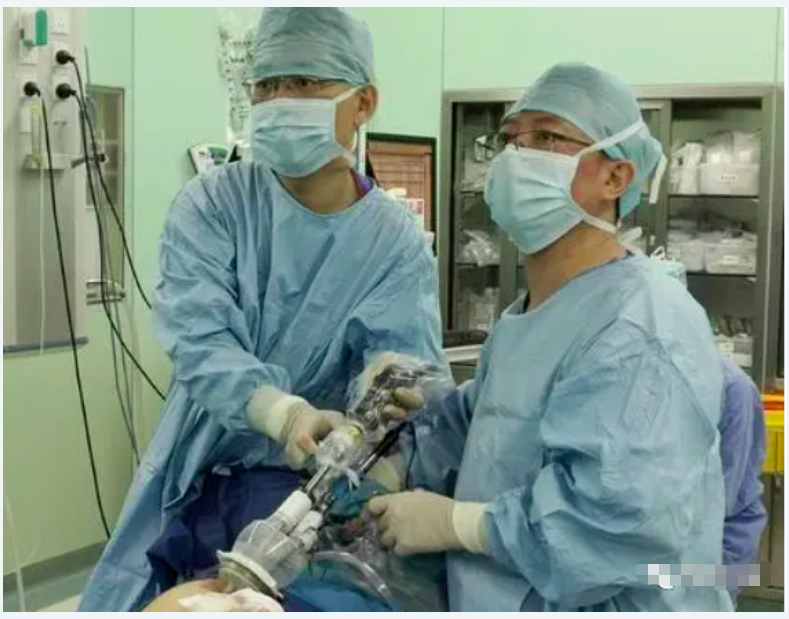
2. Advancing in Waves, Rising in Spirals
Since its trial operation on December 18, 2012, Huashan Hospital North has been open for only eight years. Though it may be likened to an eight-year-old child, it is fully equipped with all the necessary parts. Chen Xu’s medical journey has grown in tandem with the hospital’s Obstetrics and Gynecology Department.
Throughout this process, reflection and review are the only paths to progress.
“Everyone may go through a phase in life when they feel invincible, but in reality, you still lack a deeper level of understanding. When things go smoothly, be wary of the next low point. Summarize again, review again. Life is a process of advancing in waves and rising in spirals.”
A few years ago, Chen Xu encountered a surgery like this.
During a total hysterectomy, Dr. Chen noticed an unusual structure and, after multidisciplinary discussion, elected to place a ureteral stent as a precaution. Although the surgery appeared successful, the patient later developed urine leakage that resolved only after prolonged stenting. The ureteral injury had been no larger than a needle tip. Reflecting on the case, Dr. Chen noted: “If we had been even more cautious, we could have spared the patient additional suffering.” He and the Urology Department reviewed the case thoroughly, reinforcing a culture of continuous learning and patient safety that guides the team’s practice today.
Through years of accumulation, Chen Xu has gained extensive experience with urological complications.
There was once a patient with a complex urinary fistula. The attending physician considered surgery, but Chen Xu’s advice was: wait.
“If we operate now, the wound may not heal. After waiting 20 days, the patient’s wound healed on its own.” Using this approach of governing by non-interference, Chen Xu “waited” for many patients to recover. “One patient with a malignant tumor had high-level urine leakage after surgery. After three months of catheterization, the leakage continued. Our strategy was still to wait a little longer. We told the patient to wait another week or two; if it still didn’t work, then surgery would be necessary. That very day, the patient stopped leaking urine, and the subsequent recovery went very smoothly.”
In 2017, Chen Xu enrolled in a Harvard Medical School Global Clinical Research Training Program at Huashan Hospital. This was a training course specifically for clinical research, covering emerging statistical software and statistical thinking, which could be directly applied to clinical practice after summarization. Chen Xu was deeply impressed by the humor of the Harvard professors’ teaching, the emphasis on ethics and humanities in American medicine, and the rigorous yet open attitude. After completing the program, he also studied at Huashan Hospital and obtained a certificate for the Good Clinical Practice course.
“I have several major goals for my medical career: first, to earn a doctoral degree; second, to come to Shanghai and be exposed to the most cutting-edge medical technologies; third, to further my studies at Harvard Medical School. Now, all three major goals in life have been achieved. What comes next is steady learning and progress.”
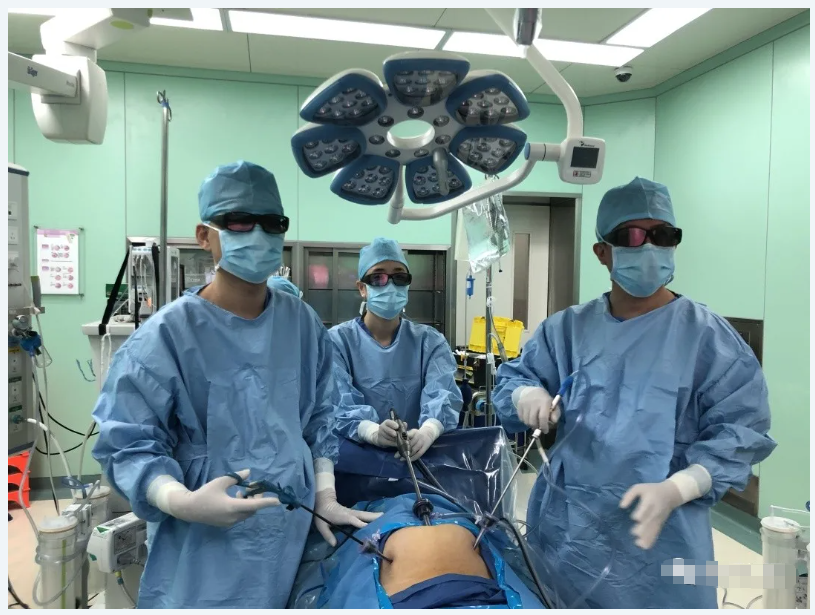
3. Humor Is a Form of Wisdom
In fact, Chen Xu is a naturally spontaneous and humorous person.
When teaching students at Fudan University’s School of Medicine, his style mirrors that of a Harvard professor—relaxed and witty—which has made him quite popular. He often jokes that if he hadn’t studied hard back then, he might have ended up as an apprentice to Zhao Benshan, the famous Chinese comedian.
Early in the department’s development, immature anesthesia techniques often caused intestinal interference during surgery. Dr. Chen would lighten the atmosphere by comparing the challenge to “eating spicy chicken” — carefully moving aside obstacles to reach the key structures underneath. Working closely with the Anesthesiology team, they optimized anesthesia depth, solving the issue and enabling smoother procedures for all patients.
In the realm of malignant tumors, the Obstetrics and Gynecology Department at Huashan Hospital is especially skilled in radical ovarian cancer surgery for elderly women. For patients that other hospitals dare not or are unwilling to accept, Chen Xu has the confidence to take them on, one by one.
There have also been moments of extreme peril.
An elderly woman over 80 years old had ovarian cancer, with two tumors severely adhered to each other.
During radical ovarian cancer surgery on an elderly patient, sudden heavy bleeding occurred. Just as Dr. Chen called for saline gauze compression, the operating room lost power. In complete darkness, he relied on experience and teamwork to rapidly place multiple gauze pads, temporarily controlling the hemorrhage. When power returned, the team managed an estimated 800–1,000 ml blood loss with pre-planned reserves. The surgery concluded successfully. This case exemplified the value of thorough contingency planning, calm leadership under extreme pressure, and a prepared multidisciplinary team.
“Since I chose medicine, I must do my best to achieve something—at least to solve patients’ problems and alleviate their suffering when they seek help. That would fulfill my life’s purpose.”
Individualized treatment is also crucial. For patients undergoing radiotherapy, chemotherapy, and targeted therapy, Chen Xu often appropriately reduces the dosage to achieve the therapeutic effect while safeguarding the patient’s physical condition. In the Obstetrics and Gynecology Department at Huashan, nearly all chemotherapy patients remain comfortable.
Medicine, education, and research—these three pillars are all steadily advancing.
Dr. Chen has led or participated in multiple funded research projects, including studies on minimally invasive surgery for borderline tumors (supported by the National Natural Science Foundation of China and Shanghai Science and Technology Commission) and the development of a folic acid metabolism detection kit for neural tube defect prevention, for which he holds a patent. He has also investigated sensitive monitoring for Rh-negative pregnancies. His team is currently exploring the therapeutic potential of NK cells in tumor treatment. These efforts reflect his commitment to advancing evidence-based care that improves outcomes for women with complex conditions.As the head of the Obstetrics and Gynecology Department at Huashan Hospital North, Chen Xu also takes young medical trainees from across the country under his wing. “People together is called a gathering; hearts together is called a team.” He hopes to shape the department into an elite unit that integrates clinical practice with scientific research—so that in his later years, when he is old enough to sit on the grass with a dog in his arms, watching the sunset, he can still see the department thriving and growing.
This is his fourth wish.
After retirement, he wants to raise a large dog, hold it in his arms every day while sitting on the grass, watching the sunset. Not striving, not contending—only asking that he has worked hard. He knows that everything is the best arrangement.

ShanghaiDoctor:
Regarding gynecological diseases such as vaginal cancer, endometrial cancer, and cervical cancer, how can we prevent them in daily life?
Chen Xu
Our department has conducted extensive public education on the screening and management of precancerous lesions. Patients often hold many misconceptions about various conditions. Previously, a patient insisted that I prescribe an antiviral drug, but medications cannot be used indiscriminately. For different populations, we need to adopt different approaches to medication education. Many patients frequently ask how to boost their immunity. Boosting immunity is a long process; we need a regular and healthy lifestyle, and gradually, immunity will be built. Public education should not be rigid but lively and proactive. At the 20th Shanghai Medical Association Reproductive Medicine Branch Science Popularization Competition, we were the only team to perform entirely with a skit instead of using animations—and we won the championship. In the competition, we cleverly integrated the two drugs, Femoston and Duphaston, as character names into the skit, subtly educating the audience about the medications.
ShanghaiDoctor:
Regarding the HPV vaccine, the choice between the bivalent, quadrivalent, and nonavalent vaccines—could you provide an introduction?
Chen Xu
The bivalent, quadrivalent, and nonavalent vaccines are mainly chosen based on age group. For those under 26, the nonavalent vaccine is recommended, as it prevents more subtypes. However, vaccination does not guarantee that disease will be avoided, so precancerous screening still needs to be emphasized.
ShanghaiDoctor:
Regarding the recurrence of gynecological tumors, from a global perspective, what changes have occurred in the landscape of tumor treatment?
Chen Xu
Over the past two decades, the field of gynecological oncology has continued to rely primarily on surgery, supplemented by various adjuvant therapies. Chemotherapy remains necessary, but its duration may be shortened from long-term to short-term regimens. What we currently lack are researchers dedicated to solid, rigorous investigation, and support for scientific teams still needs to be strengthened. One day, we will reach a stage where robots can standardize evaluations, perform surgeries, and correct errors—scenes from movies will eventually become reality.
During my doctoral studies in 2005, after attending ten lectures by academicians, I wrote a reflection: the artificial womb is already more than half realized. The future I envision involves placing children in rows of incubators, with no need for female uterine involvement from start to finish—though this, of course, raises ethical issues. Brain-computer interfaces are also part of my vision. Through the interface between the human brain and machines, a vast amount of knowledge could be delivered. Since I have chosen medicine, I must work hard to achieve something—at least to solve patients’ problems and alleviate their suffering when they seek help. That would fulfill my life’s purpose.
ShanghaiDoctor:
Besides work, what do you usually like to do? What are your hobbies and interests?
Chen Xu
When I was young, I liked playing Go, though I was not very skilled at it. After coming to Shanghai, I found that everyone’s work pace is very intense. In my free time, I run three kilometers, and when my hands get tired from operating, I immediately do push-ups. Work is already very tiring, but engaging in a wide range of activities can also help acquire knowledge.
ShanghaiDoctor:
Have you ever experienced moments of anxiety? How did you relieve them?
Chen Xu
Anxiety is certainly there. When I was in the Nansha Islands, I often kept fish and seabirds to soothe my mood. It took me 12 years to go from attending physician to associate chief physician. There were many opportunities and difficulties, and I had to learn to adjust my mindset. I have a mentality of not competing with the world—there is no need to treat anyone as an imaginary enemy. Just focus on the effort, and the harvest will come naturally. Everything is the best arrangement.
ShanghaiDoctor:
What should international patients expect when traveling to Shanghai for gynecologic surgery with Dr. Chen?
Chen Xu
Dr. Chen and the team at Huashan Hospital North are experienced in coordinating care for international patients. This includes clear communication in English where possible, individualized treatment plans, and support with logistics. Many patients appreciate the combination of advanced minimally invasive techniques, shorter wait times compared to some Western countries, and comprehensive pre- and post-operative care. We recommend discussing travel plans, visa requirements, and any specific needs during the initial consultation.
Editor: Chen Qing
If you need help from Dr. Chen, please be free to contact us at Chenqing@ShanghaiDoctor.cn.
Dr. Wang Xuefei | Gastrointestinal Surgeon Advancing Care for Early-Onset Gastric Cancer
Dr. Gu Jun | A Dermatologist Whose Medical Values Were Forged Over Decades
Dr. Huang Wenyan | Specialist in Children’s Kidney and Autoimmune Diseases
Dr. Long Qiqi | Expert in Endometriosis and Minimally Invasive Gynecologic Surgery
Dr. Zou Qifei | A Hepatobiliary Surgeon Tempered by Experience
Dr. Wang Xuefei | Gastrointestinal Surgeon Advancing Care for Early-Onset Gastric Cancer
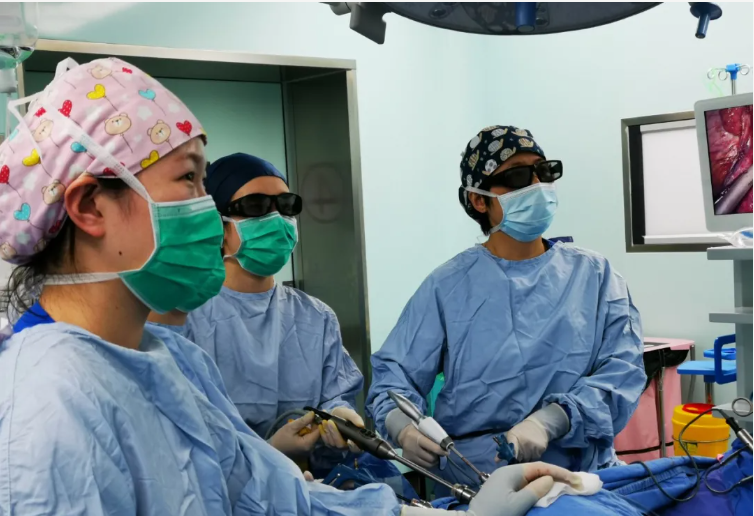
Dr. Yi Xiaofang | Director of General Gynecology — Expertise in Endometriosis and Minimally Invasive Surgery
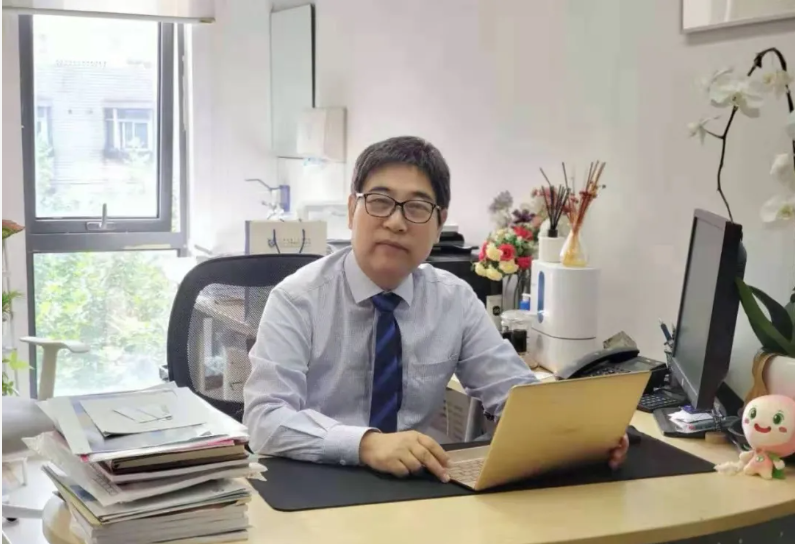
Dr. Gu Jun | A Dermatologist Whose Medical Values Were Forged Over Decades
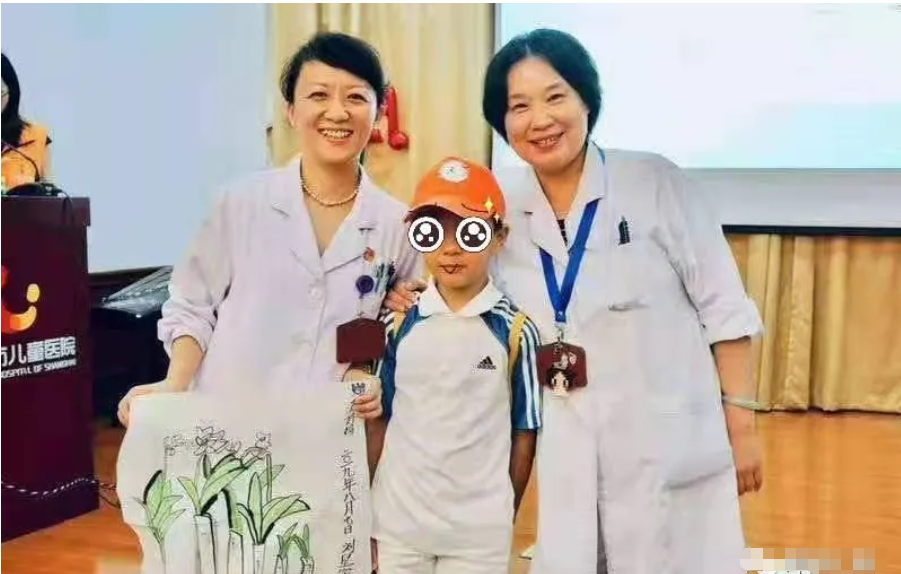
Dr. Shao Jingbo | Pediatric Hematologist Specializing in Leukemia, Rare Diseases, and Stem Cell Transplantation
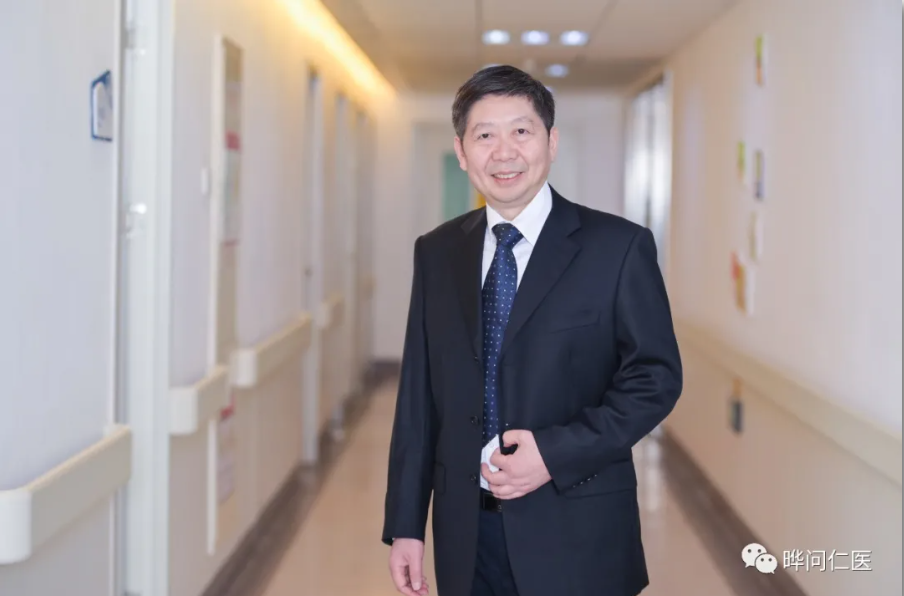
Dr. Huang Wenyan | Specialist in Children’s Kidney and Autoimmune Diseases
Dr. Lian Jingcai | The Magic Hands of Ophthalmology
Dr. Long Qiqi | Expert in Endometriosis and Minimally Invasive Gynecologic Surgery
Dr. Zou Qifei | A Hepatobiliary Surgeon Tempered by Experience
Dr. Wu Liang | Precision in Craft, Integrity in Practice
Dr. Zhang Guofu | Helping Patients See the Sunny Place
Copyright © 2023 Yewen Renyi & ShanghaiDoctor.cn (This website is a non - profit medical humanities platform. The information contained herein is solely for biographical and historical purposes and does not constitute any medical advice.) 沪ICP备2023005392号-2 XML 沪公网安备31010902100835号
 中文
中文 English
 Español
 沪公网安备31010902100835号