ShanghaiDoctor - Where China's Healing Wisdom Shapes Modern Medicine

Update time:2026-06-19Visits:4949
Profile
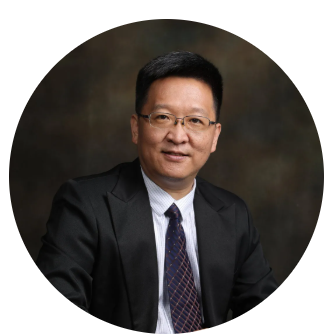
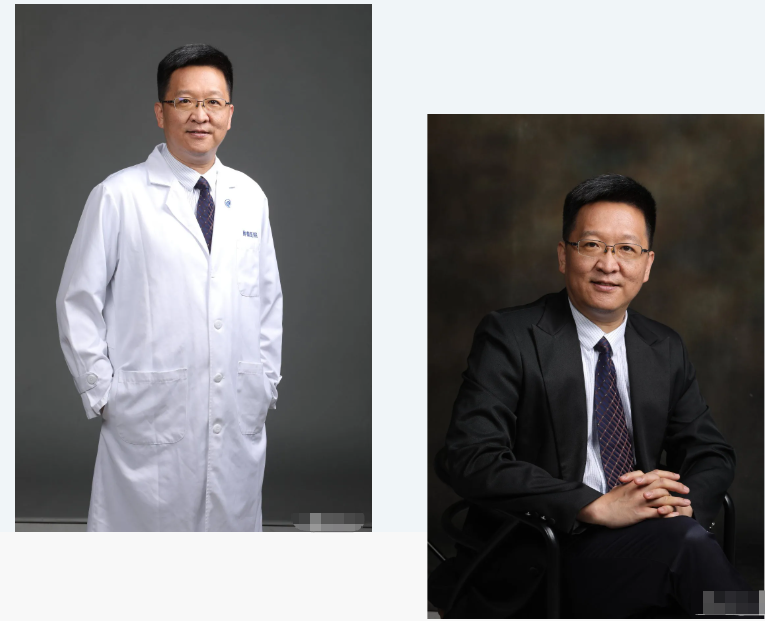
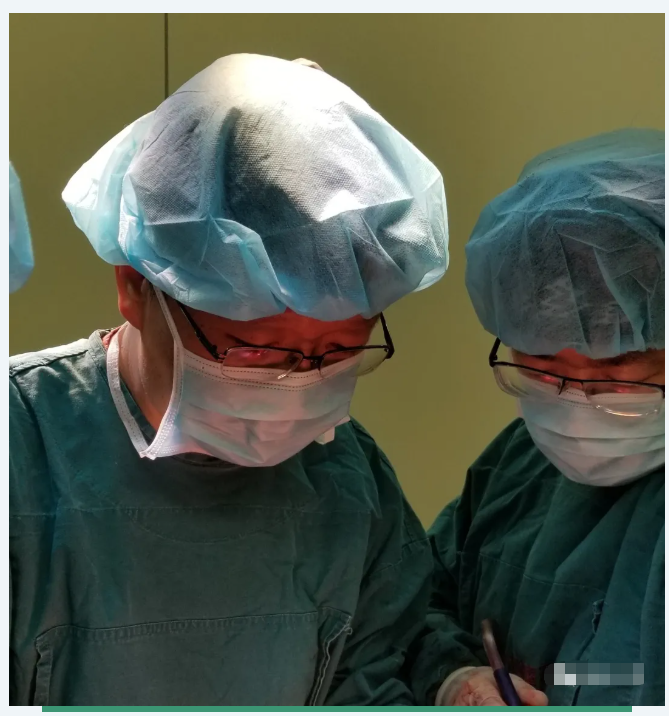
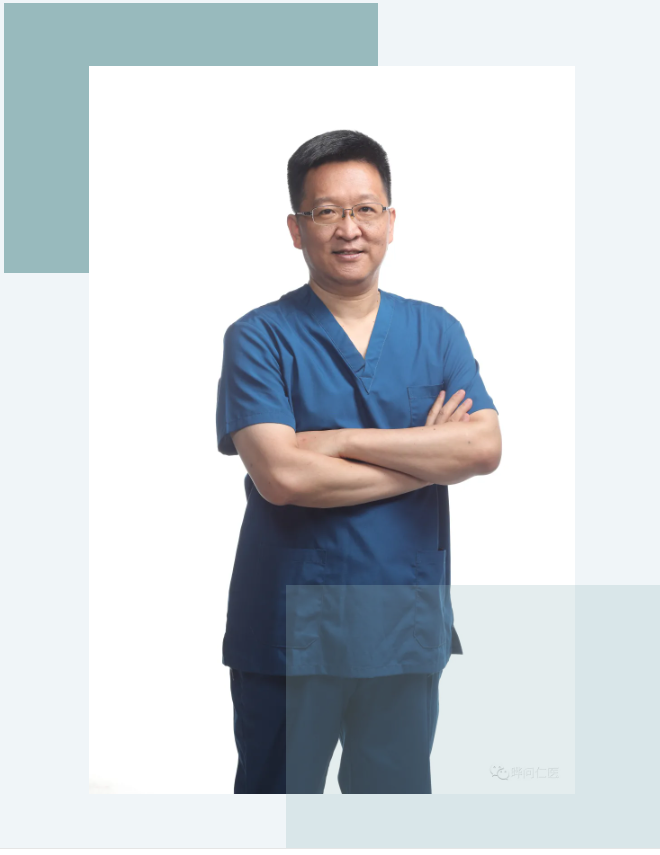
Zhang Ti serves as Deputy Director, Chief Physician, and Professor in the Department of Liver Surgery at Fudan University Shanghai Cancer Center. He holds numerous leadership roles, including Standing Committee Member of the Liver Cancer Professional Committee of the Chinese Anti-Cancer Association; Standing Committee Member of the Biliary Tract Tumor Professional Committee of the Chinese Anti-Cancer Association; Member of the Tumor Precision Therapy Professional Committee of the Chinese Anti-Cancer Association; Standing Committee Member of the Liver Surgery Professional Committee of the Surgical Branch of the Chinese Medical Doctor Association; Member of the Tumor Surgery Professional Committee of the Surgical Branch of the Chinese Medical Doctor Association; and Member of the Biliary Tract Tumor Expert Committee of the Chinese Society of Clinical Oncology (CSCO).
He graduated from Fudan University with a major in Surgery, under the mentorship of internationally renowned liver cancer expert Academician Tang Zhaoyou , one of China’s most respected pioneers in liver cancer surgery. From 2009 to 2010, he was publicly funded to study in the United States, spending a year as a visiting scholar at the MD Anderson Cancer Center. From 2005 to 2020, he worked in the Department of Hepatobiliary Surgery at Tianjin Medical University Cancer Institute and Hospital. In 2021, he joined the Department of Liver Surgery at Fudan University Shanghai Cancer Center through a talent introduction program, focusing on clinical and basic research into abdominal tumors, particularly hepatobiliary surgery.
He specializes in the diagnosis and comprehensive treatment of benign and malignant tumors of the hepatobiliary system, with extensive clinical experience. He is proficient in radical resection of liver cancer and gallbladder cancer, radical resection of hilar cholangiocarcinoma, pancreaticoduodenectomy, and resection of large retroperitoneal tumors. He also holds unique insights into conversion therapy for advanced liver cancer.
First Perspective
“Chinese doctors’ practice and research in liver cancer treatment have been passed down through generations. In the 1980s, Academician Tang Zhaoyou, Academician Wu Mengchao, and other liver cancer experts had already reached the pinnacle of global liver cancer diagnosis and treatment, earning widespread recognition and respect from peers worldwide. Over the years, Chinese liver cancer doctors have continued to strive for progress without ever slacking off.” Zhang Ti speaks with evident pride.
Of course, whether accumulated experience or scientific research, it must ultimately return to clinical practice. The highest goal of clinical practice is to keep patients alive; research without overall survival (OS) holds little clinical significance. Over the past two decades, Zhang Ti has been dedicated to exploring methods for curing liver cancer and extending the survival time of patients with advanced and end-stage disease. Over the years, he has pulled many cases back from the jaws of death—some of which have become almost legendary.
“What makes these outcomes possible is the patients’ determination to fight and the families who stand beside them, urging the medical team to try everything. In fact, patients are the most admirable people,” Zhang Ti said with a relieved smile.
The stories told always sound simple, but for doctors saving lives, the challenges involved are not limited to the treatment process; they often lie in the complex interplay of human nature. Especially for end-stage cancer patients who cannot undergo surgery, chemotherapy, or radiotherapy, palliative care essentially struggles to extend survival. In the context of tense doctor-patient relationships, even fewer doctors are willing to take such significant risks. Yet Zhang Ti believes that a good doctor must not only learn routine diagnosis and treatment but also break through existing conventions. A good doctor treats the whole person — not only performing surgery or prescribing medicine, but also helping patients understand their disease and make better choices for their health.
From Tianjin to Shanghai, the pace of life and dietary habits may shift, but what remains constant is a passion for medicine, a quiet and unassuming disposition, and the enduring commitment to "make cancer history."
What occupies your thoughts? In all things, simply "take it easy and enjoy life."
1. The Path to Medicine
Zhang Ti was born into a medical family.
Both his grandfather and maternal grandfather were physicians. Due to the circumstances of their era, his parents were unable to pursue their own aspirations in medicine. Carrying their hopes and expectations, Zhang Ti entered Tianjin Medical University in 1989 with outstanding grades, majoring in Clinical Medicine.
"Actually, I once thought about becoming a teacher," Zhang Ti recalls. "But once I entered the medical field, I found that being a doctor suits me very well."
Donning the white coat gave Zhang Ti a profound sense of purpose.
In 1994, Zhang Ti began working as a general surgery resident at a district-level hospital in Tianjin. On his second day, while seeing patients in the outpatient clinic, his supervising doctor suddenly called him: "There's an appendectomy. Do you want to do it?"
"I was both thrilled and nervous," Zhang Ti says with a smile. He hurried over—a moment he would never forget: his first time operating independently under the surgical light. From making the incision to suturing, he did everything himself, with the supervising doctor acting as his assistant. The procedure was already deeply ingrained in his mind; as the scalpel pressed down, every movement was solemn and cautious. After the surgery, he stayed by the patient's bedside without leaving for a moment, occasionally checking for any abnormalities.
"That scene is still vivid in my memory. Looking back, I am most grateful to our patients. With their trust and support, a doctor can gradually grow."
This close bond of mutual reliance between doctor and patient stems from Zhang Ti's empathy. Following his department director, he and his team conducted research on liver cancer and achieved some results, but the gaps in the field remained a difficult chasm to cross. In that era, when medical technology was still underdeveloped, few hospitals were capable of performing liver surgeries. At the hospital, Zhang Ti often saw doctors helpless in treating patients with liver trauma, rupture, and bleeding. Waiting for death in agony was often the only option in the face of such helplessness.
"I could feel the intense fear many patients had toward their illnesses. A doctor's work is not just about physically treating and saving lives, but also providing psychological care. Sometimes, a single word, or even a glance, can have a profound impact on the patient and their family."
Driven by a spirit of exploration, it happened that during his advanced studies in Shanghai, Zhang Ti encountered an opportunity to study under an academician, and he gladly seized it. The journey proved fruitful. Having acquired a set of skills and filled with fervent passion, Zhang Ti returned to Tianjin in 2001 and, with the support of his department director, began performing liver resection surgeries.
But his connection with Shanghai was far from over.
In 2002, Zhang Ti successfully passed the doctoral entrance examination for the Surgery (Oncology) program at Fudan University, studying under the internationally renowned liver cancer expert, Academician Tang Zhaoyou. A world-class oncological surgeon and a pioneer in the study of small liver cancer, Academician Tang authored works such as *Tang Zhaoyou's Clinical Hepatology* and *Modern Oncology*, and wrote the liver cancer chapter for three consecutive editions of the *UICC Manual of Clinical Oncology* published by the International Union Against Cancer (UICC). Zhang Ti had long admired him.
“Before becoming Teacher Tang’s student, I had already read *Tang Zhaoyou's Clinical Hepatology*. Through his personal instruction and example, it felt as though the book came to life before my eyes.” Later, Zhang Ti also served as Academician Tang’s secretary for a time. During their exchanges, he learned that every sentence in the book had been written word by word by Academician Tang during his waiting time at airport terminals.
“Being his student, the deepest impression the old gentleman left on me was his meticulousness. He was serious and earnest with patients, clinical work, and scientific research; he was scrupulous and approachable in his conduct, treating everyone equally—from national leaders to the cleaning staff in the department.”
Through their daily interactions, the rigor and wisdom of his mentor’s character profoundly influenced Zhang Ti’s entire life. After returning to Tianjin in 2005, during his fifteen years working in the Hepatobiliary Surgery Department of Tianjin Cancer Hospital, as his age, experience, and clinical expertise grew, he came to realize more and more deeply that the vast world of liver surgery still held endless oceans waiting for him to explore, and many disciplinary gaps waiting for him to fill.
The first step toward making a leap was to break and reshape.
In 2021, Zhang Ti joined the Department of Liver Surgery at Fudan University Shanghai Cancer Center through a talent introduction program, serving as Deputy Director of the department, primarily engaged in clinical and basic research in hepatobiliary surgery. Stepping out of his comfort zone was both a challenge and a new starting point.
“I think if a person truly has ideas in their heart, they must leave their comfort zone. Without stepping out of a comfortable environment, nothing can be accomplished. Medicine is not only a scientific and professional topic but also a topic of the art of life. It has undergone significant development alongside humanity. If I can focus my energy on patients, enabling a patient with advanced-stage cancer to be cured, and on this basis explore certain patterns to benefit more patients and bring hope to numerous liver cancer patients, then—though I dare not claim boundless merit—it will at least make my life more meaningful.”
2. Making Cancer History
In fact, Zhang Ti is full of anticipation and confidence regarding the treatment of cancer.
From 2009 to 2010, Zhang Ti was sent by his institution to study in the United States, spending one year as a visiting scholar at the MD Anderson Cancer Center. True to the hospital’s creed—“Making Cancer History”—every doctor there took it upon themselves to update clinical guidelines. Their enthusiasm toward patients, and the heartfelt, clinical-to-humanistic care between doctors and patients, deeply moved Zhang Ti. He suddenly realized that cancer had never been insurmountable. On the international stage of liver cancer treatment, the world needed to hear China’s voice.
Compared to the vast majority of countries worldwide, liver cancer in China presents a unique profile. China accounts for approximately 45% of the global incidence of liver cancer, most cases arising against a background of hepatitis B. The disease often develops insidiously, making early diagnosis difficult, and the majority of patients are already in the intermediate or advanced stages by the time they are diagnosed. In the past, doctors were often powerless in the face of advanced liver cancer. Today, however, thanks to technological advances, even patients in county-level hospitals can receive effective treatment.
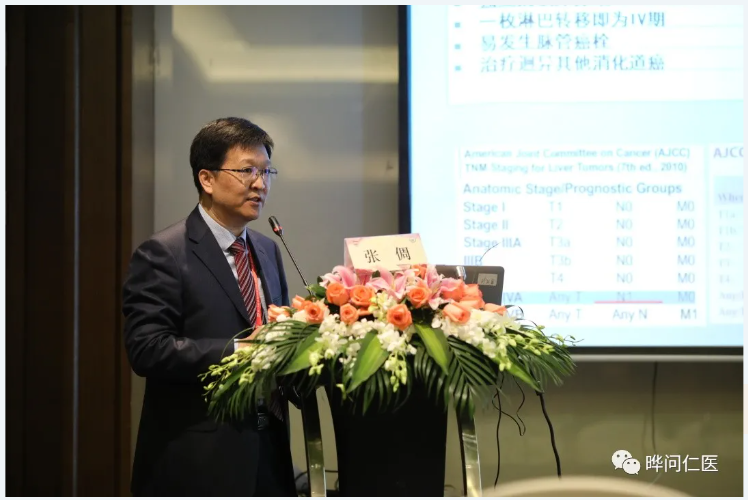
“Over the past decade, the major breakthrough has been the arrival of the era of targeted immunotherapy. With the evolution of surgical techniques, there are no longer any forbidden zones in liver cancer surgery—tumors at any site can be resected. Yet even when resection techniques reached their peak, a fundamental problem remained: the surgical prognosis for liver cancer patients was still poor. When the era of targeted immunotherapy arrived, we were able, through drugs and comprehensive treatment, to transform some previously untreatable liver cancers into treatable ones, and even achieve complete cures. Such cases are becoming increasingly common. In 2017, I reported a successful conversion case at the National Liver Cancer Conference, and it caused a sensation throughout the audience. It was truly remarkable that a patient with advanced liver cancer could be converted to a curable condition. And now, such cases can be seen everywhere.”
A miracle occurred two years ago.
It involved an elderly patient of advanced age, with hypertension and lumbar spine issues, who had been declared inoperable at another hospital and given a life expectancy of only six to twelve months. In despair, she came to Zhang Ti, seeking a last hope for survival.
“When I first saw her, the elderly woman had tumor thrombi in the portal vein, inferior vena cava, and hepatic vein. In the past, this was indeed untreatable.” But times have changed. Through hepatic artery infusion chemotherapy combined with targeted immunotherapy, after more than four months, the tumor thrombus had shrunk, her alpha-fetoprotein levels had returned to normal, and the tumor had reduced significantly—finally meeting the criteria for surgery. With everything in place, Zhang Ti began discussing the operation with the elderly woman.
She was 78 years old and initially reluctant. Zhang Ti explained the pros and cons in detail: “From the perspective of overall prognosis, I believe surgery is very necessary. The current treatment can only achieve local control. In half a year or a year, the treatment may become ineffective, and by then, no drugs will be available.” After weighing the two options, the elderly woman gladly agreed to the surgery. Her recovery went smoothly, and to date, a year and a half later, there are no signs of recurrence.
“In the past, I wouldn’t have dared to imagine such a miracle myself. But now, through the efforts of doctors, the advancement of technology, and the research and development of pharmaceutical companies, we have turned the impossible into the possible, fundamentally solving the problem. Today, I truly feel that we may be closer than ever to conquering liver cancer.”
Good living habits, regular exercise, routine check-ups, and widespread vaccination are steadily reducing the number of liver cancers caused by hepatitis B. Meanwhile, in the fight against liver metastases from colorectal and other cancers, the Department of Liver Surgery at Fudan University Shanghai Cancer Center is working tirelessly to overcome significant challenges. “Early intervention, close monitoring, regular follow-ups, and the application of the latest clinical research findings can turn some unresectable liver cancers into resectable ones. Even patients with advanced disease may have a chance at a cure. By establishing a liver cancer MDT center and employing conversion therapy that integrates internal medicine and surgery, we can extend patients’ expected survival from ten months to twenty months, thirty months, or even achieve a cure. We have a wide range of tools to resist the invasion of cancer.”
In his clinical and research work, Zhang Ti often reminds himself that scientific research must serve clinical practice. Under the mentorship of Academician Tang Zhaoyou, the elder would frequently ask one question: “What is the practical use of this research finding?” Can the value of scientific research be measured by its utility? At first, Zhang Ti did not fully understand. As his experience and knowledge deepened, he gradually grasped the profound meaning behind his mentor’s words.
“We must always remember that our work targets are human beings, and what urgently needs to be solved are real clinical problems. Whether in clinical or basic research, we must remain firmly rooted in this field. To treat diseases and save lives, we swear unwavering commitment.”
3. Who Are the Most Lovable People
Coincidentally.
When he was young, Zhang Ti once wanted to become a teacher; now, he is a professor and doctoral supervisor. The aspiration to teach and nurture people, after many twists and turns, eventually came true.
Sometimes, he jokes with his students that being a doctor is actually very similar to being a teacher. A teacher manages a class of students, while a doctor manages patients in their beds. “But in reality, patients are our teachers.”
The growth of an excellent surgeon is inseparable from the dedication of countless patients who entrust their lives to him. Zhang Ti witnesses life-and-death separations every day in the hospital, yet each time, he cannot help but shed tears. When a patient passes away, the family wails, and the doctor also weeps. This intimate bond of mutual reliance between doctor and patient cannot be measured by money.
There are many touching moments that remain unforgettable.
There was an elderly gentleman from Qinhuangdao. His wife had bile duct cancer. After finding Zhang Ti, he performed a pancreaticoduodenectomy for the elderly lady. The surgery was very successful, and she has had no recurrence for seven years—what can be considered a complete cure. Every time they came to the hospital for check-ups and follow-ups, the old gentleman would always choose the same time: when the grapes from his own vineyard were ripe.
“This is truly a gift of small value but great sentiment,” Zhang Ti said, deeply moved. Every year, without fail, the old gentleman would bring a bag of grapes while accompanying his wife for her hospital check-up. One year, the old gentleman came without grapes, looking very dejected. He said to Zhang Ti, “Director Zhang, please take a look at me. I have a problem.” It turned out that the old gentleman had long suffered from hepatitis B. A few days earlier, during a check-up, he discovered he had liver cancer. Without hesitation, Zhang Ti performed a liver cancer resection for the elderly man. Two years later, the cancer recurred, and another surgery was performed.
One family, two elderly cancer patients, supporting each other through thick and thin.
“In the past, the old gentleman accompanied the elderly lady for check-ups; now, the elderly lady accompanies the old gentleman for check-ups, with their son carrying the grapes, traveling all the way from Qinhuangdao. True human affection, sharing weal and woe through wind and rain.”
From his mentor’s example to his own observations during his time in the United States, Zhang Ti came to understand that medical care and genuine concern for patients are paramount. When faced with critically ill patients, he always explains their condition and treatment plan in a gentle tone, instilling in them the confidence to fight their disease. “A doctor must treat not only the illness but also the heart. We often ask, who are the most lovable people? From a doctor’s perspective, patients are the most lovable. The growth of any doctor is inseparable from patients; they are our best teachers, and we should be grateful to them. Without the trust of patients, how could doctors grow, and how could medicine advance?”
Always measuring success by the improvement of patients’ outcomes is Zhang Ti’s core commitment as a physician.
He knows that opportunities and breakthroughs are rare and cannot be forced, but as long as he diligently fulfills the duties of a doctor, many things will naturally fall into place. At the peak of a surgeon’s career, Zhang Ti’s world leaves no room for petty fame or material gain. He strives to do his utmost, dedicating his life’s work, hoping to collaborate with his colleagues to push the gears of human civilization forward just a little.
“Whether in the past, present, or future, when people mention my mentor, Academician Tang, they all recognize his contributions to the field of liver cancer. What I want to do is the same—to earn recognition for my efforts and contribute to the advancement of liver cancer treatment. If future generations, when looking back, can say, ‘In the field of liver cancer, Zhang Ti and his team made some contributions,’ that will be enough.”
In fact, the dawn has already arrived.
Last year, Zhang Ti visited his mentor, Academician Tang Zhaoyou. He showed Tang his latest research results. After reviewing them, the old man said just one sentence: “Put down all your other work and focus solely on this one thing.”
Zhang Ti let out a long sigh of relief. The old man had studied liver cancer his entire life and, at such an advanced age, still insisted on reading the latest developments in the field every day. This affirmation gave a decisive conclusion to the path Zhang Ti had quietly explored for years.
“The path we are taking is correct, and we must continue to walk it well in the future.” The destination is far, but the goal is clear. Those who act will often succeed; those who walk will often arrive. Step by step, they will eventually reach the distant place.

ShanghaiDoctor.cn:
Director Zhang, you joined the Department of Liver Surgery at Fudan University Shanghai Cancer Center in 2021 through a talent introduction program. How are you adjusting to life in Shanghai? What different experiences have you encountered in clinical work, academic research, and teaching? As a new starting point, what work will you undertake?
Zhang Ti
I once studied and pursued my graduate degree in Shanghai, spending three and a half years there. I returned to Tianjin in 2005, and then came back to Shanghai in 2021, after fifteen years. Shanghai’s weather hasn’t changed, its pace of life remains the same, and its cultural environment is just as I remembered. But as someone who has gone from being a student to a young doctor, and now to a professor, my perspective has certainly shifted. At first, I was reluctant to come to Shanghai—a city known for fierce competition for talent. Yet as my clinical work and research progressed, I realized there are still many things I need to accomplish, and many gaps in the discipline waiting to be explored. If there is a better platform to achieve these goals, our diagnostic and treatment capabilities can improve, and medicine will take on greater meaning. The reason I left Tianjin was that I wanted to step out of my comfort zone and truly make a difference. This is both a new beginning and a challenge.
ShanghaiDoctor.cn:
Director Zhang, what are the common diseases in liver surgery? And regarding the treatment of liver diseases, what do you think is most important?
Zhang Ti
Liver cancer in China differs from that in most countries around the world. In China, liver cancer is more commonly associated with a hepatitis B background. Patients with hepatitis B are often very worried about developing liver cancer. In fact, the incidence of liver cancer is not that high, and there is no need for excessive concern. In the past, hepatitis B testing was included in routine physical examinations, which led to discrimination against many hepatitis B patients. However, in reality, even rare cases of active hepatitis rarely lead to transmission. As a result, national policy has now undergone a significant change, removing this item from physical examinations—a move I believe is very correct. Good lifestyle habits, regular exercise, and routine check-ups can effectively prevent the progression from hepatitis B to cirrhosis. Vaccination has also significantly reduced the number of liver cancer cases. In the future, the number of liver cancers arising from hepatitis B will continue to decline, while metastatic liver cancers—such as those from breast cancer or colorectal cancer—will become more common. The number of cases of alcoholic liver disease and fatty liver disease is also expected to rise considerably.
ShanghaiDoctor.cn:
In February of this year, China’s first patient guide for liver cancer was released. As one of the editorial board members, could you explain the reasons for the guide’s release, its clinical value, and its social significance?
Zhang Ti
With the improvement of the national economy and quality of life, healthcare is increasingly focusing on humanistic care. In the past, the emphasis was more on how doctors treat diseases; now, it is more about standing from the patient’s perspective—considering how patients can understand their illness and cooperate with treatment. We often say, “to comfort always,” but how exactly should we comfort? The emergence of this guide provides the answer. It is a sign of social progress. Policymakers have recognized the importance of humanistic care, and it also facilitates better cooperation between doctors and patients to achieve more effective treatment goals. We must not only treat the disease but also heal the heart.
ShanghaiDoctor.cn:
In recent years, research on liver cancer in China has grown rapidly in both quantity and quality, with more and more original Chinese voices appearing on the international stage. In the field of preclinical research, clinical experts in liver cancer in China have joined hands with basic medical experts to explore the mechanisms of liver cancer occurrence and development. In clinical research, we are also more committed to finding treatment strategies suitable for Chinese liver cancer patients. With the update and launch of the *Guidelines for the Diagnosis and Treatment of Primary Liver Cancer (2021)*, what new landscape will it lead to in the diagnosis and treatment of liver cancer?
Zhang Ti
The significance of diagnostic and treatment standards lies in two key aspects: first, the existence of standards to follow, and second, their effective dissemination. In recent years, under the leadership of experts and physicians guided by Academician Fan Jia, the implementation of liver cancer diagnostic and treatment standards at the grassroots level has been thorough and has garnered widespread recognition. Even if doctors in primary hospitals are unable to treat the disease themselves, they now know where to refer patients for help, thereby enabling more patients to benefit. For the overall improvement of clinical treatment levels for liver cancer, the updating of these standards ensures they better reflect the current realities of liver cancer diagnosis and treatment in China. The promotion and grassroots implementation of these standards are therefore of great significance.
ShanghaiDoctor.cn:
Under this new landscape, how can China’s liver cancer prevention and treatment system be further improved?
Zhang Ti:
Treating liver cancer only after it has developed is not the optimal approach. Traditional Chinese medicine often speaks of “treating before disease arises,” so prevention is paramount. Vaccination is an effective preventive measure. During my month in the operating room at the MD Anderson Cancer Center in the United States, I did not see a single patient with primary liver cancer, indicating that their infection rate is very low. Therefore, in China, the first priority is prevention; the second is early diagnosis and early treatment; and the third is expanding treatment options—converting untreatable cases into treatable ones and extending survival for those who can be treated. This is how we can improve the liver cancer treatment system.
ShanghaiDoctor.cn:
What unique insights do you have regarding conversion therapy for advanced liver cancer?
Zhang Ti:
Initially, surgeons tended to prefer surgical treatment for early-stage liver cancer because of its good prognosis and significant outcomes. However, after studying under Teacher Tang for many years, I came to realize that in China, intermediate and advanced liver cancer is the primary focus of treatment, with 70 to 80 percent of patients presenting with advanced disease. In the past, foreign experts believed that advanced liver cancer should not be operated on, and therefore did not recognize China’s achievements. Now, through conversion therapy that combines internal medicine and surgical approaches, we can extend patients’ expected survival from ten months to twenty or thirty months, or even achieve a cure. Such results will undoubtedly gain international recognition. The advent of new drugs, the evolution of doctors’ thinking, and the combination of different treatment modalities have led to an increasing number of advanced liver cancer cases being cured.
ShanghaiDoctor.cn:
How do you define a good doctor, and what is the most indispensable quality for a doctor?
Zhang Ti:
A benevolent heart and benevolent skill. First, a doctor must have a sincere heart that truly considers the patient’s well-being. Without a kind heart, one cannot become a good doctor. Benevolence is an essential quality; it is wrong to think only of fame and wealth every day. Second, a doctor must continuously cultivate themselves, improve their medical skills, enhance their ability to learn, and raise their level of teaching for the next generation. A benevolent heart and benevolent skill are both indispensable.
ShanghaiDoctor.cn:
What hobbies do you have outside of work?
Zhang Ti:
I used to have a wide range of hobbies—I could play Go, badminton, table tennis, go long-distance running, and play football and basketball. But now, I leave for medical school at 7 a.m. and don’t return home until 9 p.m., exhausted all day with no energy left for anything else. My schedule is packed from morning till night. Being a doctor is truly no easy task; one must endure pressures beyond the ordinary. Yet the sense of achievement it brings is unmatched by any other profession. On an individual level, I can treat difficult and complex cases; from the perspective of advancing the field, I hope to drive progress across the entire discipline—this is immensely valuable. Many elderly patients send me WeChat messages on Doctors’ Day to wish me a happy Doctors’ Day. They don’t sign their names, and I don’t know who they are, but I am deeply moved.
Editor: Chen Qing
If you need any help from Dr. Zhang Ti, Please be free to contact us at Chenqing@ShanghaiDoctor.cn.
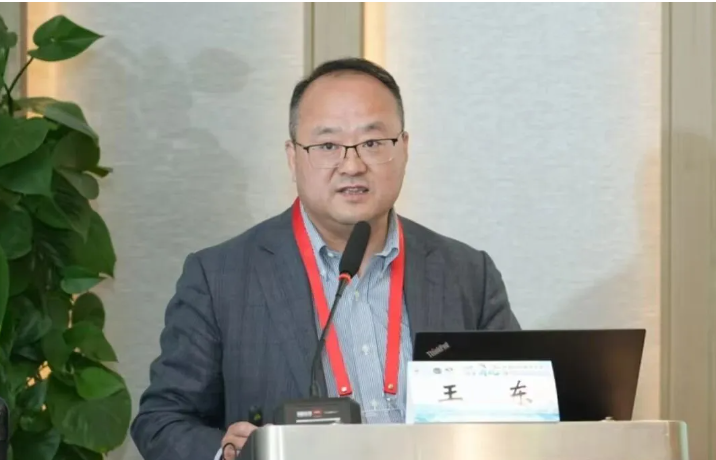
Dr. Wang Dong | Pioneer of Natural Orifice Transluminal Endoscopic Surgery in China
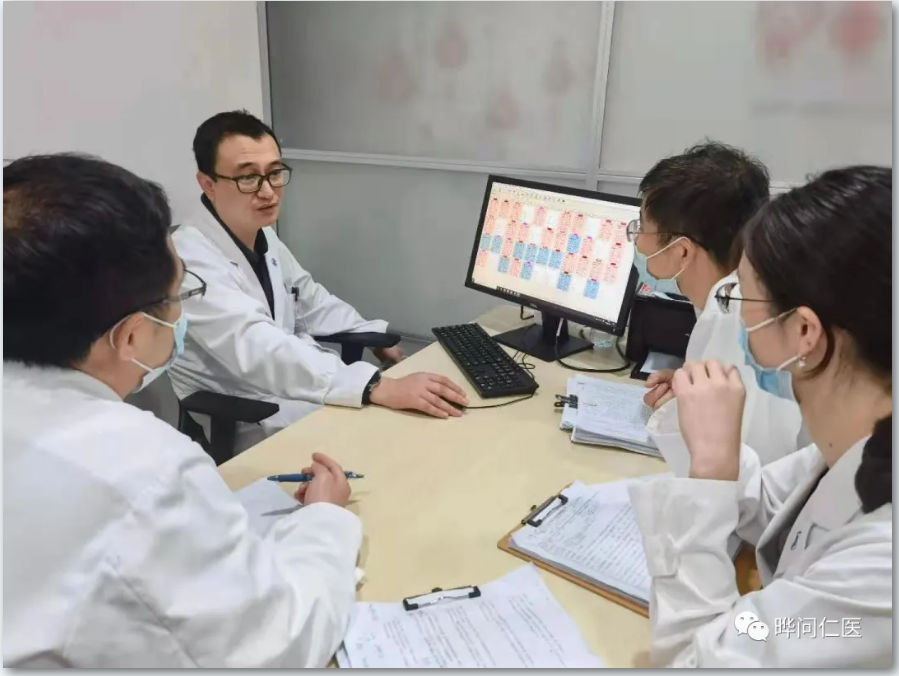
Dr. Zhang Xiaowei | Doing Practical Work, Staying True to the Original Calling
Dr. Lai Songtao | A Physician’s Heart, Carving Mastery in Oncology
Dr. Zhang Zhengwang | Called by Duty, Bound by Responsibility in Female Urology
Dr. Gu Leyi | A 30-Year Odyssey of Healing, Innovation & Compassion
Dr. Lu Chunyan | Expert in Minimally Invasive Gynecologic Surgery and Pelvic Floor Reconstruction
Dr. Zhang Ti|Chasing Every Possible Chance Against Liver Cancer
Dr. Jun Li | Never Looking Back in Complex Hepatobiliary Surgery
Dr. Chen Jianghan | The Ones Most Deserving of Thanks Are my Patients
Dr. Wang Dong | Pioneer of Natural Orifice Transluminal Endoscopic Surgery in China
Dr. Zhang Xiaowei | Doing Practical Work, Staying True to the Original Calling
Dr. Lai Songtao | A Physician’s Heart, Carving Mastery in Oncology
Dr. Zhang Zhengwang | Called by Duty, Bound by Responsibility in Female Urology
Dr. Gu Leyi | A 30-Year Odyssey of Healing, Innovation & Compassion
Dr. Lu Chunyan | Expert in Minimally Invasive Gynecologic Surgery and Pelvic Floor Reconstruction
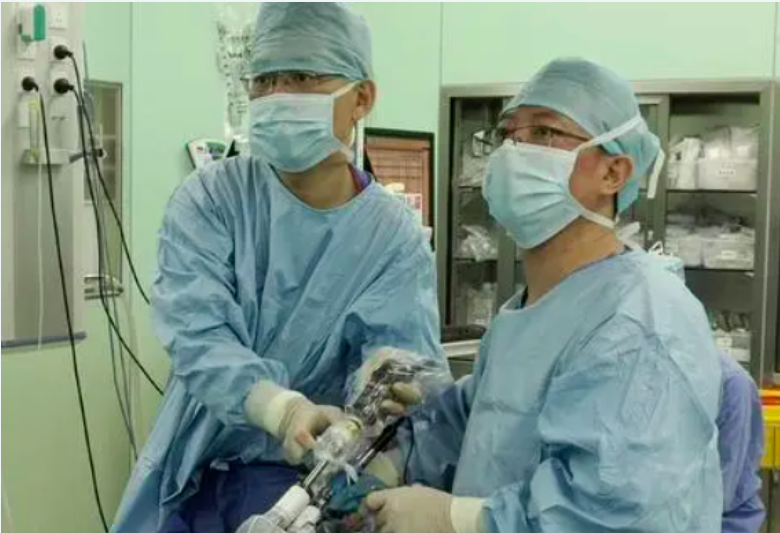
Dr. Chen Xu | From Challenging Early Service to Leading Minimally Invasive Gynecologic Care in Shanghai
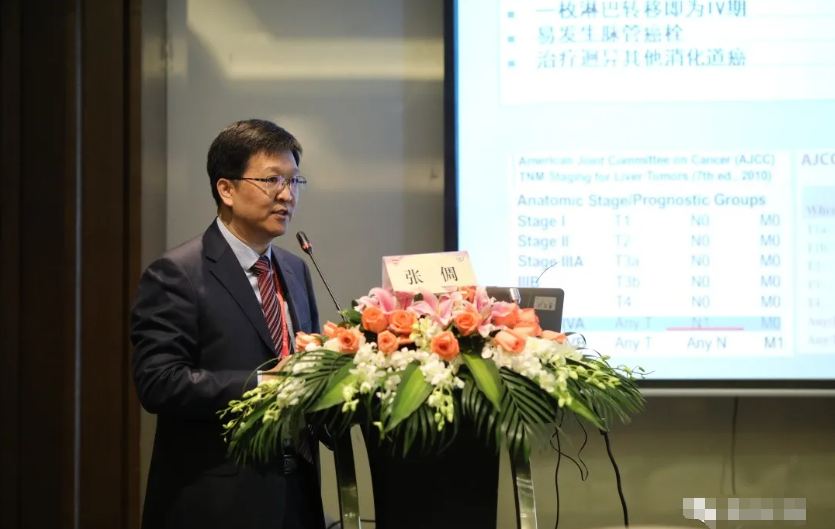
Dr. Zhang Ti|Chasing Every Possible Chance Against Liver Cancer
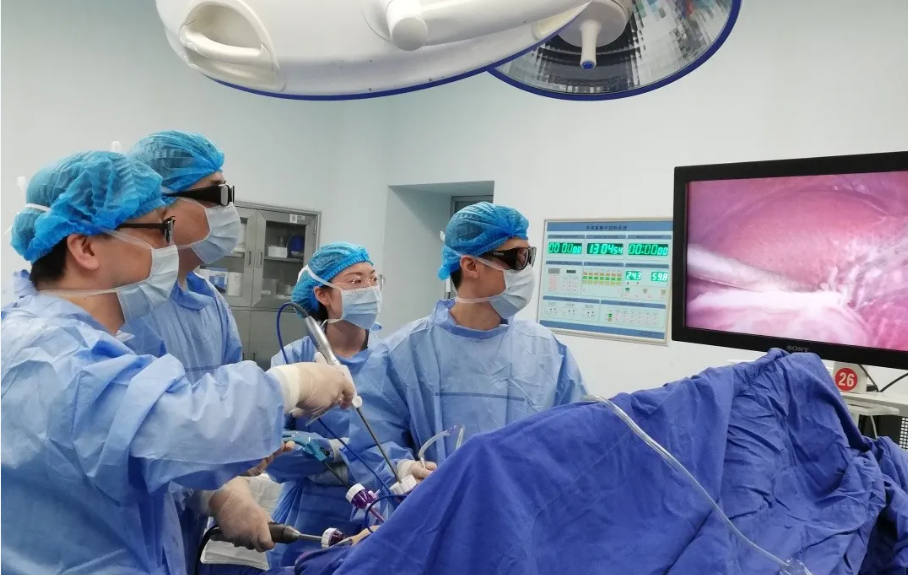
Dr. Jun Li | Never Looking Back in Complex Hepatobiliary Surgery
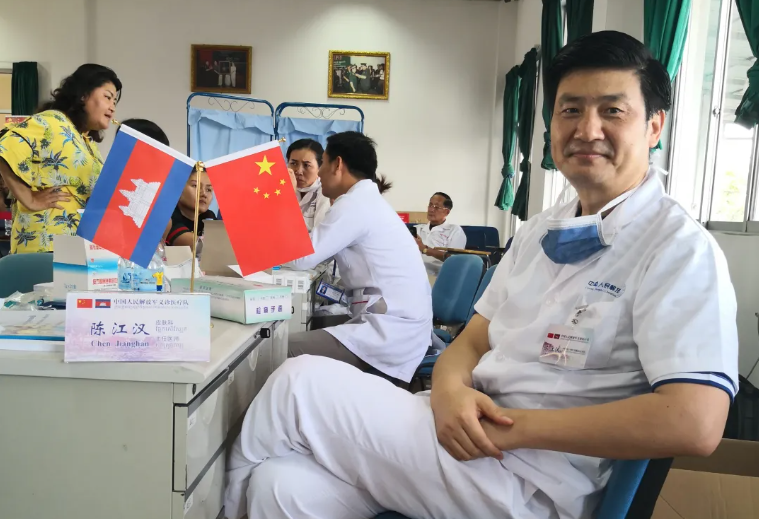
Dr. Chen Jianghan | The Ones Most Deserving of Thanks Are my Patients
Copyright © 2023 Yewen Renyi & ShanghaiDoctor.cn (This website is a non - profit medical humanities platform. The information contained herein is solely for biographical and historical purposes and does not constitute any medical advice.) 沪ICP备2023005392号-2 XML 沪公网安备31010902100835号
 中文
中文 English
 Español
 沪公网安备31010902100835号