ShanghaiDoctor - Where China's Healing Wisdom Shapes Modern Medicine

Update time:2026-07-26Visits:3031
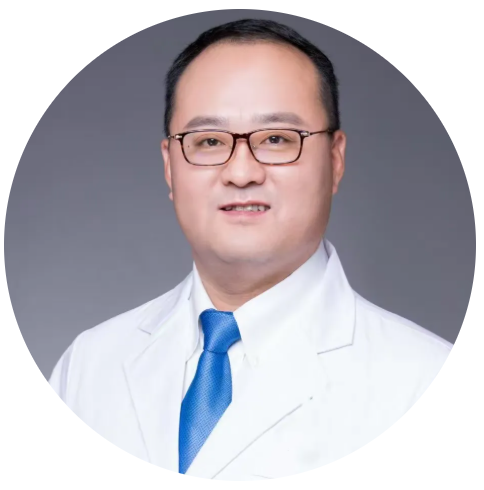
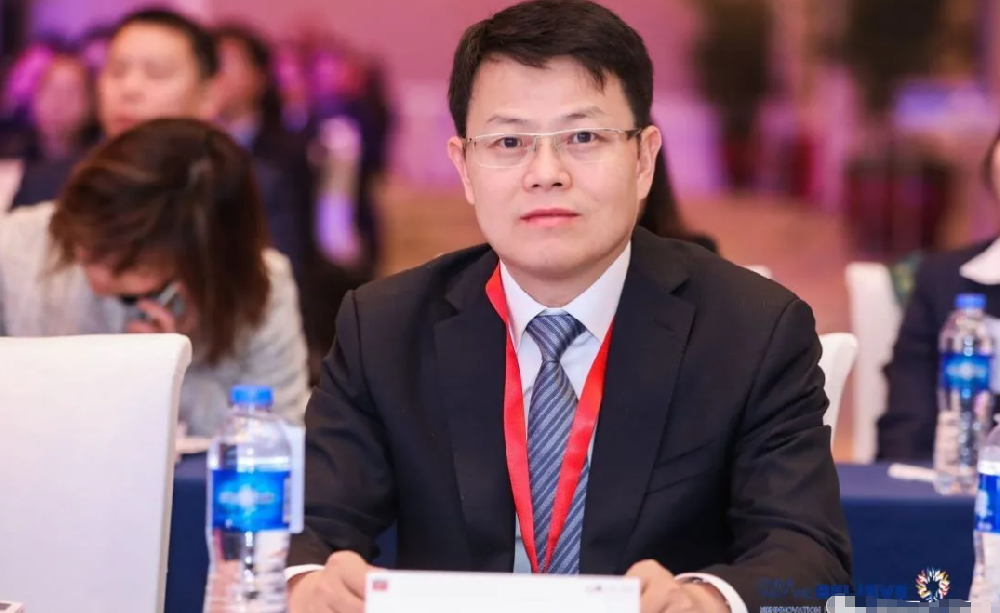
Wang Dong is a leading Chinese gastroenterologist and endoscopist specializing in high-complexity, minimally invasive treatment of gastrointestinal tumors and pancreaticobiliary disease. He currently serves as Director of the Department of Gastroenterology and Director of the Digestive Endoscopy Center at Shanghai Ninth People’s Hospital, affiliated with Shanghai Jiao Tong University School of Medicine.
He is widely recognized for pioneering the clinical application of Natural Orifice Transluminal Endoscopic Surgery (NOTES) in China and for his contributions to advanced endoscopic techniques including ERCP, EUS, and ESD.
Wang Dong grew up in Shandong Province. A severe childhood illness left a lasting impression: the focused care of a village doctor who treated his high fever planted an early sense of the value of medical work. He later recalled the traditional Chinese maxim often repeated in medical school classrooms—“If one cannot serve as a capable statesman, one should strive to become a skilled physician”—as a guiding principle for his career choice.
After graduating from university in 1996, he joined the Department of Gastroenterology at the General Hospital of the Jinan Military Command. At the time, gastrointestinal endoscopy was shifting from purely diagnostic observation toward therapeutic intervention. Wang observed a recurring clinical problem among local patients: large gastric bezoars (phytobezoars) formed after consumption of persimmons and black dates. These stones could reach 20 cm in diameter, far beyond the capacity of standard biopsy forceps.
Most patients required open surgery. Motivated by the desire to spare patients major abdominal operations, Wang and his colleagues designed a modified gastric stone lithotripter. The device featured two independently controlled wires for more reliable capture of smooth stones and applied lever principles to generate cutting force while protecting the gastric mucosa and the endoscope itself. The instrument later received a national patent and enabled endoscopic management of large bezoars for patients from across China, reducing the need for open surgery.
Seeking further training at the highest level, Wang prepared for graduate studies and entered the Second Military Medical University, ultimately joining Shanghai Changhai Hospital—then one of China’s leading centers for digestive endoscopy.
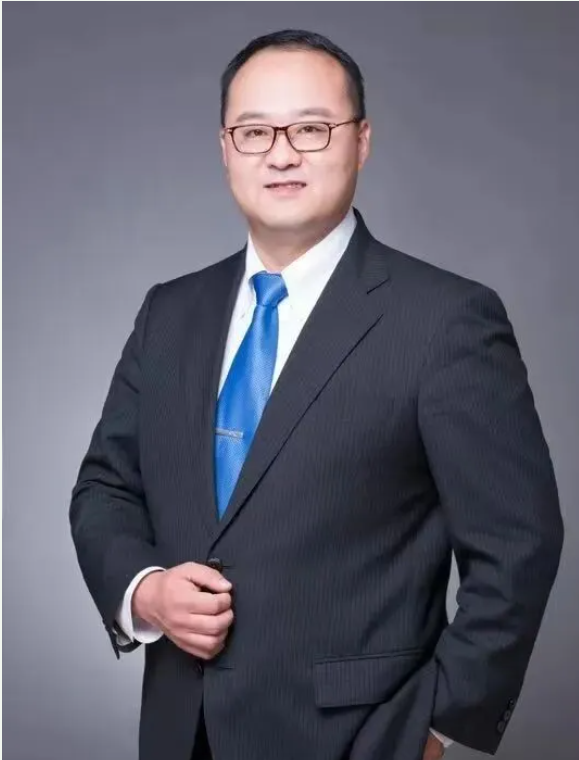
In 2006, after completing his doctorate, Wang joined the Gastroenterology Department at Changhai Hospital under the mentorship of Academician Li Zhaoshen. Although he already held a doctoral degree, he found that advanced therapeutic endoscopy—particularly ERCP, EUS, and ESD—was largely reserved for senior attending physicians. He approached the learning curve systematically, combining careful observation of senior operators with deliberate analysis of anatomy and instrument mechanics.
He developed personal techniques for scope alignment and instrument shaping grounded in physical principles. Within a relatively short period he achieved proficiency across the major high-difficulty modalities and became known as a versatile endoscopist capable of managing complex cases in ERCP, EUS, ESD, and later NOTES.
A notable early case involved a 29-year-old patient from Xi’an who had undergone stent placement for an aortic aneurysm. Subsequent esophageal stenting led to migration of the esophageal stent into the stomach, where the expanded metal device threatened gastric perforation while remaining dangerously close to the aneurysm. Multiple centers declined to attempt endoscopic retrieval because of the risk of catastrophic hemorrhage.
Academician Li referred the case to Wang. After careful planning, Wang devised a solution that used a large transparent distal attachment cap on the gastroscope to gradually collapse and contain the expanded stent before controlled withdrawal. The procedure was performed in a thoracic operating room with surgical backup ready. The stent was successfully retrieved. Wang later emphasized that such high-risk interventions rest on rigorous preoperative imaging review and risk assessment rather than improvisation.
During his years at Changhai he also corrected a misdiagnosis in which an outside hospital had recommended resection of what proved, on careful endoscopic ultrasound and CT review, to be a vascular variant of an aortic branch—potentially life-threatening if operated upon as a submucosal tumor. He has consistently stressed the physician’s responsibility to re-examine original imaging rather than rely solely on prior reports.
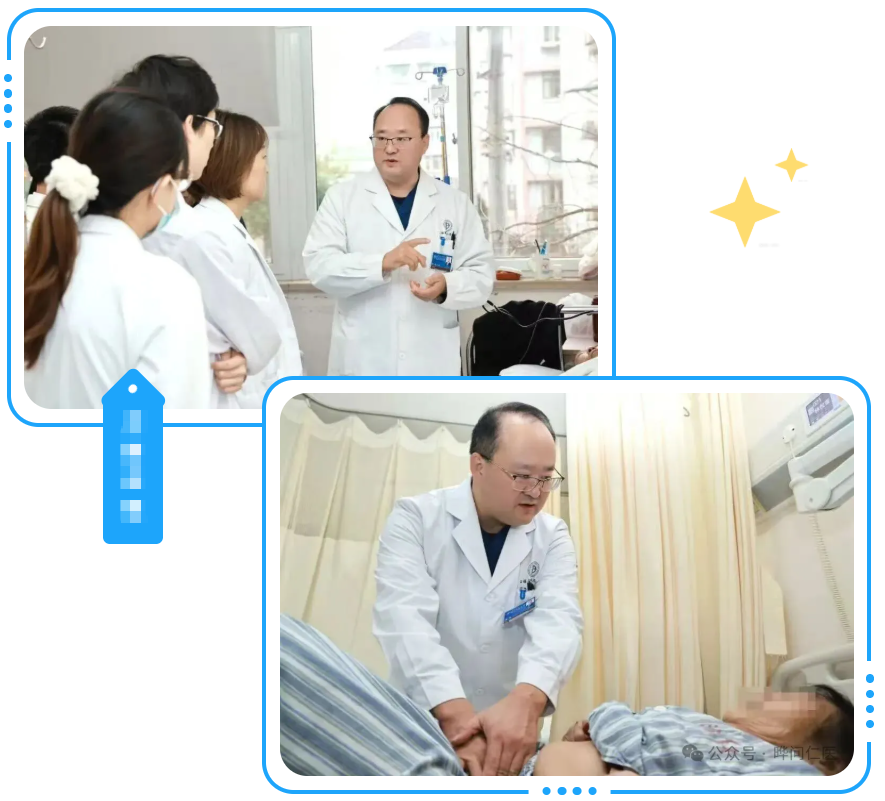
In 2007, Academician Li introduced the emerging concept of Natural Orifice Transluminal Endoscopic Surgery (NOTES) at a departmental conference and asked Wang to review the literature and present the topic. NOTES aims to access the peritoneal cavity through natural orifices (mouth, anus, or vagina), leaving no external scars and minimizing abdominal wall trauma. Recognizing its potential as an extreme form of minimally invasive surgery, Wang was assigned to pursue laboratory research full-time.
Working with limited resources, he and a graduate student modified discarded endoscopes, constructed rudimentary insufflation systems, and performed extensive live-animal experiments on pigs. Procedures included abdominal exploration, liver biopsy and partial resection, spleen biopsy, and, in 2008, a successful single-flexible-endoscope cholecystectomy. Although the experimental cholecystectomy demonstrated technical feasibility, practicality still lagged behind conventional laparoscopy at that stage. The work nevertheless established the group’s early academic presence in NOTES research within China.
Transition to clinical application required overcoming institutional skepticism. After multiple ethics committee reviews, Wang successfully argued the case on grounds of reduced trauma, shorter recovery, and the anatomical advantages of certain approaches. In 2009 he performed China’s first clinical NOTES procedure—a transgastric retroperitoneal lymph-node biopsy—followed by endoscopic fenestration of a large hepatic cyst in an 82-year-old patient via a gastric incision, avoiding an external abdominal wound. The elderly patient recovered with minimal analgesia and early mobilization.
Wang later served for many years as deputy leader of the NOTES Collaborative Group under the Digestive Endoscopy Branch of the Chinese Medical Association. He has also advocated a broader concept he terms “New NOTES”: any approach that combines endoscopic technology with the shortest possible surgical pathway, even if a small percutaneous access is used (for example, endoscopic debridement of pancreatic necrosis or pelvic abscess through a micro-incision). The guiding principle remains the same: solve the clinical problem with the least trauma while preserving organ integrity.
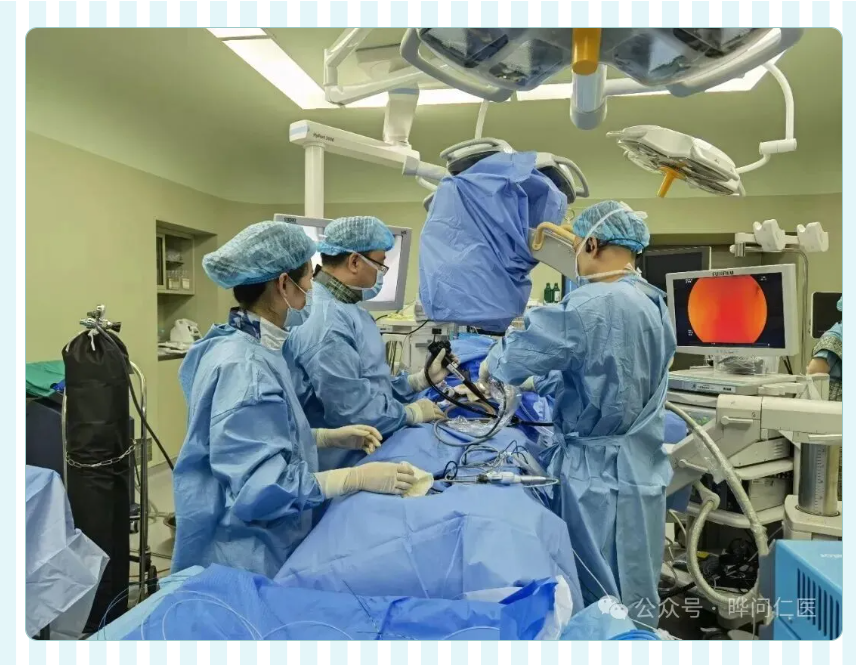
In August 2024 Wang was appointed Director of the Department of Gastroenterology and the Digestive Endoscopy Center at Shanghai Ninth People’s Hospital. The hospital is internationally known for stomatology and plastic and reconstructive surgery; building a distinctive gastroenterology profile in a competitive Shanghai landscape required deliberate differentiation.
He introduced confocal laser endomicroscopy and established a dedicated early gastrointestinal cancer endoscopy clinic. Current development work focuses on integrating microendoscopy with artificial intelligence to support real-time cellular-level diagnosis and assist in procedural planning. Wang views AI as an augmentative tool that can reduce repetitive image review and free clinicians for higher-level decision-making and innovation, rather than as a replacement for physicians.
In departmental management he emphasizes both technical excellence and a culture of continuous learning. He encourages young physicians to develop deep expertise in defined sub-specialties rather than remaining generalists, while maintaining an open teaching environment in which senior and junior staff share cases and night duties. He has described the ideal departmental culture as one in which “teaching benefits both teacher and student,” with mutual progress rather than hierarchy as the dominant dynamic.
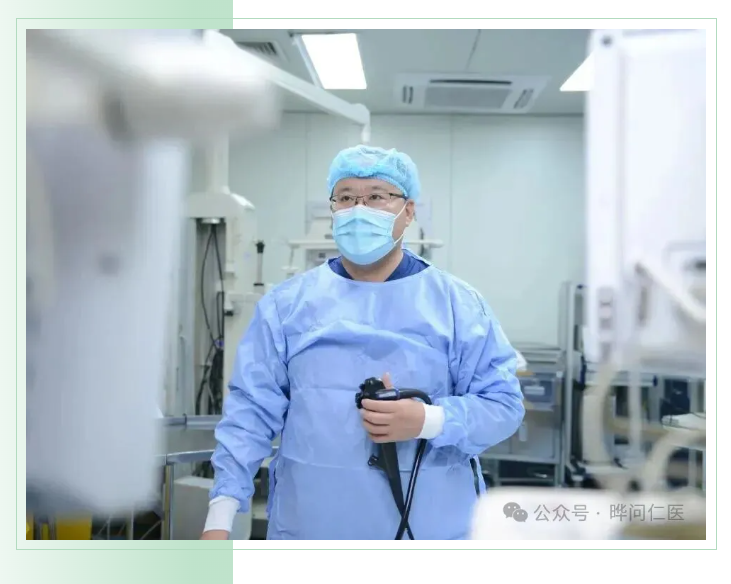
For international readers, his story offers a window into the rapid evolution of therapeutic endoscopy in China over the past two decades and into the practical mindset of a clinician-innovator focused on minimizing invasiveness while expanding the boundaries of what can be achieved through natural orifices and flexible endoscopy.
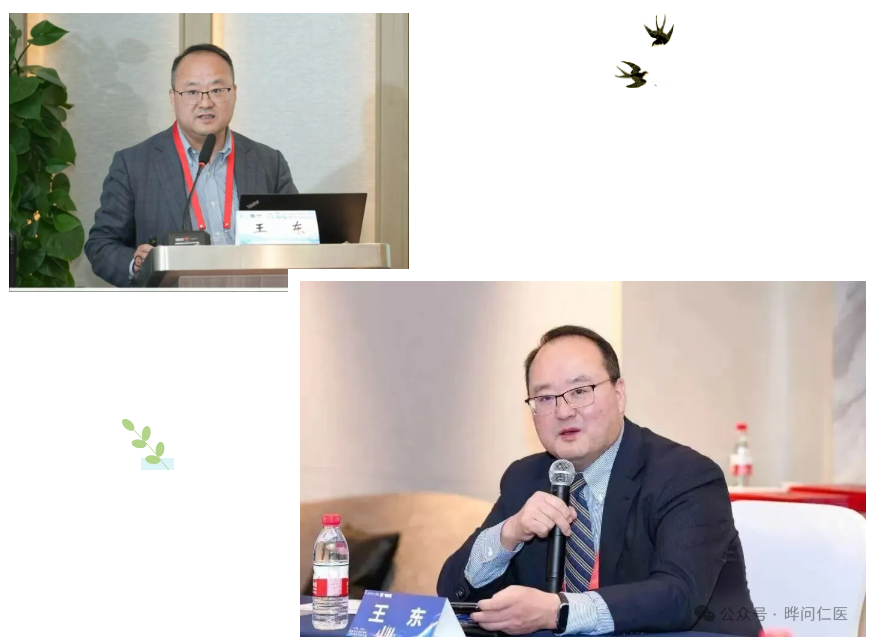

ShanghaiDoctor.cn:When you talk about endoscopic structure and force analysis, it is clear that you have a strong background in physics. Do you have any particular hobbies outside of medicine?
Wang Dong: You are right. I took part in the National Physics Competition in middle school and have always been fascinated by mechanical structures. I keep a personal workshop filled with tools. I enjoy working on engines, building machine models, and making things by hand. It is something I genuinely like.
ShanghaiDoctor.cn:Does this hobby contribute directly to your medical innovations?
Wang Dong: It does. When I encounter a clinical situation in which existing instruments do not perform well, I often go back to the workshop to experiment. For example, I felt that current endoscopic submucosal dissection (ESD) techniques were still relatively slow. Working with my graduate students, we modified existing instruments and tested the new approach in ex-vivo animal experiments. The modified method proved as fast as endoscopic mucosal resection (EMR) while still ensuring complete resection. To me, the logic behind medical device innovation is similar to assembling an engine: use the simplest physical principles to solve the most complex mechanical problems.
ShanghaiDoctor.cn:You seem quite strict with the young doctors in your department at the Ninth People’s Hospital.
Wang Dong: I have to be. I often tell them that in Shanghai’s highly competitive environment, if you do not develop yourself into a top-tier expert in a defined sub-specialty, it is difficult to establish a lasting career. I am not looking for generalists who can do a little of everything. I want colleagues who can rank among the national leaders in areas such as endoscopic ultrasound or early gastrointestinal cancer diagnosis and treatment.
ShanghaiDoctor.cn:You share your knowledge very openly. Are you never concerned that “teaching a disciple may eventually leave the master without work”?
Wang Dong: Not at all. The teacher–student relationship should be one in which teaching benefits both sides. As my students improve, I am forced to keep advancing as well. I am nearly fifty, yet I still take night duty and rotating shifts alongside the younger doctors. I want to send a clear signal: everyone is equal before the rules, and the department head is no exception. Only if the senior physician continues to progress will he have no reason to fear being surpassed. A healthy departmental culture is one in which everyone is focused on treating patients, not on limiting one another.
ShanghaiDoctor.cn:There is a fairly common perception abroad that medical care is more advanced in Western countries. What is your view of the actual situation?
Wang Dong: I think this perception is often overstated. When I spent time at the University of California, Davis Medical Center, I observed that the entire center performed fewer ERCP procedures in a year than I did individually. The caseload and complexity of patients we see in major Chinese centers are often higher. That intensity of practice tends to refine technical skills. Of course, different systems have different strengths—resource allocation, training pathways, and quality frameworks vary—and direct comparisons should be made with care.
ShanghaiDoctor.cn:How do you see the differences in medical costs and access between China and many Western countries?
Wang Dong: One illustration stays with me. A Chinese American living in the United States developed gastrointestinal bleeding and needed a colonoscopy. From the initial appointment with his family doctor to the actual procedure took about six months, and the final bill was close to five thousand U.S. dollars. In Shanghai the same examination can often be arranged within a few days and costs a fraction of that amount. Differences in healthcare financing, referral systems, and capacity clearly shape patient experience. In recent years some people living overseas have chosen to travel to China for certain procedures, drawn by shorter waiting times and lower out-of-pocket costs. These are real differences in system design rather than simple statements about which system is “better.”
Dr. Shi Yuling | Psoriasis, and Spring Mountains Beyond the Plain
Dr.Ying Chunmei | Laboratory Medicine, Renewed a Little Every Day
Dr. Zhang Lei | Children's Airways, and a Preference for Being Plain
Dr. Chen Tongyu | Chest Surgery Without a Tube, and No Claim to Greatness
Dr. Hua Xiaolin | High-Risk Obstetrics, and a Child Worth Keeping
Dr. Shen Chun | Neonatal Surgery, and a Vow That Makes No Speech
Dr. Yang Ji | A Dermatologist Who Measures the Years by Who Gets Better
Dr. Chen Gong | Children's Bile Ducts, and a Future He Chose Himself
Dr. Luo Zhiguo | An Oncologist Still Hoping for One More Reunion
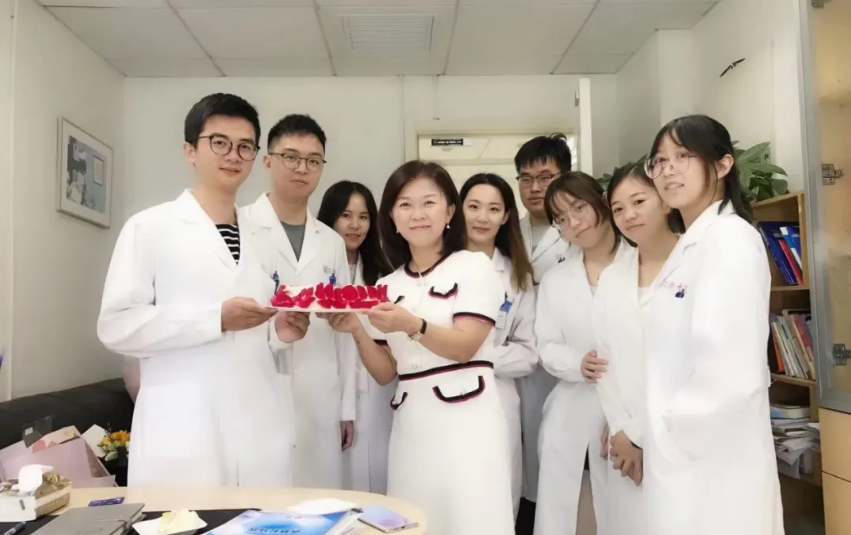
Dr. Shi Yuling | Psoriasis, and Spring Mountains Beyond the Plain
Dr.Ying Chunmei | Laboratory Medicine, Renewed a Little Every Day
Dr. Zhang Lei | Children's Airways, and a Preference for Being Plain
Dr. Chen Tongyu | Chest Surgery Without a Tube, and No Claim to Greatness
Cui Jie | An Infectious-Disease Nurse Who Kept Walking In
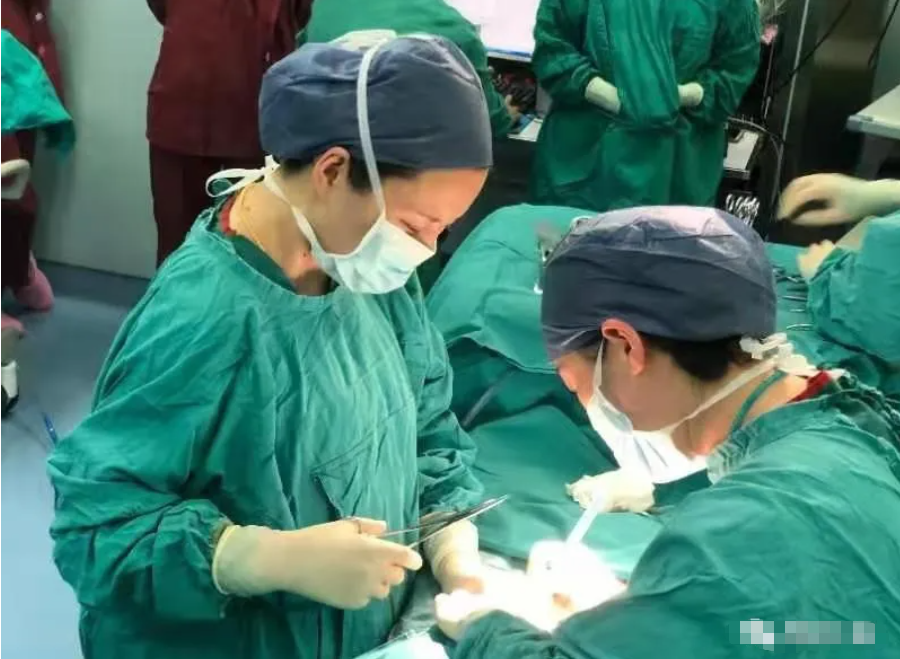
Dr. Hua Xiaolin | High-Risk Obstetrics, and a Child Worth Keeping
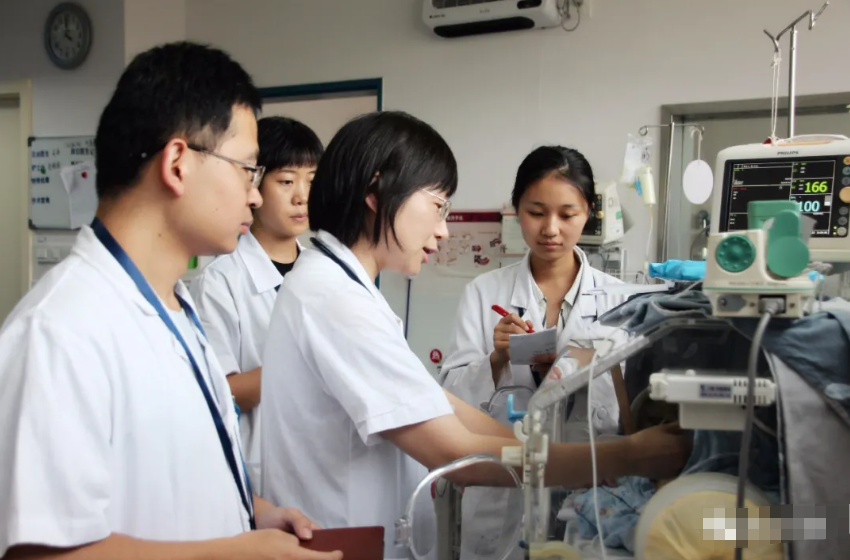
Dr. Shen Chun | Neonatal Surgery, and a Vow That Makes No Speech
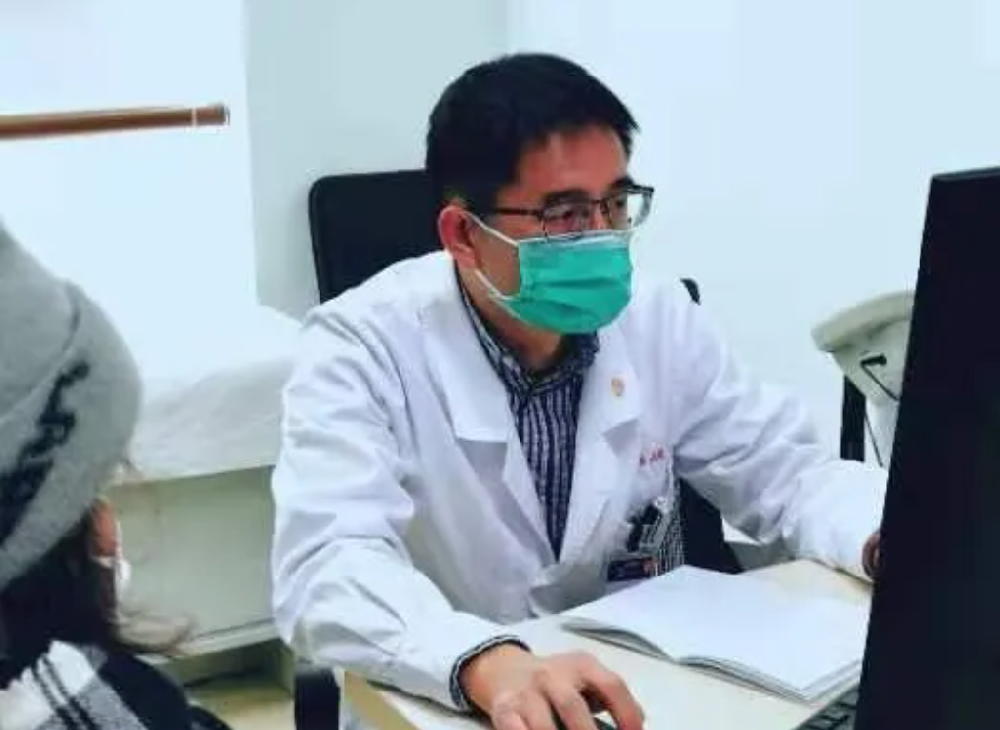
Dr. Yang Ji | A Dermatologist Who Measures the Years by Who Gets Better
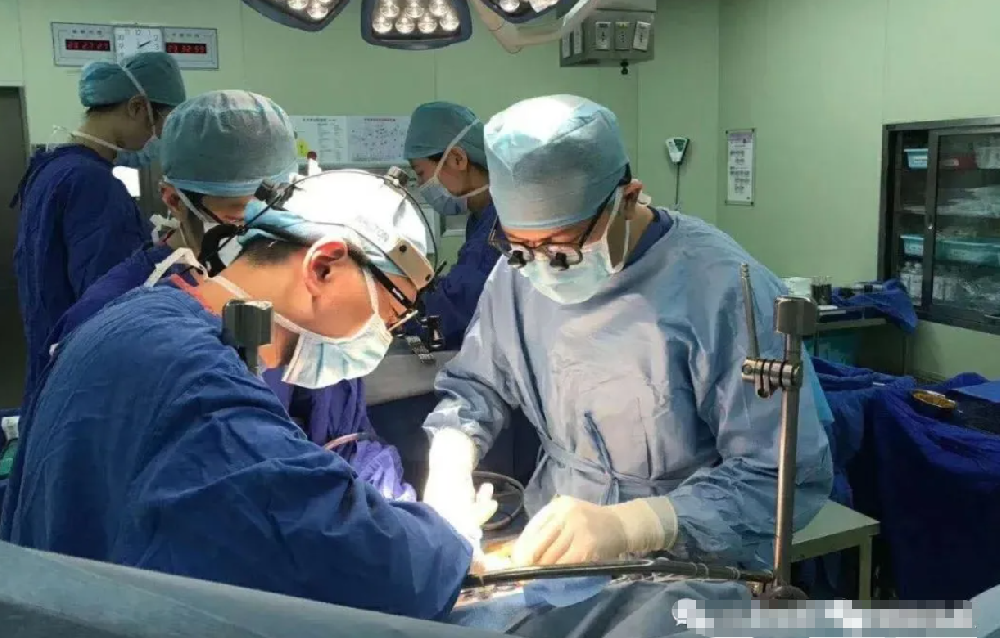
Dr. Chen Gong | Children's Bile Ducts, and a Future He Chose Himself
Dr. Luo Zhiguo | An Oncologist Still Hoping for One More Reunion
Copyright © 2023 Yewen Renyi & ShanghaiDoctor.cn (This website is a non - profit medical humanities platform. The information contained herein is solely for biographical and historical purposes and does not constitute any medical advice.) 沪ICP备2023005392号-2 XML 沪公网安备31010902100835号
 中文
中文 English
 Español
 沪公网安备31010902100835号