ShanghaiDoctor - Where China's Healing Wisdom Shapes Modern Medicine

Update time:2026-09-20Visits:78
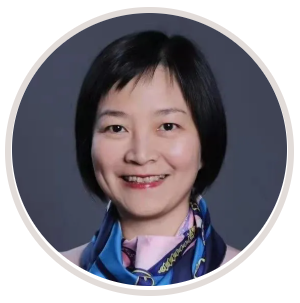
“Take unceasing work as the substance, and daily renewal as the path.”
— Ying Chunmei, after a line of the Tang poet Liu Yuxi
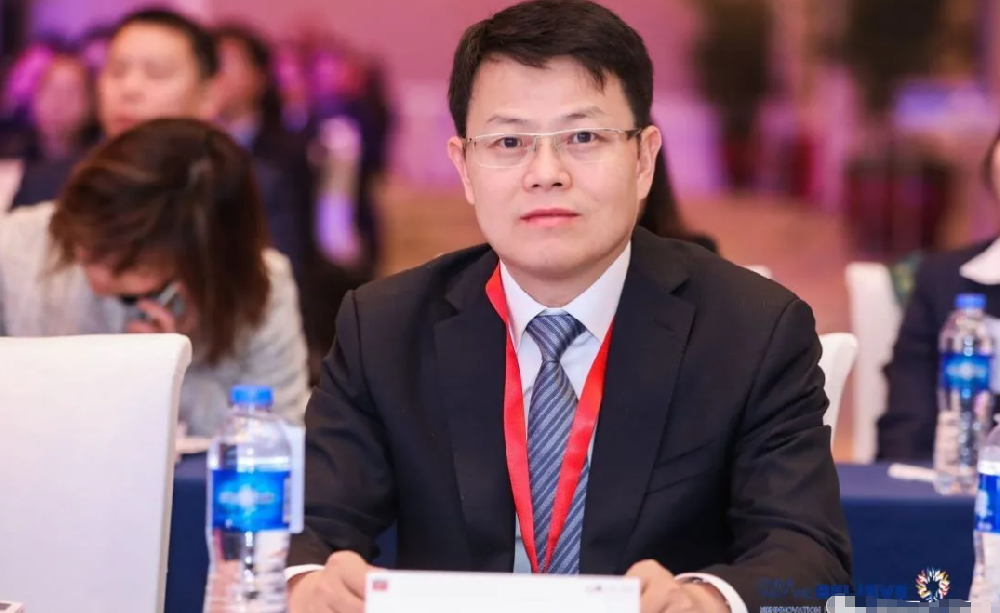
Ying Chunmei is Chief Physician (Chief Technician), Doctoral Supervisor, and Director of Laboratory Medicine at the Obstetrics and Gynecology Hospital of Fudan University—known in Shanghai as the Red House. She came to the post in 2013 from Renji Hospital. Her own research sits in clinical microbiology: surveillance of bacterial resistance, the mechanisms behind it, and laboratory methods that serve obstetric and gynecologic care. She is known in particular for work on multidrug-resistant Acinetobacter baumannii and on Candida albicans.
She has served on the clinical-microbiology group of the Shanghai Medical Association’s laboratory-medicine society and on the city’s bacterial-resistance surveillance network. She has led projects of the National Natural Science Foundation of China, contributed to monographs on bloodstream infection and antimicrobial use, and published SCI papers as first or corresponding author. A six-month attachment in 2003–2004 at the clinical microbiology department of Prince of Wales Hospital, Chinese University of Hong Kong, is the only extended training period outside the mainland.
Under her direction the Red House laboratory grew from a service with few mid-level titles and no senior ones into a department of about fifty people, with biochemistry, microbiology, immunology, endocrinology, routine hematology, and molecular groups, ISO 15189 accreditation since 2010, and a habit of answering clinical requests in-house rather than sending them out.
A hospital microbiology bench is not the clean room classmates imagined. Biochemistry and immunology look tidy. Microbiology receives stool, urine, sputum, and blood in containers, then picks, plates, stains, and looks. Many of her cohort resisted the assignment. She did too, at first. Gloves and a mask did not make the aversion disappear. What quieted it was the pile of unfinished reports and the fact that an ICU physician waiting on a name for a recurrent infection cannot treat a feeling.
She came to describe the laboratory as a pair of eyes for the ward. Culture identifies the organism; susceptibility says which drug still works. Clinicians need the number. So do doctoral students hunting specimens. About seventy percent of what arrives is a common organism; the job is to find it among thousands of names, to know why a new drug is already failing, and to tell the floor how to collect the sample so the answer is not a lie. She starts at eight and does not treat a report as finished until it can be used.
In 1998 she sat a master’s exam while her son was three or four. She studied after he slept. Most classmates, she says, were not yet thinking about a life beyond the routine bench. She was unwilling to stay there. The Tang line she kept—unceasing work as the substance, daily renewal as the path—was not decoration. It was a schedule.
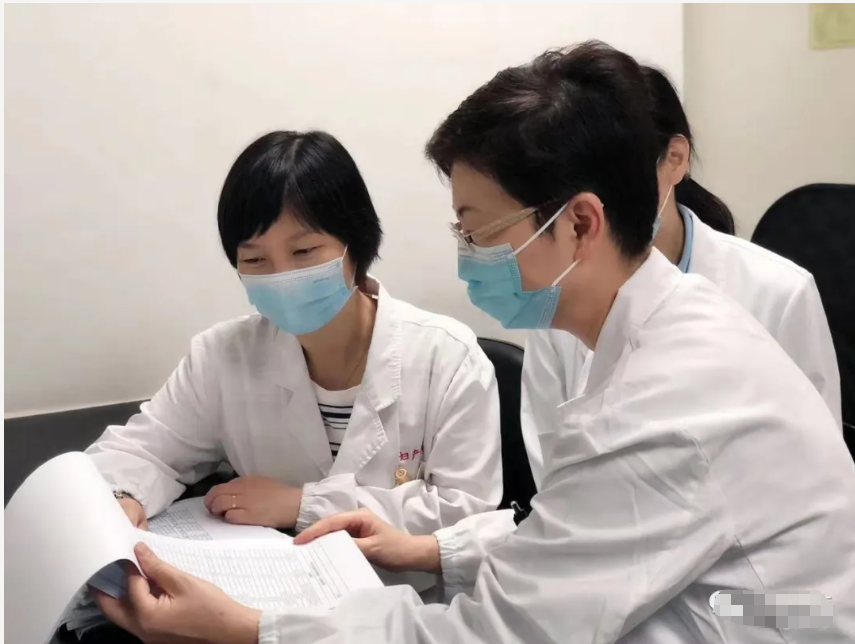
When the Red House asked her to come, the brief was not only to keep the analyzers running. The hospital wanted tests that solved obstetric and gynecologic problems. She built a PCR laboratory. Group B Streptococcus is a leading cause of perinatal infection; guidelines already asked for molecular screening in pregnancy, and the demand had been waiting. Polymerase chain reaction, explained without mystique, is DNA copied in a tube until a pathogen’s signature is loud enough to read.
She pushed procalcitonin as a faster flag for bacterial infection, hepatitis B and C viral-load testing to stage chronic infection, and HE4 as an adjunct marker in the work-up of ovarian cancer. Mass spectrometry later replaced the old homemade biochemical panels for naming organisms. The department stopped sending out items that had always meant a delay and a courier.
Talent was the other assignment. Of forty-five colleagues when she arrived, eight held intermediate titles and none held a senior one. She lightened the bench load of people who could write grants and told new graduates—many of them disappointed to land in a “support” department—the story of her own first years. Seven years on, three colleagues had been promoted to associate chief technician in a short span; the mix of senior and intermediate titles was no longer an embarrassment. She was named an outstanding mid-level administrator more than once. At Fudan’s epidemic-response ceremony the department was cited as an advanced collective, and she as an individual, for standing up a biosafety plan, shortening turnaround, and putting influenza A/B antigen kits on the floor during the Spring Festival rush when fever needed a name.
Patients, she knows, still think of the laboratory as a urine cup and a needle. Liver panels, lipids, nucleic-acid tests, antibody tests—the list is longer, and during an outbreak it is the first list. Laboratory medicine was not the career she first pictured. It was the one that would not move unless someone insisted it was more than an auxiliary room.
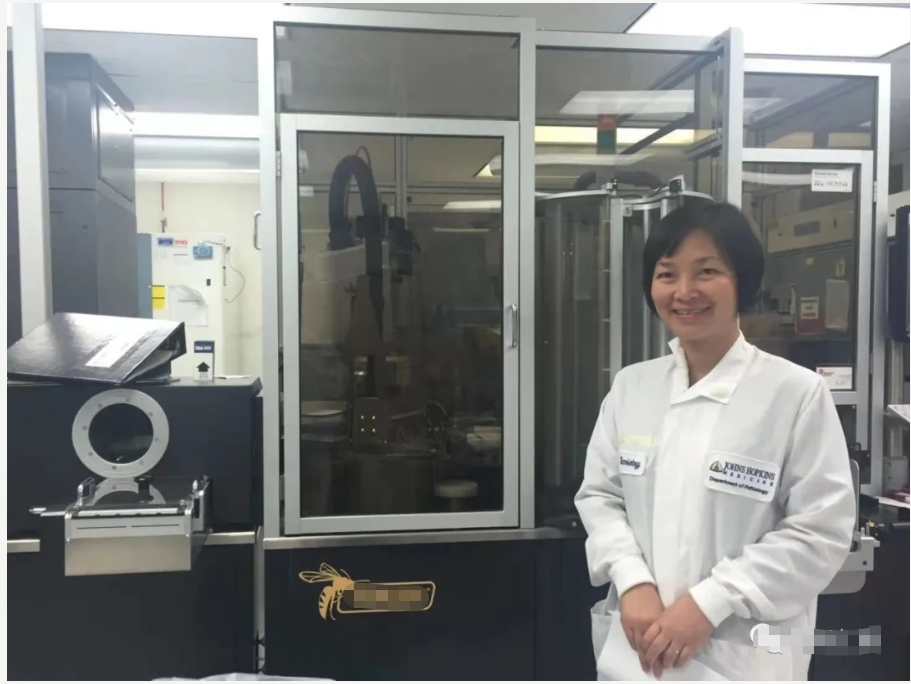
ShanghaiDoctor.cn: What does the laboratory at the Red House look like now?
Ying Chunmei: The department was named a Fudan advanced collective in the COVID response. We have about fifty staff, thirty-two with senior or intermediate titles. Three colleagues became associate chief technicians in two years. We run six groups—routine testing, biochemistry, microbiology, immunology, endocrinology, and molecular biology—and we hold ISO 15189 accreditation, first granted in April 2010. External quality assessments from the national and Shanghai centers have been strong.
ShanghaiDoctor.cn: You work on microorganisms. How should humans and microbes live together?
Ying Chunmei: We give microbes a bad name, but they have been here for the whole history of life. At the small scale, genes and cells compete; at the large scale, species do. Antibiotics keep being replaced; viruses and bacteria keep changing; outbreaks keep arriving. It is less a march of progress than an arms race. Humans will not wipe microbes off the earth and remain on it. The organisms still here are the ones that fit this place. Peace with them is not a slogan. It is immunity kept in working order, and an ecology we do not pretend we can empty.
ShanghaiDoctor.cn: You were named an outstanding mentor in a Shanghai young-talent program. What stayed with you?
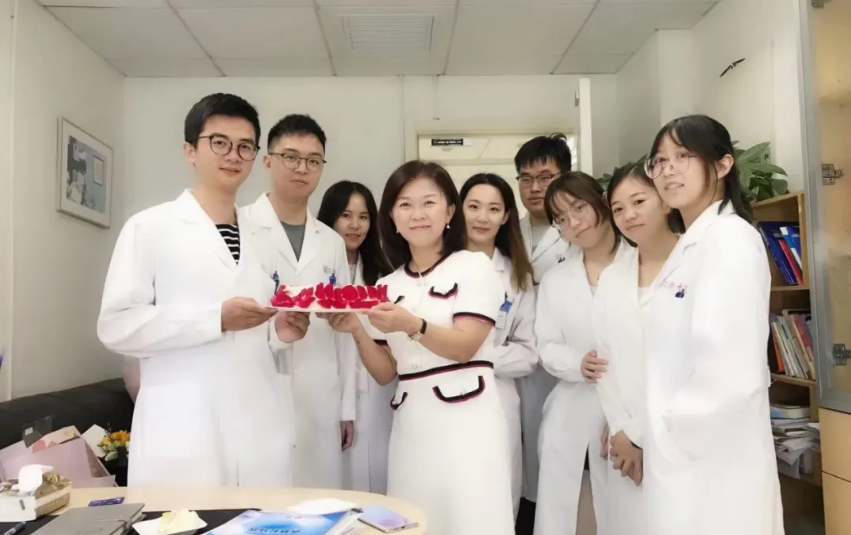
Ying Chunmei: The time. I have trained twelve master’s students and two doctoral students, one still in the program, and tried to open doors for them. One student has already won two National Natural Science Foundation grants. I expect their work to pass mine. That is what a field is for.
ShanghaiDoctor.cn: A student of yours was also named an outstanding trainee. Where is her edge?
Ying Chunmei: Research first, then the way she runs her share of the department, then the quality of the bench work. A good laboratory person needs more than papers and plates. If the shift is over and an emergency physician needs a result, you do not walk out. You finish the problem. That is the ethic. It is also the loyalty the job asks for.
Ying Chunmei’s sentence from Liu Yuxi is a laboratory schedule disguised as a classical line. Unceasing work is the stool plate at eight in the morning. Daily renewal is a PCR room that did not exist when she arrived, a mass-spec name that used to take a homemade panel, a junior colleague with two national grants. The public may never see the person who read the smear. The obstetrician waiting on Group B Streptococcus, and the ICU waiting on a fungus, do.
Editor: Chen Qing
If you need help from Dr. Ying, please email us at ChenQing@ShanghaiDoctor.cn.
Dr. Shi Yuling | Psoriasis, and Spring Mountains Beyond the Plain
Dr.Ying Chunmei | Laboratory Medicine, Renewed a Little Every Day
Dr. Zhang Lei | Children's Airways, and a Preference for Being Plain
Dr. Chen Tongyu | Chest Surgery Without a Tube, and No Claim to Greatness
Dr. Hua Xiaolin | High-Risk Obstetrics, and a Child Worth Keeping
Dr. Shen Chun | Neonatal Surgery, and a Vow That Makes No Speech
Dr. Yang Ji | A Dermatologist Who Measures the Years by Who Gets Better
Dr. Chen Gong | Children's Bile Ducts, and a Future He Chose Himself
Dr. Luo Zhiguo | An Oncologist Still Hoping for One More Reunion
Dr. Shi Yuling | Psoriasis, and Spring Mountains Beyond the Plain
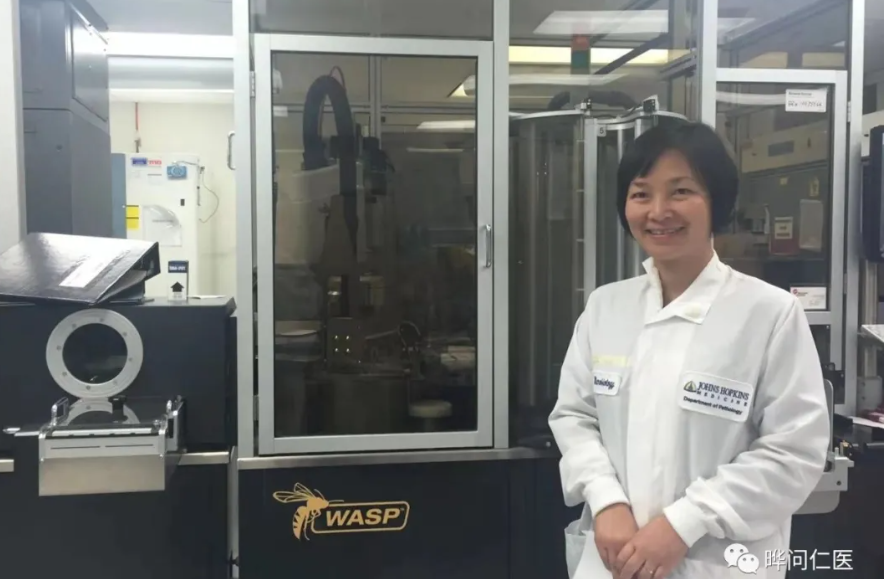
Dr.Ying Chunmei | Laboratory Medicine, Renewed a Little Every Day
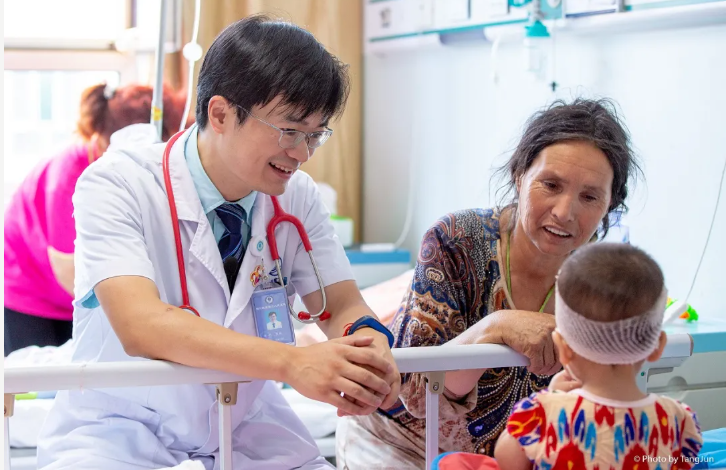
Dr. Zhang Lei | Children's Airways, and a Preference for Being Plain
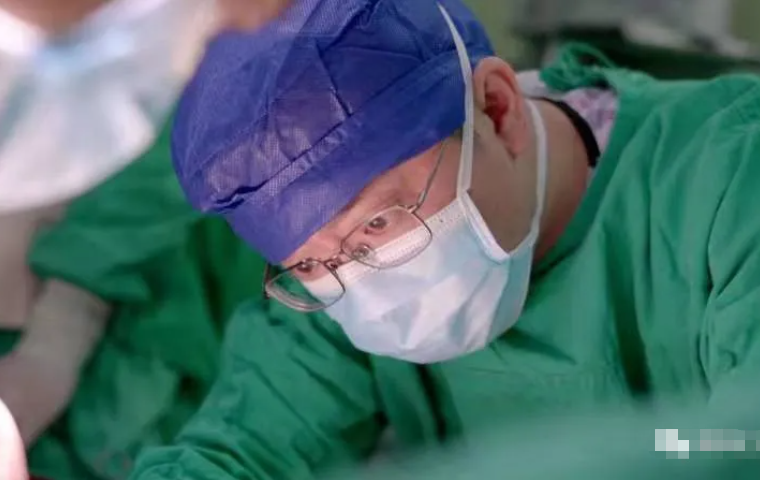
Dr. Chen Tongyu | Chest Surgery Without a Tube, and No Claim to Greatness
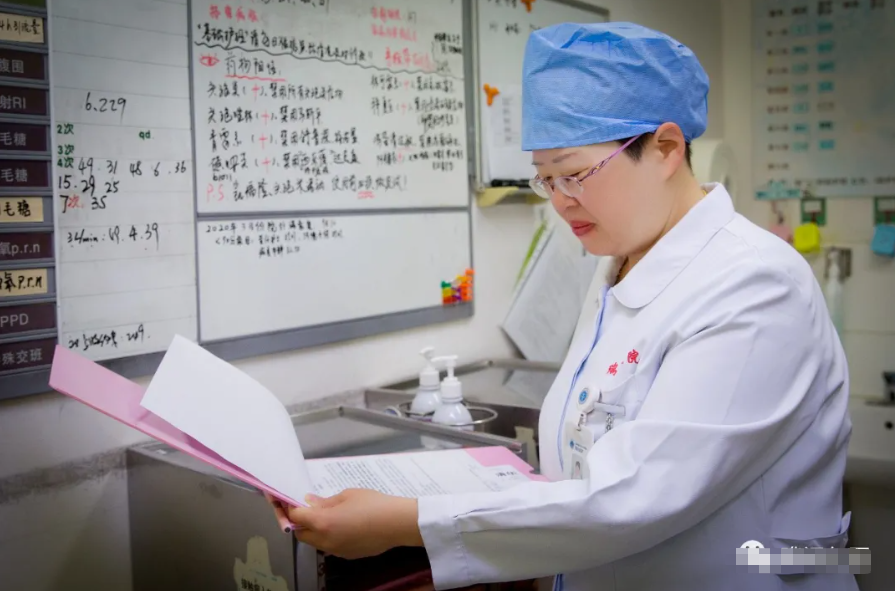
Cui Jie | An Infectious-Disease Nurse Who Kept Walking In
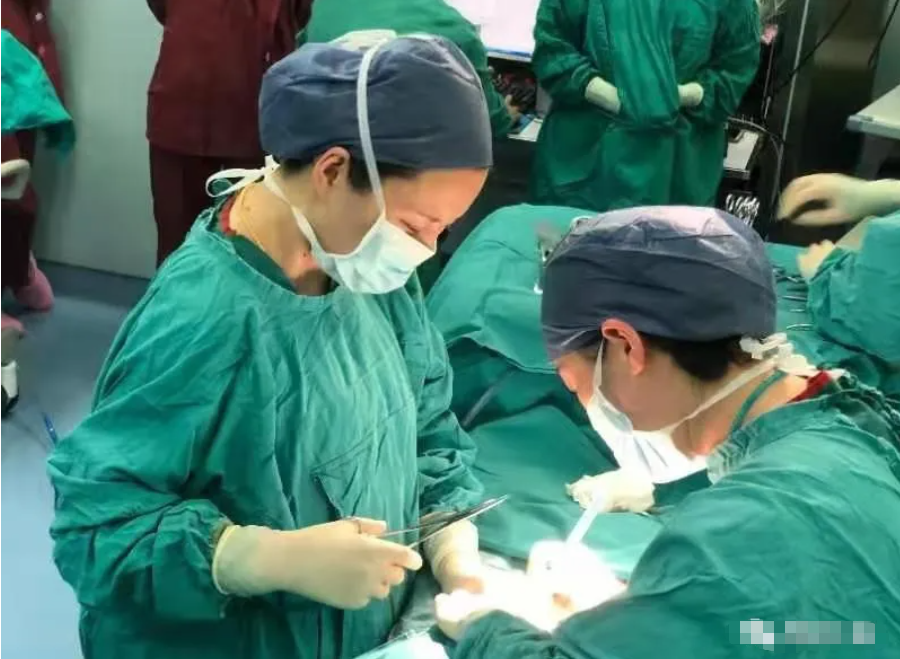
Dr. Hua Xiaolin | High-Risk Obstetrics, and a Child Worth Keeping
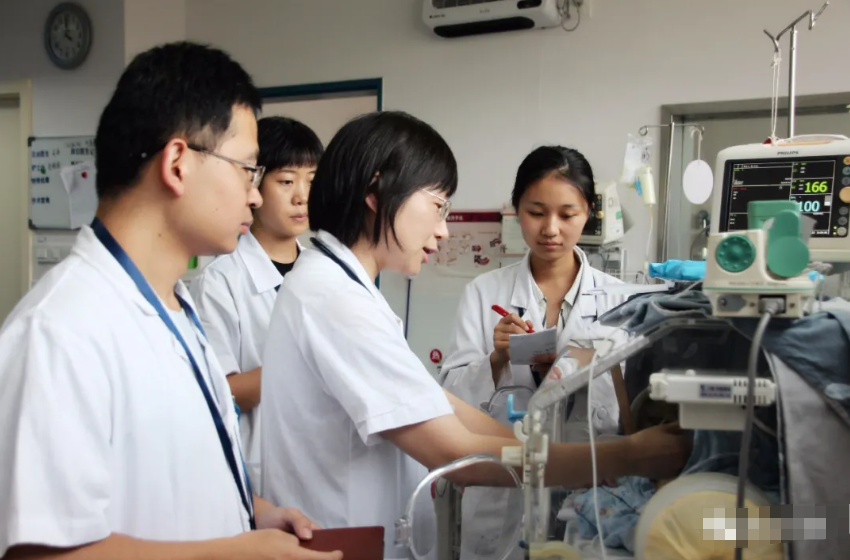
Dr. Shen Chun | Neonatal Surgery, and a Vow That Makes No Speech
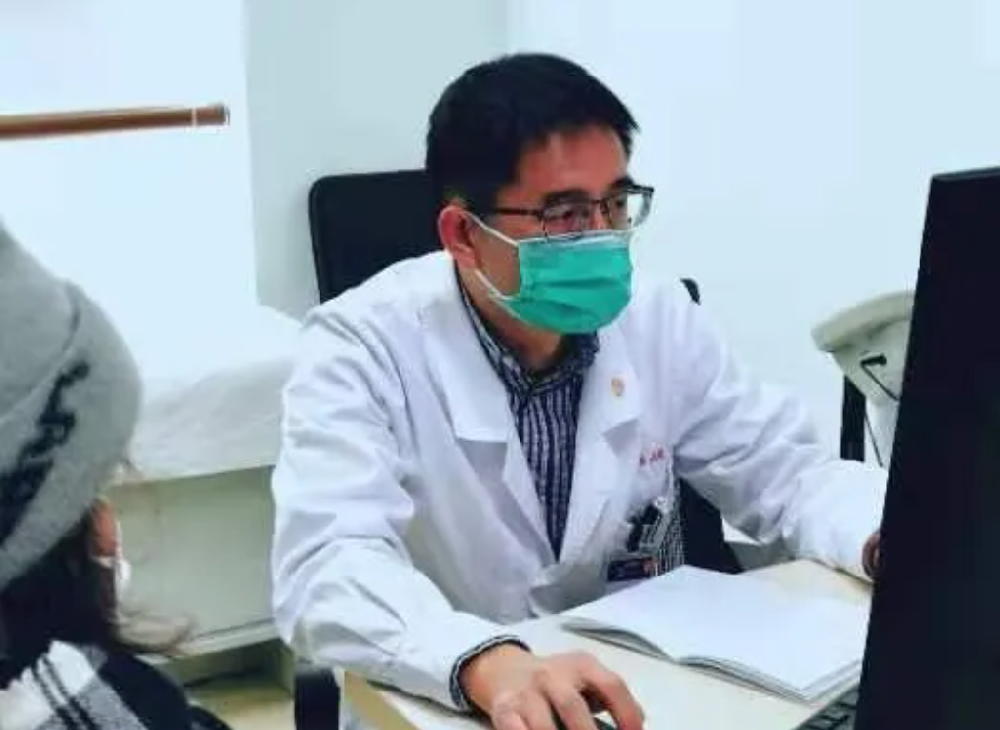
Dr. Yang Ji | A Dermatologist Who Measures the Years by Who Gets Better
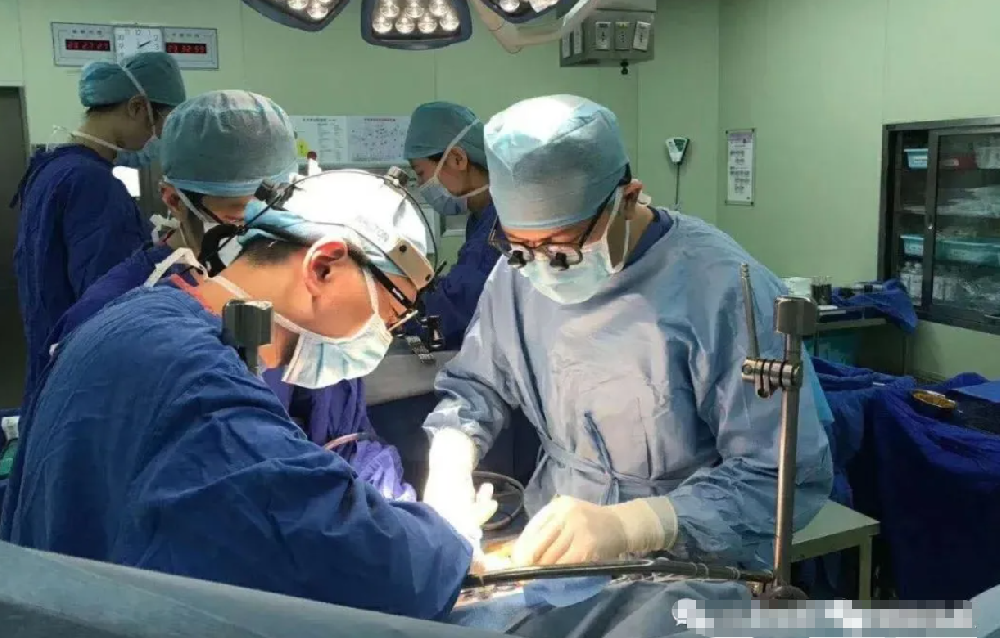
Dr. Chen Gong | Children's Bile Ducts, and a Future He Chose Himself
Dr. Luo Zhiguo | An Oncologist Still Hoping for One More Reunion
Copyright © 2023 Yewen Renyi & ShanghaiDoctor.cn (This website is a non - profit medical humanities platform. The information contained herein is solely for biographical and historical purposes and does not constitute any medical advice.) 沪ICP备2023005392号-2 XML 沪公网安备31010902100835号
 中文
中文 English
 Español
 沪公网安备31010902100835号