ShanghaiDoctor - Where China's Healing Wisdom Shapes Modern Medicine

Update time:2026-09-20Visits:86
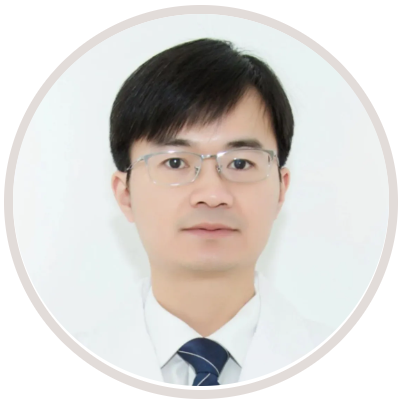
“For a person of character, it is better to be plain and honest than worldly-wise.”
— Zhang Lei
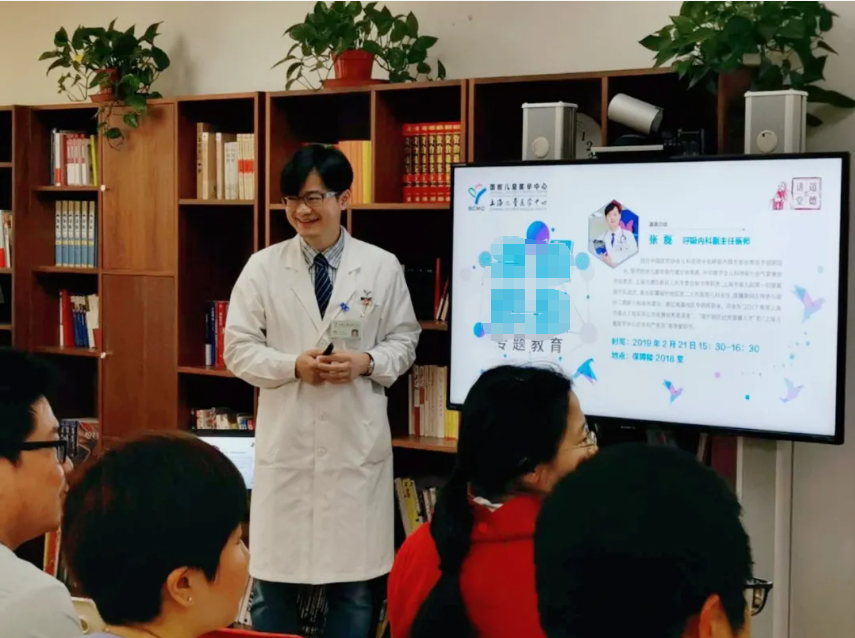
Zhang Lei is a senior physician in respiratory medicine at Shanghai Children’s Medical Center, affiliated with Shanghai Jiao Tong University School of Medicine, and head of the hospital’s respiratory endoscopy center. Born in Shanghai in 1978, he treats chronic cough, asthma, respiratory infection, and congenital airway malformations in children, and spends much of his week with a bronchoscope—diagnosis, foreign-body removal, lavage, and the growing list of interventional work: electrocautery, argon plasma, balloon dilation, stents.
He has served on pediatric respiratory and endoscopy committees of the Chinese Medical Association and the Chinese Medical Doctor Association, and as secretary of the Shanghai pediatric respiratory group. He has published on pediatric airway endoscopy in Chinese core journals and in a smaller set of SCI papers. Short study visits to Cincinnati Children’s Hospital, the pediatric ICU of Taipei Veterans General Hospital, and a minimally invasive center in Beijing are the only overseas chapters. From 2015-era postings he also spent a year and a half as director of pediatrics at Kashgar Second Hospital, helping to build subspecialties and a remote-consultation link with Shanghai.
Childhood visits to Xinhua Hospital, near home, left him with a picture of pediatricians who knew what they were doing. Shanghai Second Medical University was then the only school with a dedicated pediatrics major; he put it first. University, he still says, was the happiest stretch: exams he could estimate to the point, and football after. He tried out for the school side as a fullback, the position Wu Chengying played for Shanghai Shenhua. He still plays once a week when the calendar allows, now as captain of the hospital team, a center-back who runs and talks.
Steady is the word he uses for both the pitch and the ward. After graduation in 2002 and a short internship at Xinhua he began a five-year internal-medicine residency at the Children’s Medical Center. The first months wrecked his sleep—not the night shifts themselves, but the fear of having missed something, and of the phone. Intern to resident meant being the person in the room. He told himself to settle. He asked when he had to. He stayed in the hospital more than he went home, watched every new procedure, and used off hours to trail senior physicians on rounds.
In 2006 he became chief resident first among his year. The job, he says, asked him to be useful everywhere. After it, the people who had watched him trusted him more. A visiting foreign team doing catheter work on complex heart disease left a string of children headed for the ICU the same day; coordinating that kind of traffic was the sort of test the title contained. He does not dress it up.
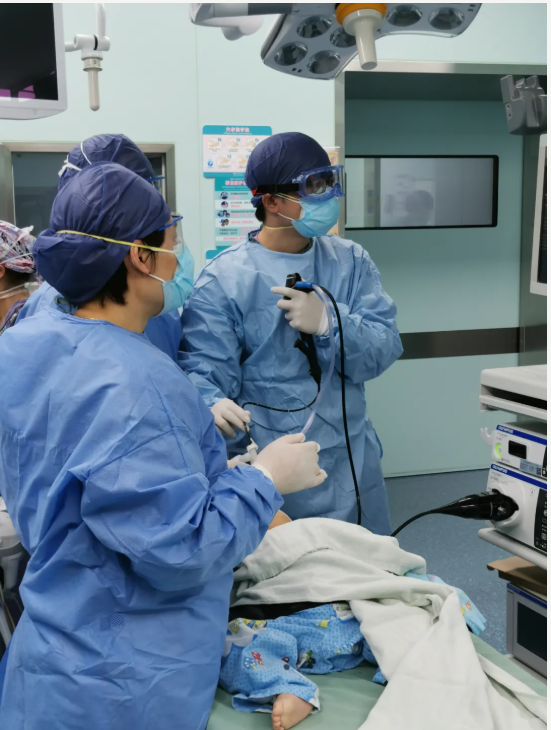
He chose bronchoscopy soon after joining respiratory medicine. As a resident he had already given up spare time to follow the scope into the ICU and take the handle when he was allowed. He now jokes that he is the internist who visits the operating room most. Sunflower seeds, peanuts, pen caps—foreign bodies are ordinary work. One case was not.
A seven-year-old with pneumonia that would not clear had granulation blocking a distal bronchus. Months earlier the child had swallowed an eel bone. The bone had sat there, rubbing, while antibiotics piled up. Zhang peeled the granulation and went after a one-centimeter sliver buried too deep. The child’s breathing kept failing; the case kept stopping. He thought about opening the chest and refused the thought. More than two hours later the bone came out. His gown was wet through.
He treats the guidelines as a starting map, not a script, and he treats talking to parents as part of the map. He used to be quiet, afraid of the wrong sentence. Confidence and a clearer sense of what silence costs changed that. He tells students not to name a diagnosis the moment a film or a number arrives. Ask what made the number. The habit has a detective’s patience. A child treated a year for chronic cough, unmoved by inhalers, had diffuse panbronchiolitis once the scope and a high-resolution CT and a multidisciplinary meeting were allowed to speak. The drugs changed; the child improved.
A six-year-old girl from another province coughed too hard to live a school day. Antibiotics for protracted bacterial bronchitis failed. The scope found a chest full of sputum—an hour of suctioning—and genetics named cystic fibrosis. He told the parents there was no cure on the ordinary path, only time, and that a transplant was the one complete answer. They did not want the sentence. He did not soften it. While he was later in Kashgar he heard, at a meeting, that Wuxi Children’s Transplant Center did the operation. He put her on the list. A donor lung came in July. Two weeks after surgery she went home. She goes to school with a backpack. As long as the family does not stop, he says, he will not stop. Waiting is also a method.
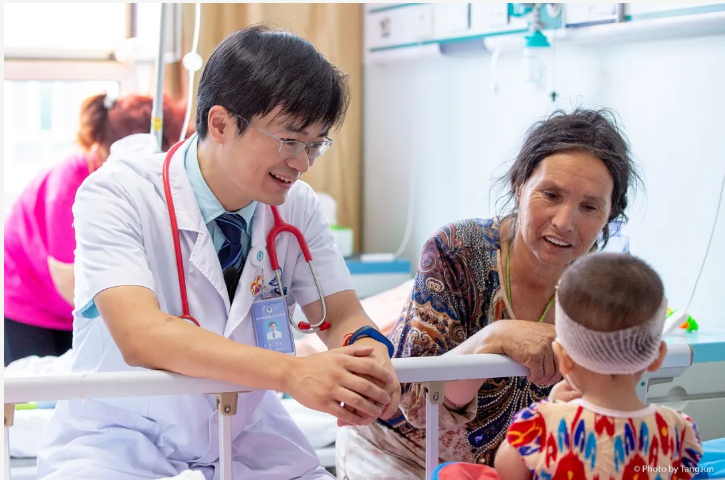
At Kashgar Second Hospital he was named director of pediatrics. Language and custom were inconvenient; the work was concrete. He helped stand up respiratory, gastroenterology, and cardiology lists, a training and assessment system, and a remote-consultation link so local doctors could sit with Shanghai colleagues on the same case.
One child had complex congenital heart disease with ectopia cordis—fewer than a dozen reports in the country at the time. A three-site discussion, Zepu and Kashgar and Shanghai on the same line, produced a surgical plan. Another, a Uyghur girl named Aisima, had advanced hepatoblastoma and had been sent home to die. Zhang called in the visiting team: hematology for chemotherapy, radiation, general surgery, intensive care. More than two-thirds of a twenty-person group touched the case. She left the hospital alive.
His professional model is Zhong Nanshan, the respiratory physician who became a public face of the SARS and later COVID years and who, in Zhang’s telling, still saw patients into his eighties, still exercised, and still repeated a father’s line: a life counts if it leaves something behind. What Zhang says he took from that example is narrower than fame: tell the truth, and speak to a family as an equal. Among his pediatrics classmates, fewer than a third are still on the pediatric front line. Pay is low; pressure is not. He stayed. He wants, he says, to practice medicine in a plain way—treat the illness, keep the rest off the table.
ShanghaiDoctor.cn: What would you say to students in pediatrics now?
Zhang Lei: Pediatrics is a silent specialty. Children cannot always say what is wrong. You live on the parents’ story and on your own hands and eyes. First, pay attention—your attention has to reach the child and the adult in the room. I am not someone who would call himself especially fond of children, but noise does not rattle me. On a plane, a crying toddler next to me does not ruin the flight; I will try to settle the child.
Zhang Lei: Second, learn to pull parenting details out of a history. Many causes hide in what a parent mentions and then drops. Third, stay long enough. Some people leave halfway. The sweetness, if it comes, comes after the season of unpaid work.
ShanghaiDoctor.cn: What does your work look like now?
Zhang Lei: Hospitals want care, teaching, research, and management from the same person. I run respiratory endoscopy and also handle medical-affairs work for the department—the operational side of the director’s list—and some of the partnership network with other hospitals. All of that eats clinic time.
ShanghaiDoctor.cn: How do you see medical popularization?
Zhang Lei: The formats keep multiplying, and more doctors are in them. Multimedia and interaction help. I would rather work from the department’s platform. A specialty is many subspecialties; each person has a particular skill. Problems get solved when those skills sit in the same room.
ShanghaiDoctor.cn: What needs the most attention now?
Zhang Lei: I still need more hours at the bedside, and I cannot let go of learning that happens there. Research is my weak side. Compared with colleagues who were trained as investigators, I have a gap. I hope to write from the work I actually do well. For a doctor, sharing clinical experience is itself a form of research.
The classical line he chose for a title is a preference, not a pose: better plain than clever. Zhang Lei’s version is a center-back who still plays on weekends, a scope that spent two hours on an eel bone, a sentence about cystic fibrosis he would not pretty up, a girl who went back to school after a lung from Wuxi. Pediatrics keeps losing people to better hours and better pay. He is still in the room, asking what made the number on the page, and leaving the rest of the world’s sophistication outside.
Editor: Chen Qing
If you need any help from Dr. Zhang, please be free to let us know at ChenQing@ShanghaiDoctor.cn.
Dr. Shi Yuling | Psoriasis, and Spring Mountains Beyond the Plain
Dr.Ying Chunmei | Laboratory Medicine, Renewed a Little Every Day
Dr. Zhang Lei | Children's Airways, and a Preference for Being Plain
Dr. Chen Tongyu | Chest Surgery Without a Tube, and No Claim to Greatness
Dr. Hua Xiaolin | High-Risk Obstetrics, and a Child Worth Keeping
Dr. Shen Chun | Neonatal Surgery, and a Vow That Makes No Speech
Dr. Yang Ji | A Dermatologist Who Measures the Years by Who Gets Better
Dr. Chen Gong | Children's Bile Ducts, and a Future He Chose Himself
Dr. Luo Zhiguo | An Oncologist Still Hoping for One More Reunion
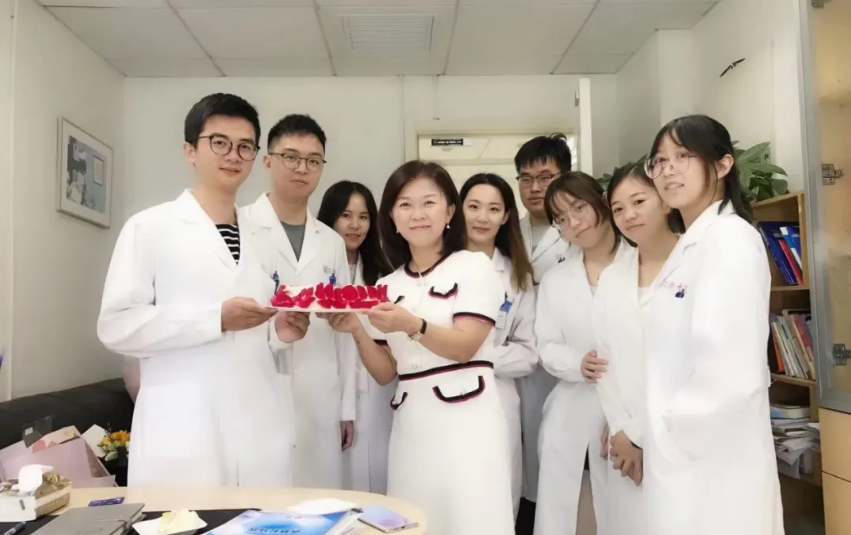
Dr. Shi Yuling | Psoriasis, and Spring Mountains Beyond the Plain
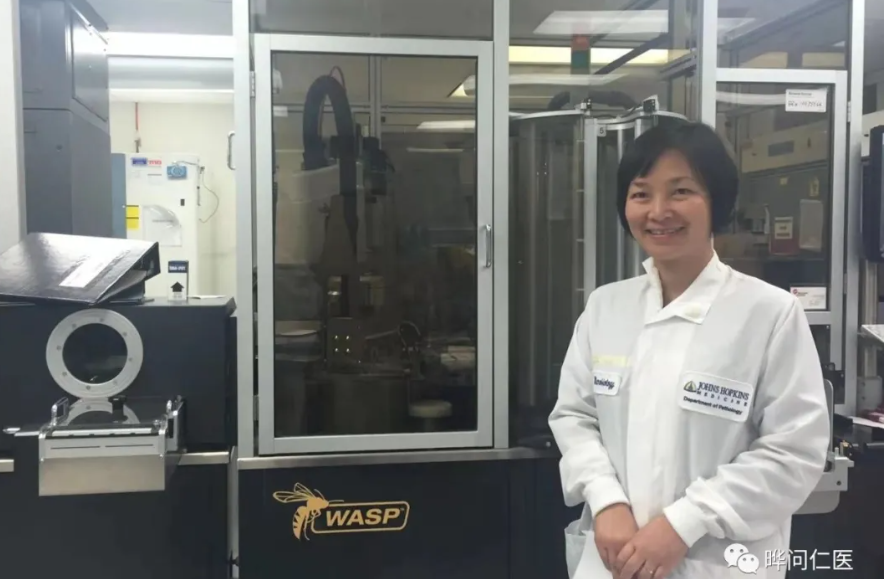
Dr.Ying Chunmei | Laboratory Medicine, Renewed a Little Every Day
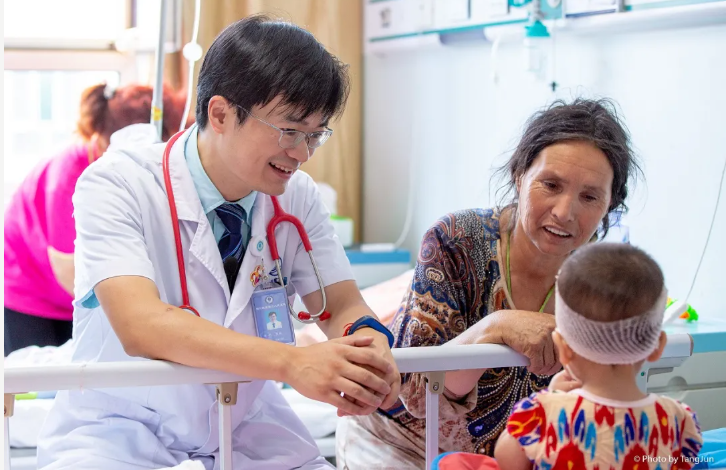
Dr. Zhang Lei | Children's Airways, and a Preference for Being Plain
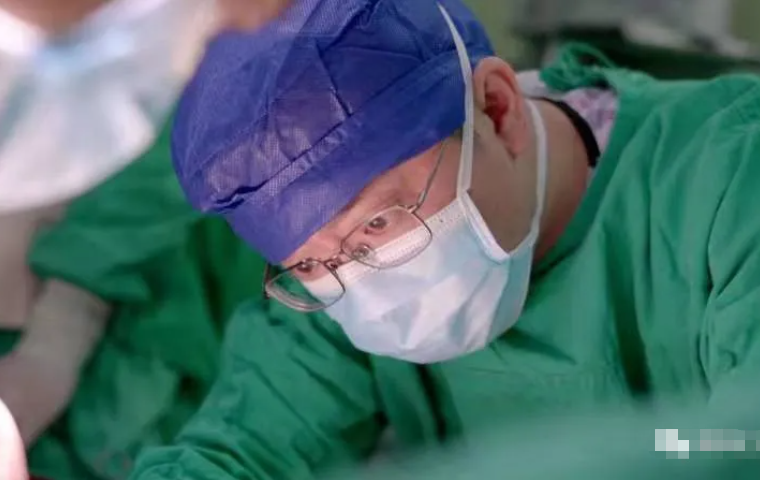
Dr. Chen Tongyu | Chest Surgery Without a Tube, and No Claim to Greatness
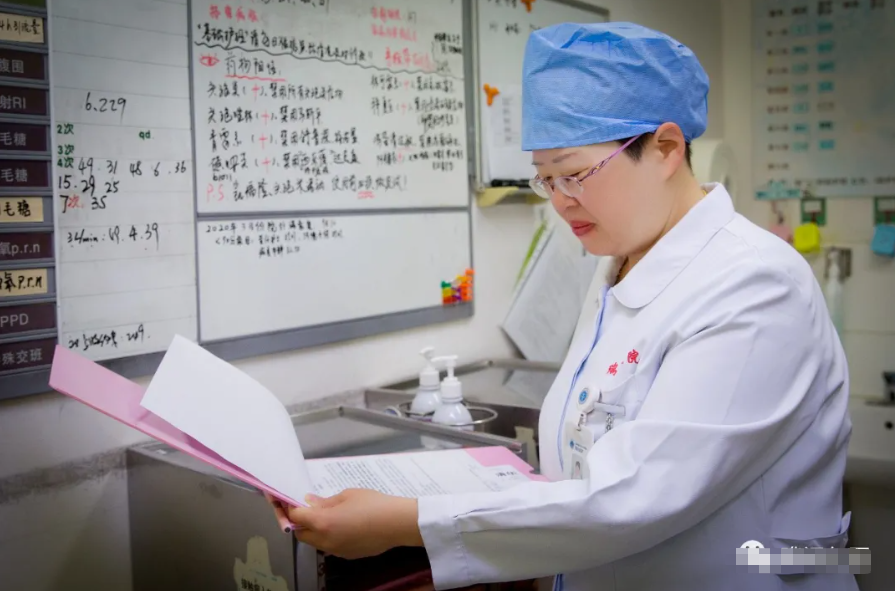
Cui Jie | An Infectious-Disease Nurse Who Kept Walking In
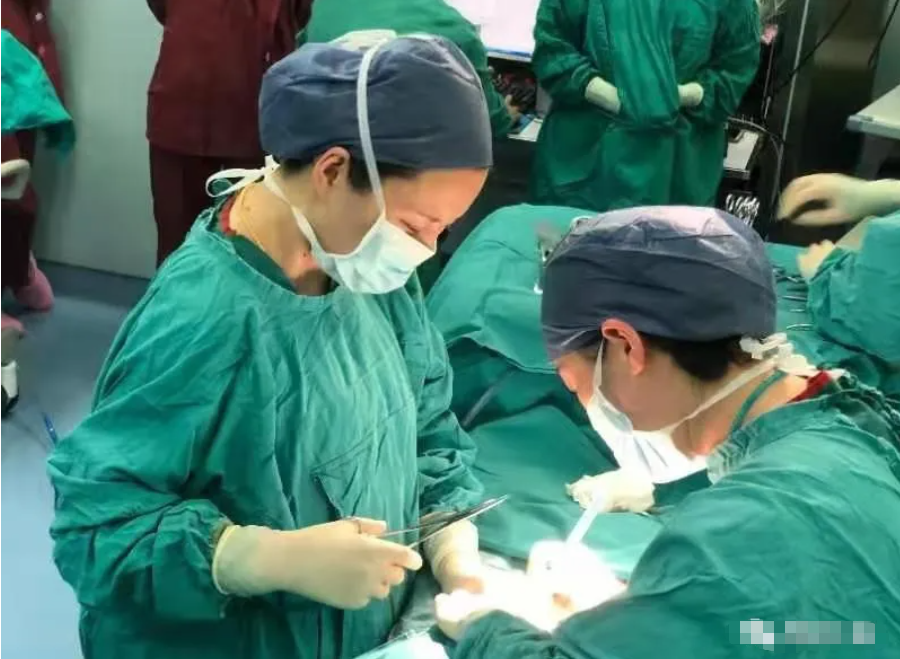
Dr. Hua Xiaolin | High-Risk Obstetrics, and a Child Worth Keeping
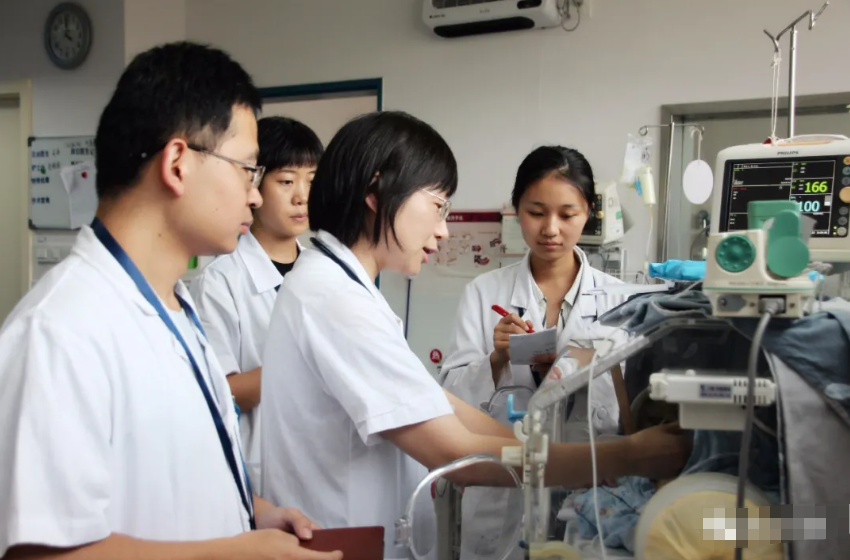
Dr. Shen Chun | Neonatal Surgery, and a Vow That Makes No Speech
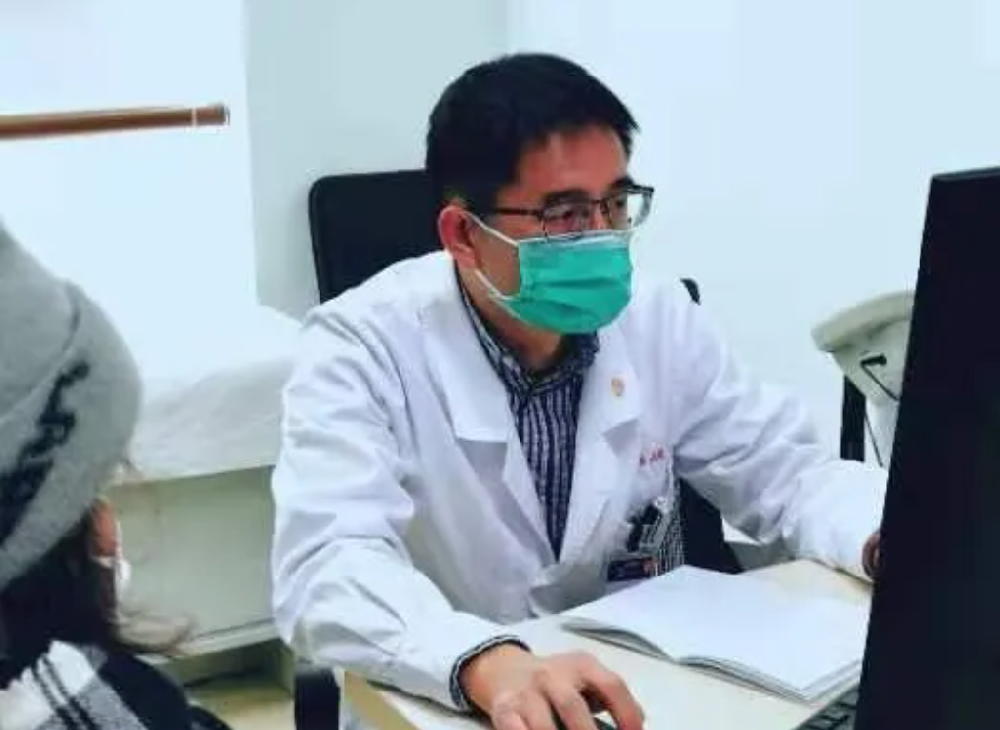
Dr. Yang Ji | A Dermatologist Who Measures the Years by Who Gets Better
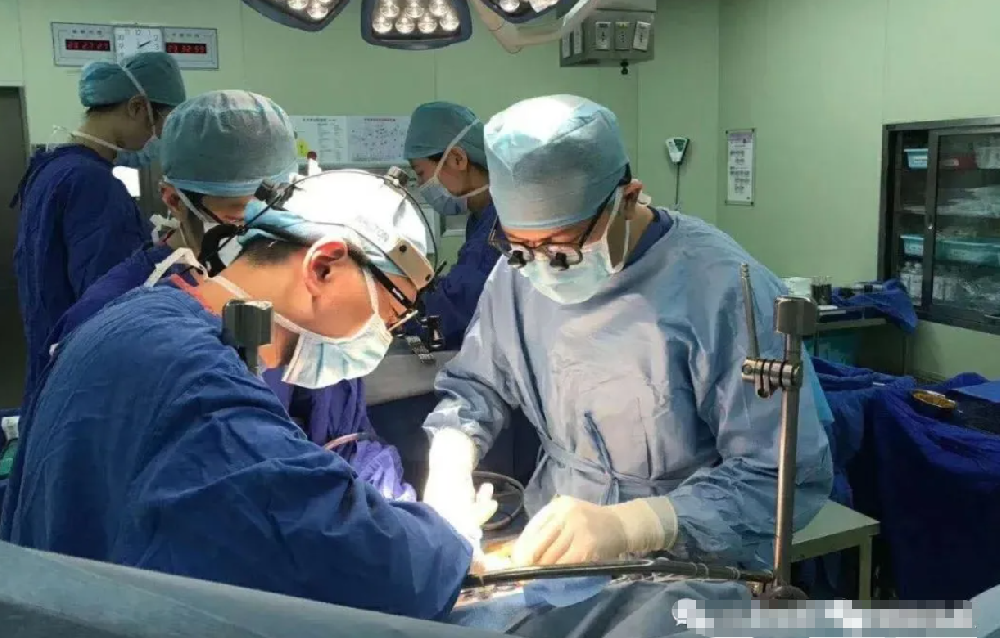
Dr. Chen Gong | Children's Bile Ducts, and a Future He Chose Himself
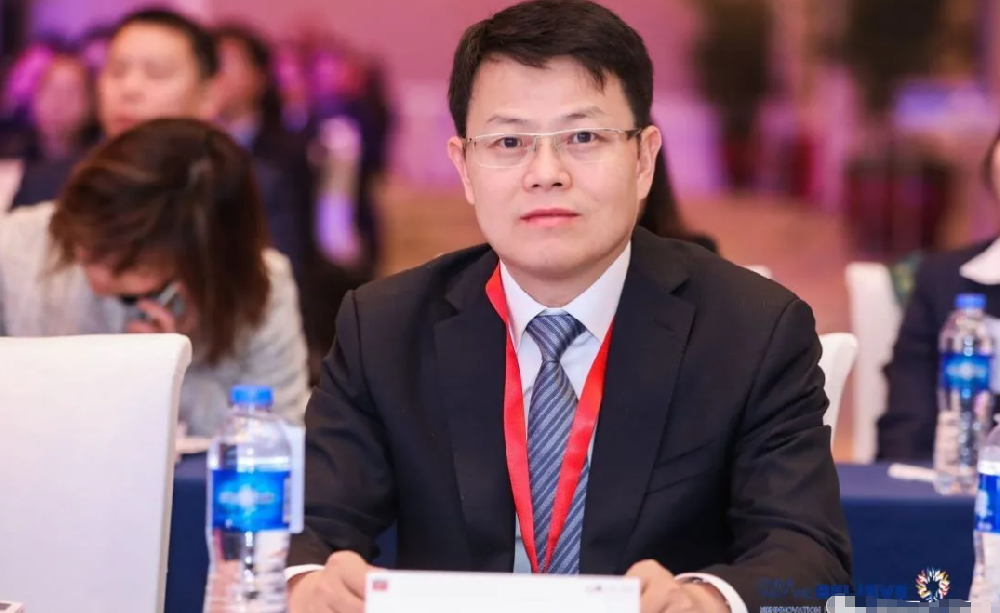
Dr. Luo Zhiguo | An Oncologist Still Hoping for One More Reunion
Copyright © 2023 Yewen Renyi & ShanghaiDoctor.cn (This website is a non - profit medical humanities platform. The information contained herein is solely for biographical and historical purposes and does not constitute any medical advice.) 沪ICP备2023005392号-2 XML 沪公网安备31010902100835号
 中文
中文 English
 Español
 沪公网安备31010902100835号