ShanghaiDoctor - Where China's Healing Wisdom Shapes Modern Medicine

Update time:2026-09-20Visits:70
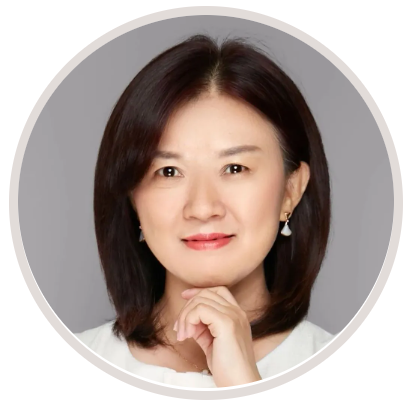
“Chase the wind and the moon; do not linger. Where the level ground ends, the spring hills begin.”
— Shi Yuling
Shi Yuling is Chief Physician, Professor, Doctoral Supervisor, and Vice President for Medical Affairs at Shanghai Skin Disease Hospital, the dermatology hospital affiliated with Tongji University. She also directs the Psoriasis Research Institute of Tongji University School of Medicine. Her clinic is built around psoriasis, with vitiligo, acne, and other difficult inflammatory diseases close behind.
She is secretary-general of the Dermatologists Branch of the Chinese Medical Doctor Association, deputy head of the psoriasis group of the Chinese Medical Association’s dermatology branch, and a council member of the Asian Psoriasis Society. She has led grants from the National Natural Science Foundation of China and from Shanghai science agencies, published more than forty SCI papers and more than sixty papers in Chinese core journals, and edited or co-edited several books. A two-year postdoctoral period at the dermatology and immunology laboratory of Henry Ford Health System is the only extended training outside China; in the seven years after she returned she held four NSFC grants.
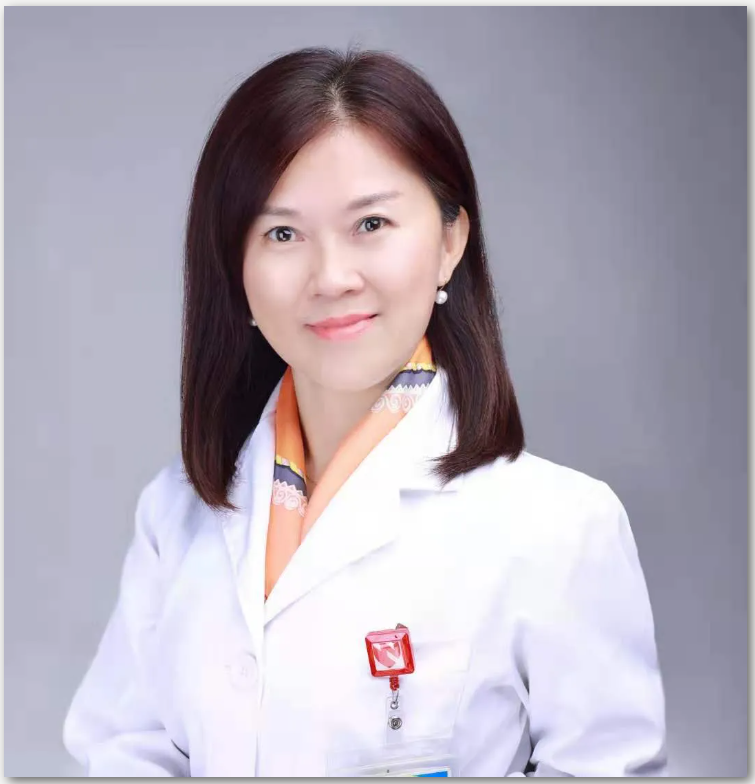
She was born in Siping, in China’s northeast, and still talks about the snow as a kind of choreography—flakes falling, rising, drifting, a performance she has carried in memory through decades in Shanghai. In 1991 she entered Shanghai Railway Medical College, now Tongji University School of Medicine. She studied well and ran the student union. In 1996 the school kept her on. She went to dermatology and venereology at Shanghai Tenth People’s Hospital.
Dermatology, she says, is a specialty of the eyes: among thousands of eruptions you name the thing and then hit it. Classmates flinched at sores and odor. She did not. The only sentence in her head was what is this, and what do we do. The department had been founded in 1958 under Tong Guan. When she arrived it was in a thin stretch—five or six people, almost no domestic paper worth citing. Persistence, she argues, is how both a person and a department are built. Years later the same unit was taking three National Natural Science Foundation grants in a year.
He Guilan and Lin Zhangming were the first teachers; they sent her to Huashan for further clinical training and answered what she brought back. The doctoral mentor she names with most heat is Gu Jun of Changhai Hospital, a psoriasis physician whose rigor and, more than that, whose warmth she tried to keep. Students now tease her that morning clinic is never over by noon and that they go hungry with her. Dermatology patients, she answers, are anxious and easily wounded. If a few more sentences of explanation will hold, give them.
After the doctorate she entered the hospital’s reserve-leader program and went to Detroit. The two years were a grind she calls almost monastic: last out at night, first in at dawn, rock music in the car and a pinched arm to stay awake. She was a clinician with little bench habit, older than most of the people at the next bench, reporting to a demanding principal investigator. The night before she was due to present a project she was taken to an emergency room with kidney stones and still gave the talk. The line she kept—do not stop on the flat land; the spring hills are past it—was the only poetry she allowed the schedule. The grants that followed were the proof she wanted from the pain.
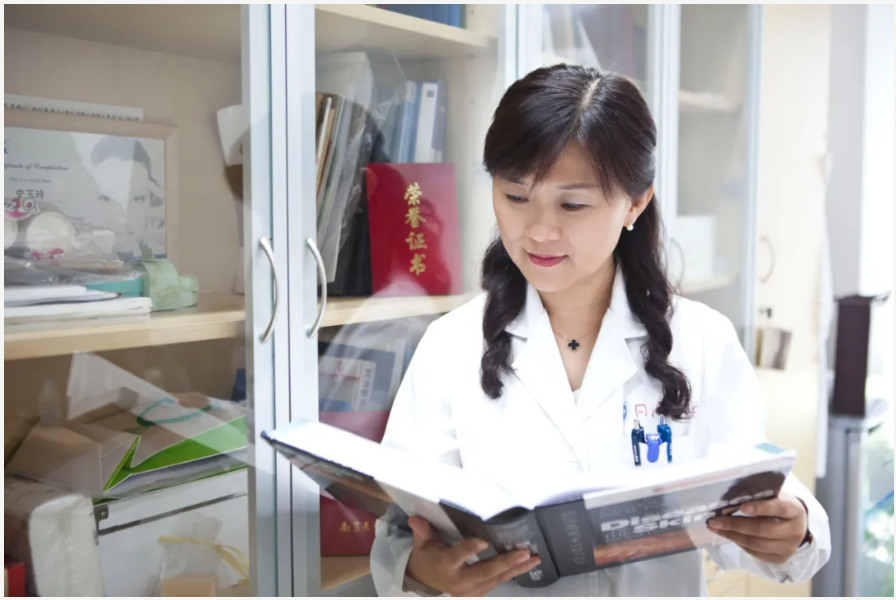
Like Gu Jun, she locked onto psoriasis: an immune-driven chronic inflammation that likes to return, sometimes for a lifetime. It prefers young and middle-aged adults. Plaques and scale on the scalp and the extensor limbs are the common picture; winter often worsens it. Incidence is lower in Chinese cohorts than in many European ones—on the order of half a percent versus one to three percent in some white populations—but the shame is not smaller. Face and hands make people hide. Five to ten percent develop psoriatic arthritis; some of those joints deform. Heart disease, diabetes, metabolic syndrome, and depression travel with the skin. There is still no cure. The work is to quiet the disease quickly and keep it quiet.
Colleagues tell stories of plaques other rooms had missed that she named in a glance. Diagnosis, she insists, is looking and asking, not a glance at a photograph. In 2019, after more than a decade leading dermatology at the Tenth Hospital, she moved to Shanghai Skin Disease Hospital as vice president for medical affairs. The hospital dates to 1945 and exists to treat skin and sexually transmitted disease; it is also a residency and specialist-training base. She put weight on a psoriasis center that pulls internists, traditional-medicine dermatologists, imaging, and pathology into one plan, and on biologics that have, in her phrase, given patients a spring they did not have.
The center’s patient club runs WeChat groups of thousands. World Psoriasis Day, October 29, is a large gathering. She tells people the place is their house. Management after the prescription matters as much as the prescription: the disease returns when the drug stops, and safety is not a slogan. Colleagues say that when she walks in, the room wakes up. She credits luck and helpful seniors. The sharper account is the one she applies to stone: you hone the blunt edge until it cuts.
ShanghaiDoctor.cn: After more than twenty years at the bedside, what do you make of clinical work?
Shi Yuling: Except for the two postdoctoral years in the United States I have not left the clinic. Most of what we see is common. Doing the common thing well is the skill. Diagnosis is the hinge.
Shi Yuling: A mother brought a boy of fifteen or sixteen. The knuckles on the extensor side were thickened pads. She was sure it was something rare. The boy said nothing; she talked. I asked him whether he chewed his fingers when she was not looking. He nodded. She had never seen it. Ointment had been useless because the cause was still in the mouth.
Shi Yuling: Another mother brought a girl of eight or nine with no eyebrows. I asked whether, when the child read and concentrated, she pulled them. The girl smiled. The mother understood. For a dermatologist, looking and taking a history are not extras. Without both, the name you write is a guess.
ShanghaiDoctor.cn: You said the largest gift from the United States was a rigorous research habit. What is rigor?
Shi Yuling: An attitude. Facing what the data actually are, and keeping a little fear in the room. Every experimental number should survive a second look. So should every diagnosis. Otherwise you slide into something that only looks like the truth.
ShanghaiDoctor.cn: How do you help people who must do both clinic and research? How do students speak of you?
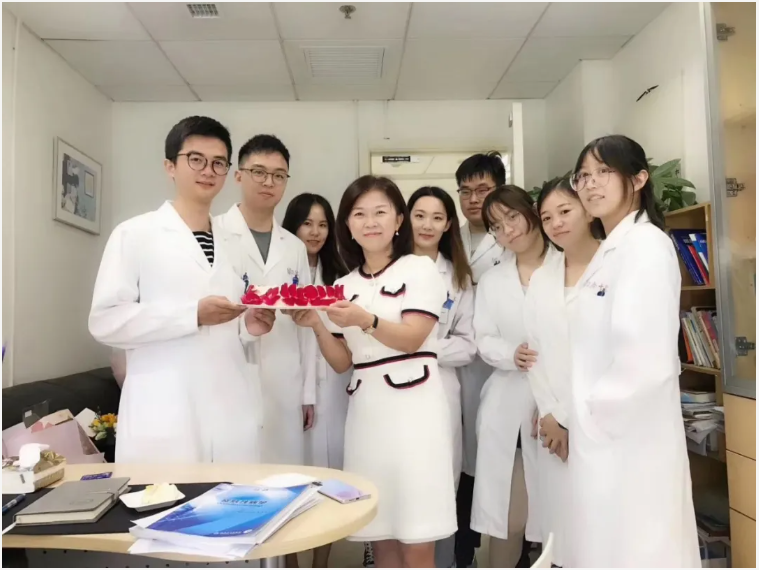
Shi Yuling: You design from the top. If I lead the group I look at who is a clinician, who can run a bench, who can run a room, and I put resource against the grain of each person. A paper is never one name doing all the work. Different roles, different credit. I supervise a number of doctoral students. Tongji named me a “teacher in my students’ minds” this year. I tell them I am also a parent of a kind. Study, research, life—if they write, I answer as soon as I can, even on a crowded day.
ShanghaiDoctor.cn: Was the hard stretch worth it?
Shi Yuling: More than worth it. Growth is slow stacking. Without it you do not get the present job. When I was young I did not imagine a postdoc abroad or a doctoral roll of my own. People are pushed by what arrives. When the opening comes, do not flinch. Believe you can stand in it. A person has to stay inside a thing long enough to weigh something. In the United States I asked whether it was worth the cost. I told myself to use whatever I had and make a blade of it. That, to me, is being alive.
ShanghaiDoctor.cn: What shaped you? Are you satisfied?
Shi Yuling: The people around me, including Professor Gu Jun. In middle age I am fairly satisfied. I was born in the northeast, with that blunt generosity, and I have lived more than twenty years in Shanghai, which taught a finer grain. The profession gave me eyes. In dermatology I have tried to stay equally awake to hardship and to ordinary kindness. Thinking of certain patients I have cried, and more than once I have smiled to myself.
Shi Yuling’s title is a traveling line: do not camp on the flat land; the hills that matter are farther on. Her version is a morning clinic that runs past noon, a boy’s knuckle pads that were a habit, a two-year bench in Detroit that hurt and then paid four grants, a psoriasis club that calls itself a house. The disease does not leave. Neither, so far, has she.
Editor: Chen Qing
If you need any help from Dr. Shi, please be free to let us know.
Dr. Shi Yuling | Psoriasis, and Spring Mountains Beyond the Plain
Dr.Ying Chunmei | Laboratory Medicine, Renewed a Little Every Day
Dr. Zhang Lei | Children's Airways, and a Preference for Being Plain
Dr. Chen Tongyu | Chest Surgery Without a Tube, and No Claim to Greatness
Dr. Hua Xiaolin | High-Risk Obstetrics, and a Child Worth Keeping
Dr. Shen Chun | Neonatal Surgery, and a Vow That Makes No Speech
Dr. Yang Ji | A Dermatologist Who Measures the Years by Who Gets Better
Dr. Chen Gong | Children's Bile Ducts, and a Future He Chose Himself
Dr. Luo Zhiguo | An Oncologist Still Hoping for One More Reunion
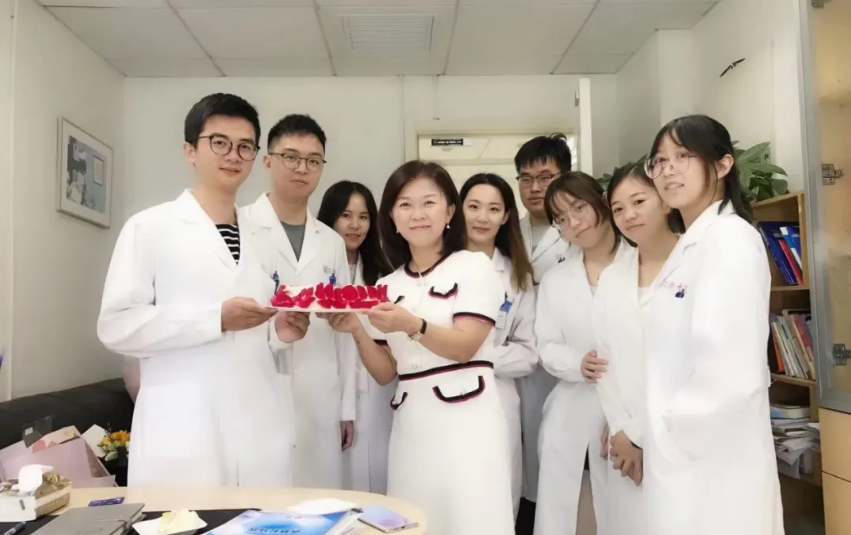
Dr. Shi Yuling | Psoriasis, and Spring Mountains Beyond the Plain
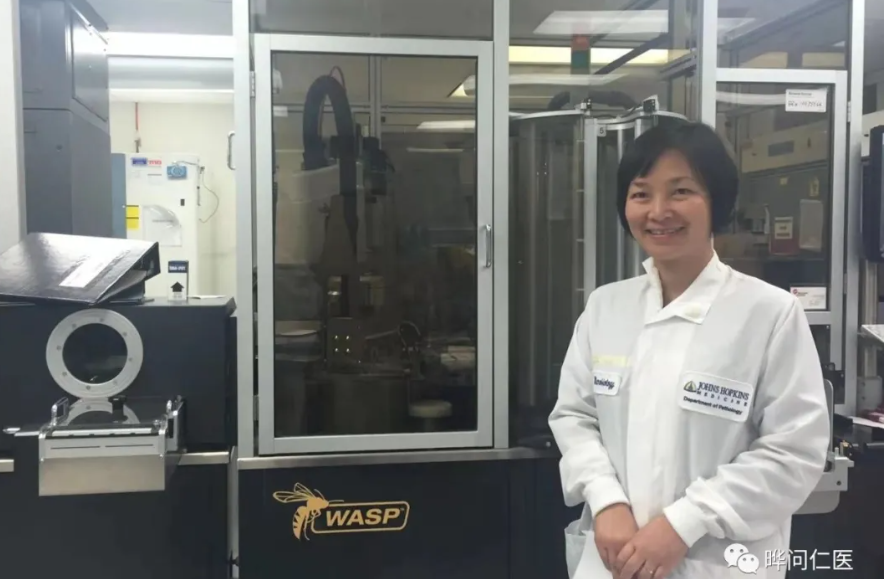
Dr.Ying Chunmei | Laboratory Medicine, Renewed a Little Every Day
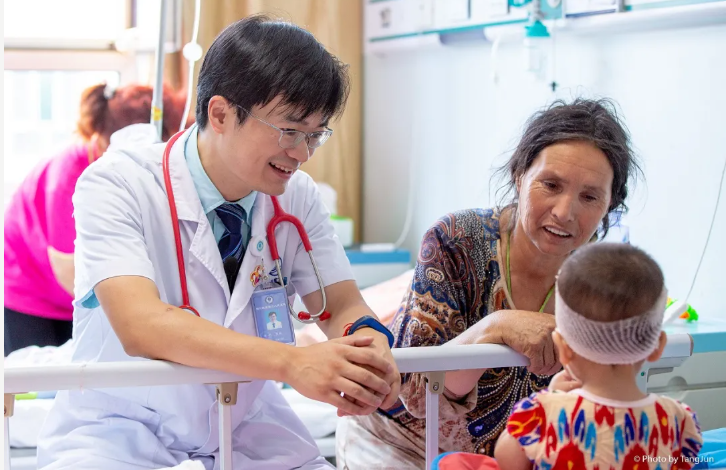
Dr. Zhang Lei | Children's Airways, and a Preference for Being Plain
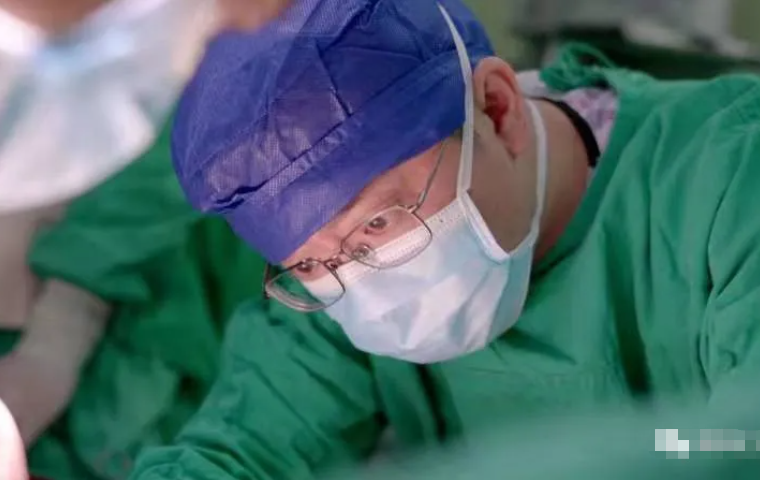
Dr. Chen Tongyu | Chest Surgery Without a Tube, and No Claim to Greatness
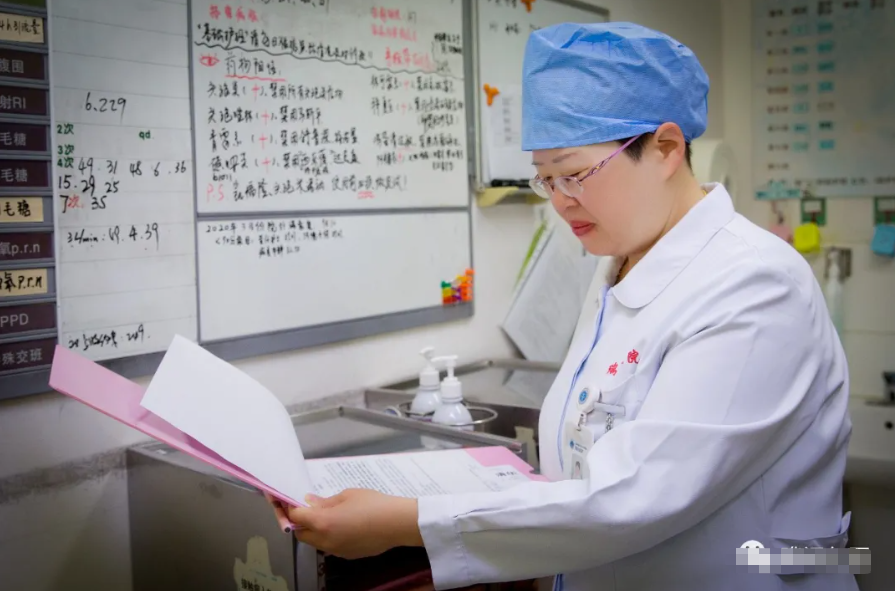
Cui Jie | An Infectious-Disease Nurse Who Kept Walking In
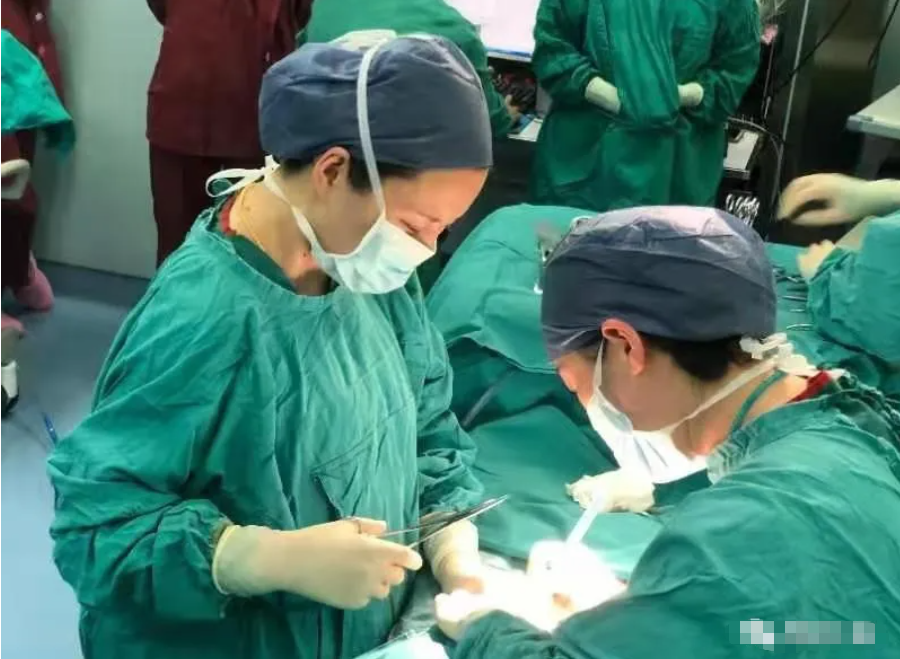
Dr. Hua Xiaolin | High-Risk Obstetrics, and a Child Worth Keeping
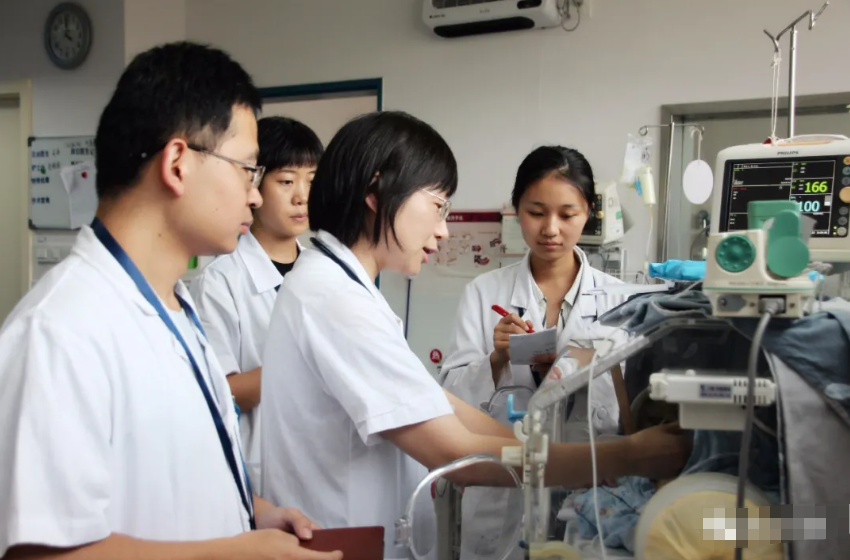
Dr. Shen Chun | Neonatal Surgery, and a Vow That Makes No Speech
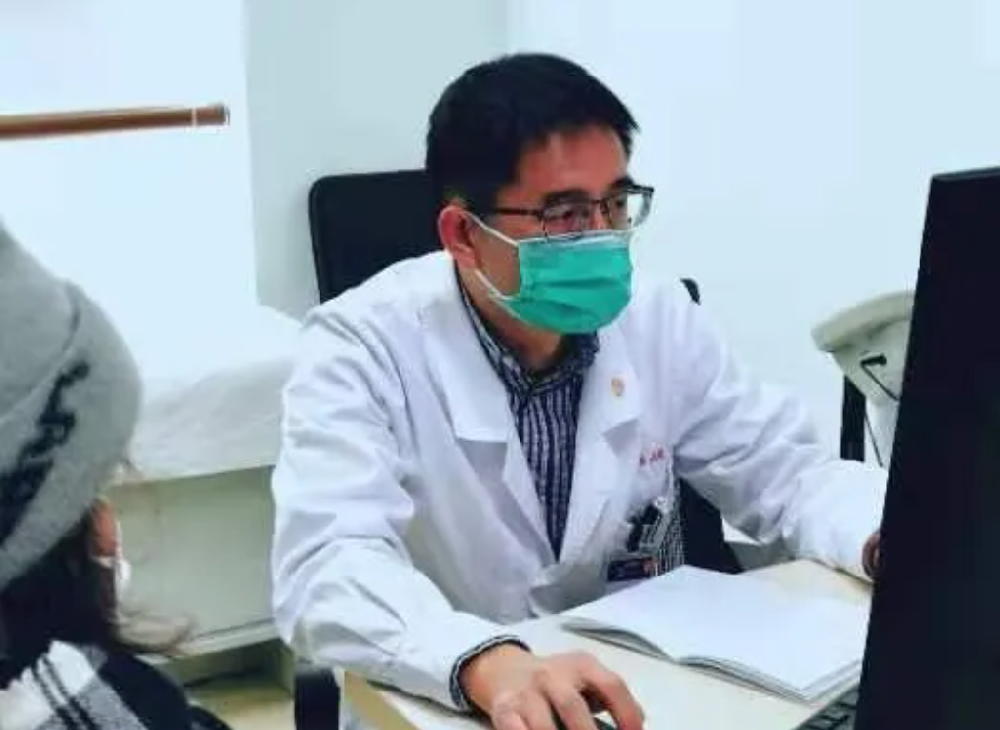
Dr. Yang Ji | A Dermatologist Who Measures the Years by Who Gets Better
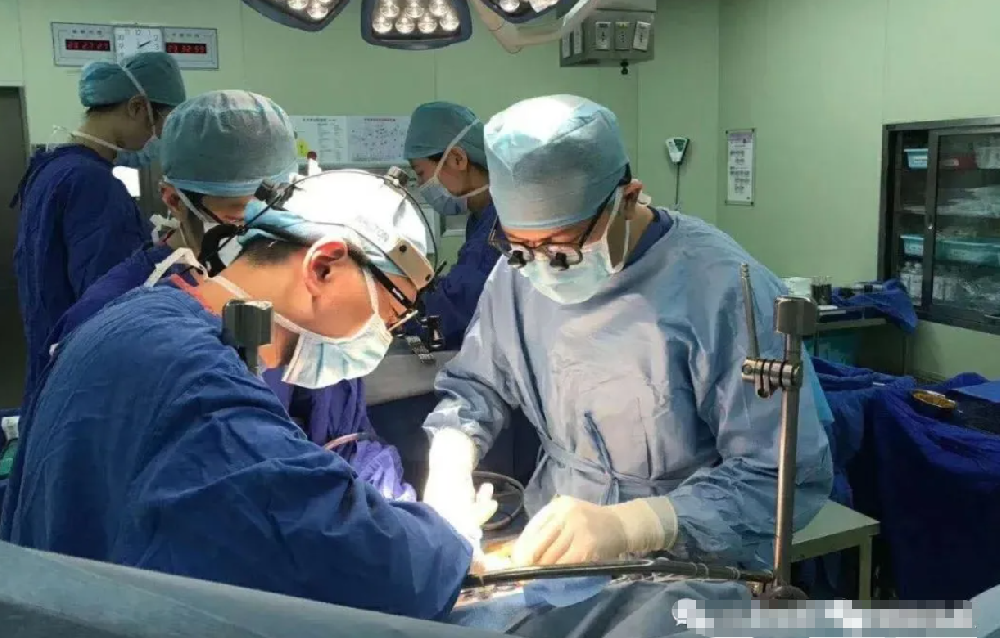
Dr. Chen Gong | Children's Bile Ducts, and a Future He Chose Himself
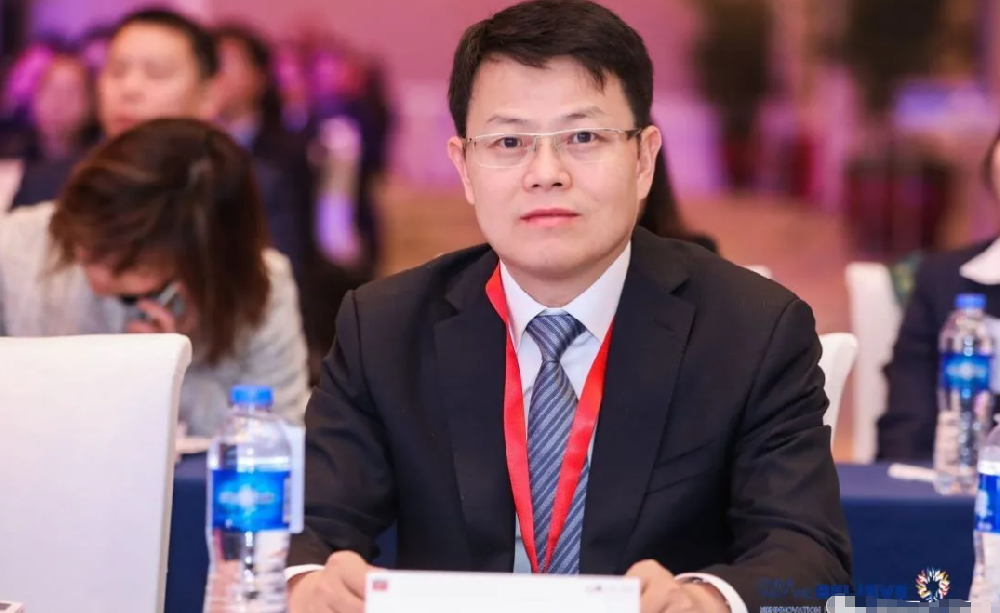
Dr. Luo Zhiguo | An Oncologist Still Hoping for One More Reunion
Copyright © 2023 Yewen Renyi & ShanghaiDoctor.cn (This website is a non - profit medical humanities platform. The information contained herein is solely for biographical and historical purposes and does not constitute any medical advice.) 沪ICP备2023005392号-2 XML 沪公网安备31010902100835号
 中文
中文 English
 Español
 沪公网安备31010902100835号