ShanghaiDoctor - Where China's Healing Wisdom Shapes Modern Medicine

Update time:2026-08-04Visits:3419
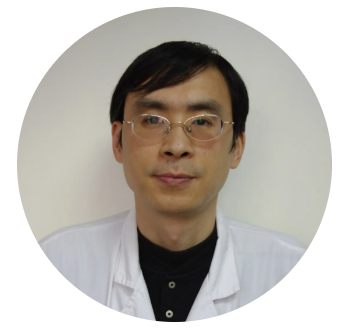
Chief Physician & Associate Professor Department of Proctology Yueyang Hospital of Integrated Traditional Chinese and Western Medicine Shanghai University of Traditional Chinese Medicine
“Tall mountains do not speak; still waters run deep.”
— An old Chinese saying that captures the quiet strength of Gao Linghui
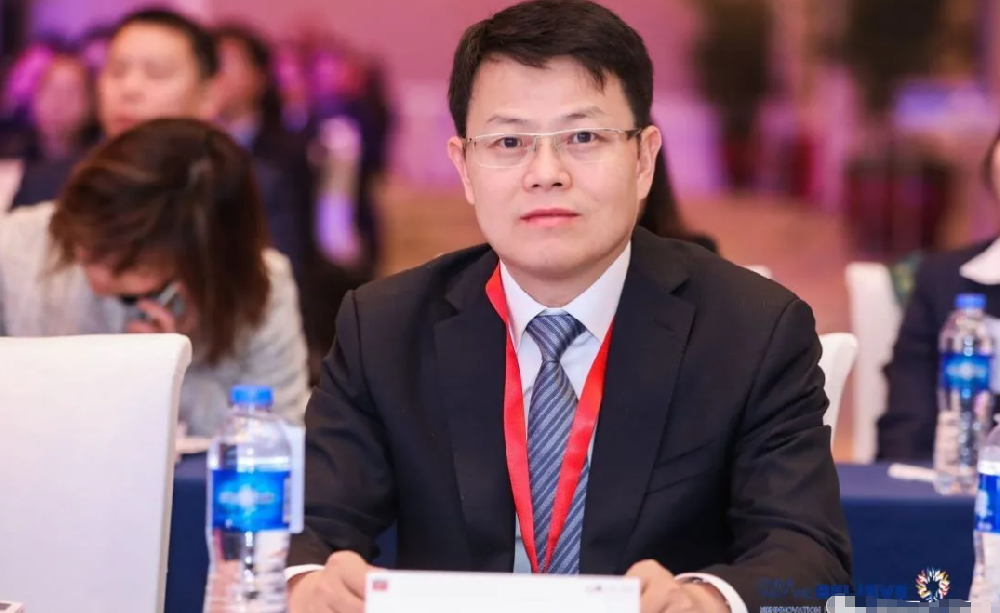
Gao Linghui, M.D., is a chief physician, associate professor, and graduate supervisor in the Department of Proctology at Yueyang Hospital of Integrated Traditional Chinese and Western Medicine, affiliated with Shanghai University of Traditional Chinese Medicine. At 50, he is recognized as an outstanding inheritor of Shanghai’s modern schools of traditional Chinese medicine (TCM).
He trained under Professor Bai Liansong, a nationally renowned senior TCM practitioner, and Chief Physician Sun Jianhua, a distinguished Shanghai TCM physician. He is a member of the fourth national class for inheritors of nationally renowned senior TCM practitioners and a second-generation inheritor of Shanghai’s modern TCM schools.
Dr. Gao serves on the Colorectal Disease Professional Committee of the Shanghai Association of Chinese Integrative Medicine, the Anorectal Disease Branch of the Shanghai Association of Chinese Medicine, and the council of the Anorectal Branch of the China Association for the Promotion of Chinese Medicine Research. He is also an expert on the Shanghai Medical Association’s Technical Appraisal Committee for Medical Disputes (fourth and fifth sessions) and a member of the Shanghai TCM resident/specialist physician standardized training expert pool.
He has published more than ten papers in national core journals, holds several patents, and has led or participated in over ten research projects at various levels. His work has been recognized with the Third Prize of the Shanghai Science and Technology Award.
Dr. Gao carries forward the traditions of the “Wen’s Proctology” and “Bai’s Proctology” schools. His approach centers on strengthening the body’s foundation while eliminating pathogenic factors, and treating both the internal and external dimensions of disease. He integrates the classic four diagnostic methods of TCM (inspection, listening/smelling, inquiry, and palpation) with specialized Western examinations and imaging, combining disease diagnosis with syndrome differentiation to identify root causes.
His treatment is holistic: addressing both root and branch, combining internal herbal therapy with external and surgical interventions.
Integrated traditional Chinese and Western medicine treatment of:
• Hemorrhoids, anal fissures, anal fistulas, and other common and complex anorectal conditions
• Chronic constipation (slow-transit and age-related) and inflammatory bowel diseases (chronic enteritis, ulcerative colitis)
• Surgical management of stage III hemorrhoids, chronic anal fissures, complex perianal abscesses, necrotizing fasciitis, complex high anal fistulas, pilonidal sinus, and rectal mucosal prolapse
Gao Linghui describes himself as introverted. Standing 1.8 meters tall, he speaks little—but when he does, his words land with precision. He wins patients’ trust through attentive listening and genuine care, observing the world with a calm mind and reaching into the inner experience of those he treats.
An early Qing medical classic observes that medicine is the art of benevolence: a physician of character must feel deeply, regard others as oneself, and leave no aspect of suffering unaddressed. Gao embodies this long tradition of empathy.
“We can understand illness and its treatment as a bridge connecting the patient, the family, and society,” he says. “Curing disease is itself a dialectical process, but we can help patients enhance their own healing capacity. That power can alleviate symptoms and, in turn, make it easier for physicians to treat the illness.”
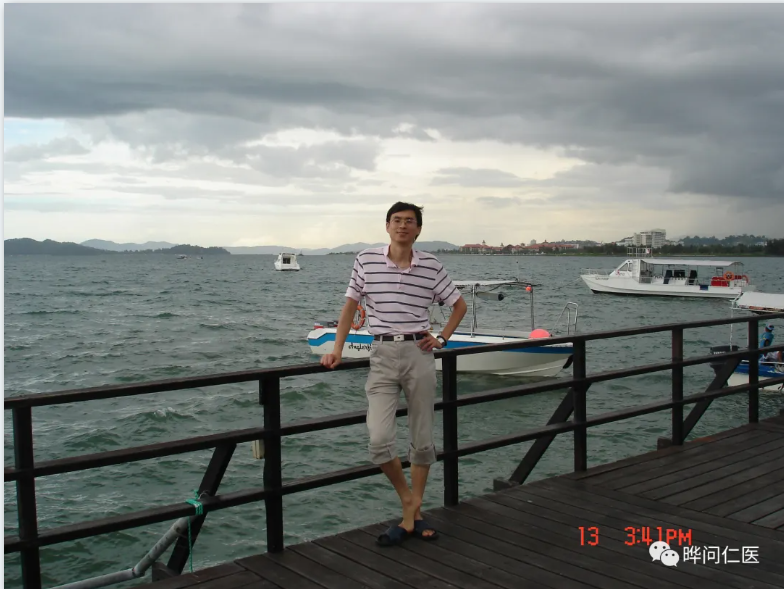
A taciturn, sickly child grew into a physician who converses with quiet ease and heals the wounded. “Taking the path of traditional Chinese medicine changed my life,” Gao says with a smile.
From childhood he was drawn to traditional Chinese culture—Tai Chi, Qigong, and Buddhist thought. In 1988 he enrolled in the Department of Tuina (therapeutic massage) at Shanghai University of Traditional Chinese Medicine, finally stepping onto the path he had longed for.
After graduating in 1993, the internship at Yueyang Hospital proved exhausting. In moments of doubt his mother told him: “Son, since you have chosen this profession, you must settle down and stick with it. Treat your patients with generosity, hold fast to your original aspiration, and never give up.” He chose to persevere.
The Tuina Department was close to the Anorectal Department. In his spare time Gao often helped out and formed a close bond with Director Sun Jianhua. The Anorectal Department of Yueyang Hospital is a prestigious institution founded by Wen Maokang, a celebrated master of traditional Chinese medicine and one of the first generation of national TCM masters after 1949, who established the “Wen’s Anorectal” school. Director Sun is its third-generation inheritor. The specialty’s potential and the personal charisma of his mentor led Gao to choose TCM anorectal medicine.
“It can honestly be said that I chose this field precisely because of Director Sun.”
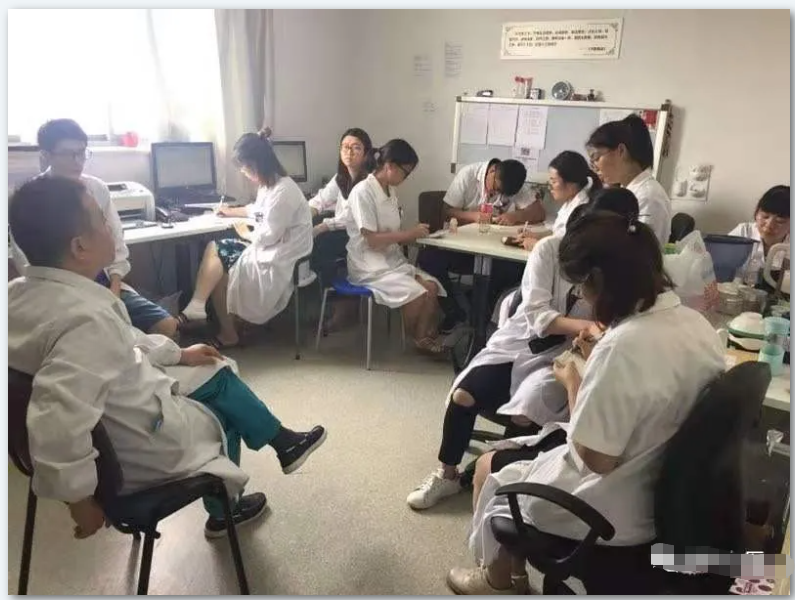
Those early years were the hardest. The department was small—only four staff members—and Gao was the most junior. He alone was responsible for more than twenty beds and was on duty four days a week. Yet it was during those tense and grueling days that a series of typical yet complex cases pushed him to grow rapidly.
Director Sun’s broad-mindedness, freedom from excessive desire, simple and disciplined life, and equanimity in the face of inequity deeply influenced Gao’s outlook and intellectual growth.
From the TCM perspective, anorectal disorders are treated by reinforcing the body’s foundation (the “root”) while eliminating external pathogenic factors (the “branch”), addressing both internal and external dimensions. The underlying nature is often rooted in deficiency of the zang-fu organs and emotional imbalance, while wind, dampness, heat, and dryness act as external triggers. Oral herbal preparations nourish constitution; externally applied medicines then serve their adjunct role. Without this foundational approach, healing is delayed and complications may arise.
“In anorectal disease, the core principle of TCM is to take the whole body as the frame of reference and treat according to syndrome differentiation,” Gao explains. “Patients may present with nearly identical symptoms, yet the underlying internal conditions can differ vastly. A seemingly straightforward case of blood in the stool could stem from hemorrhoids, an anal fissure, enteritis, polyps, a tumor, or any number of other possibilities. One cannot mechanically apply a single diagnosis. All therapeutic methods are merely instruments; the true end is the restoration of the patient’s health.”
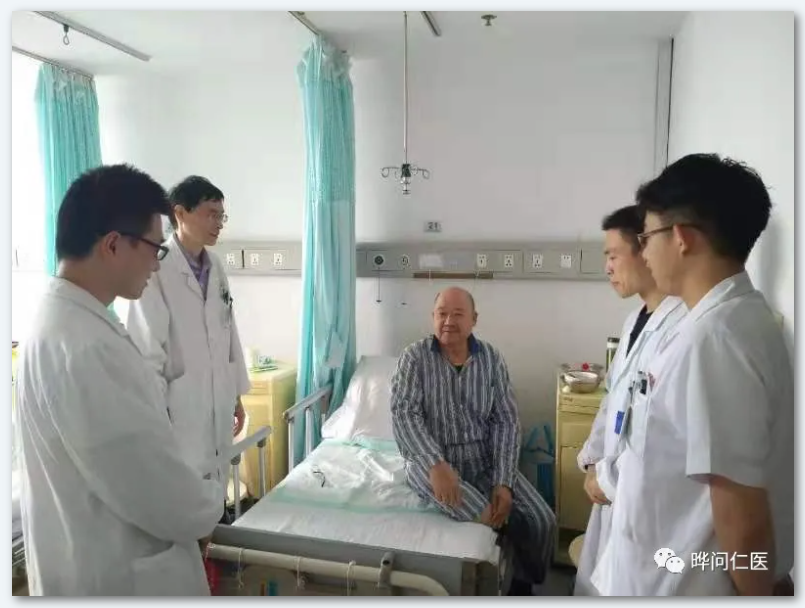
The Anorectal Department at Yueyang Hospital has charted innovative terrain. For anal fistula, Gao and his team developed a multifunctional combined anal fistula probe whose hybrid design—rigid and flexible cannulas working in tandem—facilitates exploration of the fistula tract and simplifies the thread-drawing procedure, enhancing surgical efficiency and postoperative recovery.
For hemorrhoids, the department’s pioneering technique was external excision with internal ligation, developed from classical ligation therapy and enriched by pharmacological adjuncts and injection protocols. Today the hospital also offers stapled hemorrhoidopexy (PPH) and its modified variants, as well as superior rectal artery ligation—procedures that markedly reduce patient discomfort and shorten recovery.
For anal fistula, the department employs seton therapy, the tunnel method, laser therapy, and endoscopic approaches. In inflammatory bowel disease, research is advancing, with therapeutic paradigms gradually incorporating more traditional Chinese medicine.
The department has also developed proprietary preparations addressing hemorrhoidal prolapse, bleeding, and acute perianal abscess episodes.
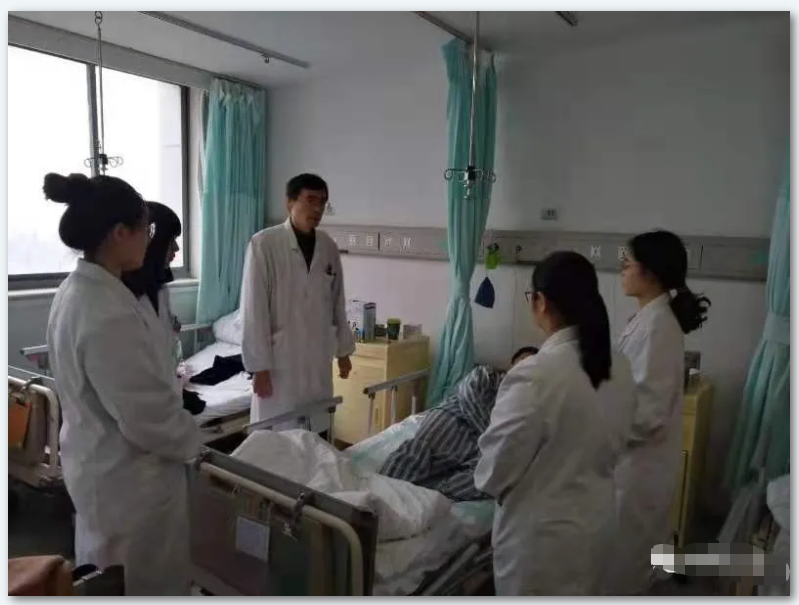
Gao counts among his friends people he has known for decades. “They were my patients before; now they are my friends.” For him, that is why standing by a friend is an unshirkable duty.
In clinical practice he advocates treatment based on syndrome differentiation rather than relying solely on ready-made patent medicines. He prescribes targeted herbal formulas for each patient, attends personally to postoperative care, and changes dressings every day so that he stays fully attuned to changes in the patient’s condition.
For every patient the team provides whole-process management: follow-up of several months for hemorrhoid patients (rarely more than a year), two to three years for anal fistula patients, and longer still for those with rectal mucosal prolapse who often have multiple comorbidities.
One patient over 60 with rectal mucosal prolapse and severe hemorrhoidal prolapse had sought treatment in many places without success. Simply treating the prolapse or the hemorrhoids would have met the immediate need but left the underlying problem unsolved. Gao identified the root as constitutional deficiency. He combined Chinese and Western approaches: oral medication and TCM conditioning to restore physical condition first, followed by surgery and regular lifestyle guidance. Over about a year the patient recovered fully and the condition never returned.
“TCM will not ignore the whole in order to treat a local lesion. For anorectal diseases, preserving anal function is the most important factor; the number of operations and how they are performed are secondary. Before surgery we must carry out thorough examinations, provide psychological counseling, and explain the surgical approach. The best treatment plan is the one most suitable for the patient. Each person’s condition is different; there is no ‘best,’ only ‘most suitable.’”
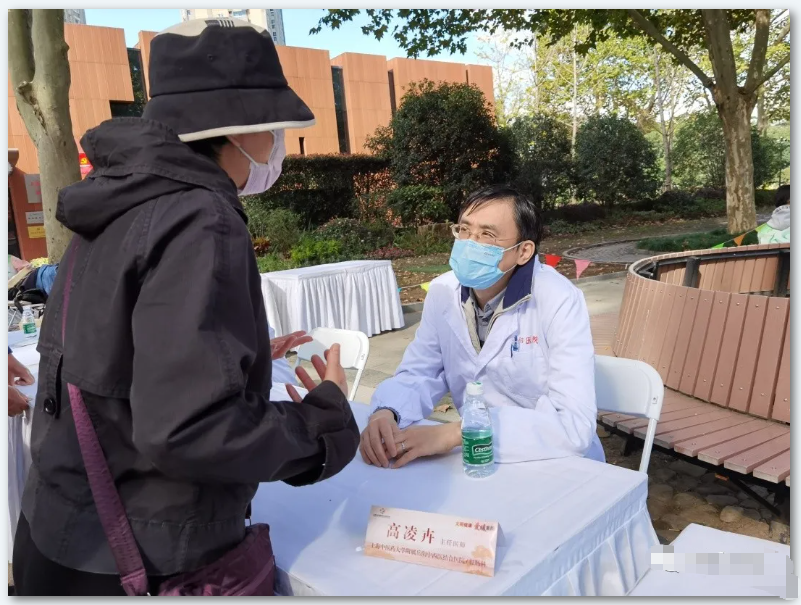

ShanghaiDoctor: Through millennia of inherited medical practice, what new developments have emerged in current treatment techniques and methods?
Gao Linghui: Originally the anorectal department was known as the hemorrhoid department and handled a limited range of conditions—chiefly hemorrhoids, with the occasional anal fissure or fistula. Today the disease spectrum has broadened considerably to include anal polyps, necrotizing fasciitis, complex anal fistulas, anal stricture, pelvic floor muscle relaxation, and many other conditions.
In terms of treatment, topical medications were once the mainstay, and hemorrhoids were commonly treated with necrotizing therapy, which carried significant side effects. With the development of new drugs, patients now have access to a far wider array of options, including topical ointments, suppositories, oral tablets, and hospital-prepared formulations. For hemorrhoids, procedures such as external excision with internal ligation, rubber band ligation, and hemorrhoidal artery ligation offer high efficacy, reduced pain, and faster recovery. For anal fistulas, the traditional incision-and-seton approach has evolved into double-seton placement, tunnel methods—and now even laser therapy and endoscopic procedures are available.
In short, the guiding principle in hemorrhoid treatment is to promptly relieve the patient’s symptoms and suffering while working toward a full recovery. For anal fistulas, the goal is to preserve anal function as completely as possible and achieve early wound healing—a considerably more complex undertaking than hemorrhoid treatment.
ShanghaiDoctor: Over the years, what has the incidence rate of anorectal diseases been? Is there clinical data to support this? And what changes have occurred in the disease spectrum?
Gao Linghui: In 2015, according to statistics from the China Association of Chinese Medicine, the overall incidence rate of anorectal diseases was approximately 50.1% to 50.9%, with hemorrhoids accounting for about 70%, anal fissures and anal fistulas roughly 20%, and the remainder consisting of perianal abscesses and other perianal conditions. In recent years the overall incidence of hemorrhoids has declined somewhat, while infectious conditions such as anal fistulas and perianal abscesses have been gradually increasing. I suspect this may be related to changes in diet, water quality, and climate.
The disease spectrum of the anorectal department has steadily expanded from its original focus on hemorrhoids, anal fistulas, and perianal abscesses toward intestinal conditions as well—including polyps and tumors from the anus into the intestine, inflammatory bowel disease, ulcerative colitis, chronic irritable bowel syndrome, and so on. The scope is slowly widening; what was once the hemorrhoid department is now truly an anorectal department.
ShanghaiDoctor: As a doctor, one must continually ask: Is our treatment the best option for the patient? In your view, what constitutes the best option?
Gao Linghui: The purpose of treating illness is to relieve the patient’s suffering. Western medicine tends to treat the disease as it presents—treating the head when the head aches, the foot when the foot aches. Chinese medicine, by contrast, refuses to address a local lesion at the expense of the whole body. In patients with complex anal fistulas, the tracts are numerous; one could theoretically lay them all open in a single operation, but doing so would be self-defeating, as anal function would be severely compromised. Preserving anal function is therefore paramount. The number of surgeries and the choice of incision are secondary considerations. What matters is a thorough examination, attentive psychological counseling, and a clear explanation of the surgical plan. The best treatment plan is the one most suited to the individual patient. Everyone’s condition is different—there is no single “best,” only the most appropriate.
ShanghaiDoctor: If you could share some knowledge with our many patients, could you impart a practical guide to the anorectal field?
Gao Linghui: Simply put, blood in the stool is a common occurrence in everyday life. I once wrote an article titled “Don’t Fear Blood in the Stool.” The causes are many. Hemorrhoids typically produce painless bleeding, while anal fissures cause bleeding accompanied by pain. Persistent loose stools may suggest intestinal lesions. In tumor-related bleeding, the blood is bright red in the early stages and turns dark red as the disease advances, often with unformed stools. Upper gastrointestinal bleeding presents with tarry, black stools, whereas lower gastrointestinal bleeding shows bright red blood. This is why the fecal occult blood test is genuinely indispensable—it serves as a key diagnostic reference. That said, in outpatient practice the vast majority of cases turn out to be intestinal polyps, and tumors are rare. There is no need for excessive alarm.
ShanghaiDoctor: What about rectal prolapse?
Gao Linghui: True rectal prolapse is actually extremely rare. What is far more common is prolapse of hemorrhoids. Genuine rectal prolapse is medically termed “mucosal prolapse of the rectum.” Children with prolonged diarrhea or constipation, and elderly individuals with weakened anal sphincters or those engaged in intense physical labor, may develop rectal mucosal prolapse, in which a mass of bright red tissue protrudes from the anus. Hemorrhoidal prolapse, by contrast, typically presents as a single lump, sometimes accompanied by bleeding. Chinese medicine attributes prolapse to “qi deficiency.” Treatment may include oral qi-supplementing herbal formulas, external washing with Chinese herbal medicine, bed rest, or injection therapy. Maintaining a balance between work and rest, and practicing pelvic floor exercises regularly, can help prevent the condition.
ShanghaiDoctor: What kind of person are you in daily life? What do you do outside of work?
Gao Linghui: Right now I am still shuttling between work and family. We are a typical dual-income household, with no grandparents to lend a hand. Every day I rush home to cook and wash the dishes. It is demanding, but I have grown used to it. Doctors work roughly nine-to-five. In my spare time I enjoy reading and listening to music to unwind. Classic oldies and international pop are my favorites. Recently I have been working through a series of books by renowned veteran Chinese medicine practitioners. Learning never stops—I must not slacken.
ShanghaiDoctor: What advice or experience would you share with young doctors as they grow in their careers?
Gao Linghui: I believe in four “hearts.” First, a compassionate heart—this is the very starting point of practicing medicine. Second, a patient heart—the path of learning medicine is arduous, and the experience of practicing it is not all joy; only with patience can one persevere. Third, a meticulous heart—neglect of details may plant the seeds of serious hidden dangers. Fourth, a devoted heart—love whatever you do. Once you choose medicine, you must give it your all.
Early in my career as a junior doctor, a patient’s routine blood test revealed a subtle abnormality in the white blood cells. After consultation with the hematology department, it was ultimately diagnosed as leukemia. The deviation was extraordinarily subtle. A doctor must be keen enough to catch such signs and never overlook them.
ShanghaiDoctor: If you could choose again, would you still become a doctor of anorectal surgery?
Gao Linghui: “Yes. Director Sun has been my very first mentor in life. It was precisely because of Director Sun that I chose colorectal surgery. Watching him in practice, I still want to be a colorectal surgeon.”
If given the chance to do it all over again, Gao Linghui would still, without hesitation, choose the TCM anorectal specialty. The quiet light he carries—empathy, perseverance, and a lifelong commitment to learning—continues to guide both his patients and the younger doctors who follow.
Editor: Chen Qing
If you need any help from Dr. Gao, please be free to let us know at Chenqing@ShanghaiDoctor.cn.
Dr. Shi Yuling | Psoriasis, and Spring Mountains Beyond the Plain
Dr.Ying Chunmei | Laboratory Medicine, Renewed a Little Every Day
Dr. Zhang Lei | Children's Airways, and a Preference for Being Plain
Dr. Chen Tongyu | Chest Surgery Without a Tube, and No Claim to Greatness
Dr. Hua Xiaolin | High-Risk Obstetrics, and a Child Worth Keeping
Dr. Shen Chun | Neonatal Surgery, and a Vow That Makes No Speech
Dr. Yang Ji | A Dermatologist Who Measures the Years by Who Gets Better
Dr. Chen Gong | Children's Bile Ducts, and a Future He Chose Himself
Dr. Luo Zhiguo | An Oncologist Still Hoping for One More Reunion
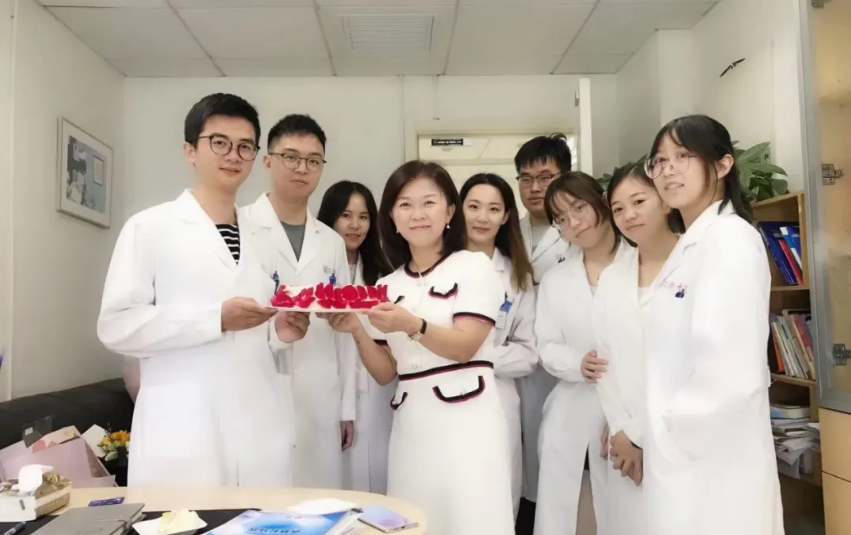
Dr. Shi Yuling | Psoriasis, and Spring Mountains Beyond the Plain
Dr.Ying Chunmei | Laboratory Medicine, Renewed a Little Every Day
Dr. Zhang Lei | Children's Airways, and a Preference for Being Plain
Dr. Chen Tongyu | Chest Surgery Without a Tube, and No Claim to Greatness
Cui Jie | An Infectious-Disease Nurse Who Kept Walking In
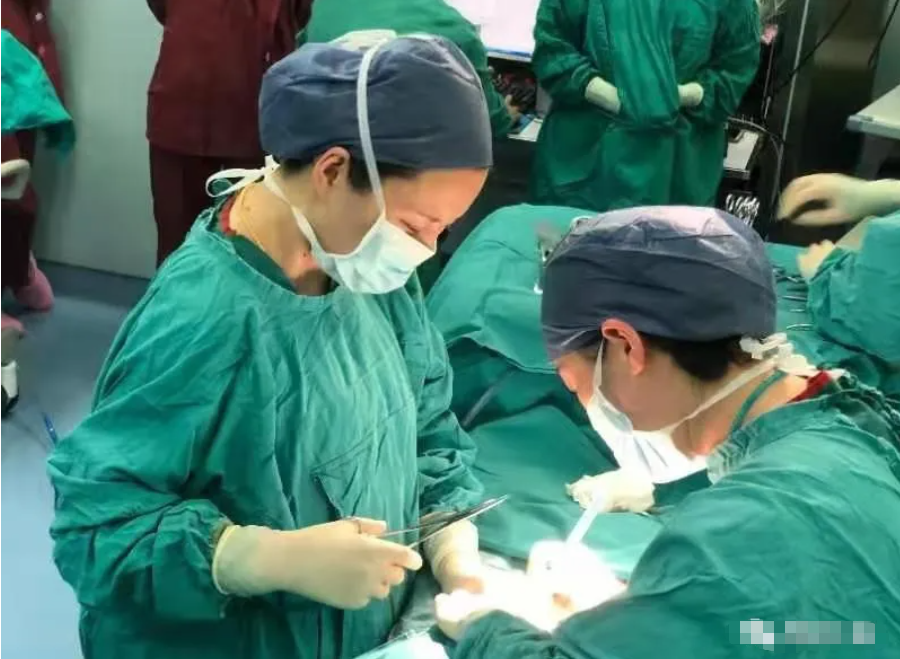
Dr. Hua Xiaolin | High-Risk Obstetrics, and a Child Worth Keeping
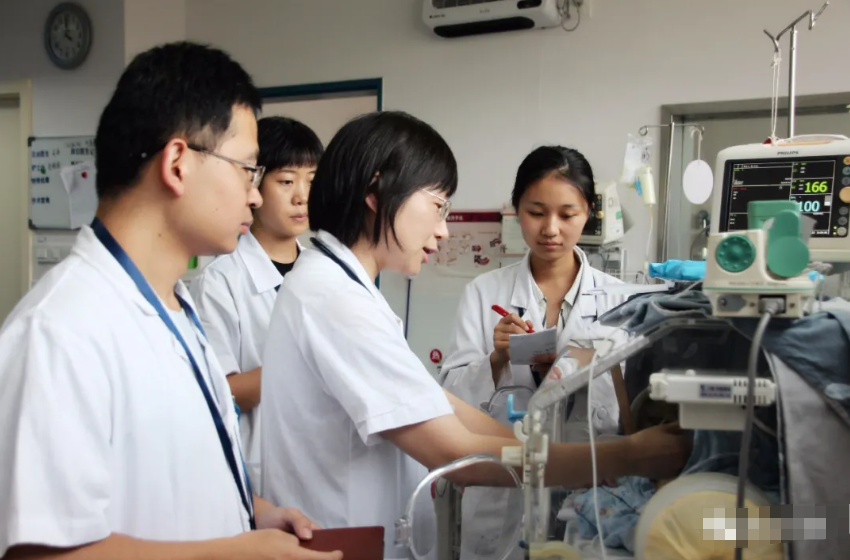
Dr. Shen Chun | Neonatal Surgery, and a Vow That Makes No Speech
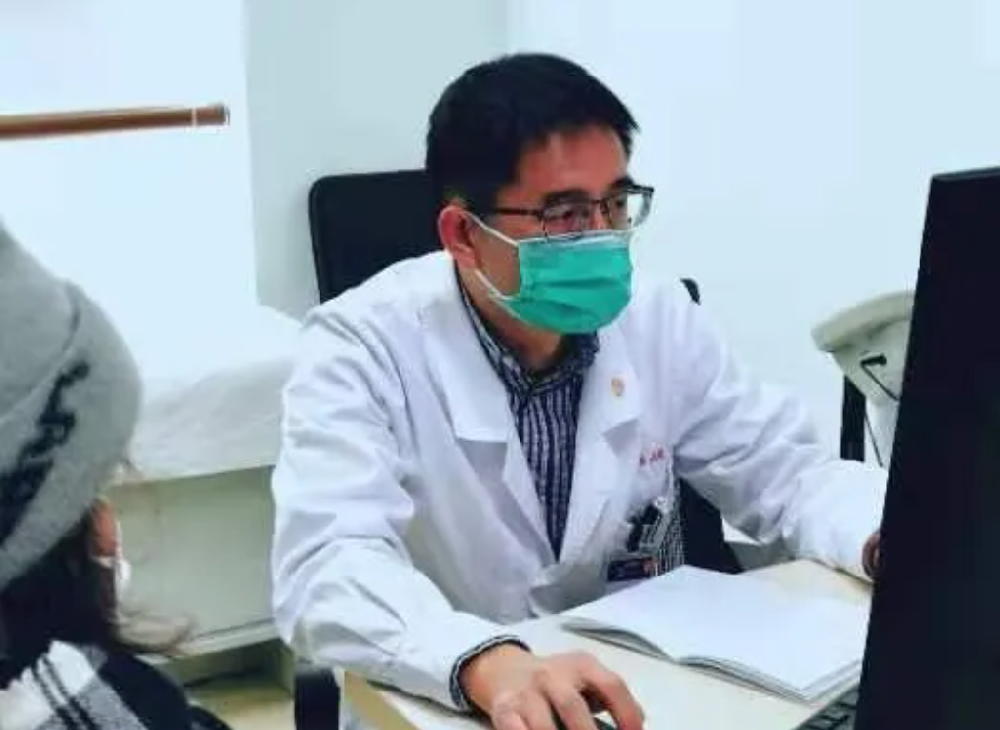
Dr. Yang Ji | A Dermatologist Who Measures the Years by Who Gets Better
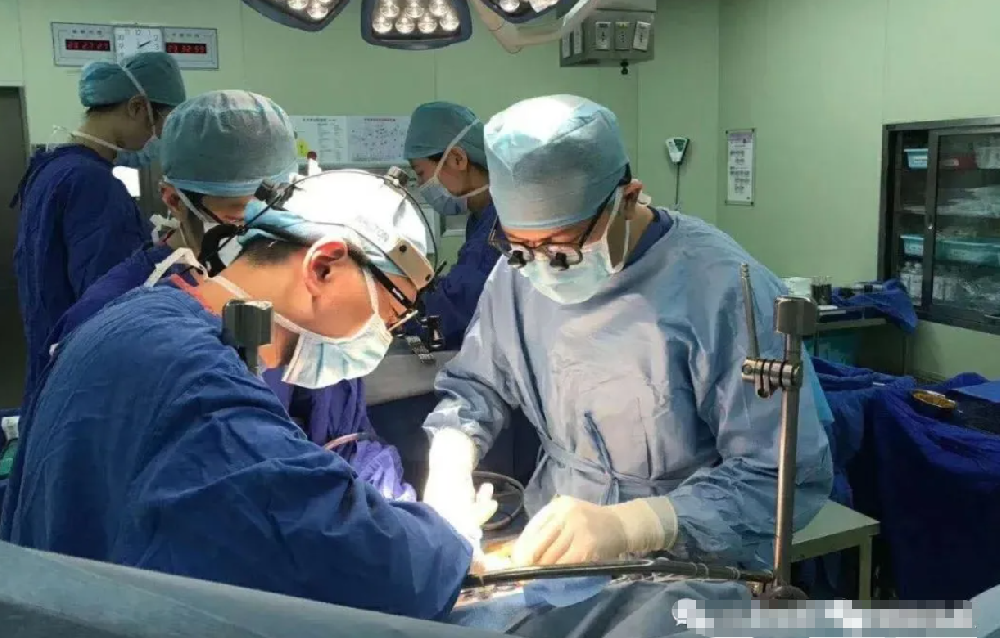
Dr. Chen Gong | Children's Bile Ducts, and a Future He Chose Himself
Dr. Luo Zhiguo | An Oncologist Still Hoping for One More Reunion
Copyright © 2023 Yewen Renyi & ShanghaiDoctor.cn (This website is a non - profit medical humanities platform. The information contained herein is solely for biographical and historical purposes and does not constitute any medical advice.) 沪ICP备2023005392号-2 XML 沪公网安备31010902100835号
 中文
中文 English
 Español
 沪公网安备31010902100835号