ShanghaiDoctor - Where China's Healing Wisdom Shapes Modern Medicine

Update time:2026-05-23Visits:3214
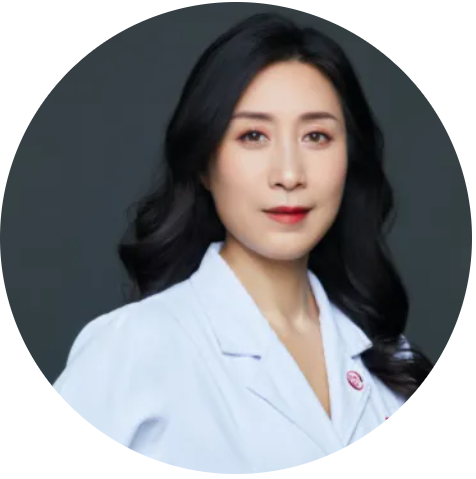
Wang Xiaoying is a Chief Physician in the Department of Ophthalmology at the Eye, Ear, Nose, and Throat Hospital of Fudan University (Shanghai Otorhinolaryngology Hospital), where she also serves as Deputy Director of the Ophthalmology Department and Director of the Optometry Discipline. She holds a Doctorate in Ophthalmology and is a Doctoral Supervisor. She is also the Head of the Intraocular Lens Myopia Correction Center.
She serves as Vice Chair and Head of the Ophthalmology Group of the Laser Medicine Branch of the Shanghai Medical Association, and is a Standing Committee Member of the Shanghai Women Physicians Association.
Dr. Wang is a member of the European Society of Cataract and Refractive Surgeons (ESCRS) and the Association for Research in Vision and Ophthalmology (ARVO) in the United States.
Her work encompasses clinical ophthalmology, scientific research, and teaching. She has extensive clinical experience in a wide range of ophthalmic conditions, with a particular focus on myopia prevention and refractive surgery. Her expertise includes full femtosecond laser SMILE and refractive intraocular lens implantation (PRL, ICL, TICL) for high and ultra-high myopia. She is currently one of the most experienced and technically authoritative surgeons in China for PRL, ICL, and TICL procedures.
Dr. Wang has studied at several prestigious institutions, including Johns Hopkins University in the United States, Moorfields Eye Institute in the United Kingdom, Verilux University in France, and the School of Optometry at the Hong Kong Polytechnic University. From 2005 to 2006, she studied at Heidelberg University in Germany, earning a Master of Science in Medical Physics as a second degree. She has published over 30 papers and contributed to 8 monographs (4 as editor-in-chief, 4 as co-author). She holds one utility model patent and has led multiple projects funded by the National Natural Science Foundation of China and provincial/ministerial grants. Her accolades include the First Prize of the Ministry of Education Technology Invention Award and the Second Prize of the Shanghai Science and Technology Progress Award.

First Perspective
A century ago, the Scottish physician Dr. Mair remarked that a good doctor should possess three “H”s: Head (knowledge), Hand (skill), and Heart (conscience).
“Acquire broad knowledge to become a physician, cultivate deep virtue to practice medicine, and act with prudence to treat patients.” Wang Xiaoying’s interpretation of this maxim feels especially resonant today.
Born into a medical family—with generations of doctors beginning with her grandparents—she was immersed in this calling from childhood.
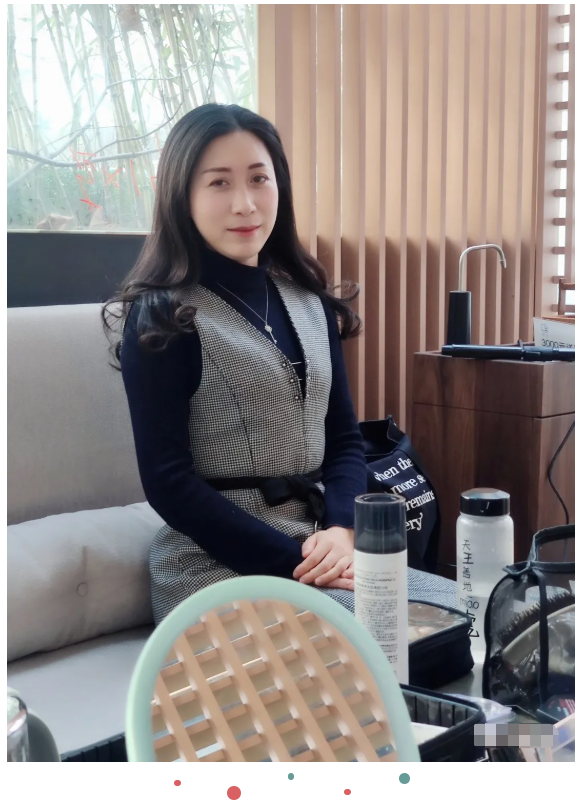
I first met Wang Xiaoying five years ago. What has changed is her mindset and outlook, evolving with the times; what remains constant is her refined, scholarly poise.
When I asked her how she maintains such elegance amid a demanding schedule, she replied with a radiant smile: “In the best years of our lives, we should not live too casually. Have standards for yourself, have aspirations in life, and have hope for the future—then life will bloom.” Beyond outward refinement, a deeper elegance lies in inner richness.
She is a person with a fragrant soul, which is why she can live with such intellect and calm. And is that not, in itself, an inspiration to her patients?
The successful completion of a surgery depends not only on the few minutes spent on the operating table, but more importantly on a systematic approach that spans before, during, and after the procedure. The first step is to fully understand the patient’s needs through a detailed consultation, identifying their core concerns. The second step involves a comprehensive and thorough preoperative evaluation to determine whether the patient is a suitable candidate for surgery. The third step is for a skilled surgeon to select the most appropriate surgical method and perform the operation. The fourth step entails close postoperative follow-up and medication management. Wang Xiaoying has a deep understanding of medical practice, yet she reflects: “But this alone is not enough. We must recognize that restoring sight is not just a personal need of the patient—it is a hope for life itself.”
Whether in medicine or art, both are ultimately a sustained exploration of the entire human life cycle.
1. Good Technology Benefits More People
This year, the national launch ceremony of the High Myopia Joint Diagnosis and Treatment Center and its inaugural seminar were held online. The event was hosted by the Eye & ENT Hospital of Fudan University, under a hopeful theme: “Guarding the Light, Running Toward the Future.”
For patients with high myopia, refractive surgery offers a way to restore a clear and bright world. As the chief physician of the Optometry Department at the Eye & ENT Hospital of Fudan University, Wang Xiaoying has been “running toward the future” for more than a decade. She admits that the journey of performing intraocular lens implantation for high myopia has not been easy.
“New technology, patient skepticism, and the watchful eyes of peers—I was under tremendous pressure at the beginning.” Fortunately, practice and results speak for themselves. For myopic patients, refractive surgery once focused solely on the cornea, but intraocular lens implantation has now developed into a treatment as important as its predecessor. Intraocular lenses may currently be the most promising option for bringing clear vision to patients with high myopia.
Regarding intraocular lenses used to treat myopia, two types have been approved by the China Food and Drug Administration (SFDA): ICL and PRL. ICL appeared earlier, with a diopter range as low as 50 degrees and up to 1,800 degrees, covering the vast majority of patients. PRL is suitable for patients with over 1,000 degrees, with a maximum correction of up to 3,000 degrees, filling the treatment gap for ultra-high myopia patients above 1,800 degrees. Wang Xiaoying has now established a specialized joint clinic for high myopia patients, offering them a faster and more convenient diagnostic and treatment pathway.
“Many people think myopia is just about wearing a pair of glasses. But in reality, high myopia is far more complicated than that.”
In Wang Xiaoying’s clinic, there are countless patients with high myopia. As soon as a patient sits down in front of her, even before they speak, she knows why they have come. “Because they are wearing thick glasses, like the bottom of a beer bottle.”
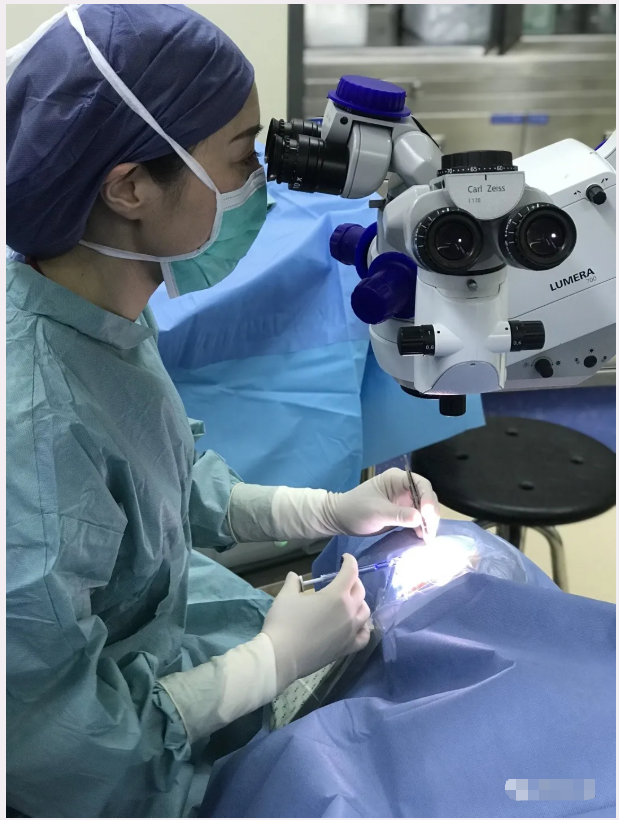
Wang Xiaoying listens patiently to her patients’ concerns. She is kind, gentle, and compassionate, and patients feel comfortable confiding in her about the many inconveniences in their daily lives. The blurry world feels dim, and the thick lenses cover the windows of the soul, preventing sunlight from dispelling the gloom. After carefully examining each patient, she formulates a suitable surgical plan for those who wish to remove their glasses. An intraocular lens implantation procedure proceeds smoothly, and in just a few minutes, the world becomes bright.
“Some patients, even just moments after coming off the operating table, exclaim in surprise, ‘Wow, I can already see clearly!’” At moments like these, Wang Xiaoying feels both gratified and joyful.
“Good technology benefiting more people is my wish. If my work can bring benefits to others and improve their lives, even if it’s a bit tiring, I feel happy inside.”
2.“Like Being Reborn”
China has the largest number of myopic people in the world, a considerable portion of whom suffer from high myopia. Unlike simple low to moderate myopia, high and ultra-high myopia involve not only extremely high diopters and poor corrected vision but also carry risks of blinding diseases such as retinal detachment, vitreous detachment, fundus hemorrhage, and glaucoma.
Wang Xiaoying sincerely hopes that more people with high myopia will come to know that reliable treatment technologies now exist.
“Whether it’s excimer laser, femtosecond laser, or PRL intraocular lens implantation, all can safely and surprisingly help patients free themselves from the trouble of glasses and improve their vision. Many people in daily life, first, do not take the condition seriously, unaware of the risks of high myopia, and second, do not understand that they actually have the opportunity to enjoy the same visual life as normal people.”
One young woman’s story of removing her glasses left a deep impression on Wang Xiaoying.
“She was actually only 29 years old, but when she sat in front of me, she looked like she was 40. She was very overweight, dressed sloppily, wore a pair of very thick lenses, never made eye contact when speaking, kept her head down, and seemed particularly self-conscious. She said, ‘I have ultra-high myopia. Even with glasses, I face many inconveniences in life. I have no job, and staying at home, I even find it very difficult to take care of children.’ The skylight of her life was buried under thick dust; looking up, she could not see the stars, only darkness.”
Wang Xiaoying helped the patient undergo PRL intraocular lens implantation surgery, and the results were remarkably surprising. After the surgery, the patient achieved fairly good vision, started losing weight, lived actively and beautifully, and her entire demeanor underwent a dramatic transformation. Half a year later, when she returned to the clinic, Wang Xiaoying almost couldn’t recognize her.
“She was completely a youthful, beautiful, confident, and lively young woman. She told me very excitedly that after returning to her hometown following the surgery, everyone said they couldn’t recognize her, as if she had been reborn. She was also very grateful to me. She said, ‘Dr. Wang, my life has changed a lot now. I can go out, I have my own job, and I am more confident and happy.’”
A single PRL intraocular lens implantation surgery changed a person’s life.
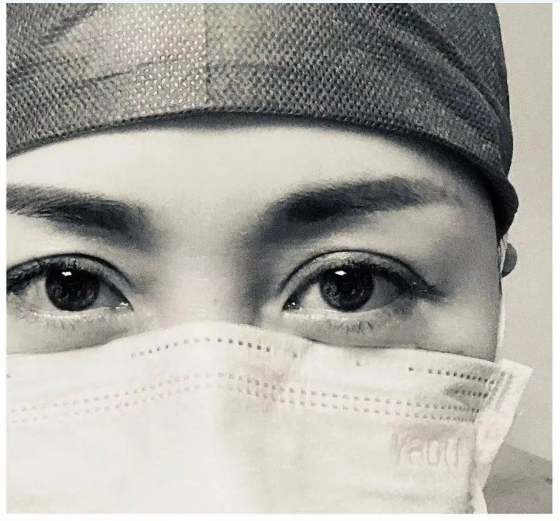
Last year, during the most severe period of the pandemic fight, Wang Xiaoying signed up for the pandemic clinic. After putting on protective clothing, a mask, and a cap, she opened her phone and took a close-up selfie of her eyes. She named this photographic work “Bright Eyes.”
“Bright Eyes, meaning luminous eyes, is both the content of the photo and conveys the heartfelt wish of an ophthalmologist: hoping that all patients who see these eyes will see the light.”
3. Erudite, Virtuous, Cautious
Wang Xiaoying likes a saying very much: “Be erudite to become a doctor, be virtuous to practice medicine, and be cautious to treat patients.”
“To become a physician through extensive learning—without reading thousands of books, one cannot become a doctor; to practice medicine with profound virtue—only with the original intention to relieve patients’ suffering can one practice medicine; to act with caution in medicine—once a doctor, one must proceed with the utmost care, as if treading on thin ice.”
This has become Wang Xiaoying’s guiding principle in medical practice.
She earned a Master’s degree in Medical Physics (a second degree) from Heidelberg University in Germany, and has also studied and conducted research at institutions such as Johns Hopkins University in the United States, Moorfields Eye Hospital in the United Kingdom, Verilux University in France, and the School of Optometry at Hong Kong Polytechnic University. For decades, she has been immersed in clinical consultations, surgeries, research, and teaching. As one of China’s leading authorities on intraocular lens implantation, she is also dedicated to spreading this technique to fellow doctors nationwide through training courses and other initiatives.
When observing her surgeries, colleagues often exclaim in admiration, “Dr. Wang, your hands are so steady during surgery.” She smiles and attributes this to her childhood practice of calligraphy and painting, which honed the precision and stability of her fingertips. Literature, photography, and the arts have not only cultivated her gentle and elegant demeanor but also helped calm her mind amid the hustle and bustle.
“In the field of ophthalmology, there are still many unknown challenges waiting to be conquered. I think, no matter what, I will continue on this path, never forgetting my original intention, and forging ahead with determination.”


ShanghaiDoctor.cn:
Dr. Wang, hello. You are an old friend of Yewen Renyi. It has been five years since we last met. What new changes have occurred? What is your current daily workload like?
Dr. Wang Xiaoying:
I am still as busy as before, seeing patients and performing surgeries all day long. The number of surgeries and outpatient visits has been increasing year by year, reaching new highs. In addition, I have gained more insights and made some adjustments to my work. Over the past five years, I have not only been a doctor but also taken on responsibilities in departmental management, research, and teaching. I am sharing the fascinating knowledge of ophthalmology with medical students, mentoring graduate and doctoral students, and training visiting doctors from all over the country, so that these surgical techniques can be widely adopted nationwide and even globally. One person may go faster, but a group of people can go further. I will lead my team and more people to continue on this path, making it broader and longer.
ShanghaiDoctor.cn:
This year, you also held the National Launch Ceremony of the High Myopia Joint Diagnosis and Treatment Center and the first seminar of the center. What development trends do you foresee for high myopia in the future?
Wang Xiaoying:
China has the largest population of myopic individuals in the world, and a significant proportion of them suffer from high myopia. High myopia is fundamentally different from mild to moderate myopia and can lead to blinding eye diseases, which demands greater attention. We have now established a joint clinic dedicated to high myopia, aiming to raise awareness among affected patients and make it easier for them to quickly access diagnosis and treatment pathways, thereby improving medical accessibility. As lifestyles change, myopia is likely to become even more common, and high myopia naturally accounts for a substantial number of cases. In daily life, everyone should learn more about this condition and take it seriously in order to better prevent and treat myopia.
ShanghaiDoctor.cn:
Globally, the prevalence of high myopia is on the rise and is projected to reach 9.8% by 2050, affecting over 900 million people. What are the current common treatment methods for high myopia? Approximately how many patients with ultra-high myopia have you encountered?
Wang Xiaoying:
The corrective effect of glasses for high myopia is often unsatisfactory, and contact lenses come with their own set of issues, such as dry eyes. Nowadays, refractive surgery represents a promising direction, especially for certain cases of ultra-high myopia. Corneal refractive surgery is actually unsuitable for these patients, and its outcomes are greatly diminished. In such cases, intraocular lenses may offer a treatment method that achieves better visual results. Previously, many people were unfamiliar with this technology. Now, even for ultra-high myopia, we have excellent techniques and methods to help patients improve their vision, achieving good visual outcomes and quality of life.
In my clinic, I see a very large number of patients with high myopia. Many walk in, sit down without saying a word, and I already know why they are there—because they wear thick glasses resembling beer bottles. As soon as they sit down, patients complain about the various inconveniences in their daily lives. We first perform some examinations for them. If the results show that the patient has a desire to remove their glasses, intraocular lens implantation is a good surgical option for those with high and ultra-high myopia. Suitable patients can achieve quite good corrective results. Conventional surgical methods, such as femtosecond laser, are also effective, but the appropriate surgical approach should still be chosen based on each individual’s characteristics and indications.
ShanghaiDoctor.cn:
What harm can ultra-high myopia cause? What conditions need to be met to undergo PRL intraocular lens implantation for myopia?
Wang Xiaoying:
We generally classify myopia below 300 degrees as low, between 300 and 600 degrees as moderate, and 600 degrees and above as high. Ultra-high myopia can reach 800, 1,000, or even exceed 1,200 degrees. This condition is not merely a matter of high diopters and poor corrected vision; it also carries significant risks of retinal detachment, vitreous detachment, fundus hemorrhage, glaucoma, and other ocular diseases. Without timely intervention, it can lead to blindness. For patients with ultra-high myopia, our first priority is to encourage them to take eye health seriously, undergo regular examinations, and seek prompt treatment if risk factors are identified, thereby preventing severe outcomes. Second, we aim to help improve their vision. If a patient’s eye examination results meet surgical requirements—with appropriate anterior chamber depth, endothelial cell count, and no active lesions—then surgery can be a very safe and reliable treatment option. Many patients are delighted after surgery, feeling their vision is excellent and completely normal, just like anyone else. However, we must remind them that the underlying structure of the eyeball has not changed, and they still need to remain vigilant and attend regular follow-ups. In daily life, many people either underestimate the risks of high myopia or are simply unaware that they have the opportunity to achieve the same visual quality as those with normal vision. That is why I hope that, through media outreach, people with high myopia can learn about the trustworthy treatment technologies available today.
ShanghaiDoctor.cn:
We understand you are currently involved in a PRL clinical project. Could you tell us more about it?
Wang Xiaoying:
Intraocular lenses are gradually gaining public recognition. PRL, ICL, and several new products all fall under the category of intraocular surgery. The basic principle is the same: implanting a lens inside the eye, adjusted according to different diopters, with specific requirements for the eye’s condition. Our hospital is a nationally renowned tertiary eye hospital, and we conduct many clinical projects on intraocular lenses. Some patients may have psychological reservations about clinical trials, viewing them as mere experiments. In reality, our studies are typically Phase III trials, where safety and efficacy are largely established. We simply hope that more patients will participate in practice, providing rigorous data to help us better master this technology. These projects also greatly benefit patients. Doctors take the surgery very seriously, adhere to strict standards, formulate detailed follow-up plans, and offer numerous advantages. If a patient meets the criteria for our clinical trial, it is also a fortunate opportunity for them. From the patient’s perspective, they are contributing to medical progress; from the doctor’s perspective, these patients are the group we care about and value most. Doctors and patients are comrades-in-arms, working together to overcome high myopia.
ShanghaiDoctor.cn:
What are the differences between PRL and ICL, and what types of patients are they suitable for? What are your expectations or suggestions for the future of PRL lens implantation surgery?
Wang Xiaoying:
PRL and ICL are both types of intraocular lenses. The diopter range of the ICL extends from low degrees up to 1,800, while the PRL is suitable for patients with over 1,000 degrees, reaching a maximum of 3,000 degrees—thus filling the treatment gap for patients with ultra-high myopia above 1,800 degrees. There are no significant differences in the indications for the two types of surgery; the surgical steps are similar, and clinical outcomes for both show rapid recovery and excellent results. Patients with ultra-high myopia are more suitable for PRL, and they can achieve good vision the day after surgery. Some patients even exclaim in surprise right after getting off the operating table, “Wow, I can already see clearly.”
ShanghaiDoctor.cn:
What issues should PRL surgery patients generally pay attention to after the operation? Do you have any advice for patients?
Wang Xiaoying:
Patients often worry about their postoperative life—men wonder if they can still exercise, and women ask whether they can have a natural delivery in the future. In fact, these are all misunderstandings. The purpose of PRL surgery is to help patients get rid of the inconvenience of glasses and improve their vision. After recovery, the patient’s lifestyle is the same as before, with no special restrictions. Of course, high myopia itself carries certain risks. For example, for patients with fundus diseases, we advise them to avoid sports that cause severe head vibrations, such as boxing or diving. But in terms of daily life, they will actually have more freedom than before surgery. However, it is still important to remember to have regular check-ups. The structure of the eyeball remains unchanged after surgery, and the risk of fundus diseases still requires attention.
ShanghaiDoctor.cn:
Will intraocular lens implantation surgery become the mainstream procedure in the future? What expectations or suggestions do you have for its future development?
Wang Xiaoying:
At the beginning, many people were not optimistic about intraocular lens implantation surgery. I also faced tremendous pressure initially—not only from patients’ doubts but also from the disapproval of my peers. It has indeed been very difficult over the years. Practice and facts are the best proof. Whether short-term or long-term, the results of intraocular lens implantation surgery have now been recognized by everyone. Patients have achieved remarkable outcomes and are very grateful. Many of my current patients are referred by former patients, which is the greatest affirmation of my work. Additionally, I hope more people will understand and master this technology. We have organized many training courses on SMILE, PRL, and ICL. Good technology should benefit more people—that is my wish.
ShanghaiDoctor.cn:
We know that over the past decade, refractive surgery has undergone earth-shaking changes. What breakthroughs and changes have the new standards in China brought? What are the differences compared with international standards?
Wang Xiaoying:
Previously, refractive surgery was limited to the cornea. Today, it is divided into two main categories: corneal procedures and intraocular lens implantation, with the latter now considered equally important. In 2019, we published an expert consensus on posterior chamber intraocular lens technology in the Chinese Journal of Ophthalmology, offering peers a standardized reference for better surgical practices. In terms of volume, China performs the highest number of myopia surgeries in the world, and our hospital leads the nation. Due to shifting lifestyles, the global population of myopia patients continues to grow, and the number of refractive surgeries in China now surpasses that abroad. However, we must acknowledge that many new technologies still originate and develop overseas. In terms of technological breakthroughs and innovation, our doctors still have ground to cover.
ShanghaiDoctor.cn:
What are your thoughts on the application of artificial intelligence and smart medical technology in ophthalmology? From diagnosis to treatment, how far has AI medical imaging advanced?
Wang Xiaoying:
That’s a very interesting question. Big data and artificial intelligence are hot topics today, and their applications in healthcare are widespread and pervasive. But the key question is: how can we derive more consistent and better treatment plans from big data? This is a crucial direction and a significant research topic. Our team recently published a paper in the internationally renowned ophthalmology journal BJO, using AI and big data analysis to predict the ideal vault height after intraocular lens implantation, thereby improving surgical outcomes. The article attracted considerable attention from peers and represents some of our explorations in this field. We continue to work in this direction, hoping to better serve patients with advanced technology.
Many people feel that AI is developing so rapidly and profoundly that it sometimes exceeds our expectations—AlphaGo defeating the world chess champion is one example. Some question whether machines will eventually replace doctors entirely. From my perspective, doctors will always be necessary. What we need to do is harness advanced technology to serve us. Humans remain the primary decision-makers and executors; high technology is merely an indispensable tool. Seeing a doctor is not a mechanical process—we still focus on the “person.”
ShanghaiDoctor.cn:
What qualities do you believe an ophthalmologist should possess?
Wang Xiaoying:
I grew up in a medical family. Many of my grandparents and parents were doctors, so I was immersed in that environment from a young age and developed a natural affinity for medicine. Later, choosing to pursue medicine was a very challenging path. Being a doctor is arduous. I once heard a saying: “Become a doctor through extensive learning”—without reading thousands of books, one cannot become a doctor; “Practice medicine with virtue”—only with a heart to relieve patients’ suffering can one practice medicine; “Practice medicine with caution”—once you become a doctor, you must act with the utmost care, as if walking on thin ice. You are facing a person, and every treatment must be carefully considered for its impact on the patient’s life. Throughout my growth, I have come to understand these three sayings more deeply. You need to acquire a vast amount of knowledge, have a compassionate heart to help and empathize with patients, and always remember what each operation or treatment will bring or change for the patient—and always practice medicine with caution.
Advice for the Growth of Young Doctors: A Conversation with Wang Xiaoying
Wang Xiaoying:
I have many students—master’s candidates, participants in the eight-year program, and doctoral students. Seeing them reminds me of my own younger self. I, too, worked my way up step by step, with diligence and perseverance. From every angle, they are living in the best of times, with outstanding learning environments and resources—though the pressure, naturally, is immense. So I hope they will cherish these opportunities, study deeply, and immerse themselves in the field of ophthalmology. There are still countless unknowns waiting for us to conquer. Young people possess agile minds, broad perspectives, and a spirit of innovation. I truly hope my students will surpass their teacher—surpass me. That would bring me an even greater sense of fulfillment.
ShanghaiDoctor.cn:
Do you still remember back in 2016, when you and Professor Zhou Xingtao performed the “Spring Festival Gala skit” The Other Shore of the Ferryman? It shows that you are a doctor full of artistic temperament. You have loved painting since childhood, and I understand you even won an award for a photography piece. With such a busy schedule, how do you still find time to maintain these hobbies? Recently, I heard you received the title of “Most Beautiful Female Doctor.” Could you share your feelings with us?
Wang Xiaoying:
At that time, we were participating in a radio interview program, and Professor Zhou and I shared many thoughts together. Professor Zhou is a great medical expert and also my senior fellow apprentice—he has brought light to countless patients. I have learned many excellent qualities and superb medical skills from him. Now we work in the same specialty, collaborating frequently in our daily practice, moving forward hand in hand on this path. This is a great cause; one person’s strength is not enough, but the power of a team is far greater. We lead the team together, hoping to do an even better job in ophthalmology. Since childhood, my parents cultivated my artistic talents in calligraphy and painting. On one hand, it came from my own love for these pursuits; on the other, these hobbies nurtured my patience and meticulousness, enhanced my aesthetic sense and insight, and allowed me to treat surgery as a work of art. Subtly, they have been immensely helpful to my work.
In the “Most Beautiful Ophthalmologist” photography competition, I named my piece Bright Eyes—which means luminous eyes, and also conveys the heartfelt wish of an ophthalmologist: hoping that when people see these eyes, they can see light. During the pandemic, many doctors had to wear protective suits, and their glasses would fog up, causing great inconvenience. At that time, we specially organized a session to remove glasses for the pandemic heroes, helping doctors take off their glasses so they could carry out their medical activities more easily.
Being selected as the “Most Beautiful Female Doctor” is a great honor, and it has also deepened my understanding of my work. Medicine is not cold, and doctors are not indifferent. While treating diseases, we are also creating beauty, conveying beauty, and enabling more people to see the beauty of this world.
Editor: ChenQing@ShanghaiDoctor.cn
If you need any help from Dr. Wang, please contact be free to contact us at Chenqing@ShanghaiDoctor.cn.
Dr. Chen Gong | Children's Bile Ducts, and a Future He Chose Himself
Dr. Luo Zhiguo | An Oncologist Still Hoping for One More Reunion
Dr. Shi Hongcheng | Growing Nuclear Medicine from One Old Scanner
Dr. Huang Anhua | Still Glad to Stand Under the Gallbladder Lamp
Dr. Ding Ding | Kindness in the Room Where Endometriosis Is Cut Away
Dr. Wang Xuefei | Gastrointestinal Surgeon Advancing Care for Early-Onset Gastric Cancer
Dr. Gu Jun | A Dermatologist Whose Medical Values Were Forged Over Decades
Dr. Chen Gong | Children's Bile Ducts, and a Future He Chose Himself
Dr. Luo Zhiguo | An Oncologist Still Hoping for One More Reunion
Dr. Shi Hongcheng | Growing Nuclear Medicine from One Old Scanner
Dr. Li Wei | Loneliness in the Lab, Hope for Itchy Skin
Dr. Huang Anhua | Still Glad to Stand Under the Gallbladder Lamp
Dr. Ding Ding | Kindness in the Room Where Endometriosis Is Cut Away
Dr. Wang Xuefei | Gastrointestinal Surgeon Advancing Care for Early-Onset Gastric Cancer
Dr. Yi Xiaofang | Director of General Gynecology — Expertise in Endometriosis and Minimally Invasive Surgery
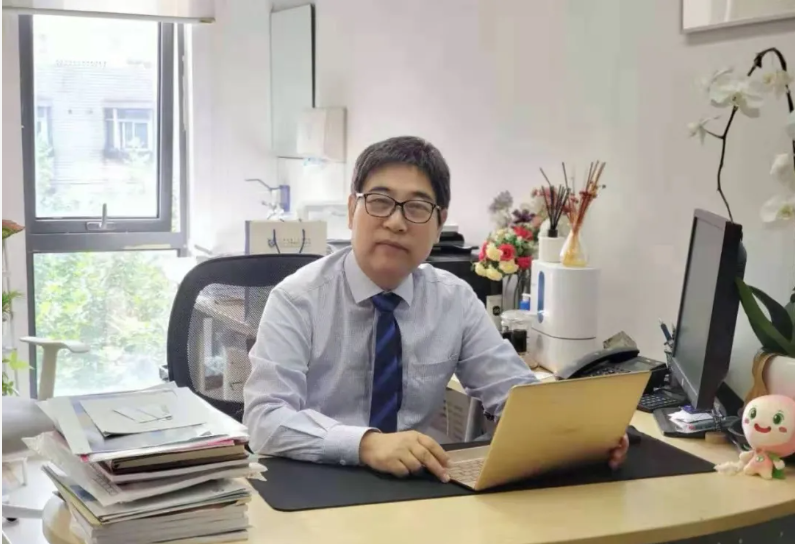
Dr. Gu Jun | A Dermatologist Whose Medical Values Were Forged Over Decades
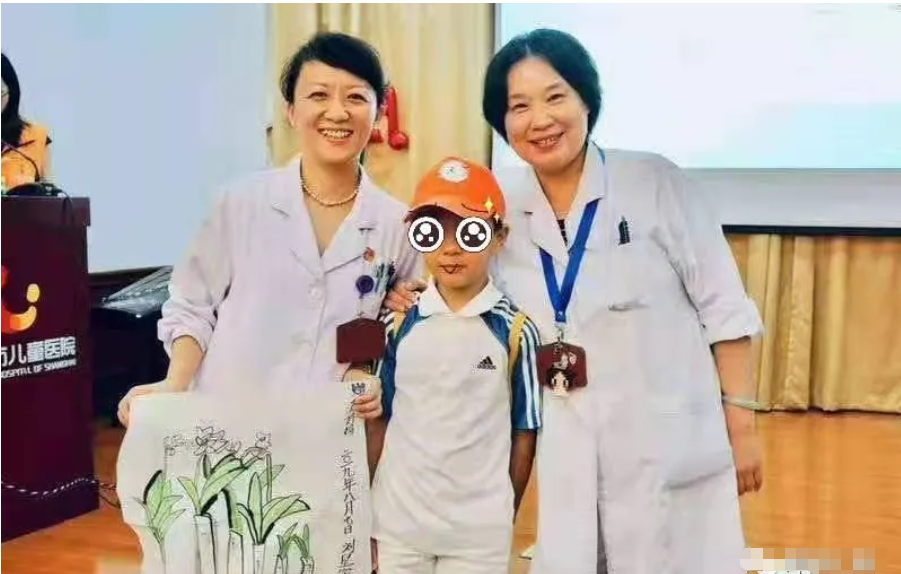
Dr. Shao Jingbo | Pediatric Hematologist Specializing in Leukemia, Rare Diseases, and Stem Cell Transplantation
Copyright © 2023 Yewen Renyi & ShanghaiDoctor.cn (This website is a non - profit medical humanities platform. The information contained herein is solely for biographical and historical purposes and does not constitute any medical advice.) 沪ICP备2023005392号-2 XML 沪公网安备31010902100835号
 中文
中文 English
 Español
 沪公网安备31010902100835号