ShanghaiDoctor - Where China's Healing Wisdom Shapes Modern Medicine

Update time:2026-08-23Visits:3851
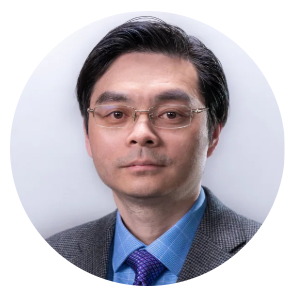
Professor of Surgery, Chief Physician, and Doctoral Supervisor Deputy Director, Department of General Surgery Director, Department of Gastrointestinal Surgery Zhongshan Hospital, Fudan University Executive Director, Department of General Surgery, Xiamen Branch
“To be a doctor is to genuinely solve patients’ problems. That pure conviction, handed down by earlier generations, remains the compass.”
— Wang Xuefei
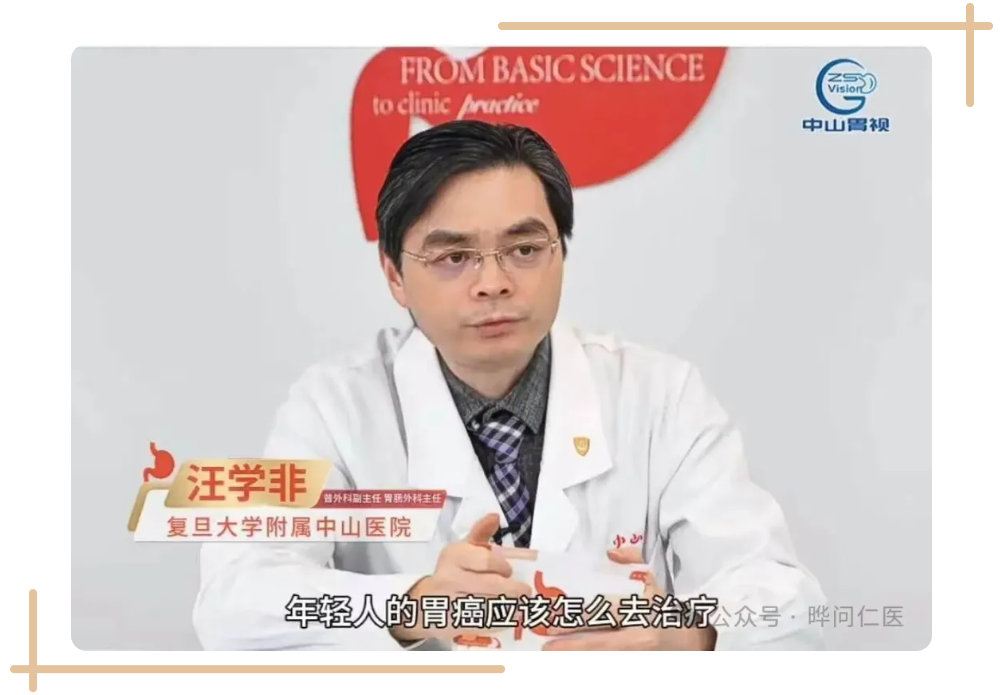
Wang Xuefei is Professor of Surgery, Chief Physician, and Doctoral Supervisor at Zhongshan Hospital of Fudan University. He serves as Deputy Director of the Department of General Surgery, Director of the Department of Gastrointestinal Surgery, and Executive Director of General Surgery at the hospital’s Xiamen Branch.
His clinical expertise centers on the standardized surgical treatment of gastrointestinal tumors—gastric cancer, colorectal cancer, and gastrointestinal stromal tumors—with particular strength in laparoscopic and robotic minimally invasive surgery and multidisciplinary team (MDT) care. He integrates contemporary oncology principles with local practice, focusing on the perioperative management of advanced gastric cancer, including complex cases involving the esophagogastric junction, liver metastases, and peritoneal disease. A growing clinical and research priority is early-onset gastric cancer (diagnosed under age 45), a group often overlooked by conventional screening guidelines yet frequently presenting at advanced stages.
He has been recognized as a Shanghai Outstanding Young Medical Talent and a recipient of the Shanghai Pujiang Talent Program, and has been named an Outstanding Backbone Talent of Zhongshan Hospital. He has led multiple projects funded by the National Natural Science Foundation of China and has published more than seventy high-impact SCI papers. From 2016 to 2017 he was a visiting scholar at the Dana-Farber Cancer Institute of Harvard Medical School.

Wang Xuefei grew up in Tongcheng, Anqing, Anhui Province. Two generations of his childhood landlord’s family were physicians; in an era of limited options, that daily example quietly shaped his aspirations. With the landlord’s encouragement he entered Tongcheng Middle School, one of Anhui’s key secondary schools, and later gained admission to Shanghai Medical University (now part of Fudan University).
During his fifth-year clinical internship he met Professor Sun Yihong. In a brief corridor interview the senior surgeon tested his grasp of glucocorticoid mechanisms, the essence of shock, and fluid-electrolyte balance—probing not surgical knowledge but internal-medicine fundamentals. “If you want to be a good surgeon,” Sun told him, “you must first be a good internist.” That principle became a permanent foundation.
Equally formative was the example of Professor Wang Chengbang (Wang Chengpei), a pioneering figure in Chinese general surgery who had returned from the United States after the war and helped build the specialty under difficult conditions. Even in retirement the older professor continued weekly surgical guidance. After Wednesday ward rounds Wang Xuefei would linger for an hour or two of conversation that ranged from specific diseases to the history and values of the profession. “To be a doctor is to genuinely solve patients’ problems” remains the purest conviction he carries from that generation. The image of the elderly professor still riding a bicycle across campus continues to steady him when pressure mounts.
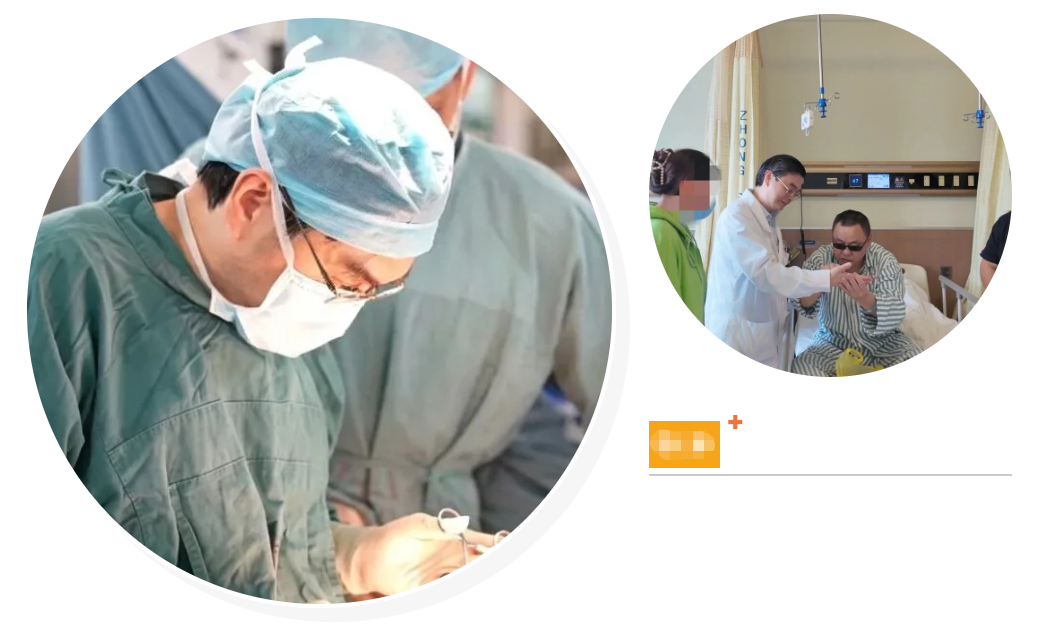
Few colleagues know that this now-articulate surgeon once struggled with a severe stutter that persisted through his master’s studies. The difficulty intensified after he entered university, where gaps in English and academic ranking deepened a sense of inferiority. Near the end of the seven-year program he memorized his thesis defense word for word simply to get through it.
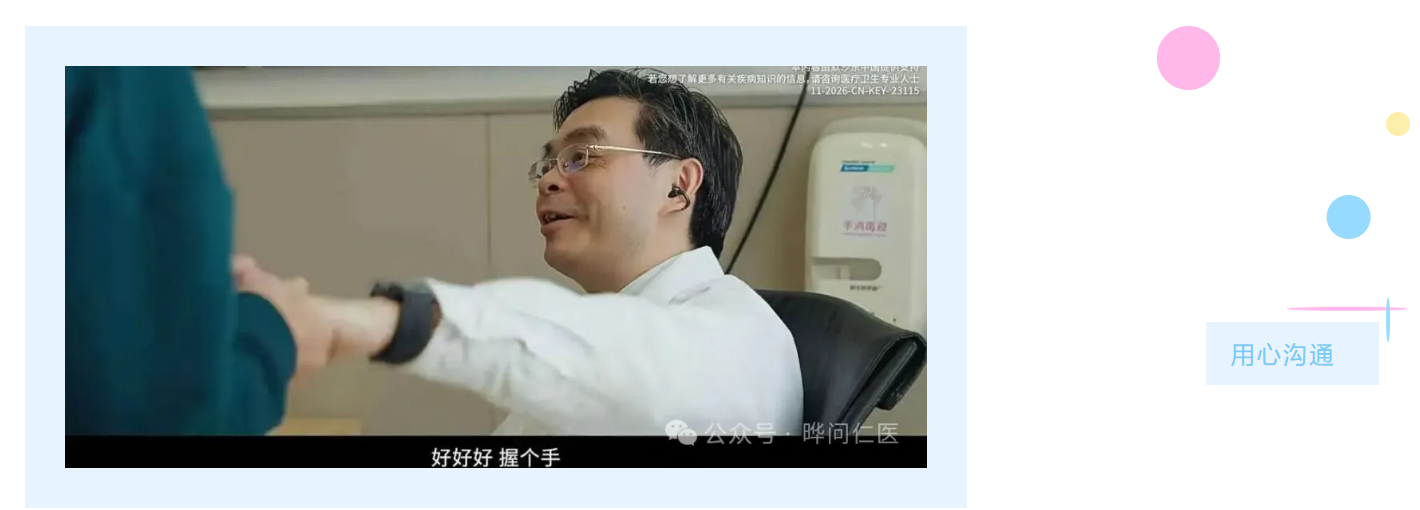
The turning point came not from speech therapy but from clinical responsibility. Once he began seeing patients as a doctor, the original purpose of medicine reasserted itself and confidence returned. “When I faced patients I realized this was where my aspiration lay—and all my confidence came rushing back.” The psychological barriers that had sustained the stutter dissolved under the urgent need to communicate clearly and solve real problems. He emerged with a communication philosophy he still teaches: the physician must lead the conversation with confidence, guiding the patient to grasp the professional understanding of the disease even if only a fraction is fully absorbed.
That hard-won ability to speak with both authority and empathy later proved essential when confronting the particularly vulnerable population of young adults with gastric cancer.
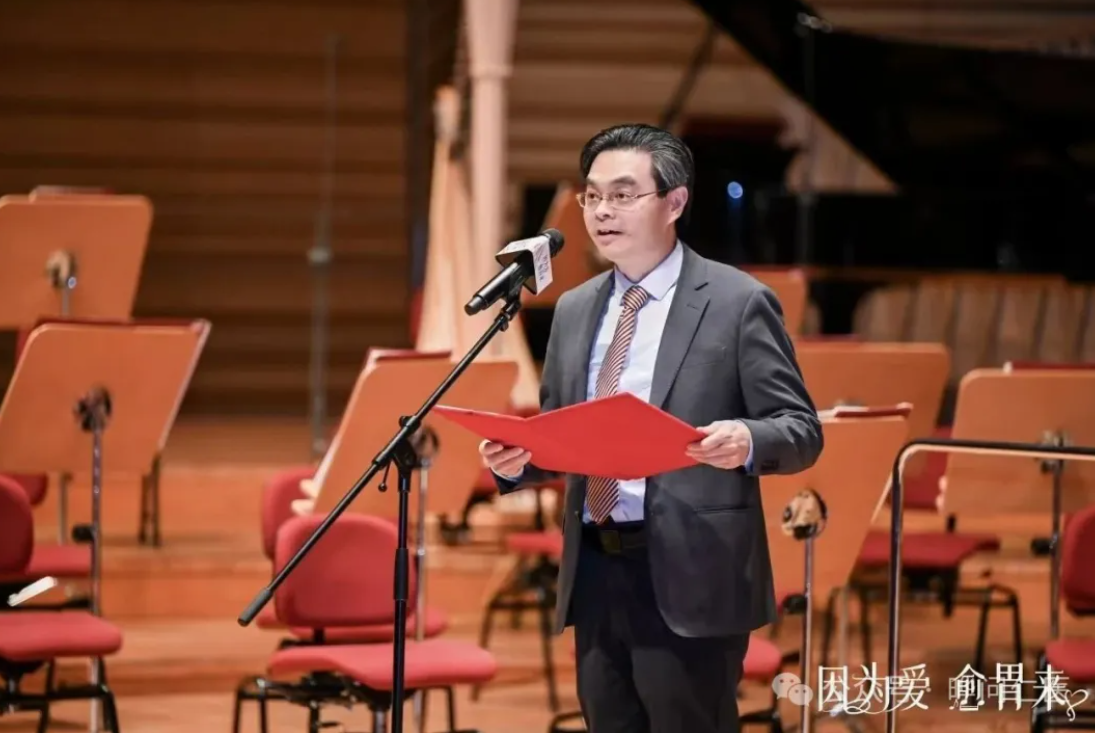
As Wang’s focus narrowed to gastrointestinal surgery, a troubling pattern became clear: gastric cancer among people under 45 appeared to be rising. Public and even some professional confusion compounds the problem. “Early gastric cancer” refers to limited-depth tumors with high cure rates; “early-onset gastric cancer” is defined by age of diagnosis and is frequently advanced at presentation. Current screening guidelines that begin at age 45 systematically exclude this younger group, creating a blind spot that delays diagnosis.
A further misconception surrounds five-year survival figures, which can appear more favorable in younger patients simply because of greater physiologic reserve. Extending the horizon to ten-year survival reveals a far less optimistic picture for those diagnosed in their twenties or thirties. Beyond rare hereditary syndromes, Wang attributes most cases to the interplay of genetic susceptibility and environmental factors—especially chronic disruption of circadian rhythms and the resulting impairment of immune surveillance.
Individual stories underscore the stakes. One young woman diagnosed at an early stage through routine examination recovered fully after precise surgery and careful psychological guidance. Other cases ended differently: a young colleague whose aggressive disease recurred within months despite thorough surgery, and a respected head nurse whose husband collapsed to his knees upon hearing the diagnosis. These encounters convinced Wang that early-onset gastric cancer must be addressed not case by case but as a sustained, systematic endeavor.
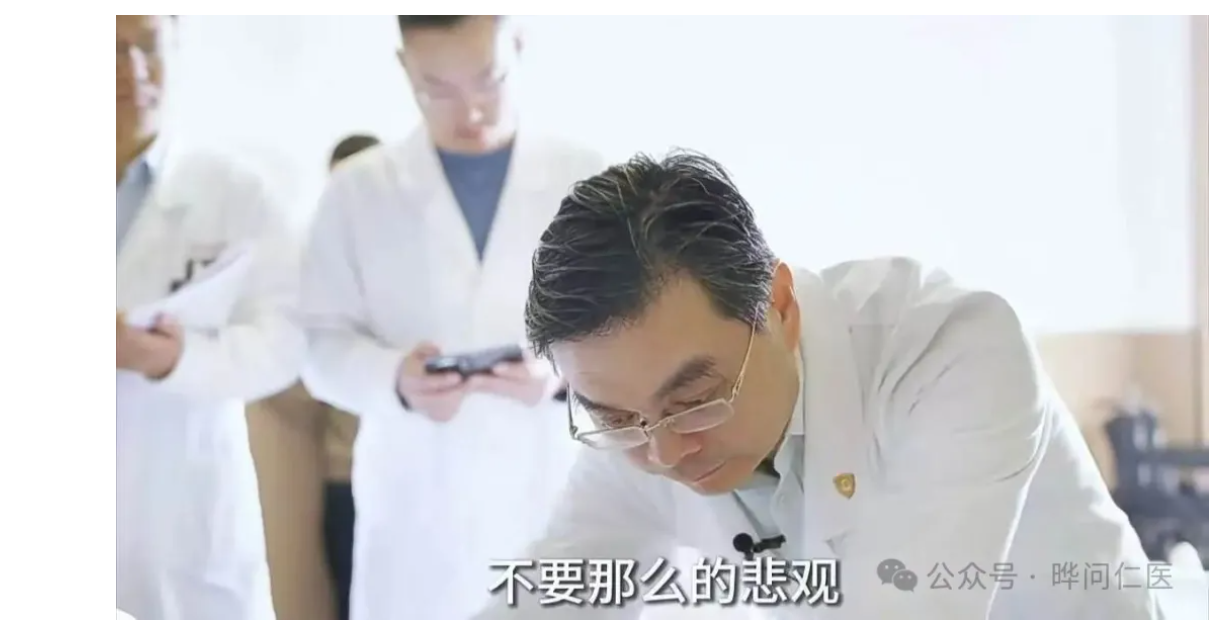
Wang has outlined a five-step strategy he half-jokingly calls “ten years to sharpen a sword.”
1. Reshape public and professional perception. Fear-based messaging—whether from local hospitals anxious to retain patients or from online content seeking clicks—must be replaced by calm, science-based communication. No patient should leave a consultation more frightened than when they entered.
2. Build targeted education for young patients. Generic materials designed for older adults miss the distinct social roles, psychological needs, and concerns of people in their twenties and thirties. New media and focused formats are needed so that newly diagnosed young adults can find authoritative, practical guidance.
3. Establish an independent early-onset gastric-cancer cohort. Mixing young patients into large all-age databases dilutes attention and obscures unique patterns. A dedicated multi-dimensional database—genetics, pathology, lifestyle—is required.
4. Leverage AI and cross-institutional collaboration. Comprehensive cohort data can accelerate target identification; partnerships that cross institutional boundaries can speed translation into practice.
5. Create a clinical and research demonstration center. Within five years Zhongshan Hospital should become a national and international benchmark for the diagnosis, treatment, and study of early-onset gastric cancer. Parallel work on liquid-biopsy or psychosocial risk stratification aims to narrow the high-risk young population to a size that makes commercial insurance-supported annual screening financially rational—an approach that could raise early detection rates dramatically.
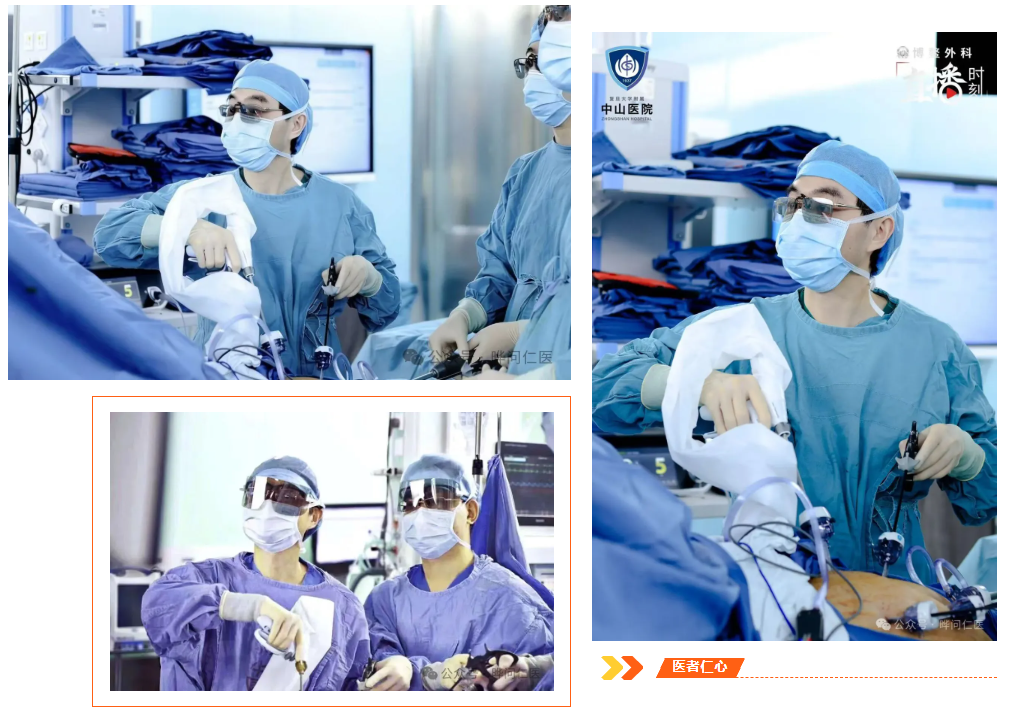
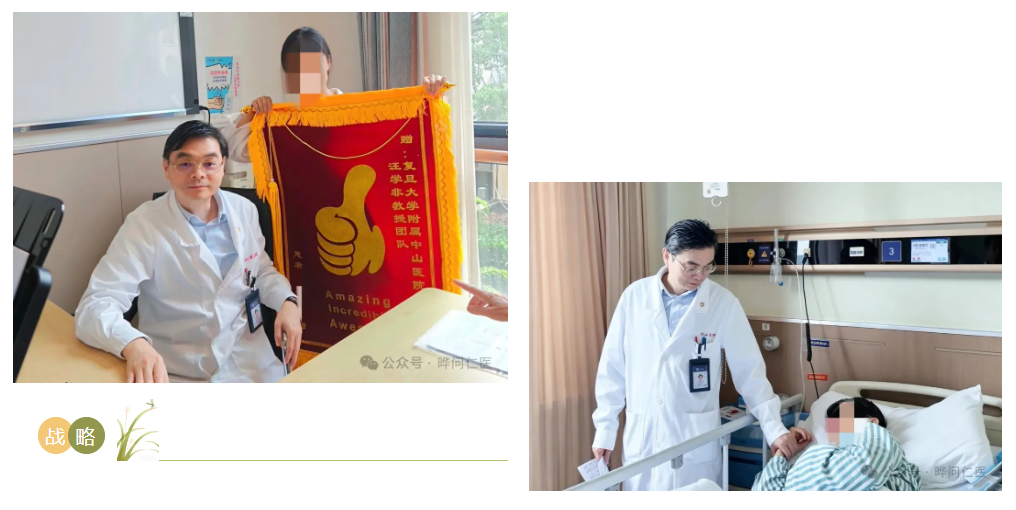
Patients and families sometimes say that a visit to Director Wang’s clinic means “going in to be scolded.” His tone can be stern, directly challenging misconceptions and unhealthy habits. Yet most leave more settled than when they arrived. The method is deliberate: severity awakens respect for the disease; immediate professional authority and concrete follow-up plans then steady the patient. “If you only make a patient cry, that is not skill. The real ability is to talk the tears back. Patients can feel when severity is genuinely for their good.”
Outside the hospital his life is simple—no smoking, no drinking, a preference for tea as a way to quiet the mind, and a genuine love of cinema. The animated film Ne Zha resonated with him because its young creators refused to follow conventional paths and insisted on challenging the status quo into existence—the same spirit he seeks in the long campaign against early-onset gastric cancer.

Gong Zhiwei: I heard that you live a very simple life—no smoking, no drinking, and you have a particular fondness for tea. What other hobbies do you have outside of work?
Wang Xuefei: Yes, the tea part is true—I don’t smoke and I don’t drink. But I’m interested in many things. Electronic products, for example—I’ve always been curious about them. Outside of work I’m also an out-and-out movie buff. Basically any film I think is good, I’ll find time to see it in a cinema. No matter how busy I am, when I go to a movie they often don’t even know about it.
Gong Zhiwei: When asked which films have left the deepest impression on you in recent years, you named the Chinese animated film Ne Zha without hesitation. Isn’t it the youthful spirit at the film’s core—breaking conventions and refusing to bow to fate—that truly resonates?
Wang Xuefei: I do think it is a good film. It’s good because the young people who made it were not raised in the traditional academic system, trained to follow convention step by step. They carry a power that dares to challenge authority and tradition—a drive to question things and make them happen. That power is precisely the essence of getting things done.
Gong Zhiwei: Regarding the grand blueprint in your plan to “sharpen one sword in ten years,” what do you think would be the biggest challenge in advancing this undertaking? A shortage of research funding, or stagnation in project progress?
Wang Xuefei: Everyone knows there will always be many difficulties—where funding will come from, what to do if a project gets stuck. But in my eyes those are not the biggest challenge. For me the biggest challenge is whether my team can truly understand and internalize this vision.
Gong Zhiwei: Are you worried about unity of purpose and persistence of thought?
Wang Xuefei: Yes. Whether everyone can regard this as a lifelong undertaking, rather than a short-term task, will determine how far we can go.
From a childhood shaped by the quiet example of physician neighbors, through the formative influence of surgical mentors who insisted on both technical excellence and human integrity, the personal overcoming of a long-standing stutter, and the accumulating weight of young patients whose lives were cut short by gastric cancer, Wang Xuefei has arrived at a clear resolve: early-onset gastric cancer must become a sustained cause, not a series of isolated tragedies. The five-step plan is ambitious; the decisive factor, he believes, will be whether a team can share the same long horizon. In the operating room, in the clinic, and in the slow construction of data and systems, that horizon continues to guide him.
Editor: Chen Qing
If you need to contact to Dr. Wang, please be free to email us at Chenqing@ShanghaiDoctor.cn.
Dr. Wang Xudong | Craniomaxillofacial Surgery, and Years Written into Chapters
Wang Xiaoning | Operating Room Nursing, and a Grace Like the Orchid
Dr. Li Guichao | Radiation Oncology, and a Peach Blossom Spring in the Heart
Dr. Lu Yanan | Pediatric Heart Surgery, and Feeling Another’s Pain as One’s Own
Dr. Chen Sun | Newborn Heart Intervention, and Staying Young Enough to Be Moved
Dr. Wu Yurong | Fetal Echocardiography, and Kindness as Part of the Job
Dr. Li Dawei | Sphincter-Saving Surgery, and the Operation That Fits the Patient
Dr. Zhang Jian | Laparoscopy, and the Hearth Fires of Ordinary Life
Dr.Sun Jing | Fertility-Sparing Surgery, and a Future Already Here
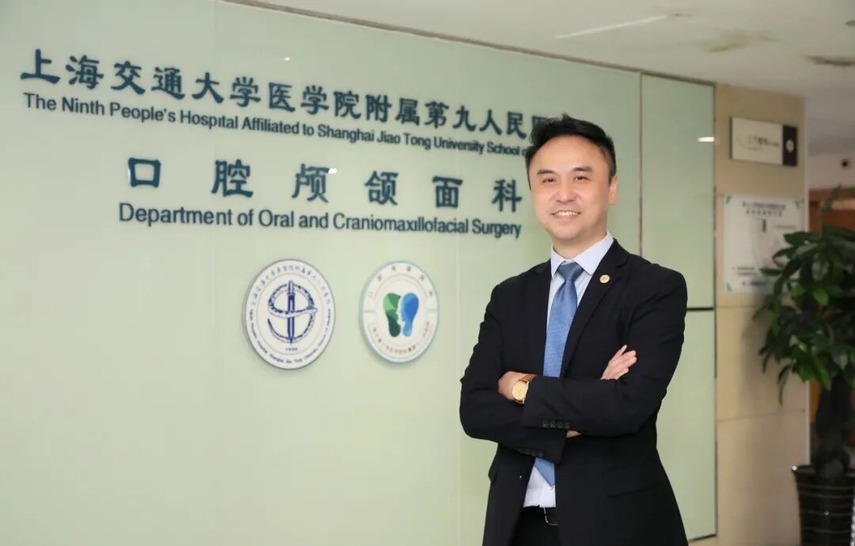
Dr. Wang Xudong | Craniomaxillofacial Surgery, and Years Written into Chapters
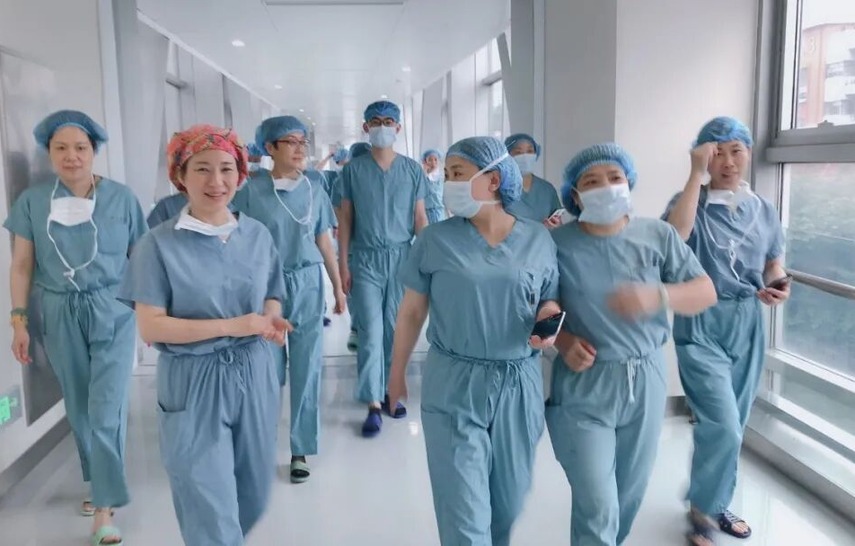
Wang Xiaoning | Operating Room Nursing, and a Grace Like the Orchid
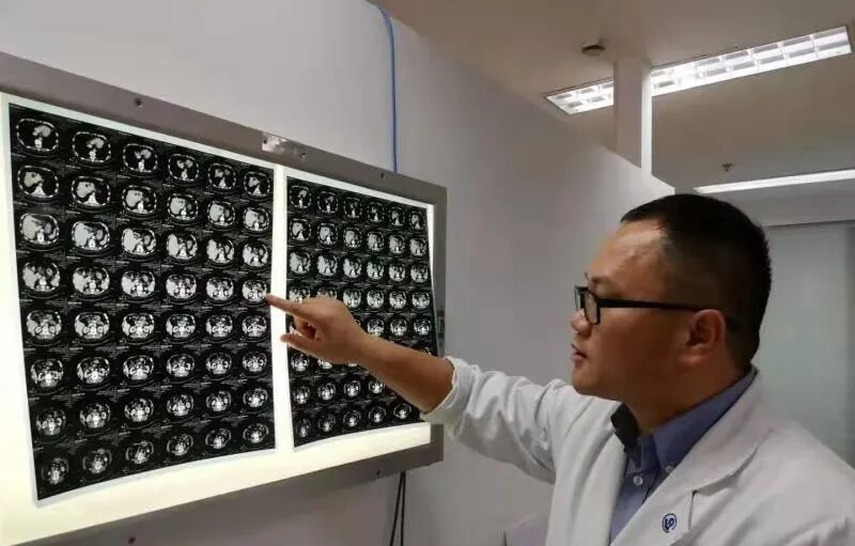
Dr. Li Guichao | Radiation Oncology, and a Peach Blossom Spring in the Heart
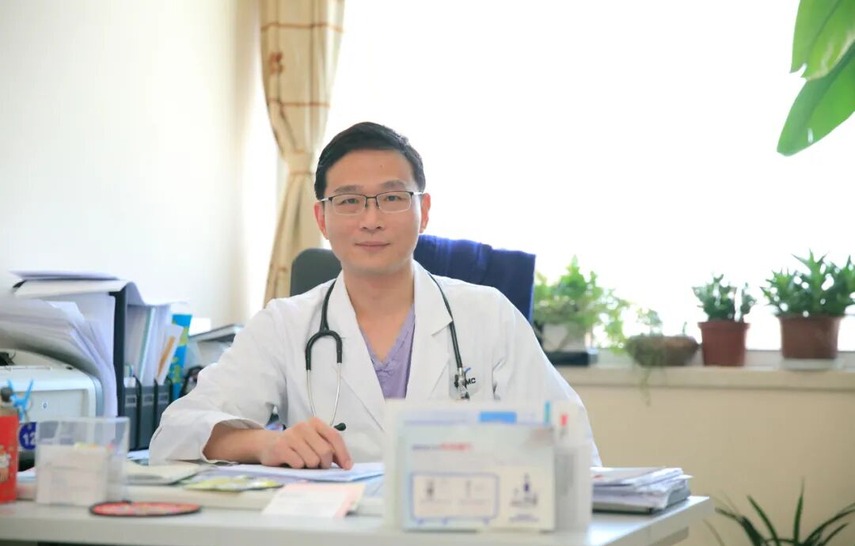
Dr. Lu Yanan | Pediatric Heart Surgery, and Feeling Another’s Pain as One’s Own
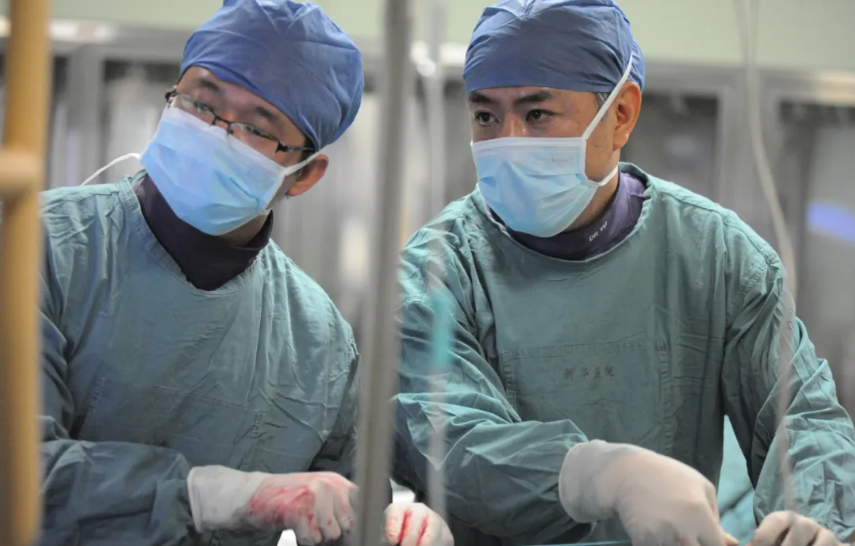
Dr. Chen Sun | Newborn Heart Intervention, and Staying Young Enough to Be Moved
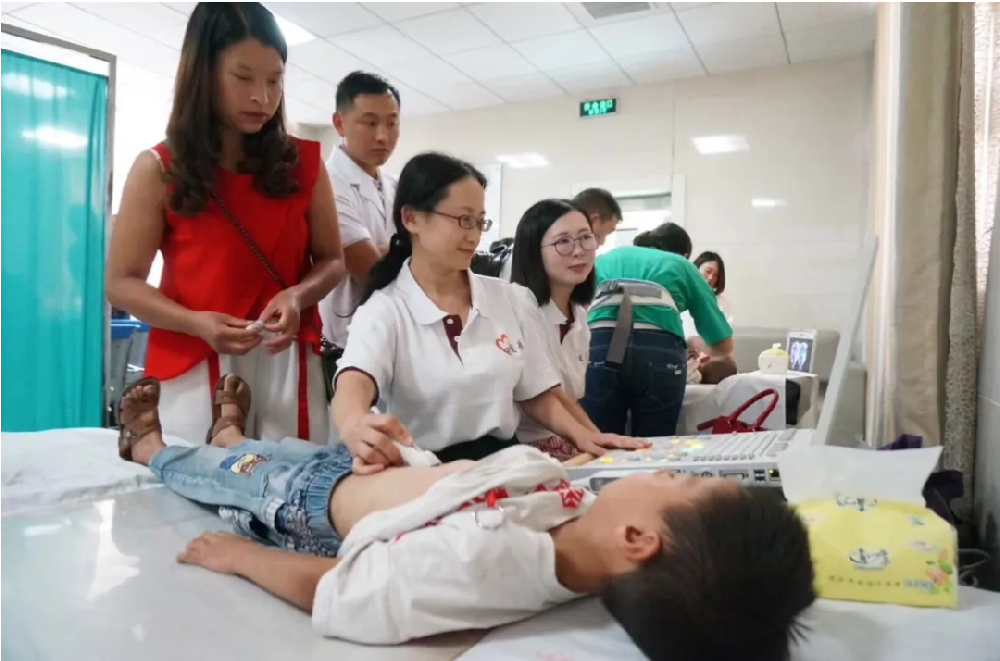
Dr. Wu Yurong | Fetal Echocardiography, and Kindness as Part of the Job
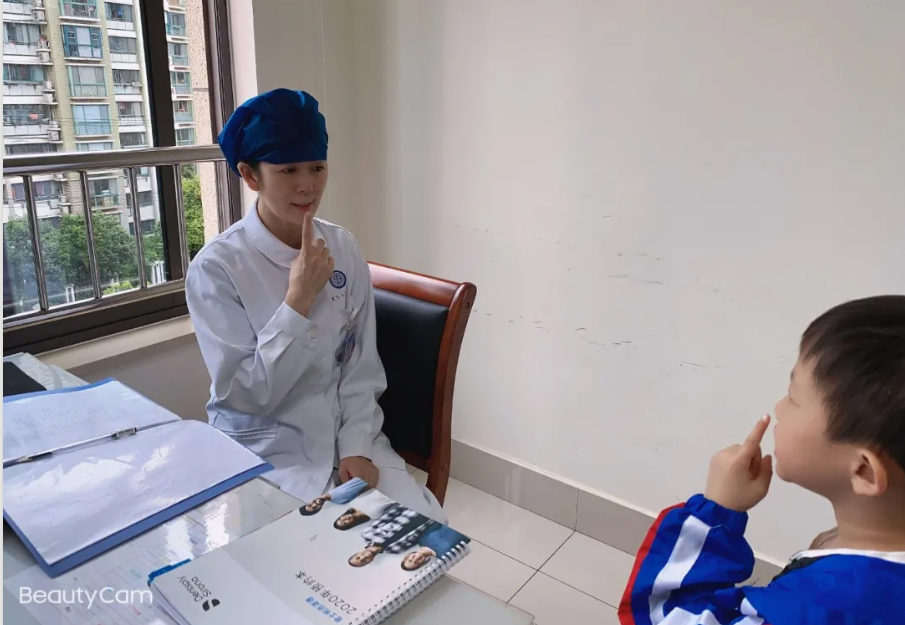
Jiang Liping | Speech Therapy, and the Lamp She Carries
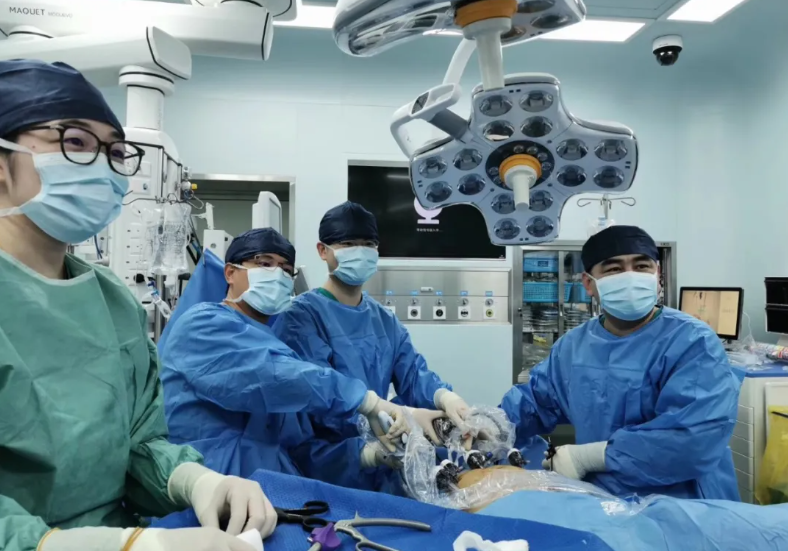
Dr. Li Dawei | Sphincter-Saving Surgery, and the Operation That Fits the Patient
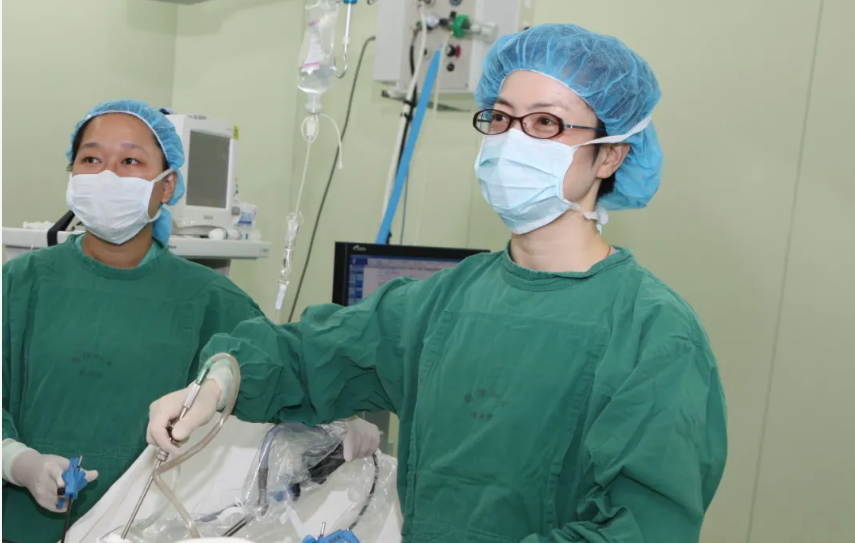
Dr. Zhang Jian | Laparoscopy, and the Hearth Fires of Ordinary Life

Dr.Sun Jing | Fertility-Sparing Surgery, and a Future Already Here
Copyright © 2023 Yewen Renyi & ShanghaiDoctor.cn (This website is a non - profit medical humanities platform. The information contained herein is solely for biographical and historical purposes and does not constitute any medical advice.) 沪ICP备2023005392号-2 XML 沪公网安备31010902100835号
 中文
中文 English
 Español
 沪公网安备31010902100835号