ShanghaiDoctor - Where China's Healing Wisdom Shapes Modern Medicine

Update time:2026-08-09Visits:700
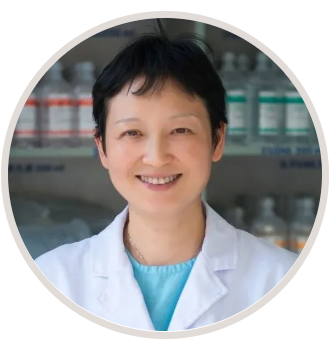
Chief Physician, Doctoral Supervisor Director, Department of Burn and Plastic Surgery Ruijin Hospital, Shanghai Jiao Tong University School of Medicine Vice Chairman, Burn Surgery Branch of the Chinese Medical Association Vice President, Burn Surgery Branch of the Chinese Medical Doctor Association
“When the heart is beautiful, everything is beautiful; when feelings run deep, all things run deep. Compassion is the foundation of a good doctor.”
— Liu Yan
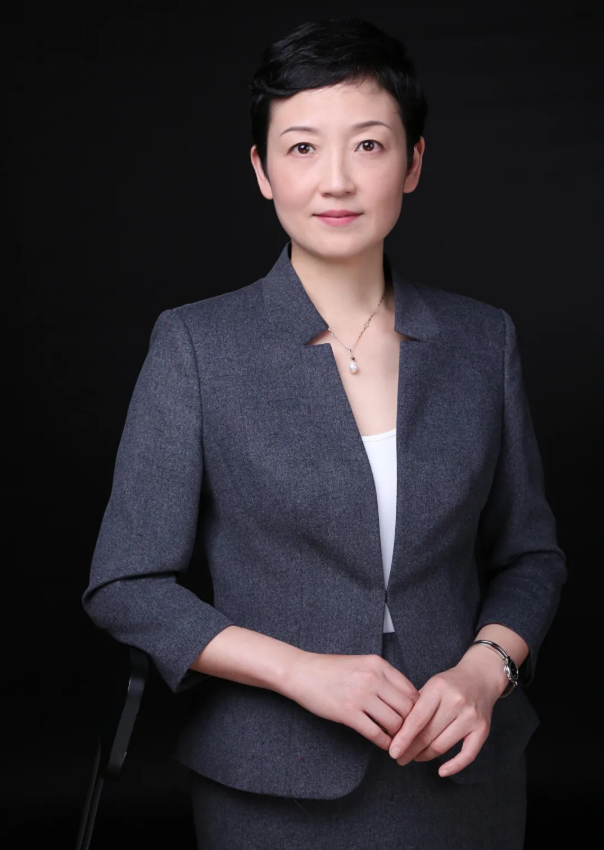
Liu Yan is Chief Physician, Doctoral Supervisor, and Director of the Department of Burn and Plastic Surgery at Ruijin Hospital, Shanghai Jiao Tong University School of Medicine. She serves as Vice Chairman of the Burn Surgery Branch of the Chinese Medical Association and Vice President of the Burn Surgery Branch of the Chinese Medical Doctor Association. Her clinical expertise covers the treatment of critical burns, pediatric burns, and a wide range of acute and chronic wounds.
Ruijin’s burn department is one of China’s most historic and influential. In 1958 it successfully treated Qiu Caikang, a steelworker with burns covering more than 80 percent of his body surface area—then widely regarded as unsurvivable—setting a precedent that helped establish a distinctly Chinese model of burn care. Under successive generations of leadership the department pioneered early fluid resuscitation based on the Ruijin Formula, mixed grafting for wound repair, and stress-regulation techniques that significantly raised survival rates for extensive burns and earned international recognition.
Since becoming director in 2018, Liu has expanded the department’s reach through a specialty medical consortium linking 25 secondary and tertiary hospitals across 11 provinces, redefined subspecialty directions (critical burn care, pediatric burns, wound repair, and rehabilitation), and strengthened wound-repair capacity by sending young surgeons to master flap techniques. She leads a team of 22 with a management style of fairness and opportunity for every capable colleague.
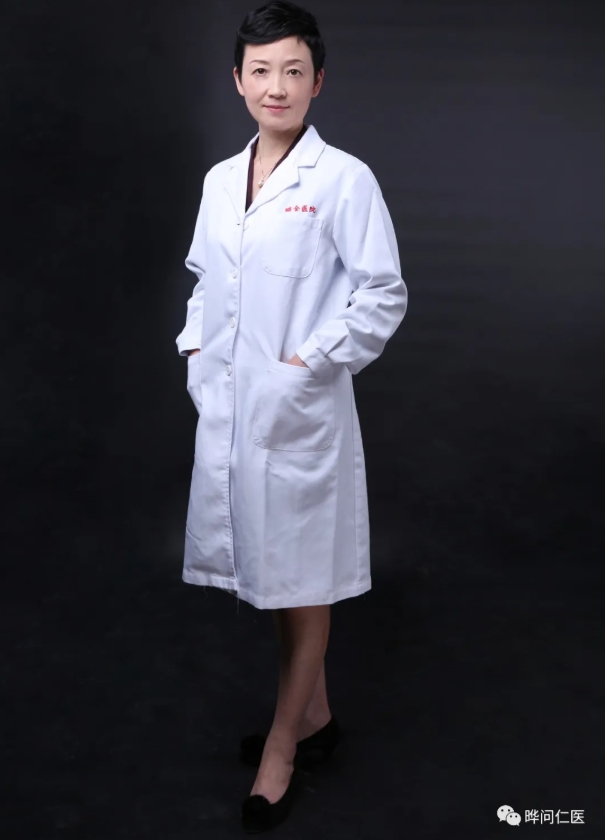
Liu Yan’s childhood was marked by frequent moves. Her parents’ job transfers took the family first to Shijiazhuang, Hebei, where she spent twelve formative years, then briefly to Jinhua, Zhejiang, before returning to Shanghai. That northern upbringing, she says with a smile, concealed the heart of a “tough girl” beneath a gentle exterior.
Her mother, an obstetrician-gynecologist, initially opposed her daughter’s choice of medicine. She knew the profession demanded an incalculable investment of time and energy and urged Liu not to make it her life’s work. Yet what captured the daughter’s attention was the joy radiating from new mothers as they held their babies and thanked her mother. “In those moments my mother looked beautiful and absolutely radiant. I felt her dedication was worthwhile. The sense of fulfillment that comes from healing and saving lives is perhaps unmatched by any other profession.”
In 1985 Liu was admitted to Shanghai Second Medical University. She adapted quickly, handled coursework with ease, and, inspired by the Chinese women’s volleyball team’s successive championships, became the outside hitter on the medical school’s women’s volleyball team, helping win the East China league title. After graduation she joined Ruijin Hospital. Determined to enter surgery despite the department’s reluctance to recruit women that year, she was directed by a teacher toward the burn service—a specialty that offered abundant operative opportunity and carried a storied reputation.
The pioneering history of Ruijin’s burn department—doctors and nurses monitoring patients around the clock without modern monitors, inventing the country’s first turning bed, developing hibernation therapy and phage treatment—lit a lasting torch for her. She joined without hesitation.
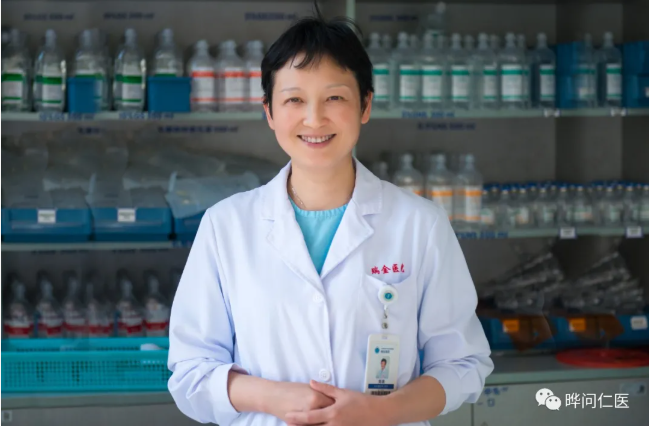
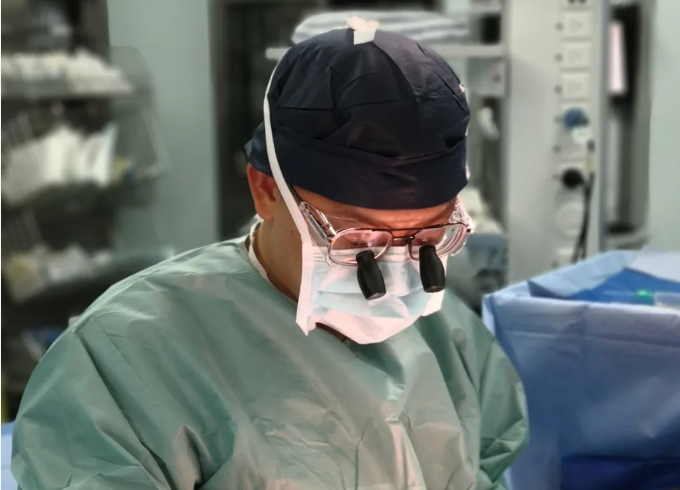
Treatment of extensive burns requires repeated operations: excision of necrotic tissue, temporary coverage with biological dressings, and successive autologous skin grafts until all wounds are closed. As an assistant Liu concentrated on making the senior surgeon’s work as efficient as possible; once operating independently, the pressure shifted—the life of the injured patient rested entirely on her decisions. “No matter how difficult, I must save him,” she told herself.
Burn care is both surgical and medical. Doctors must act with the decisiveness of a surgeon while managing infection, organ dysfunction, and metabolic disorder over weeks or months. One especially demanding case involved a chemical-plant worker from Taizhou who sustained 93 percent deep burns from sulfuric acid. After long-distance transfer to Ruijin he arrived covered in eschar, with corneal damage and impending shock. Aggressive resuscitation carried him through the shock phase; a grueling series of operations followed. Multidrug-resistant infection repeatedly destroyed grafts, and the family’s anxiety about outcome, quality of life, and cost added another layer of complexity. What the patient and family needed most was the confidence to keep fighting.
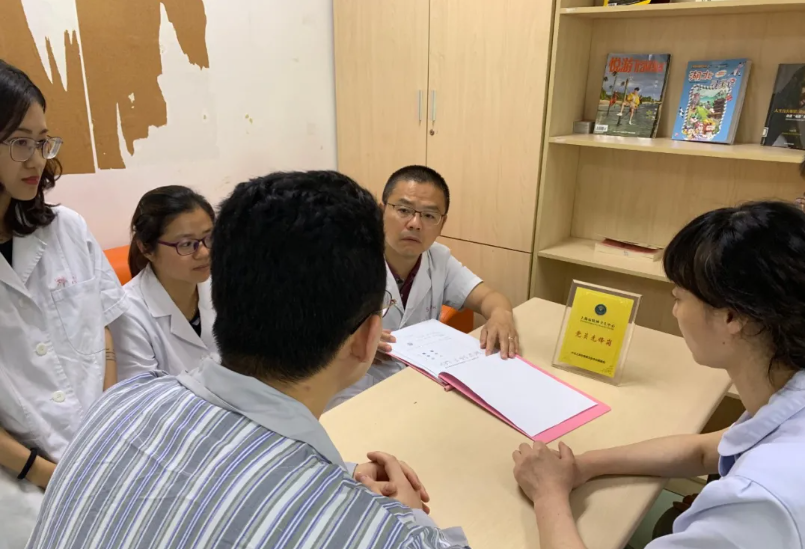
Pediatric patients account for nearly one-third of admissions. Parents arrive in states of regret, panic, anxiety, or suspicion. Some carry thick notebooks of questions; some mothers break down sobbing; others embrace the doctor and cry. In addition to clinical answers, a gentle hug or a reassuring pat on the back can itself be a form of comfort.
To reduce the incidence of pediatric burns, Liu and her team have invested heavily in public education. Department experts served as chief and contributing editors of the handbook How to Prevent and Treat Burns: Tips from Renowned Doctors; staff wrote and directed an award-winning educational skit; a WeChat account and multi-platform outreach continue the work. “Essentially,” she notes, “we are smashing our own rice bowl”—spreading prevention knowledge even at the potential expense of future patient volume.
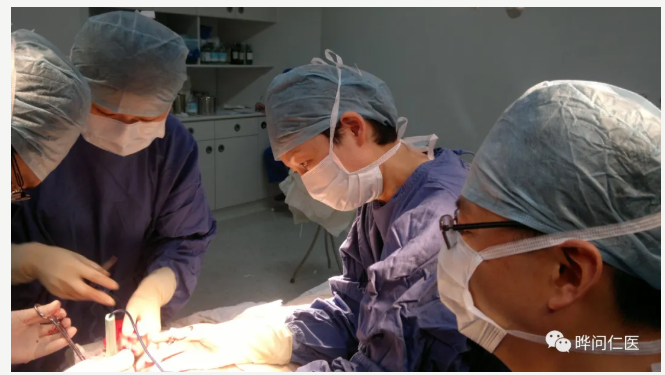
In 2004 Liu spent a period of intensive research training in the United States. One person was responsible for multiple projects and scheduled several experiments on the same day—animals, cells, literature in the gaps. The pace was relentless; only evening “movie time” offered brief relaxation. She later tells graduate students that achieving excellence across clinical work, teaching, and research requires such an experience of concentrated, almost purgatorial effort. The foundation it laid has remained solid.
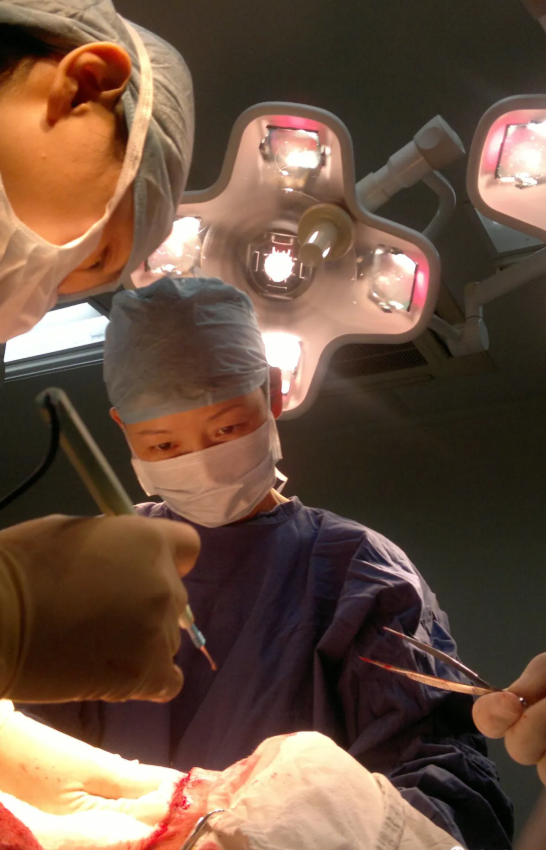
In 2018 Liu was appointed director. The pressure is significant: Ruijin’s burn department is regarded as hallowed ground in Chinese burn medicine, and every leader must grapple with how to uphold that standing. Many people’s impression still centers on the legendary rescue of Qiu Caikang decades ago; each mention serves as a reminder that current work must continue to rise to that standard.
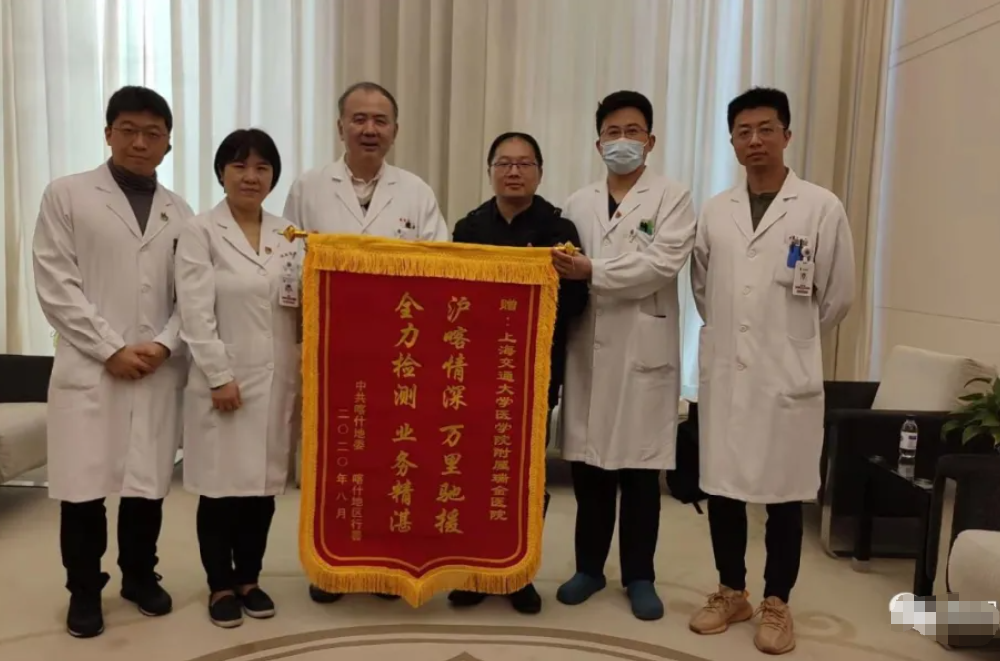
With the national incidence of severe burns having fallen dramatically, the department must also navigate transformation. Liu’s first major initiative was the Ruijin Burn Specialty Medical Consortium, linking burn units in 25 secondary and tertiary hospitals across 11 provinces—from Qinghai and Heilongjiang to Xinjiang. The consortium advances hierarchical diagnosis and treatment, telemedicine, distance education, and two-way referral; Liu hopes it will also become a platform for peer exchange and multicenter clinical research.
She redefined subspecialty directions—critical burn care (the traditional strength), pediatric burns, wound repair (previously a relative weakness), and rehabilitation. Young doctors were sent out to master flap techniques; several colleagues are now proficient in repairing complex wounds, filling a previous gap.
Leading a team of 22, she adheres to fairness and tolerance. “I don’t look at people through colored glasses. I strive to create opportunities for every young person to develop. As long as you contribute to the department’s growth, the department will give you important responsibilities.”

ShanghaiDoctor.cn: Parents of children with burns and scalds are often very anxious and may even fall into deep self-blame. How do you soothe parents’ emotions?
Liu Yan: Striving for the best treatment outcome is the best comfort for the parents of pediatric patients. One of the focuses of the department’s clinical work and clinical research in recent years has been the management of deep burn wounds in children—how to comprehensively consider wound management, pediatric growth and development, and long-term scar treatment, and to achieve the greatest benefit and the least harm. In addition, I must mention the nurses in our burn department. As a closed ward without family caregivers, they show the utmost gentleness and patience toward the elderly and children. The “Youth Commando Team” composed of young doctors and nurses holds “Love Companion” public-benefit lectures, regularly teaching parents treatment and care experience in the outpatient clinic and wards.
As parents ourselves, we can best understand the tender hearts parents have for their children. If we treat our little patients with the heart of a parent toward a child, the children’s parents will feel it and will also find comfort in it.
ShanghaiDoctor.cn: In the burn department, how does one become a good doctor?
Liu Yan: When the heart is beautiful, everything is beautiful; when love is deep, all things are profound. Compassion is the foundation of a good doctor. Only with compassion can one truly feel the suffering of patients, and only then will one find every way to improve oneself and help patients solve their problems.
ShanghaiDoctor.cn: How has the burn department changed compared with 1958?
Liu Yan: The diagnostic technologies, monitoring methods, and treatment approaches available today have all been greatly enriched. In recent years our department has acquired a wide array of new instruments and equipment, including devices for monitoring and treating critically ill burn patients. These tools allow us to assess patients’ overall conditions more directly and objectively, enabling finer, more precise treatment. Moreover, wound-repair techniques continue to evolve, helping ensure that patients not only survive but also enjoy a better quality of life.
ShanghaiDoctor.cn: Clinicians in the department also face the question of how to balance clinical work and research. What is your view? How do you allocate your time?
Liu Yan: The debate over whether doctors should engage in research seems never to end, but I have always felt that this is not a question worth debating. At its core, research is about exploring the unknown and seeking answers to questions. From that perspective, no matter what level of doctor you are, you will inevitably encounter problems that require you to study and solve. For physicians at top-tier hospitals like Ruijin, clinical work and research are both indispensable. Clinical work serves as the antenna of research—the source of its inspiration—while the rigorous thinking and disciplined work habits cultivated through research training sharpen a doctor’s ability to identify and resolve clinical problems. The development of Ruijin’s burn discipline itself exemplifies the coordinated growth of clinical practice and research. The older generation of physicians identified problems through years of frontline clinical work, refined those observations into research questions, conducted basic-science investigations, and then returned to the bedside to verify their findings—a process that continually generated new scientific inquiries. What gratifies me most now is that the middle-aged and younger doctors in our department show greater motivation and initiative in pursuing both clinical excellence and research.
ShanghaiDoctor.cn: Have you ever received any special gifts from patients?
Liu Yan: Some have said that burns are a disease of the poor. In the outpatient clinic I have received eggs, preserved mustard greens, fresh vegetables, corn, and old hens that patients carried from afar. But what I have kept to this day is a hair clip adorned with red roses, presented in a pink plastic shell, given to me by a three-year-old patient. That was probably the most precious thing in that child’s eyes—and to me, it is just the same.
From a young woman who chose the burn ward for its operative challenge and its heroic history, through years of complex critical care, pediatric work, public education, and the responsibilities of leading a historic department, Liu Yan has held to a single standard: compassion first. When the heart is beautiful, everything is beautiful; when feelings run deep, all things run deep.
Editor: Chen Qing
If you need any help from Dr. Liu, please email us at Chenqing@ShanghaiDoctor.cn
Dr. Liu Yan | When the Heart Is Beautiful, Everything Is Beautiful
Dr. Sun Jianhua | Advancing Traditional Chinese Medicine in Anorectal Care
Dr. Pan Meng | A Good Doctor Is Itself a Dose of Good Medicine
Dr. Jiang Lixin | Clear as Colored Glass, Transparent Through and Through
Dr. Wang Xuefeng | A Guardian and Ferryman in CHina medical world
Dr. Wang Jiguang | Raising the Bar: 50% of Hypertension Patients Treated and Controlled
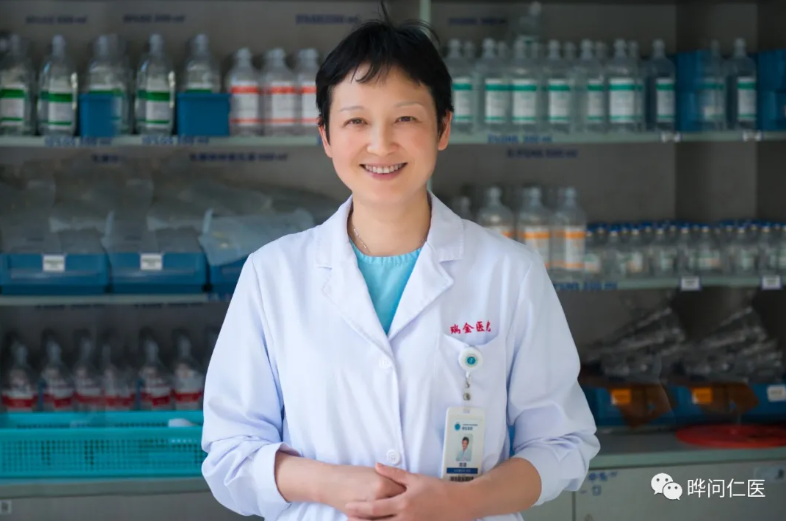
Dr. Liu Yan | When the Heart Is Beautiful, Everything Is Beautiful
Dr. Sun Jianhua | Advancing Traditional Chinese Medicine in Anorectal Care

Dr. Pan Meng | A Good Doctor Is Itself a Dose of Good Medicine
Dr. Jiang Lixin | Clear as Colored Glass, Transparent Through and Through
Dr. Wang Xuefeng | A Guardian and Ferryman in CHina medical world
Dr. Peng Daihui | Curing Your Mood Disorders
Dr. Wang Yulong | Innovating Within Inheritance
Dr. Yuan Yasheng | If Life Were Only Like the First Meeting
Dr. Wang Jiguang | Raising the Bar: 50% of Hypertension Patients Treated and Controlled
Dr. Yu Zhiqiang | Climbing Onward as an Ophthalmologist
Copyright © 2023 Yewen Renyi & ShanghaiDoctor.cn (This website is a non - profit medical humanities platform. The information contained herein is solely for biographical and historical purposes and does not constitute any medical advice.) 沪ICP备2023005392号-2 XML 沪公网安备31010902100835号
 中文
中文 English
 Español
 沪公网安备31010902100835号