ShanghaiDoctor - Where China's Healing Wisdom Shapes Modern Medicine

Update time:2026-08-08Visits:3013
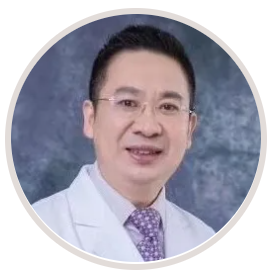
Chief Physician & Doctoral Supervisor Director, Lateral Skull Base Tumor Center Eye & ENT Hospital of Fudan University
“Even though I am very skilled, I should maintain the same mindset as if it were my first operation every time—as the saying goes, ‘If life were only as it was when we first met.’”
— Yuan Yasheng, recalling advice from Academician Wang Zhengmin
Yuan Yasheng, M.D., Ph.D., is Chief Physician and Doctoral Supervisor at the Eye & ENT Hospital of Fudan University, where he also serves as Director of the Lateral Skull Base Tumor Center. He earned his Ph.D. from Fudan University and completed postdoctoral research at Harvard University. He has been selected for the Shanghai Municipal Health System’s New Hundred Talents Program, recognized as an Outstanding Academic Leader, and named a young scientist under the Belt and Road Initiative International Cooperation Innovation Action.
Administratively he has served as Deputy Director of the Medical Affairs Department and Director of the President’s Reception Office. His clinical expertise covers the diagnosis and treatment of facial paralysis, facial-nerve tumors, acoustic neuromas, benign and malignant parotid-gland tumors, high-skull-base parapharyngeal-space tumors, temporal-bone tumors, and jugular-foramen-region tumors within the fields of otology-neurotology and lateral skull-base surgery. He also specializes in otitis media and hearing reconstruction, as well as otosclerosis, deafness, tinnitus, and vertigo.
He is a member of the American Academy of Otolaryngology–Head and Neck Surgery (AAO-HNS) and the Association for Research in Otolaryngology (ARO); a member of the Otology Group of the Otorhinolaryngology–Head and Neck Surgery Branch of the Chinese Medical Association; Secretary-General of the Otorhinolaryngology Section of the Ministry of Health’s Physician Periodic Assessment; Vice Chairman of the Deafness Expert Group of the Chinese Association of Integrative Medicine; and a member of the First Auditory Professional Committee of the Chinese Research Hospital Association.
He serves on the editorial boards of several journals, including Materials Science and Engineering C and the Chinese Journal of Otology, and is Deputy Editor-in-Chief of the English-language textbook Otorhinolaryngology–Head and Neck Surgery and of Imaging of the Ear.
Awards include the Second Prize of the Natural Science Award of the Ministry of Education and the Second Prize of the Shanghai Medical Science and Technology Award. He has led projects funded by the Ministry of Education Doctoral Fund, the Shanghai New Hundred Talents Program, the Outstanding Academic Leader Program, and the Belt and Road Initiative International Cooperation Young Scientist Program, as well as two grants from U.S. foundations (National Organization for Hearing Research Foundation and Hearing Health Foundation). He has published more than fifty articles in journals including Neuron, World Neurosurgery, Neuro-Oncology, and others.
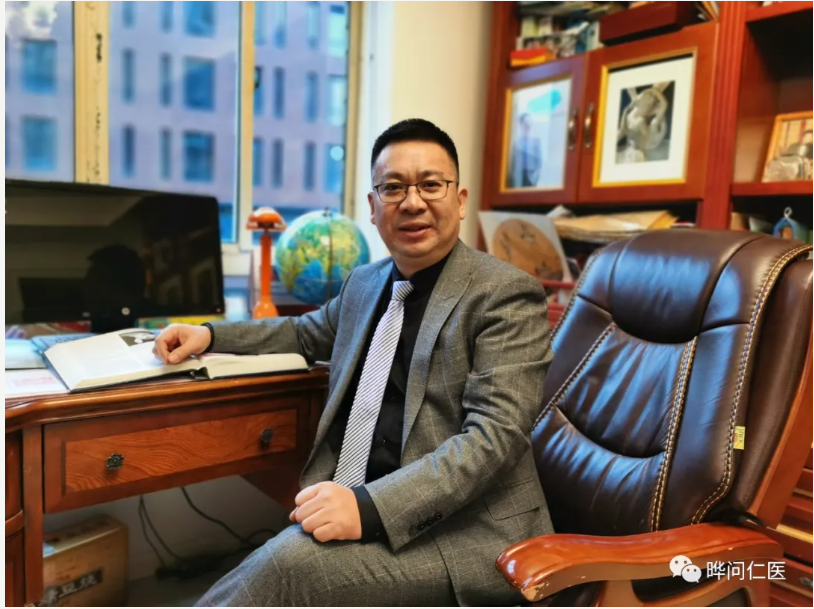
Born on 8 March 1972, Yuan once joked that every year he celebrates his birthday together with women across the country. Early in his career he lived in the hospital dormitory; whenever an emergency or night call came, he would leap out of bed and rush to the consulting room. Skill, he believes, is honed through exactly this kind of day-in, day-out repetition.
In 1999 he was transferred to the Medical Affairs Department and placed in charge of medical consultations. At one large surgical consultation meeting, surrounded by experts gathered from across the country, a thought struck him: why could he not become a great expert himself? That moment crystallized his decision to sit for the postgraduate entrance examination.
After work each day he would eat and rest, then begin reviewing at 9 p.m. and study until 2 a.m. In 2000 he was admitted to the Eye & ENT Hospital of Fudan University, where he completed both his master’s and doctoral degrees.
The most profound influence on his medical career was his mentor, Professor Chi Fanglu. “He shared everything he knew with me. Whether in surgery or in personal conduct, my teacher left a deep mark,” Yuan recalls. Before Yuan’s departure for medical-aid service, Professor Chi and his wife came to the hospital twice to see him off and personally bought him a laptop so he could continue studying abroad.
During his doctoral internship he also rotated under Academician Wang Zhengmin. He arrived at the department at 6:30 every morning and reviewed every patient’s case before rounds. When Professor Wang questioned him, Yuan answered fluently. On the day he completed the rotation, Professor Wang evaluated him in the operating room in front of everyone: “Proactive and dependable.”
He also watched surgeries by Professors Li Huawei, Dai Chunfu, Chen Bing, Zhang Tianyu and others, absorbing distinctive strengths from each and gradually synthesizing them into a style of his own.
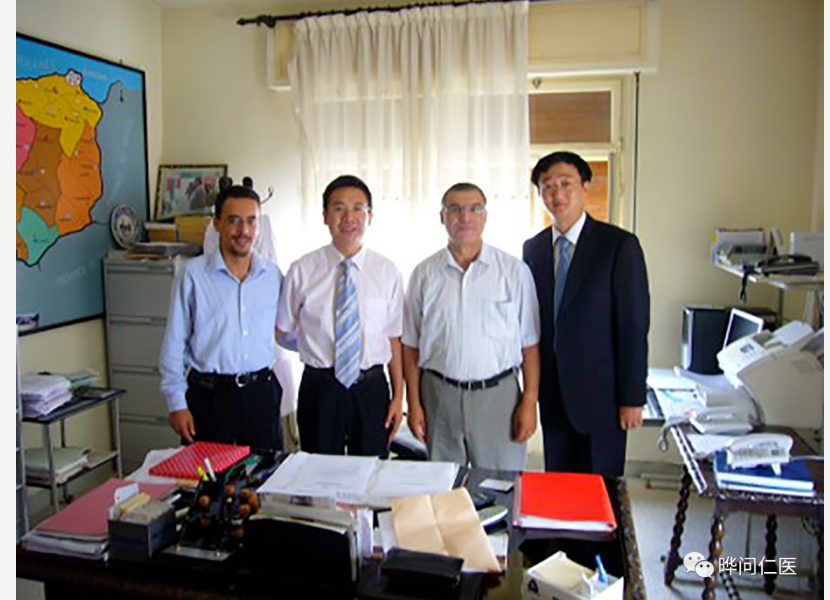
In 2006, shortly after completing his doctorate, Yuan joined a medical-aid team bound for Morocco. Within the six months before departure his parents passed away one after the other. Suppressing his grief and refusing suggestions to withdraw, he completed six months of French-language training and set out.
Stationed in the mountainous, remote Al Hoceima Province, he not only provided ear, nose and throat care but also participated in mobile Red Cross clinics and covered outpatient, emergency and surgical work in stomatology, ophthalmology, neurosurgery and general surgery. Over two years he performed more than 600 major and minor operations, including cleft-lip and palate repair, resection and reconstruction of large head-and-neck malignancies, and the successful rescue of a patient with simultaneous rupture of the common carotid artery, internal jugular vein and vagus nerve—a procedure whose worldwide success rate at the time was less than 1 percent and which was the first such case in Morocco.
Memorable cases included a 13-year-old boy from Rabat with severe anemia caused by a leech lodged in the pyriform sinus (removed after a 500-kilometer journey to find a Chinese physician) and a three-year-old who had swallowed a coin during Ramadan (extracted with an improvised catheter technique when no pediatric esophagoscope was available). His work received local media attention and recognition from both Moroccan authorities and Fudan University.

After returning from Morocco, Yuan accepted a postdoctoral position at Harvard University.
Upon returning to China in 2016 he spent eight months of advanced training in the neurosurgery department of Huashan Hospital, where he observed how neurosurgeons and otologists approach the same anatomy with different methods and thinking. One instructive case involved a patient with acoustic neuroma who also had dwarfism and kyphosis; the standard neurosurgical lateral position was impossible, yet an otologic approach with the patient supine and the head turned allowed the tumor to be removed safely.
The greatest technical challenge in the field remains paraganglioma of the jugular foramen (glomus jugulare tumor)—richly vascular, deeply seated, and extremely difficult to control once bleeding begins. Yuan developed and published a facial-nerve–hypoglossal-nerve end-to-side anastomosis technique (World Neurosurgery) that restores facial function after intracranial facial-nerve injury when the proximal stump has retracted into the brain. The inspiration came from cerebrovascular bypass techniques observed in neurosurgery. The first clinical case—a young woman left with total unilateral deafness and complete facial paralysis after incomplete tumor removal elsewhere—recovered essentially normal facial expression, later married and had children, and continues to send greetings on holidays and major life events.
For malignant tumors the priority is safe margins and survival; for benign but functionally devastating lesions, Yuan seeks the best possible balance between complete removal and preservation of quality of life.

ShanghaiDoctor.cn: In that previous case the surgery had been incomplete elsewhere, yet you still dared to take it on. Why?
Yuan Yasheng: I knew that if I washed my hands of it, the patient would live in the shadow for the rest of her life, in great pain. Her originally fine, dignified face would be impossible to show to others, and she would be regarded as a monster. Many people become inferior and withdraw from society because of this, and their entire future is ruined. I cannot bear to see this. I just wanted to repair that face. A doctor always has a benevolent heart.
ShanghaiDoctor.cn: What is your style on the operating table?
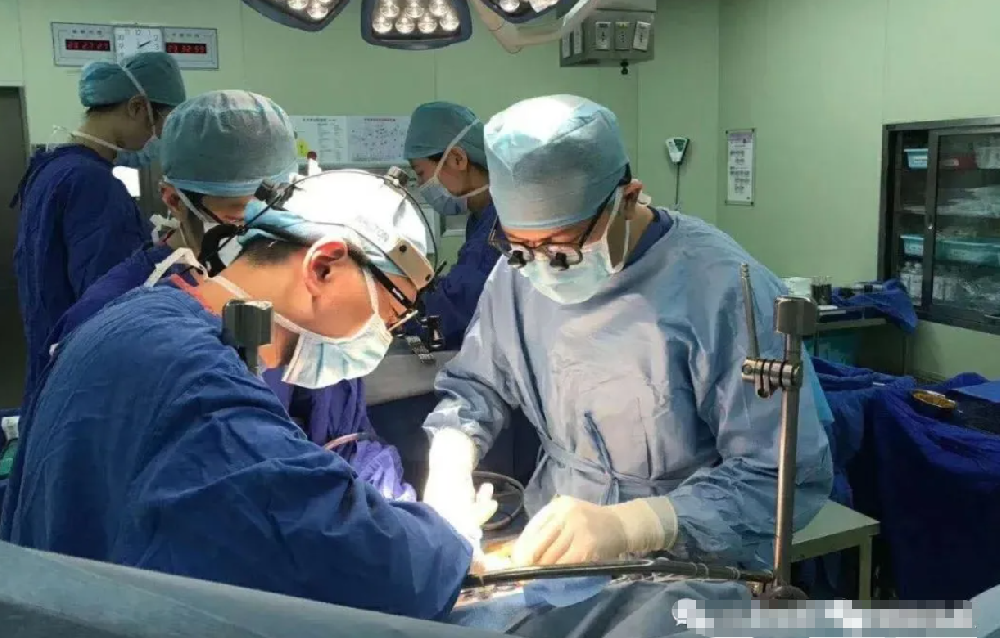
Yuan Yasheng: I like to make thorough plans before the surgery, especially for a major operation. First, to avoid risks; second, regarding the surgical approach—different doctors have different understandings based on their educational background and areas of expertise. For each individual patient there is certainly one approach that is most suitable; this tests the doctor’s professional competence. Therefore planning before an operation is very important. For some major surgeries one must pay particular attention to exposure and control.
ShanghaiDoctor.cn: What are you like at the operating table, and what do you do after the surgery?
Yuan Yasheng: I am relatively calm. In the early period I would also be nervous, but I would always look for relevant materials the night before, review the surgical atlas, and have a clear picture in my mind. When I am fully confident about every detail and every step, confidence arises. Academician Wang told me that even though I am very skilled, I should maintain the same mindset as if it were my first operation every time—as the saying goes, “If life were only as it was when we first met.” After all, one should handle a heavy task with ease, look at the big picture, and start from the small details.
After a major operation patients are generally sent to the ICU. I first go to the monitoring room to check the patient’s condition. Our hospital conducts ward rounds at least twice a day. If I performed a major operation the day before, the first thing the next morning is to go to the intensive-care unit to see how the patient is doing, and I return to the ICU again before leaving for the day. Only when the condition is basically stable do I feel reassured.
ShanghaiDoctor.cn: Now you also have a lot of administrative work. Does it take up a great deal of your time?
Yuan Yasheng: I served as director of the Dean’s Reception Office, mainly handling medical-safety issues, and also as deputy director of the Medical Affairs Department. During the COVID-19 pandemic I was the leader of the hospital’s inspection team, checking every protective measure from outpatient clinics to wards to operating rooms. Every day I compiled reports for the hospital leadership. I left the hospital only after seven o’clock each evening. The work was heavy, but with the support of leaders and the team’s concerted efforts, difficulties meant nothing. Our hospital performed well in pandemic prevention and control and was commended by Fudan University; the inspection team received the title of Advanced Group in the Fight Against the COVID-19 Pandemic.
ShanghaiDoctor.cn: What do you think is the most important quality of a doctor?
Yuan Yasheng: A doctor must have a sense of responsibility. Three years ago an emergency patient was transferred from Zhejiang. While working at night, a very thick steel needle had been inserted from the anterior wall of the ear into the internal carotid artery at the skull base. When he arrived his condition was extremely critical. The patient was not admitted under my group. At the time I was still seeing patients at the specialist clinic on the Pujiang campus. Our department director, Professor Li Huawei, called and asked me to return for the surgery. Although I knew the procedure was extremely difficult and dangerous, I immediately stopped the clinic and took a taxi back to the Fenyang campus. After more than three hours of harrowing surgery the patient finally pulled through. Professor Li later wrote in our department group chat: “Thank you, Professor Yasheng, for taking responsibility for the department.”
ShanghaiDoctor.cn: In your opinion, what makes a good doctor?
Yuan Yasheng: First of all, be a good person—someone with kindness, love, and social responsibility. Second, have compassion for patients. Even when there is nothing we can do, we can still comfort them with words. If we have the ability and skills, we should do our utmost to help. Third, have a forward-looking vision for the development of the discipline, an innovative mindset, and a sense of mission as a doctor.
ShanghaiDoctor.cn: Do you have a vision for the future?
Yuan Yasheng: I hope our specialty and discipline can truly reach a world-class level and become one of the internationally important lateral skull-base tumor centers.
From the decision to pursue postgraduate study after a single consulting-room insight, through service in remote Morocco, postdoctoral work at Harvard, and the development of a new nerve-anastomosis technique, Yuan Yasheng has carried one consistent attitude: treat every major operation with the seriousness of a first meeting. The face restored, the hearing preserved, the life returned to ordinary dignity—these remain the measures of success.
Editor: Chen Qing
If you need any help from Dr. Yuan, Please contact us directly at Chenqing@ShanghaiDoctor.cn.
Dr. Shi Yuling | Psoriasis, and Spring Mountains Beyond the Plain
Dr.Ying Chunmei | Laboratory Medicine, Renewed a Little Every Day
Dr. Zhang Lei | Children's Airways, and a Preference for Being Plain
Dr. Chen Tongyu | Chest Surgery Without a Tube, and No Claim to Greatness
Dr. Hua Xiaolin | High-Risk Obstetrics, and a Child Worth Keeping
Dr. Shen Chun | Neonatal Surgery, and a Vow That Makes No Speech
Dr. Yang Ji | A Dermatologist Who Measures the Years by Who Gets Better
Dr. Chen Gong | Children's Bile Ducts, and a Future He Chose Himself
Dr. Luo Zhiguo | An Oncologist Still Hoping for One More Reunion
Dr. Shi Yuling | Psoriasis, and Spring Mountains Beyond the Plain
Dr.Ying Chunmei | Laboratory Medicine, Renewed a Little Every Day
Dr. Zhang Lei | Children's Airways, and a Preference for Being Plain
Dr. Chen Tongyu | Chest Surgery Without a Tube, and No Claim to Greatness
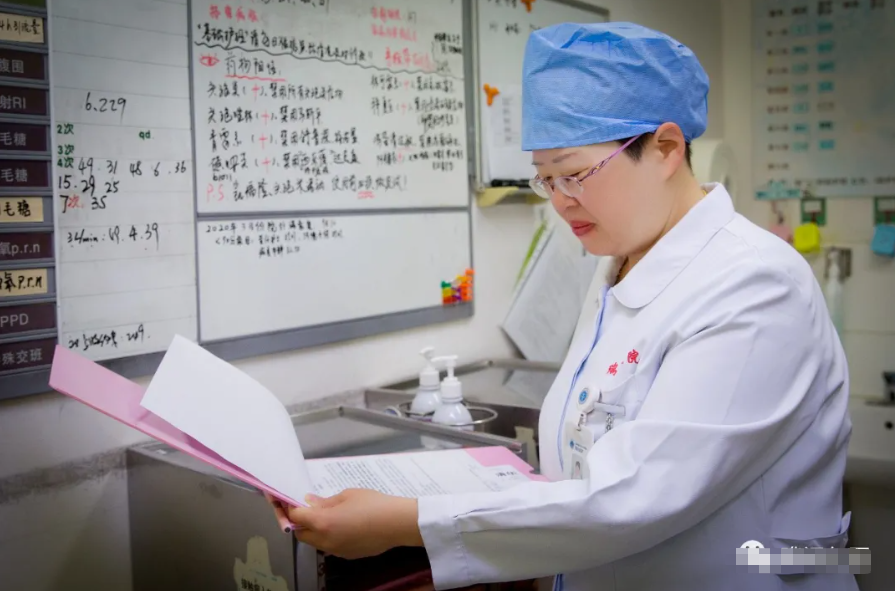
Cui Jie | An Infectious-Disease Nurse Who Kept Walking In
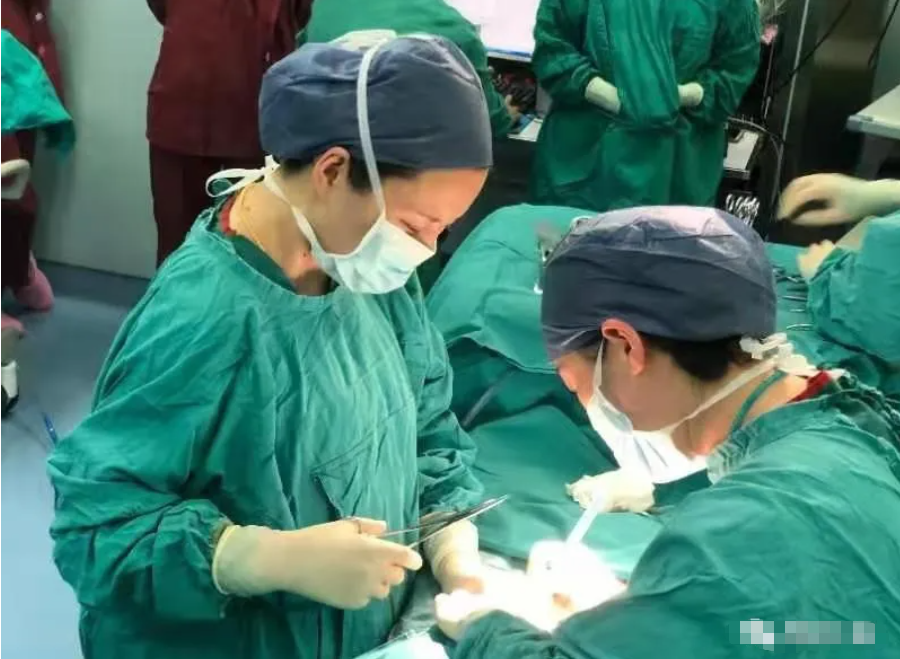
Dr. Hua Xiaolin | High-Risk Obstetrics, and a Child Worth Keeping
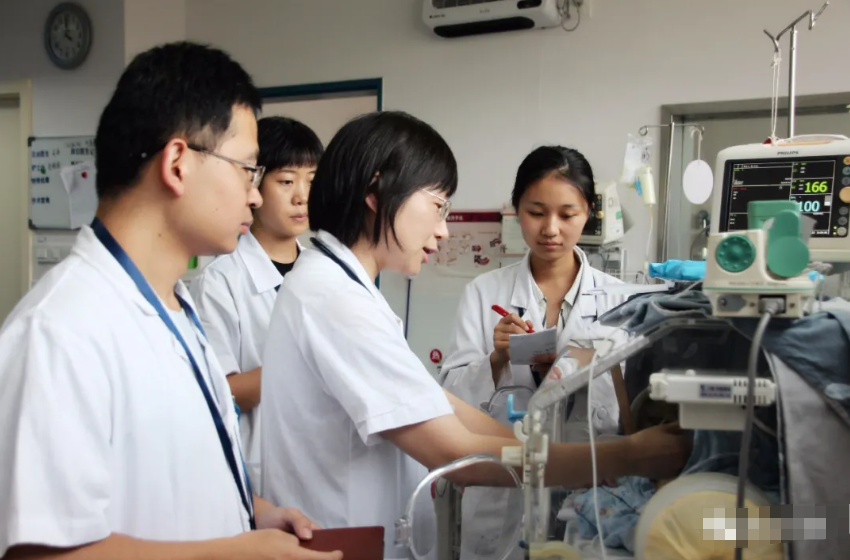
Dr. Shen Chun | Neonatal Surgery, and a Vow That Makes No Speech
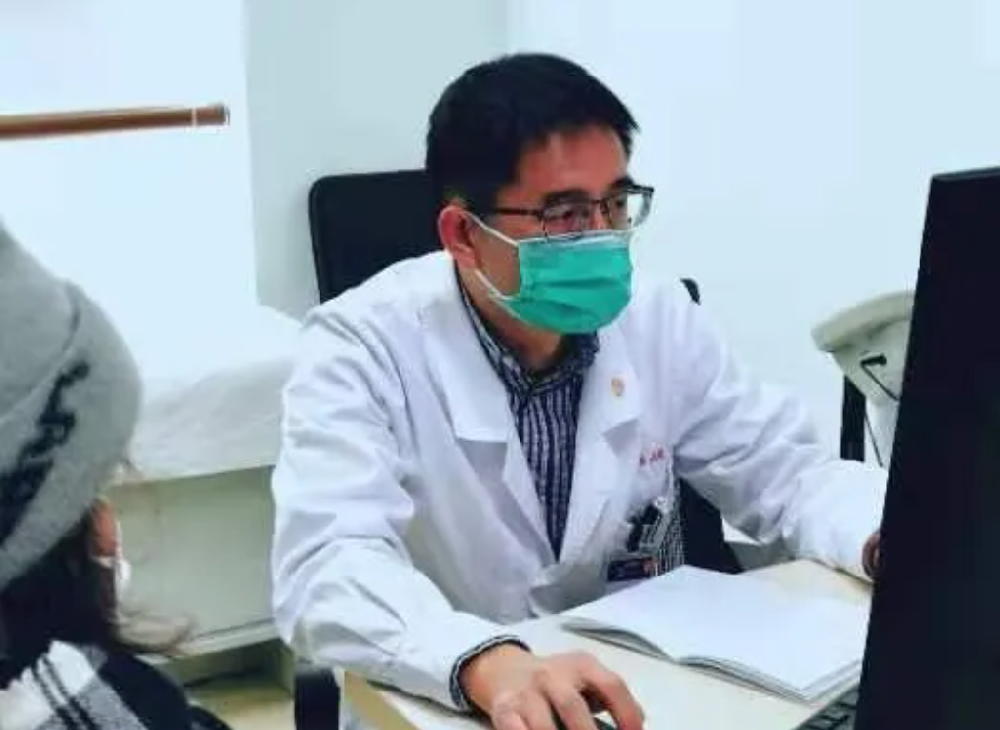
Dr. Yang Ji | A Dermatologist Who Measures the Years by Who Gets Better
Dr. Chen Gong | Children's Bile Ducts, and a Future He Chose Himself
Dr. Luo Zhiguo | An Oncologist Still Hoping for One More Reunion
Copyright © 2023 Yewen Renyi & ShanghaiDoctor.cn (This website is a non - profit medical humanities platform. The information contained herein is solely for biographical and historical purposes and does not constitute any medical advice.) 沪ICP备2023005392号-2 XML 沪公网安备31010902100835号
 中文
中文 English
 Español
 沪公网安备31010902100835号