ShanghaiDoctor - Where China's Healing Wisdom Shapes Modern Medicine

Update time:2026-08-08Visits:3203
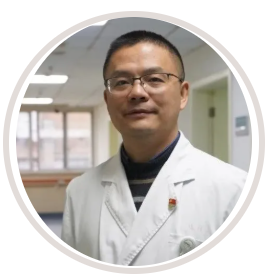
Chief Physician & Director Department of Mood Disorders Shanghai Mental Health Center Doctoral Supervisor
“I, too, feel low and unhappy at times, but my unhappiness I can regulate on my own. Those with depressive disorder cannot regulate themselves because they are ill; they must see a doctor and receive active treatment.”
— Peng Daihui
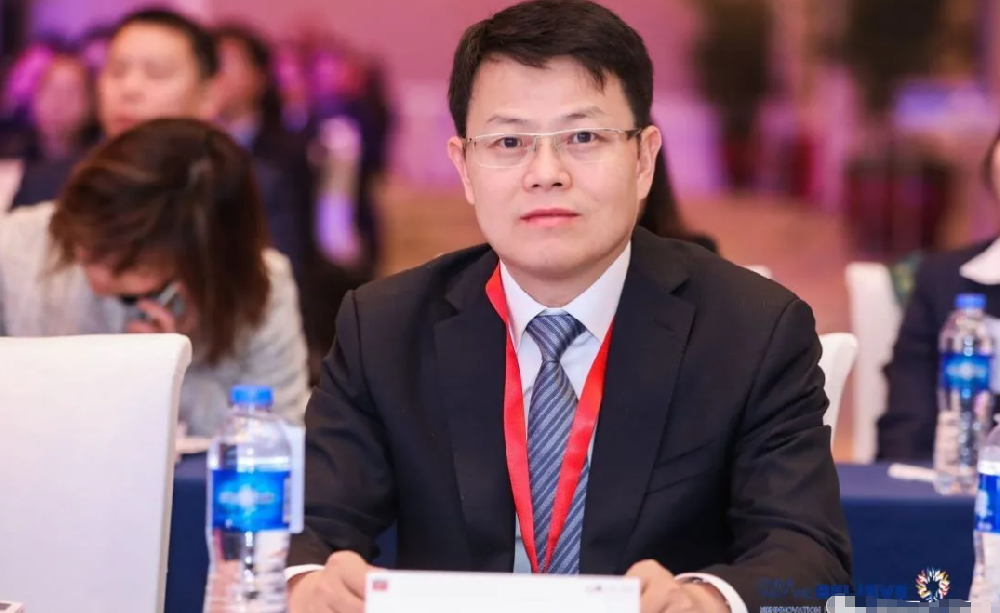
Peng Daihui is Chief Physician and Director of the Department of Mood Disorders at Shanghai Mental Health Center, a doctoral supervisor, Council Member of the Chinese Neuroscience Society, Vice Chairman of the Division of Basic and Clinical Psychiatry, and Chairman of the CSNP Depressive Disorder Research Alliance.
His honors include the third Shanghai Pharmaceutical Xinglin Talent Award (2017) from Shanghai Jiao Tong University School of Medicine, recognition as an Advanced Worker in Shanghai Municipal Health and Family Planning (2015–2017), the 2019 Outstanding Teaching Mentor Award from Shanghai Jiao Tong University School of Medicine, and nominations for the third “Renxin Yizhe” honor and the Shanghai Outstanding Specialist Physician Award. In 2020 he was listed among medical personnel who supported Hubei during the early COVID-19 response and was later named a Shanghai Advanced Individual in Fighting the COVID-19 Outbreak.
He has been instrumental in advancing depression research and clinical psychiatry in China. He leads the CSNP Depressive Disorder Research Alliance, whose annual national academic forum highlights the latest research progress, and founded the Shanghai Mood Disorders Academic Salon, where difficult clinical cases are discussed and standardization of practice is promoted—a commitment that has continued for seven years. In parallel, his hospital took the lead in helping nine district-level mental health centers in Shanghai establish and develop their own psychiatric subspecialties.
His clinical and research focus centers on depressive disorders and bipolar depression, with particular attention to the biological underpinnings of mood disorders, functional recovery (“returning to society”), perinatal mental health, and the growing presentation of adolescent patients.

Peng often returns to a case that still silences him: a new mother who had just given birth to her second child clashed with her mother-in-law over infant care. She became sleepless, anxious, and despondent. In a moment of impulse she took her own life and could not be revived.
In his view, everyone experiences periods of low mood, but depressive disorder is something entirely different from ordinary sadness. The word “disorder” signals a psychiatric illness that demands treatment. Depressive disorder involves pathological changes in the brain. Beyond the external environmental and psychological factors that the public readily recognizes, attention must also be paid to the internal environment—genetic factors and alterations in brain neural pathways. Brain pathology unfolds as the disease develops, keeping mood persistently low and beyond ordinary relief. When healthy people feel down, their brains possess a natural repair function. Those with depressive disorder remain unable to regulate their emotions; they come to doubt life, lose the will to live, and may entertain suicidal thoughts.
The casual refrain “I’m so depressed,” now common among both adults and children, has created enormous misunderstanding. Some regard depressive disorder as an unstoppable scourge; others dismiss it as mere sadness or worry bred by social climate—middle-class anxiety, academic anxiety, work anxiety. Peng’s consistent message is clear: ordinary unhappiness can often be regulated; depressive disorder cannot, because it is illness, and it requires active medical care.
Peng’s father was a medical worker, so he grew up in the shadow of hospitals. Following his father’s advice he enrolled in the Clinical Medicine Department at Hubei Medical University (now the School of Medicine at Wuhan University), specializing in mental health. At that time very few people in China knew much about the field; few chose the specialty of their own accord, and many psychiatrists had come to it from other disciplines.
After graduation he remained at the institution and was assigned to the Mental Health Center of Hubei Provincial People’s Hospital. Once in clinical practice he encountered serious mental illness at close range. Psychiatric diagnosis was still highly reductive, yet the subspecialty of depression was just beginning to take shape. His decision to focus on depression as a research direction was prompted by the suicide of a young woman with postpartum depression who swallowed more than ninety antidepressant pills in a single attempt and could not be saved despite hours of emergency intervention.
At the time psychiatry was a deeply unpopular clinical discipline. Mentally ill patients were often dismissed as “crazy,” bearing entrenched prejudice, and few doctors were willing to enter the field; even classmates frequently switched to other specialties for graduate training. Yet it was precisely in this context that Peng recognized the discipline’s significance—it, too, could save lives.
During graduate studies he turned to genetic research, approaching patients with a scientific mindset. Among patients with the same diagnosis of depression, some recovered while others did not; genetics provided part of the answer—different genetic profiles produce different responses to medication. He subsequently pursued neuroimaging research to investigate the brain changes underlying depression. At the same time he came to understand that while a psychiatrist can help from a medical standpoint, many problems lie beyond medicine alone. The field is deeply entangled with humanistic and social factors. To be a true psychiatrist, he argues, one must also understand sociology and carry a deeply humane compassion—this is the root of a genuine calling to psychiatry.
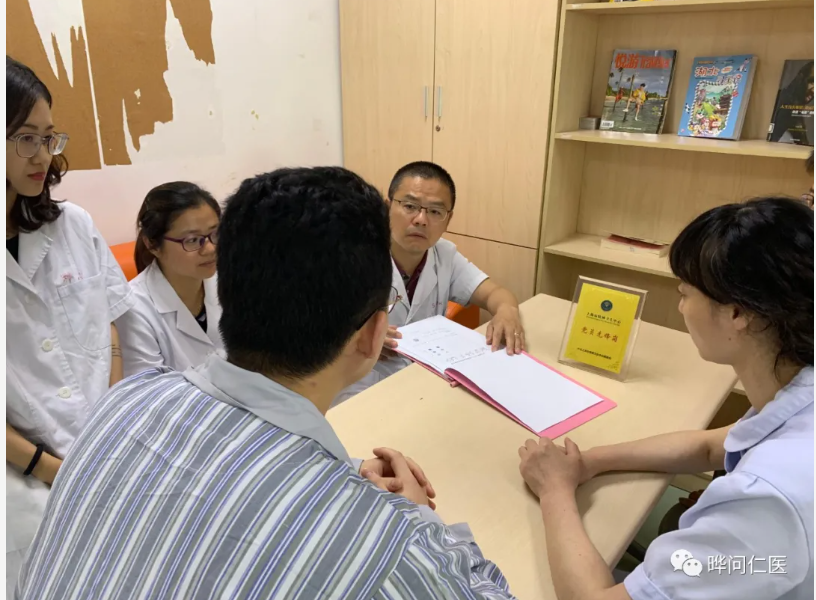
In recent years public attitudes toward mental illness have grown more tolerant, yet Peng puts it plainly: a patient who has been treated and discharged has not necessarily returned to society. Returning to society means functional recovery—the ability to resume a normal life. A child recovered from depression who can go back to school and attend classes normally has returned; a child still terrified merely at hearing the word “school” has not, even if living at home.
Beyond unipolar depression he also addresses bipolar depression, in which a profound low may be followed by a swing into mania. Research indicates that approximately 350 million people worldwide live with depression; in China the figure stands at around 90 million, including those with mild symptoms as well as individuals in remission or recovery.
In recent years he has observed a troubling trend: more adolescents are appearing at his clinic. One recent consultation involved a girl who had been a top student throughout elementary and middle school. After entering a competitive high school her grades slipped; unable to accept the decline, she grew withdrawn. The birth of a younger brother and her mother’s absorption in the infant intensified feelings of abandonment. By the time she reached Peng she was in a subacute stage and engaging in non-suicidal self-injury—cutting her legs and later her wrists in response to academic disappointment, arguments, or social exclusion. She exhibited borderline personality traits and required careful psychodynamic therapy. Such cases, he notes, clearly warrant greater attention.
Perinatal women form another group that stands out. Hormonal shifts after childbirth are biological and can be addressed medically, yet if family dynamics remain unchanged—stress from traditional postpartum confinement practices, conflict with in-laws, marital tension, or disagreements over child-rearing—depression can persist. Patients need the entire social support system.
When the epidemic first intensified, Peng—himself a native of Wuhan—became the first member of the Shanghai Mental Health Center to volunteer for the medical-support mission. On 15 February, a few days after his birthday, clearance arrived. “I’m a doctor, and a native of Wuhan. Going to Wuhan meant going home. If not for the epidemic I would have been there for the Spring Festival. But once I actually arrived, there was no time to look after my family.”
During more than forty days he visited Jinyintan Hospital, Wuhan Third Hospital, Leishenshan Hospital, and Guanggu Hospital to assess mental states on the ground and interview key groups, keeping the details of his mission from his mother. With support from the Shanghai Mental Health Center and the municipal coordination team he drafted a Psychological Assistance Plan for Shanghai medical teams, created assessment tools and contact pathways for people in Fangcang shelter hospitals, and helped roll out psychological stress-response interventions.
He was deeply moved by local volunteers—civil servants, community cadres, and ordinary citizens—who treated the medical staff like family, drove them across the city, assisted with counseling, and distributed medication while themselves living in tents. “This was an unforgettable experience. All of this was worth it—this is the value of a doctor.”
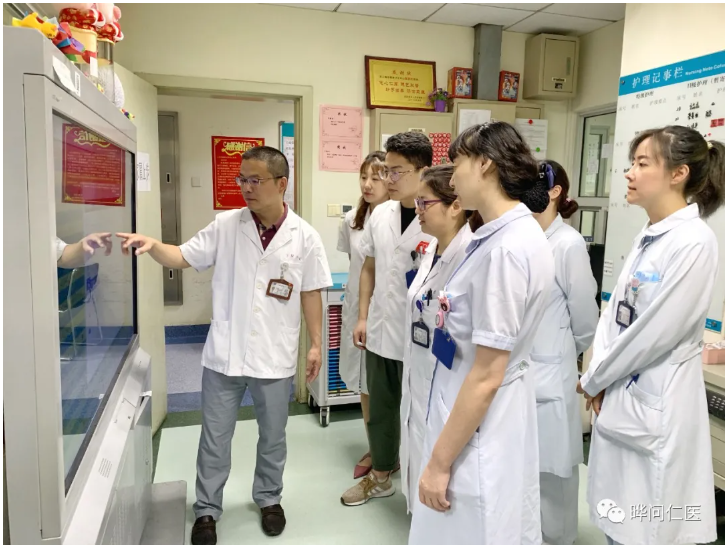

ShanghaiDoctor.cn: Director Peng, in your view, what makes a good psychiatrist?
Peng Daihui: First, one must be a doctor—a qualified clinician. Psychiatry is not the same as psychology; it intersects with many disciplines. Numerous psychiatric symptoms are linked to physical illnesses. So you need a solid foundation in general medicine before you can develop psychiatric expertise; otherwise missed diagnosis and misdiagnosis become highly likely.
Second, psychiatrists must have compassion, particularly social and humanistic concern. There is a core professional skill in psychiatry called empathy. It doesn’t mean crying when your patient cries, but when a patient is severely depressed you need to understand why they feel that way and experience that depression with them. Psychiatric patients are among the most marginalized groups in society. Without compassion it is very difficult to build a genuine doctor–patient alliance.
ShanghaiDoctor.cn: Have you ever encountered particularly special patients?
Peng Daihui: There is one group that stands out: perinatal women. When I was an attending physician I did research on postpartum depression. The hormonal shifts at that specific physiological stage are biological, and doctors can address biological problems. But if the family dynamics remain unchanged—if traditional postpartum confinement practices create stress, or there are conflicts with in-laws, marital tension, or disagreements over child-rearing—she can still feel deeply depressed. That’s why depression patients need the entire social support system. It is absolutely crucial.
ShanghaiDoctor.cn: Did you have any experience studying abroad?
Peng Daihui: I went to the United Kingdom and the United States for further study. The health-care systems there, shaped by medical insurance, operate on a relatively quick and efficient model—patients are discharged rapidly, and many even go home right after emergency treatment. What is truly worth learning from them is the establishment of a complete system network. Once patients return to social life, as long as they are registered, psychiatrists have scheduled time each week to go into the community and follow up with them. Their whole-course management is very well done, and there is relatively less social discrimination against these patients. In China we are also gradually improving the psychiatric major-disease registration system and integrating it with the three-tier prevention and treatment network, with the same purpose: better assessment, follow-up, monitoring, and care.
ShanghaiDoctor.cn: What do you think is the biggest misconception society currently has about mental illness?
Peng Daihui: The biggest misconception is about the discipline itself. Some people still regard psychiatry as dealing with “madness”—and that is simply wrong. After so many years of continuous public education there has been progress in certain areas. Society is gradually becoming more accepting of patients with depression. But when it comes to the medical specialty, prejudice against psychiatry remains deeply entrenched.
ShanghaiDoctor.cn: Are there examples of good treatment outcomes for depression?
Peng Daihui: There was a boy who developed depression during middle school. His learning ability was affected. After treatment he returned to the classroom. Later, when he failed to gain admission to his ideal university in the national college-entrance examination, he fell back into a depressive state—this is his pattern: whenever he falls short of his own ideal standards, he engages in “self-attack.” From this perspective a temporary treatment success cannot guarantee that he will never relapse in his lifetime. So what is the role of a psychiatrist? Our role is to control the patient’s symptoms in the acute phase and prevent him from harming himself or his family. But that alone is not a true return to society. Personality reshaping is also needed—he must learn to accept himself. And accepting oneself requires systematic psychotherapy.
ShanghaiDoctor.cn: What advice do you have for regulating your own emotions?
Peng Daihui: To accept your emotions, you must first practice self-affirmation. Even depression and anxiety are reasonable emotional responses. You must first accept them, then explore different ways of coping. For example, when I feel anxious I drink a cup of coffee or go for a walk. I especially love the old buildings along Hunan Road. Walking aimlessly is, for me, a form of “meditation.” In fact, the value of humanity has always been found in the choices we make, the perseverance we show, and the self-redemption we pursue in the most ordinary moments of daily life.
ShanghaiDoctor.cn: Do you have any advice for patients?
Peng Daihui: After falling ill, the first thing is to accept yourself. Some depression patients still feel this is something to be hidden away. Only when you accept it can you truly cooperate with treatment. And acceptance is not only about the patient himself—his family and the people around him must also open their arms and embrace him. Human nature is complex, and the conditions of patients with mood disorders are equally complex. Beyond medicine itself, we must offer patients more humanistic care, because it is love that makes the world warm.
From the decision to remain in an unpopular specialty after witnessing a preventable death, through genetic and neuroimaging research, clinical leadership, and service in his hometown during a public-health crisis, Peng Daihui has held to a simple conviction: depressive disorder is illness, not weakness; recovery means functional return to ordinary life; and the work of a psychiatrist requires both scientific rigor and humanistic compassion. Choice and persistence continue to define the path.
Dr. Shi Yuling | Psoriasis, and Spring Mountains Beyond the Plain
Dr.Ying Chunmei | Laboratory Medicine, Renewed a Little Every Day
Dr. Zhang Lei | Children's Airways, and a Preference for Being Plain
Dr. Chen Tongyu | Chest Surgery Without a Tube, and No Claim to Greatness
Dr. Hua Xiaolin | High-Risk Obstetrics, and a Child Worth Keeping
Dr. Shen Chun | Neonatal Surgery, and a Vow That Makes No Speech
Dr. Yang Ji | A Dermatologist Who Measures the Years by Who Gets Better
Dr. Chen Gong | Children's Bile Ducts, and a Future He Chose Himself
Dr. Luo Zhiguo | An Oncologist Still Hoping for One More Reunion
Dr. Shi Yuling | Psoriasis, and Spring Mountains Beyond the Plain
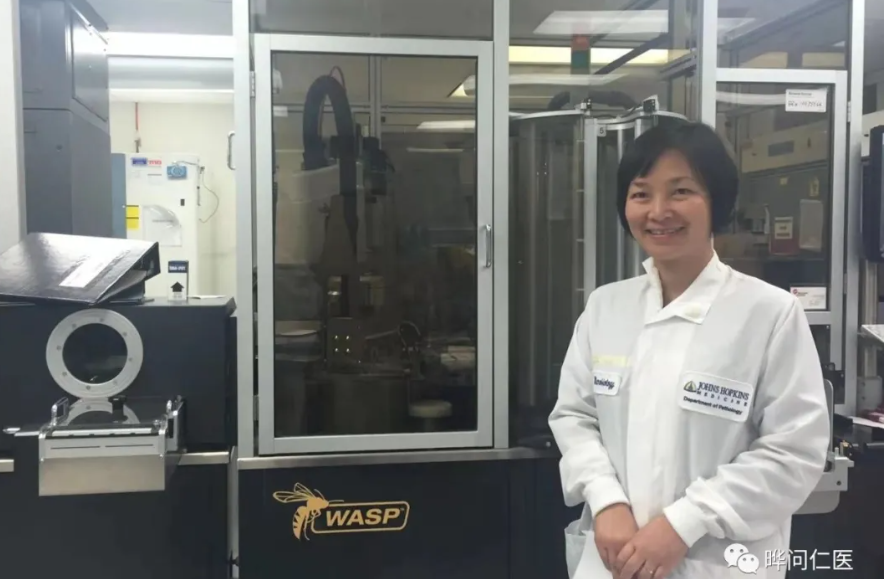
Dr.Ying Chunmei | Laboratory Medicine, Renewed a Little Every Day
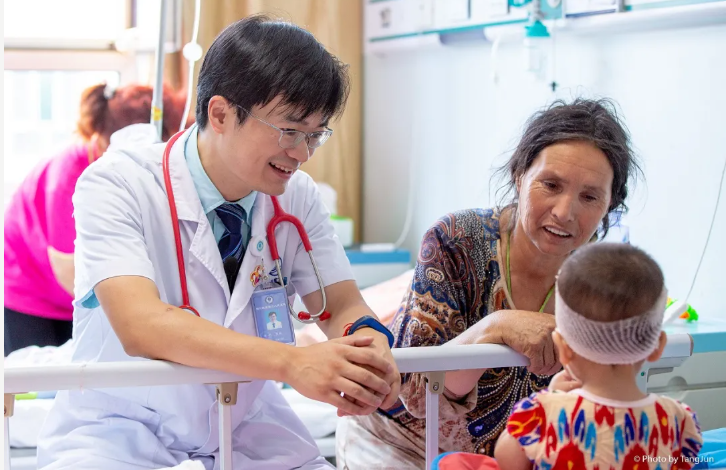
Dr. Zhang Lei | Children's Airways, and a Preference for Being Plain
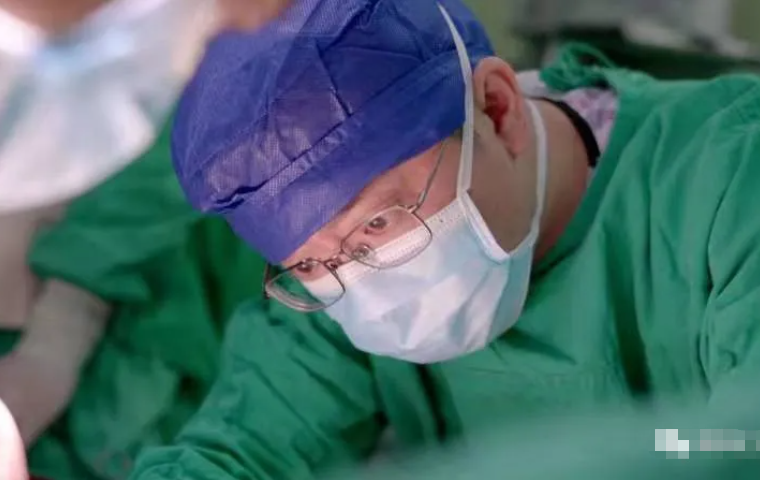
Dr. Chen Tongyu | Chest Surgery Without a Tube, and No Claim to Greatness
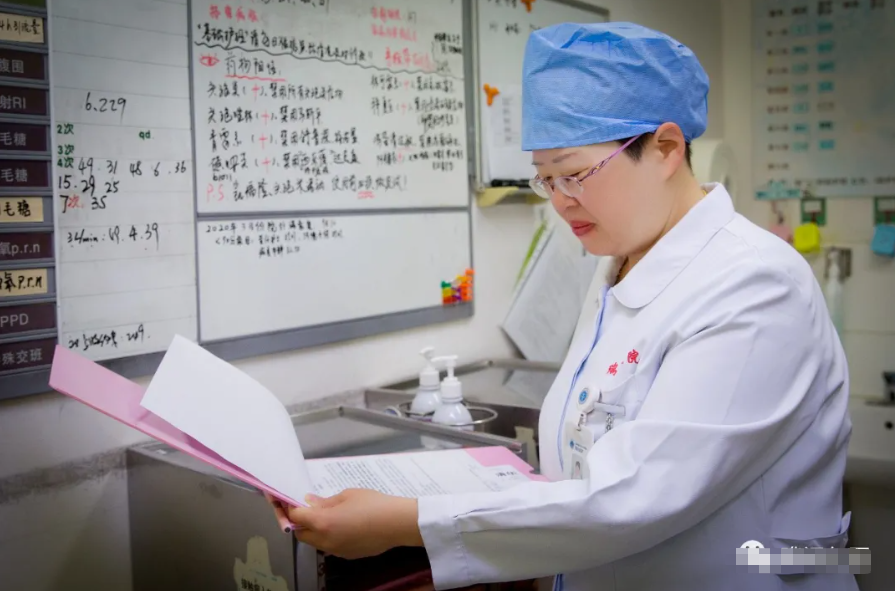
Cui Jie | An Infectious-Disease Nurse Who Kept Walking In
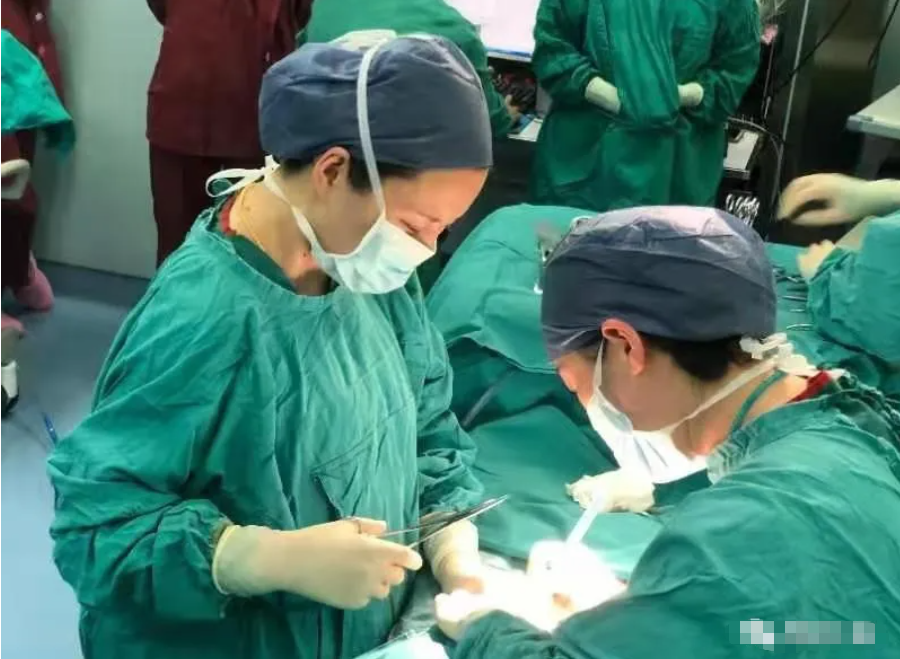
Dr. Hua Xiaolin | High-Risk Obstetrics, and a Child Worth Keeping
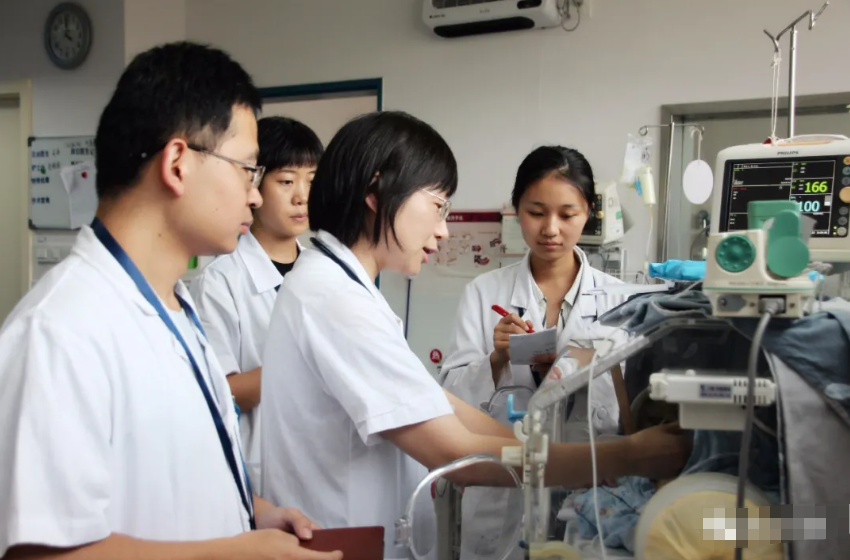
Dr. Shen Chun | Neonatal Surgery, and a Vow That Makes No Speech
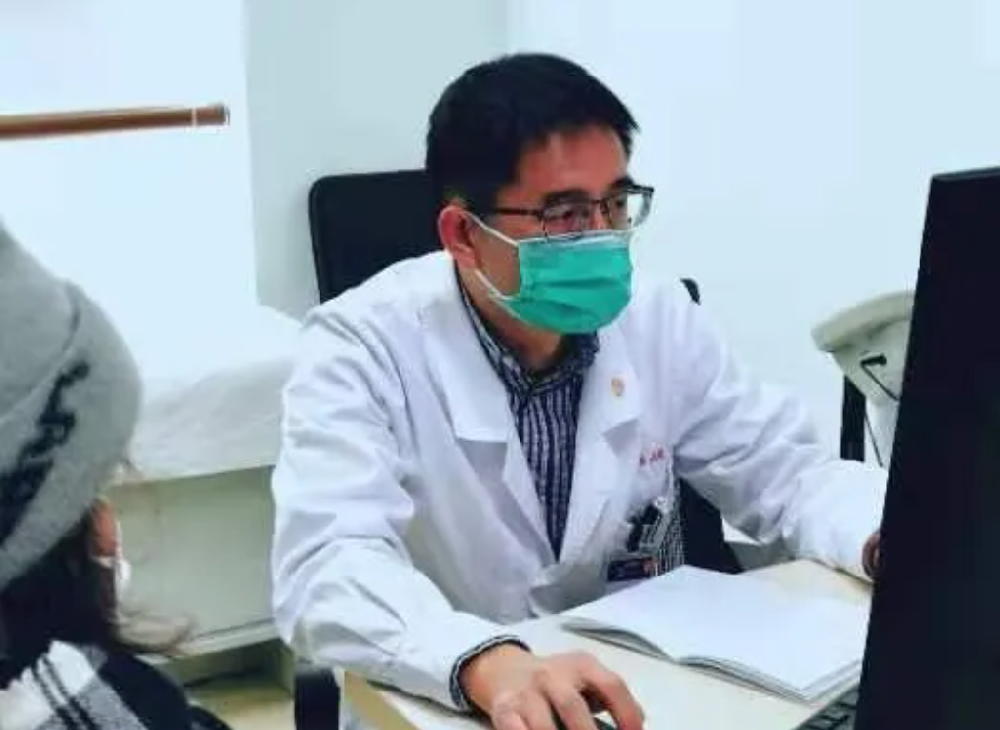
Dr. Yang Ji | A Dermatologist Who Measures the Years by Who Gets Better
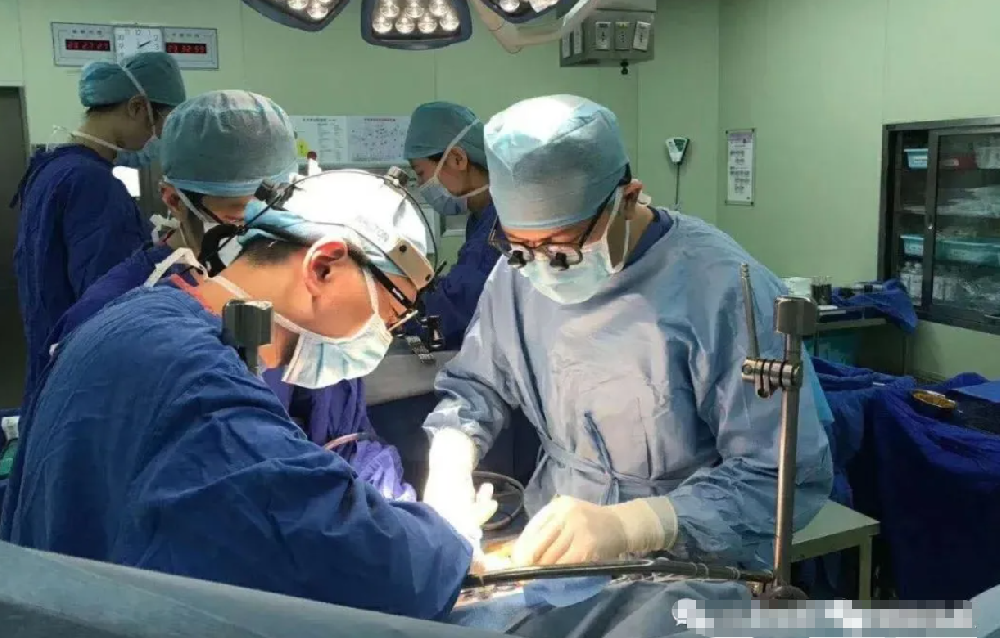
Dr. Chen Gong | Children's Bile Ducts, and a Future He Chose Himself
Dr. Luo Zhiguo | An Oncologist Still Hoping for One More Reunion
Copyright © 2023 Yewen Renyi & ShanghaiDoctor.cn (This website is a non - profit medical humanities platform. The information contained herein is solely for biographical and historical purposes and does not constitute any medical advice.) 沪ICP备2023005392号-2 XML 沪公网安备31010902100835号
 中文
中文 English
 Español
 沪公网安备31010902100835号