ShanghaiDoctor - Where China's Healing Wisdom Shapes Modern Medicine

Update time:2026-08-09Visits:706
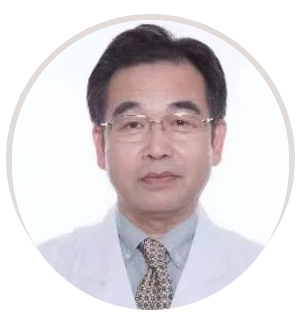
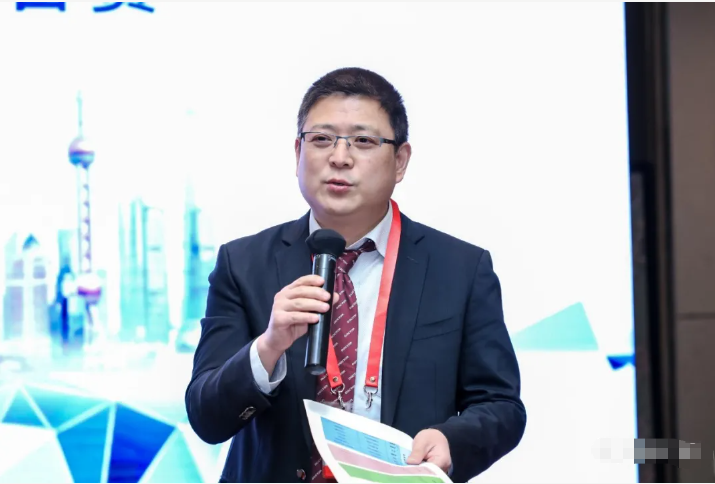
Senior Physician, Department of Anorectal Diseases Yueyang Hospital of Integrated Traditional Chinese and Western Medicine Shanghai University of Traditional Chinese Medicine
“Traditional Chinese medicine has genuinely distinctive therapeutic effects in anorectal diseases. The key is to keep elevating those strengths until peers in the field all acknowledge them.”
— Sun Jianhua
Sun Jianhua is a senior physician in the Department of Anorectal Diseases at Yueyang Hospital of Integrated Traditional Chinese and Western Medicine, affiliated with Shanghai University of Traditional Chinese Medicine. Over more than five decades he has devoted himself to refining traditional Chinese medicine (TCM) approaches to hemorrhoids, complex anal fistula, and related conditions, while steadily integrating useful techniques from Western medicine.
Under his leadership the department has grown into a strong team of fourteen members, nine of whom hold master’s or doctoral degrees. Treatment protocols for hemorrhoids are updated annually, specifying diagnostic criteria and preferred or alternative approaches for each stage so that care remains consistent yet allows subtle individual variation. The department has also developed and obtained regulatory approval for oral formulations derived from classical and empirical prescriptions, expanding non-surgical options for patients with different clinical presentations.
Sun’s guiding principle remains treatment based on syndrome differentiation—the soul of TCM. First- and second-degree hemorrhoids are managed conservatively whenever possible; third- and fourth-degree disease receives surgical intervention when indicated. The same pragmatic stance shapes the department’s integration of Chinese and Western methods: use whichever approach, or combination of approaches, most benefits the individual patient.
In 1976 the Fifth Outpatient Department of Shanghai Public Medical Expense, the TCM Tuina Outpatient Department, and the Nanchang Road New Acupuncture Outpatient Department merged to form Yueyang Hospital. The following year, after the national college-entrance examination was resumed, Sun took the exam and entered the medical program at Shanghai TV University. Four years of study deepened his understanding of TCM anorectal treatment and confirmed a conviction he has never abandoned: TCM possesses genuine therapeutic advantages in this field.
For benign anorectal conditions in Shanghai, ordinary people and senior officials alike have long turned to TCM practitioners. Guided by holism, TCM approaches produce smaller wounds, less tissue damage, and maximal reduction of patient suffering. Western resection, by contrast, can be more invasive and may impair anal function. That historical bond, clinical efficacy, and generational transmission give TCM a distinctive place in anorectal care.
In the 1990s a Shanghai Municipal Health Bureau evaluation of ten disease categories concluded that TCM held clear advantages in two: “deficiency syndromes” (roughly corresponding to modern notions of sub-health) and anorectal treatment. Western surgical approaches, the experts noted, were more prone to bleeding or infection, whereas TCM syndrome differentiation in this domain was essentially reliable. Sun has spent the subsequent decades working to elevate those acknowledged strengths so that peers across the field continue to recognize them.
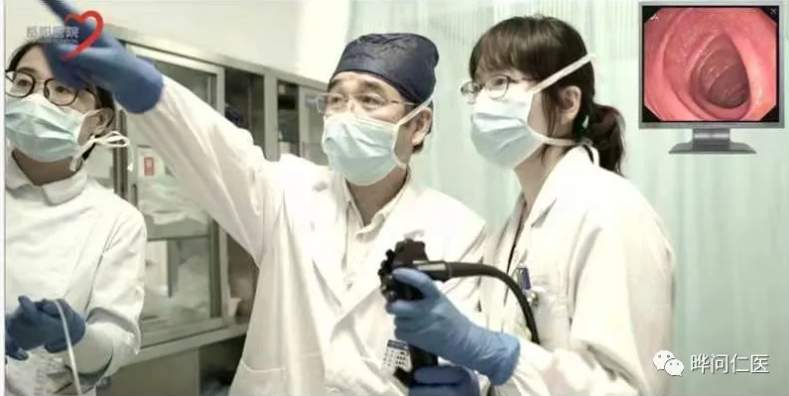
Hemorrhoids—dilation or hyperplasia of blood vessels around the anus—are among the most common anorectal conditions. Human upright posture places the anus below the level of the heart, impeding venous return; fatigue and dietary habits further dilate peripheral vessels until bleeding and complications appear. TCM has addressed the problem for more than two thousand years. The Yellow Emperor’s Classic of Internal Medicine already links excessive eating and slackened vessels to the appearance of hemorrhoids.
Therapeutic methods evolved with materials and technology. Early practitioners soaked plant fibers in corrosive agents and tied them onto hemorrhoids. Later, textile advances enabled thread ligation. In the 1960s Hong Caiyu, senior disciple of the venerable Master Wen, pioneered internal-hemorrhoid rubber-band ligation: a latex band with a one-millimeter inner diameter is expanded, the hemorrhoid drawn in by negative-pressure suction, and the band deployed at the base. Progressive constriction necrotizes the tissue; because the residual lumen is so small, the vascular stump seals and massive bleeding is avoided. Injection therapy with sodium morrhuate, inducing hardening and atrophy, was later added to the repertoire.
Sun has also led the conversion of classical and empirical prescriptions—some originally prepared by Master Wen at home—into hospital formulations and approved oral preparations tailored to different clinical presentations, expanding non-surgical options.
Throughout, he insists on syndrome differentiation. First- and second-degree hemorrhoids, marked mainly by bleeding and few other symptoms, can usually be managed conservatively, sparing many patients surgery. Third- and fourth-degree disease requires operative intervention. Matching the method to the stage remains the optimal plan.
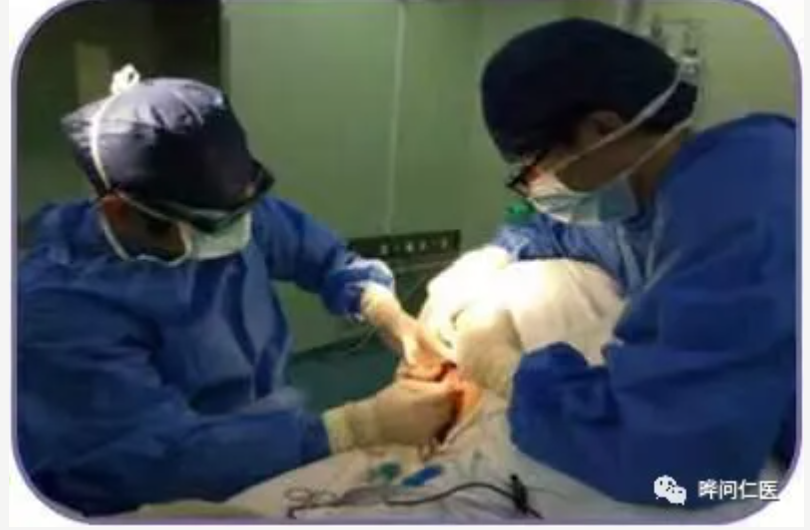
Sun frequently looks back in order to move forward. Traditional Chinese medicine today differs greatly from its philosophical origins. The task now, he argues, is to supplement what classical TCM lacked and transform it into a more precise science—while preserving its holistic strengths. He therefore places emphasis on fundamental research: novel polymer dressings to accelerate postoperative wound healing; syndrome-differentiation approaches, medication, and biofeedback for functional disorders and inflammatory bowel disease; quantification and reproducibility as shared standards for both Chinese and Western medicine.
Each decade has brought review and change: necrotizing methods in the 1950s, ligation and rubber-band techniques in the 1960s, complex fistula work in the 1970s, electronic colonoscopy in the 1980s (Yueyang becoming the first TCM hospital in Shanghai to adopt it), standardized and approved prescriptions in the 1990s, and expanded non-surgical techniques after 2000. Education elevates the experience of predecessors into models for the next generation; research introduces new methods into clinical practice. Both must remain centered on the patient.
Prevention receives equal weight. Citing the classical ideal of treating disease before it occurs, Sun leads regular community visits that offer anorectal education to elderly residents, focusing on diet, daily routine, and hygiene. By moving intervention earlier and enabling digestion, absorption, and excretion to form a smoother chain, hemorrhoids can be stopped at the source.
Sun refuses to be confined by disciplinary boundaries. In the operating room the ultrasonic scalpel has become a powerful tool within a TCM framework. Diagnostic and therapeutic equipment developed by basic science all have roles to play. In 1982, during advanced training at Huadong Hospital, he mastered electronic colonoscopy; the technique has been passed down at Yueyang ever since. Acupuncture anesthesia, evaluated for every surgical patient in recent years, is used to alleviate postoperative urinary retention and pain. For inflammatory bowel disease and polyps, a treatment chain links colonoscopic diagnosis and therapy with specialized pharmacological follow-up, viewing the local problem within a holistic frame.
“I believe that all the civilized achievements of human science and technology should be available for my use,” he says. “What is the purpose? To reduce suffering for patients. On this point there should be no distinction between Chinese medicine and Western medicine.”
To every student assigned to the department Sun offers the same counsel: as a doctor, do not resort to petty cleverness; use great wisdom. Be patient and conscientious with patients, amicable and respectful toward colleagues, candid and caring with students, and scrupulously meticulous in medical skills.
After more than fifty years he still radiates a vigorous, upward spirit. He hopes younger generations will keep advancing TCM anorectal medicine to a deeper level—making it not only a hallmark of Chinese medicine but a contribution recognized in world medicine. Chinese medicine, he believes, can serve as one of the vehicles through which Chinese cultural and medical achievements gain wider recognition. The road toward that recognition bears the footprints of successive generations of practitioners.

ShanghaiDoctor.cn: Throughout your medical career, have you ever encountered a case that left a deep impression on you?
Sun Jianhua: There are far too many impressive cases. The anus has a special structure—the anal sphincter—which controls defecation. Once damaged, it severely affects bowel function and brings an unacceptable change in quality of life. There was a patient who worked at the Shanghai Yangzi Timber Factory, only in his twenties, in the prime of life. He suffered from typical complex anal fistula and was tormented by the disease. In that operation, if the rectum is viewed as a 360-degree whole, Elder Wen stripped away 180 degrees of the rectum entirely. It was the first time I had seen such a large-scale surgical trauma, and I was quite astonished. Afterward, through meticulous daily dressing changes and treatment, the wound gradually healed within a few weeks. The patient was overjoyed, feeling that he was finally just like a normal person again, which greatly improved his quality of life.
ShanghaiDoctor.cn: As the saying goes, “Nine out of ten people have hemorrhoids.” What characteristics and advantages does TCM offer in the treatment of anorectal diseases?
Sun Jianhua: Hemorrhoids are essentially vascular dilations or proliferative lesions at the anus, a product of human evolution. Once humans stood upright, the anus came to sit lower than the heart, hindering venous return. Add fatigue and poor dietary habits, and the peripheral vessels become excessively dilated and prone to bleeding. Once they develop, the area is highly susceptible to infection.
In the 1990s a Shanghai Municipal Health Bureau project invited experts in both Chinese and Western medicine to assess TCM advantages across ten disease categories. Western-medicine experts acknowledged two areas: “deficiency syndromes” (corresponding roughly to modern notions of sub-health) and anorectal treatment. Western surgery is more prone to infection or bleeding, whereas TCM syndrome differentiation in this field is essentially reliable. The key to TCM’s development is to keep strengthening those proven advantages until they are recognized by all peers.
Today our physicians treat not only classic anorectal conditions but also organic lesions, inflammatory bowel disease, and other ailments that Western medicine also finds challenging. Through syndrome-differentiation-based treatment, medication, and biofeedback assessment and intervention, we alleviate difficult defecation. Compared with a purely local approach, TCM takes a more holistic view.
ShanghaiDoctor.cn: What characteristics and advantages does your hospital have in the treatment of anorectal diseases?
Sun Jianhua: Yueyang Hospital’s distinctive feature is its openness to new ideas. In the 1950s we were among the first to perform ligation therapy; in the 1960s we became the first in Shanghai—and among the first in the country—to perform rubber-band ligation, a technique that has since been adopted internationally as a preferred treatment for internal hemorrhoids.
I have always been deeply passionate about music. I love listening to instrumental pieces, especially symphonies adapted from Chinese folk music. Back when I lived on Yueyang Road, before Reform and Opening-up, living conditions were modest. Several classmates and I built our own audio equipment and even brought it to the hospital for gatherings. Whenever I travel abroad, the first thing I do is visit a record store. To me, music is like a conversation; its melody and rhythm can bring a sense of tranquility, and after that calm the conclusions reached through reflection become more objective and rational.
ShanghaiDoctor.cn: If you could choose again, would you still become an anorectal doctor?
Sun Jianhua: Our generation grew up under the planned economy. Back then there was a saying that revolutionary work differed only in the division of labor; there was no high or low status. Wherever we were needed, we went. Looking back at my age now, I believe being a doctor is a very good calling. Through my own efforts I can relieve patients of their pain and suffering. That kind of fulfillment is something only a doctor can truly experience.
From the decision to enter TCM anorectal medicine after the resumed college-entrance examination, through decades of refining classical techniques, standardizing protocols, integrating useful Western tools, and training the next generation, Sun Jianhua has held to a simple standard: elevate the genuine strengths of traditional Chinese medicine in this field until they are acknowledged by peers everywhere, and always place the reduction of patient suffering at the center.
Dr. Liu Yan | When the Heart Is Beautiful, Everything Is Beautiful
Dr. Sun Jianhua | Advancing Traditional Chinese Medicine in Anorectal Care
Dr. Pan Meng | A Good Doctor Is Itself a Dose of Good Medicine
Dr. Jiang Lixin | Clear as Colored Glass, Transparent Through and Through
Dr. Wang Xuefeng | A Guardian and Ferryman in CHina medical world
Dr. Wang Jiguang | Raising the Bar: 50% of Hypertension Patients Treated and Controlled
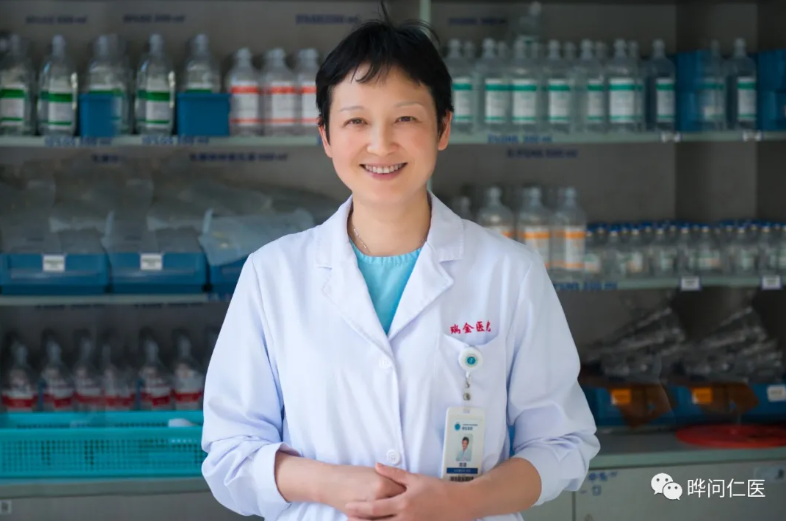
Dr. Liu Yan | When the Heart Is Beautiful, Everything Is Beautiful
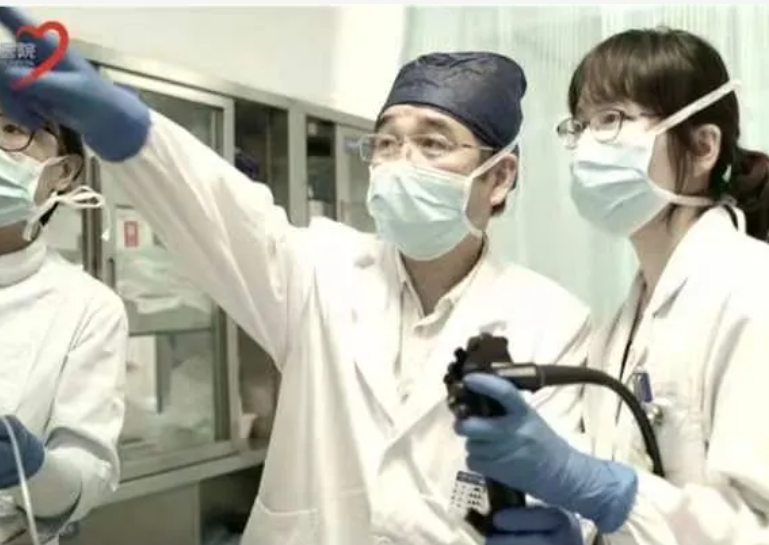
Dr. Sun Jianhua | Advancing Traditional Chinese Medicine in Anorectal Care
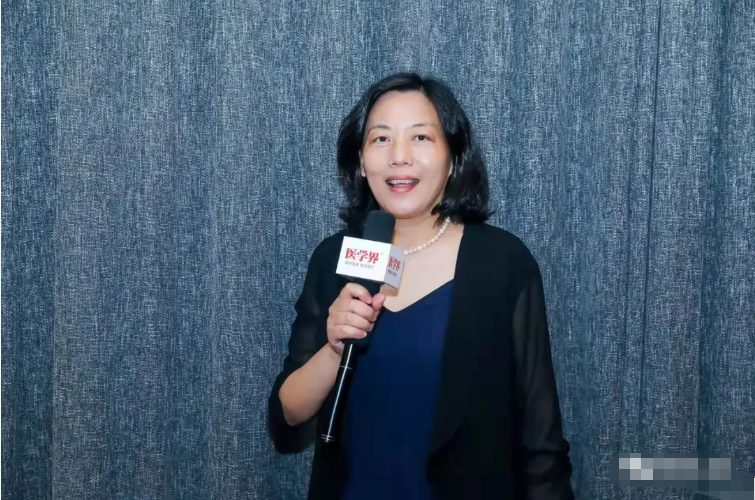
Dr. Pan Meng | A Good Doctor Is Itself a Dose of Good Medicine
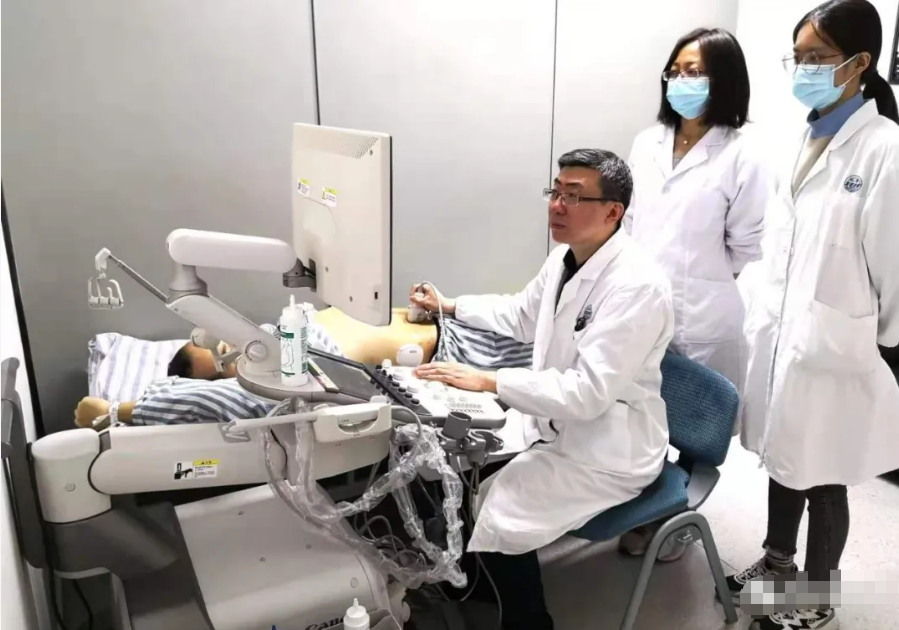
Dr. Jiang Lixin | Clear as Colored Glass, Transparent Through and Through
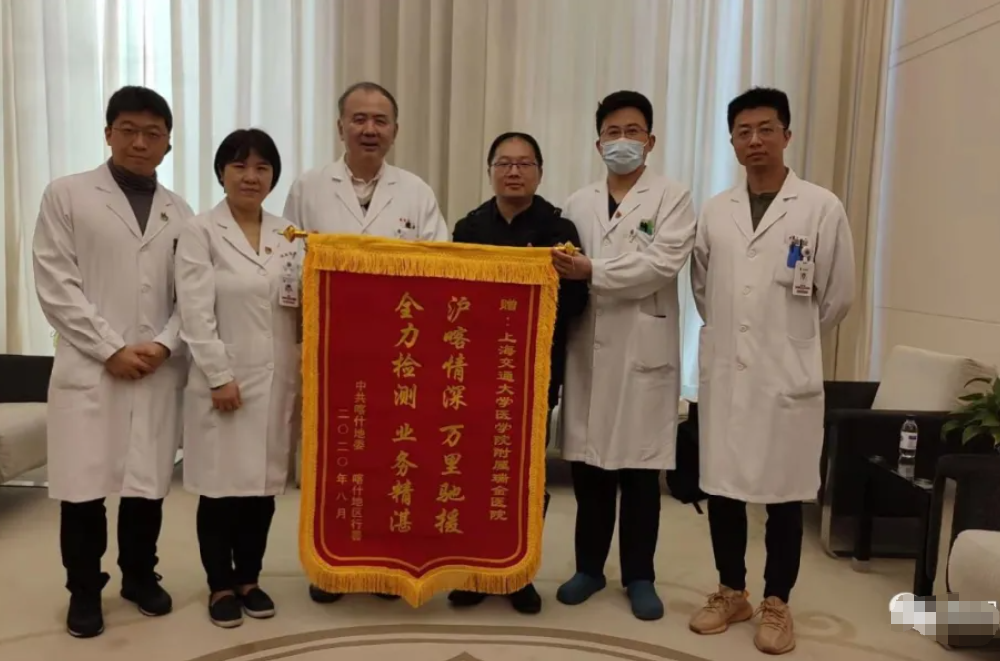
Dr. Wang Xuefeng | A Guardian and Ferryman in CHina medical world
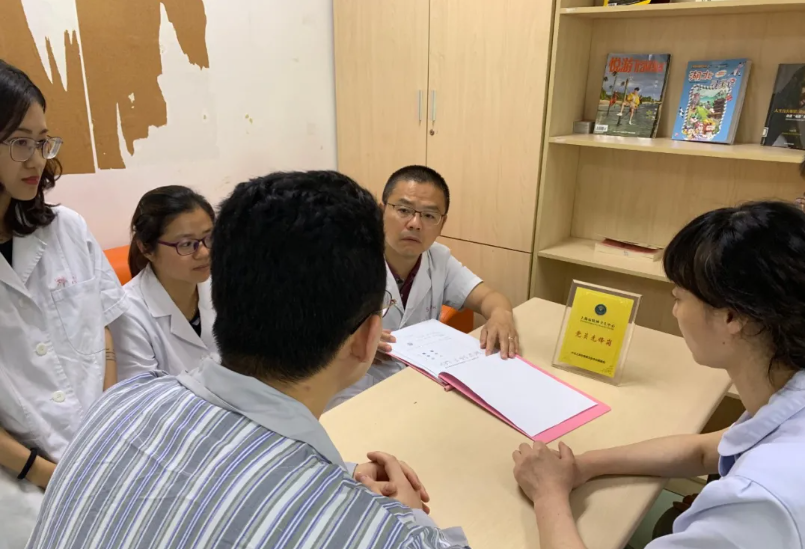
Dr. Peng Daihui | Curing Your Mood Disorders
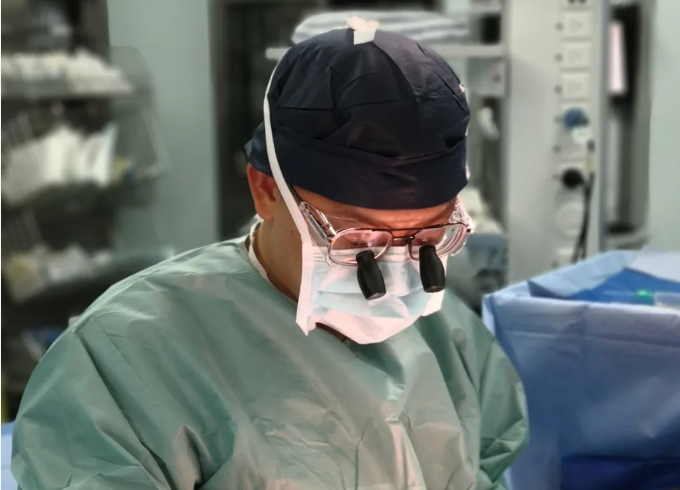
Dr. Wang Yulong | Innovating Within Inheritance
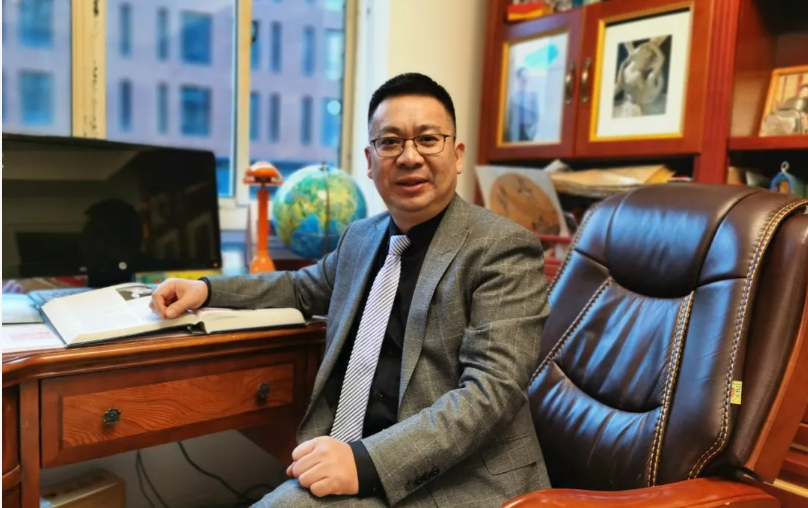
Dr. Yuan Yasheng | If Life Were Only Like the First Meeting
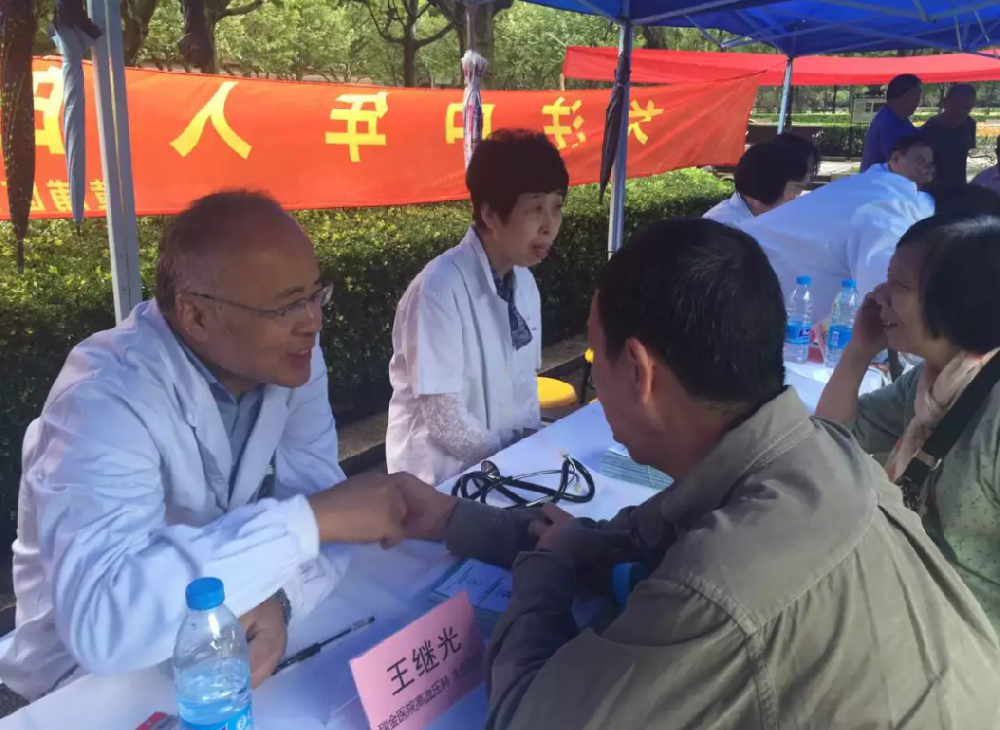
Dr. Wang Jiguang | Raising the Bar: 50% of Hypertension Patients Treated and Controlled
Dr. Yu Zhiqiang | Climbing Onward as an Ophthalmologist
Copyright © 2023 Yewen Renyi & ShanghaiDoctor.cn (This website is a non - profit medical humanities platform. The information contained herein is solely for biographical and historical purposes and does not constitute any medical advice.) 沪ICP备2023005392号-2 XML 沪公网安备31010902100835号
 中文
中文 English
 Español
 沪公网安备31010902100835号