ShanghaiDoctor - Where China's Healing Wisdom Shapes Modern Medicine

Update time:2026-02-04Visits:4060
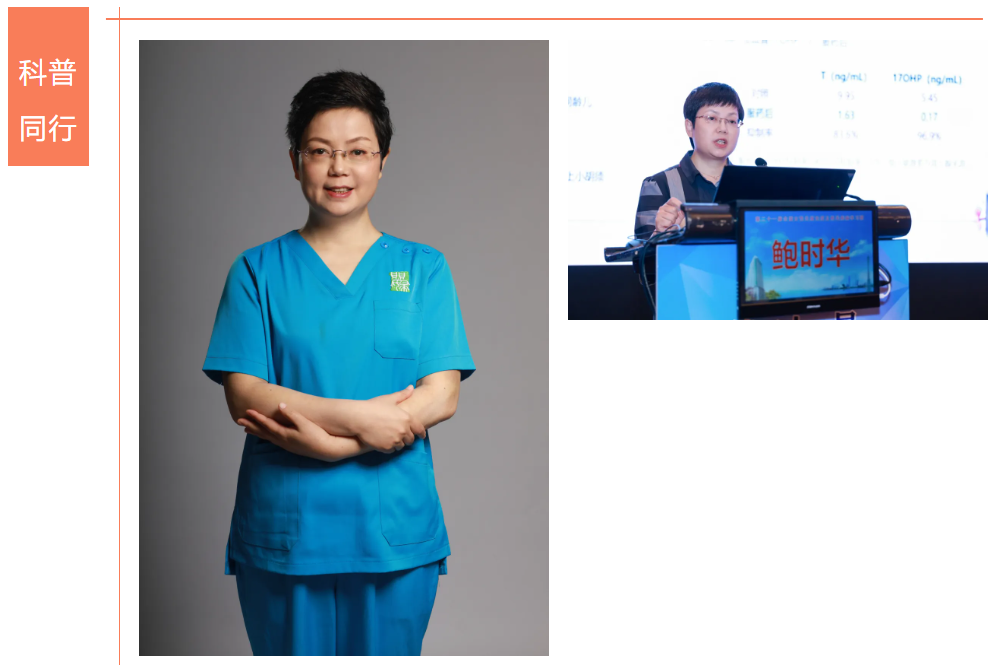
Dr. Bao Shihua
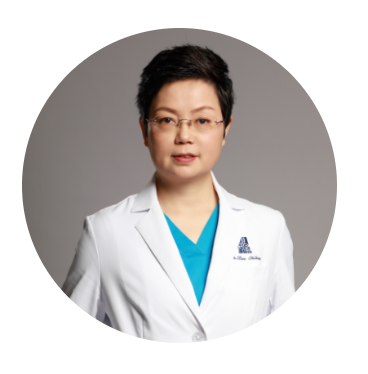
Dr. Bao Shihua, the Director and Founder of the Department of Reproductive Immunology at the Shanghai First Maternity and Infant Hospital.
Professional Fields:
Reproductive Endocrinology, Reproductive Immunology
Specialties:
Diagnosis and treatment of reproductive endocrine disorders, including recurrent miscarriage, infertility, recurrent implantation failure, biochemical pregnancy, polycystic ovary syndrome (PCOS), amenorrhea, and ovarian insufficiency.
Major Appointments:
Vice Chairperson, Reproductive Immunology Committee, China Maternal and Child Health Association
Vice Chairperson, Infertility Committee, Shanghai Association of Integrated Traditional Chinese and Western Medicine
Vice Chairperson, Reproductive Immune Disease Prevention and Treatment Committee, Shanghai Association for Eugenics and Better Parenting
Education and Training:
In 2006, she began mentorship under the renowned Chinese obstetrics and gynaecology expert, Professor Lin Qide. She earned her Ph.D. in Obstetrics and Gynaecology from Shanghai Jiao Tong University School of Medicine in 2009. From 2013 to 2014, she pursued further research at Rosalind Franklin University in Chicago, USA, under the guidance of Professor Joanne Kwak-kim, a former President of the American Society for Reproductive Immunology.
Research Focus:
Her research centres on the immune tolerance microenvironment at the maternal-foetal interface and the pathogenesis of recurrent miscarriage, with a specific focus on decidual stromal cells and the role of antiphospholipid antibodies in pathological pregnancy. She also conducts key technological R&D for early pregnancy embryonic chromosome screening.
She has been principal investigator on numerous grants, including projects from the National Natural Science Foundation of China and the Shanghai Natural Science Foundation, with total funding secured exceeding 12 million RMB. She has contributed to the development of 6 Chinese expert consensus guidelines on recurrent miscarriage, published over 30 SCI-indexed papers, and authored, co-authored, or translated 7 medical monographs. She has applied for 4 national invention patents, with 2 authorised and successfully commercialised.
A Personal Perspective
Four years have passed since my first interview with Director Bao in July 2019. Time has woven its pattern, yet she retains that same blend of optimism and thoughtful composure. A smile rests easily on her face, now etched with deeper lines of resolve and passion.
Four years on, the poetic, dreamlike melody of that music still lingers in her heart. She is drawn to all things beautiful—the innocent smiles of children, a mother’s tender gaze. On her daily commute, she still walks through the ginkgo grove beside the Shanghai Concert Hall. It resembles an autumn painting: golden leaves, solemn yet delicate, capturing the very spirit of the season. Sunlight falls like fine golden threads, spilling across the earth. She loves this touch of harvest colour, this purity—it feels like the essence of life itself.
Outside the clinic and along its corridors, the air hums with noise and activity. Patients from across the country form long queues here, where annual outpatient visits reach approximately 100,000. From the founding of the Recurrent Miscarriage Clinic in 2010 to the establishment of the Reproductive Immunology Department in 2015, this unique specialty has, within just a few years, brought hope and the joy of family to countless women suffering from recurrent pregnancy loss and infertility. The driving force behind this department is the subject of our story—Bao Shihua, Director of Reproductive Immunology at Shanghai First Maternity and Infant Hospital.
Time passes, and the years flow like a song. Children affectionately call her “Auntie Bao,” and the cries of newborns form a movement in life’s symphony, bringing countless moments of joy into the world.
1. The Light of Medical Science Communication
“During the most difficult days of the pandemic, many patients who had travelled from other provinces for treatment found themselves stranded in Shanghai. We used every means possible to stay in touch—answering their questions promptly, organising medication deliveries, and making sure they received the drugs they needed. There were many tears along the way, but also much happiness.”
Given the particular needs of her patients, Bao Shihua leads her team in providing convenient, precise care through remote guidance. This approach has made the department a pioneer in digital health pilots. Unlike surgical specialties, Reproductive Immunology focuses largely on consultation and medication management, allowing the team to connect with patients from afar or those unable to visit in person. Through online platforms, they offer timely guidance and accessible consultations.
A well-designed digital platform not only improves the patient experience but also delivers higher-quality, professional health information.
On 15 November 2023, the “2023 Ranking of Health Communication Influence among Shanghai Medical Institutions and Professionals” was released. Organised by the Shanghai Health Promotion Committee Office and the Shanghai Municipal Health Commission, and launched by the Shanghai Health Promotion Center and the School of Public Health at Fudan University, the list featured Bao Shihua as one of Shanghai’s most influential medical communicators.
“I began sharing medical knowledge publicly very early, around 2010—so it’s been 14 years now. Back then, I was exploring how to help patients access reliable, professional information to navigate the challenges of their healthcare journey.”
In Bao Shihua’s view, effective science communication means providing the public with accurate, timely medical knowledge and guidance.
The importance of professional, high-quality science communication is self-evident. It enables doctors to convey accurate medical knowledge to patients, helping them better understand their conditions and treatment options, and ensuring they receive correct guidance. Online science communication, in particular, offers unprecedented convenience to a vast number of patients. In today’s technologically advanced era, we must move beyond the confines of the traditional clinic; the dialogue between doctor and patient can—and should—be multi-dimensional.
This communicative power is rooted in a doctor’s deep medical expertise and genuine care for their patients. In Dr. Bao Shihua’s field of recurrent miscarriage, she encountered a widespread misconception: the idea of "survival of the fittest." The prevailing belief was that if an embryo was not healthy, it should not—and need not—be preserved. Even some medical professionals subscribed to this view, considering miscarriage a simple form of natural selection.
"This perspective is actually quite one-sided," Dr. Bao explains. "I became acutely aware of how prevalent this misconception was during my training under Professor Lin Qide at Renji Hospital. In his clinic, he regularly saw patients who had suffered three, four, or even more than a dozen miscarriages. He did not believe every loss was mere 'natural elimination.' Instead, he was convinced there were underlying causes—it wasn’t as straightforward as only chromosomally abnormal embryos being lost. Some patients experienced multiple miscarriages even with chromosomally normal pregnancies, including cases of five consecutive losses with normal results. This compels us to look deeper for the root causes. More importantly, it highlights the need for greater awareness of these fundamental facts."
The late Professor Lin Qide was a renowned figure in Chinese obstetrics and gynaecology and a founding pioneer of reproductive immunology in the country. He recognised that numerous factors in miscarriage remained poorly understood, including immune disorders like antiphospholipid syndrome, as well as endocrine, anatomical, and thrombophilic factors—all of which could increase the risk of pregnancy loss.
"I still remember," Dr. Bao recalls, "at that time, very few doctors specialised in this area. Even before Professor Lin had finished his daily clinic sessions, a line would begin to form. People would wait in the courtyard of the West Campus on Shandong Middle Road, wrapped in heavy coats against the evening chill, just to secure an appointment slot for the following day."
Inspired by this need, upon completing her doctorate in 2009, Dr. Bao joined the Shanghai First Maternity and Infant Hospital. She began her work in miscarriage prevention by founding a "recurrent miscarriage" specialty clinic, initially as its sole practitioner.
At the time, many obstetrics and gynaecology staff had not received specialised training in this field and maintained that spontaneous miscarriage was simply "natural selection, requiring no intervention." From its very first day, Dr. Bao’s clinic established systematic screening protocols and a philosophy of individualised treatment—concepts that are now widely embraced by her peers. Writing science communication for both patients and fellow medical professionals has become part of her daily routine. While the majority of followers on her public platform are patients, a significant number are doctors.
2. "Mother Bao" and a New Approach to Health
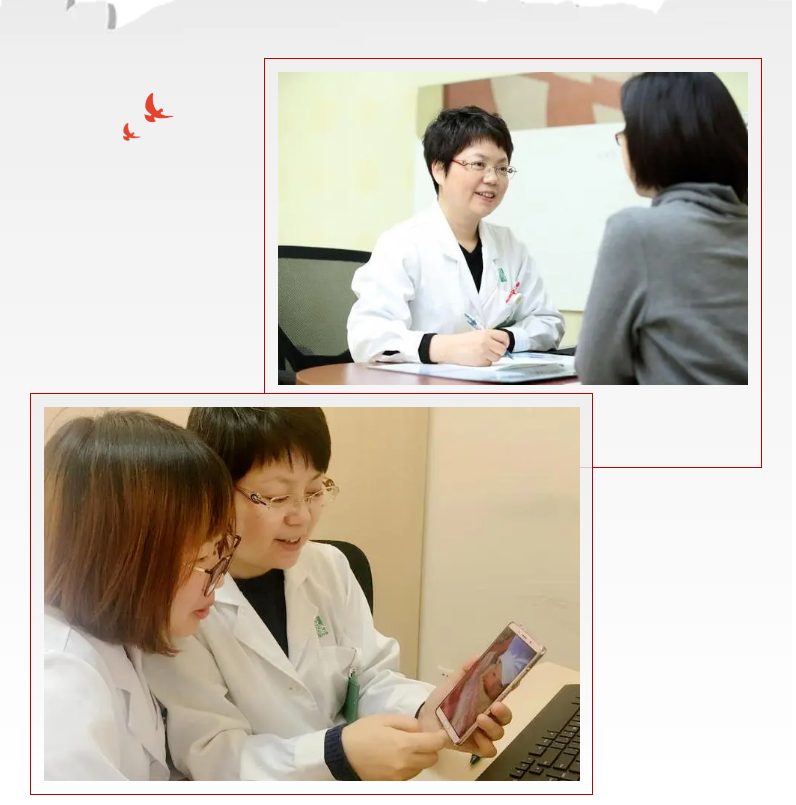
To her many young patients and their families, Dr. Bao Shihua is consistently warm and approachable, so much so that they affectionately call her "Mother Bao."
This connection likely stems not only from her exceptional clinical skill but, perhaps more profoundly, from her deep commitment to medical humanities and her outstanding talent for translating complex science into accessible understanding.
For Dr. Bao Shihua, the core principles of effective medical science communication are professionalism, accuracy, clarity, accessibility, and a touch of human warmth. She also emphasises that this work must be systematic and structured.
There was a time when progesterone was the default medication prescribed to prevent miscarriage. Today, both doctors and patients understand it is not the only option. Advances in screening for underlying causes have led to the gradual acceptance of previously overlooked treatments, such as immunomodulatory and anticoagulant therapies.
"I was the first doctor in our hospital to use immunomodulatory and anticoagulant drugs for miscarriage prevention," says Dr. Bao. "At the time, I recognised that many patients held outdated views which needed to be gently challenged. My science communication began right there, from within my own clinical expertise."
Patients who have suffered miscarriage often feel lost during consultations, unsure of what tests they need. Dr. Bao started by providing them with a clear checklist to demystify the diagnostic process. Simultaneously, she posted public service articles online addressing questions like, "What tests are needed for recurrent miscarriage?"
"I outlined potential causes—genetic, immunological, endocrine, and infectious—and shared this on high-traffic public platforms," she explains. "I provided clear guidance on what tests to do and when. This helped patients grasp the basics: the ‘what,’ ‘when,’ and ‘where’ of their diagnosis. I then built on this by communicating about treatment pathways—how to address genetic factors, manage immune issues, and so on. This gave patients a framework for understanding their next steps."
Over time, these new concepts gained acceptance. Dr. Bao’s clinic, which began with just ten patients, grew steadily to twenty, and then many more. Today, it often sees over a hundred patients a day, with appointments booked up to two months in advance.
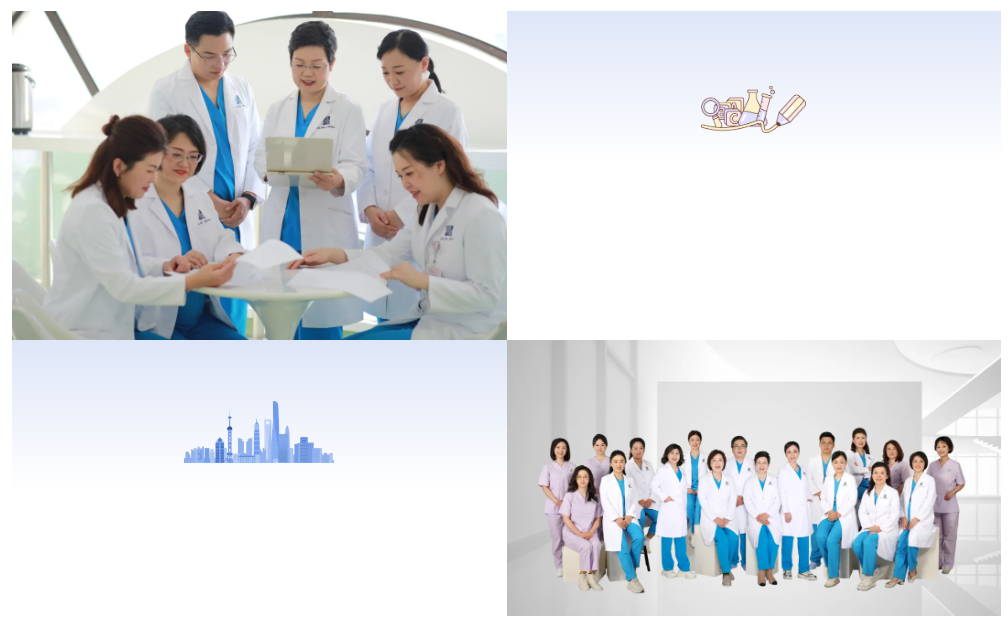
"At our busiest, I could no longer manage alone," she recalls. "We formed a team and established a dedicated Reproductive Immunology Department, implementing a tiered care system: attending physicians handle standard cases, while specialists tackle more complex ones. Gradually, we built a team of ten doctors."
That department now handles approximately 100,000 patient consultations annually. While the process of science communication is arduous, Dr. Bao’s approach has successfully conveyed accurate medical knowledge to a vast number of patients, empowering them to better understand and manage conditions like recurrent miscarriage. To her, this is the true power of effective science communication.

Eleven Years in the Same Boat: Navigating the Storm
"In 2018, I published an article called ‘This "Killer" Is a Bit Cold,’" Dr. Bao shares with a smile. "It told the story of a patient who spent eight heartbreaking years trying to have a child, with the cause of her recurrent miscarriages remaining a mystery. Finally, by meticulously tracing the history of her embryos, we identified and confirmed the ‘culprit.’ In October 2023, she finally held her own healthy baby in her arms."
To Dr. Bao Shihua, this patient’s journey resembled a long-running, heartbreaking television drama. She had endured two miscarriages and two biochemical pregnancies before coming to Shanghai First Maternity and Infant Hospital in 2012 to seek Dr. Bao’s help. Yet her path remained fraught with difficulty.
Her first pregnancy ended in a missed miscarriage at 77 days in 2010. No chromosomal testing was performed on the embryo at the time, and the loss was dismissed as an unfortunate accident.
In June 2011, she conceived again, only to experience a biochemical pregnancy with a β-HCG level of just 17 mIU/mL.
A third attempt in December 2011 resulted in another biochemical pregnancy (β-HCG 24.92 mIU/mL). Still lacking a clear understanding of her situation, doctors only ran basic etiological tests. Standard chromosomal screening for the couple returned normal results.
During her fourth pregnancy in 2012, her β-HCG reached 11,446 mIU/mL at around 60 days, but ultrasound revealed only an empty gestational sac with no fetal heartbeat. After a dilation and curettage procedure, chromosomal testing of the embryo failed because it had been deceased in the uterus for too long.
Later in 2012, at Dr. Bao’s hospital, tests revealed persistently positive anti-β2-glycoprotein I antibodies. Combined with her history, this led to a diagnosis of antiphospholipid syndrome, and she began systematic treatment. Despite this, she suffered six consecutive biochemical pregnancies—none advanced far enough to allow embryonic chromosomal testing.
In 2014, for her eleventh pregnancy, she sought care at another hospital where her medication dosage was increased. Her β-HCG plateaued around 9,444 mIU/mL. A fetal heartbeat flickered briefly before disappearing again.
“By then, she was disheartened and in despair,” Dr. Bao recalled. “She even passed on the chance for embryonic chromosomal testing.”
For her twelfth attempt in 2015, the patient switched hospitals once more and received more aggressive treatment. Yet with a β-HCG value of only 238 mIU/mL, she miscarried again.
“She was skeptical of the repeated explanation that ‘poor embryo quality’ was to blame, especially since both she and her husband had normal chromosomes,” said Dr. Bao. “She strongly suspected the diagnostic work-up was incomplete and the medication insufficient. We both wrestled with the same painful question: Where was the root of the problem?”
After a long consultation, Dr. Bao suggested Preimplantation Genetic Screening (PGS) with third-generation IVF. At the time, however, no reproductive center would accept her case—again, because the couple’s standard karyotypes were normal. The patient then disappeared from Dr. Bao’s care, though the doctor sensed she hadn’t given up hope of becoming a mother.
Three years later, the patient suddenly re-appeared with a message for Dr. Bao. She had pursued PGS in the United States. In 2017 and 2018, she underwent two egg retrieval cycles, collecting 11 eggs in total. Eight were fertilized, and six developed into blastocysts. Genetic testing revealed all six had chromosomal abnormalities.
It was another devastating blow. Yet, in those six abnormal results, Dr. Bao spotted a critical clue. She insisted the couple undergo re-testing using high-resolution karyotyping. The results confirmed her suspicion: the patient was a carrier of a balanced chromosomal translocation. The hidden culprit behind years of loss had finally been uncovered.
She had never successfully developed a normal embryo. Just as she was on the verge of abandoning hope of conceiving, in 2023, this patient unexpectedly became pregnant. At that time, all her antiphospholipid antibody tests were negative.
"With her consent, I did not prescribe any medication to prevent miscarriage. During her first trimester, working alongside a genetics specialist, we used the latest technology for testing and preliminarily determined that the chromosomal karyotype of the fetus—from her thirteenth pregnancy—appeared normal. In October 2023, she gave birth successfully. Further verification using cord blood confirmed her baby was indeed healthy. The story, at last, had a joyful ending."
This mother’s case was included in Dr. Bao Shihua’s collection of patient stories.
"Her underlying condition was a balanced chromosomal translocation. In the past, for various reasons, she had missed opportunities to test the chromosomal status of her miscarried embryos, which had obscured the truth. With advances in medical testing, doctors are now able to identify more and more causes of miscarriage. Technological progress provides us with insightful eyes. Following her journey, aside from feeling moved and excited, I also saw how crucial it is to pinpoint the exact cause. Only by clarifying the cause can a treatment plan be made truly precise."

/ Interview Transcript /
ShanghaiDoctor.cn: First, congratulations on being named one of the Top 100 Influential Figures in Personal Health Science Communication! This is a remarkable achievement. Could you share your perspective on the role of social media and the internet in medical science communication? After a decade in this field, what changes and differences have you observed over these ten years?
Dr. Bao Shihua: Thank you! In truth, I never considered what level of influence I might achieve, nor did I engage in science communication for awards. My motivation has always been purely to help our patients and doctors—that is the sole purpose. Being included in the Top 100 list was completely unexpected for me.
Ten years ago, science communication was primarily text-based, and there were very few platforms for disseminating medical knowledge. My only channel at the time was the Haodf Doctor Online platform. Today, the landscape has changed dramatically—there are far more channels available for releasing reliable content. We launched the WeChat public account for the "Reproductive Immunology Department at Shanghai First Maternity and Infant Hospital" in 2015, and I started my personal public account in 2017.
Now, with new media platforms like Douyin (TikTok) and Xiaohongshu, we have begun to explore these spaces and produce some video content. However, I must emphasize that what we produce is rigorously vetted; our goal is to spread accurate information and knowledge.
I believe social media and the internet play an essential role in medical science communication. They greatly expand the reach of reliable information, allowing more people to access trustworthy medical knowledge.
ShanghaiDoctor.cn: Please share some of the achievements and milestones you have reached in medical science communication in recent years.
Dr. Bao Shihua: According to data from the Haodf platform, I have provided one-on-one consultations to approximately 29,000 individuals. This figure refers specifically to direct consultations and does not include the readership of my published articles. Our clinic sees around four to five hundred patients daily, while our public account reaches an audience of over one hundred thousand—a substantial reach by any measure.
While I haven’t tracked the precise click-through rates for every article, I estimate that the number of people directly or indirectly reached by my public health education work likely extends into the tens of millions. This is because, in addition to academic lectures within the medical field, we engage in widespread public outreach through patient groups. We also collaborate with various enterprises, institutions, television networks, newspapers, the Xinhua Health Network, and Shanghai-based science communication organizations such as "Wangjiangyi," "Chuangying Weilai," and "Daka Shuo Jiankang," contributing to related programming.
These efforts represent some of the outcomes of my work in public science communication. By engaging with diverse audiences, I am able to share medical knowledge more widely, helping people better understand and manage their health. This remains my overarching goal.
ShanghaiDoctor.cn: Why Does Women’s Health Require Lifelong Management?
Dr. Bao Shihua: Women experience distinct life stages: infancy, childhood, adolescence, reproductive years, perimenopause, and old age. Each phase carries its own potential health concerns. For example, childhood may bring issues like precocious puberty; adolescence can involve menstrual disorders; the reproductive years may include fertility challenges; and the menopausal transition increases risks for osteoporosis and cardiovascular disease. Each of these requires timely diagnosis and intervention.
With rising rates of precocious puberty, delayed menstruation, or prolonged bleeding in adolescents, we no longer rely solely on hormonal treatments. Instead, we seek to identify and address the root causes. During the reproductive years, conditions such as ovulation disorders, polycystic ovary syndrome, and obesity can disrupt menstrual cycles and affect fertility. Our treatment aims extend beyond cycle regulation and fertility support—we follow a patient’s "lifelong health journey." This involves integrating medication with exercise, nutrition, and psychological support to mitigate long-term health risks.
Given the trend of population aging, it is estimated that by 2030, China will have 280 million women over the age of 50. More than half of them are expected to experience menopausal symptoms or related conditions, such as osteoporosis, cardiovascular and cerebrovascular diseases, and hypertension.
As an obstetrician and gynecologist, safeguarding women’s health throughout their entire lifespan is a significant and enduring responsibility.
ShanghaiDoctor.cn: What Are Your Future Plans for Public Science Communication?
Dr. Bao Shihua: First, I aim to develop my public health education into a coherent series, rather than offering isolated pieces of information. By connecting different topics organically, I hope to build a structured and accessible body of knowledge—one that is both engaging and easy for the general public to understand.
Additionally, I plan to publish science communication content in a variety of formats—including e-books, images, videos, and audio—to make the best use of different tools for dissemination. I believe these diverse media can present and share medical knowledge in a more vivid and accessible way. I will also work to broaden the channels through which this content reaches the public, helping more people gain access to reliable medical information.
Ultimately, I see this as a long-term endeavour. My future work in science communication will represent the culmination of years of effort. I am committed to continually refining my approach, improving my skills, and raising my standards, all to provide valuable, easy-to-understand scientific and medical knowledge. My hope is that this will empower more individuals to benefit from it and take better care of their own health.
ShanghaiDoctor.cn: Your prose is exceptionally elegant. Do you have any plans to publish a new book soon?
Dr. Bao Shihua: Thank you for your kind words! I am currently in discussions with a publisher and plan to release a collection featuring medical science communication, stories from the clinic, and personal essays, totalling approximately 432,000 words. Among these are two earlier prose pieces, "This Rose" and "Solitary Admiration." They were inspired by seeing a rose floating on the water near West Lake and by a beautiful scene along Yan'an West Road. These articles reflect on the beauty and resilience of the rose, which led me to contemplate life and existence. They also brought to mind the determination of patients who travel from afar for treatment. Like roses, they endure life’s storms yet still manage to smile serenely and bloom with strength. And as a doctor, how could I not strive to help these roses bloom even more beautifully?
Editor: Chen Qing @ShanghaiDoctor.cn
If you need any help from Dr. Bao, Please be free to contact us at Chenqing@ShanghaiDoctor.cn
Dr. Wang Xudong | Craniomaxillofacial Surgery, and Years Written into Chapters
Wang Xiaoning | Operating Room Nursing, and a Grace Like the Orchid
Dr. Li Guichao | Radiation Oncology, and a Peach Blossom Spring in the Heart
Dr. Lu Yanan | Pediatric Heart Surgery, and Feeling Another’s Pain as One’s Own
Dr. Chen Sun | Newborn Heart Intervention, and Staying Young Enough to Be Moved
Dr. Wu Yurong | Fetal Echocardiography, and Kindness as Part of the Job
Dr. Li Dawei | Sphincter-Saving Surgery, and the Operation That Fits the Patient
Dr. Zhang Jian | Laparoscopy, and the Hearth Fires of Ordinary Life
Dr.Sun Jing | Fertility-Sparing Surgery, and a Future Already Here
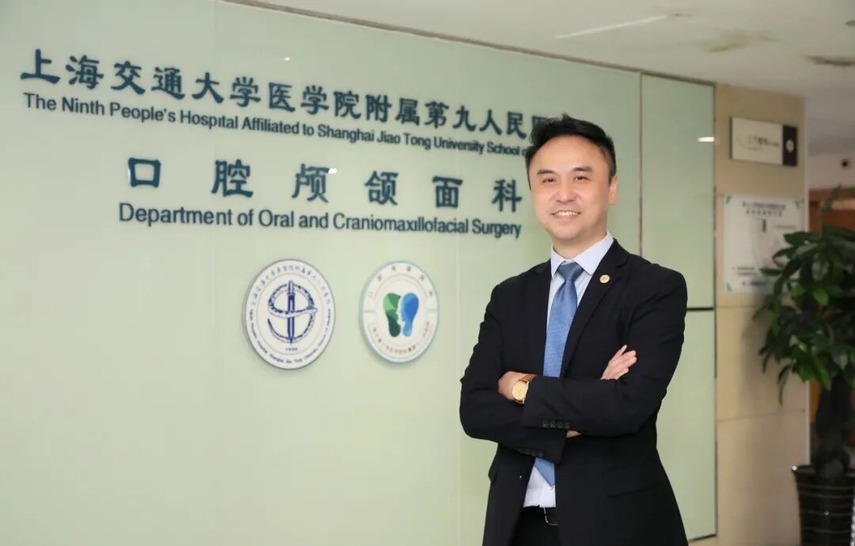
Dr. Wang Xudong | Craniomaxillofacial Surgery, and Years Written into Chapters
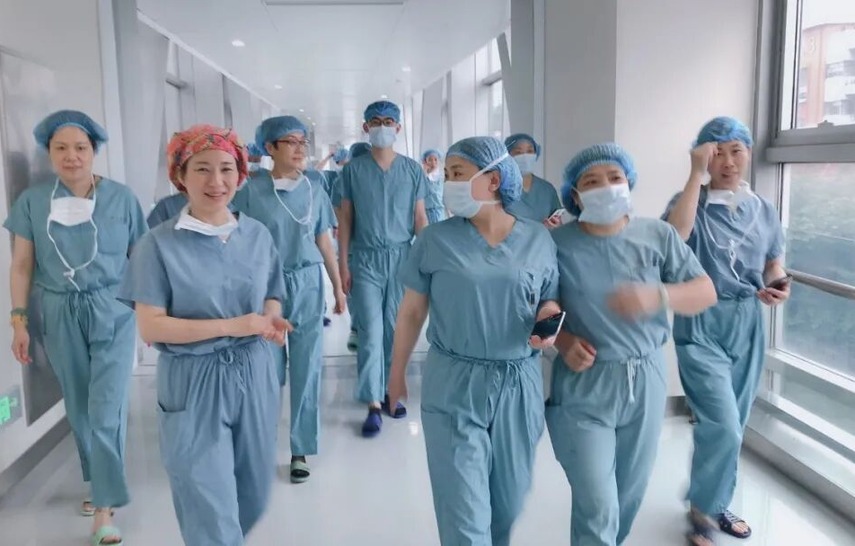
Wang Xiaoning | Operating Room Nursing, and a Grace Like the Orchid
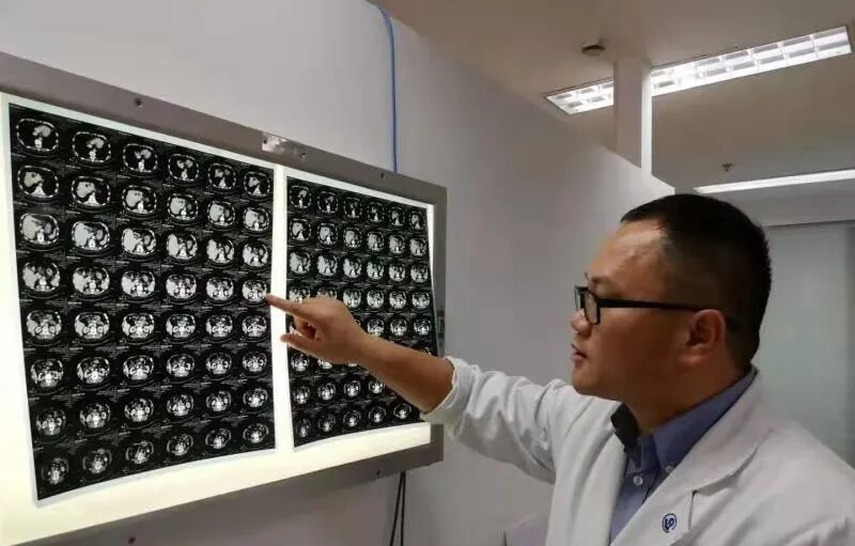
Dr. Li Guichao | Radiation Oncology, and a Peach Blossom Spring in the Heart
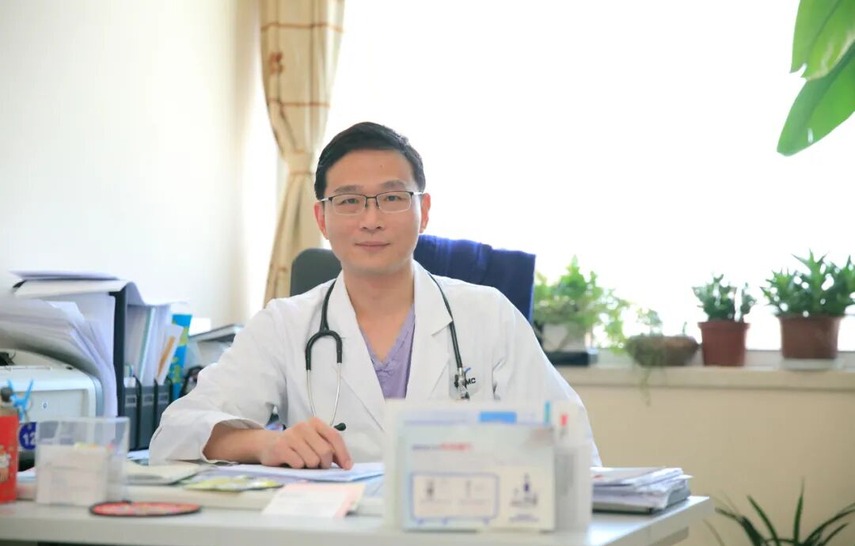
Dr. Lu Yanan | Pediatric Heart Surgery, and Feeling Another’s Pain as One’s Own
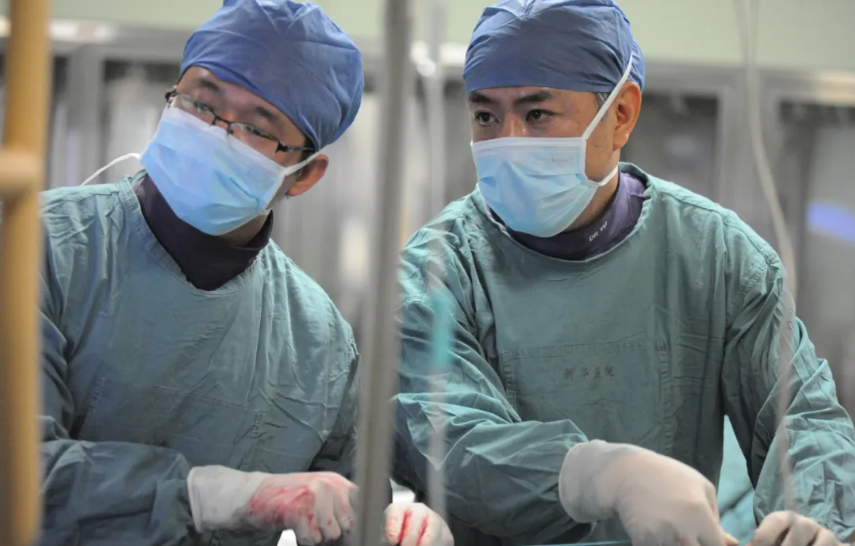
Dr. Chen Sun | Newborn Heart Intervention, and Staying Young Enough to Be Moved
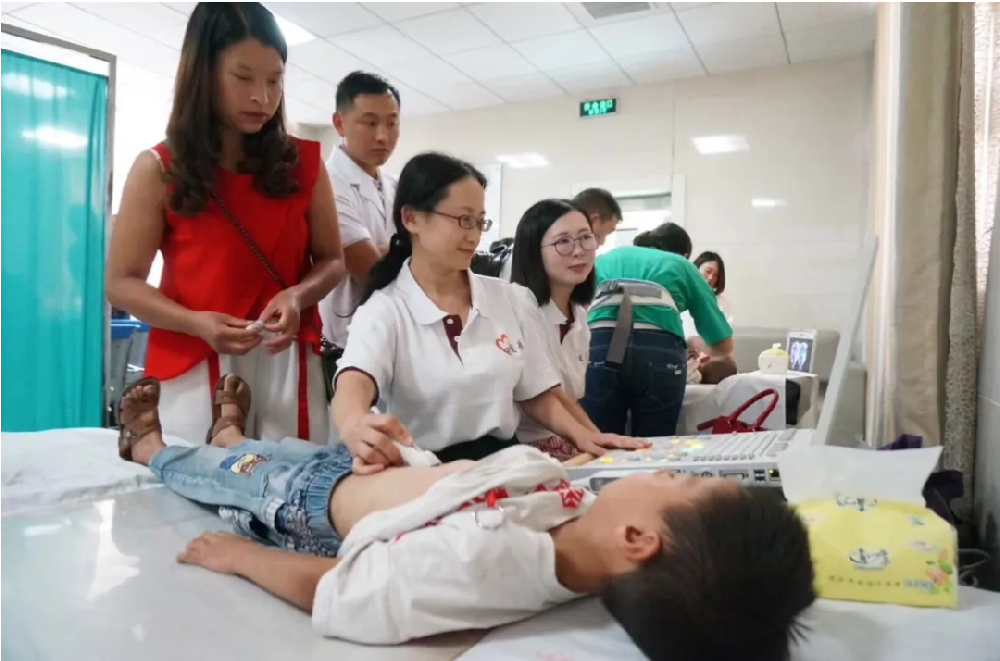
Dr. Wu Yurong | Fetal Echocardiography, and Kindness as Part of the Job
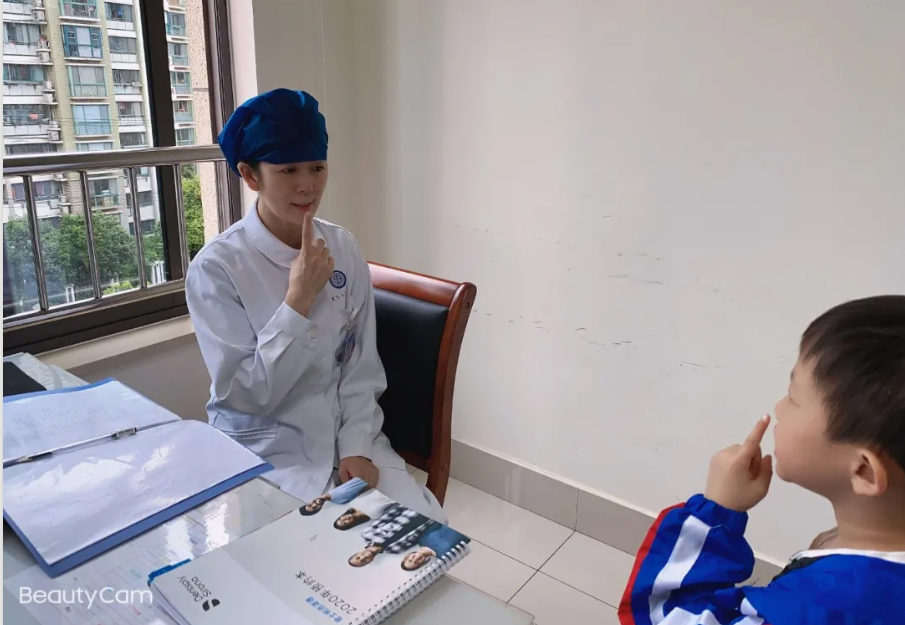
Jiang Liping | Speech Therapy, and the Lamp She Carries
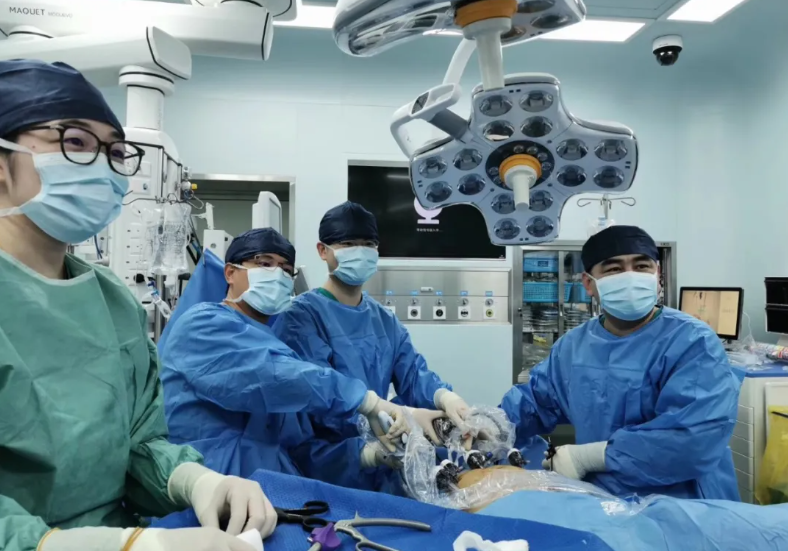
Dr. Li Dawei | Sphincter-Saving Surgery, and the Operation That Fits the Patient
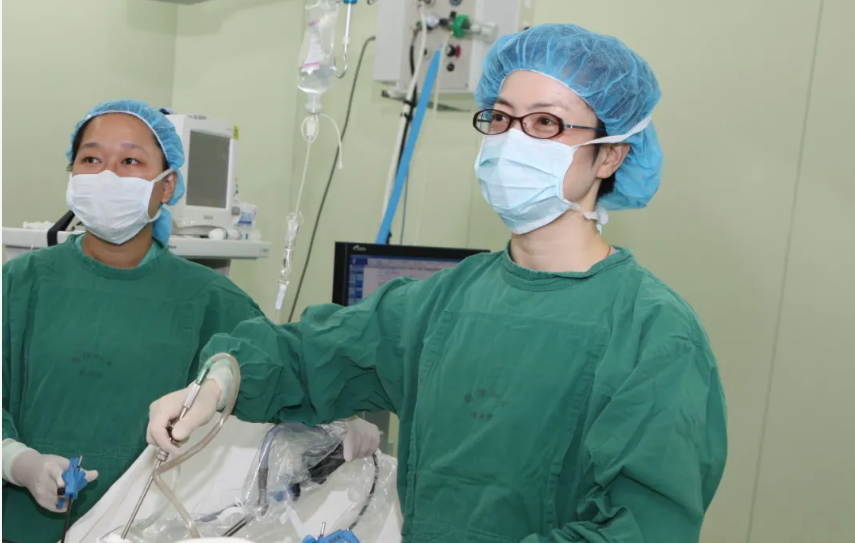
Dr. Zhang Jian | Laparoscopy, and the Hearth Fires of Ordinary Life
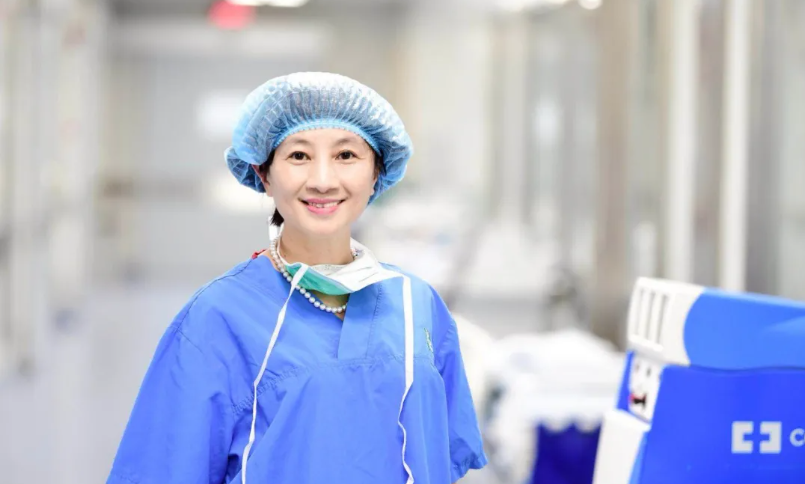
Dr.Sun Jing | Fertility-Sparing Surgery, and a Future Already Here
Copyright © 2023 Yewen Renyi & ShanghaiDoctor.cn (This website is a non - profit medical humanities platform. The information contained herein is solely for biographical and historical purposes and does not constitute any medical advice.) 沪ICP备2023005392号-2 XML 沪公网安备31010902100835号
 中文
中文 English
 Español
 沪公网安备31010902100835号