ShanghaiDoctor - Where China's Healing Wisdom Shapes Modern Medicine

Update time:2026-02-08Visits:3698
Profile
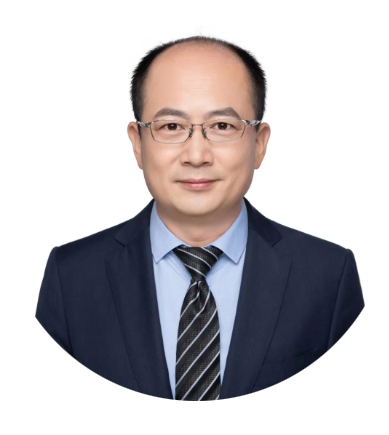
Zou Shien, MD, PhD, Chief Physician, Master’s Supervisor.
Introduction
Dr. Zou Shien is a Chief Physician and Deputy Director of the Department of Gynecological Endocrinology and Reproductive Medicine at the Obstetrics and Gynecology Hospital of Fudan University. As a clinical academic and master’s supervisor, he combines frontline patient care with rigorous research.
He has led five national and provincial-level research projects and has authored or co-authored more than 20 papers in prominent SCI-indexed and Chinese core medical journals.
Beyond the hospital, Dr. Zou is the creator of the influential digital health platform “Brother En’s Health Talk,” which has amassed over 8 million followers across social media and established him as a leading voice in public health communication.
Specialties
Dr. Zou specializes in diagnosing and treating ovarian dysfunction, including polycystic ovary syndrome (PCOS), premature ovarian insufficiency, menopausal disorders, infertility, and menstrual conditions. He is highly skilled in minimally invasive single-port and traditional laparoscopic surgeries for gynecological conditions such as uterine fibroids, ovarian cysts, adenomyosis, and cervical cancer.
First-Person Narrative
Gynecological health concerns are a profound burden for countless women, often intertwined with complex psychological dimensions. This is especially true for menopausal women, whose emotional distress can be as debilitating as any physical symptom. These issues are not merely medical—they reflect deeper societal currents.
With two decades of dedication to gynecology, I have focused much of my career on understanding the menopausal transition. It is a pursuit that demands clinical rigour, empathy, and perseverance, and it has led me to help develop a distinct subspecialty in this field.
Some gynecological conditions are like silent shadows—present but unnoticed, subtly undermining a woman’s wellbeing over time. Others arrive with the force of a sudden gale, violently disrupting both body and mind and leaving a profound, lasting impact.
My commitment to women’s health, therefore, extends beyond the clinic into the realm of public education and social support—a mission that led to my online persona, “Brother En.” I initially wondered if there was enough to say about common conditions, but I learned that fresh perspectives in public communication can reach diverse audiences and help more people. Today, our community numbers in the millions. In the midst of busy urban life, this platform serves as both a personal health companion and a reliable guide. It offers tailored advice, emphasises proactive health management, and empowers women with the knowledge to care for themselves, adjust their lifestyles, and seek appropriate care. Through this work, we add a stronger, brighter thread to the fabric of women’s health.
1. The Path to Medicine
My journey began in Fuqing, a serene and picturesque city in Fujian province.
Though my family included few doctors, my grandfather—a humorous and wise man—often told me, “Medicine is a worthy path, my boy. It heals the sick and saves lives.” Perhaps it was these words that planted the first seed of a medical calling in my heart. Over time, that seed quietly began to sprout.
As a child, I loved tinkering with small toys and objects. I would take them apart and reassemble them with ease, and in doing so, I first discovered my confidence in working with my hands.
In middle school, I developed a love of reading and an almost insatiable curiosity for science. Excelling in my studies, I naturally chose medicine as my path for higher education.
I still remember the thrill of opening my acceptance letter from Sun Yat-sen University of Medical Sciences in Guangzhou. Moving there was more than the start of a new chapter—it was an entrance to a new world. During my studies, I specialized in maternal and child health, and along the way, grew deeply fascinated by the earliest stages of human life. Here, learning was no longer confined to textbooks; it became intertwined with the real practice of healing.
My outstanding academic record earned the respect of my teachers. Under normal circumstances, a postgraduate recommendation would have been my next step. However, due to limitations in my specialization, maternal and child health graduates could only be recommended for postgraduate studies in basic medical sciences. This left me somewhat disappointed, but it also fueled my determination to pursue advanced clinical training.
So I returned to my hometown and devoted a full year to preparing for the postgraduate entrance examinations.
It was a year of quiet focus and preparation. Beyond my studies, I often walked the familiar paths of my hometown, my mind filled with dreams of what lay ahead. In the end, I overcame this challenge and was admitted to one of China’s top obstetrics and gynecology hospitals—the Obstetrics and Gynecology Hospital affiliated with Fudan University. It marked a fresh beginning in my medical journey.
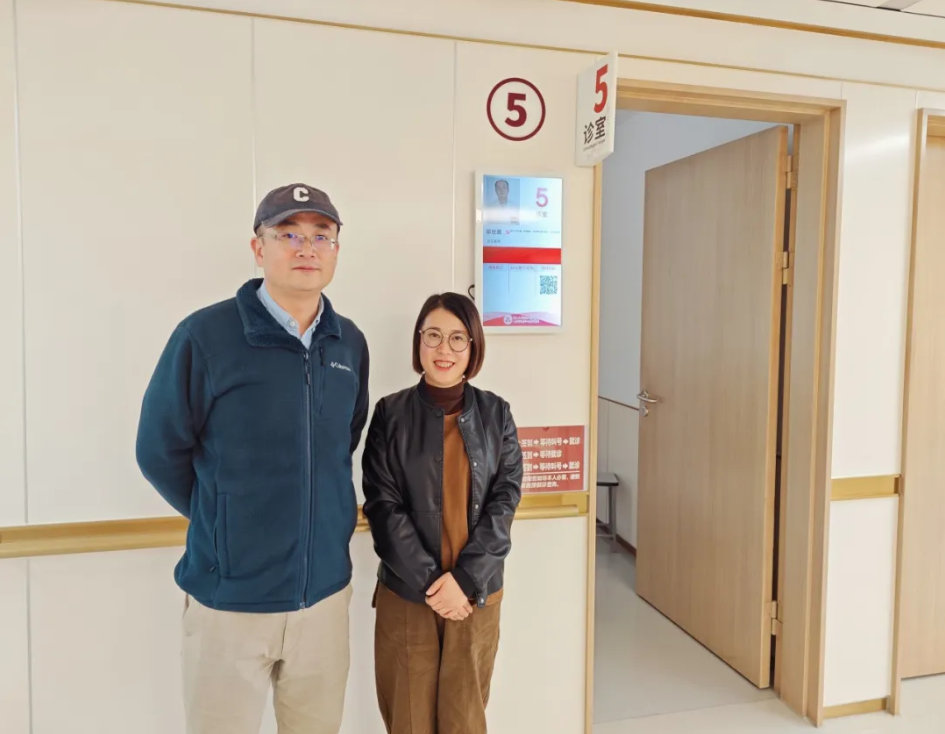
There, I met Professor Zhang Shaofen.
A leading expert in obstetrics and gynecology, Professor Zhang has deep expertise in gynecological reproductive endocrinology, endometriosis, adenomyosis, abnormal uterine bleeding, reproductive tract anomalies, gynecological tumors, perimenopausal syndrome, and women’s health. She has dedicated her career to both clinical practice and research.
Her rigor and dedication left a lasting impression on me. Under Professor Zhang’s guidance, I gradually found my academic focus and began clinical work and research in menopausal health. As my knowledge deepened and my clinical experience grew, I began to feel the profound fulfillment that comes from practicing medicine. Each time I saw hope or a smile restored to a patient, it became a treasured part of my life. I came to understand that medicine is more than a profession—it is a deeply human connection and a guardian of life itself.
After beginning my career in obstetrics and gynaecology, I later chose to specialise in menopause management. Menopause is a significant phase in a woman’s life and is increasingly recognised as such. Here in China, dedicated menopause clinics are being actively promoted, and a growing number of middle‑aged and older women are paying closer attention to their health and wellbeing during this transition.
While menopause is a natural stage, many women experience symptoms that require medical support and care. In China alone, there are between 200 and 300 million menopausal women. For a considerable number, symptoms such as emotional volatility can affect both their professional and family lives. Effective menopause management therefore contributes not only to personal wellbeing but also to family harmony and workplace productivity. Furthermore, the physiological changes during menopause are linked to longer‑term health concerns, including cardiovascular disease, osteoporosis, and cognitive decline.
The good news is that treatments are available—such as menopausal hormone therapy (MHT). However, MHT has long been a subject of debate. A well‑known turning point came in 2002, when an interim report from a major U.S. clinical study suggested that MHT could increase the risks of breast cancer and cardiovascular events. As a result, its use declined sharply worldwide. Later research, however, provided new evidence indicating that starting MHT early in the menopausal transition may offer better outcomes and could reduce certain risks. Women experiencing severe menopausal symptoms are encouraged to discuss their situation openly with their doctor to find a suitable approach.
Focusing on Health, Committed to Science Communication
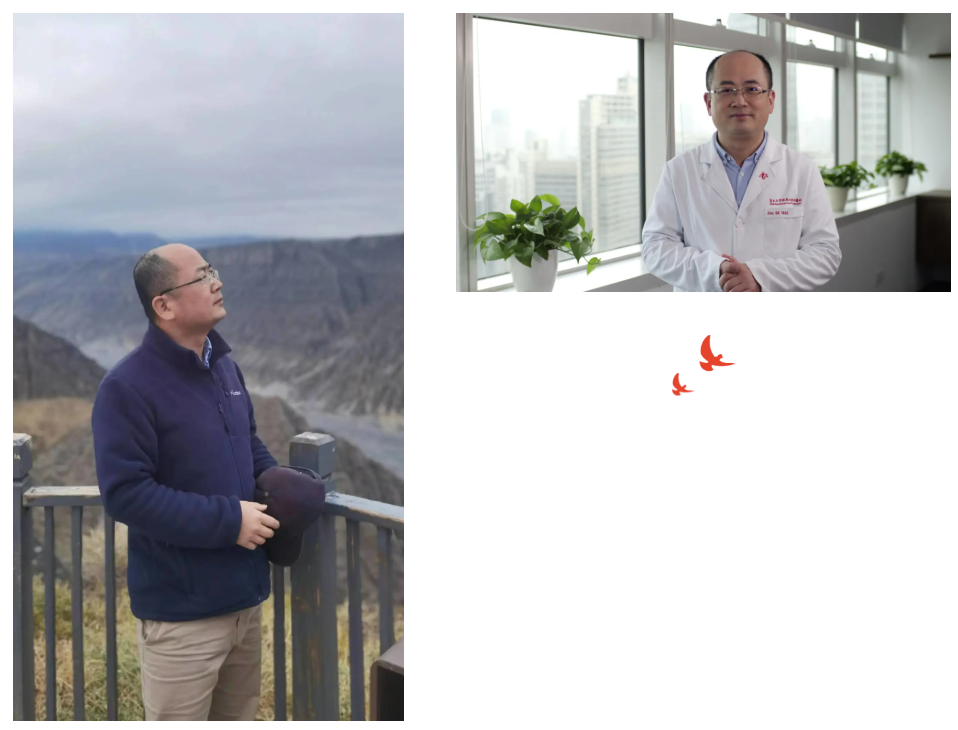
Dr. Zou Shien recently ranked first in the comprehensive “Shanghai Healthcare Professionals Health Science Communication Influence Index,” a recognition built on years of dedicated effort.
His interest in public science communication began during his university years, when he noticed widespread medical misinformation. Concerned by the lack of rigor in much available health content, he even filed formal complaints on occasion. Eventually, he decided the most constructive approach was to produce reliable medical explanations himself. While still a student, he began writing popular science articles on the university forum, which quickly gained a following.
“I started continuous science outreach on new media platforms around 2015, initially sharing articles via a public account. Then, during the pandemic, my colleagues and I took turns creating content to help the public understand obstetrics and gynaecology‑related health issues. Health authorities were encouraging doctors to use platforms like Douyin and Kuaishou for science communication, and our hospital leadership was very supportive.”
As a clinician, Dr. Zou understands that trust is the cornerstone of the doctor‑patient relationship—and it is equally vital for the credibility of health articles and videos. That is why he places such emphasis on both content quality and genuine engagement with his audience.
Zou Shien’s public science platform is called “Brother En’s Health Chat.” At first, the team published relatively infrequently, prioritising quality over quantity due to time constraints. To broaden its reach, Zou later partnered with several like-minded health-focused platforms and gradually adopted a range of effective science communication techniques.
In creating content, Zou maintains a rigorous, evidence-based approach. Occasionally, posts may address topics that invite debate. When experts offer constructive feedback, Zou responds with humility and promptly refines the scientific content.
“As short-form video has become part of everyday life, audience attention has shifted. To reach more people today, we need to embrace new media formats while continuing to produce traditional written content. Using multiple channels allows us to connect with different audiences and makes science communication more varied and impactful.”
In Zou’s view, gynaecology has seen many recent advances, with new methods and concepts coming into widespread use. These developments need to be clearly explained to the public.
“With advances in medical technology, modern medicine increasingly emphasises holistic care and patients’ quality of life, avoiding unnecessary surgery wherever possible. Even in cancer treatment, minimally invasive approaches are now preferred. For early-stage cancers, operations are becoming smaller and more targeted, reducing physical impact while improving cure rates and long-term wellbeing.”
Medical practice is now shifting toward prevention—intervening earlier to reduce disease incidence through proactive measures. This includes public health education, regular screenings, and following medical guidance on medication or lifestyle adjustments. In gynaecology, maintaining personal hygiene and having regular check-ups and screenings are especially important.
“Take polycystic ovary syndrome (PCOS) as an example. Its causes are complex, involving genetic factors, insulin resistance, elevated androgen levels, and impaired follicle development. Some research suggests PCOS is a systemic metabolic condition that can affect multiple organs, not just the reproductive system. Key diagnostic steps include assessing menstrual regularity, ovulation patterns, and symptoms like acne or excess hair. Ultrasound may show multiple small follicles on the ovaries, and blood tests can measure androgen levels. Yet many patients are unaware of these basic facts.”
Through science communication, Zou Shien hopes to raise awareness that modern medicine promotes an integrated approach to women’s health—combining prevention, early detection, and timely treatment. Every woman, he stresses, should prioritise gynaecological prevention and screening so that potential issues can be identified early, treated effectively, and long-term health preserved.
It is important to emphasise that while many gynaecological conditions are treatable today, rapid and accurate diagnosis followed by timely intervention remain critical. Delaying treatment not only allows the condition to worsen but can also lead to further complications, increasing the patient’s suffering and the overall cost of care. Therefore, any unusual symptoms or concerns identified during routine examinations should be promptly addressed by a medical professional.
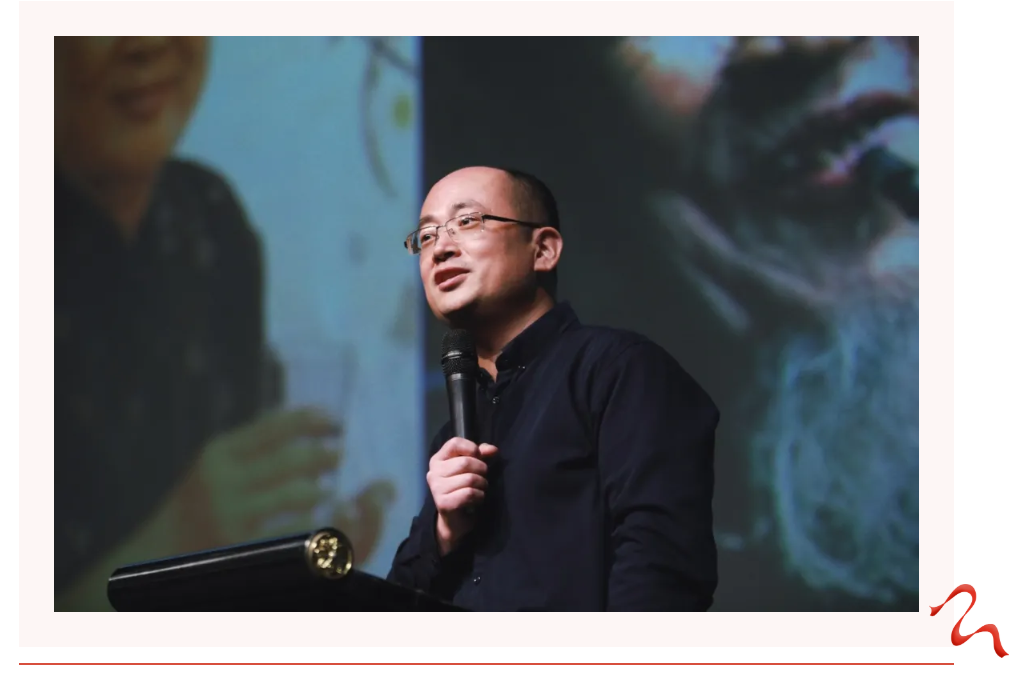
3. Bridging the Distance: Fostering a Harmonious Doctor-Patient Relationship
Over the years, Zou Shien’s dedication to public science communication has been like sowing seeds in fertile ground. It requires time and patience, but the eventual harvest has brought him profound satisfaction. He firmly believes that when doctors engage in science communication, they do more than raise the profile of their hospital—they build a vital bridge between clinicians and patients. This process helps patients understand their conditions and learn how to communicate effectively with their doctors.
Reflecting on the early days of leading his team and starting his specialist clinic, Zou Shien recalls an almost empty consultation room and a department in need of growth. He was puzzled: given the same medical conditions and the same level of expertise, why weren’t patients choosing to come? Confronted with this reality, he began to consider how to earn patients’ understanding and trust.
Through persistent effort, the reach of Zou Shien’s science communication grew steadily. In time, long queues began to form outside his consultation room. He felt the power of this outreach firsthand, and what surprised him even more was that many patients now arrived for appointments already well-informed, having researched their conditions extensively online.
"Since more patients have begun following my account, I’ve had much more interaction with them both online and offline. Many leave comments on our media platforms. When some come to the clinic, our communication is particularly smooth because they’ve watched my videos. They see me more as a friend by their side, which also greatly improves our department’s diagnostic and treatment efficiency."
On one occasion, before Zou Shien could even detail the procedure for an upcoming ovarian cyst surgery, a patient told him she had already learned everything she needed from his online content. She firmly expressed her intention to follow the expert’s advice and proceed with surgery as soon as possible. Such interactions have significantly streamlined his consultations and reduced repetitive explanations.
Now, both inside and outside the hospital, online and off, the name "Brother En" has gained recognition among patient communities. Initially, Zou Shien never anticipated that science communication would have such a profound impact. The internet allows the voice of science to transcend physical space, amplifying its reach exponentially—and the results have far exceeded his early expectations.
As both a doctor and a teacher, Zou Shien often encourages his younger colleagues: "No matter how busy you are, you must make time for science communication. Even if you have to carve it out of a packed schedule, it is essential."
Science communication not only helps doctors build confidence and broaden their expertise, but also plays an invaluable role in helping patients understand their conditions, treatments, and the path to recovery. I will continue moving forward on this journey, sowing the seeds of scientific understanding to help every patient maintain the best possible health.
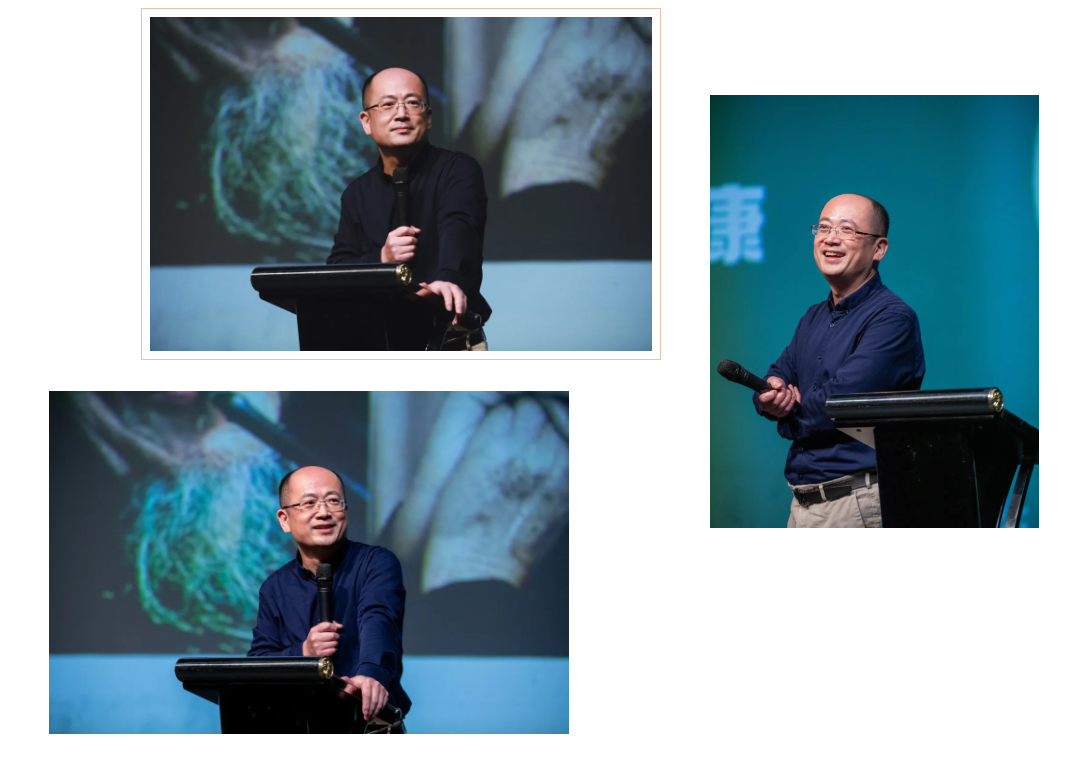

ShanghaiDoctor.cn: Could you briefly introduce some treatment or management methods for menopause?
DR. ZOU SHIEN Menopause is a significant stage in a woman’s physiological cycle, yet it is often either overlooked or met with excessive anxiety. Our science communication aims to raise awareness among those who are indifferent, while reassuring those who are overly concerned.
The classic indicators of perimenopause include changes in the menstrual cycle—such as two or three notable shifts within a year—along with symptoms like hot flashes and night sweats.
Typically, ovarian function declines around ages 49 to 50, though clinically we see variation: some women experience premature ovarian insufficiency in their twenties, while others retain fertility into their sixties. From a current medical perspective, appropriate hormone replacement therapy (HRT) can safely alleviate many menopausal symptoms. Using natural hormones at the lowest effective dose, properly managed HRT does not increase the risk of weight gain, nor does it raise the risk of cervical, endometrial, or ovarian cancers. The associated risk of breast cancer from long-term HRT is very small—statistically, a low-probability event.
ShanghaiDoctor.cn: In your research in gynecological endocrinology and reproductive medicine, what are some representative achievements?
DR. ZOU SHIEN During my postgraduate work, I focused on soy products and phytoestrogens, studying their mechanisms and effects on human physiology and diet. Our research concluded that phytoestrogens consumed in a normal diet do not have significant adverse effects and may even benefit breast tissue, cardiovascular health, and bones.
Currently, I am investigating the triggers of natural menopause, aiming to identify biological targets to better understand the process. My team is also studying the relationship between menopause and fat metabolism. While it was once thought that postmenopausal dyslipidemia was primarily due to estrogen deficiency, our findings suggest that follicle-stimulating hormone (FSH) may play a larger role in regulating lipid metabolism.
These insights are meaningful for gynecological endocrinology and reproductive medicine. By deepening our understanding of estrogen and related factors, we can better grasp the mechanisms behind various physiological and disease states, providing a scientific foundation for diagnosing and treating endocrine and reproductive health issues.
ShanghaiDoctor.cn: In the treatment of infertility, how do you assess the role of assisted reproductive technologies such as in vitro fertilization (IVF)?
DR. ZOU SHIEN Assisted reproductive technologies (ART), such as in vitro fertilization (IVF), have become a significant tool in treating infertility and helping individuals overcome fertility challenges. However, a balanced evaluation requires careful consideration of both their benefits and their limitations.
For many patients, ART can be the only path to parenthood. A common example is infertility caused by fallopian tube issues. Through IVF, embryos can be fertilised and cultivated outside the body before being transferred to the uterus, offering a viable route to pregnancy.
Age is another critical factor affecting fertility treatment success. These technologies can assist older women in overcoming age-related fertility decline, thereby improving their chances of conception.
Nevertheless, it is important to recognise that assisted reproductive technologies should not be used indiscriminately. Their application requires appropriate medical justification and should operate within a regulated framework. While they solve many fertility problems, the treatment process itself carries certain medical risks and financial costs.
Ethical and legal considerations must also be addressed. The advancement of ART has introduced complex challenges, such as those surrounding embryo selection, storage, and genetic privacy. Consequently, using these technologies necessitates a careful weighing of potential benefits against risks, with strict adherence to established ethical guidelines and legal regulations.
ShanghaiDoctor.cn:As a doctor, how do you balance work and personal life?
DR. ZOU SHIEN For a physician, maintaining a balance between work and personal life is essential for physical and mental well-being. My science communication work demands a portion of my time, so I must also allocate time effectively for research and clinical duties to ensure my professional development remains well-rounded. Mastering the techniques of science communication is a key part of this.
I am fortunate to have a very supportive family, especially my wife. When clinical responsibilities make me too busy, she steps in to manage many family duties, including childcare. Now, I make a conscious effort to reserve at least one weekend each month exclusively for my children. When I do find a spare moment, I often choose to simply lie down with a book, savouring those rare pockets of quiet leisure.
Editor: Chen Qing @ShanghaiDoctor.cn
If you need any help from Dr. Zou, Please be free to contact us at Chenqing@ShanghaiDoctor.cn
Dr. Wang Xudong | Craniomaxillofacial Surgery, and Years Written into Chapters
Wang Xiaoning | Operating Room Nursing, and a Grace Like the Orchid
Dr. Li Guichao | Radiation Oncology, and a Peach Blossom Spring in the Heart
Dr. Lu Yanan | Pediatric Heart Surgery, and Feeling Another’s Pain as One’s Own
Dr. Chen Sun | Newborn Heart Intervention, and Staying Young Enough to Be Moved
Dr. Wu Yurong | Fetal Echocardiography, and Kindness as Part of the Job
Dr. Li Dawei | Sphincter-Saving Surgery, and the Operation That Fits the Patient
Dr. Zhang Jian | Laparoscopy, and the Hearth Fires of Ordinary Life
Dr.Sun Jing | Fertility-Sparing Surgery, and a Future Already Here
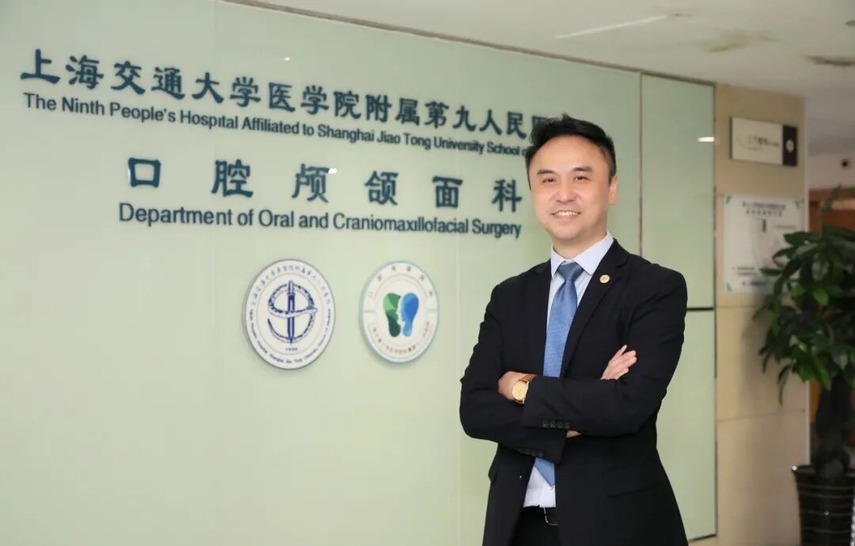
Dr. Wang Xudong | Craniomaxillofacial Surgery, and Years Written into Chapters
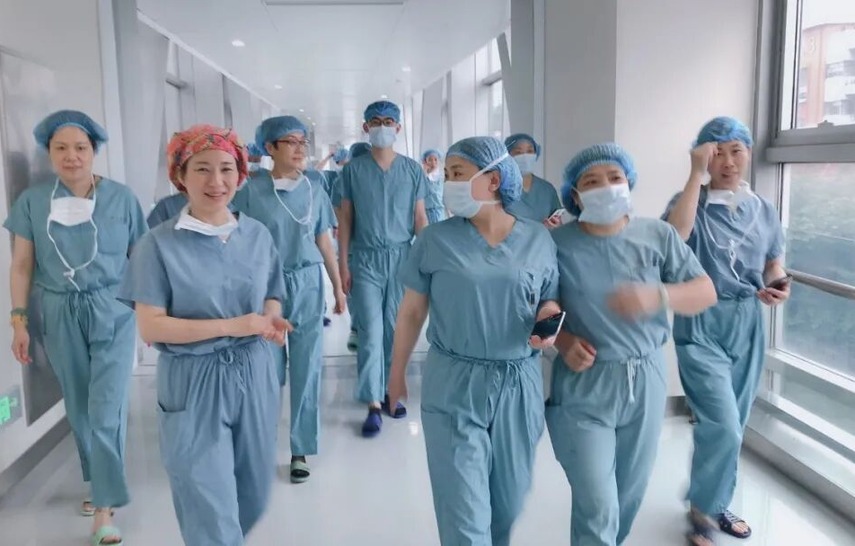
Wang Xiaoning | Operating Room Nursing, and a Grace Like the Orchid
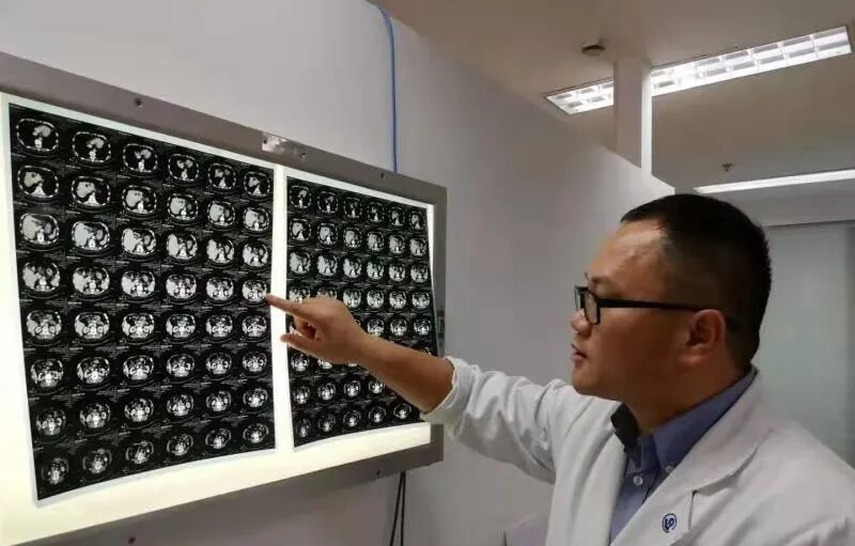
Dr. Li Guichao | Radiation Oncology, and a Peach Blossom Spring in the Heart
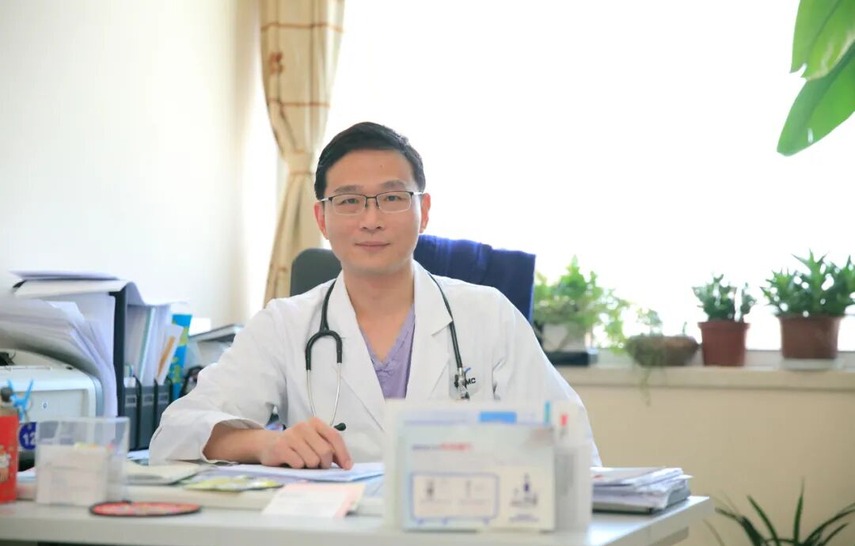
Dr. Lu Yanan | Pediatric Heart Surgery, and Feeling Another’s Pain as One’s Own
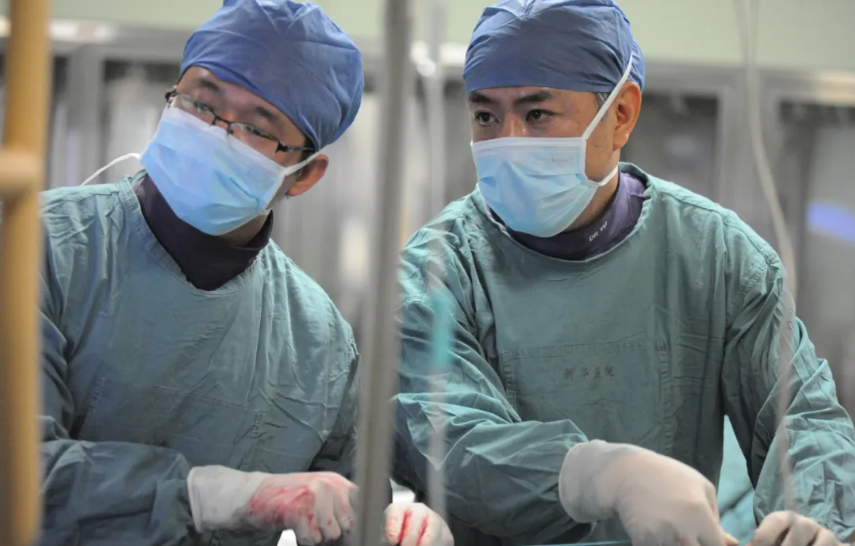
Dr. Chen Sun | Newborn Heart Intervention, and Staying Young Enough to Be Moved
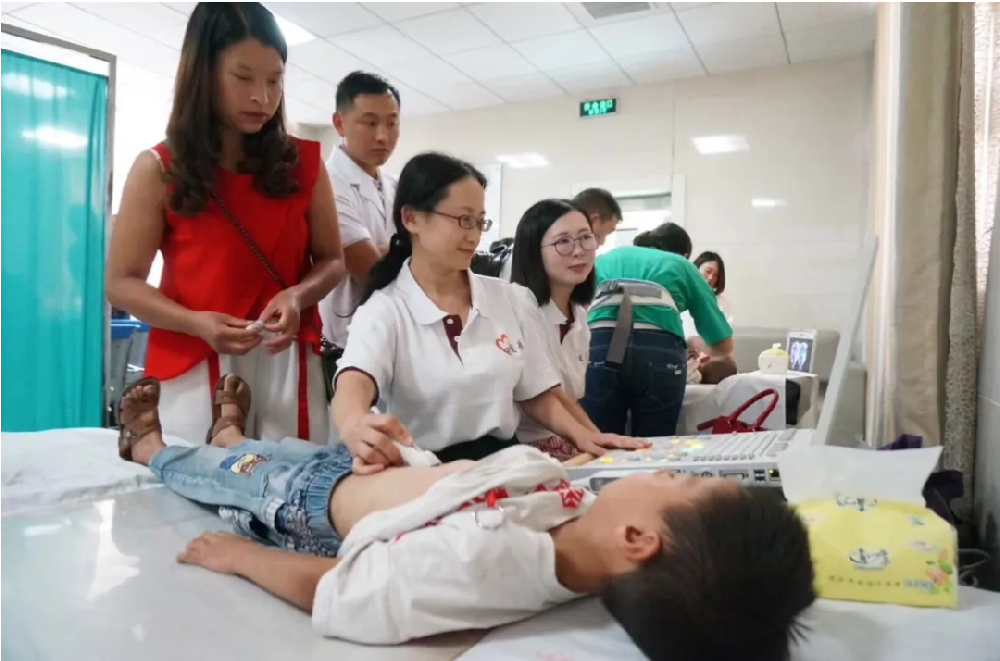
Dr. Wu Yurong | Fetal Echocardiography, and Kindness as Part of the Job
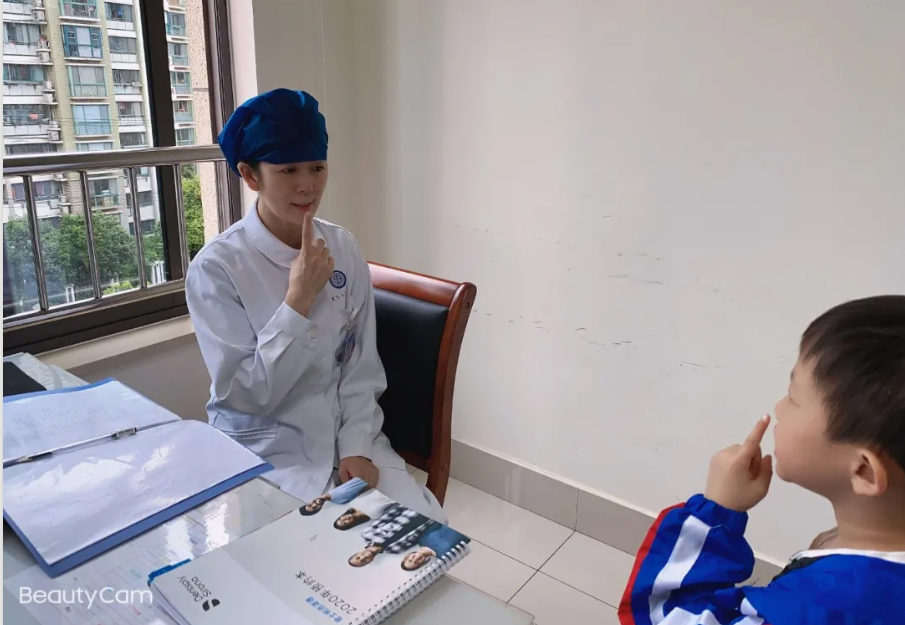
Jiang Liping | Speech Therapy, and the Lamp She Carries
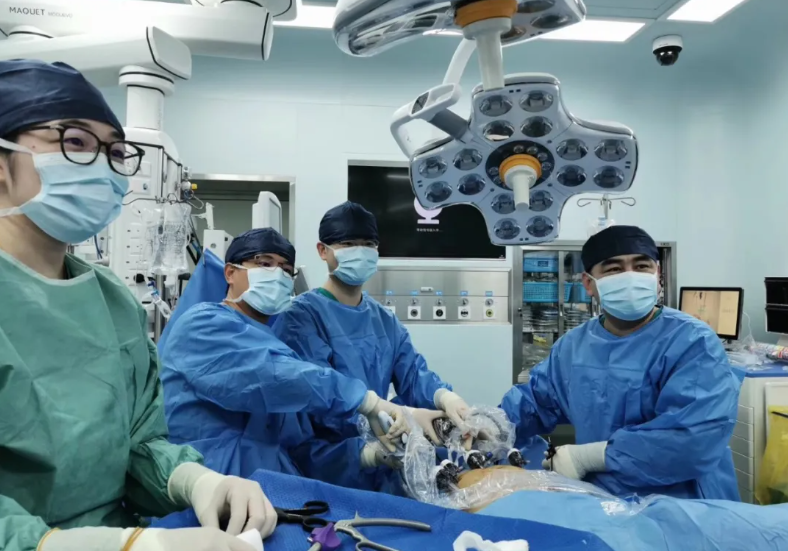
Dr. Li Dawei | Sphincter-Saving Surgery, and the Operation That Fits the Patient
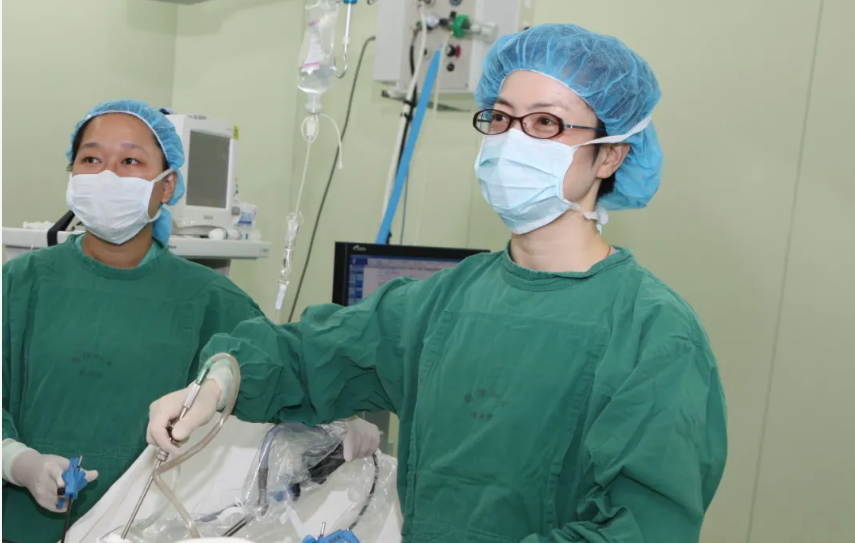
Dr. Zhang Jian | Laparoscopy, and the Hearth Fires of Ordinary Life
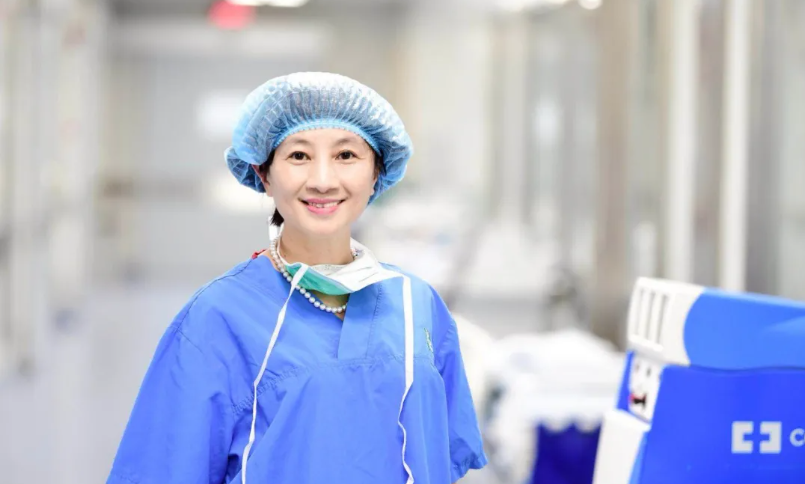
Dr.Sun Jing | Fertility-Sparing Surgery, and a Future Already Here
Copyright © 2023 Yewen Renyi & ShanghaiDoctor.cn (This website is a non - profit medical humanities platform. The information contained herein is solely for biographical and historical purposes and does not constitute any medical advice.) 沪ICP备2023005392号-2 XML 沪公网安备31010902100835号
 中文
中文 English
 Español
 沪公网安备31010902100835号