ShanghaiDoctor - Where China's Healing Wisdom Shapes Modern Medicine

Update time:2026-08-13Visits:555
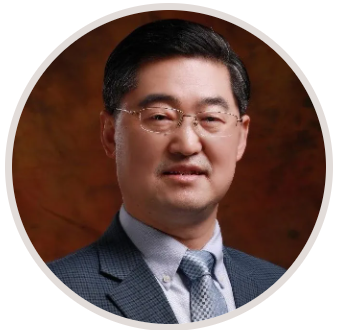
Director, Department of Radiology Obstetrics and Gynecology Hospital of Fudan University Chief Physician | Master’s Supervisor
“What makes me happiest is that patients who come in with worried faces can walk out smiling. Those who are ill are not alone—he wants them to see a place more hopeful and more sunlit.”
— Zhang Guofu
Zhang Guofu is Director of the Department of Radiology at the Obstetrics and Gynecology Hospital of Fudan University (the Red House Hospital), a Chief Physician, and a Master’s Supervisor. For nearly three decades he has combined imaging diagnosis with interventional therapy, specializing in the imaging diagnosis and minimally invasive treatment of obstetric and gynecological diseases.
Under his leadership the department has grown from a modest service performing only a few hundred hysterosalpingography (HSG) procedures a year into a national leader: nearly 15,000 HSG cases annually, more than 5,000 cases of selective salpingography, fallopian-tube recanalization, hydrosalpinx embolization, uterine-fibroid and adenomyosis intervention, and emergency vascular procedures, plus 3,000–5,000 consultation cases referred from across the country each year. He holds five national utility-model patents, including a non-invasive hysterosalpingography infusion device that allows painless HSG.
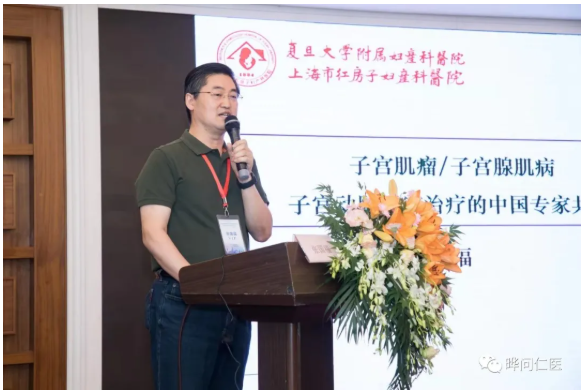
He serves in multiple national leadership roles, among them Honorary Chair of the Radiology Intervention Committee of the China Maternal and Child Health Association, Vice Chair of the China Women’s and Children’s Intervention Alliance, and vice-chair positions in several interventional committees of the Chinese Society of Radiology and the Chinese Medical Doctor Association. He has published more than 100 academic papers (nearly 20 indexed in SCI) and presented at major international meetings including the European Congress of Radiology (ECR), the Radiological Society of North America (RSNA) Annual Meeting, and the Asian Oceanian Congress of Radiology (AOCR).
Patients know him not only for technical skill but for an ability to listen, to unravel emotional burdens, and to help families navigate the pressures that accompany infertility and complex obstetric conditions. His guiding aim is simple: let patients who arrive with worried faces leave with hope—and a clearer view of a sunnier place.
Zhang Guofu was born in 1967 in Qinggang, an ordinary county in Heilongjiang Province, one of twelve siblings in a farming family. Conditions were hard; at times there was not enough to eat. His father loved reading and insisted that the children study first and help with farm work only afterward. Even under difficult circumstances the family produced several college students—then a source of pride for the whole village. The death of his father when Zhang was ten planted a lasting desire to study medicine.
In the year of the college-entrance examination he was admitted to the first intake of the Clinical Radiology (Medical Imaging) program at Harbin Medical University. Most applicants were wary of radiation; the 23 students in the class were almost all reassigned. Only Zhang, seeing the word “clinical,” had chosen the program on his own initiative. He made the best of it, buried himself in study, and graduated first among the male students.
After receiving his bachelor’s degree in 1992 he remained at the affiliated Heilongjiang Provincial Cancer Hospital, working under Professors Shen Baozhong and Yu Shujiang. As a resident he did whatever needed to be done and learned whatever there was to learn—CT, MRI, plain radiography—progressing from following mentors to writing independent diagnostic reports. In 1995 he began interventional work focused on tumors, accumulating experience in transcatheter arterial chemoembolization for liver cancer and stent placement for the esophagus and trachea. Those years laid the technical foundation for everything that followed.
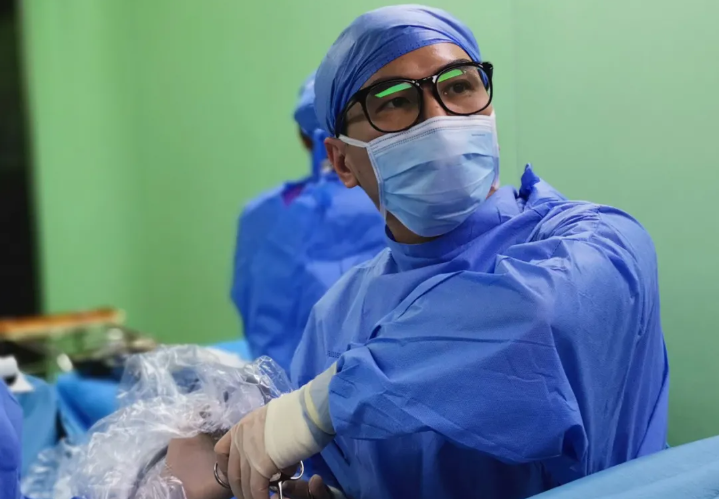
Interventional radiology integrates imaging guidance with minimally invasive therapy. Under fluoroscopy, CT, ultrasound or MRI, thin needles and catheters are advanced through natural orifices or tiny punctures to diagnose or treat disease. When Zhang first learned the techniques, procedures were performed not under modern digital-subtraction angiography but under an older 850 mA gastrointestinal fluoroscopy unit. The radiation load was high; staff wore full lead protection—apron, collar, cap, glasses—weighing roughly ten kilograms. There was no continuous subtraction; he stepped repeatedly on the fluoroscopy pedal, injected contrast by hand, coordinated film changes, and often had to start over if positioning was imperfect. Colleagues left for further study; he stayed, changed sweat-soaked undergarments, accepted the risks, and continued.
His mentor later advised him that a physician who did not pursue further study would fall behind within a few years, and that if he were to pursue a doctorate he should go to Shanghai. In 2001 he was admitted to Shanghai Medical College of Fudan University, leaving his hometown for the first time.
He studied under Professor Zhou Kangrong at Zhongshan Hospital. From Professor Zhou he absorbed three lasting lessons. First, diagnostic thinking: establish a holistic view of the images before focusing on the lesion; consider size, margins, internal texture, enhancement, and blood supply; integrate clinical history and laboratory data, remembering that the same image can represent different diseases; and always follow patients to surgery and pathology to verify the diagnosis. Second, rigorous work habits: manuscripts revised three to five times, proofs checked personally, no tolerance for carelessness. Third, character: “Do things steadily, be an honest person. Being a person, doing things, and pursuing scholarship allow no trace of falsehood.”
In July 2004 he joined the Radiology Department of the Obstetrics and Gynecology Hospital of Fudan University. At the time the department performed only a small number of hysterosalpingograms each day; patients faced long waits. There was neither a CT scanner nor an MRI machine—only chest radiographs. Zhang gradually increased procedure volume, introduced uterine-artery embolization for postpartum hemorrhage, pioneered balloon pre-placement for pernicious placenta previa, and built the full spectrum of gynecologic and obstetric interventional services that the department now offers at national scale.
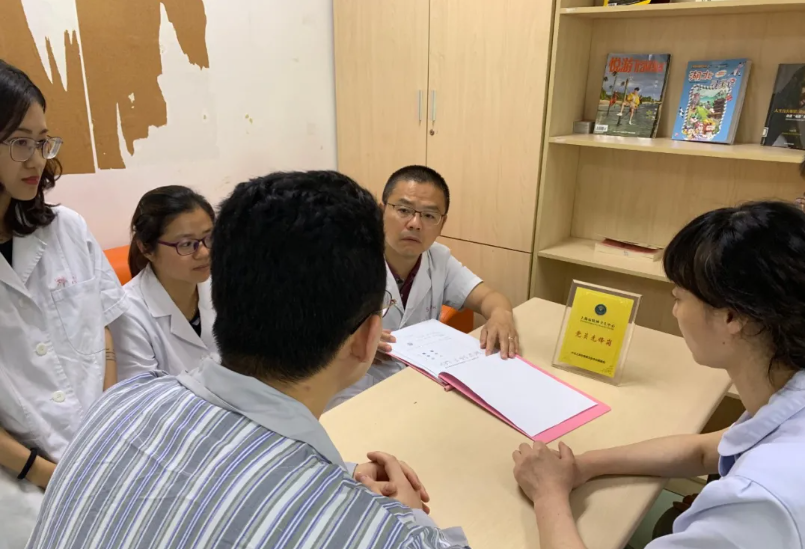
Zhang believes the core value of medicine lies not only in alleviating physical suffering but in offering humanistic care. Illness itself is accompanied by psychological burden; even mild conditions can weigh heavily when patients do not fully understand them. A physician must make sound scientific judgments and, at the same time, take the initiative to comfort and reassure.
In the infertility clinic the burden is rarely the woman’s alone; it carries the hopes and anxieties of an entire family. Patients who had struggled for three or four years would sit before him under immense strain. When examination allowed a confident assessment, he would say, “Don’t worry—you can get pregnant. Let me tell you what you need to do.” Many burst into tears. He made such promises only when he was confident he could fulfill them, and later he did. Helping patients regain optimism, he notes, benefits their families as well.
He has encountered countless situations in which a patient’s fallopian tubes were unsuitable for natural conception and IVF was indicated, yet parents or husband were unsupportive, or in which a husband insisted he was fine and refused evaluation. Drawing on clinical experience, Zhang offers concrete arguments and recommendations that can win family support. In his view a good doctor must possess both medical skill and medical ethics: put oneself in the patient’s shoes, resolve physical pain, and leave the patient feeling respected rather than upset. He has been walking that path for thirty years and intends to continue.
ShanghaiDoctor.cn: Director Zhang, do you still remember your childhood memories?
Zhang Guofu: It’s still fresh in my mind (laughs). I was born in 1967 and grew up in the countryside of Qinggang County, near the outskirts of Harbin. My parents were farmers, and there were twelve brothers and sisters in the family; I was the tenth. The family was once extremely poor, and we didn’t even have enough to eat. But my father loved reading. Although conditions didn’t permit it, he still asked us to study as much as possible. Every day after school, before doing homework, I would help my parents with farm work for a while. In our fields we grew corn, wheat, sorghum, potatoes… In winter, when manure was accumulated in the north, I had to carry a big basket and go pick up dung on the snowy ground. The happiest time in the countryside was summer and autumn. At that time cucumbers, tomatoes, and watermelons were harvested in the garden, and the children were especially happy to eat them.
ShanghaiDoctor.cn: More than twenty years ago you came to Shanghai and studied under Professor Zhou Kangrong at Zhongshan Hospital. What did you learn?
Zhang Guofu: First is the diagnostic thinking in imaging, which is very important. Professor Zhou said that when reading images you must establish a holistic view. First find the whole picture, and after reading it, focus on the lesion. Then many features appearing on the image need to be considered—size, margins, whether the internal texture is uniform, whether there is enhancement after dynamic contrast, and what the blood supply is like. Moreover, you need to understand the clinical history. The same image may not be the same disease—that is, “same image, different disease.” You need to combine clinical symptoms, laboratory tests, and even specific examinations, and then give a conclusion. More importantly, to know whether the diagnosis is correct, you need to follow up. Later I developed a habit: after making a diagnosis, if I had time I would quickly go to the ward to see on which day the patient I was focusing on would have surgery, follow them to the operating room, track the pathology after the specimen was removed, and see whether the diagnosis was correct. Where was it correct? Where was it wrong? The process was very rigorous, and I improved quite quickly.
Second, I learned rigor in doing things. The teacher is extremely rigorous. He is already in his eighties and still compiling Modern Magnetic Resonance Imaging. He keeps writing ceaselessly. All the manuscripts he edits must be revised at least three to five times, and he personally proofs them repeatedly. When we students handed in our manuscripts to him, he would revise them repeatedly, and if unsatisfied we had to rewrite them. His wife said he was very meticulous in his work, staying up all night every day. It is precisely because of this meticulousness that he has achieved such high accomplishments in academia.
Finally, it was how to treat people and conduct oneself. He always had these words on his lips: “Do things steadily, be an honest person. Being a person, doing things, and pursuing scholarship allow no trace of falsehood.”
ShanghaiDoctor.cn: After you came to the radiology department of Red House Hospital, what did you do?
Zhang Guofu: I arrived here in July 2004. The radiology department focuses on imaging diagnosis and interventional treatment. At that time the most commonly performed imaging procedure was hysterosalpingography—for tubal-factor infertility this examination always came first. Some patients came for infertility consultations unsure whether their fallopian tubes were patent, so they needed to undergo hysterosalpingography. There was also interventional treatment for blocked fallopian tubes, which required recanalization. But in those days we performed only a small number of procedures each day, and patients faced long waits for appointments. We gradually increased the procedure volume to meet patient demand. For postpartum hemorrhage, uterine-artery embolization was performed, and interventional radiology played an immediate hemostatic role. I was the one who pioneered this procedure; the balloon pre-placement technique for pernicious placenta previa was later developed as well. When I first arrived, the department had neither a CT scanner nor an MRI machine—we could only take chest X-rays. Yet MRI and CT now account for a very significant share of imaging in obstetrics and gynecology.
ShanghaiDoctor.cn: When you first took over as department director, were you ever misunderstood? And how did you help people understand you?
Zhang Guofu: On the whole, things went smoothly. Within the department I took a flexible approach to management. First I tried to understand each person’s views on the department’s development and performance-based distribution. Then I synthesized their opinions, adjusted the plans, and steered everyone’s thinking onto the right track, so that people felt at ease. I believe the core of management is understanding human nature.
Externally, communication with clinical departments is actually more important than internal communication. For example, we actively participate in the hospital’s multidisciplinary team discussions. Our hospital holds professional lectures every Tuesday, including sessions on interventional radiology and MRI. Sometimes clinical doctors come to listen, and when they conduct grand rounds they invite us to give lectures as needed. When we develop new technologies we use every available hospital platform to tell clinical departments what we can now offer. In a specialized hospital, gynecology, obstetrics, family planning and other departments are all primary clinical departments, and the radiology department’s role is to solve their imaging-diagnosis and interventional-treatment problems.
ShanghaiDoctor.cn: What should the relationship between the radiology department and clinical departments be like?
Zhang Guofu: One of mutual understanding and cooperation. For example, MRI evaluation is very important for preoperative and postoperative tumor assessment, subsequent treatment, and tumor staging. But at present our two hospital campuses share only one MRI machine—a dilemma like a clever woman who cannot cook without rice. Actually, even in general hospitals it is normal to wait about two weeks for an MRI appointment. Despite the equipment shortage we overcome difficulties and do our best to meet clinical needs. The machine operates early morning, noon, evening and weekend, and the radiology department staff are all working overtime.
ShanghaiDoctor.cn: What can interventional radiology do?
Zhang Guofu: Interventional radiology also serves as an invaluable assistant to clinical practice, safeguarding surgical outcomes. For example, in patients with postpartum haemorrhage, placenta praevia or placenta accreta, we can pre-place a balloon catheter in the abdominal aorta before the obstetrician performs a Caesarean section. By transiently occluding blood flow we reduce bleeding during placental separation and significantly improve the chances of preserving the uterus. For women with hydrosalpinx who are unable to conceive naturally and turn to IVF, fluid reflux during embryo transfer can compromise the success rate. Occluding the hydrosalpinx via interventional techniques markedly improves implantation outcomes. Our department has built a strong reputation in this field, attracting patients from all over the country.
ShanghaiDoctor.cn: In 2021, what are you focusing on?
Zhang Guofu: First, I hope to expand the scope of interventional radiology—this is a prime opportunity for growth. Second, the 3T MRI at the Huangpu campus of Red House Hospital is about to come into operation. It will play a greater role in the diagnosis of gynaecological diseases and offer clear advantages in prenatal assessment—informing decisions on subsequent treatment, such as which cases require labour induction and which are suitable for intrauterine intervention. Fetal MRI is currently one of the most dynamic frontiers in imaging research, with teams everywhere actively exploring its potential. Third, our imaging team should engage more deeply with clinical subspecialties, supporting their work and evolving alongside them. By integrating new technologies into clinical practice we can fully realise the potential of imaging.
ShanghaiDoctor.cn: What has been the greatest gain in recent years?
Zhang Guofu: Our professional capabilities—across clinical service, teaching and research—have developed and improved considerably. But the greatest reward lies in this: whether through diagnosis or interventional treatment, the ability to help more patients with these techniques is what brings me the most joy.
One patient I remember had uterine fibroids. She was 42 when diagnosed; the growths were relatively large and had already caused anemia. After a period of follow-up her gynecologist recommended removing both the fibroids and the uterus together. Unable to accept that, she came to us hoping for an interventional approach. After we performed arterial embolization her anemia quickly resolved and the fibroids softened and shrank, still attached to the uterine wall. Later examinations showed that the fibroids had indeed become necrotic and were on the verge of detachment. Eventually she underwent a minor surgical procedure in the cervical department where the fibroids were removed and her uterus preserved. Afterward she sent us a letter of praise and a silk banner. That was ten years ago, and we have stayed in touch ever since. Later her father developed a brain tumor and had an MRI. She showed me the films and I told her she should go to a general hospital. She said, “I trust you so much; you must help me look at this. Tell me where to go, and I will go wherever you say.” That deeply moved me.
In fact these are all things we should do. When patients have good outcomes, our joy is no less than theirs; it brings a great sense of accomplishment. Once a patient from a rural area in Anhui, whom I had not seen for many years, came specifically to see me—she merely wanted to see me, with no other motive. When I first met her I was still a doctoral student at Zhongshan Hospital. So many years had passed. I told her that whether as a student or as a doctor I was only doing my duty. Without another word she took a live, plump, and sturdy barred Plymouth Rock chicken she had brought from her hometown and pressed it firmly at my feet. Honestly, I was so moved that tears almost fell.
From a crowded farmhouse in northern Heilongjiang to the radiology department of one of China’s leading specialty hospitals for women, Zhang Guofu has carried the same quiet determination: master the craft thoroughly, listen carefully, and help patients leave with lighter hearts and clearer hope. The lead apron is heavy, the weekends are full, and the emotional burdens that walk into the consulting room are real. Yet the greatest reward remains unchanged—watching worried faces become smiling ones, and knowing that somewhere a patient can now see a sunnier place.
Editor: Chen Qing
If you need any help from Dr.Zhang, please be free to contact us at Chenqing@ShanghaiDoctor.cn.
Dr. Zhu Xiaoyong | The Power of Deep Accumulation and Steady Release
Dr. Liu Yan | When the Heart Is Beautiful, Everything Is Beautiful
Dr. Sun Jianhua | Advancing Traditional Chinese Medicine in Anorectal Care
Dr. Pan Meng | A Good Doctor Is Itself a Dose of Good Medicine
Dr. Jiang Lixin | Clear as Colored Glass, Transparent Through and Through
Dr. Wang Xuefeng | A Guardian and Ferryman in CHina medical world
Dr. Wu Liang | Precision in Craft, Integrity in Practice
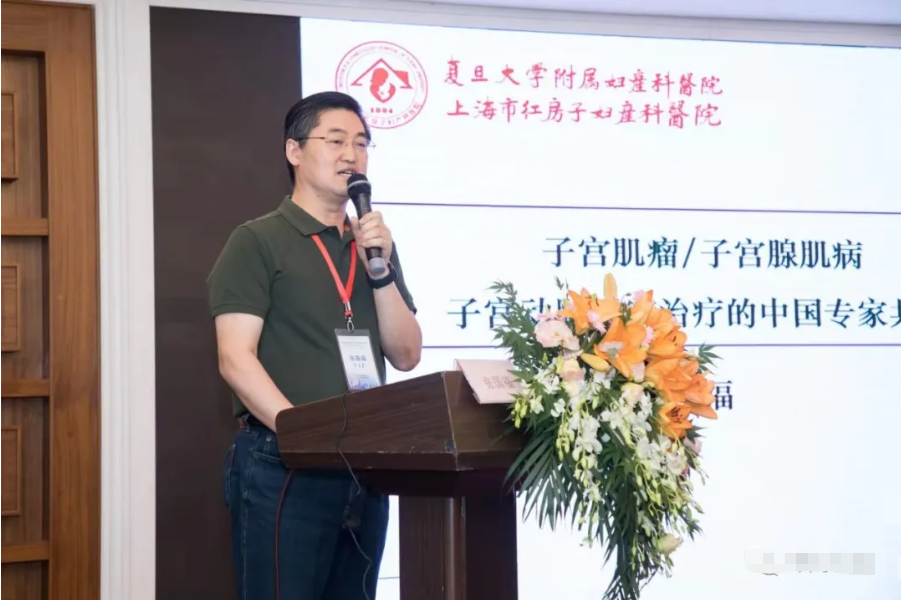
Dr. Zhang Guofu | Helping Patients See the Sunny Place
Dr. Chen Dechang | We Are All on This Ship of Destiny
Dr. Zhu Xiaoyong | The Power of Deep Accumulation and Steady Release
Dr. Liu Yan | When the Heart Is Beautiful, Everything Is Beautiful
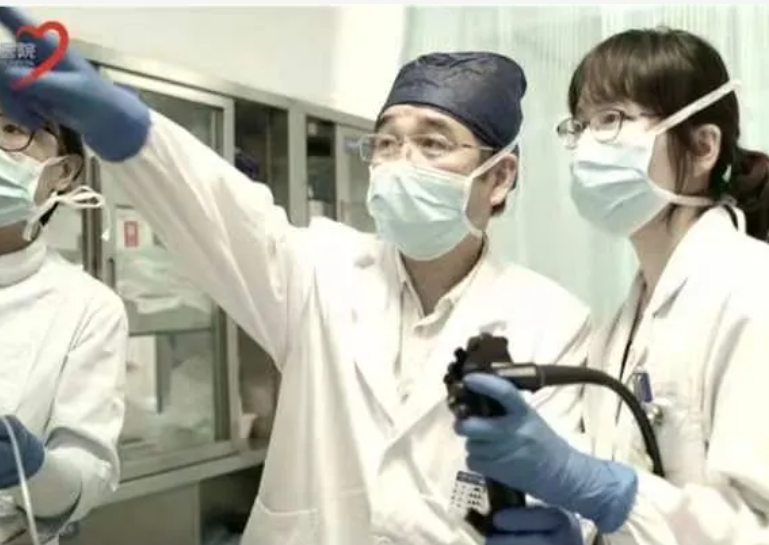
Dr. Sun Jianhua | Advancing Traditional Chinese Medicine in Anorectal Care
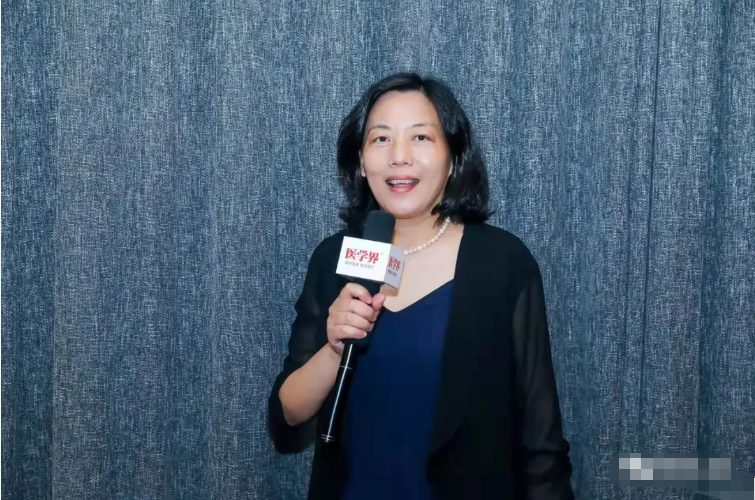
Dr. Pan Meng | A Good Doctor Is Itself a Dose of Good Medicine
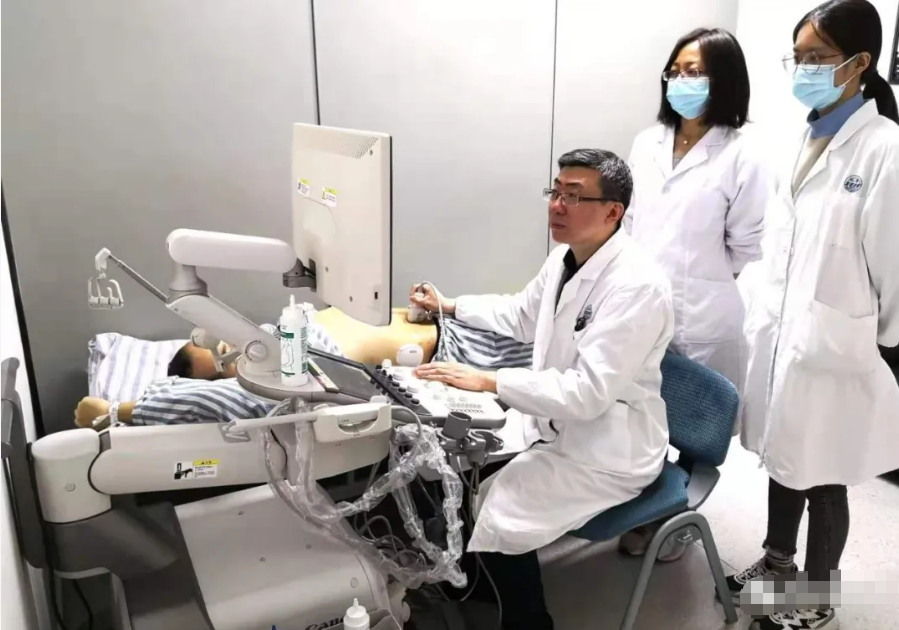
Dr. Jiang Lixin | Clear as Colored Glass, Transparent Through and Through
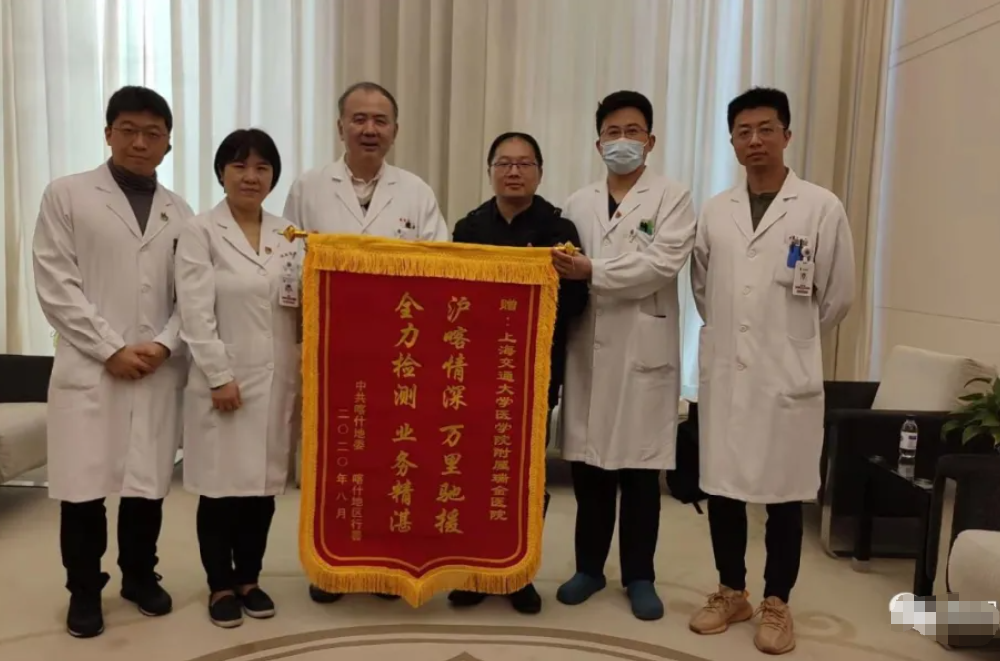
Dr. Wang Xuefeng | A Guardian and Ferryman in CHina medical world
Dr. Peng Daihui | Curing Your Mood Disorders
Copyright © 2023 Yewen Renyi & ShanghaiDoctor.cn (This website is a non - profit medical humanities platform. The information contained herein is solely for biographical and historical purposes and does not constitute any medical advice.) 沪ICP备2023005392号-2 XML 沪公网安备31010902100835号
 中文
中文 English
 Español
 沪公网安备31010902100835号