ShanghaiDoctor - Where China's Healing Wisdom Shapes Modern Medicine

Update time:2026-08-13Visits:556
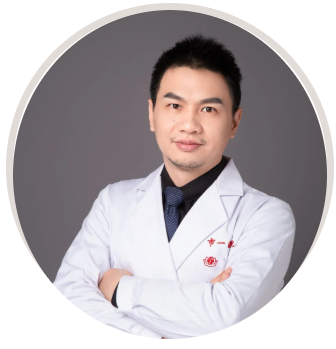
Associate Chief Physician Administrative Deputy Director, Department of Thoracic Surgery Shanghai General Hospital Associate Professor, Tongji University | Doctoral Supervisor
“One whose learning does not span past and present, whose knowledge does not connect heaven and humanity, whose skill does not approach the immortal, and whose heart does not approach the Buddha, would do better to till the fields… Such a person must never practice medicine.”
— Pei Yizhong, Ming Dynasty (adapted)
Wu Liang has taken this classical standard as his professional motto: technical excellence must be matched by moral character.
Wu Liang is Associate Chief Physician and Administrative Deputy Director of the Department of Thoracic Surgery at Shanghai General Hospital, Associate Professor at Tongji University, and a doctoral supervisor. He holds a Doctor of Surgery degree from Huashan Hospital, Fudan University.
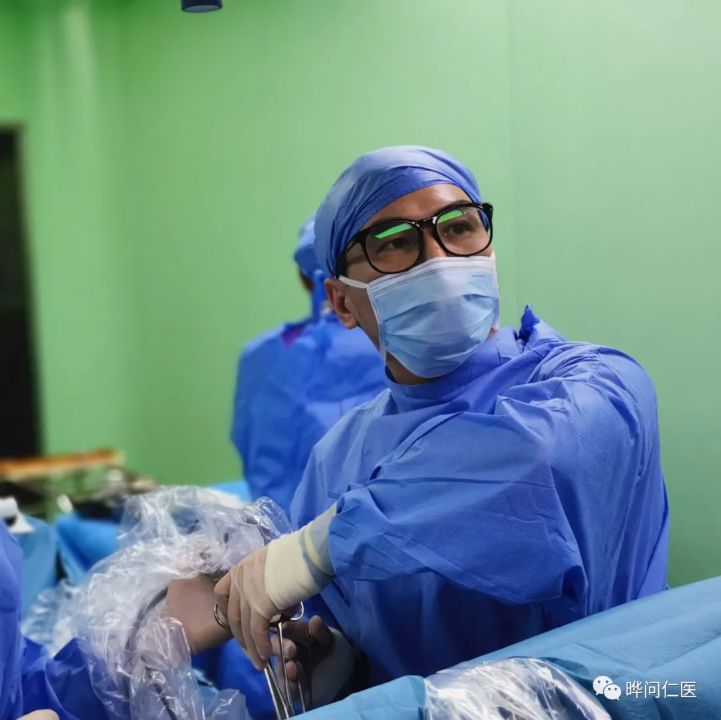
His clinical expertise covers the diagnosis and treatment of pulmonary ground-glass opacities and nodules (GGO/GGN), small pulmonary nodules, lung cancer, pneumothorax, pulmonary bullae, tracheal tumors, chest-wall tumors, mediastinal tumors, and other general thoracic conditions. He is proficient in uniportal video-assisted thoracoscopic surgery (VATS) and skilled in complex and difficult thoracic procedures, including sleeve lobectomy and techniques that draw on his earlier vascular-surgery training.
His research focuses on clinical and basic studies in thoracic surgery and lung cancer, lung transplantation, and artificial-intelligence applications in lung-cancer care. He has served as principal investigator on eight projects, including grants from the National Natural Science Foundation of China (General Program and Young Scientists Fund), and has published more than twenty papers in international academic journals.
Since joining Shanghai General Hospital in 2021 he has helped drive the conversion of nearly all small-incision open procedures to uniportal VATS, reserving traditional open surgery for only the most complex cases. The resulting reduction in tissue trauma and faster recovery have become central to the department’s clinical identity.
Wu Liang grew up in a mountain village in Jiangxi. From childhood he was fascinated by machinery: every lighter, radio, broken television and clock in the village became his toy; he dismantled and reassembled them with focused intensity. Looking up at the starry sky, he already dreamed of leaving the remote mountains.
In 2001 he intended to apply for mechanical automation at a university in Shanghai. An unsatisfactory college-entrance examination score redirected him instead to the clinical-medicine program at Jiangxi Medical College of Nanchang University. He accepted the change, applied his talent and comprehension to medicine, ranked among the top of his class each year, and won consecutive awards in the National English Competition for College Students. Over five undergraduate years he gradually formed the aspiration to become a surgeon. “It seems destined,” he has said. “The path of medicine and surgery aligns with my talents, my way of thinking, and my personality. I believe I was born to be a doctor.”
In 2006 he was admitted with outstanding grades to Huashan Hospital, Fudan University, for graduate study in general surgery with a focus on vascular surgery. He published two SCI papers during the master’s period and was offered entry into the combined master’s–doctoral program.
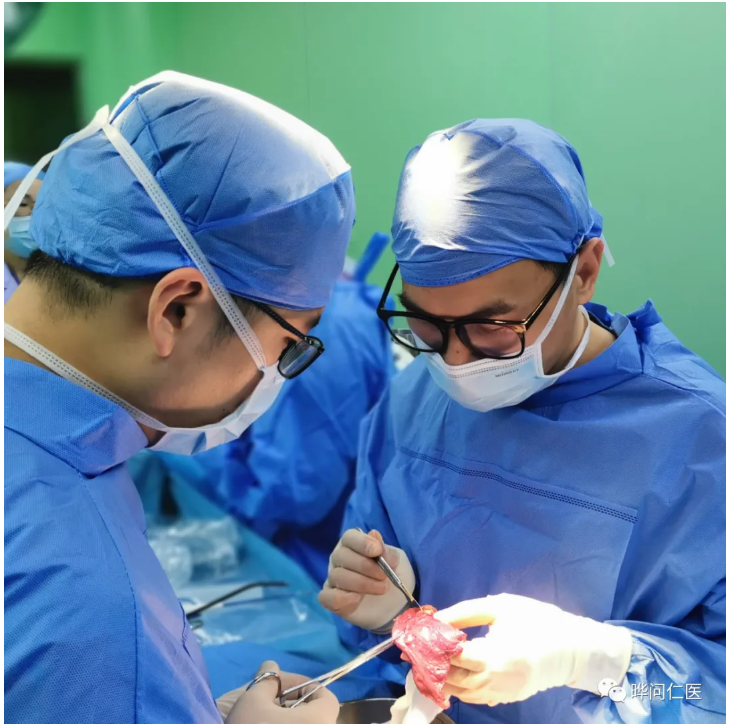
His master’s supervisor, Professor Yu Bo—academic leader of Shanghai’s key vascular-surgery specialty and later president of Shanghai Pudong Hospital—combined talent with genuine care for students. His doctoral supervisor, Professor Cai Duan, chair of the Department of Surgery at Fudan University Shanghai Medical College, embodied both moral rectitude and professional excellence. The mentor of both men, the then-nonagenarian Professor Zhang Yanling, left a particularly deep impression. Reviewing an article Wu had written, the elderly professor weighed every word and punctuation mark, revising again and again until the piece was flawless before allowing submission. From that experience Wu internalized a lasting standard: a doctor must be rigorous and meticulous—whether in research or in patient care. Not a single mistake can be permitted.
During the same period he also learned from Professor Ni Quanxing in pancreatic surgery, who taught him a principle he still quotes: “Turn others’ lessons into your own experience.” A doctor’s career is full of potential pitfalls; absorbing the missteps of those who came before is a vital shortcut to avoiding harm to patients.
After completing his doctorate in 2011, Wu sought broader experience at Zhongshan Hospital, long regarded as a center of excellence in vascular surgery. A year of residency there confirmed both his technical growth and the practical difficulty of securing a permanent post in a highly competitive niche specialty. In 2012, at the invitation of Director Jiang Gening and on the recommendation of a classmate, he moved to Shanghai Pulmonary Hospital, affiliated with Tongji University, and became a thoracic surgeon. He remained for nine years.
Those years coincided with the rapid rise of the thoracic-surgery department. Wu was both participant and contributor. Surgical specialties are interconnected: the thorough anatomical understanding and conduit-anastomosis skills acquired in vascular surgery proved directly transferable to demanding thoracic procedures such as sleeve lobectomy. He never set the earlier skills aside; instead he integrated them while subjecting every operation to ever-higher standards. In 2019 he earned second prize in the National Young Thoracic Surgeons Competition and represented his department in live demonstrations of uniportal VATS for surgeons from China and abroad.
His surgical ideal is an operation without wasted movement. Every gesture serves a clear purpose and lands precisely where intended; once the scalpel goes in, the objective is met. That precise, economical style has become a hallmark of his work.
In January 2021 he left Shanghai Pulmonary Hospital for Shanghai General Hospital as deputy director of thoracic surgery. Together with Department Director Fan Jiang and colleagues he converted nearly all small-incision open procedures to uniportal VATS, reserving traditional open approaches for only the most complex cases. The two-to-three-centimeter incision reduces trauma to tissues and intercostal nerves and shortens recovery. Clinical care, teaching, and research have advanced in parallel as the department moves toward the model of an academic, research-driven comprehensive service.
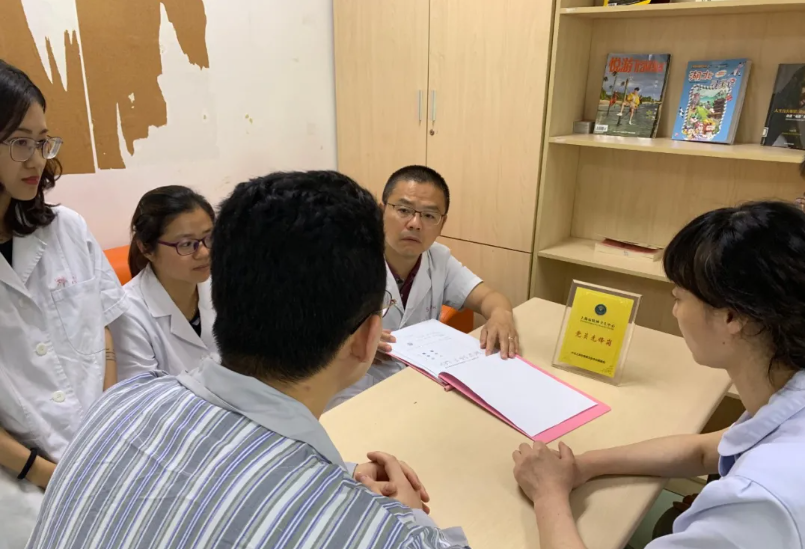
Wu’s international experience includes China Scholarship Council joint training at Massachusetts General Hospital, Harvard Medical School; further study at the University of Nebraska College of Medicine; and a 2019 visiting period at the Mayo Clinic focused on minimally invasive and robotic surgery. What impressed him most was not only technical excellence but the formal, patient-centered manner of American colleagues during outpatient consultations. The experience prompted serious reflection on his own use of time with patients and on the balance between technical skill and attentive presence. Managing the doctor–patient relationship, he concluded, requires both benevolent skill and a benevolent heart.
The Ming-dynasty admonition that a physician’s skill should approach the immortal and heart approach the Buddha has remained Wu’s professional compass. Ability without virtue is unacceptable; virtue without ability is insufficient. He illustrates the first requirement with an early case: a middle-aged woman long labeled hypotensive whose lower-limb pulses were markedly stronger than those in the upper limbs. Careful physical examination and subsequent angiography revealed Takayasu’s arteritis—a diagnosis missed for years. “A physician is like Sherlock Holmes solving a case,” he says. “One must be meticulous and possess a broad range of knowledge.”
In daily practice he continues to hold a weekly outpatient clinic with no artificial limit on numbers and a standard fee, seeing patients from across the country. He does not select only “convenient” cases. Elderly patients, those of limited means, people with hearing or speech impairments, individuals with disabilities, and complex cases involving antiplatelet or anticoagulant therapy after cardiovascular or cerebrovascular procedures all receive the same attention. For patients who need particular perioperative guidance he often provides his personal contact information.
Looking ahead, he continues research on bronchiolitis obliterans—a common and serious complication after lung transplantation—and hopes eventually to establish lung-transplantation capability at Shanghai General Hospital, bringing one of thoracic surgery’s most demanding procedures into the institution’s repertoire.
From a childhood spent dismantling radios under a mountain sky, through rigorous training in vascular and then thoracic surgery, international exposure, and the deliberate building of a minimally invasive program at a major general hospital, Wu Liang has held to a dual standard: technical precision that leaves no wasted movement, and a moral commitment that treats every patient with equal care. Ten years to sharpen a sword; now the blade is drawn. The work of refining both skill and character continues.
Editor: Chen Qing
If you need any help from Dr. Wu, please be free to contact us at Chenqing@ShanghaiDoctor.cn.
Dr. Zhu Xiaoyong | The Power of Deep Accumulation and Steady Release
Dr. Liu Yan | When the Heart Is Beautiful, Everything Is Beautiful
Dr. Sun Jianhua | Advancing Traditional Chinese Medicine in Anorectal Care
Dr. Pan Meng | A Good Doctor Is Itself a Dose of Good Medicine
Dr. Jiang Lixin | Clear as Colored Glass, Transparent Through and Through
Dr. Wang Xuefeng | A Guardian and Ferryman in CHina medical world
Dr. Wu Liang | Precision in Craft, Integrity in Practice
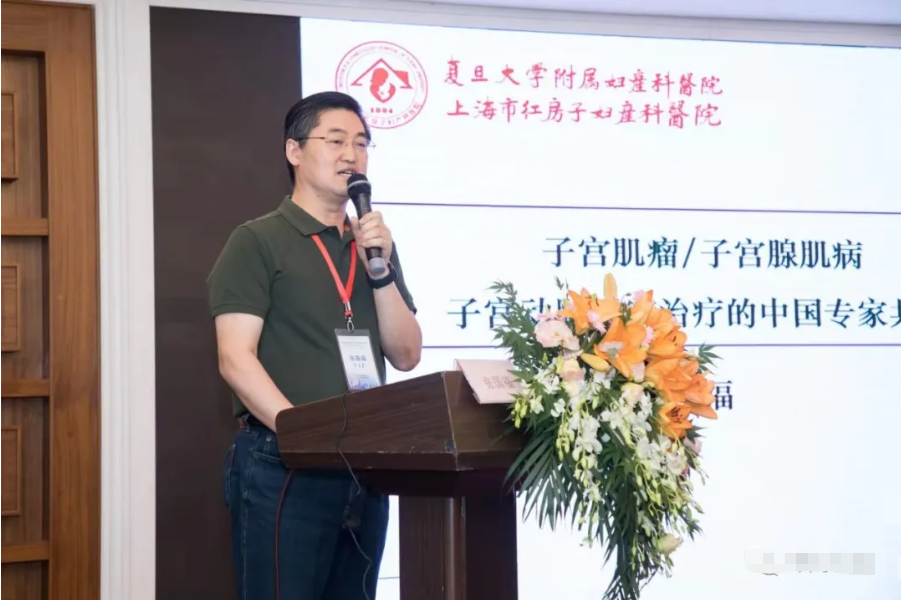
Dr. Zhang Guofu | Helping Patients See the Sunny Place
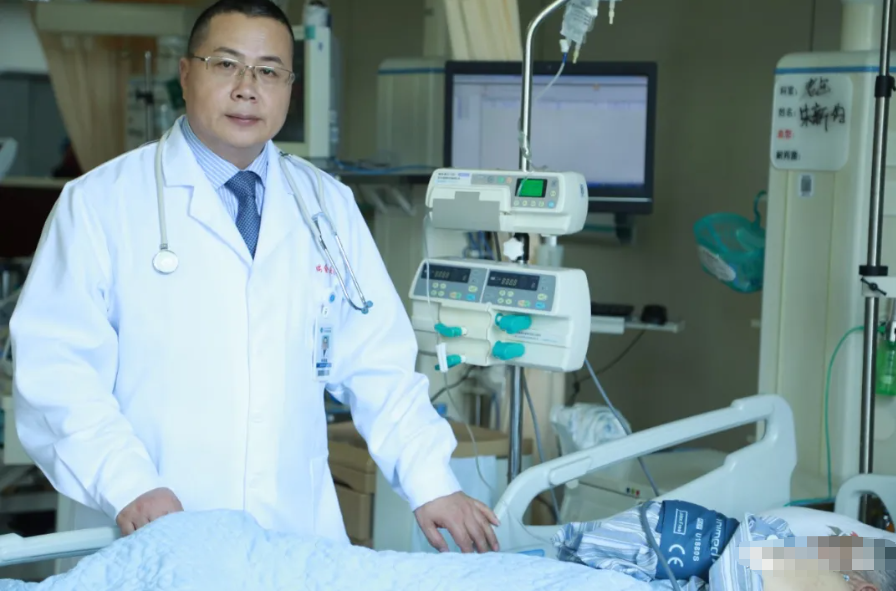
Dr. Chen Dechang | We Are All on This Ship of Destiny
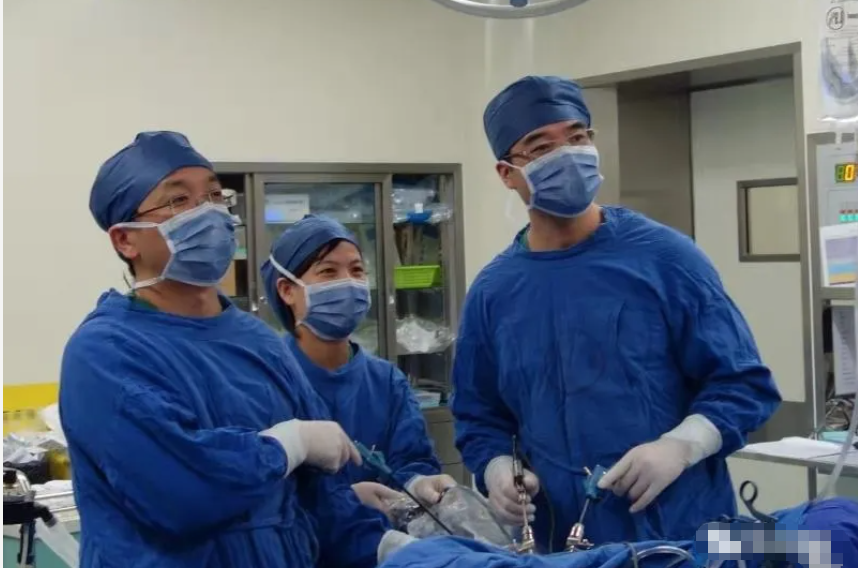
Dr. Zhu Xiaoyong | The Power of Deep Accumulation and Steady Release
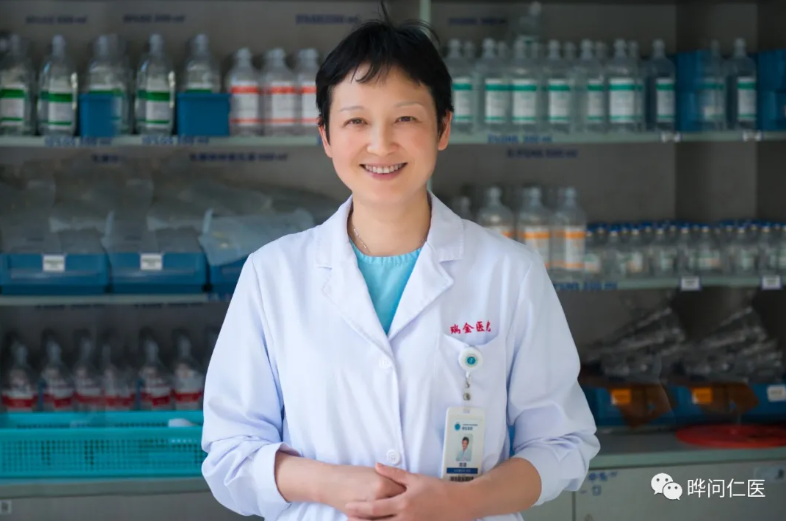
Dr. Liu Yan | When the Heart Is Beautiful, Everything Is Beautiful
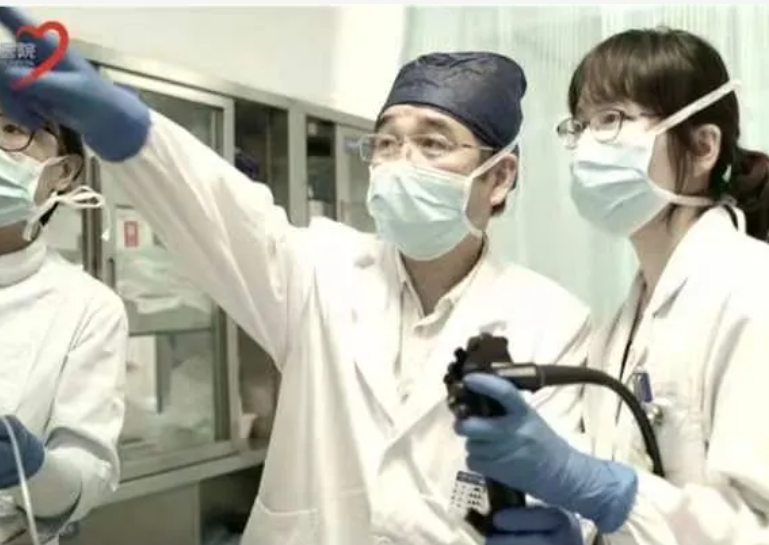
Dr. Sun Jianhua | Advancing Traditional Chinese Medicine in Anorectal Care
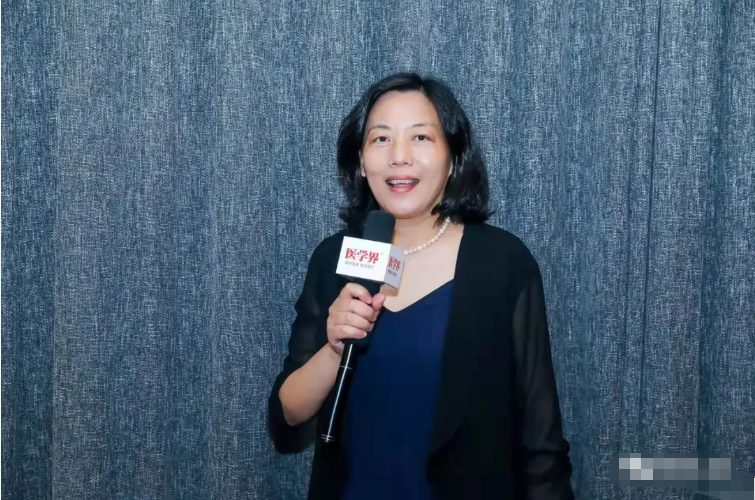
Dr. Pan Meng | A Good Doctor Is Itself a Dose of Good Medicine
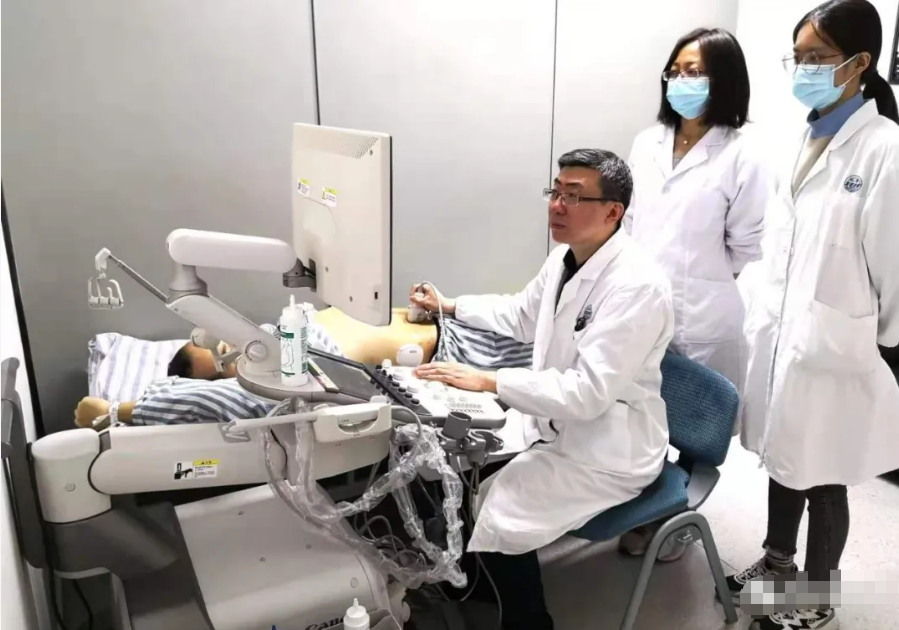
Dr. Jiang Lixin | Clear as Colored Glass, Transparent Through and Through
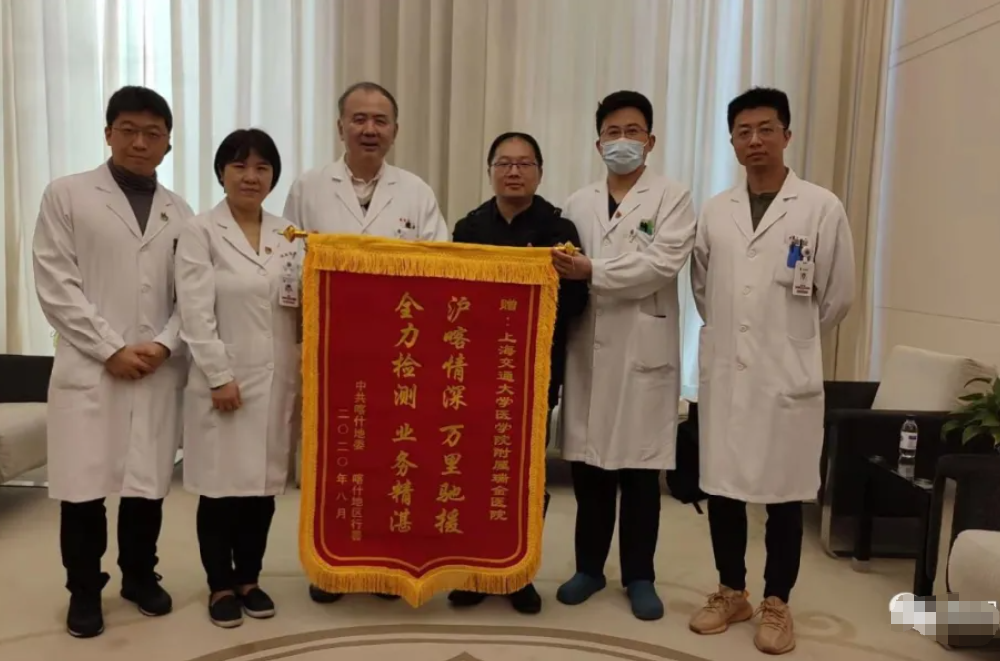
Dr. Wang Xuefeng | A Guardian and Ferryman in CHina medical world
Dr. Peng Daihui | Curing Your Mood Disorders
Copyright © 2023 Yewen Renyi & ShanghaiDoctor.cn (This website is a non - profit medical humanities platform. The information contained herein is solely for biographical and historical purposes and does not constitute any medical advice.) 沪ICP备2023005392号-2 XML 沪公网安备31010902100835号
 中文
中文 English
 Español
 沪公网安备31010902100835号