ShanghaiDoctor - Where China's Healing Wisdom Shapes Modern Medicine

Update time:2026-08-15Visits:237
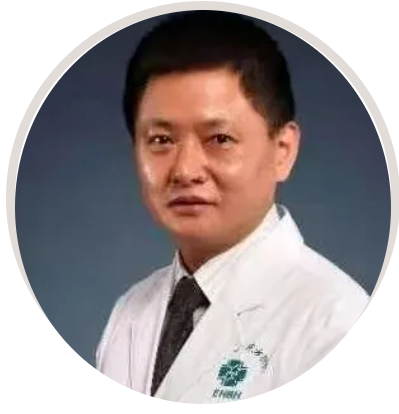
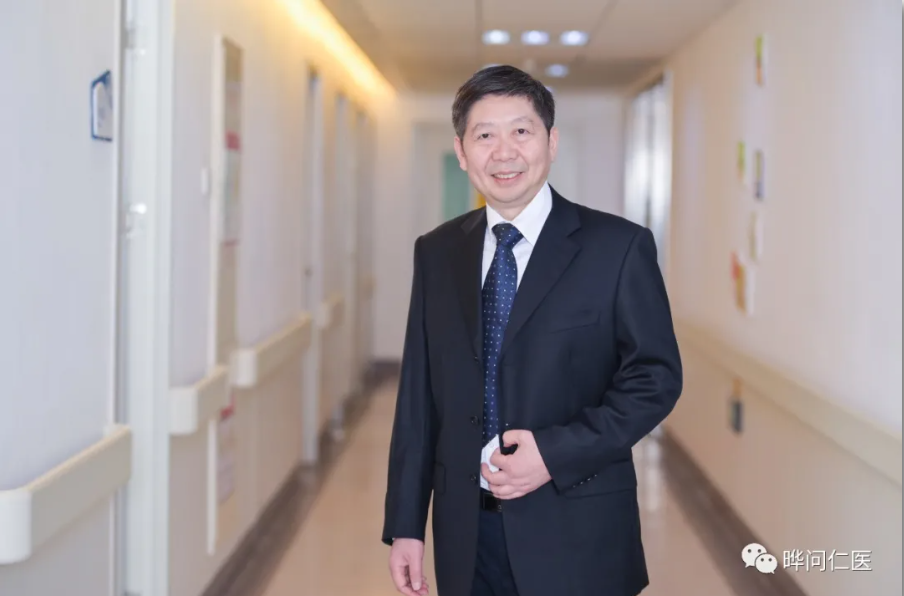
Dr Zou Qifei, Associate Chief Physician at the Eastern Hepatobiliary Surgery Hospital affiliated with Naval Medical University.
The Path to Medicine
Jiangyin, a city of historic renown, known as "Ancient Town of Yanling" and "Seal of Lord Chunshen."
Born in Jiangyin, Jiangsu Province, Zou Qifei set his aspiration to study medicine from a young age.
In 2000, Zou Qifei graduated from the Clinical Medicine Department of Nanjing Medical University. After rotating through various departments, he discovered that liver cancer has a high incidence rate among Chinese people, is extremely difficult to operate on, and has poor treatment outcomes—earning it the title "King of Cancers." Seeing many patients suffering from liver cancer, he resolved to dedicate himself to hepatobiliary surgery and contribute his modest strength to conquering liver cancer at the earliest possible date.
Zou Qifei's research focus during both his master's and doctoral studies was the surgical treatment and anti-recurrence therapy of liver cancer. During his doctoral studies, he studied under Professor Shen Feng, a renowned hepatobiliary surgery expert at the Eastern Hepatobiliary Surgery Hospital of the Second Military Medical University. Professor Shen receives the Special Government Allowance. His main research focus is the surgical treatment of liver cancer and intrahepatic cholangiocarcinoma. He serves as a council member of the International Hepato-Pancreato-Biliary Association (IHPBA), a council member of the Asia-Pacific Hepato-Pancreato-Biliary Association (A-PHPBA), and Chairman of the Professional Committee of Hepatobiliary Surgery of the PLA, among other positions. He has received more than 20 scientific and technological awards, including the Ho Leung Ho Lee Foundation Prize for Scientific and Technological Progress, the Second Class National Science and Technology Progress Award, and the First Class Shanghai Science and Technology Progress Award (two awards). He has been recognized as a leading scientific and technological talent of the PLA, one of Shanghai's Top Ten Scientific and Technological Elites, a Shanghai Leading Talent, and an Outstanding Academic Leader of Shanghai. He has also received the title of "National Famous Doctor • Outstanding Achievement." "My breakthrough in the hepatobiliary surgery career began at Eastern Hepatobiliary Surgery Hospital; Professor Shen was my guide."
Zou Qifei's skillful hands are the greatest compliment his colleagues and classmates give him. He showed his promise early on when he first started working at Jiangyin People's Hospital. He still remembers vividly his first independently performed surgical operation.
"At that time, I had just arrived at the hospital. My first operation was an emergency gallbladder surgery. Students from our Southern Medical University had relatively solid basic skills, and the senior doctors were confident letting me perform the operation alone. During my internship, I had only observed such procedures—I had never practiced them myself. When it was my turn to step up, I had to brace myself and go for it, though my heart was pounding with nervousness. The senior doctor noticed my anxiety, patted me on the shoulder, and said, 'Relax, you've got this!' I steadied myself and successfully pulled off my first operation as the lead surgeon."
It is actually not an exaggeration to describe this minor operation as "pulling it off"—it fit Zou Qifei's mood at the time. Everything has a beginning. Zou Qifei says that even today, when encountering major surgeries, he still uses "pulling it off"—only that with the passage of time, the difficulty, the content, and the state of mind are no longer comparable.
Speaking of his esteemed mentor, Professor Shen Feng, Zou Qifei said that the teacher's influence on him permeated every aspect of clinical work and research. "First, in research — when writing papers, the teacher emphasized rigorous scholarship. For every article I wrote, he would correct it word by word, sentence by sentence, not even letting a single punctuation mark slip by. He never went through the motions, and this cultivated in me a style of pursuing perfection in everything. In clinical work, the teacher showed tremendous care, patience, and a sense of responsibility toward patients. Our hospital basically performs major hepatobiliary surgeries, which are quite complex, and patients' postoperative recovery is even more difficult to predict. When encountering complex, difficult, or perilous cases, the teacher would sometimes stand by the patient's bedside for an entire day after surgery, observing changes in the patient's condition. This left a very deep impression on me."
Having followed his mentor for many years, Zou Qifei's surgical skills have advanced by leaps and bounds, and he has become an experienced hepatobiliary surgeon. Even so, he keeps a clear head and never acts rashly or takes reckless risks — something his mentor highly commends.
"I have encountered life-or-death moments of extreme urgency," Zou Qifei said.
It was a surgery for hilar cholangiocarcinoma. The operation was proceeding normally, everything in order. At that moment, Zou Qifei suddenly discovered a "landmine" hidden in a concealed corner — the intraoperative anatomy did not quite match the preoperative imaging, because the tumor had already invaded an important vessel of the liver! Should this vessel be severed? Zou Qifei's mind raced, his hands never stopping, sweat beginning to bead on his forehead. If he blindly cut the vessel without careful judgment, he might safely remove the tumor completely, or he might cause uncontrollable massive bleeding or liver failure.
"At that moment, I remained uncertain and ultimately decided to invite my more experienced teacher to make the decision. In the end, relying on his superb skill, the teacher separated the vessel as if walking a tightrope and successfully removed the tumor. After the surgery, he praised my decision, because in surgery, every incision must be made with the utmost caution, and when one finds it difficult to decide, one should humbly seek guidance from senior doctors with richer clinical experience."
At a moment of extreme crisis, having the courage to make the incision requires bravery — but having the courage to restrain oneself and stop requires even greater bravery and wisdom.
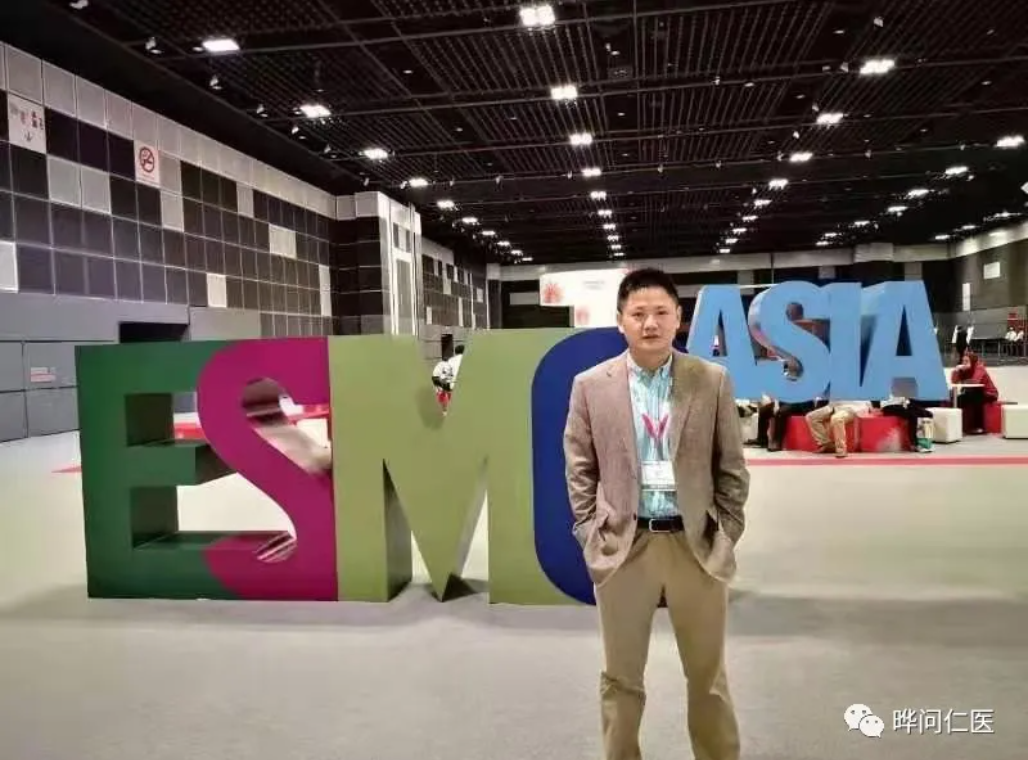
The Future Has Arrived
As medicine steps into a new era of precision treatment and individualized therapy, the field of hepatobiliary surgery, as a branch of surgery, is also seeing the continuous emergence of new technologies and taking new steps of its own.
Zou Qifei shared a case of precise, individualized treatment.
There was a female patient with pancreatic cancer. By the time the disease was detected, it had already spread to her liver and lymph nodes, leaving little prospect for surgery. A lymph node biopsy was performed—partly to confirm the pathological diagnosis, and partly to run genetic testing to determine whether she might respond to targeted therapy. Fortunately, the results showed that she was sensitive to a particular targeted drug, and we made the decision to administer it without delay. After roughly five to six cycles of treatment, the metastatic lesions in her liver and lymph nodes disappeared. She subsequently underwent resection of the tumor in the tail of the pancreas and recovered without complications. More than three years have passed, and she is now living well. This case illustrates that surgeons should not blindly pursue a complete solution through surgery alone; rather, they should embrace multidisciplinary collaboration to deliver precise, personalized treatment.
In recent years, laparoscopic and robotic technologies have also emerged as rapidly growing fields in clinical practice.
When it comes to laparoscopic surgery, Zou Qifei takes a measured view, acknowledging the dual nature of new technologies. "For certain procedures, laparoscopy can already achieve outcomes comparable to open surgery, which is a welcome development," he says. "At the same time, there remains considerable debate within the field over whether laparoscopic resection of gallbladder cancer and bile duct cancer may increase the risk of tumor metastasis. This is a question that warrants further investigation."
The hospital has acquired a fourth-generation Da Vinci surgical robot, and Zou Qifei has completed the associated training. On the application of artificial intelligence in medicine, he holds his own views.
"The use of AI in clinical medicine is an inevitable trend. In areas such as radiological image interpretation and pathological analysis, AI offers significant advantages. But in the operating room, what happens when anatomical variations or emergencies like massive hemorrhage arise? How would artificial intelligence handle those situations? Future breakthroughs in this domain may still need to be driven by clinicians."
In many cases, medical innovations originate in clinical practice and return to it, bringing hope to patients suffering from disease. Throughout his career, Zou Qifei and his team have developed numerous patents. Among them, the hepatocellular carcinoma cell line they established is primarily used to aid in screening tumor-related small-molecule and antibody drugs. Several utility model patents have been directly applied in clinical work. His basic and clinical research, combined with his mentor's findings, received the First Prize of the Shanghai Science and Technology Progress Award.
As research capacity in the medical field continues to advance, a host of cutting-edge technologies—targeted drugs and immunotherapy among them—are constantly emerging, which in turn presents new challenges for surgeons.
I often joke with physicians that the work of surgery will soon be replaced by internal medicine. If we can control tumors with just a few medications, then what would we still need to do? In fact, hepatobiliary surgery has reached something of a bottleneck. Tumors in any part of the liver can be surgically removed, and with laparoscopy and robotic technology, we can gradually achieve results comparable to open surgery. Rather than fixating on the pinnacle of surgical technique, I believe we should pay more attention to what comes after surgery. Once a tumor is surgically removed, how can we prevent the recurrence and metastasis of liver cancer? That is a challenge facing every hepatobiliary surgeon.
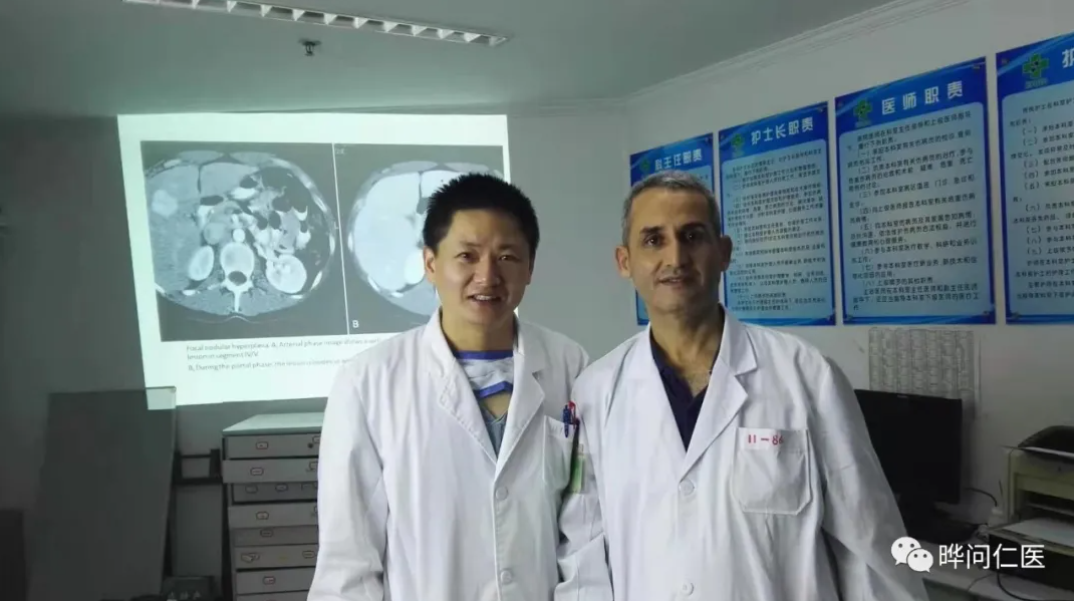
3 Never Forget the Original Aspiration
Over several decades of treating patients and saving lives, Zou Qifei has received many sincere expressions of gratitude, and many of those heartfelt moments still move him deeply. He spoke of one patient who left an especially strong impression.
“This was a rural woman from Lianyungang with an abdominal tumor. The tumor was positioned in a very delicate location, close to a major blood vessel. An outside hospital had recommended open surgery, but that would have left a large scar on her abdomen. She was still young and could not psychologically accept that.”
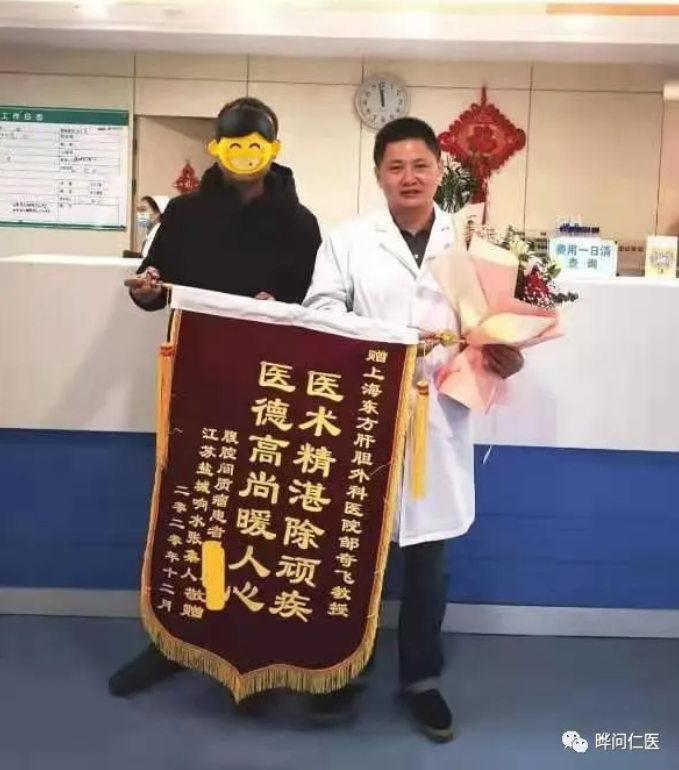
After much deliberation, Zou Qifei decided to remove the tumor using laparoscopic minimally invasive surgery, in the interest of early recovery and cosmetic outcome. Before the operation, he performed a three-dimensional imaging study to observe and confirm the relationship between the tumor and the surrounding blood vessels and organs, and to evaluate the difficulties that might arise during the procedure and the corresponding solutions. After thorough preparation, he completed the operation. The tumor, five to six centimeters in size, was successfully removed. The patient recovered quickly and was discharged two or three days later. Regular follow-up examinations showed good results. More than half a year afterward, the patient’s family traveled from afar to present Zou Qifei with a silk banner and flowers. It was like a warm winter sun, bringing him unexpected joy and emotion. “This is the best reflection of trust and harmony between doctors and patients!” Zou Qifei said.
For Zou Qifei, conducting a thorough examination of the patient’s condition before surgery, anticipating the surgical approach and technique, and rehearsing potential intraoperative emergencies have all become routine preparations. “With adequate preparation, you can naturally face a surgery with ease and composure,” he says.
To the junior doctors and students under his supervision, Zou Qifei often says, “Surgery is like driving a car: you need to be familiar with the anatomy—that is, the route—steady in your movements, and meticulous in your maneuvers.” He adds, “My teachers taught me that young doctors, in addition to cultivating independence, should also cultivate patience and not be eager for quick success. Keep your hands steady, go a little slower, and do finer work. This is crucial to a surgeon’s growth. They also like to ask me questions about clinical and research issues, and we communicate and exchange ideas together.”
For more than a decade, Zou Qifei has remained constant in his dedication to medicine, accustomed to compressing his personal time in service of his work.
“For every surgery, I must complete thorough preoperative preparation and formulate a careful surgical plan. Besides surgeries and outpatient clinics, I spend my remaining free time conducting research and reading the literature, keeping up with the latest frontier developments in our discipline at home and abroad, attending academic conferences, and exchanging ideas with other excellent colleagues. I am very grateful to my family for their understanding and support of my work.”
In his everyday life, Zou Qifei is a keen sportsman who always carves out time for a run. “For a surgeon, performing five to six hours of surgery is the norm, so I have to make sure I stay strong and healthy.”
His favourite way to unwind in his spare time is listening to crosstalk, a traditional Chinese comic art form. Zou Qifei is a devoted fan of Deyun Society. He notes that many crosstalk routines are drawn from everyday life, making it one of the most down-to-earth forms of popular culture. “The deepest connection you can make with an audience is to reach into their hearts—and that is exactly the same principle as reaching into the hearts of patients.”
“As my mentor has always taught me,” says Zou Qifei, “a surgeon must possess several fundamental qualities. First, put people first. Treat patients as friends, or even as family; put yourself in their shoes, and give them all of your patience, care, and sense of responsibility. Build an equal and harmonious relationship with patients, and help them overcome the hurdle of illness together. Second, be dexterous in both mind and hand. Academician Wu Mengchao was still performing surgeries well into his nineties; whenever he had a spare moment, he would exercise his fingers to maintain their flexibility. Third, be bold but meticulous. Rely on your clinical experience and do everything in your power to complete surgery successfully.”

ShanghaiDoctor.cn:
Every surgeon will consider one thing: when developing a treatment plan for a patient, what is truly the best option for that patient?
Zou Qifei: This is actually a question I have been asking myself all along, and it is also one I often require junior doctors to consider. A surgeon does not necessarily have to rely on surgery to solve a problem. Instead, decisions should be made from the perspective of the patient's quality of life, minimising trauma as much as possible while also achieving the goals of prolonging life and improving quality of life. In many cases, it is also necessary to consider the issue from a sociological perspective, understanding the patient's financial situation in order to formulate a treatment plan. These considerations pose a very significant challenge for a physician, and at times they may even involve a process of self-denial.
ShanghaiDoctor.cn: What advice do you have for liver cancer patients? What measures or screenings can help with the early prevention of liver cancer?
Zou Qifei: Liver cancer often produces no symptoms at all in its early stages. By the time jaundice or pain appears, the disease is often already in its advanced stages. Therefore, early prevention and early screening are extremely important. China is a major country for liver cancer, and 10 percent of patients are carriers of the hepatitis B virus. For these hepatitis B patients, regular check-ups are necessary, including liver function tests, alpha-fetoprotein testing, liver ultrasound, magnetic resonance imaging, and hepatitis B virus markers, preferably once every six months. In addition, hepatitis B patients must strictly abstain from alcohol, avoid eating mouldy or pickled foods, and eat plenty of fresh vegetables.
ShanghaiDoctor.cn: How do you view the relationship between clinical practice, research, and teaching?
Zou Qifei: As a clinical physician, the foremost priority is to be grounded in clinical practice. Then, in combination with clinical work, one should identify problems that exist in clinical settings and carry out targeted clinical research to solve those problems. In teaching, in addition to emphasising fundamental clinical skills, students must also be taught clinical thinking—how to identify and solve problems during the clinical process. At the same time, one must continue learning and stay updated on frontier developments in clinical medicine.
ShanghaiDoctor.cn: Some medical students today witness the relentless pace of a doctor’s work and the array of pressures they bear, and they feel daunted—some are even unwilling to enter the profession. What would you say to them?
Zou Qifei: Becoming a doctor is, indeed, a relatively slow and demanding process. But if I had to choose again, I would still become a doctor without hesitation. Healing the sick and saving lives was the first principle my mentor instilled in me, and it has remained my lifelong goal and calling. Reports have noted that fewer and fewer people are studying medicine, and I do worry about that. The truth is that China still has a great need for medical talent.
My hope is that the overall environment can be improved through communication between patients and doctors. What the two sides lack most right now is mutual understanding. Doctors need to understand patients—how difficult it is to get an appointment, the long journey to reach a doctor’s door, and the unbearable pain they carry. When treating patients, one needs patience, empathy, and the ability to make hardened steel soft enough to wrap around a finger. Patients, in turn, need to understand doctors—medicine is a discipline fraught with risk and halting, spiral-like progress, one that demands years of study and still cannot unravel many of its mysteries. Despite tremendous efforts, we may not always be able to save a life.
If you need any help from Dr. Zou, be free to let us know at Chenqing@ShanghaiDoctor.cn.
Dr. Huang Wenyan | Specialist in Children’s Kidney and Autoimmune Diseases
Dr. Long Qiqi | Expert in Endometriosis and Minimally Invasive Gynecologic Surgery
Dr. Zou Qifei | A Hepatobiliary Surgeon Tempered by Experience
Dr. Zhu Xiaoyong | The Power of Deep Accumulation and Steady Release
Dr. Liu Yan | When the Heart Is Beautiful, Everything Is Beautiful
Dr. Sun Jianhua | Advancing Traditional Chinese Medicine in Anorectal Care
Dr. Huang Wenyan | Specialist in Children’s Kidney and Autoimmune Diseases
Dr. Lian Jingcai | The Magic Hands of Ophthalmology
Dr. Long Qiqi | Expert in Endometriosis and Minimally Invasive Gynecologic Surgery
Dr. Zou Qifei | A Hepatobiliary Surgeon Tempered by Experience
Dr. Wu Liang | Precision in Craft, Integrity in Practice
Dr. Zhang Guofu | Helping Patients See the Sunny Place
Dr. Chen Dechang | We Are All on This Ship of Destiny
Dr. Zhu Xiaoyong | The Power of Deep Accumulation and Steady Release
Dr. Liu Yan | When the Heart Is Beautiful, Everything Is Beautiful
Dr. Sun Jianhua | Advancing Traditional Chinese Medicine in Anorectal Care
Copyright © 2023 Yewen Renyi & ShanghaiDoctor.cn (This website is a non - profit medical humanities platform. The information contained herein is solely for biographical and historical purposes and does not constitute any medical advice.) 沪ICP备2023005392号-2 XML 沪公网安备31010902100835号
 中文
中文 English
 Español
 沪公网安备31010902100835号