ShanghaiDoctor - Where China's Healing Wisdom Shapes Modern Medicine

Update time:2026-08-07Visits:2023
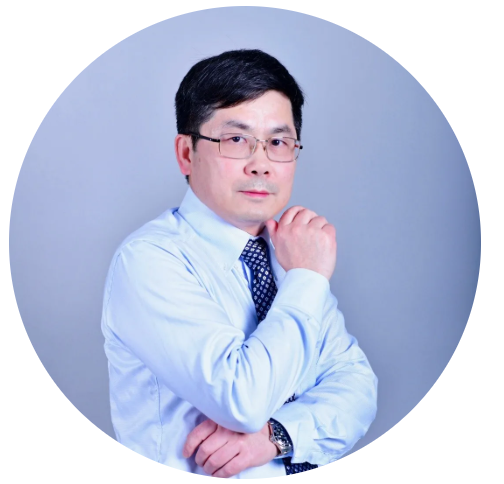
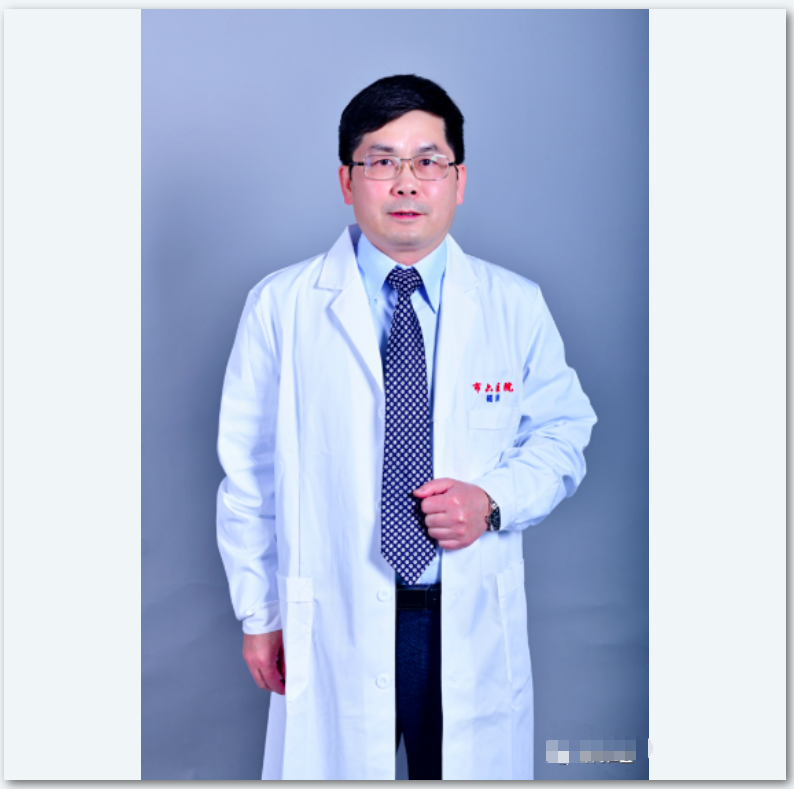
Chief of Thoracic Surgery Shanghai Sixth People’s Hospital
“Sometimes it is not because we have already seen the road to success that we persist; rather, it is by persisting that we can succeed.”
— Yang Yi
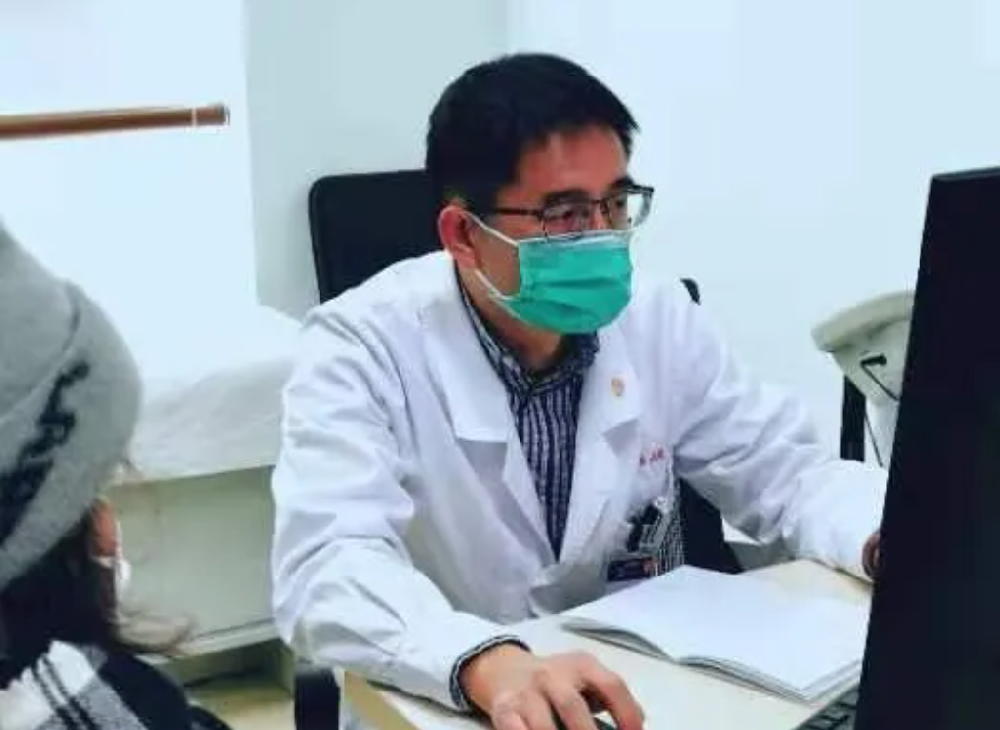
Yang Yi is a leading thoracic surgeon and head of the Department of Thoracic Surgery at Shanghai Sixth People’s Hospital. Over more than three decades he has built a distinguished career that spans major Shanghai institutions, with particular expertise in thoracic oncology, chest trauma (especially rib-fracture fixation), and chest-wall reconstruction.
Under his leadership the department has grown from a combined cardiac-and-thoracic volume of just over 200 operations a year in 2007 to more than 1,200 general thoracic procedures annually. In national science-and-technology rankings the department rose from 96th place in 2017 to 45th in 2019, ranking sixth among general hospitals in Shanghai, while its chest-trauma program is recognized as among the strongest in China.
“Life is like a rock; it has never been easy,” Yang reflects. “Our mission is not to take pleasure in personal favors or feuds, but to advance medicine and benefit more people. We are born to be doctors, and we practice for the good of our patients.”
He describes himself as prudent, sincere, candid, and straightforward. He rarely makes promises lightly, and once he does, he keeps them. That same sense of integrity guides both his clinical practice and his personal relationships.
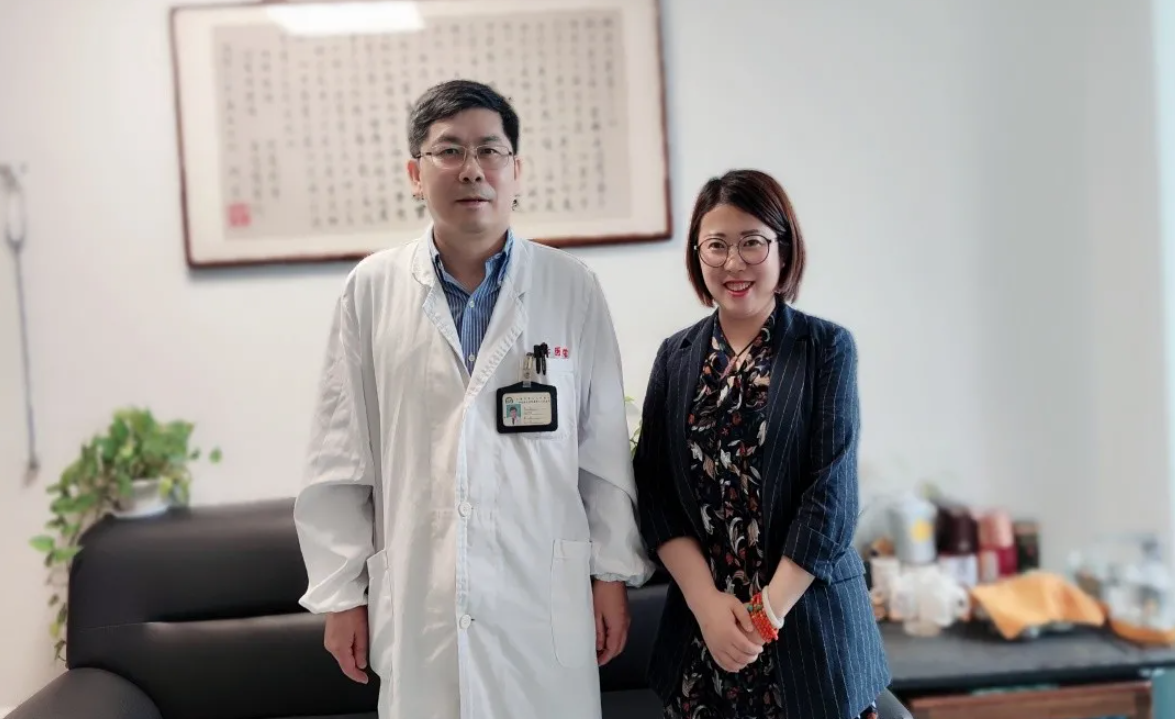
Growing up in Shanghai, Yang decided early that he would become a doctor. “There was no other choice. I had to become a doctor. For this I have no regrets.” In the 1985 national college-entrance examination he applied only to medical schools, declined an offer from Tsinghua University, and entered Shanghai Medical University (now Fudan University School of Medicine) with high scores.
During internship at Zhongshan Hospital he discovered the scale and difficulty of thoracic surgery—esophageal and lung-cancer resections that were bold, demanding, and time-consuming. The experience only strengthened his resolve. After graduating in 1991 he moved to Shanghai Chest Hospital, China’s earliest specialized center for chest diseases, founded by pioneering cardiothoracic surgeons including Professors Huang Jiasi and Gu Kaishi.
Under successive nationally renowned directors—Huang Oulin, Wu Songchang, Zhou Yunzhong, Sun Dekui, and Chen Wenhu—he absorbed both technical skill and a professional ethos: put the patient first, and argue scholarship fiercely without personal animosity. Over more than a decade he encountered nearly every disease and technique in thoracic surgery and matured into a confident surgeon.
In 2007, when Chen Haiquan prepared to leave Shanghai Sixth People’s Hospital for Fudan University Shanghai Cancer Center, Yang was invited to lead the cardiothoracic surgery department. He accepted what he later described, with a smile, as a “start-up” journey.
At the time, orthopedics at Sixth People’s Hospital already enjoyed national fame, while cardiothoracic surgery was still finding its footing. Yang and his team chose a pragmatic route: they partnered with orthopedics to address chest trauma, focusing first on common rib fractures. The decision proved timely and effective.
Today the Department of Thoracic Surgery rests on three pillars:
• Thoracic tumor surgery centered on pulmonary nodules, now performed at a technical standard comparable to that of Shanghai Chest Hospital.
• Chest-trauma treatment recognized as leading in China and drawing international attention through Asia-Pacific online conferences that showcase small-incision techniques and rapid recovery.
• Chest-wall reconstruction after tumor resection. Improved materials originally developed for rib-fracture repair now allow bony reconstruction with autologous tissue and titanium plates shaped directly on the operating table, so nearly all chest-wall tumor cases can be resected and reconstructed in a single procedure.
“We must change our mindset,” Yang tells colleagues. “We no longer live in an era where simply saving a life is enough. We must pursue quality of life and protect the interests of the patient.”
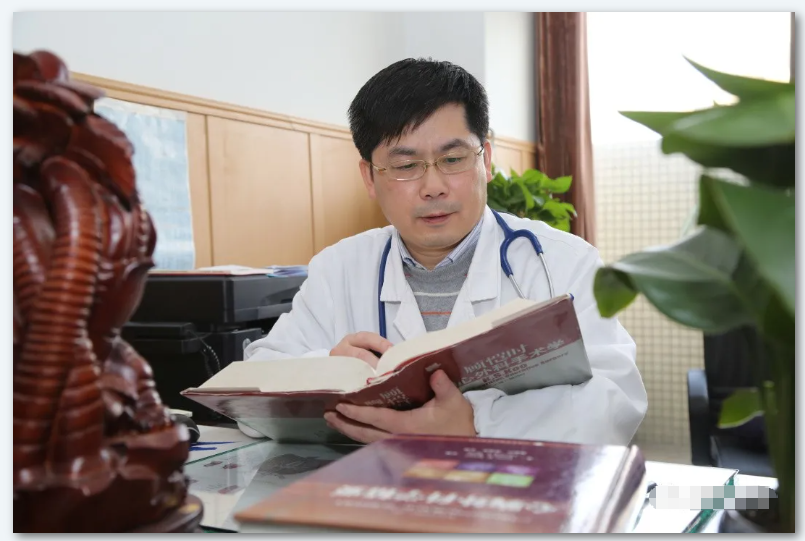
Chest trauma—especially rib fractures—has long been under-appreciated. The injuries are rarely immediately life-threatening, yet they cause severe pain, confine patients to bed, and make even coughing agonizing. Traditional posterolateral incisions were large and painful, and many patients received little effective treatment.
The scale of the problem is substantial. In the United States roughly 400,000–500,000 people suffer severe rib fractures each year; the figure in China is estimated to be about four times higher. Chest injuries account for 20–50 percent of all trauma cases, and 50–70 percent of those involve rib fractures. When patients present to ordinary hospitals they are often managed conservatively and miss the optimal window for intervention, risking chronic pain, thoracic deformity, and sometimes life-threatening complications.
Yang resolved to change that landscape. The first rib-fracture operation he performed remains vivid in his memory. The patient had severe pulmonary contusion, could barely breathe independently, and was hovering near death. Prolonged ventilator dependence carried high risk of further complications. Yang’s team elected to proceed with surgical fixation. The result was striking: the patient was weaned from the ventilator, recovered, and before discharge knelt in gratitude—a gesture Yang has never forgotten.
An elderly patient with two fractured ribs arrived after days of unbearable pain at home. Under local anesthesia while awake, the ribs were fixed through small incisions. He was discharged the next day and returned a few days later to report that he could once again hold a child.
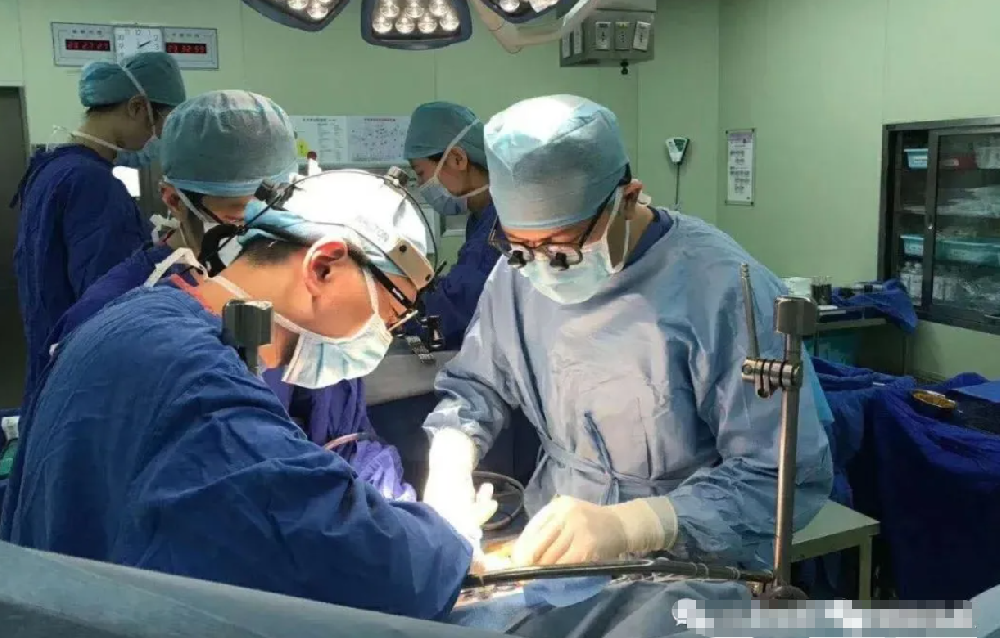
Today, with paravertebral nerve-block anesthesia, many procedures can be performed while the patient remains awake, through minimal incisions, with same-day discharge. Yang and his colleagues have formulated the “Sixth Hospital Standard for Rib Fracture Surgery,” published research, recorded free online teaching courses, and organized national conferences to disseminate both the technical method and the underlying philosophy: minimize trauma, maximize benefit.
“As doctors we cannot choose our patients—that would violate the fundamental principles of medical practice. All patients deserve equal treatment. When the optimal surgical window is allowed to slip by, it is an immense injustice to the patient.”
With technical skill and deep concern for patients, Yang Yi continues to stand close to those he treats. He strives to light the way so that people struggling in pain can once again see the light of day.
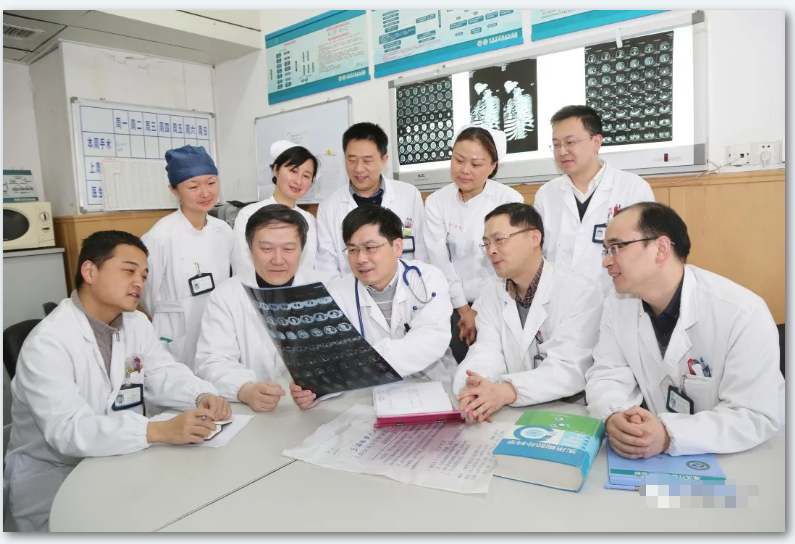

ShanghaiDoctor.cn: During the process of technological innovation in rib-fracture surgery, what challenges did you encounter? How did you overcome them?
Yang Yi: First, the challenge lay in concept. Only by recognizing the importance of the problem would one make every effort to solve it. At that time the academic community was not inclined to perform rib-fracture surgery. Second, the choice of incision. Inspired by the small incisions of minimally invasive thoracoscopic surgery, the key to reduction lies in precise localization. Then, based on clinical experience, choose an incision that can cover all the affected sites. Third, standardization and promotion. Individual cases are not convincing; the procedure must be made universally applicable.
ShanghaiDoctor.cn: Can you introduce the history of surgical treatment of rib fractures?
Yang Yi: The most important changes between past and present fall into two aspects. One is the change in concepts; the other is technological innovation. The change in concepts is the prerequisite for actual progress: from saving lives to improving quality of life, from large incisions to minor trauma. Today, through paravertebral nerve-block anesthesia, we are able to perform surgery while the patient is awake, and the patient can be discharged on the same day—truly a remarkable advance. This also includes today’s minimally invasive surgery for small pulmonary nodules. The risks and difficulty for doctors have increased, but the patient’s suffering has decreased.
ShanghaiDoctor.cn: What consensus and controversies exist in the surgical treatment of rib fractures?
Yang Yi: Technically the field has reached a high level; the key now lies in a change of concept. Currently the mainstream of thoracic surgery is small pulmonary nodules, and surgical treatment for rib fractures has not received enough attention. Yet the number of patients cannot be underestimated. In the United States the annual number of severe rib-fracture patients is nearly 400,000 to 500,000; in China it is roughly four times that figure. Among all traumas, about 20–50 percent are chest injuries, of which 50–70 percent involve rib fractures. These injuries seriously affect quality of life worldwide. When patients go to general hospitals they are often not taken seriously and receive no treatment, missing the optimal surgical window and risking major sequelae. I hope recognition of rib-fracture surgery and innovation in methods can continue to improve.
ShanghaiDoctor.cn: In daily life, what kind of person are you? What hobbies do you have?
Yang Yi: Prudent and sincere, candid, honest, and open. I act with loyalty. I seldom make promises, but once I say something, I do it. I have never used any other name on WeChat; I am simply Yang Yi. Although I have not been in touch with many good friends for a long time, once we meet our feelings are still the same as before. This is my way of practicing medicine, and also my way of making friends.
ShanghaiDoctor.cn: If you could choose again, do you think you would still take the same path?
Yang Yi: Yes. I have no regrets about the path of medicine.
For Yang Yi, success has never been a road already visible. It is the act of persisting—guided by integrity, focused on the patient’s quality of life, and committed to raising standards that others can follow—that continues to light the way.
Editor: Chen Qing
If you need to contact to Dr. Yang, please be free to contact us at Chenqing@ShanghaiDoctor.cn.
Dr. Shi Yuling | Psoriasis, and Spring Mountains Beyond the Plain
Dr.Ying Chunmei | Laboratory Medicine, Renewed a Little Every Day
Dr. Zhang Lei | Children's Airways, and a Preference for Being Plain
Dr. Chen Tongyu | Chest Surgery Without a Tube, and No Claim to Greatness
Dr. Hua Xiaolin | High-Risk Obstetrics, and a Child Worth Keeping
Dr. Shen Chun | Neonatal Surgery, and a Vow That Makes No Speech
Dr. Yang Ji | A Dermatologist Who Measures the Years by Who Gets Better
Dr. Chen Gong | Children's Bile Ducts, and a Future He Chose Himself
Dr. Luo Zhiguo | An Oncologist Still Hoping for One More Reunion
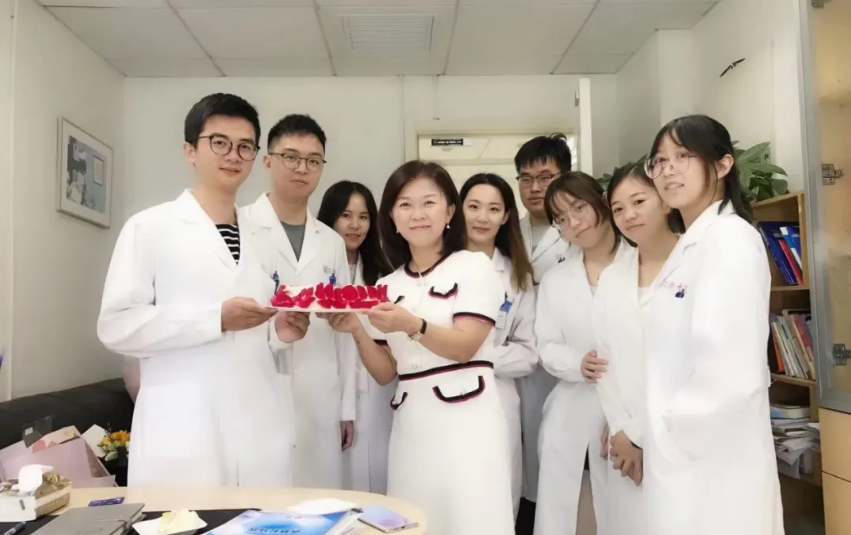
Dr. Shi Yuling | Psoriasis, and Spring Mountains Beyond the Plain
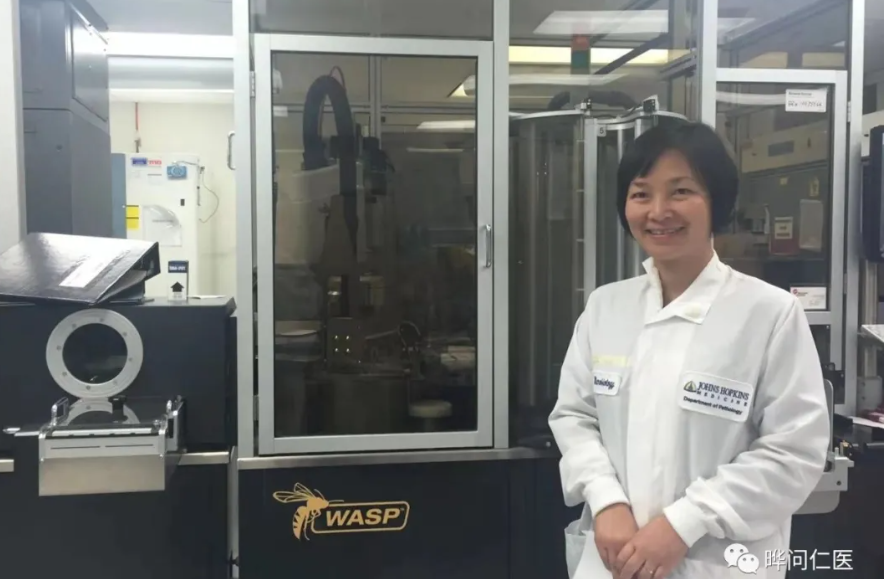
Dr.Ying Chunmei | Laboratory Medicine, Renewed a Little Every Day
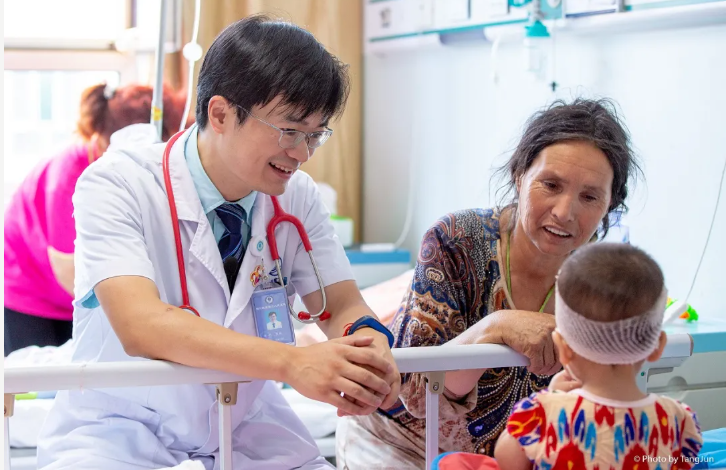
Dr. Zhang Lei | Children's Airways, and a Preference for Being Plain
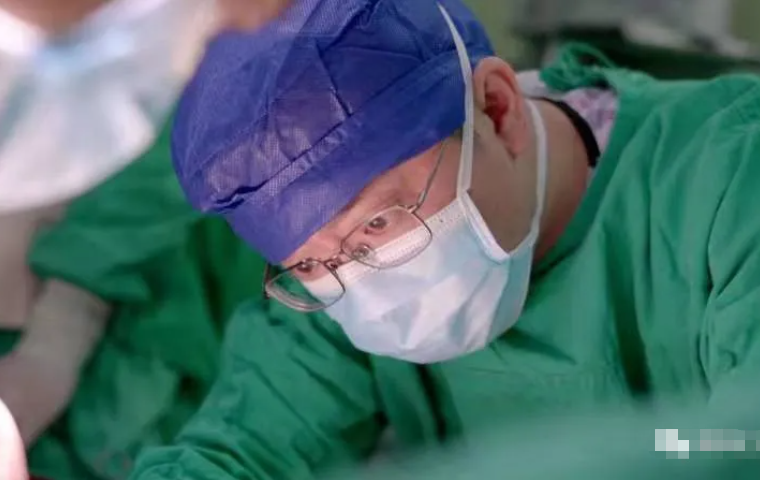
Dr. Chen Tongyu | Chest Surgery Without a Tube, and No Claim to Greatness
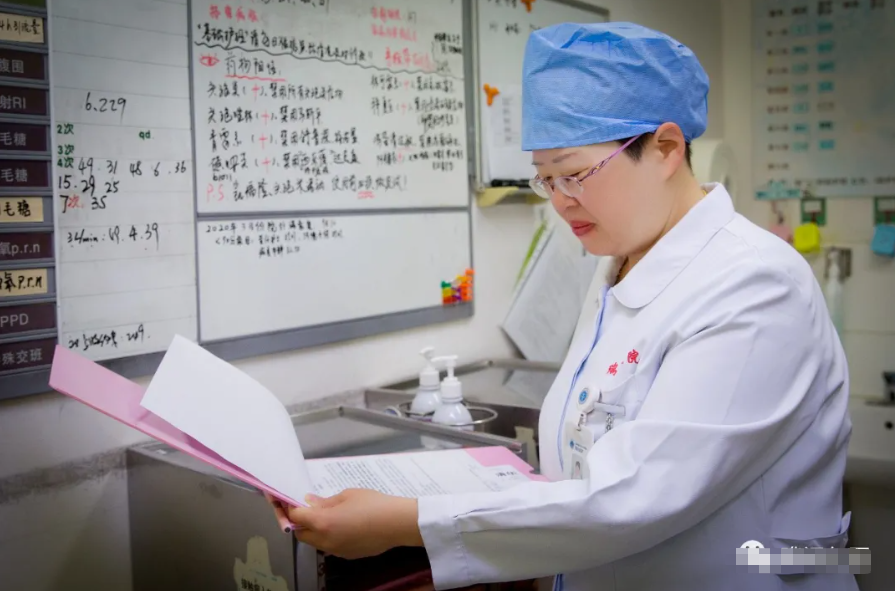
Cui Jie | An Infectious-Disease Nurse Who Kept Walking In
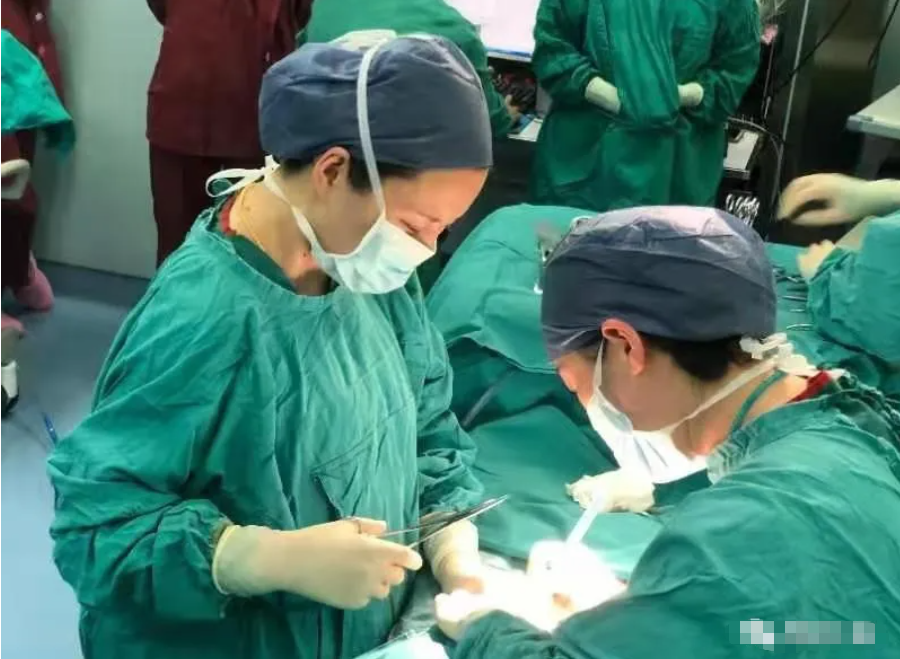
Dr. Hua Xiaolin | High-Risk Obstetrics, and a Child Worth Keeping
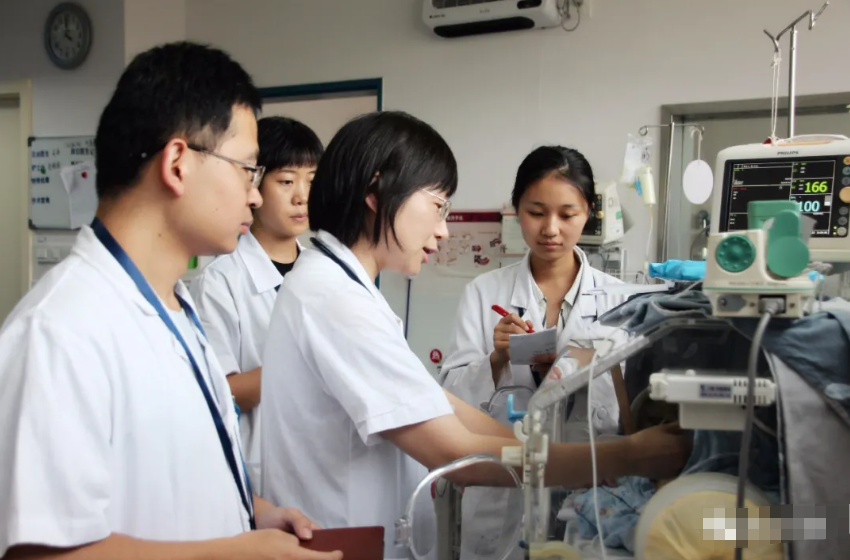
Dr. Shen Chun | Neonatal Surgery, and a Vow That Makes No Speech
Dr. Yang Ji | A Dermatologist Who Measures the Years by Who Gets Better
Dr. Chen Gong | Children's Bile Ducts, and a Future He Chose Himself
Dr. Luo Zhiguo | An Oncologist Still Hoping for One More Reunion
Copyright © 2023 Yewen Renyi & ShanghaiDoctor.cn (This website is a non - profit medical humanities platform. The information contained herein is solely for biographical and historical purposes and does not constitute any medical advice.) 沪ICP备2023005392号-2 XML 沪公网安备31010902100835号
 中文
中文 English
 Español
 沪公网安备31010902100835号