ShanghaiDoctor - Where China's Healing Wisdom Shapes Modern Medicine

Update time:2026-08-07Visits:2560
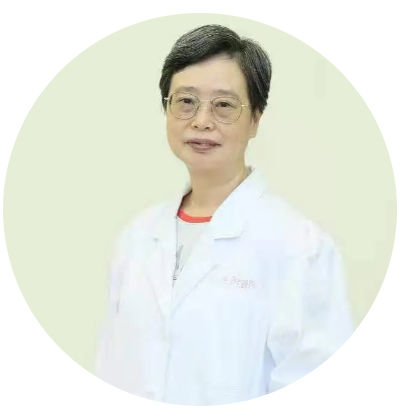
Chief Physician & Master’s Supervisor Department of Anorectal Diseases Yueyang Hospital of Integrated Traditional Chinese and Western Medicine Shanghai University of Traditional Chinese Medicine
“Thirty years of practice, accepting circumstances as they come; having chosen anorectal surgery, I have made it a lifetime commitment.”
— Chen Xinjing
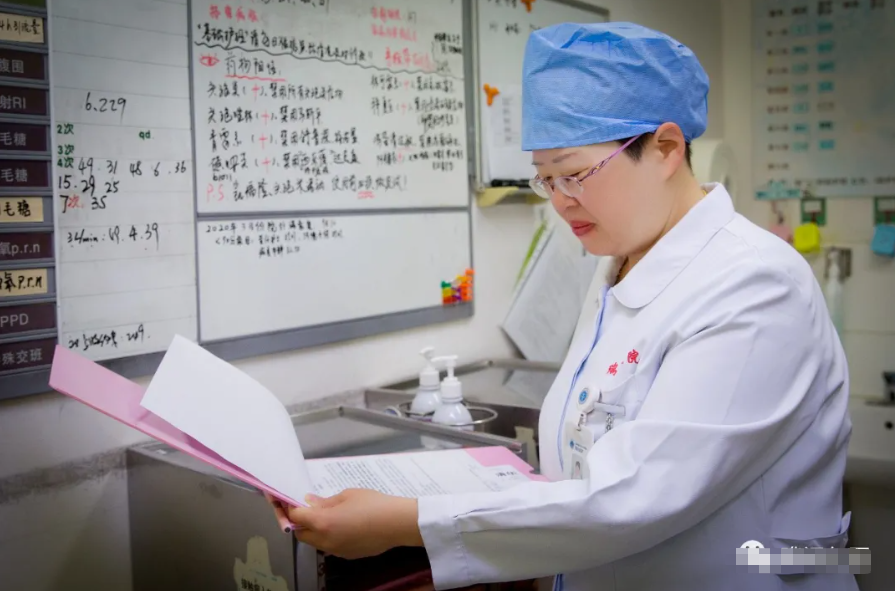
Chen Xinjing is a chief physician and master’s supervisor who has dedicated more than three decades to traditional Chinese medicine (TCM) anorectal care at the Department of Anorectal Diseases, Yueyang Hospital of Integrated Traditional Chinese and Western Medicine, Shanghai University of Traditional Chinese Medicine. She graduated from the Department of Traditional Chinese Medicine at Shanghai College of Traditional Chinese Medicine in 1985 and has remained at Yueyang Hospital ever since.
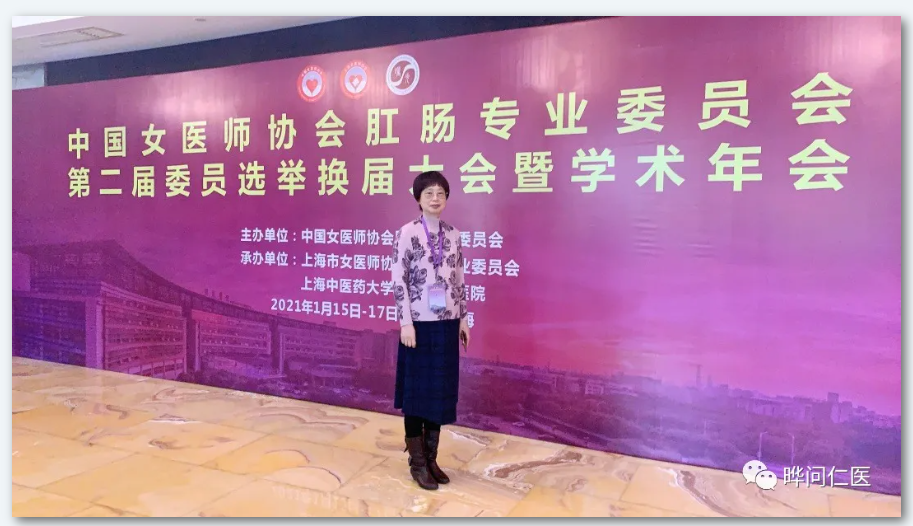
She serves as Executive Director of the Anorectal Professional Committee of the China Medical Women’s Association; Executive Director of the Anorectal Branch of the Clinical Research Society of the China Association of Traditional Chinese Medicine Higher Education; Council Member of the Anorectal Disease Professional Committee of the World Federation of Chinese Medicine Societies; Standing Committee Member of the Colorectal Disease Professional Committee of the Shanghai Society of Integrated Traditional Chinese and Western Medicine; Member of the Shanghai Traditional Chinese Medicine Anorectal Society; Member of the Expert Database of the Medical Malpractice Appraisal Committee of the Shanghai Medical Association; and Vice Chairperson of the Anorectal Professional Committee of the Shanghai Medical Women’s Association.
Her clinical work centers on the diagnosis and integrated Chinese-Western treatment of hemorrhoids, anal fissures, perianal abscesses, anal fistulas, and functional disorders such as constipation, with particular attention to the needs of female patients.
What makes anorectal physicians remarkable, Chen often notes, is the diagnostic power of careful digital rectal examination—what colleagues sometimes call “golden fingers.” These skilled hands can detect tumors that are not yet visible by other means.
A recent case illustrates the point. A young woman experienced repeated rectal bleeding. Believing it was only hemorrhoids, she delayed formal care and tried various remedies found online. When she finally came to Yueyang Hospital, Chen took a detailed history and performed a digital rectal examination. A mass was clearly palpable on the posterior rectal wall, 4–5 cm from the anus—large, uneven, occupying half the circumference of the lumen. That mass, not simple hemorrhoids, was the true source of the bleeding.
Anorectal practice has particular features. Diseases of the large intestine can be managed by physicians of either gender. Perianal conditions, however, account for the majority of outpatient visits and require intimate examination. Many female patients prefer to see a female doctor; the encounter is more convenient and less stressful. The young woman above had postponed care precisely because she feared the embarrassment of an examination by a male physician, allowing the condition to become more serious.
Over 36 years Chen has helped build a strong presence of female physicians within the department. Their presence has become a practical blessing for women with anorectal disease, making it easier for them to seek timely care without hesitation.
When she graduated from high school, Chen had one clear intention: to study medicine. In 1980 she entered Shanghai University of Traditional Chinese Medicine. Five years of steady study of TCM fundamentals laid the foundation for everything that followed. After graduating in 1985 she joined Yueyang Hospital, which felt as familiar as her alma mater.
At that moment the anorectal department urgently needed new colleagues. Yueyang Hospital was the first in Shanghai to specialize in anorectal diseases and has long been regarded for both technical skill and professional integrity. The late master Wen Maokang was renowned citywide for his hemorrhoid ligation technique. His senior disciple, Hong Caiyu, later pioneered the rubber-band ligation method that further shortened recovery; the ligation-gun technique now widely used across Shanghai owes much to this lineage.
By a fortunate coincidence Chen entered TCM anorectal surgery. More than thirty years have passed in what now feels like the blink of an eye. “Devoting one’s life to a single pursuit is the way of our generation,” she says.
At the time, anorectal work was not yet a fully defined subspecialty. As a woman in her early twenties she treated anorectal conditions day after day. At first she felt a certain awkwardness speaking about them. Under the guidance of her senior colleague Sun Jianhua (now director of the department), she gradually recognized both the special significance of the field and the distinctive contribution female physicians could make. “Some patients urgently need a female doctor,” she later reflected. “Over time I simply got used to it.”
Her teachers’ admonition remains vivid: “Doctors in the anorectal department must not fear hardship or filth; they must never betray patients’ trust.”
One early patient, a man in his thirties with a high perianal abscess that had become a complex fistula, arrived in extreme pain and despair. Facing a newly minted physician, he showed complete trust and cooperation. After three operations of varying scale he recovered. Weeping with relief, he said he felt “reborn.” That trust, Chen insists, must never be betrayed.
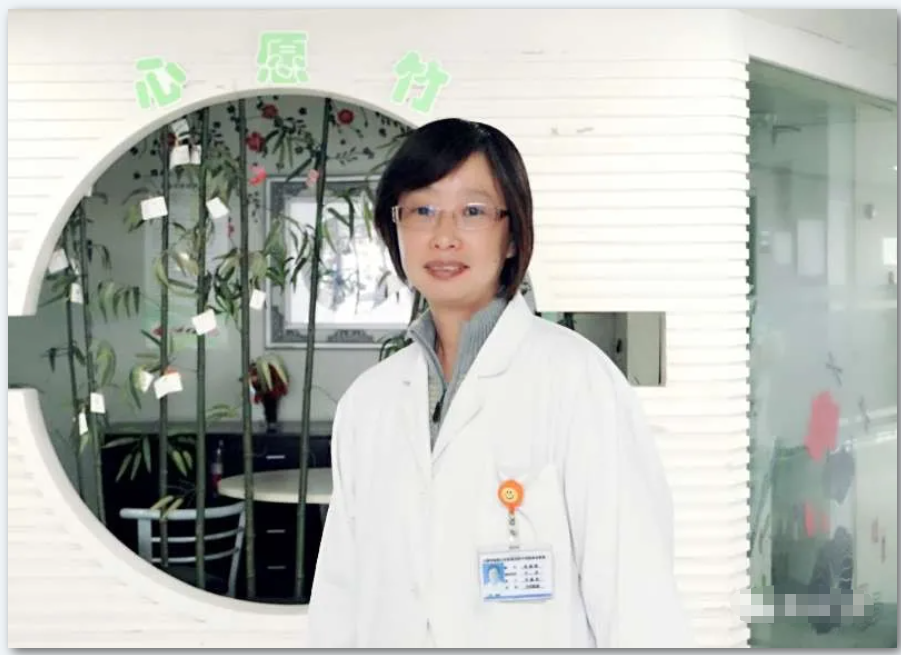
Hemorrhoids remain the most common anorectal condition—“nine out of ten people have hemorrhoids,” as the saying goes. Bleeding and pain are typical presentations; anal fissure, perianal abscess, anal fistula, and functional disorders such as constipation follow close behind. In recent years the age of onset has declined noticeably.
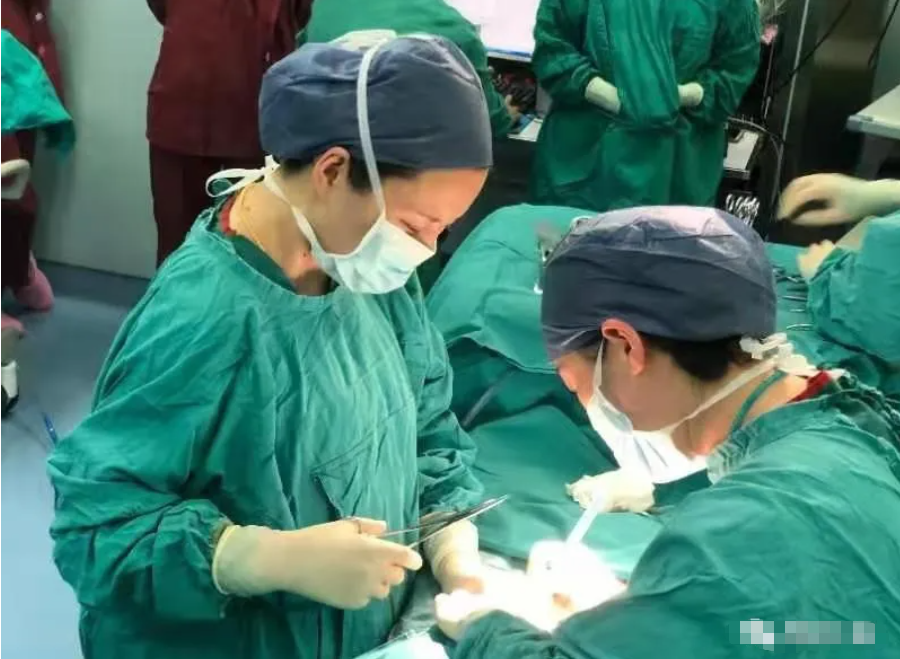
Traditional Chinese medicine offers distinctive advantages. “TCM treats the whole person, not just the hemorrhoids,” Chen explains. For benign conditions the team exhausts conservative measures first, providing systemic conditioning based on syndrome differentiation. Surgical treatment has evolved from purely TCM methods to an integrated Chinese-Western strategy. Diagnosis once relied solely on inspection and palpation; now MRI and ultrasound guide precision. In the operating room the ultrasonic scalpel has replaced traditional scissors—more convenient, better hemostasis—and is combined with TCM small-incision technique, minimally invasive principles, and specialized herbal preparations. Postoperative infrared and ultrasonic physiotherapy accelerate healing.
“The soul of TCM lies in syndrome differentiation,” she emphasizes. “We first identify the specific pattern and the patient’s constitution, then form a diagnosis. A one-size-fits-all approach is never acceptable.”
For infections that antibiotics cannot fully resolve, Yueyang Hospital pioneered the medicated-thread drainage method: a medicated thread is inserted to drain pus while protecting surrounding tissue—a technique still rare nationwide. For bleeding and prolapse the team refined an ancient formula into the in-house preparation Qishen Gutuo Mixture, effective for spleen deficiency and qi sinking. After surgery Chen personally changes dressings twice daily, monitoring healing and easing patients’ anxiety.
“Although hemorrhoids and anal fissures are considered minor ailments, the suffering they cause is far from minor. How to perform surgery with exceptional precision and how to further improve patients’ quality of life are the new challenges facing anorectal surgeons.”
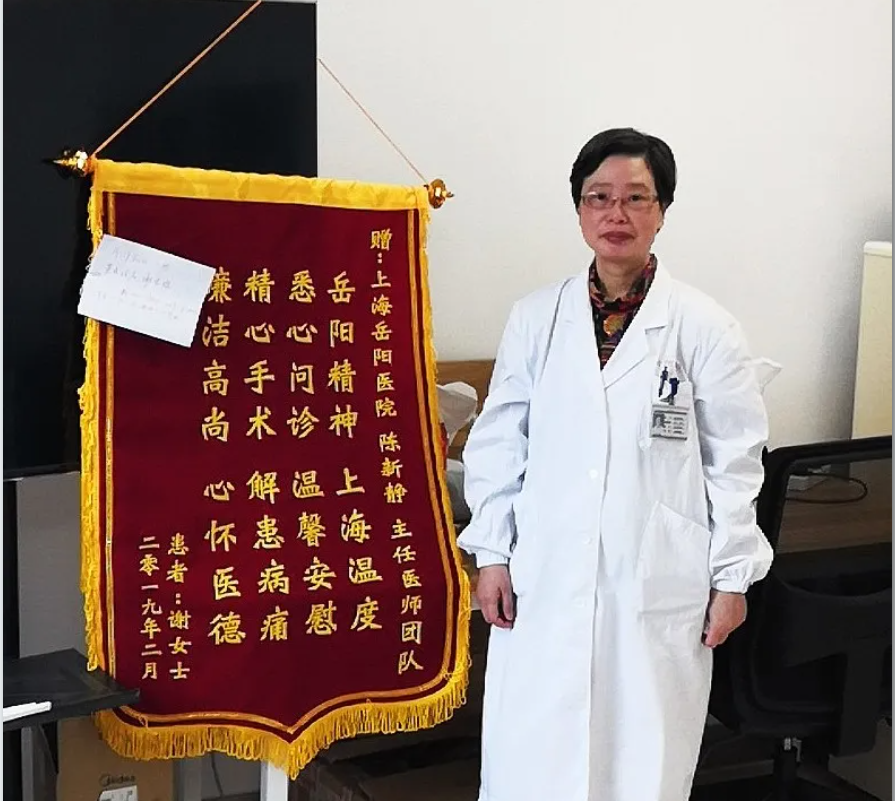
Anorectal conditions are intensely private, especially for female patients. Outpatient data show that more women than men now seek care. Life stress, work fatigue, and lifestyle factors have contributed to a higher incidence among women. In response, Yueyang Hospital’s Anorectal Department established a Women’s Anorectal Group staffed entirely by female physicians—an initiative that has markedly reduced patients’ reluctance to seek treatment.
As a female physician Chen brings particular attentiveness. She understands that patients often lack comprehensive medical knowledge and that a clear explanation can reduce anxiety. When treating women she frequently welcomes them as a trusted friend—listening to everyday worries, offering guidance, and easing psychological burden.
“Doctors are people who help patients solve problems. They should treat patients with great enthusiasm and devote themselves wholeheartedly to treatment. The anorectal department does not usually face life-and-death choices, but a perfect treatment can give patients a new lease on life.”
Treatment rests on three pillars: precise surgery, humanistic management, and psychological counseling. Local treatment is combined with systemic conditioning—“treat not only the existing disease but also prevent disease before it occurs.” For minor hemorrhoids, TCM advocates early intervention; once constitution improves, systemic problems become less frequent. This philosophy, developed by the department’s senior professors, continues a TCM tradition that spans centuries.
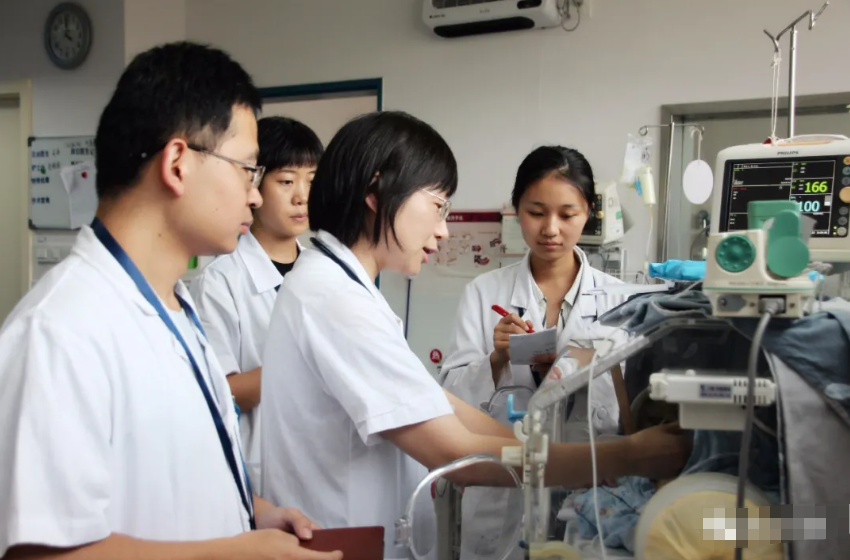
Chen treats patients and students with the same sincerity. After work she retains a youthful spirit—following the news, watching series, occasionally noticing fashion trends. With younger colleagues she is gentle and patient; the team atmosphere is harmonious and energetic.
“Treat others sincerely, and naturally you will receive sincerity in return. TCM anorectal work has both pain and joy. Every time I see a patient’s smile after recovery, my heart feels like spring flowers blooming.”

ShanghaiDoctor.cn: Spring and summer are seasons with a high incidence of anorectal diseases. Generally speaking, what diseases are included?
Chen Xinjing: Among anorectal diseases, hemorrhoids are the most common. Epidemiological surveys show that about 50 percent of people experience anorectal conditions, and among them roughly half have hemorrhoids. “Nine out of ten people have hemorrhoids.” Hemorrhoids mainly present with bleeding and pain. Next come anal fissure, perianal abscess, anal fistula, and so on. Non-surgical conditions such as constipation and diarrhea are also relatively common. Anal fistula is increasingly seen in younger people, especially young men, while female patients most often present with anal fissure.
ShanghaiDoctor.cn: From a cognitive perspective, what misunderstandings do people have about the anorectal department?
Chen Xinjing: Many people assume that anorectal diseases can simply be endured and will pass. When young people first notice symptoms, their instinct is often to search online—and they end up matching every disease description to themselves. The more they read, the more frightened they become. Popular science and academic research are different. Each person’s condition has individual variations. Hemorrhoids appear in many forms. Clinical treatment emphasizes individualization—one person, one treatment—and cannot be applied uniformly. This is also a hallmark of traditional Chinese medicine. The soul of TCM is treatment based on syndrome differentiation: first identify the disease pattern and the patient’s constitution, then make a diagnosis. Individualized treatment is the core issue.
ShanghaiDoctor.cn: What are the core technologies of Yueyang Hospital in the treatment of anorectal diseases?
Chen Xinjing: Yueyang Hospital is the earliest hospital in Shanghai to treat anorectal diseases, focusing mainly on hemorrhoids, and its surgical techniques have long been at the forefront in the city. The late Mr. Wen Maokang’s hemorrhoid ligation procedure was renowned throughout Shanghai. On this foundation the late Mr. Hong Caiyu further developed the rubber-band ligation technique, which shortened detachment time. Nowadays machines have replaced manual work, and the ligation-gun method has spread throughout Shanghai. In addition, Yueyang Hospital has many of its own specialty preparations and ointments, as well as surgical methods for infectious diseases and the medicated-thread drainage method. The medicated-thread method can resolve infections that antibiotics cannot fully treat, drain pus, and protect the surgical wound. Among these, the internally wrapped medicated thread is extremely rare in hospitals nationwide.
ShanghaiDoctor.cn: With the rise of the internet, various health-preservation contents have emerged, reflecting people’s complex sentiment toward traditional Chinese medicine. There is now a viewpoint that TCM can only play a role in disease prevention—“treating the pre-disease state rather than the manifested disease.” What is your view?
Chen Xinjing: TCM’s “preventive treatment of disease” indeed has unique advantages, combining local treatment with systemic regulation. First, the core of TCM treatment is syndrome differentiation and systemic treatment. Through systemic regulation the patient’s constitution improves and the probability of disease onset decreases. Constipated patients are often prone to hemorrhoids; if constipation is resolved, flare-ups become far less frequent. Systemic treatment is a distinctive strength of TCM. Second, preventive treatment. For small hemorrhoids, early intervention can greatly prolong the interval between flare-ups and reduce severity. Correcting poor lifestyle habits is the prerequisite. By blocking the accumulation of disease early and preventing aggravation through treatment and guidance, anorectal diseases can be gradually prevented.
ShanghaiDoctor.cn: What TCM treatments are available for late-stage tumor patients? What are the precautions for medication for refractory constipation? What are the advantages of TCM in treating ulcerative colitis?
Chen Xinjing: Although the probability of anal fistula becoming malignant is not high, in extremely rare cases patients who delay treatment for decades may develop malignancy. In addition, some patients have hemorrhoids and tumors simultaneously, where the hemorrhoids mask the tumor. Over time this can lead to metastasis. Especially for some low-lying rectal tumors, clinicians can detect them by palpation, and early treatment yields very good results. People often say that the anorectal surgeon’s finger is a “golden finger.” Many patients remain grateful years later that the doctor detected the tumor in time. Therefore early bleeding must be taken seriously. Seek medical attention promptly and prevent minor illnesses from becoming major diseases.
ShanghaiDoctor.cn: In your opinion, what qualities should a TCM practitioner, especially an anorectal surgeon, possess?
Chen Xinjing: A doctor should still prioritize the pursuit of knowledge. First, build a solid foundation—what you learn in school will naturally prove useful. Second, broaden your horizons; the knowledge you accumulate will one day serve you well, and your professional path will take an entirely different turn. The study of medicine is a long process, and so is the accumulation of clinical experience. You must be able to endure solitude. Rare cases are seldom encountered, but once you meet one, you will remember it for a lifetime. In my dealings with students I never scold. Our team is harmonious and cheerful, and the young people are full of vitality. Today’s students are all bright and perceptive; they actively pursue the fields that interest them, and active guidance is the best form of teaching.
Looking back across more than three decades, Chen Xinjing sees the hardships condensed into a simple commitment: dedication with heart. Her steps in scholarship and healing never pause. Every recovered patient’s smile continues to feel, for her, like spring flowers blooming.
Editor: Chen Qing
If you need any help from Dr. Chen, please be free to directly contact at Chenqing@ShanghaiDoctor.cn.
Dr. Shi Yuling | Psoriasis, and Spring Mountains Beyond the Plain
Dr.Ying Chunmei | Laboratory Medicine, Renewed a Little Every Day
Dr. Zhang Lei | Children's Airways, and a Preference for Being Plain
Dr. Chen Tongyu | Chest Surgery Without a Tube, and No Claim to Greatness
Dr. Hua Xiaolin | High-Risk Obstetrics, and a Child Worth Keeping
Dr. Shen Chun | Neonatal Surgery, and a Vow That Makes No Speech
Dr. Yang Ji | A Dermatologist Who Measures the Years by Who Gets Better
Dr. Chen Gong | Children's Bile Ducts, and a Future He Chose Himself
Dr. Luo Zhiguo | An Oncologist Still Hoping for One More Reunion
Dr. Shi Yuling | Psoriasis, and Spring Mountains Beyond the Plain
Dr.Ying Chunmei | Laboratory Medicine, Renewed a Little Every Day
Dr. Zhang Lei | Children's Airways, and a Preference for Being Plain
Dr. Chen Tongyu | Chest Surgery Without a Tube, and No Claim to Greatness
Cui Jie | An Infectious-Disease Nurse Who Kept Walking In
Dr. Hua Xiaolin | High-Risk Obstetrics, and a Child Worth Keeping
Dr. Shen Chun | Neonatal Surgery, and a Vow That Makes No Speech
Dr. Yang Ji | A Dermatologist Who Measures the Years by Who Gets Better
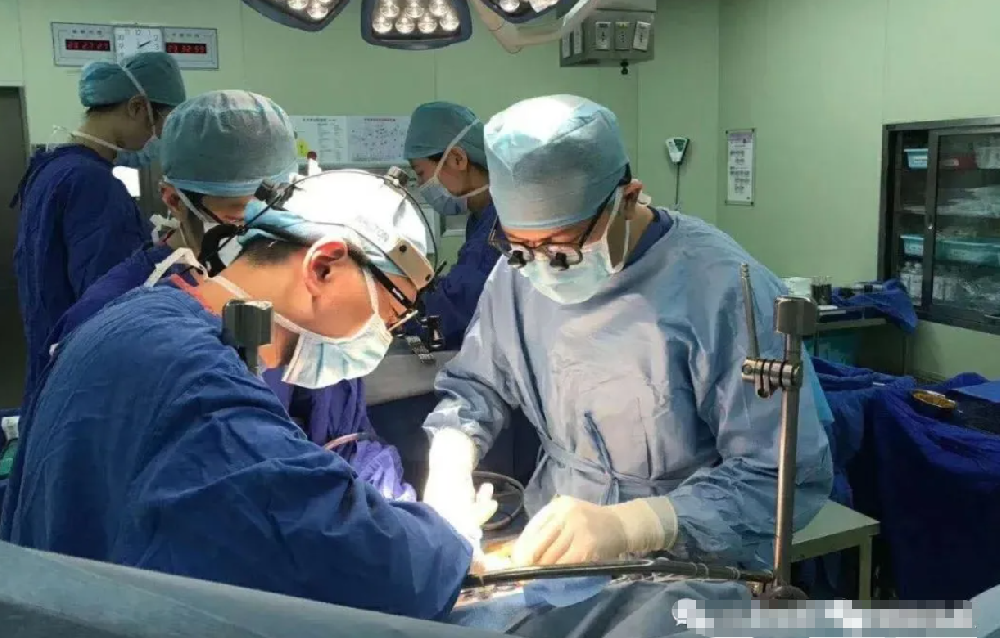
Dr. Chen Gong | Children's Bile Ducts, and a Future He Chose Himself
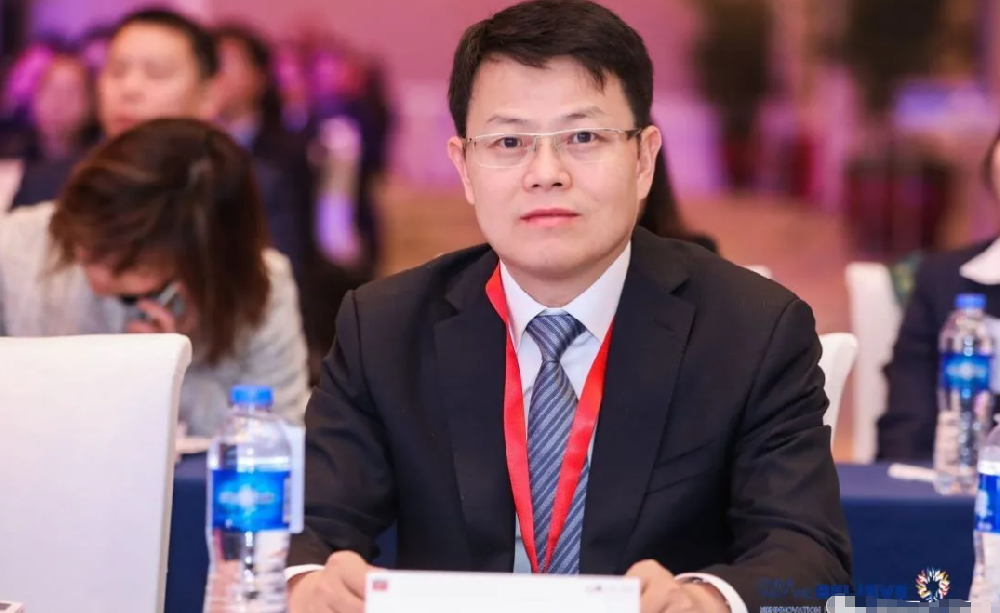
Dr. Luo Zhiguo | An Oncologist Still Hoping for One More Reunion
Copyright © 2023 Yewen Renyi & ShanghaiDoctor.cn (This website is a non - profit medical humanities platform. The information contained herein is solely for biographical and historical purposes and does not constitute any medical advice.) 沪ICP备2023005392号-2 XML 沪公网安备31010902100835号
 中文
中文 English
 Español
 沪公网安备31010902100835号