ShanghaiDoctor - Where China's Healing Wisdom Shapes Modern Medicine

Update time:2026-09-27Visits:607
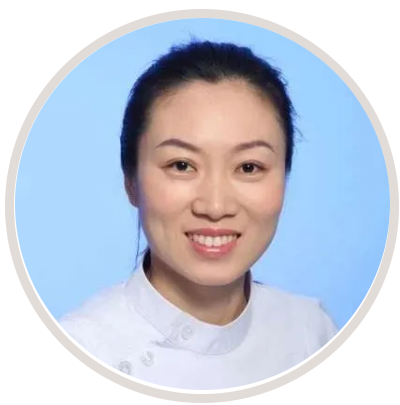
“My greatest wish is to give these children their smiles back.”
— Yuan Gongjie
Yuan Gongjie is Chief Physician, Master’s Supervisor, and Director of Stomatology at the Children’s Hospital affiliated with Shanghai Jiao Tong University. She treats early orthodontics in children: space in the mixed dentition, crossbite in primary and mixed teeth, mouth-breathing patterns, complex adolescent malocclusion, and clear aligners. She is a member of the World Federation of Orthodontists and of the Chinese Orthodontic Society.
She was born in a small county near Harbin. Her mother was the county hospital’s best-known dentist; the line outside the door was the first picture of the job. In 1998 she entered medical school, finished a master’s after marriage and a first child, and took a doctorate at the Fourth Military Medical University under Ding Yin, who died of illness still revising a surgical plan from his bed. From 2010 she worked nine years in Dalian. In 2019 she came to Shanghai to run the children’s dental department. Months later the pandemic arrived. The clinic did not close.
Her daughter once wrote a short piece about a March night: birds at the window, a mother home late from a clinic that had stayed open, sleep that no longer had a clock. The girl looks like her and does not think so. Junior high now, she closes the curtains when her mother falls onto the bed before dinner and tells the house not to knock. Yuan calls herself an inadequate mother. The first Sunday tutoring class in Shanghai, the child rode three subway lines alone, phone map in hand, turned around when she missed a stop, and arrived to a room full of parents. The teacher asked where her mother was.
Before elementary school the girl’s memories were mostly grandparents. An emergency meeting at the hospital, a husband still in Dalian, and the child left with elders again. Last year the school asked Yuan to speak about growing up. It was the first time the daughter heard the story from the stage. She chose the bouquet herself. Presence, Yuan says, is what many people mean by maternal love. A physician often cannot offer that kind of presence. What remains is an example, which she hopes is enough, and a private wish that if the years started over she would sit in more of the rooms she missed.
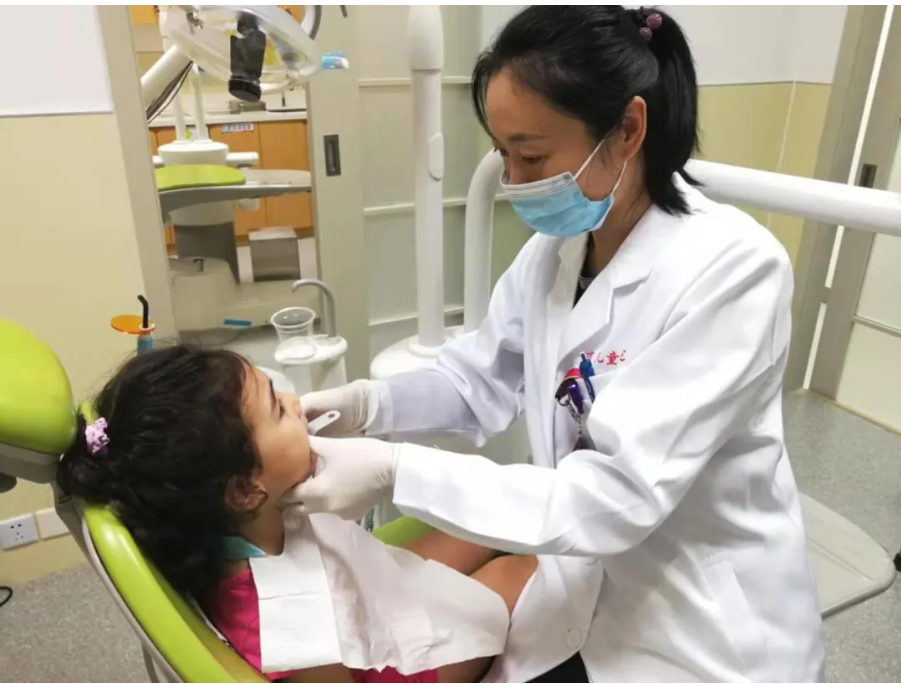
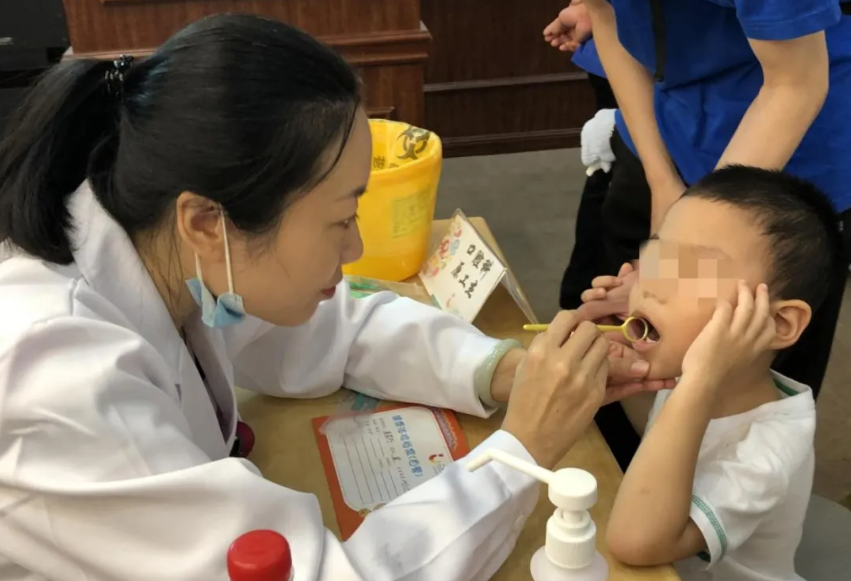
In Dalian her chair ran from three-year-olds to people in their forties. Small children cooperate poorly; the work costs time. She stayed with them anyway. Older children with crowded or reversed bites often go quiet. Early treatment, she argues, is not only mechanics. It is a face a child can live in. Under six, fear is stronger. A visit can last more than an hour and look like kindergarten: stories, coaxing, a hug from a four-year-old that she does not pretend leaves her unmoved.
After she took the Shanghai post she named two features for the department: orthodontics, and treatment under general anesthesia—what the team calls “no-crying” care. A turbine in a terrified mouth is how children get hurt. Root canals, minor oral surgery, a short lingual frenulum, day-surgery lists: the child sleeps, the work is ten or twenty minutes, observation follows. From late April of that first year they logged more than four hundred such cases and the list did not shrink. Complaints fell after she put a single question to the staff: How do we treat children? Parents, she says, see everything. If you do not like children, the job is the wrong room.
A boy with an underbite—upper front teeth locked behind the lower, no bite in front, a small maxilla—started treatment at five. At nine he still comes in for a yearly hug and looks, in a photograph, like any other child. The old rule was to wait until twelve or thirteen. Skeletal problems left that late are harder, sometimes surgical. Two short, simpler phases in the years when the face is still being built are what she calls happy treatment: less pain, less money, less later theater. Saving a front tooth from a cyst, against the safer impulse to extract, is the other kind of decision she will still defend. Risk avoided is also a miracle refused.
ShanghaiDoctor.cn: How did you come to medicine?
Yuan Gongjie: My mother. A small county near Harbin; she was the dentist people lined up to see. She told me to be a doctor, and to do it in a large city. I said all right. In 1998 I sat the exam for a medical school. The undergraduate college was not the one I had dreamed of. It was still her profession. In 2003 I missed a Beijing master’s place by two points. I married, had a child, sat the exam again, finished the master’s, then a doctorate at the Fourth Military Medical University. From 2010 I worked nine years in Dalian. Shanghai was 2019.
ShanghaiDoctor.cn: One word for the road?
Yuan Gongjie: Persistence. The first school was not ideal. Other people took off; I was still on the slope. They could rest; I was still climbing. Decades of that put me a little closer to the work I wanted.
ShanghaiDoctor.cn: Why children?
Yuan Gongjie: In Dalian the chair ran from three to fifty. Small children are hard. I like them. I have not mislaid that. Older children who need braces often go quiet and think less of themselves. Treat them early and the face changes while the person is still being made. For them a more confident life can start there. For me it is a piece of work I can stand to look at.
ShanghaiDoctor.cn: Young children are not easy.
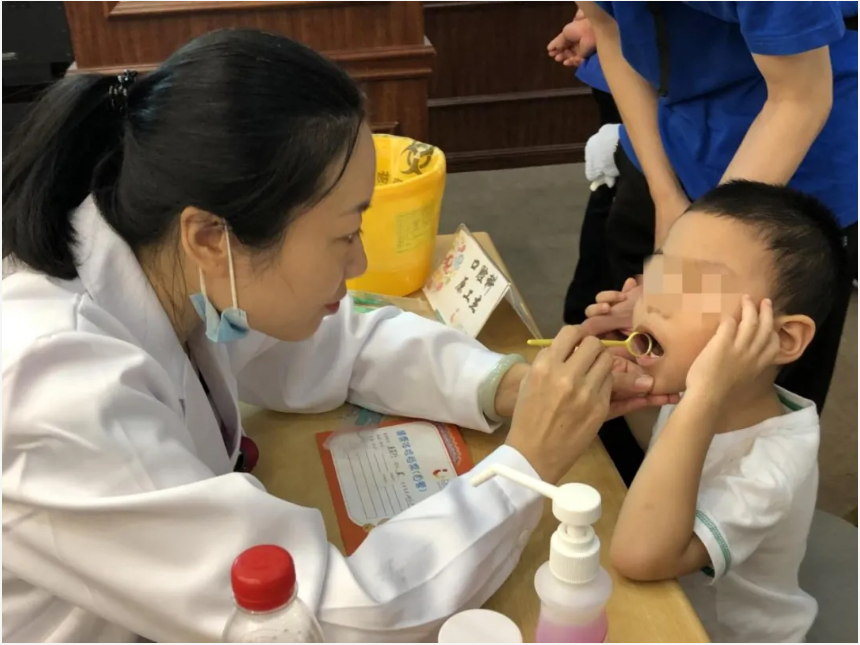
Yuan Gongjie: Under six, fear is stronger. You treat teeth and you also teach kindergarten. Stories. An hour in the chair. They are little monsters. I enjoy them. Some girls of four or five kiss you on the way in. That is not a small thing.
ShanghaiDoctor.cn: Who marked you most?
Yuan Gongjie: Ding Yin, my doctoral supervisor, now gone. Character, scholarship, a plain compassion, a faith in the job. On his sickbed he was still asking whether a plan needed another pass. At the end he was still thinking about each student. Be worthy of the title, he said. When my thesis experiments produced nothing I wanted to change topics. Acne all over my head. He did not soothe me. He said if I ran now I should stop being his student and go home. Then: is there no room to try once more? If this topic failed, why would the next one succeed? You have to stay with your own life. I cried, then I stayed. The acne went in a week. I hold students to that same line now. Direction, and persistence.
ShanghaiDoctor.cn: You had been in the post less than half a year when the epidemic arrived.
Yuan Gongjie: The dental department is high-risk in an outbreak. We did not stop. At the peak, eight doctors and three nurses rotated. By the end of March the full list was back. That was infection control in the hospital, and a team that held. As director I was first in the way of the pressure.
ShanghaiDoctor.cn: Complaints fell after you arrived?
Yuan Gongjie: I asked the staff one question: How should we treat children? Sincerity is not optional. Parents watch. Doctors are tired and the day is crowded; patience runs out, and that is where fights begin. Imagine the child is yours. If you do not like children, this is the wrong work. Word of mouth now fills the chairs. A face that changes after treatment is the thanks that keeps people in the room.
ShanghaiDoctor.cn: You spent a year at Stanford in 2014. How does children’s oral care differ?
Yuan Gongjie: In the clinics I saw, orthodontics in late childhood was treated as ordinary care, something many families planned for rather than an afterthought. In Shanghai that attention is arriving now. Parents here have begun to look at children’s teeth earlier than they used to.
ShanghaiDoctor.cn: The “no-crying” list?
Yuan Gongjie: Two features after I arrived: orthodontics, and treatment under general anesthesia. Crying used to shake the floor. A drill in a frightened mouth is how you injure a child. Sleep, do the root canal or the small surgery, wake, watch. A short tongue-tie takes a little more than ten minutes. From April 28 we passed four hundred cases. Demand stayed high.
ShanghaiDoctor.cn: And orthodontics—the boy with the underbite?
Yuan Gongjie: He started at five. He is nine. He hugs me on the yearly visit. In a picture there is nothing odd about the teeth. A few years earlier the upper front teeth sat behind the lower ones; there was no bite in front; the upper jaw was small. The old habit was to wait until twelve or thirteen. Technology and timing changed that. If a child can cooperate, three to five is not too early. Wait, and some skeletal problems ask for an operating room. Two short phases, simpler, in a process a child can stand—that is happy treatment.
ShanghaiDoctor.cn: What does that style look like in the chair?
Yuan Gongjie: Parents say I bring weather with me. A child afraid of an extraction: the tooth is going to sleep; I am good at putting teeth to sleep; crying will wake it. Then one, two, three. Some of them call me a magician. There is no magic. You read the child and finish while they can still be glad. I have not tired of that day.
ShanghaiDoctor.cn: What should parents know?
Yuan Gongjie: Brushing. Some parents have never cleaned a two-year-old’s mouth. When the first tooth appears, at six or seven months, start. Water after milk; soft gauze on the gum. Children who only rinse get caries. Bottle decay can take the whole front row of baby teeth and harm what comes after. By one, brush together—cartoon brushes, a song if it helps. By three, three times a day, three to five minutes. Prevention is still cheaper than the chair.
ShanghaiDoctor.cn: What do you want for the department?
Yuan Gongjie: That the people in it can work with some gladness, and that a child leaves less frightened than they arrived. One roof from the first tooth through whatever the growing mouth asks, especially early orthodontics.
ShanghaiDoctor.cn: Leisure? Stress?
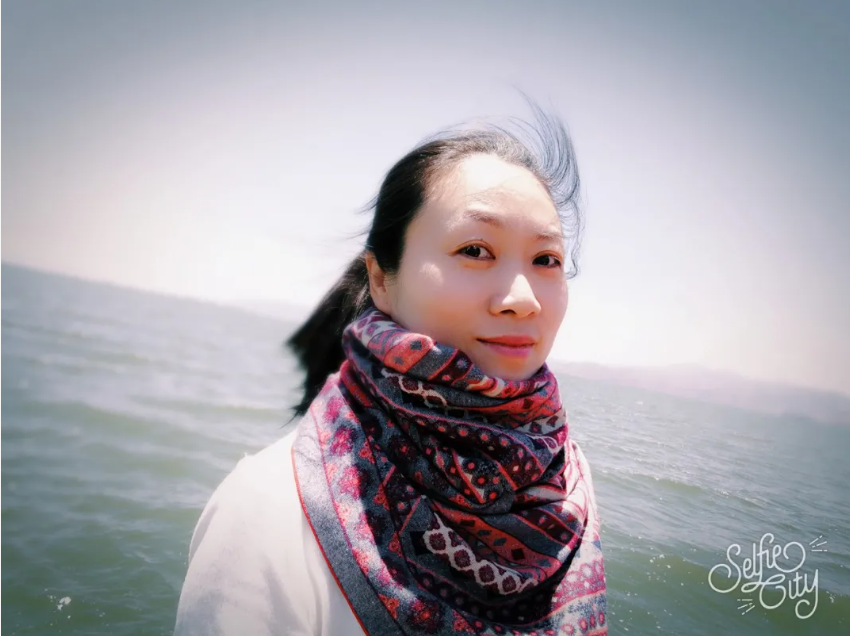
Yuan Gongjie: One day off in a week, and I am often used up. We go to the edge of the city. Mountains and water. In Dalian I meant to learn piano and never bought the instrument. In Shanghai there is no time. I listen to a few pieces.
ShanghaiDoctor.cn: What kind of doctor is beautiful?
Yuan Gongjie: Kindness first, then craft. Treat a child as you would treat a child of your own house. Parents have handed you the person they love most. Skill has to keep moving. For mixed dentition I am still looking for the right year, the shortest course, the least pain, the least cost. Early treatment in that window is still a young idea. I want the little monsters to leave with the smile that was always theirs.
Yuan Gongjie’s title is a wish, not a slogan: give the children their smiles back. The work is a five-year-old underbite, a tooth kept against a cyst, a chair that looks like a story hour, a department that learned to operate while a child sleeps. The cost sits at home, in a daughter who learned three subway lines alone. Presence is what she cannot always spend. The example, and the smile in the doorway when the yearly visit comes, are what she has.
Dr. Yuan Gongjie | Children's Smiles, and the Orthodontist Who Still Tells Stories
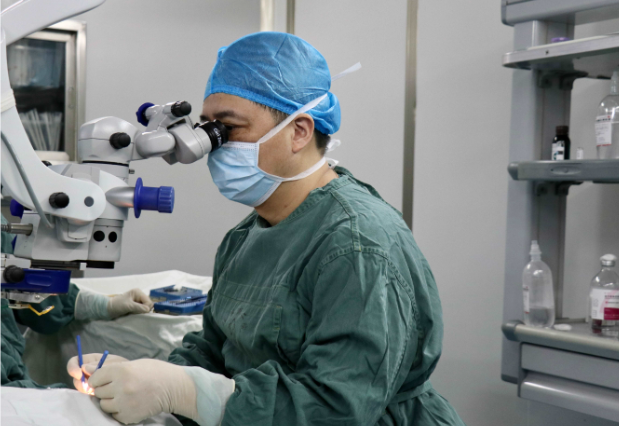
Dr. Wang Chaoyang | Vitrectomy, and Flowers Once Hidden in the Eye
Dr. Zhao Jinhua | Nuclear Medicine, and the Flowers Along the Road
Dr. Shi Yuling | Psoriasis, and Spring Mountains Beyond the Plain
Dr.Ying Chunmei | Laboratory Medicine, Renewed a Little Every Day
Dr. Zhang Lei | Children's Airways, and a Preference for Being Plain
Dr. Chen Tongyu | Chest Surgery Without a Tube, and No Claim to Greatness
Dr. Hua Xiaolin | High-Risk Obstetrics, and a Child Worth Keeping
Dr. Yuan Gongjie | Children's Smiles, and the Orthodontist Who Still Tells Stories
Dr. Wang Chaoyang | Vitrectomy, and Flowers Once Hidden in the Eye
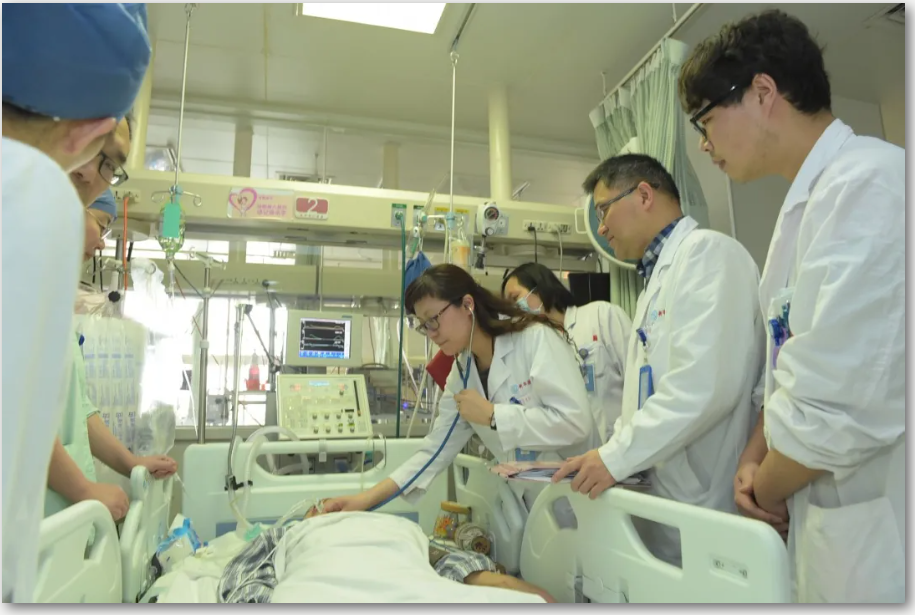
Dr. Fei Aihua | Emergency Medicine, and Striving to Win
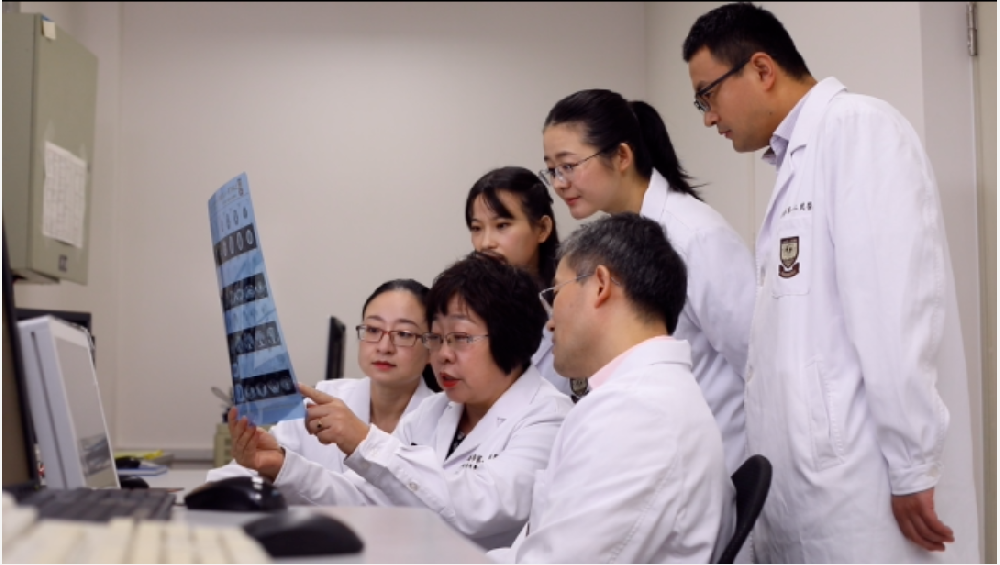
Dr. Zhao Jinhua | Nuclear Medicine, and the Flowers Along the Road
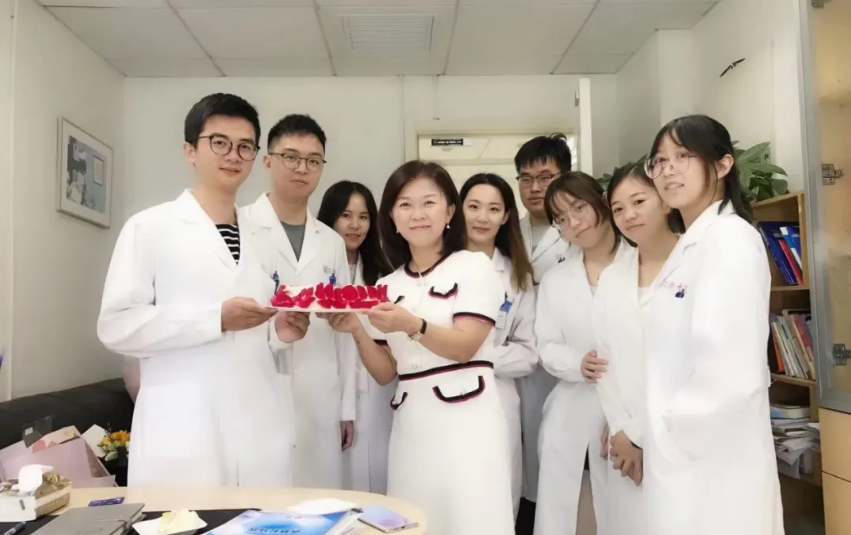
Dr. Shi Yuling | Psoriasis, and Spring Mountains Beyond the Plain
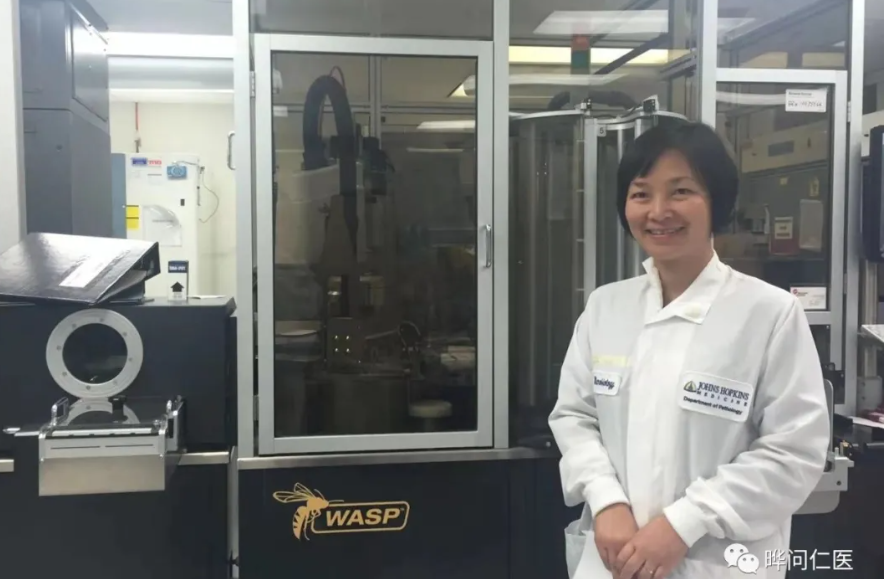
Dr.Ying Chunmei | Laboratory Medicine, Renewed a Little Every Day
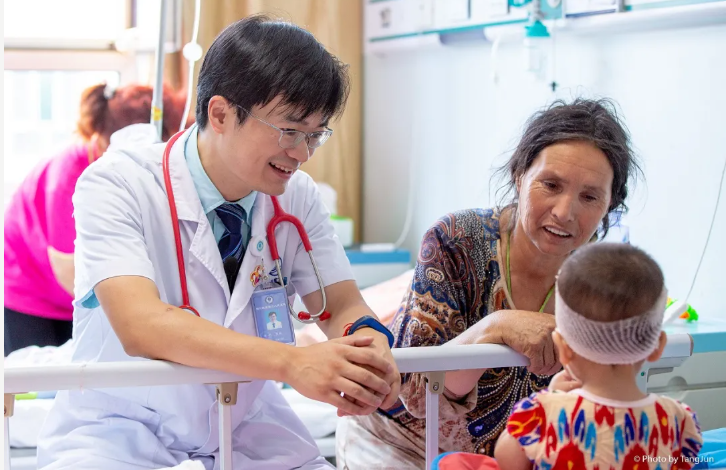
Dr. Zhang Lei | Children's Airways, and a Preference for Being Plain
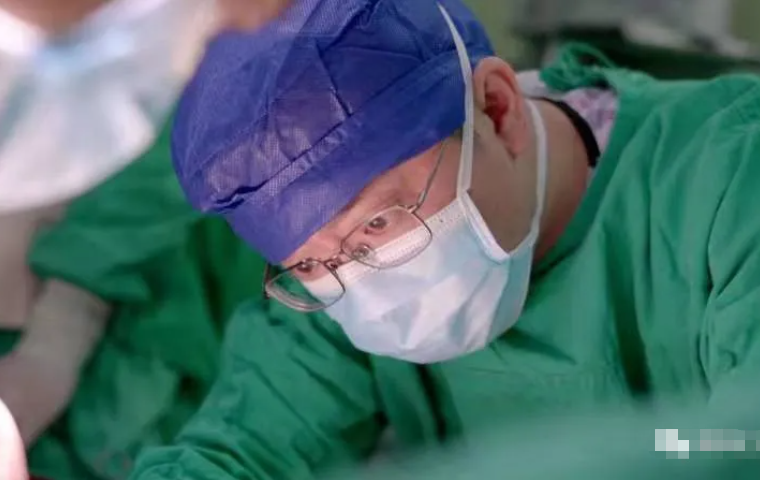
Dr. Chen Tongyu | Chest Surgery Without a Tube, and No Claim to Greatness
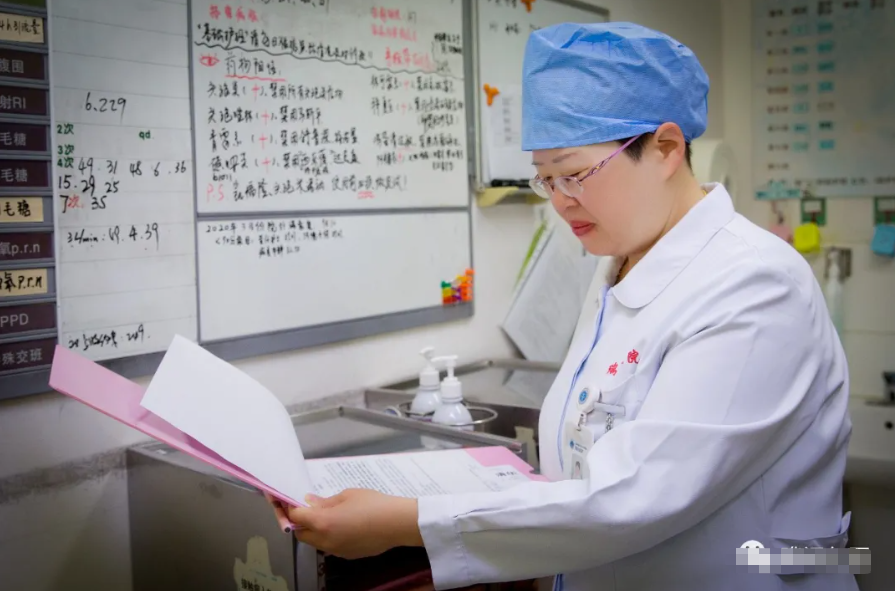
Cui Jie | An Infectious-Disease Nurse Who Kept Walking In
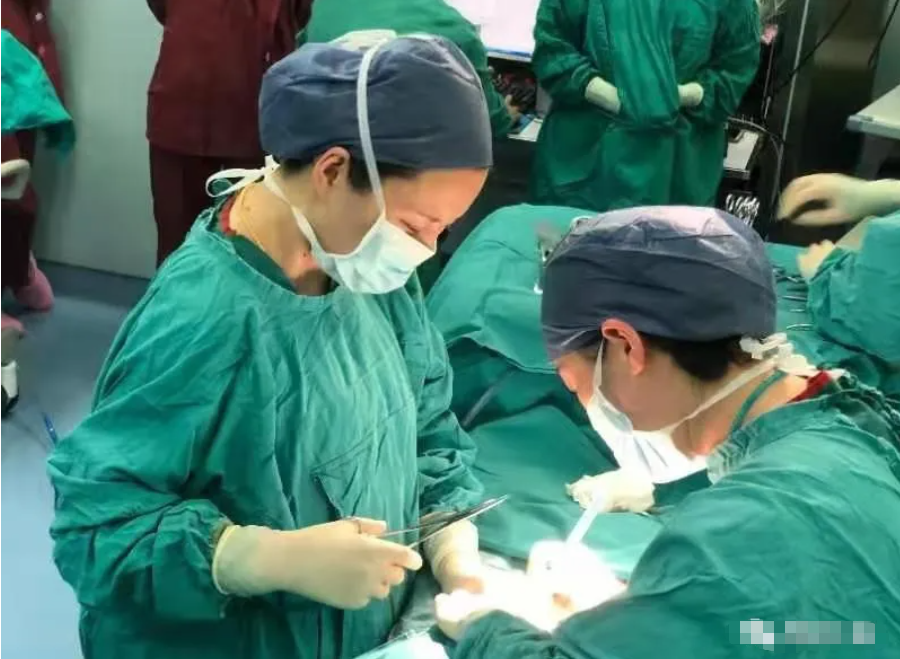
Dr. Hua Xiaolin | High-Risk Obstetrics, and a Child Worth Keeping
Copyright © 2023 Yewen Renyi & ShanghaiDoctor.cn (This website is a non - profit medical humanities platform. The information contained herein is solely for biographical and historical purposes and does not constitute any medical advice.) 沪ICP备2023005392号-2 XML 沪公网安备31010902100835号
 中文
中文 English
 Español
 沪公网安备31010902100835号