ShanghaiDoctor - Where China's Healing Wisdom Shapes Modern Medicine

Update time:2026-09-27Visits:554
“Since you studied this field, do its work well—and look at it with a calm eye.”
— Zhao Jinhua
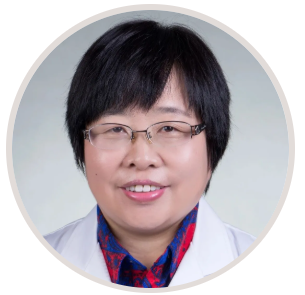
Zhao Jinhua is Director of Nuclear Medicine at Shanghai General Hospital. She came to the post in 2002 through a talent-recruitment program, after nine years as an obstetrician in Shanxi, a master’s year in a historic nuclear-medicine unit in Taiyuan, a doctorate at Huashan Hospital under Lin Xiangtong in neurological nuclear medicine, and four and a half years directing nuclear medicine at Beijing Tongren Hospital. She has no long training chapter abroad. The work that travels is the imaging: PET/CT for lymphoma staging and response, and, later, a 99mTc-labeled PD-L1 nanobody fragment for whole-body SPECT/CT of non-small-cell lung cancer, developed with groups at King’s College London and Weill Cornell Medicine–Qatar.
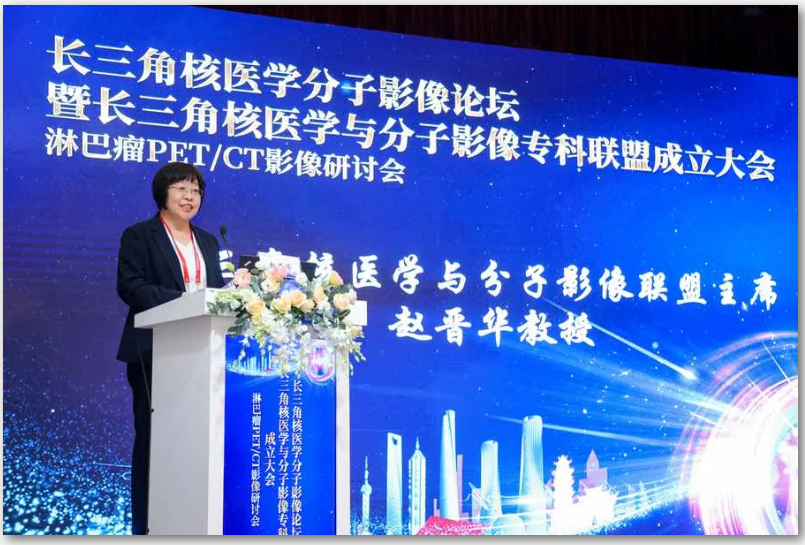
Under her the department grew from seven people in a thin room to more than forty, with services on both the main campus and the Songjiang campus, five to six thousand square meters, and the full list nuclear medicine can offer: in-vivo imaging, in-vitro assays, outpatient and ward, bone densitometry, carbon-13 breath tests. In 2019 she convened the Yangtze River Delta Nuclear Medicine and Molecular Imaging Alliance—sixty-eight hospitals, schools, and device firms across Shanghai, Jiangsu, Zhejiang, and Anhui—aimed at more even practice rather than all the cameras sitting in the largest cities.
A short literary ambition ended in 1979, when she was sixteen and entered Shanxi Medical College. Medicine, she later decided, fit the mind she actually had: not the most abstract engineering intelligence, but memory and analysis enough to walk through the books without flinching. Nearly four hundred students in the year; she once stood first. The late 1970s were a country coming back to work after a long political winter. She does not dress that fact in slogans.
In 1984 she was posted to Heping Hospital in southeastern Shanxi and chose obstetrics and gynecology. Nine years followed. She and her husband lived in different cities; she raised the child alone. Shifts, difficult labors, cesareans, infants whose numbers would not hold, night emergencies, and another list in the morning—more than thirty hours standing was not rare. After five years she sat a master’s exam on three or four hours of sleep. The gut gave out. She judged that the front line of obstetrics was no longer a body she could keep, and she changed fields.
The master’s year, 1993, landed her by chance in nuclear medicine at the First Affiliated Hospital of Shanxi Medical University—one of the early Chinese units, opened in the 1960s, in its own small building, with an ECT camera, immunoassay benches, and a director who paid for American journals out of his own pocket and lent English monographs down the corridor. Several colleagues later took doctorates in Beijing and Shanghai and now run departments of their own. She wrote reports, labeled tracers, developed film, copied disks, drew blood. Interest and a competitive streak kept the hours from feeling like hours. Theory still lagged. She went south.
In 1995 she entered Huashan, then part of Shanghai Medical University, under Lin Xiangtong, a leading figure in neurological nuclear medicine. What she says she took from him was less a technique than a height of view: research, students, and exchange seen from farther off than the next list. After the doctorate she did not stay. Tongren Hospital in Beijing made her director of nuclear medicine for four and a half years. The hospital’s fame sat in eye, ear, nose, and throat; the nuclear list had little room to grow. She missed Shanghai. The General Hospital was hiring. She came back.
2002: seven staff and a thin foundation. She took management, standards, and quality at once. The hospital installed East China’s first coincidence-circuit SPECT/PET/CT—nicknamed a “mini-PET”—which could do both conventional nuclear images and glucose-metabolism maps with a localizing CT. That autumn she called a seminar and asked every clinical chief in the hospital, and the nuclear chiefs of the other large Shanghai centers, into one room to argue what the machine was for. She bargained for a dual-energy X-ray densitometer. She thought about immunoassay. She did not renovate the apartment she had bought to live in.
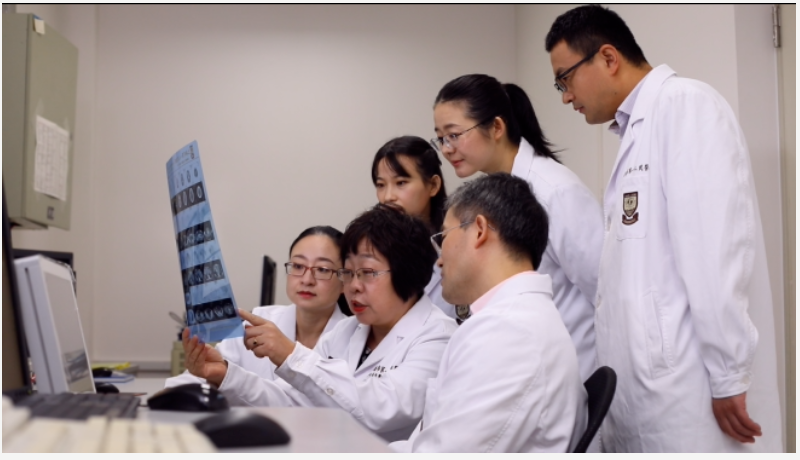
In 2005 the department won a Class A PET/CT license. Colleagues’ confidence moved; so did the hospital’s attention. Nuclear medicine, she says, can be run as a festival or as tap water, depending on the house. Shanghai General’s unit became one of the larger ones among the city’s tertiary hospitals. PET/CT is the lever: neurology, cardiology, and, above all, cancer—diagnosis, stage, response, outlook. Lymphoma is the tumor she pushed first, even on the older coincidence camera, because hematology in the same building believed the pictures and the case numbers were large enough to build a specialty. PET/CT is not a miracle. Well-differentiated primary liver cancer, clear-cell kidney cancer, and mucinous gastric adenocarcinoma can hide from FDG. Contrast-enhanced CT on the same visit—what she calls one-stop PET/CT—is one way around the blind spot.
In April 2019 a 99mTc-labeled PD-L1 nanobody fragment produced whole-body SPECT/CT maps of non-small-cell lung cancer, showing expression in primary and metastatic sites without another puncture. Immunohistochemistry on a needle core sees one place; the scan sees the rest of the body. Novel PET probes and a multicenter trial were the next sentences she wanted. Treatment, for now, is still mostly hyperthyroidism, thyroid cancer, and radioactive seeds. Labeled immunotherapy is the list she is trying to grow. Equipment she still wants: PET/MR, and a serious attempt at artificial intelligence on the images. The ordinary sentence she will not inflate: treat the illness. Use the method the field actually owns.
Enthusiasm is required. Sentiment about one’s own specialty is not.
ShanghaiDoctor.cn: How should a PET/CT report be written? Is more detail always better?
Zhao Jinhua: No. A report should have a hierarchy. Describe the lesions that matter. Handle diagnosis and the differential. Aim for accurate location, accurate character, clear stage, and honest numbers. For response, know the criteria and give the clinician something that can be used. We have worked hard on standard PET/CT language; in the city’s annual nuclear-medicine quality reviews we stay near the top. The same effort goes into how the scan itself is done—PET/CT and bone SPECT/CT alike.
ShanghaiDoctor.cn: Which tumors does PET/CT miss?
Zhao Jinhua: It depends on the tracer. The one we use most is 18F-FDG, a glucose analog. Most tumors drink more sugar, so they light up. Well-differentiated primary liver cancer, renal clear-cell carcinoma, and gastric mucinous adenocarcinoma often do not. That is a blind spot. Contrast-enhanced CT on the same visit can close some of it. One stop, one problem list.
ShanghaiDoctor.cn: What is new on the treatment side?
Zhao Jinhua: A good deal. We are looking at new radionuclides on new ligands, aimed at tumors.
ShanghaiDoctor.cn: Why do people in the department follow you?
Zhao Jinhua: Fairness, and a view that is far enough ahead that you do not walk the group into a ditch. You also owe each person a chance that fits how they are built.
ShanghaiDoctor.cn: As director, what sits on the desk now?
Zhao Jinhua: The discipline, the next row of people, the research system. Nuclear medicine sits on a border—medicine, engineering, physics, chemistry. How you hire, teach, and keep that mix pulling the same way is the director’s problem.
Zhao Jinhua’s title is a road and the flowers that happened to open along it: a labor ward in Shanxi, a small nuclear building with borrowed American journals, a doctorate under Lin Xiangtong, a Tongren chapter that was too narrow, seven people and a mini-PET in 2002, a lymphoma list, a PD-L1 scan that sees more than a needle. She will not let the specialty congratulate itself. The work is to use the method the field actually has, and to keep the cameras from living only in the largest hospitals.
Editor: Chen Qing
Dr. Yuan Gongjie | Children's Smiles, and the Orthodontist Who Still Tells Stories
Dr. Wang Chaoyang | Vitrectomy, and Flowers Once Hidden in the Eye
Dr. Zhao Jinhua | Nuclear Medicine, and the Flowers Along the Road
Dr. Shi Yuling | Psoriasis, and Spring Mountains Beyond the Plain
Dr.Ying Chunmei | Laboratory Medicine, Renewed a Little Every Day
Dr. Zhang Lei | Children's Airways, and a Preference for Being Plain
Dr. Chen Tongyu | Chest Surgery Without a Tube, and No Claim to Greatness
Dr. Hua Xiaolin | High-Risk Obstetrics, and a Child Worth Keeping
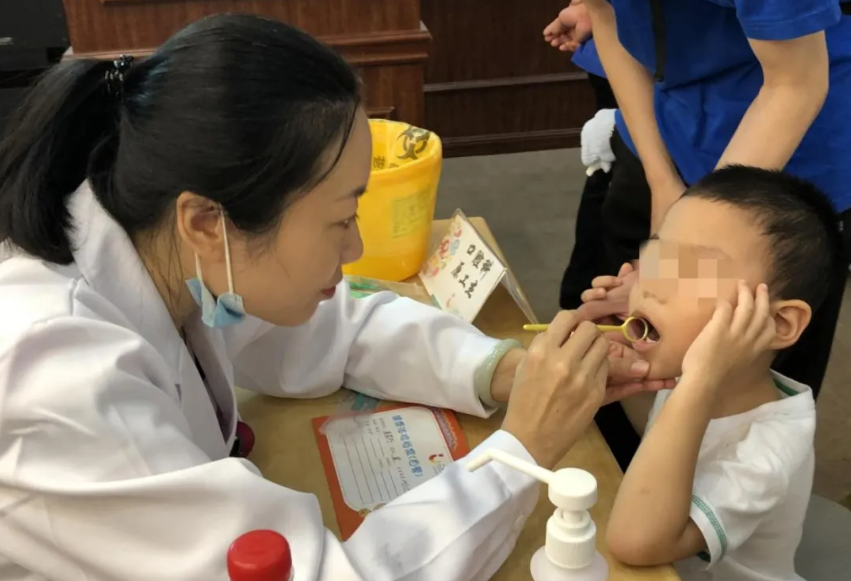
Dr. Yuan Gongjie | Children's Smiles, and the Orthodontist Who Still Tells Stories
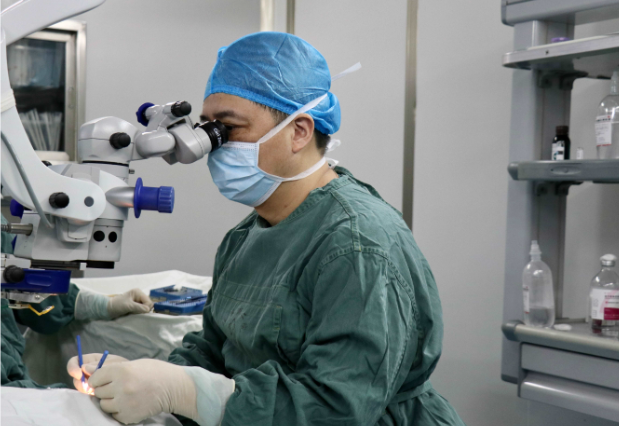
Dr. Wang Chaoyang | Vitrectomy, and Flowers Once Hidden in the Eye
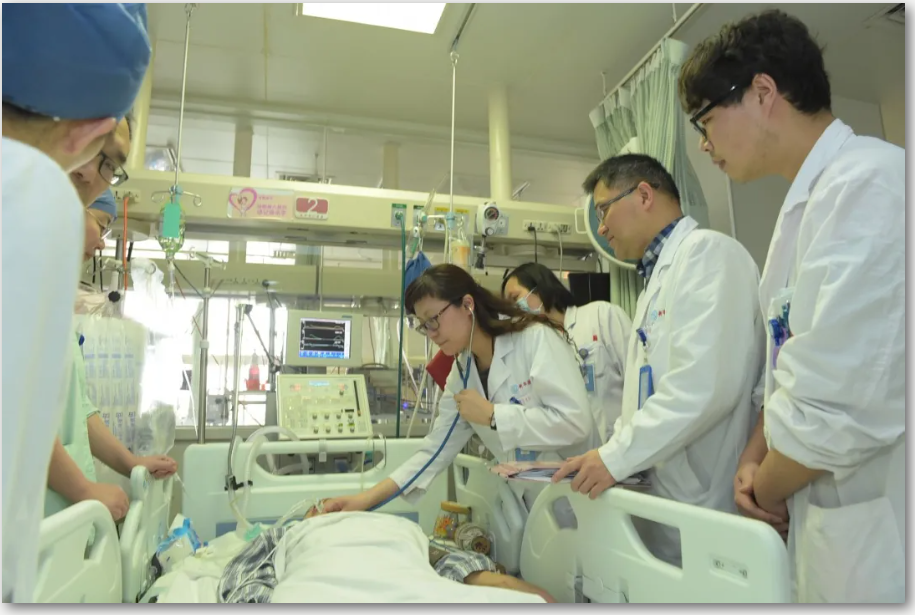
Dr. Fei Aihua | Emergency Medicine, and Striving to Win
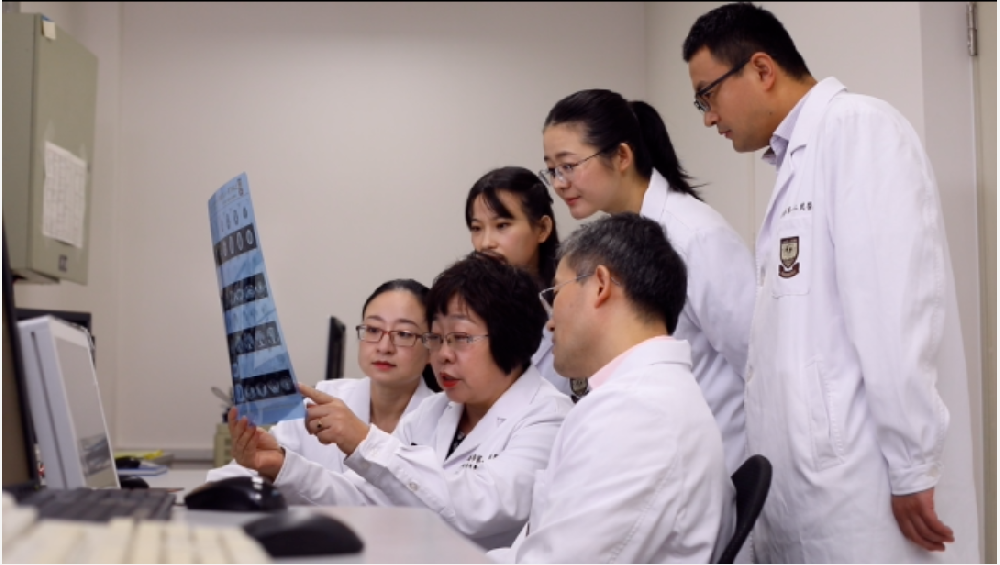
Dr. Zhao Jinhua | Nuclear Medicine, and the Flowers Along the Road
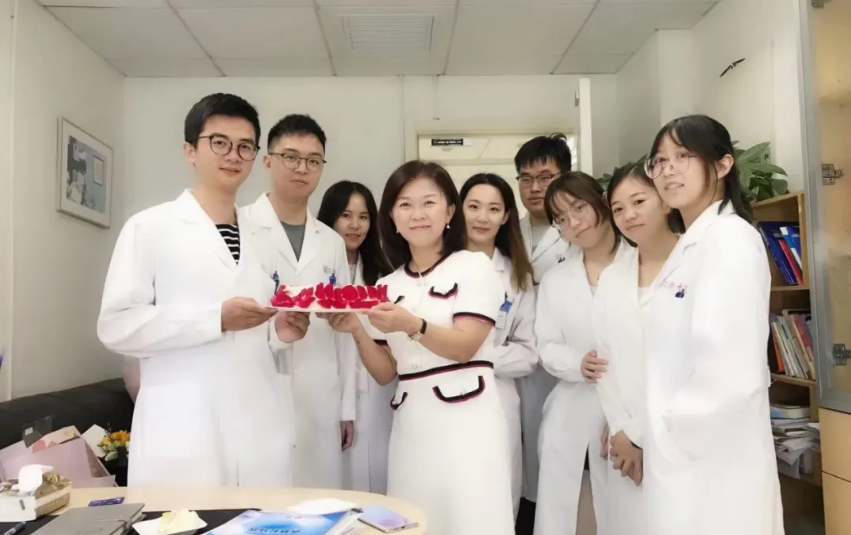
Dr. Shi Yuling | Psoriasis, and Spring Mountains Beyond the Plain
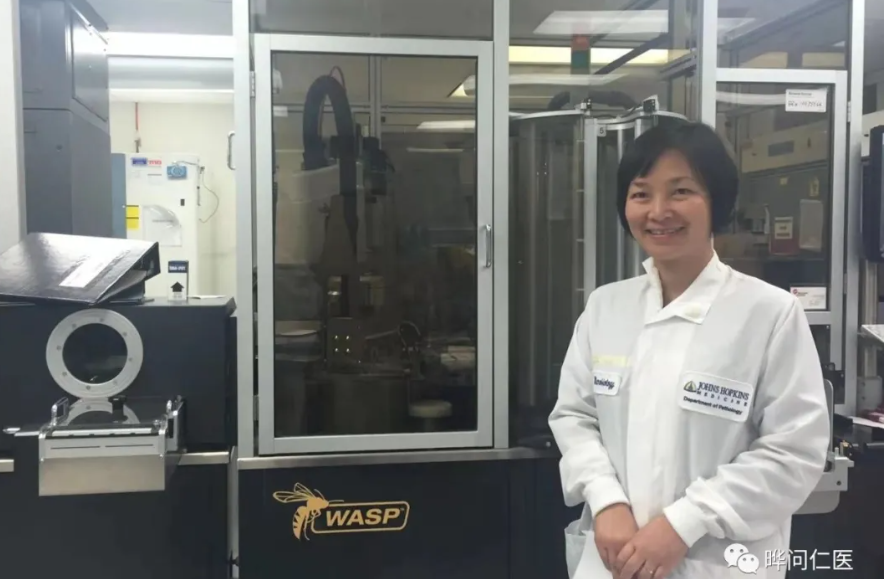
Dr.Ying Chunmei | Laboratory Medicine, Renewed a Little Every Day
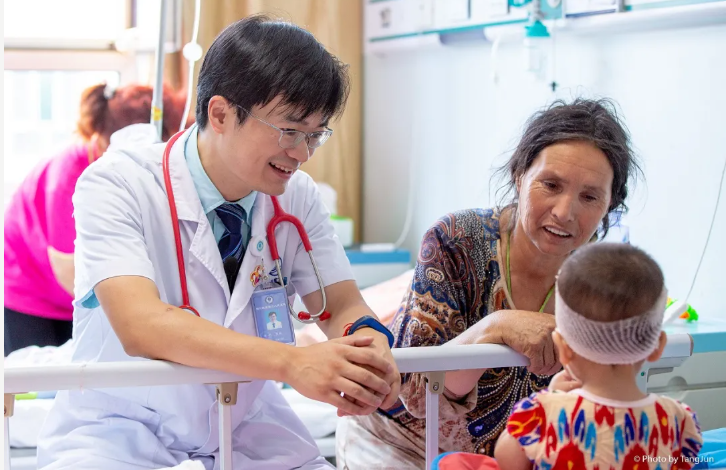
Dr. Zhang Lei | Children's Airways, and a Preference for Being Plain
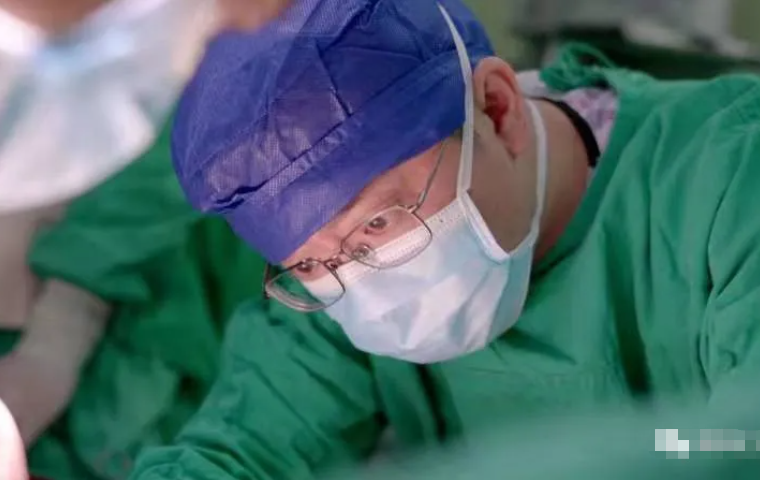
Dr. Chen Tongyu | Chest Surgery Without a Tube, and No Claim to Greatness
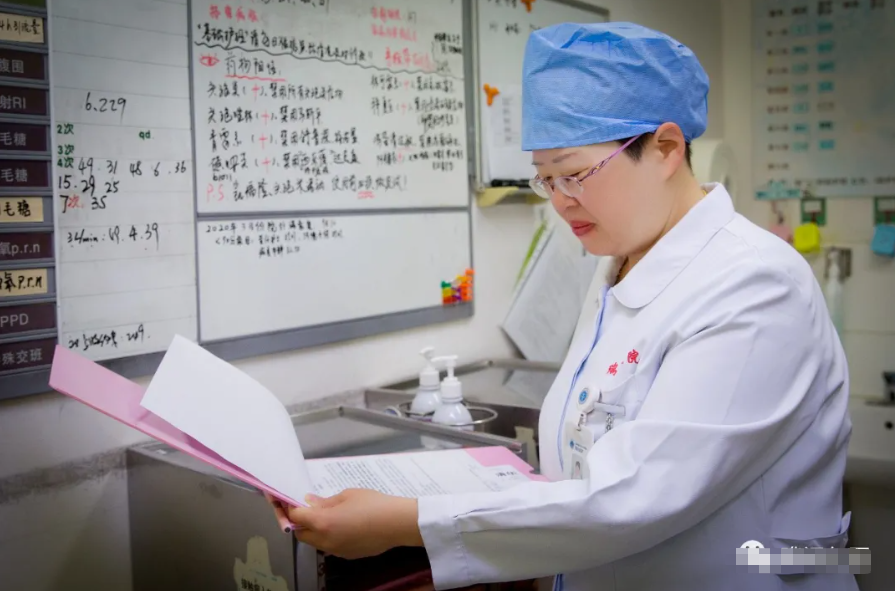
Cui Jie | An Infectious-Disease Nurse Who Kept Walking In
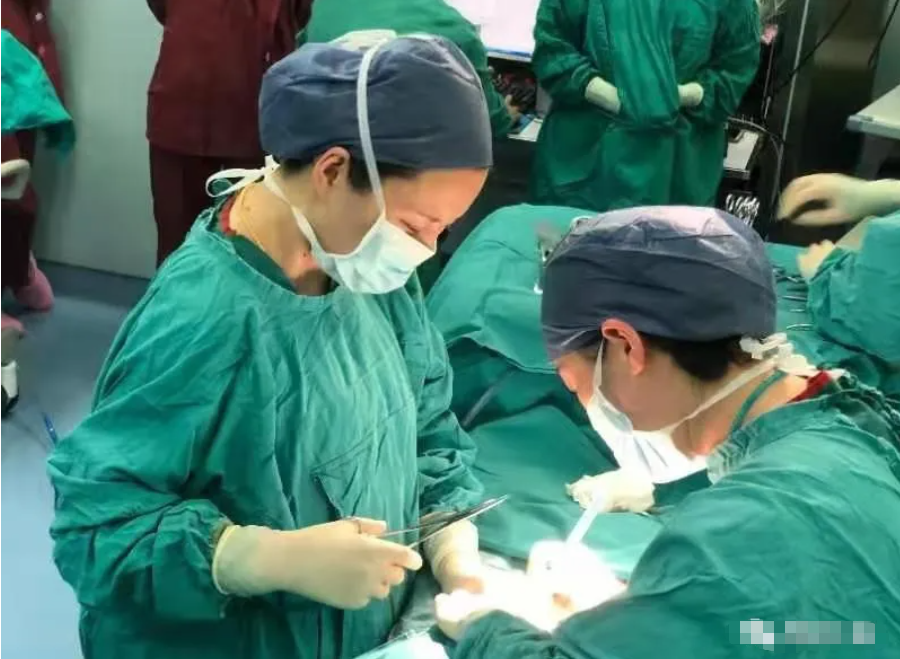
Dr. Hua Xiaolin | High-Risk Obstetrics, and a Child Worth Keeping
Copyright © 2023 Yewen Renyi & ShanghaiDoctor.cn (This website is a non - profit medical humanities platform. The information contained herein is solely for biographical and historical purposes and does not constitute any medical advice.) 沪ICP备2023005392号-2 XML 沪公网安备31010902100835号
 中文
中文 English
 Español
 沪公网安备31010902100835号