ShanghaiDoctor - Where China's Healing Wisdom Shapes Modern Medicine

Update time:2026-10-05Visits:381
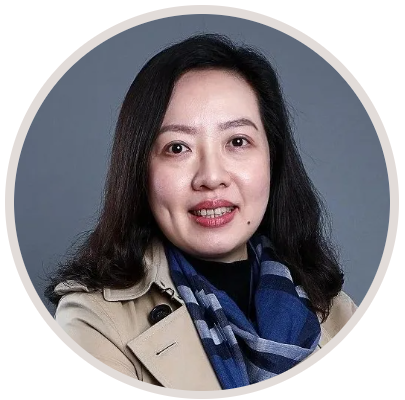
“Clear and steady in the decision. Gentle with the child in front of you.”
— Shen Qian
Shen Qian is Chief Physician, Master’s Supervisor, and Director of Nephrology at the Children’s Hospital of Fudan University. Born in Shanghai in 1975, she treats glomerulonephritis, nephrotic syndrome, urinary infection, congenital anomalies of the kidney and urinary tract, enuresis, purpura nephritis, and the far end of the list: acute and chronic kidney failure, dialysis, and the pediatric side of transplantation. She is deputy head of the nephrology group of the Chinese Medical Association’s pediatrics branch, and head of the same group in Shanghai.
The department, built under Xu Hong, is the largest pediatric nephrology service among Shanghai children’s hospitals: fifteen staff physicians, graduate students, specialist nurses, and a social-work team. Peritoneal dialysis and hemodialysis volumes rank among the highest reported for a single pediatric center. About half the ward, she says, is children in kidney failure, referred from across the country. Urology, nutrition, imaging, and pharmacy sit in the same discussion. No long overseas training appears in her own record. The mentor she followed had just come back from abroad when Shen joined; she has stayed on that service ever since.
Teaching prizes sit beside the clinical work: a Fudan young-faculty teaching award in 2013, a Shanghai young-physician honor in 2019, a national young-physician recognition in 2020, and later a national first prize in a short-lecture contest. She treats the titles as weather. The sentence she kept from a Teachers’ Day speech is plainer: sunshine in the chest, a duty on the shoulder, strength in the step.
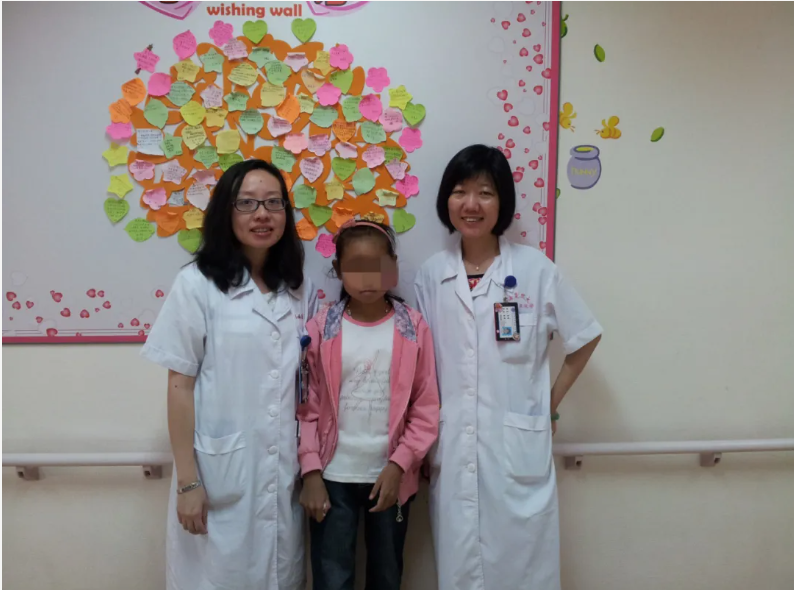
She had scored 507 on the college exam, enough for the fashionable schools. Her parents wanted finance at Shanghai University of Finance and Economics. She changed the form to Shanghai Medical University. The wish was older than the exam. A grandfather with gastric cancer had surgery at Changzheng Hospital; the family waited outside, and the operation bought him more than twenty years. She thought a doctor was a remarkable thing. Textbooks did not bore her. She was never first in the class and always in the upper half, and she kept novels, volleyball, tennis, and a Japanese course.
After the bachelor’s degree she chose the children’s hospital. Adult disease, she thought, left too many regrets that could not be closed. Pediatric disease still had a high chance of cure. Undergraduates there were given mentors. A little more than a year in, hers was Xu Hong, already a national name in pediatric kidney disease. Immunosuppression could turn many glomerular diseases. Congenital and inherited disease at least had dialysis and a transplant list. A year and a half after arrival she was chief resident, two or three years ahead of peers. Three or four 24-hour shifts in a row did not register as fatigue. The hospital was the only room in her head.
One weekend the emergency room took a fourteen-year-old from Songjiang whose blood pressure could not be measured. Adrenal crisis. His parents, following a rumor, had stopped his steroids. An infection followed. A few days off the drug, and the resuscitation did not bring him back. His mother cried in a way Shen had not heard. It was the first death after she put on the coat. She stood to the side and could not move the outcome. Illnesses that do not look complex still take children. She kept the picture, and the conclusion that the work had to be harder, not softer.
A girl she followed for ten years began with protein in the urine at five or six, reached kidney failure at thirteen, dialyzed for a year, and was transplanted at Changhai. The children’s hospital and the adult transplant centers share a path: dialysis and assessment here, registration at Changhai or Zhongshan, a wait of roughly one to one and a half years, then return for pediatric follow-up two to four weeks after the graft is stable. She quotes a five-year graft survival near 97 percent, and wants it closer to everyone.
Three months after that transplant the girl had abdominal pain. Endoscopy found a tumor—post-transplant lymphoproliferative disease after a viral infection. Chemotherapy held it with difficulty. Then a fungal infection reached the central nervous system, and the headache would not stop. Neurosurgery and infectious disease at Huashan were called. Surgery, radiation, chemotherapy, and drugs not yet ordinary in China were all tried. The record in the interview breaks off there. What Shen kept is the imbalance: the kidney plan can be right, and infection still takes the child. Dialysis and transplantation restore a filter. They also open a door.
Another girl, born with kidney disease, had protein from infancy and was in failure by four or five. She dialyzed while waiting. The first graft failed. At nearly ten her vessels were as stiff and brittle as a much older person’s. She came back to peritoneal dialysis, then fungal peritonitis, and spent almost half a year in the hospital—sensible, optimistic, stronger than the adults expected. Huashan infectious disease guided the antifungal course. After the infection cleared and hemodialysis held, she waited more than a year. The second transplant worked. She is sixteen now, taller than Shen, and has grown up beside the team that first saw her at one.
Early on she wanted every child saved. Later the question widened to height, school, a street where no one stares at a dialysis line. Steroids stunt growth. Newer immunosuppressants are a way to use less steroid without inviting more infection. A creatinine of 150 feels, to a parent, like the sky falling. Data does not always land. Online groups, with nurses and doctors in them, let a family see they are not the only one. What she wants is not survival alone. Work, affection, marriage, a child of their own.
ShanghaiDoctor.cn: What is distinctive about treating kidney disease in children?
Shen Qian: Diagnosis is not the hard part. Treatment is, including the drugs for complications. Many places have not truly started pediatric dialysis. Most follow-up after a child’s transplant in this country still happens in adult hospitals. We have a working link with the transplant centers, and stable patients come back to pediatrics. Many hospitals do not have that model yet.
ShanghaiDoctor.cn: How does the cooperation with the Shanghai transplant centers work?
Shen Qian: We share the path before and after. Whether a child is a candidate is our assessment. Suitable patients register at Changhai or at Zhongshan, Fudan. While they wait they stay on home peritoneal dialysis or hemodialysis here. The wait is about one to one and a half years. If the match holds, there is no obvious infection, and nothing else forbids it, they are called. Two to four weeks after the graft is stable, they return to us. Five-year survival of our transplant patients is about 97 percent. The aim is that none are lost.
ShanghaiDoctor.cn: Chronic illness in a child is hard to hold. Do you give them confidence?
Shen Qian: Yes, to parents and to the child. Many who arrive have been called hopeless elsewhere. In the ward now there are children who need dialysis and cancer treatment at the same time. The family has not stopped. A doctor has less reason to. As the department’s skill has risen, so has the confidence.
ShanghaiDoctor.cn: When parents give up on a child, do you blame them?
Shen Qian: I am direct, and I will tell the child. The terms are cold. The truth is hard. It is still the life he will have to walk. No one can stand beside him forever. Meeting the hard part earlier, and learning to be steady and responsible, is not the worst thing for a character. Everyone has something they cannot step around.
ShanghaiDoctor.cn: Any gift that stayed?
Shen Qian: A card a child made. He drew my portrait, quieter than I am, and tidied the face and the hair. People who saw it said it was like me. I have kept it.
ShanghaiDoctor.cn: How do you lead the team?
Shen Qian: Hands on. Now I try to give the stronger people more of the work, and to look after the rest as far as I can. Absolute fairness is not available.
ShanghaiDoctor.cn: How are you now? Do you still get anxious? Is there time to stop?
Shen Qian: On Teachers’ Day I had just won a national first prize in a short-lecture contest, and the hospital asked me to speak. A colleague revised the draft. One line still fits: sunshine in the heart, responsibility on the shoulders, strength in the steps. I rarely feel anxious, and I rest well at night. If I have done what I can, there is nothing left to turn over. Younger, I was like the students I supervise now, anxious again and again about the best plan. Once the plan is settled and the questions that should be asked have been asked, the anxiety is smaller.
Shen Qian: My parents ask the same thing. I do not have much time with them. This National Day week is full again: duty on the first, Anhui Children’s Hospital with Professor Xu on the second and third, a collaborating lab on the fifth, clinic on the eighth. Two days off in the holiday. I used to watch films. A song lately caught me—college idols, Wong Ka-kui, Danny Chan, Anita Mui, Leslie Cheung, Tony Leung, Stephen Chow, and a movie ticket still owed. I rarely go to the cinema now. Those faces have aged.
ShanghaiDoctor.cn: How was the department during the outbreak?
Shen Qian: We took measures with everyone else. Hemodialysis patients still had to travel in and out, and we worried about infection on that road. For myself there was a little more time, and less of it spent traveling to lectures.
ShanghaiDoctor.cn: Do you still read?
Shen Qian: Always. Books by the bed. Detective fiction. A set of Agatha Christie. Poirot and Miss Marple. An internist is often the same job: follow the clue, take off a layer, find what was hidden.
ShanghaiDoctor.cn: How do you understand life? Do you still identify with the work? What do you want that you do not have?
Shen Qian: I have seen both sides. The attitude I want is clear and steady, and also gentle. A child’s later life is in the room with you. You want to pull them back. I identify with the profession strongly. The road has been smooth enough. Much of the clinical and research work I wanted has been done. I am satisfied. What I want is a longer trip, no messages, no calls, a few days of that. It is almost impossible. The phone stays on. An emergency still finds you.
ShanghaiDoctor.cn: If you taught a class that was not your specialty, what would you say?
Shen Qian: Cooperation, and how a team is built. Young people now watch their own path. To become a good doctor or a good investigator, the shared work matters more. One person can finish a hard case, a good paper, a grant. To last, and to grow, you need the group, fewer old grudges, and a wider mind.
Shen Qian’s title for herself is lucid and gentle at once. The lucid part is a steroid that must not be stopped, a vessel too old for a ten-year-old, a creatinine number that has to be said out loud. The gentle part is a portrait a child drew, an online group where a parent discovers they are not alone, and a sixteen-year-old who is now taller than the doctor who met her at one. She does not remember every child who went home. She remembers the ones who did not.
Dr.Sun Jing | Fertility-Sparing Surgery, and a Future Already Here
Dr. Li Qingyun | Sleep Apnea, and Illness Removed Without a Sound
Dr. Zhu Zhiling | Gynecologic Surgery, and a Line She Would Not Cross
Dr. Yuan Gongjie | Children's Smiles, and the Orthodontist Who Still Tells Stories
Dr. Wang Chaoyang | Vitrectomy, and Flowers Once Hidden in the Eye
Dr. Zhao Jinhua | Nuclear Medicine, and the Flowers Along the Road
Dr. Shi Yuling | Psoriasis, and Spring Mountains Beyond the Plain
Dr.Ying Chunmei | Laboratory Medicine, Renewed a Little Every Day
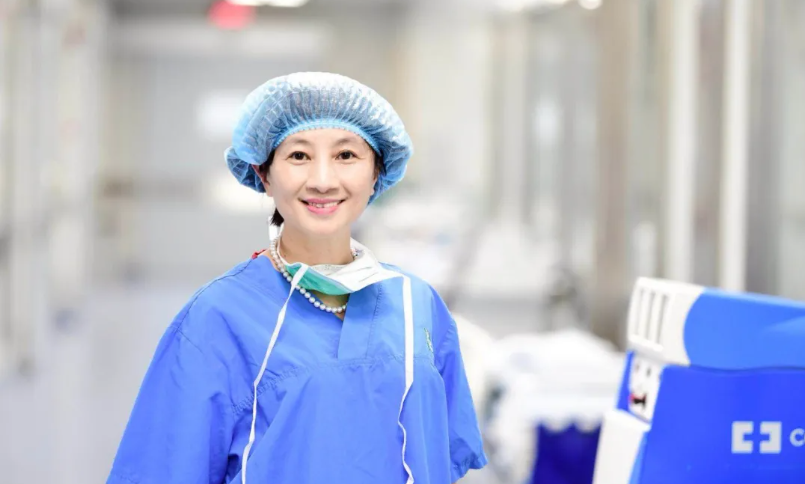
Dr.Sun Jing | Fertility-Sparing Surgery, and a Future Already Here
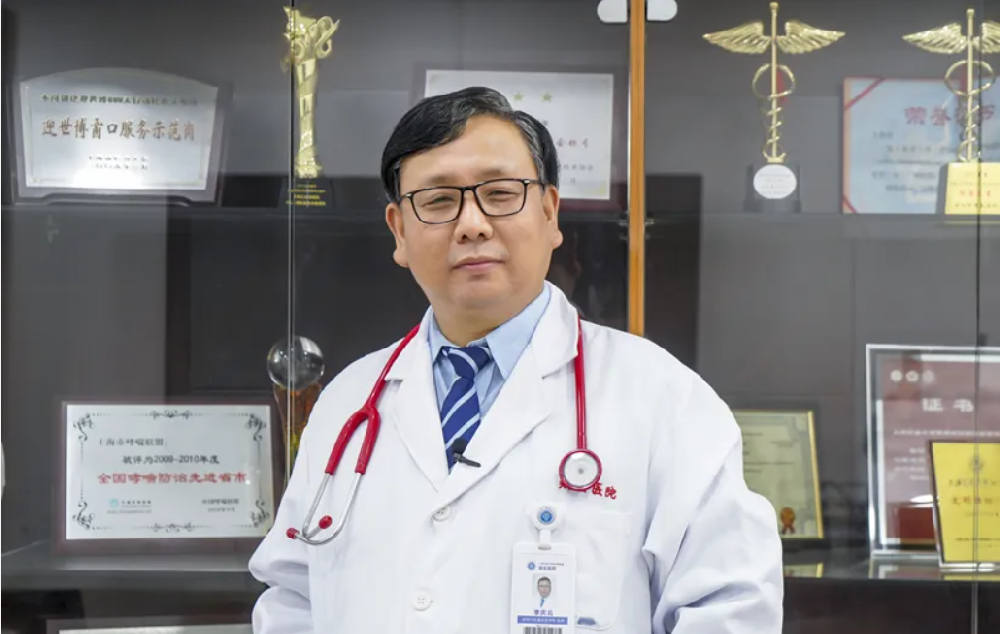
Dr. Li Qingyun | Sleep Apnea, and Illness Removed Without a Sound
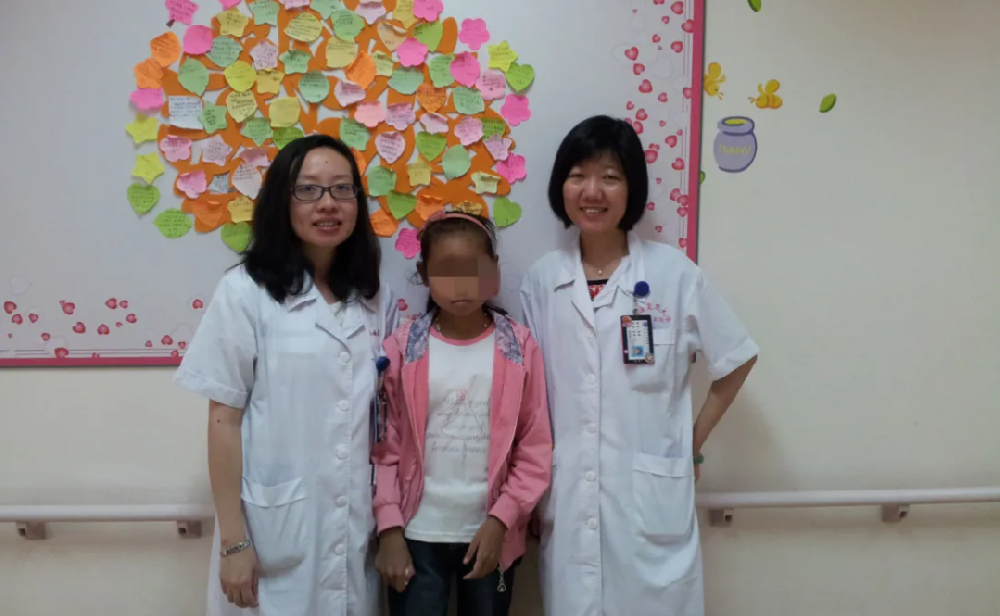
Dr. Shen Qian | Children’s Kidneys, Lucid and Gentle
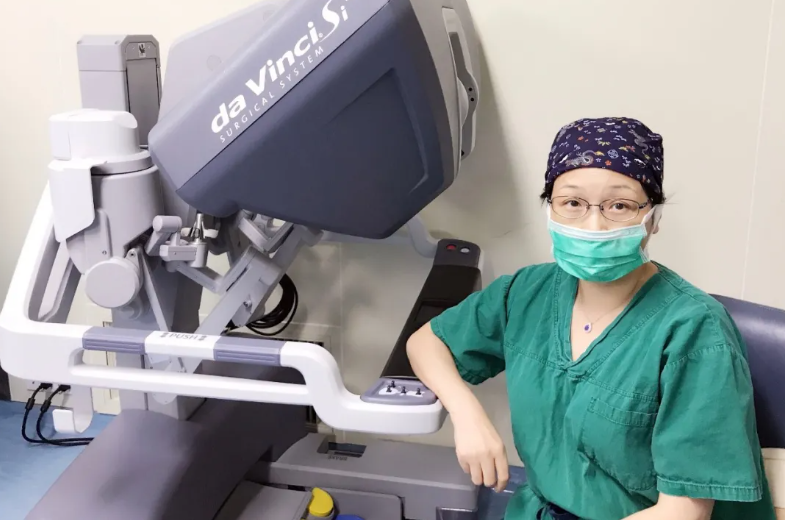
Dr. Zhu Zhiling | Gynecologic Surgery, and a Line She Would Not Cross
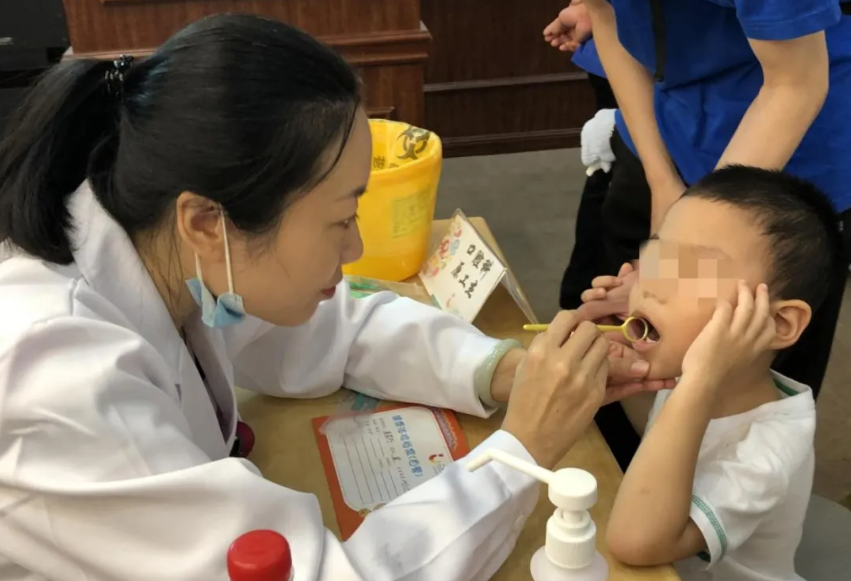
Dr. Yuan Gongjie | Children's Smiles, and the Orthodontist Who Still Tells Stories
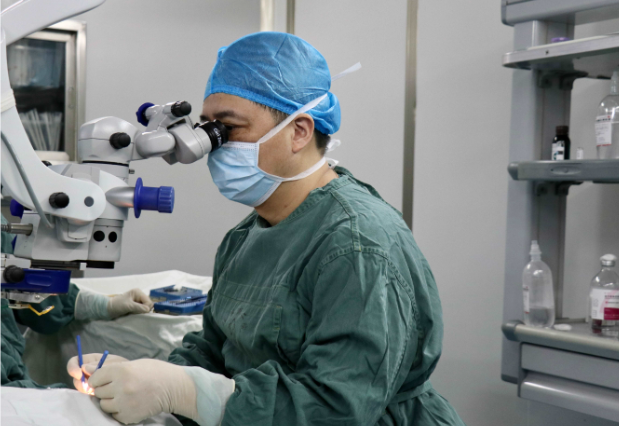
Dr. Wang Chaoyang | Vitrectomy, and Flowers Once Hidden in the Eye
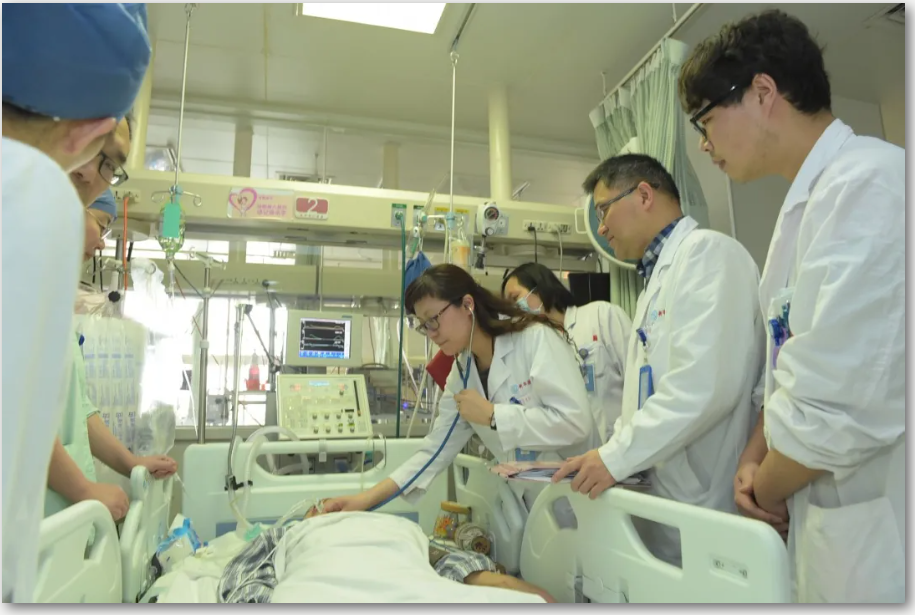
Dr. Fei Aihua | Emergency Medicine, and Striving to Win
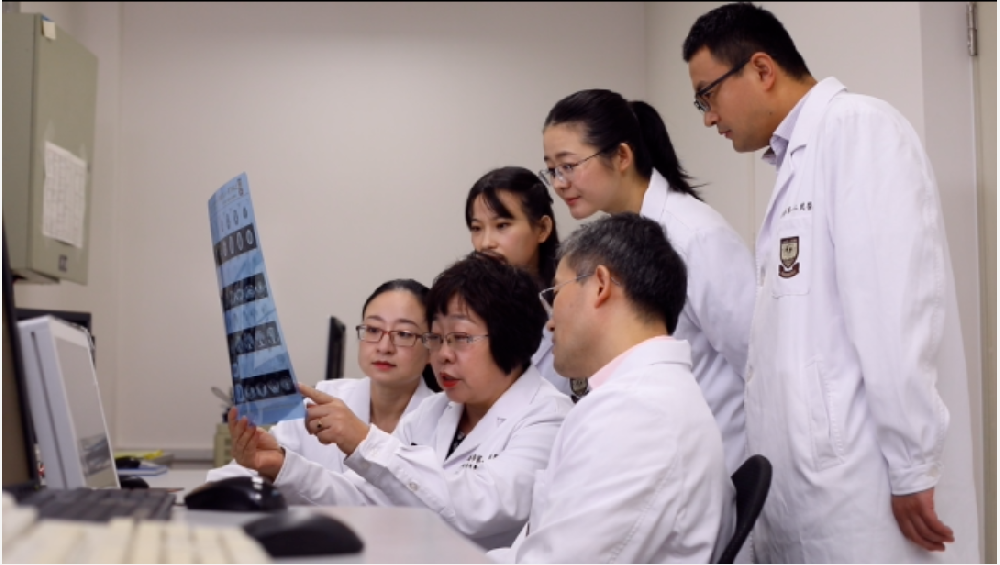
Dr. Zhao Jinhua | Nuclear Medicine, and the Flowers Along the Road
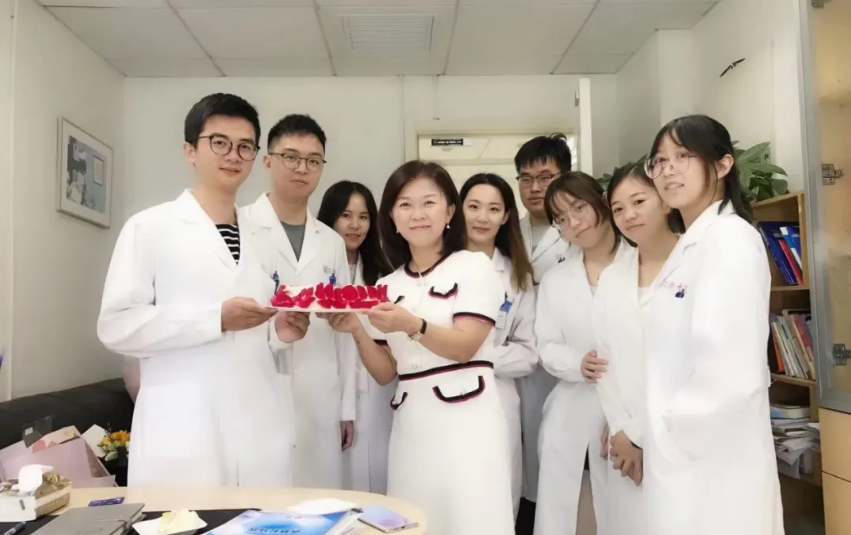
Dr. Shi Yuling | Psoriasis, and Spring Mountains Beyond the Plain
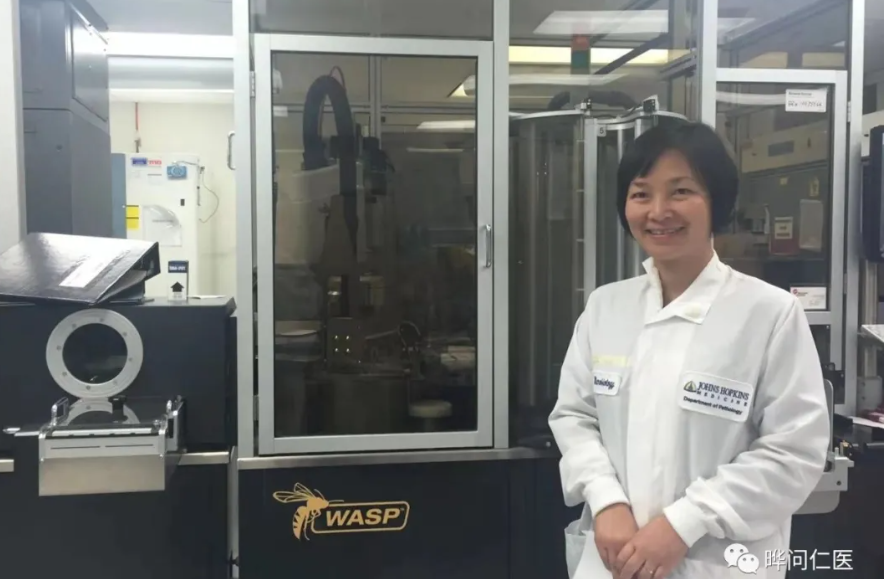
Dr.Ying Chunmei | Laboratory Medicine, Renewed a Little Every Day
Copyright © 2023 Yewen Renyi & ShanghaiDoctor.cn (This website is a non - profit medical humanities platform. The information contained herein is solely for biographical and historical purposes and does not constitute any medical advice.) 沪ICP备2023005392号-2 XML 沪公网安备31010902100835号
 中文
中文 English
 Español
 沪公网安备31010902100835号